Iran plans to begin increasing its nuclear enrichment levels and prohibit international inspectors from accessing nuclear facilities if U.S. oil and banking sanctions are not lifted by this coming February, the New York Times reports.
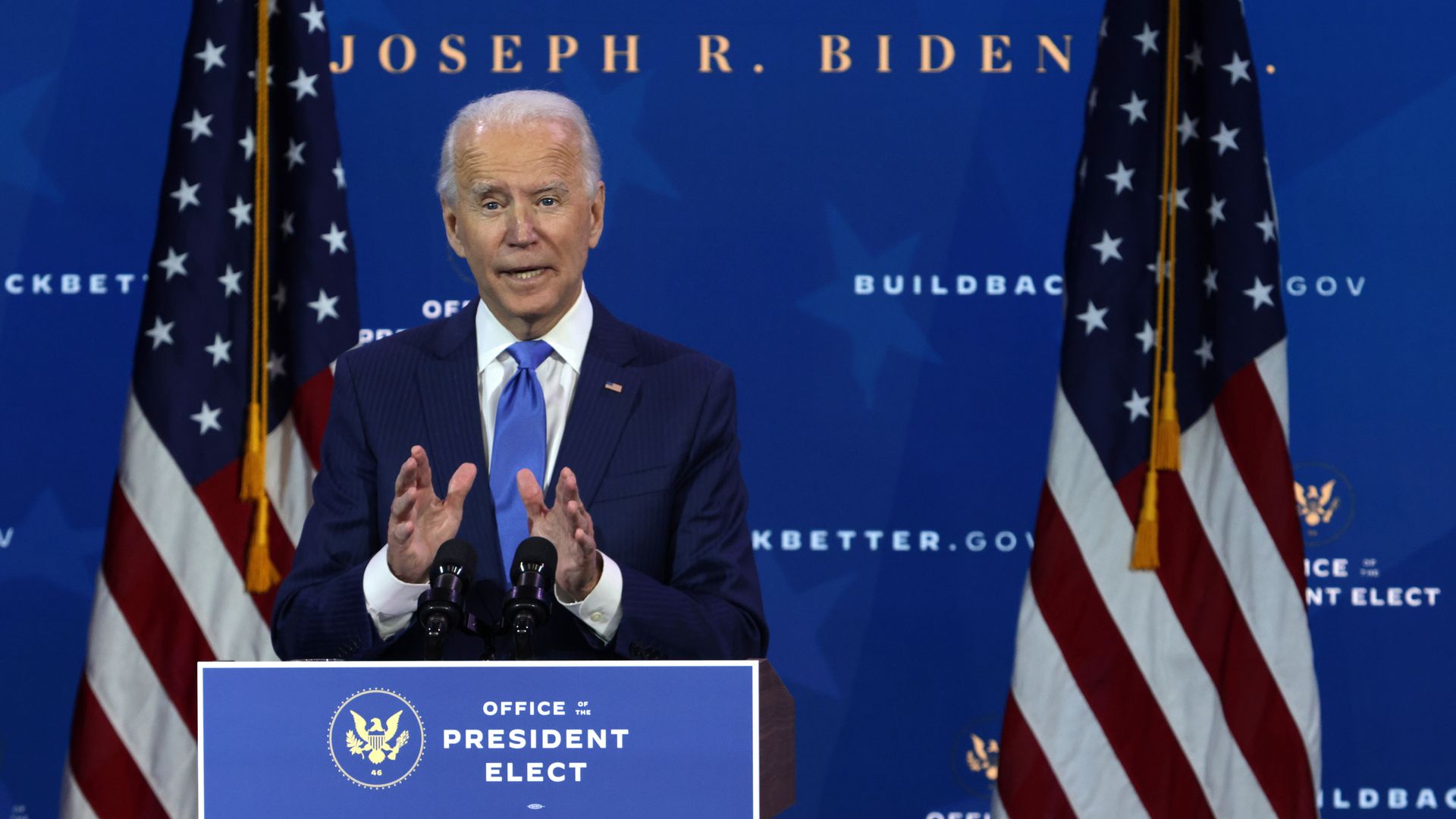
Why it matters: A new law ratified Wednesday orders Iran's atomic energy agency to expand uranium enrichment to match levels prior to the 2015 nuclear agreement. The move comes as a direct response to the assassination of the nation's top nuclear scientist, and appears to put pressure on President-elect Biden to reenter the 2015 deal immediately upon taking office.
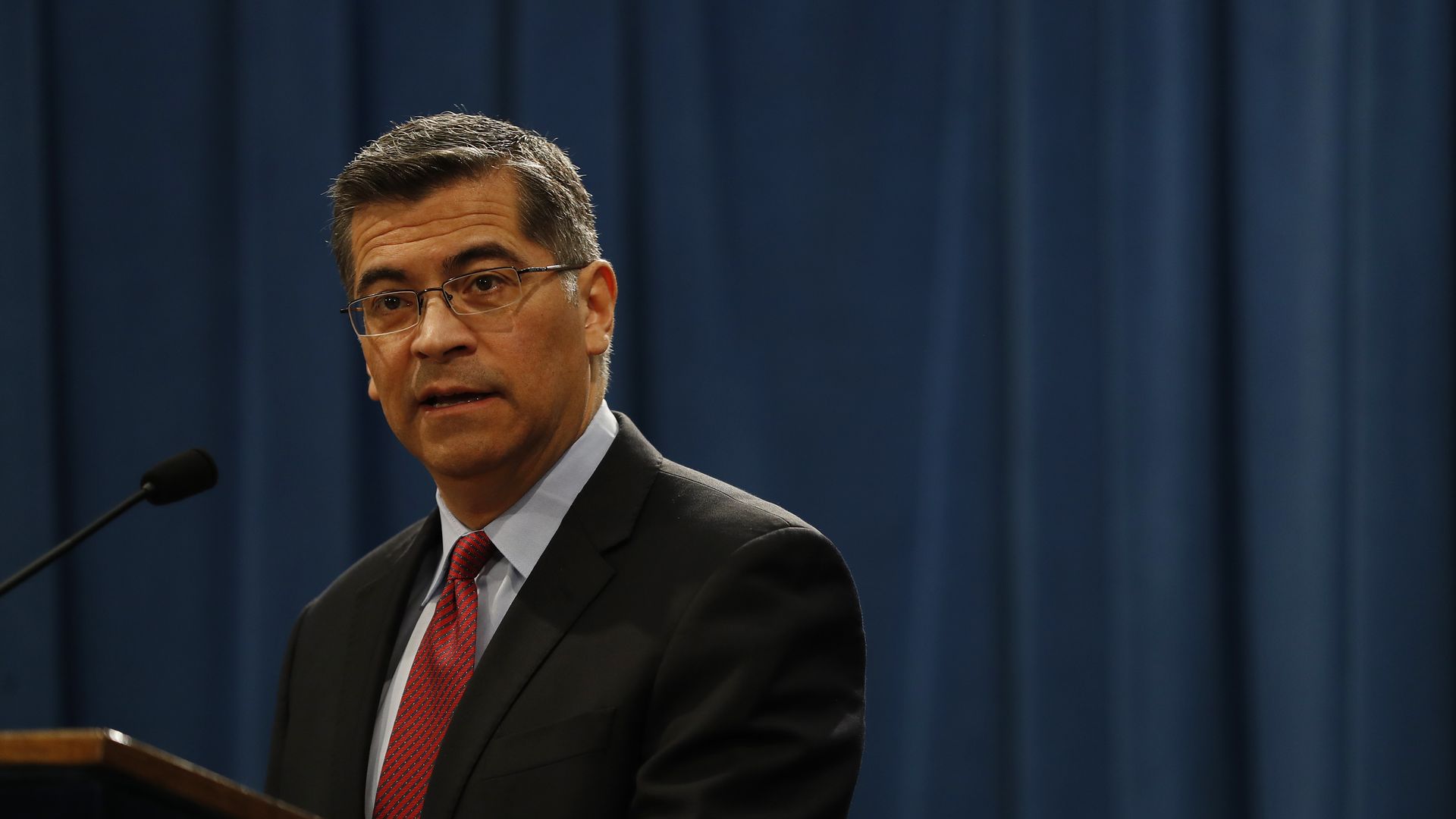
Hispanic lawmakers are increasing their demands on Joe Biden, pressing him to name either California Attorney General Xavier Becerra or DNC chair Tom Perez to lead the Justice Department.
The big picture: Interest groups in the Democratic Party are engaged in dueling campaigns for a finite number of top Cabinet posts.
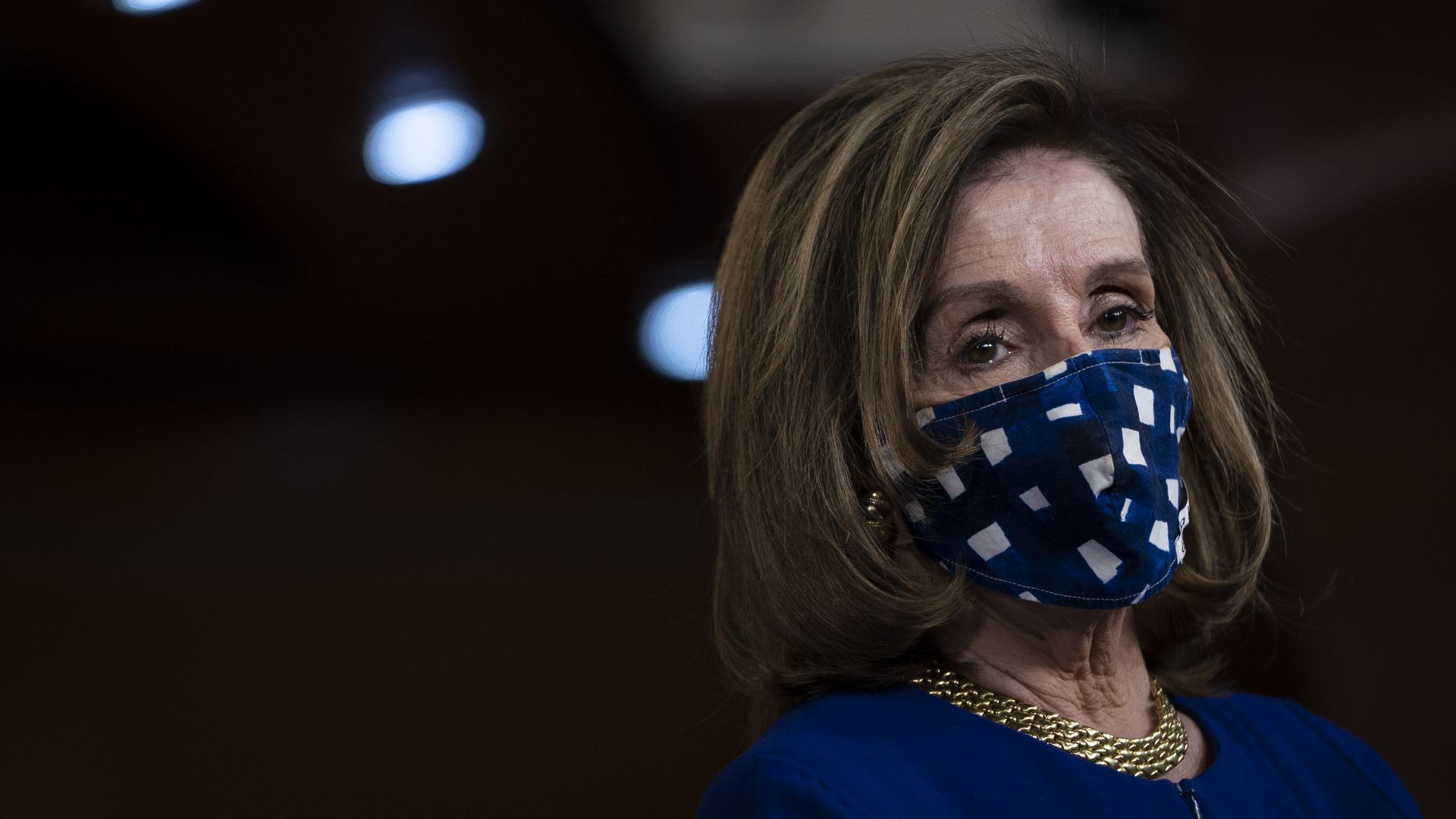
House Speaker Nancy Pelosi (D-Calif.) and Senate Minority Leader Chuck Schumer (D-N.Y.) on Wednesday urged Senate Majority Leader Mitch McConnell (R-Ky.) to use a $908 billion bipartisan coronavirus relief framework as a basis for jumpstarting negotiations.
Why it matters: The framework, introduced by a group of bipartisan lawmakers on Tuesday, calls for significantly less funding than Pelosi had previously demanded — a sign that Democrats are ready to further compromise as millions of Americans endure economic hardship.
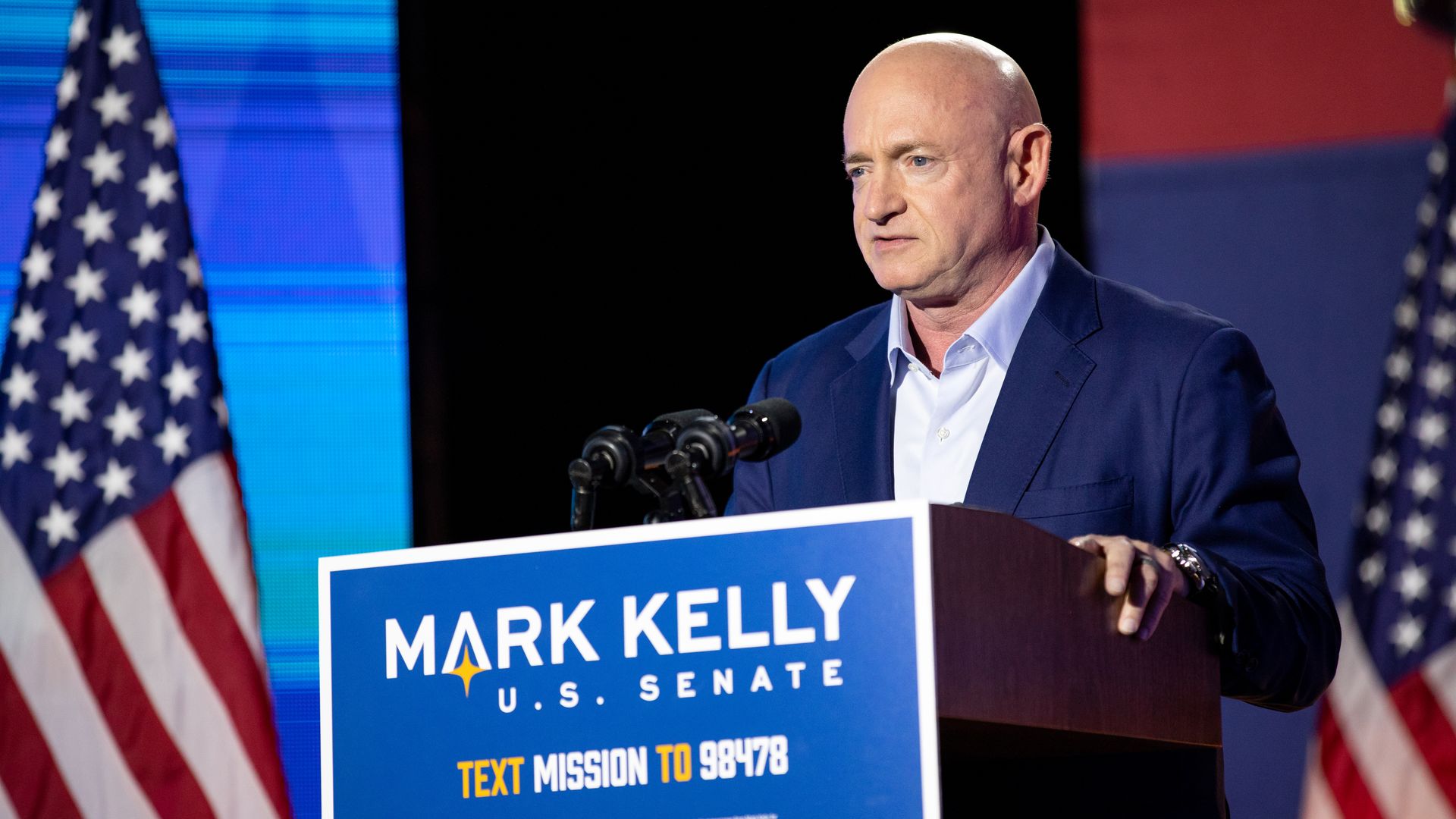
Astronaut Mark Kelly (D) was sworn in to the U.S. Senate on Wednesday after defeating incumbent Sen. Martha McSally (R-Ariz.) last month for the seat once held by the late Sen. John McCain.
Why it matters: Kelly's swearing-in by Vice President Mike Pence narrows the Republican majority and moves the Senate balance to 52-48.
Several Supreme Court justices Monday seemed to signal that they're interested in narrowing a landmark cybersecurity law that critics have long charged is overbroad.
Why it matters: The Computer Fraud and Abuse Act of 1986 has been the basis for a number of controversial criminal cases, most infamously the prosecution of activist and hacker Aaron Swartz, who committed suicide while awaiting trial after downloading a large number of academic articles. Narrowing the law could prevent overzealous prosecutors from going after internet users engaging in relatively innocuous activity.
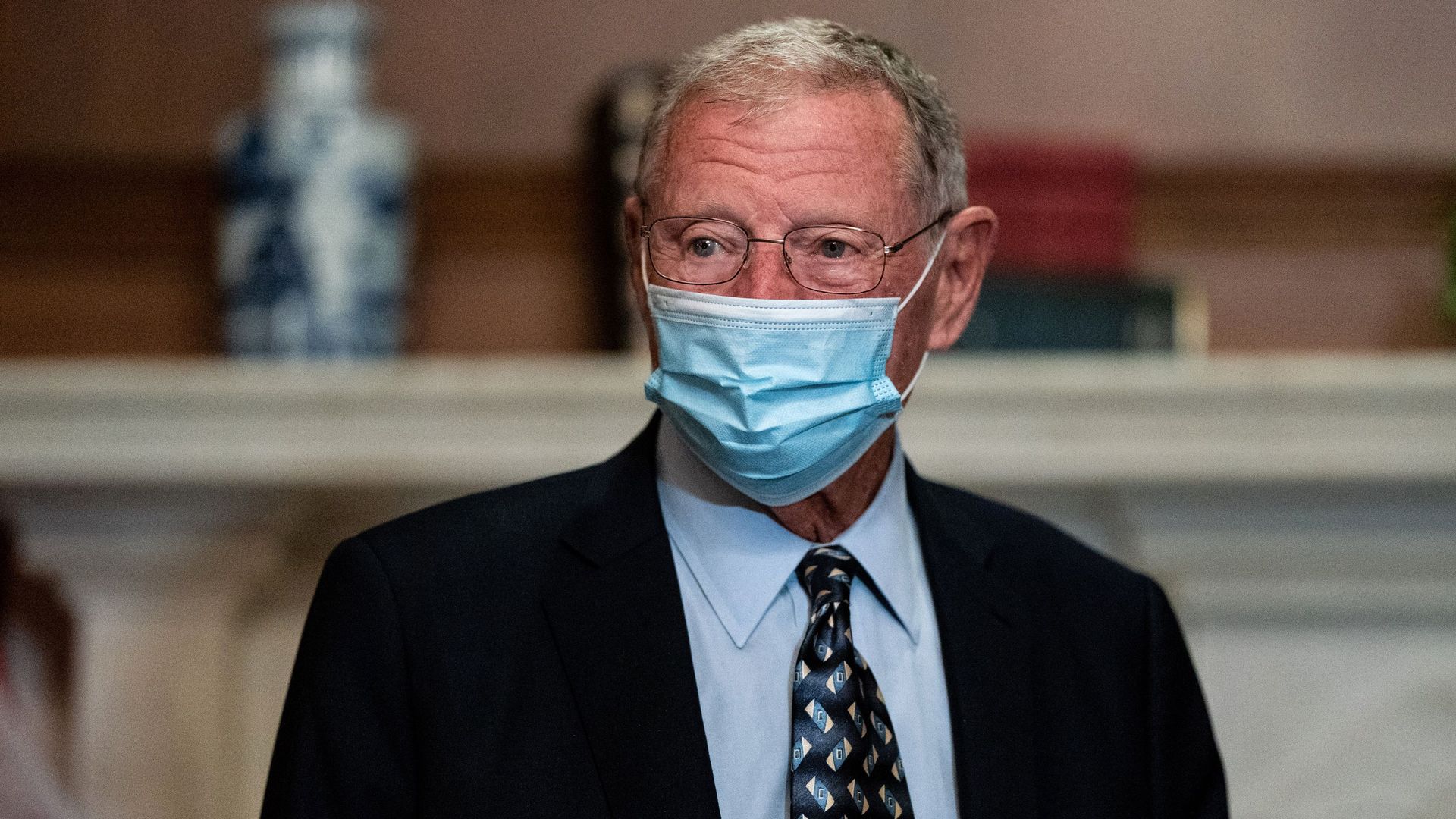
Sen. Jim Inhofe (R-Okla.), chair of the Senate Armed Services Committee, told reporters Wednesday that he plans to move ahead with a crucial defense-spending bill without provisions that would eliminate tech industry protections, defying a veto threat from President Trump.
Why it matters: Inhofe's public rebuke signals that the Senate could have enough Republican backing to override a potential veto from Trump, who has demanded that the $740 billion National Defense Authorization Act repeal Section 230 of the Communications Decency Act.
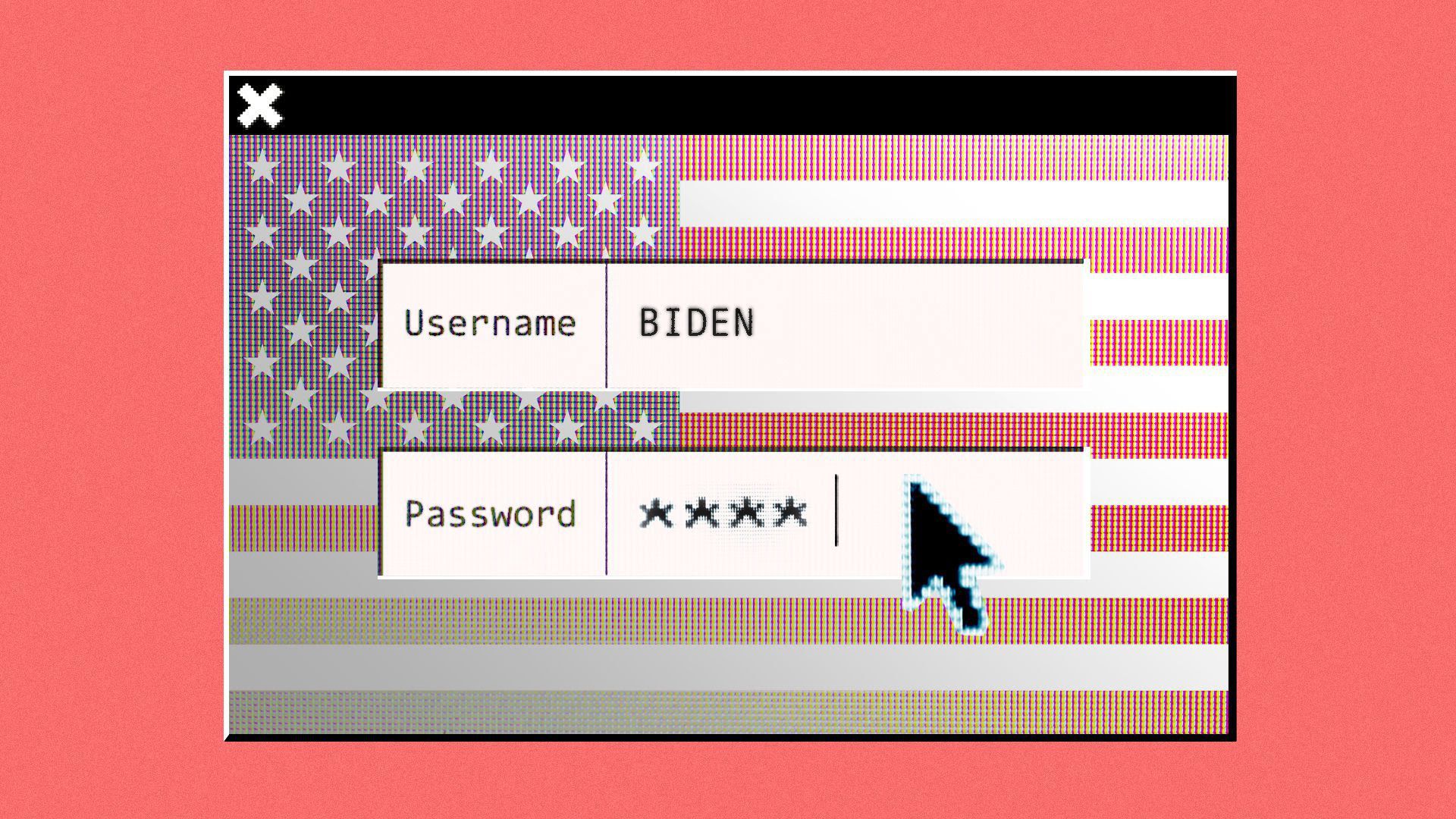
The Biden administration will face a wide array of cybersecurity challenges but can take meaningful action in at least five key areas, concludes a new report by the Aspen Cybersecurity Group.
Why it matters: Cybersecurity policy is a rare refuge from Washington's hyperpartisan dysfunction, as shown by the recent work of the bipartisan Cyberspace Solarium Commission. President-elect Joe Biden should have a real opportunity to make progress on shoring up the nation's cybersecurity and cyber capabilities without bumping up against a likely Republican-controlled Senate.
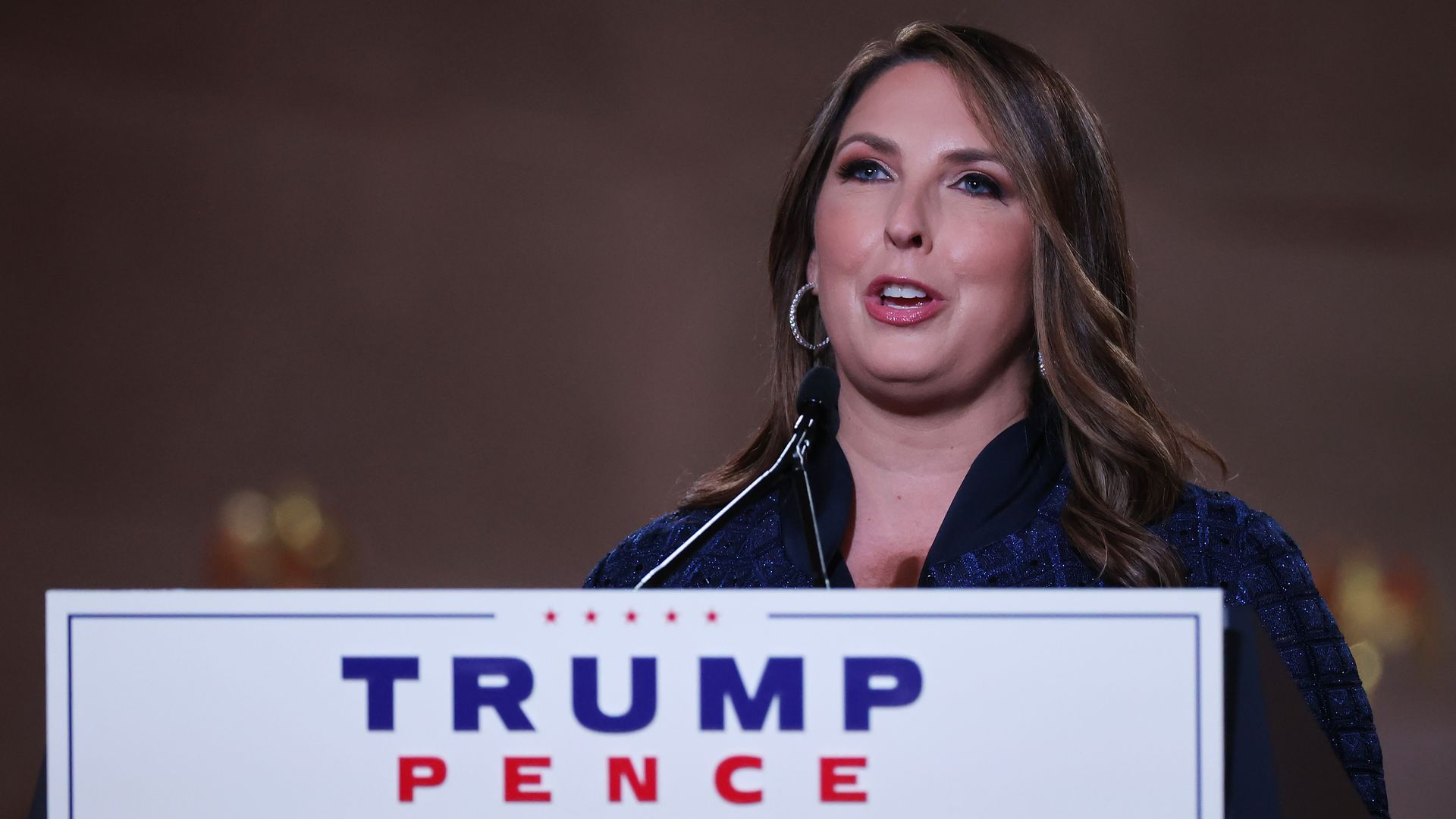
Ronna McDaniel will seek re-election to a third term as chair of the Republican National Committee, AP reports.
Why it matters: McDaniel has the support of President Trump, who wants to keep her in place in order to maintain tight control over party HQ ahead of his likely 2024 presidential run.
President Trump's 25% tariffs imposed on China under the phase one trade deal will remain in place at the start of the new administration, President-elect Biden said in an interview with the New York Times published early Wednesday.
Details: "I'm not going to make any immediate moves, and the same applies to the tariffs," Biden said. He plans to conduct a full review of the current U.S. policy on China and speak with key allies in Asia and Europe to "develop a coherent strategy," he said.
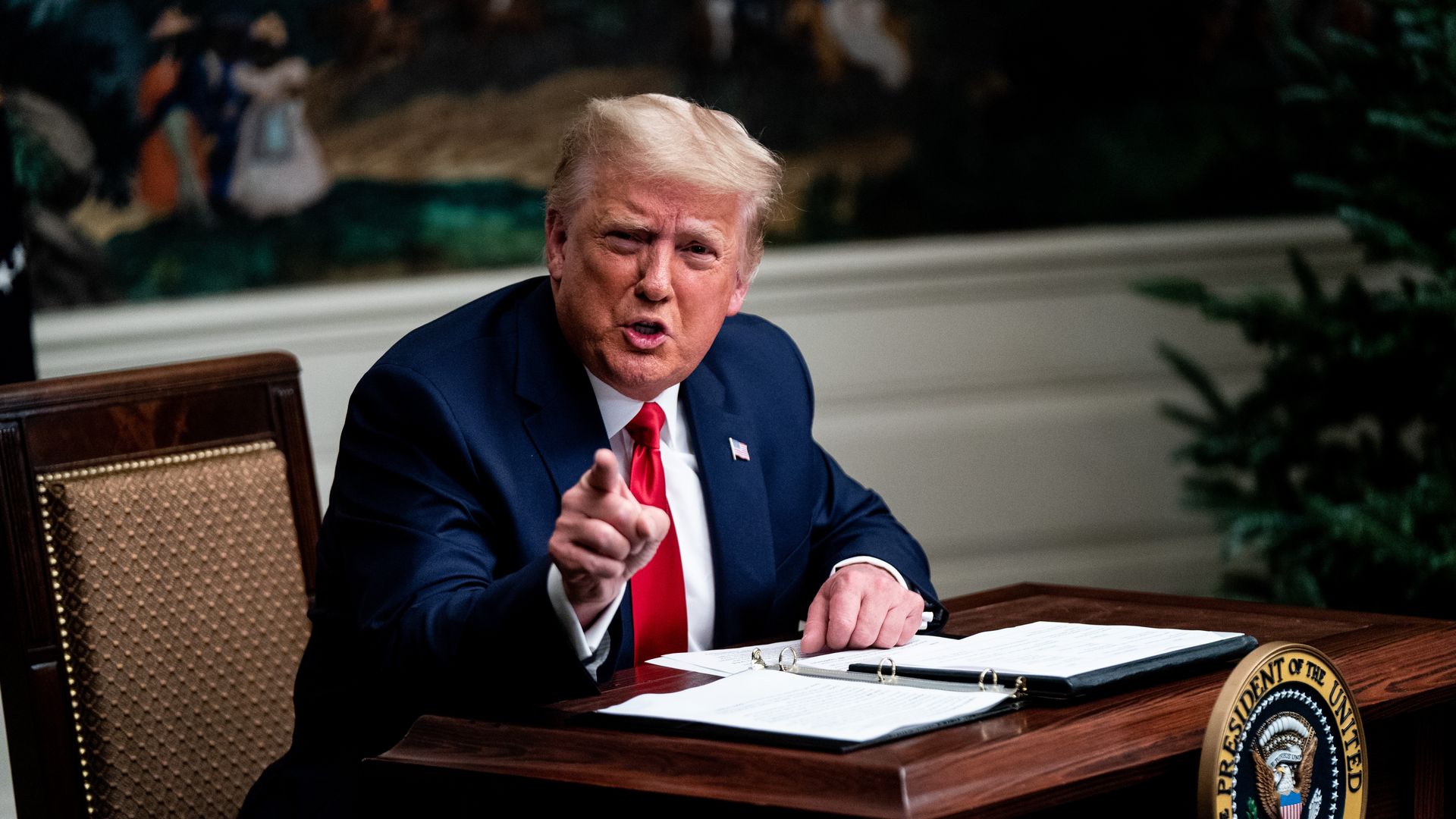
President Trump tweeted Tuesday a threat to veto a must-pass end-of-year $740 billion defense-spending authorization bill unless Congress repeals a federal law that protects social media sites from legal liability.
Why it matters: Trump's attempt to get Congress to end the tech industry protections under Section 230 of the Communications Decency Act is the latest escalation in his war on tech giants over what he and some other Republicans perceive as bias against conservatives.
With Bill Barr's "Et tu, Brute!" interview with AP, President Trump is watching the walls close in on his claims of fraud, hoaxes and conspiracies.
Why it matters: Trump and his legal team continue to claim election fraud. But the Republican governors of Arizona and Georgia have certified their elections, a loyalist like Barr has weighed in, and lower-ranking officials have taken potshots.
The House plans to renovate members' suites even though staff are worried about an influx of contractors and D.C. is tightening restrictions on large gatherings, some staffers told Axios.
Why it matters: The Capitol has been closed to public tours since March. Work over the holiday season comes as U.S. coronavirus cases spike, Americans beg for more pandemic assistance and food lines grow.
A government watchdog group filed a lawsuit against President Trump, his son-in-law Jared Kushner and the White House on Tuesday to prevent them from destroying records during his remaining time in office.
Why it matters: The Citizens for Responsibility and Ethics in Washington (CREW) and other groups allege in their suit, filed in the U.S. District Court for the District of Columbia, that Trump and his administration are violating the Presidential Records Act by failing to properly preserve records of official government business.
Education Secretary Betsy DeVos slammed free college as a "socialist takeover of higher education" that could harm the nation's economy, in a speech on Tuesday, the Washington Post reports.
Why it matters: Student debt forgiveness and tuition-free college are two key elements of President-elect Joe Biden’s agenda for higher education. Though DeVos didn’t say Biden's name at the virtual financial aid conference, she berated politicians broadly for setting forth “the truly insidious notion of government gift-giving.”
Prominent civil rights leaders are concerned that President-elect Joe Biden is deciding his administration without their input, NBC News reported Tuesday.
Why it matters: As Biden looks to deliver his promise of forming a diverse administration, he will have to contend with different factions of the liberal movement that might pull him in different directions.
President Trump and his allies are piling extreme pressure on Attorney General Bill Barr to release a report that Trump believes could hurt perceived Obama-era enemies — and view Barr's designation of John Durham as special counsel as a stall tactic, sources familiar with the conversations tell Axios.
Why it matters: Speculation over Barr's fate grew on Tuesday, with just 49 days remaining in Trump's presidency, after Barr gave an interview to the Associated Press in which he said the Justice Department has not uncovered evidence of widespread fraud that could change the election's outcome.
The CDC will soon shorten its guidance for quarantine periods following exposure to COVID-19, AP reported Tuesday and Axios can confirm.
Why it matters: Quarantine helps prevent the spread of the coronavirus, which can occur before a person knows they're sick or if they're infected without feeling any symptoms. The current recommended period to stay home if exposed to the virus is 14 days. The CDC plans to amend this to 10 days or seven with a negative test, an official told Axios.
The CDC did not immediately respond to a request for comment.