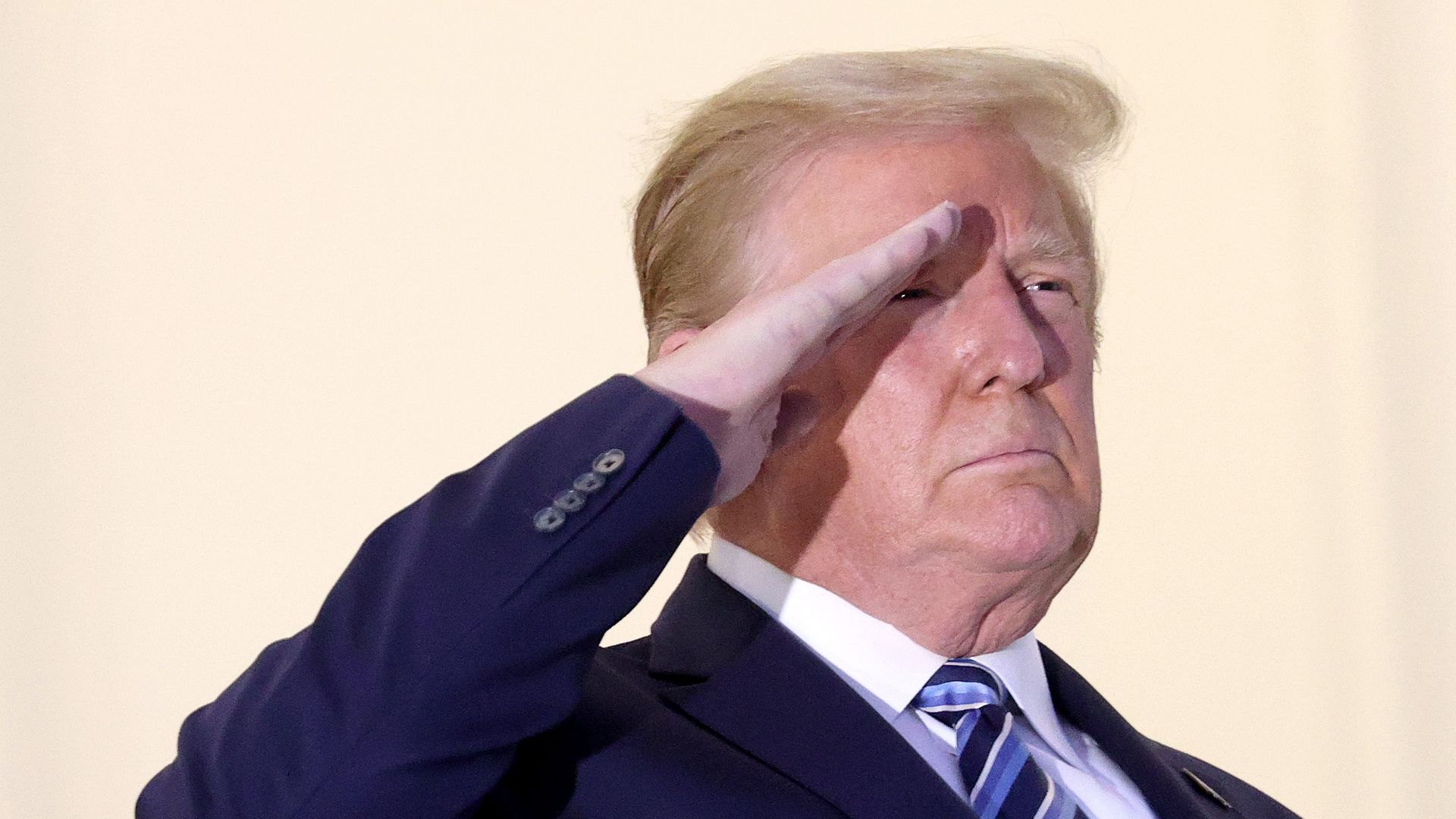
Attorneys from the Department of Justice argued in court on Tuesday that President Trump's tweets authorizing the "total declassification of any & all documents" related to the Russia investigation and Hillary Clinton's emails should not be considered real declassification orders.
Why it matters: BuzzFeed News reporter Jason Leopold cited the tweets in an emergency motion last week seeking to gain access to special counsel Robert Mueller's unredacted report as part of a Freedom of Information Act request.
House Speaker Nancy Pelosi on Tuesday engaged in a heated exchange with CNN's Wolf Blitzer, calling the host "an apologist" for President Trump and Republicans on the issue of reaching a COVID-19 relief deal.
Why it matters: House Democrats and Senate Republicans remain at a standstill on key elements of a stimulus package. The Senate has largely been left out of the negotiating process between Pelosi and the White House.
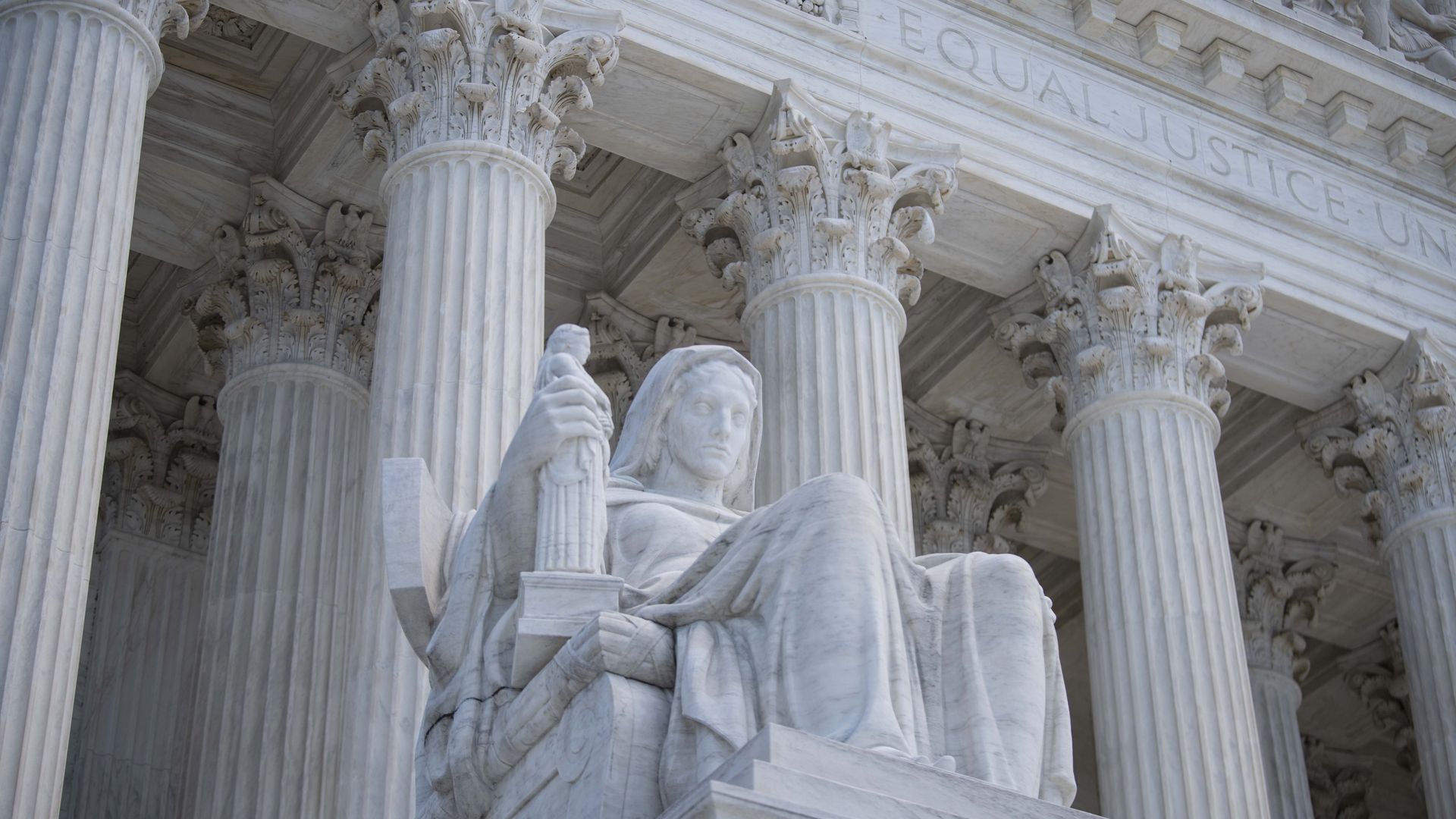
The Supreme Court on Tuesday approved the Trump administration's emergency application to stop census field operations early while litigation over the once-a-decade count continues in the 9th Circuit Court of Appeals.
Why it matters: Civil rights groups fear that cutting off field operations now could lead to an undercount, which would affect how congressional seats are reapportioned.
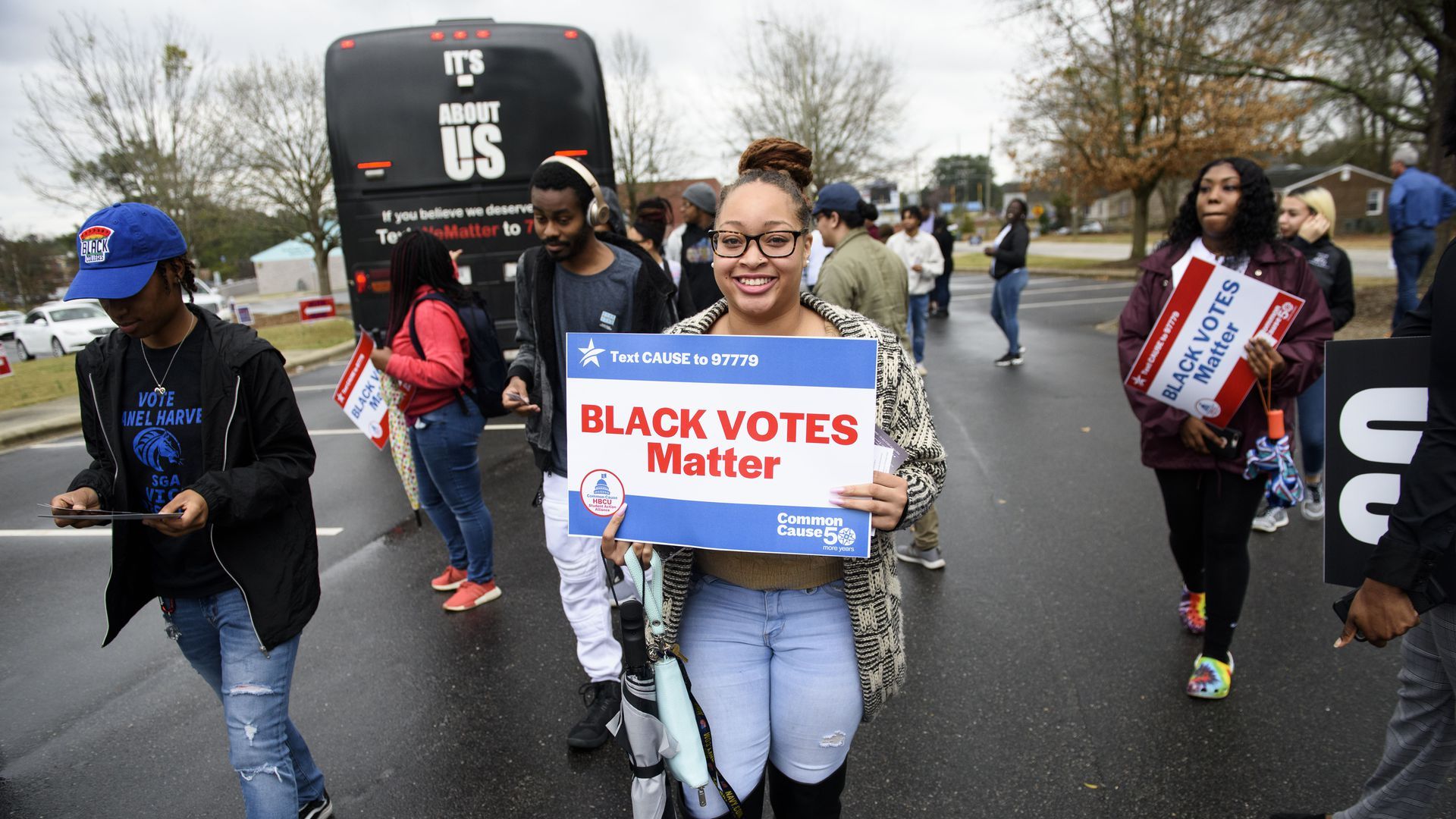
The coronavirus has complicated the get-out-the-vote effort for Black churches in 2020.
Why it matters: Those churches are a key part of broader efforts in the Black community to push back against voter suppression tactics, the AP reports.
Johnson & Johnson has paused Phase 3 trials for its COVID-19 vaccine candidate, after one patient reported an “unexplained illness.” This comes after AstraZeneca paused its Phase 3 trials due to an adverse event, and Moderna slowed its trial because of enrollment difficulties.
Axios Re:Cap goes deeper with Tom Frieden, who led the Centers for Disease Control and Prevention between 2009 and 2017.
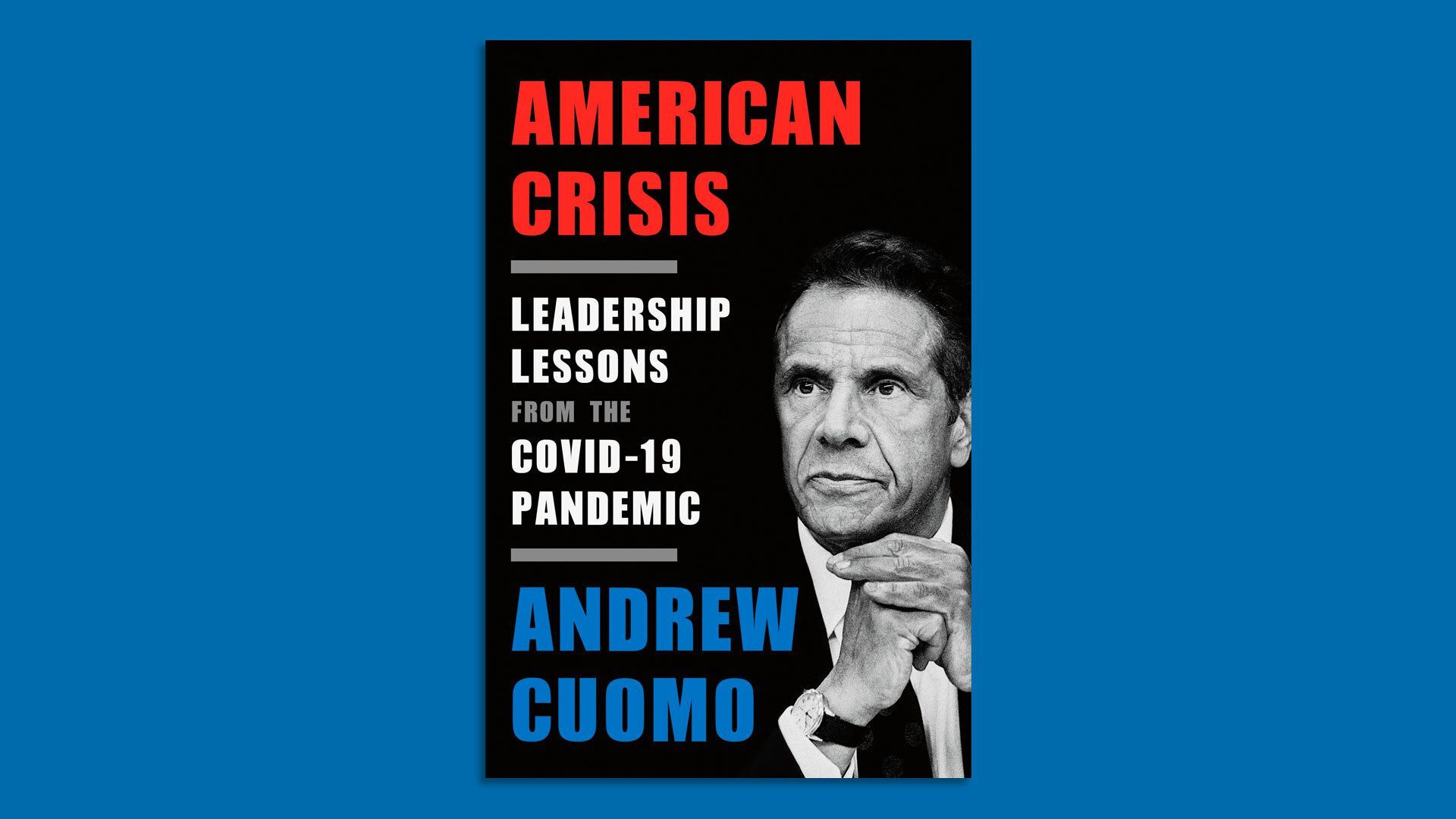
New York Gov. Andrew Cuomo writes in "American Crisis," out Tuesday, that White House Chief of Staff Mark Meadows implied a threat about federal funding for hospitals in New York state, after he demanded results from tests on hydroxychloroquine.
Why it matters: President Trump was touting hydroxychloroquine in late March, and Cuomo's allegation — which the White House has not responded to — suggests a scramble for data that might bolster the president's case.
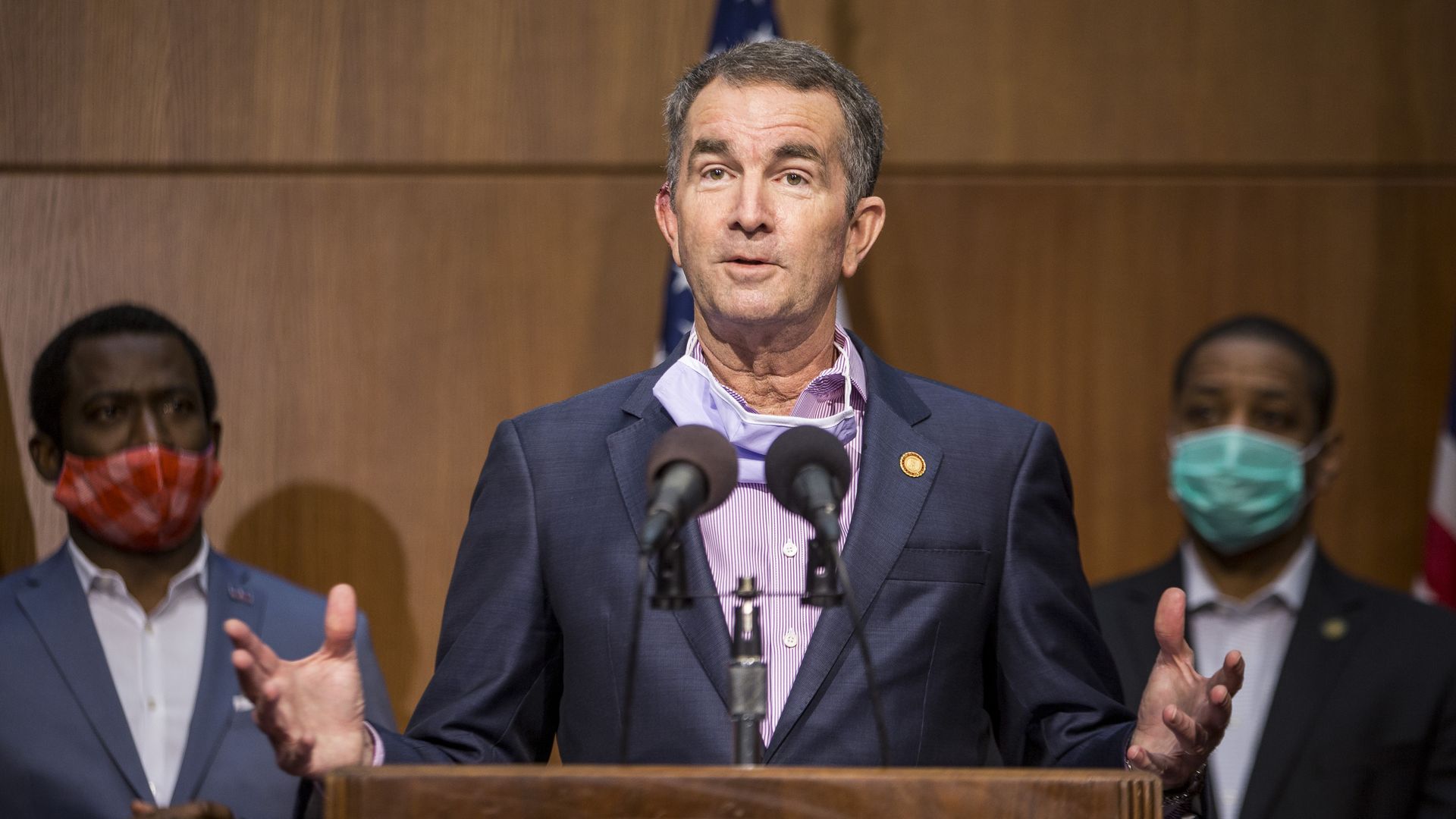
The militia groups who had allegedly plotted to kidnap Michigan Gov. Gretchen Whitmer (D) also discussed kidnapping Virginia Gov. Ralph Northam (D) during a June meeting in Ohio, an FBI agent testified in court on Tuesday.
The big picture: FBI agent Richard Trask was part of the investigation that thwarted an extremist plot last week to kidnap Whitmer and overthrow state governments and law enforcement. Six Michigan residents were arrested in connection with the plot, while seven others linked to the militia group Wolverine Watchmen were arrested for allegedly planning to attack the Michigan Capitol.
President Trump's attorneys filed an emergency request on Tuesday asking the Supreme Court to block a lower court's ruling that would allow the Manhattan district attorney to enforce a subpoena for his personal and corporate tax returns.
The state of play: This could be the second time that the long-running legal battle over Trump's finances ends up before the Supreme Court. In July, the court ruled that presidents are not immune from investigation but sent the case back down to lower courts, where Trump's lawyers could try again to fight the subpoena.
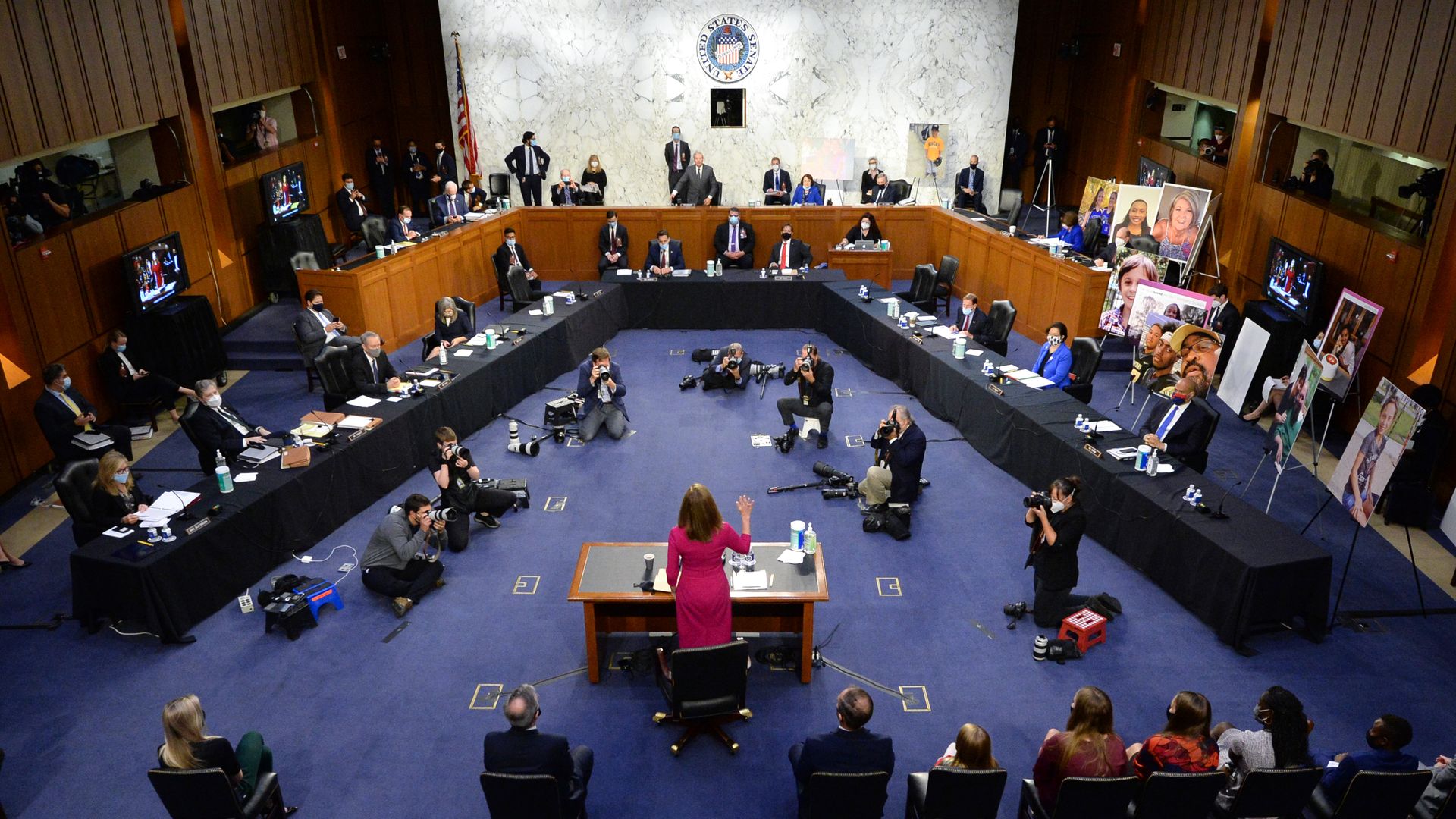
Judge Amy Coney Barrett's Supreme Court confirmation process began this week, with Tuesday's hearing giving the Senate Judiciary Committee the opportunity to ask President Trump's nominee questions.
Supreme Court nominee Judge Amy Coney Barrett told the Senate Judiciary Committee on Tuesday that she's not "hostile" toward the Affordable Care Act or any statute passed by Congress, defending a past writing in which she criticized Chief Justice John Roberts' opinion upholding the law.
Why it matters: Democrats' central message throughout the confirmation fight has been that Barrett was nominated in order to help President Trump and conservatives dismantle the ACA when the Supreme Court hears a lawsuit against it on Nov. 10.
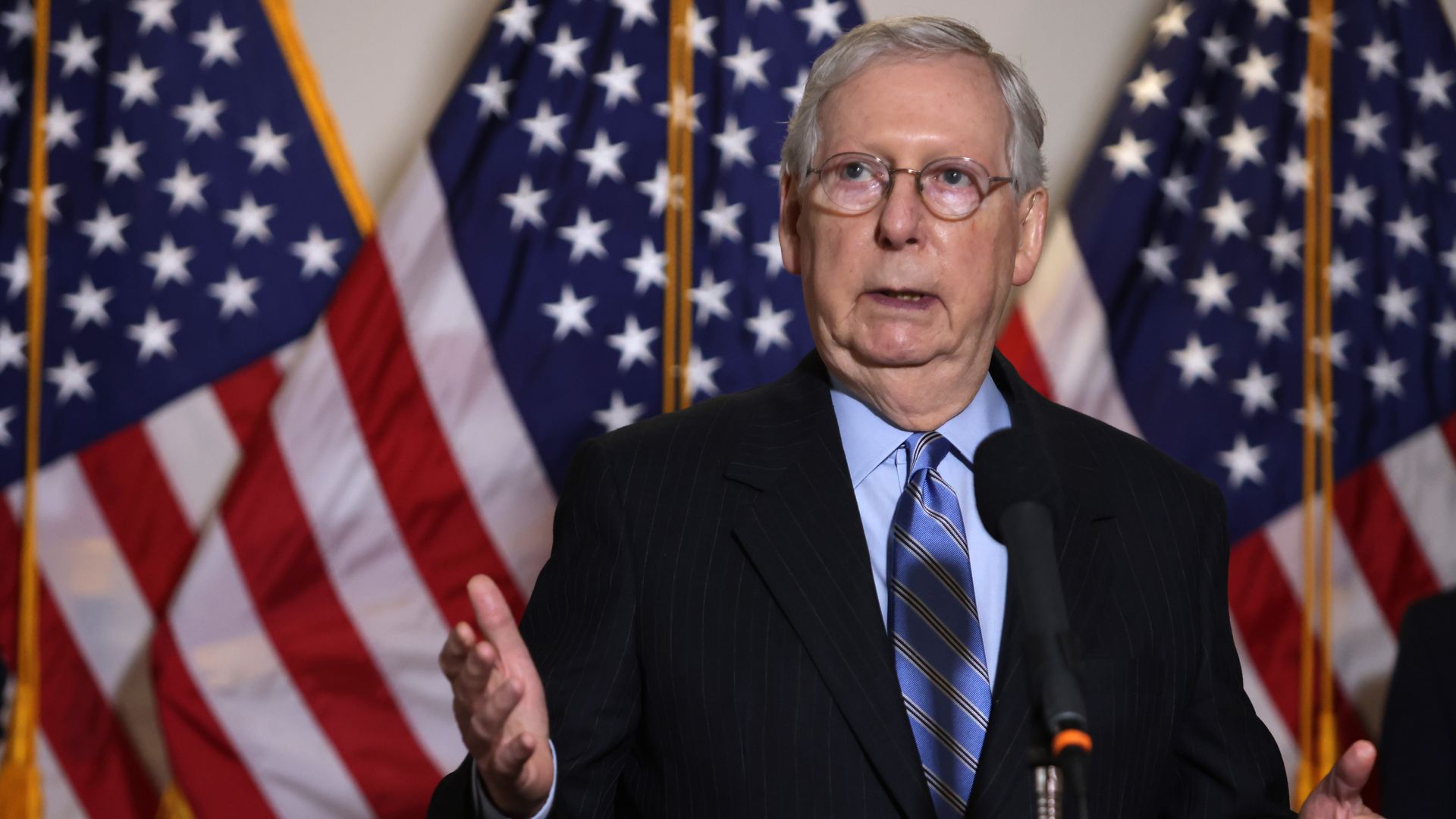
Senate Majority Leader Mitch McConnell (R-Ky.) issued a statement on Tuesday saying that the Senate's "first order of business" when it returns on Oct. 19 will be to vote on "targeted relief for American workers," including new funding for the small business Paycheck Protection Program (PPP).
Why it matters: House Democrats, Senate Republicans and the Trump administration are still very far apart on key elements of a relief deal, and any push for smaller, more targeted legislation is more of a political maneuver than any thing else.
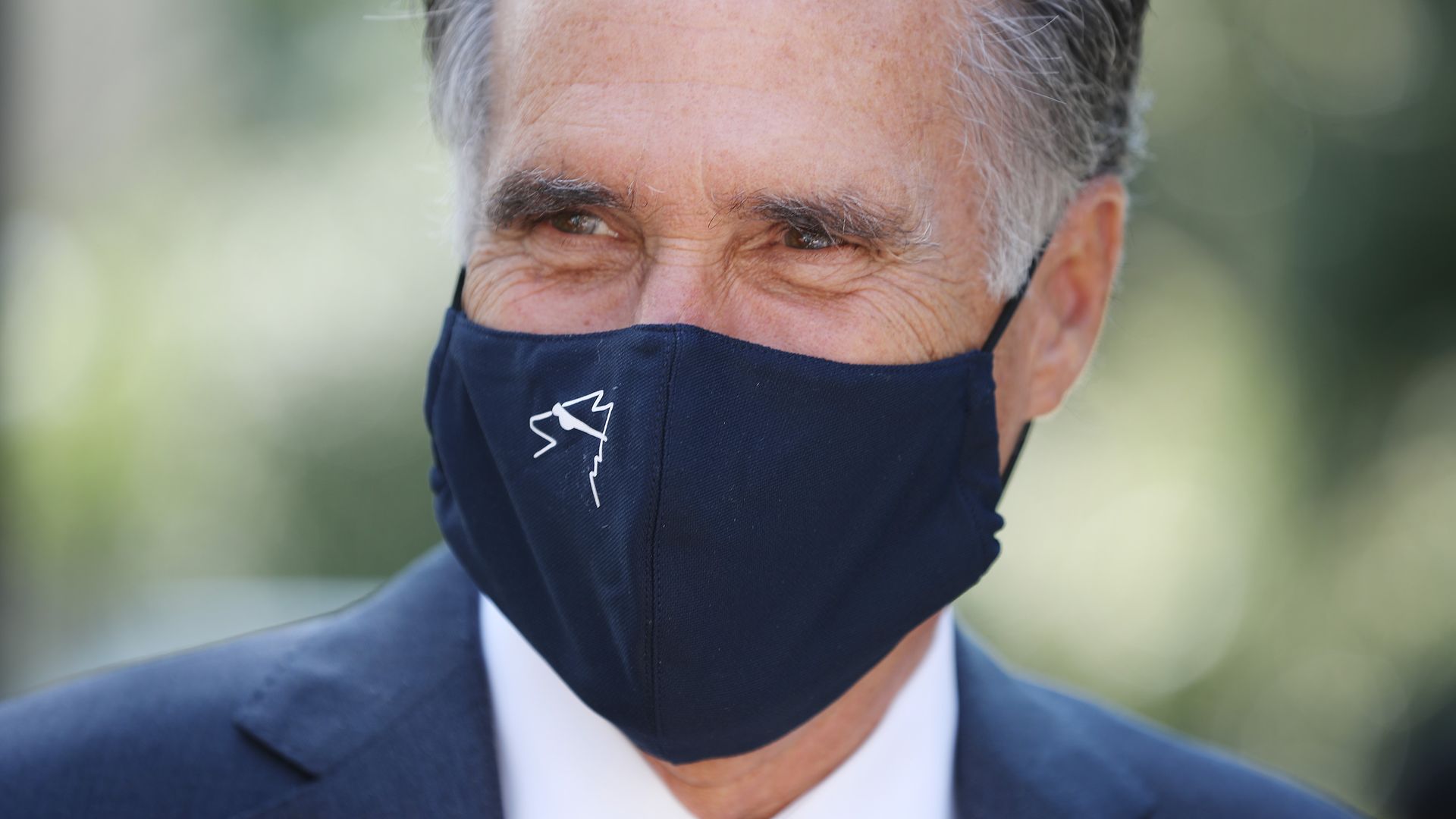
Sen. Mitt Romney (R-Utah) issued a statement on Tuesday calling on political leaders to tone down hateful rhetoric ahead of the election, arguing that the "rabid attacks kindle the conspiracy mongers and the haters" to take "dangerous action"— such as the kidnapping plot against Michigan Gov. Gretchen Whitmer.
What he's saying: "Leaders must tone it down," he urged. "I’m troubled by our politics, as it has moved away from spirited debate to a vile, vituperative, hate-filled morass that is unbecoming of any free nation — let alone the birthplace of modern democracy."
Supreme Court nominee Judge Amy Coney Barrett declined to tell the Senate Judiciary Committee on Tuesday if she believes the president has the unilateral authority to delay an election, arguing that giving "off-the-cuff answers" would essentially make her a "legal pundit."
Why it matters: President Trump suggested he could delay the election earlier this year. But he has no authority to unilaterally do so under the Constitution. It would take a change in federal law to move the date of the election — which would have to be approved by both chambers of Congress.
Supreme Court nominee Judge Amy Coney Barrett told the Senate Judiciary Committee on Tuesday that she doesn't have a judicial "agenda" on abortion — and declined to answer if she believes that Roe v. Wade was wrongly decided and can be overturned.
Why it matters: Barrett, whose confirmation would tilt the balance of the Supreme Court to a 6-3 conservative majority, is under pressure by Senate Democrats to outline how she would rule on health care, elections and abortion cases. In 2006, Barrett signed an open letter calling Roe v. Wade "barbaric" and "an exercise of raw judicial power."
President Trump will sign an executive order Tuesday designed to put more weight behind the administration's role in the international One Trillion Trees Initiative, a White House official said.
Why it matters: White House support for the initiative contrasts with Trump's overall climate posture.
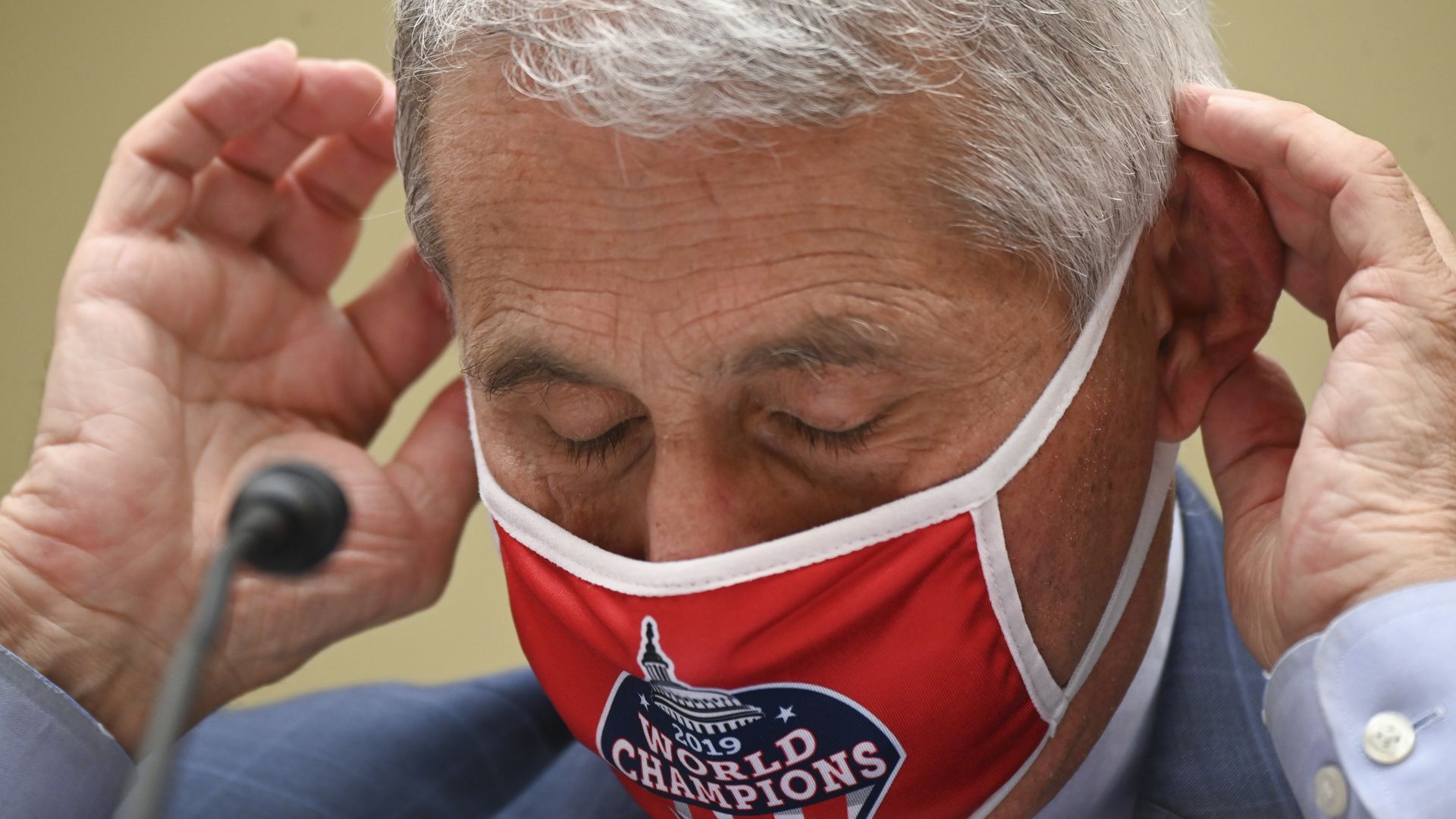
President Trump blasted Dr. Anthony Fauci's coronavirus response in a Tuesday tweet, saying that the doctor's "pitching arm is far more accurate than his prognostications."
The state of play: The president's criticism comes after Fauci balked over the weekend at a clip of him being used in a Trump campaign ad touting the president's actions during the pandemic.
If there's anyone who should be talking about economic inequality it's Jerome Powell, a man who as Fed chair has aimed a spotlight on the issue and put the Fed on an intentional trajectory toward reducing it through policy.
Yes, but: Pressed for answers on how the central bank's policies have impacted wealth and income inequality among Americans during last week's virtual meeting with the National Association for Business Economics, Powell dodged and downplayed.
There's been a 200% increase in the number of fact-checking organizations that have launched worldwide since President Trump was elected in 2016, according to data from the Duke Reporter's Lab.
Nearly 20% of those organizations are in the U.S.
Why it matters: An explosion of misinformation has consumers focused more than ever on finding facts.
Appointing three Supreme Court justices will likely be President Trump’s most important achievement, and Judge Amy Coney Barrett may well be the most important of the three.
Why it matters: Barrett would transform the court’s internal politics, handicapping Chief Justice John Roberts and establishing a new center of gravity on the right. Her presence would force a whole new set of strategic calculations among the justices — and those calculations will shape the law of the land for a generation.
Positive tweets about President Trump by elected Republicans in Congress who have held office throughout his term increased 161% between the first 60 days of the Trump administration and the same 60-day period in 2020, according to an analysis for “Axios on HBO.”
Why it matters: Trump’s chorus of Republican supporters on Capitol Hill has grown even louder and more enthusiastic, even as polls in swing states and key Senate races turned on the GOP.
More than 85% of elected Republicans who have been in Congress throughout President Trump’s term have largely stood by him through seven crises that would have crushed most politicians, according to a comprehensive new study by "Axios on HBO."
Why it matters: The data shows how Trump’s grip on the Republican Party has tightened — especially in the last two years — as his dissenters have largely piped down, been tossed out, or currently face the threat of losing re-election.
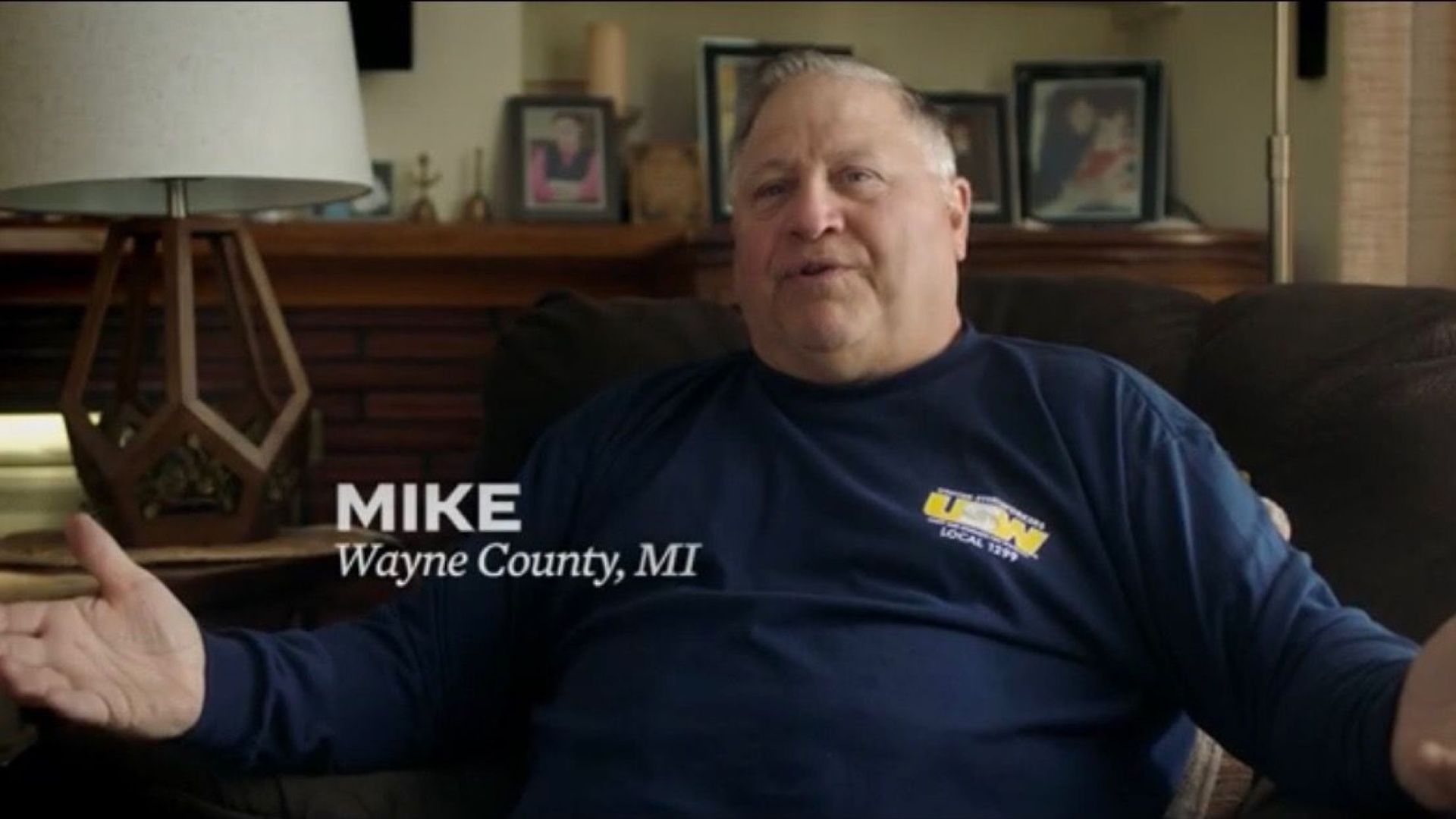
Ahead of a Joe Biden speech on Tuesday in Broward County, Fla., on his "vision for older Americans," the campaign is launching "Looks Out," a seniors-targeted ad featuring a testimonial from Mike Miller, a Michigan steelworker, about the importance of protecting Social Security.
What Mike's saying: "Them guys think it's Monopoly money? Nah. It's our money. We worked for it. ... You don't get to play with my security for my family. Joe Biden looks out for the little guy."
We created the Trump Loyalty Index to measure, in empirical terms, how loyal each Republican member of Congress has been to President Trump throughout his time in office.
How it works: The index measures both voting loyalty, based on FiveThirtyEight data, and how members reacted to seven of Trump’s most controversial moments.
The Biden campaign is releasing five ads on Tuesday targeting millennial Black men in 16 battleground states.
Why it matters: Black voters overwhelmingly prefer Democrat Joe Biden, but President Trump actually is earning more support nationally from Black men than he received in 2016 — 17%, up from 14%. Biden is pushing to halt the trend and maximize his own turnout, which could make a difference in tight contests.
The Washington Post has created a vote modeling tool that will help the newsroom determine with reasonable confidence if an election is too close to call and where votes remain to be counted, newsroom leads tell Axios.
Why it matters: The uncertain nature of this years' election has forced news companies to reevaluate the way they will present the election results.
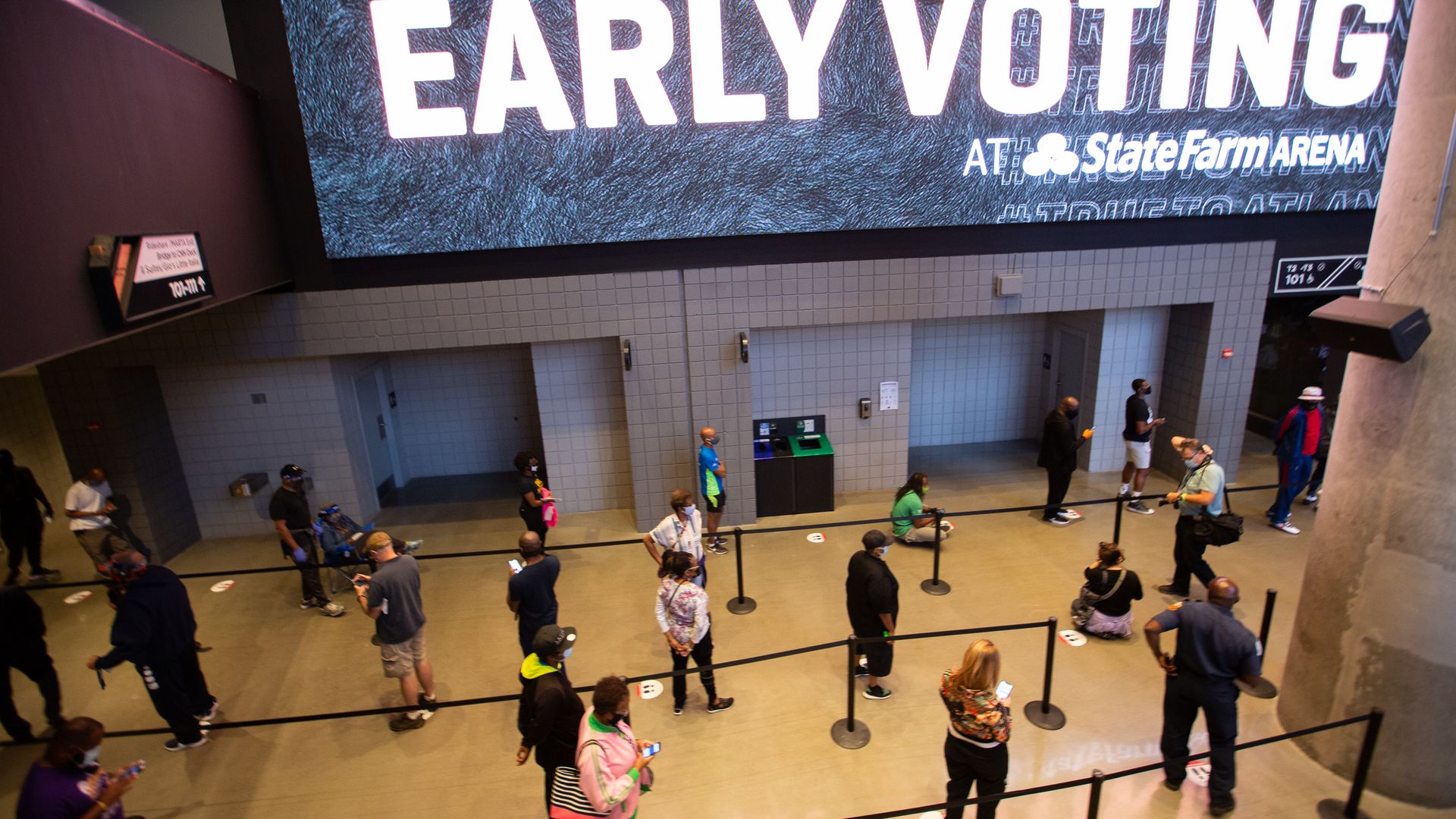
There were long lines of voters into the night in Georgia, as officials reported a record 126,876 people cast their ballots after early in-person voting for the general election opened Monday.
The big picture: There were reports of some voting system technical glitches, but officials told the New York Times hours-long waits were mainly down to the large turnout, with many voters off work for Columbus Day in the battleground state — which President Trump won by 5 percentage points in 2016. Georgians are also casting their votes in two Senate races.
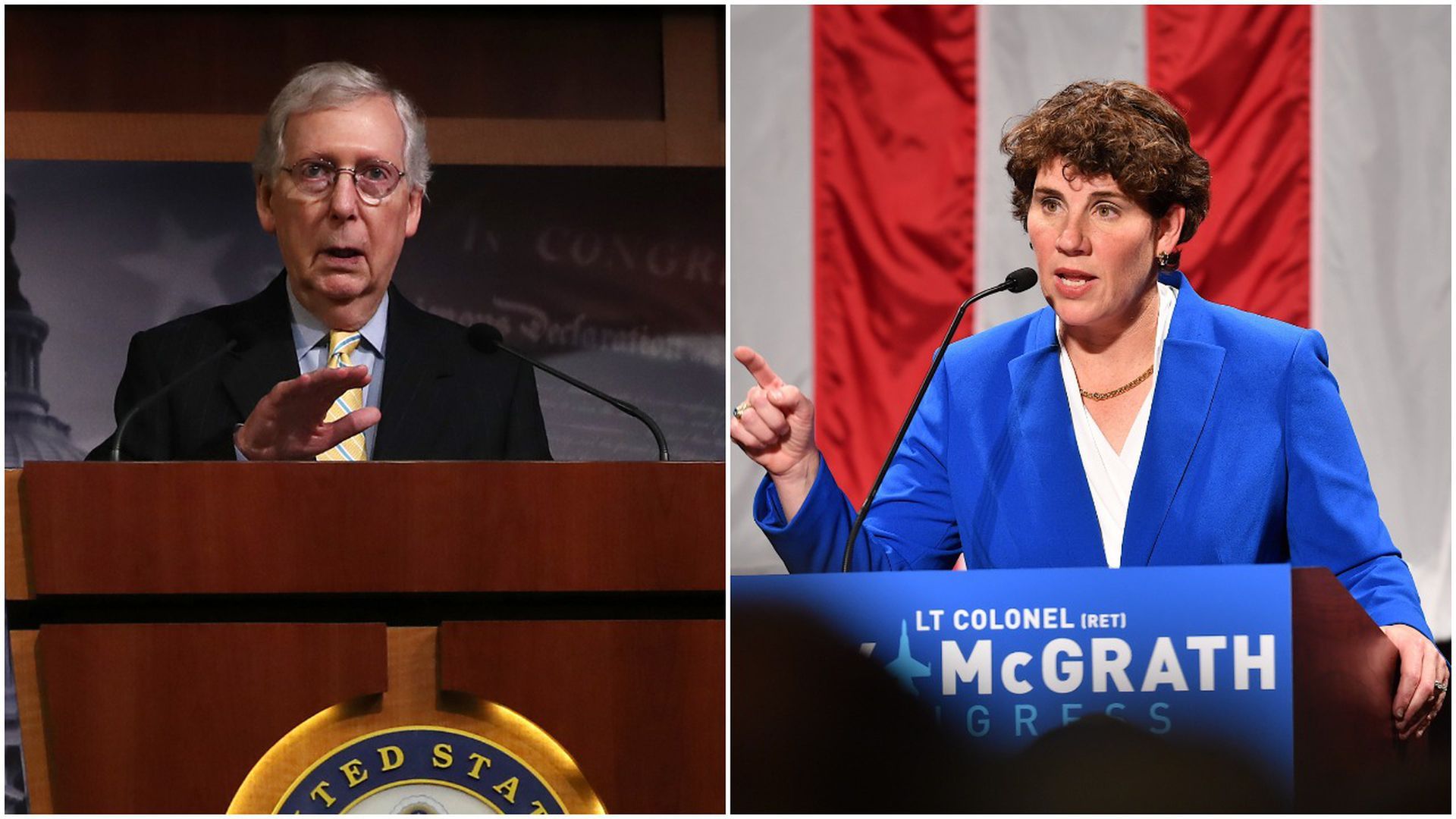
Senate Majority Leader Mitch McConnell (R-Ky.) and Democratic challenger Amy McGrath clashed on issues including the stalled coronavirus stimulus package and the Supreme Court during their debate in Kentucky Monday evening.
Why it matters: This was the first and possibly only debate between six-term lawmaker McConnell and former Marine fighter pilot McGrath, as Kentucky election officials prepare to begin in-person early voting Tuesday.
Sen. Kevin Cramer (R-N.D.), one of President Trump's most loyal Senate allies, told "Axios on HBO" it was a sign of "respect" from the president to not push for nationwide face mask adoption.
Why it matters: Face masks are a key part of controlling the spread of coronavirus, and many state and local officials clashed over implementing mask mandates.
Sen. Kevin Cramer (R-N.D.) is more worried about Democrats granting statehood to Puerto Rico and Washington, D.C., than the "natural trends" of demographic change, he told "Axios on HBO."
The big picture: President Trump won a narrow Electoral College victory in 2016, and the U.S. electorate is rapidly becoming less white.
Anti-colonization demonstrators in Portland, Oregon, pulled down statues of the late Presidents Abraham Lincoln and Theodore Roosevelt ahead of the Columbus Day federal holiday, per the Oregonian.
Driving the news: Sunday night's action that also saw Oregon Historical Society's building vandalized was part of a movement that organizers called, "Indigenous Peoples Day of Rage." The protests continued elsewhere in the U.S. Monday, with monuments defaced or torn down in Chicago and Santa Fe, New Mexico.
California Secretary of State Alex Padilla and Attorney General Xavier Becerra on Monday sent a cease and desist letter to the state Republican Party over unauthorized ballot drop boxes that officials said were illegal.
Driving the news: The California GOP acknowledged on Monday that it owned several unofficial drop boxes in southern California. Earlier reports of the boxes in Fresno, Los Angeles and Orange counties prompted Padilla to issue a memo on Sunday telling county registrars that the unofficial drop boxes were illegal, per AP.

/2020/10/13/1602627558192.gif?w=3840)