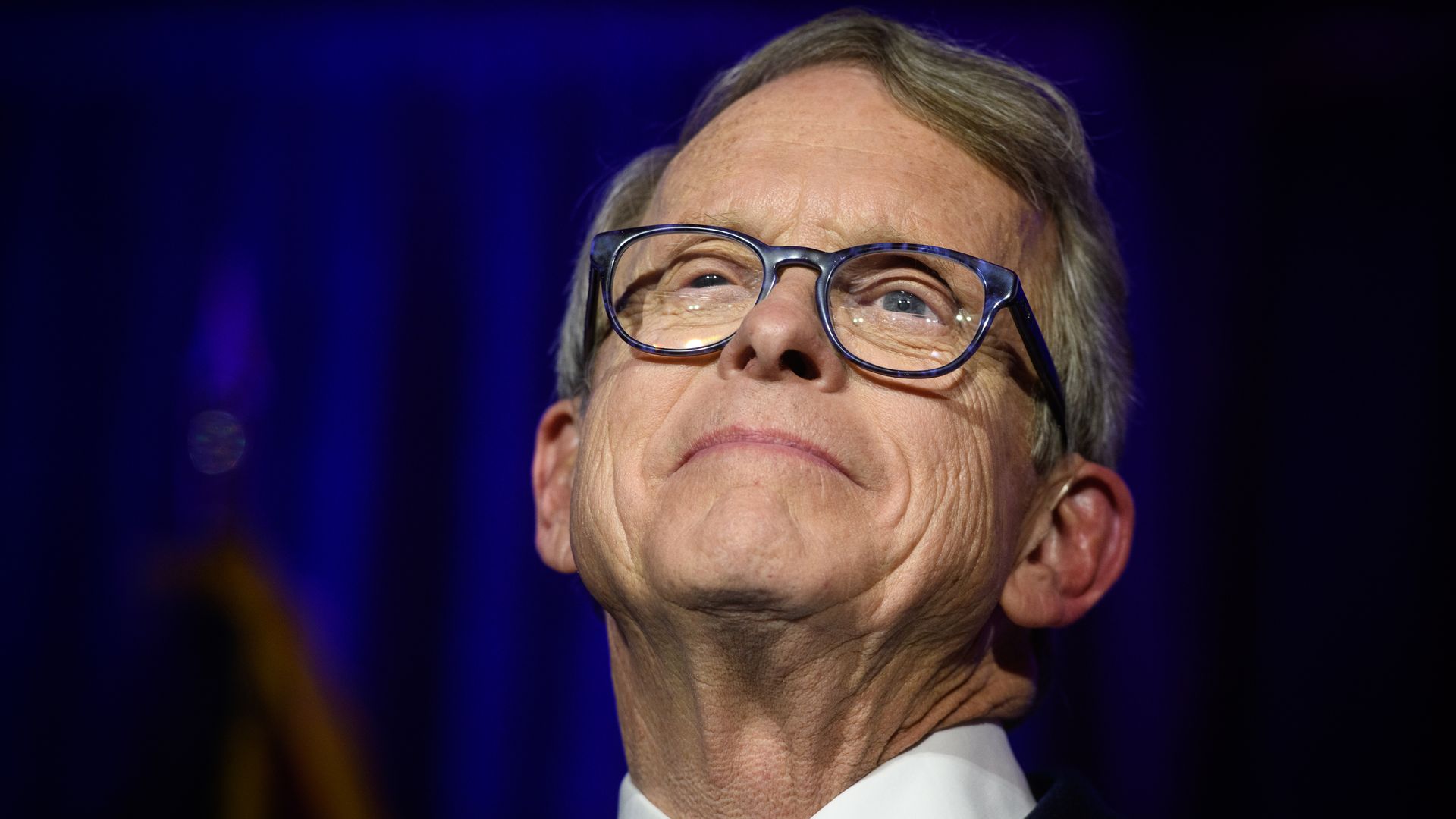
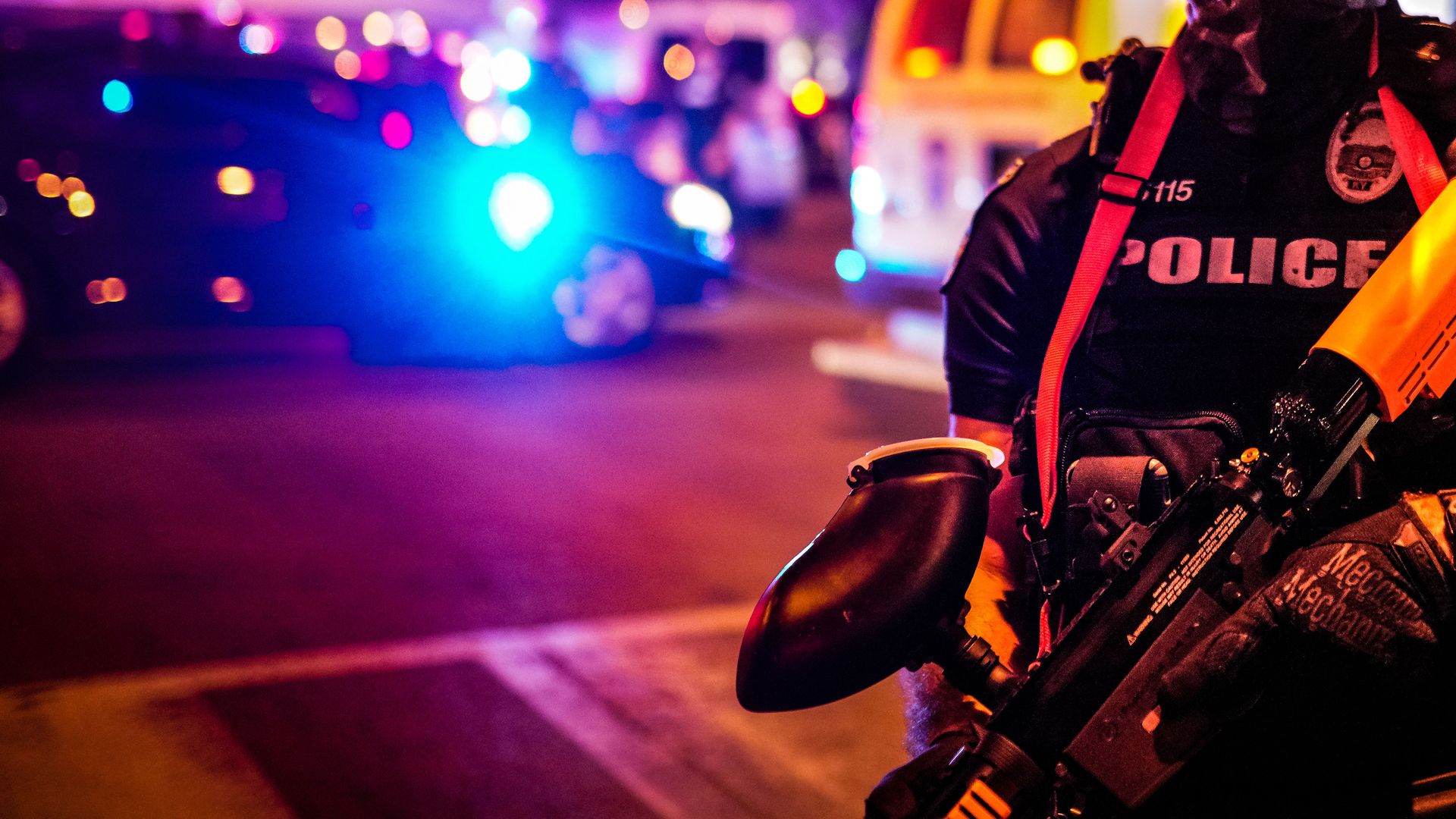
Ohio Gov. Mike DeWine announced on Twitter Thursday that he plans to active about 300 Ohio National Guard members for the first presidential debate in Cleveland next Tuesday.
Why it matters: TheNational Guard will assist Cleveland police officers to "ensure a safe and secure environment" for debate attendees, DeWine wrote. The move follows months of protests and unrest across the United States.
Child care in the U.S. is in crisis, which makes it much harder for the American economy to recover — as providers struggle to stay in business and parents wrestle with work.
Axios Re:Cap digs into the problems and what can be done to solve them, with Vox senior reporter Anna North.
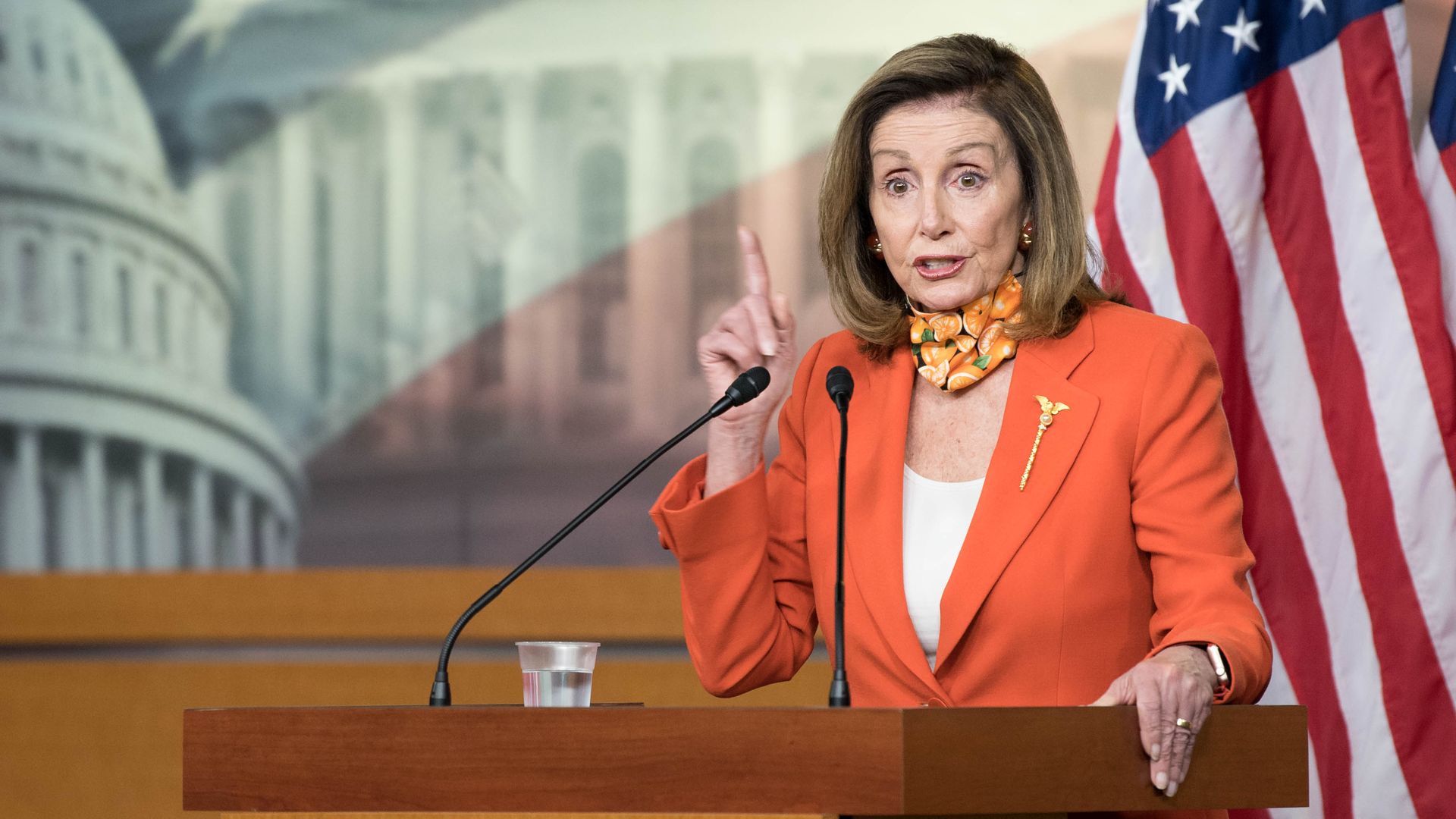
House Democrats are preparing a slimmed-down coronavirus relief proposal focused on unemployment and direct payments that would cost roughly $2.4 trillion.
Why it matters: Democrats and Republicans have been deadlocked in negotiations for more aid despite CARES Act funds expiring over the summer.
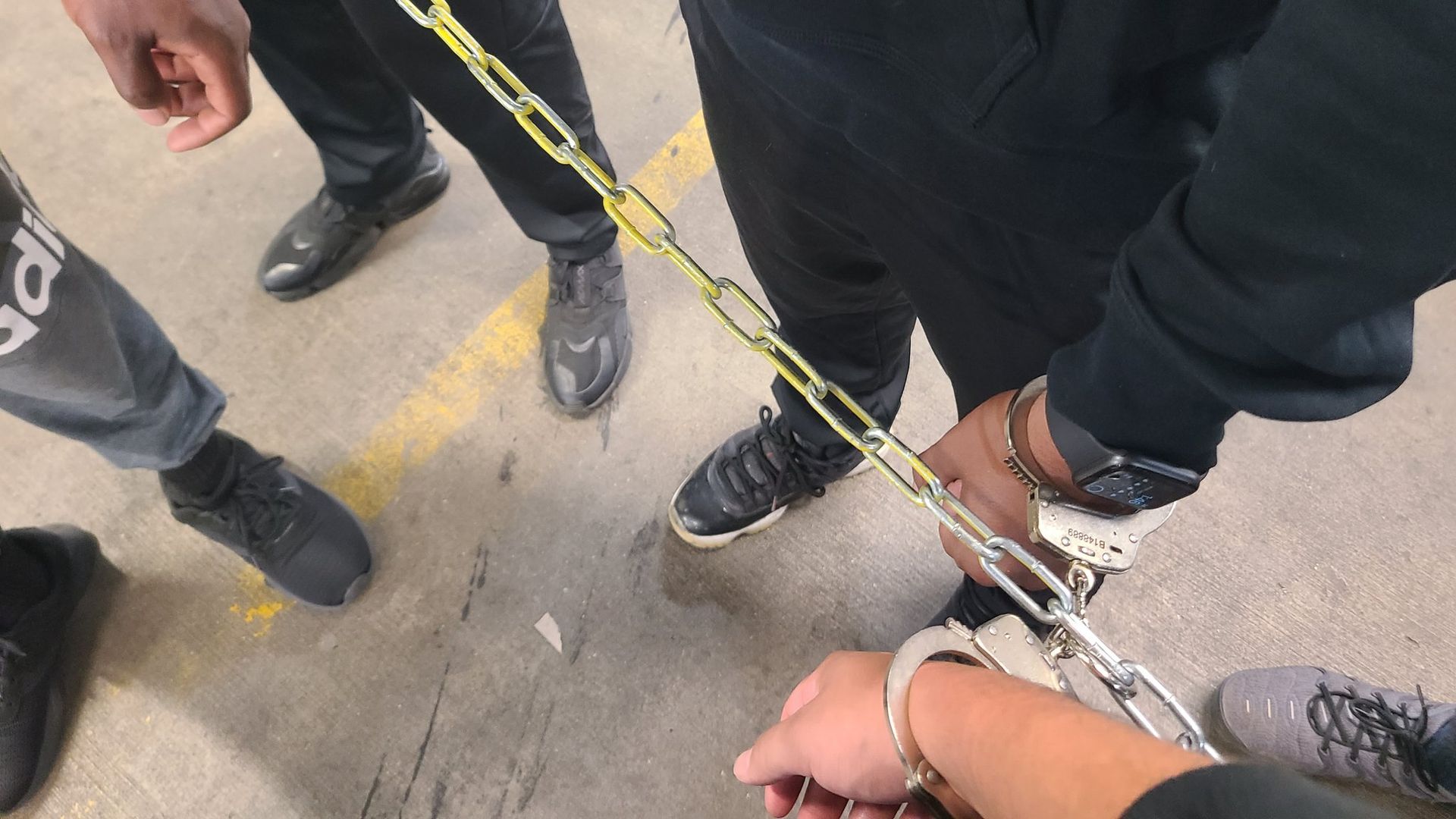
Geoffrey Ingersoll, editor-in-chief of the Daily Caller, wrote via Twitter that two reporters were arrested by Louisville Metro Police while covering protests that followed the grand jury decision not to charge police officers for the killing of 26-year-old Breonna Taylor.
Why it matters: Louisville Metro Police Department has not shared a precise number of arrests, but the Courier Journal reports that LMPD spokesperson Lamont Washington said around 2am ET on Thursday that nearly "100” people were detained.
Donald Trump fancies himself a businessman — and has given himself a central role in determining the conduct and even the existence of major companies both domestic and foreign.
Why it matters: America has historically been a great place to operate a company under the rule of law, and not be beholden to political whim. Those days seem to be over — at least for companies in the communications industry.
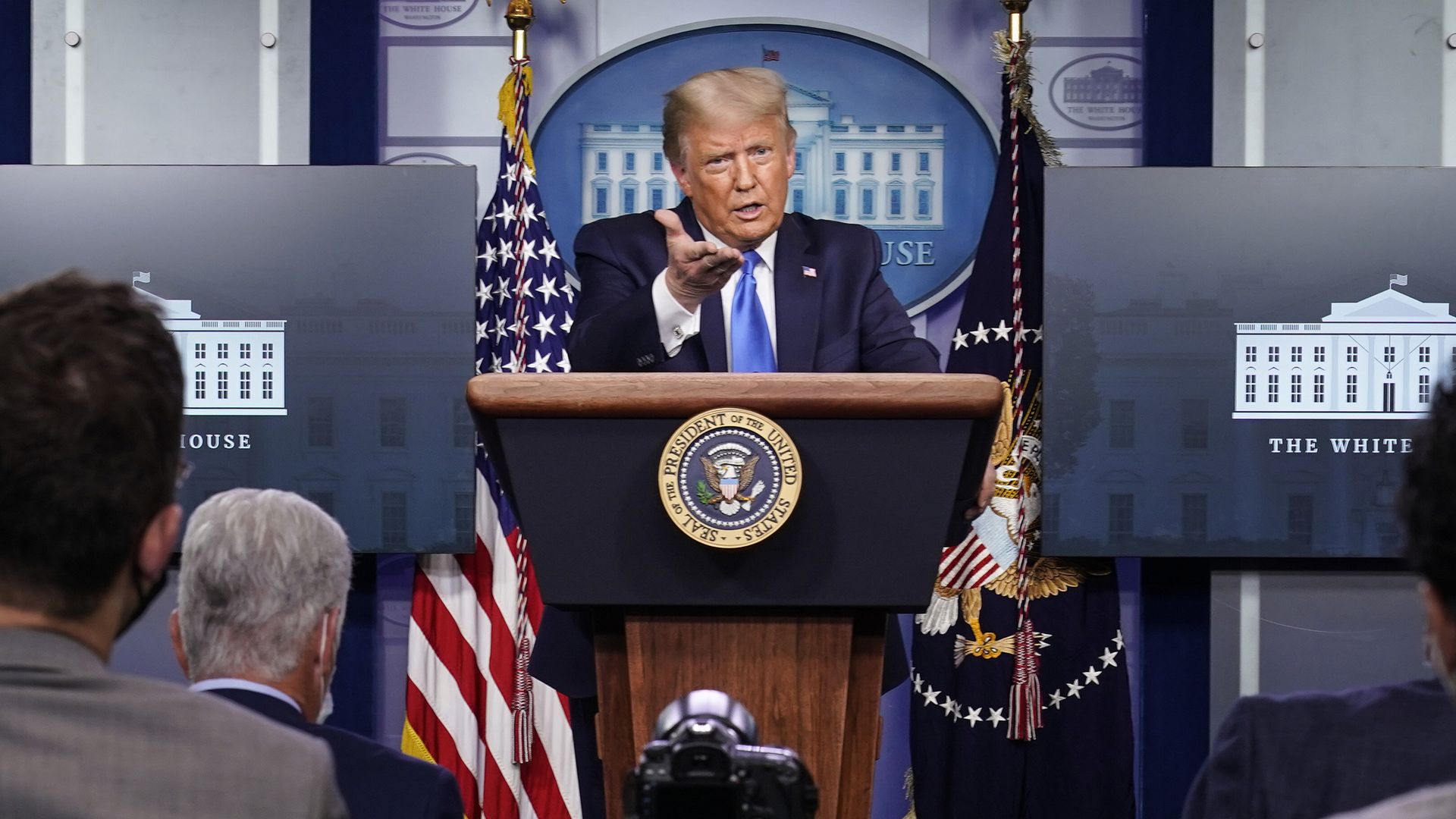
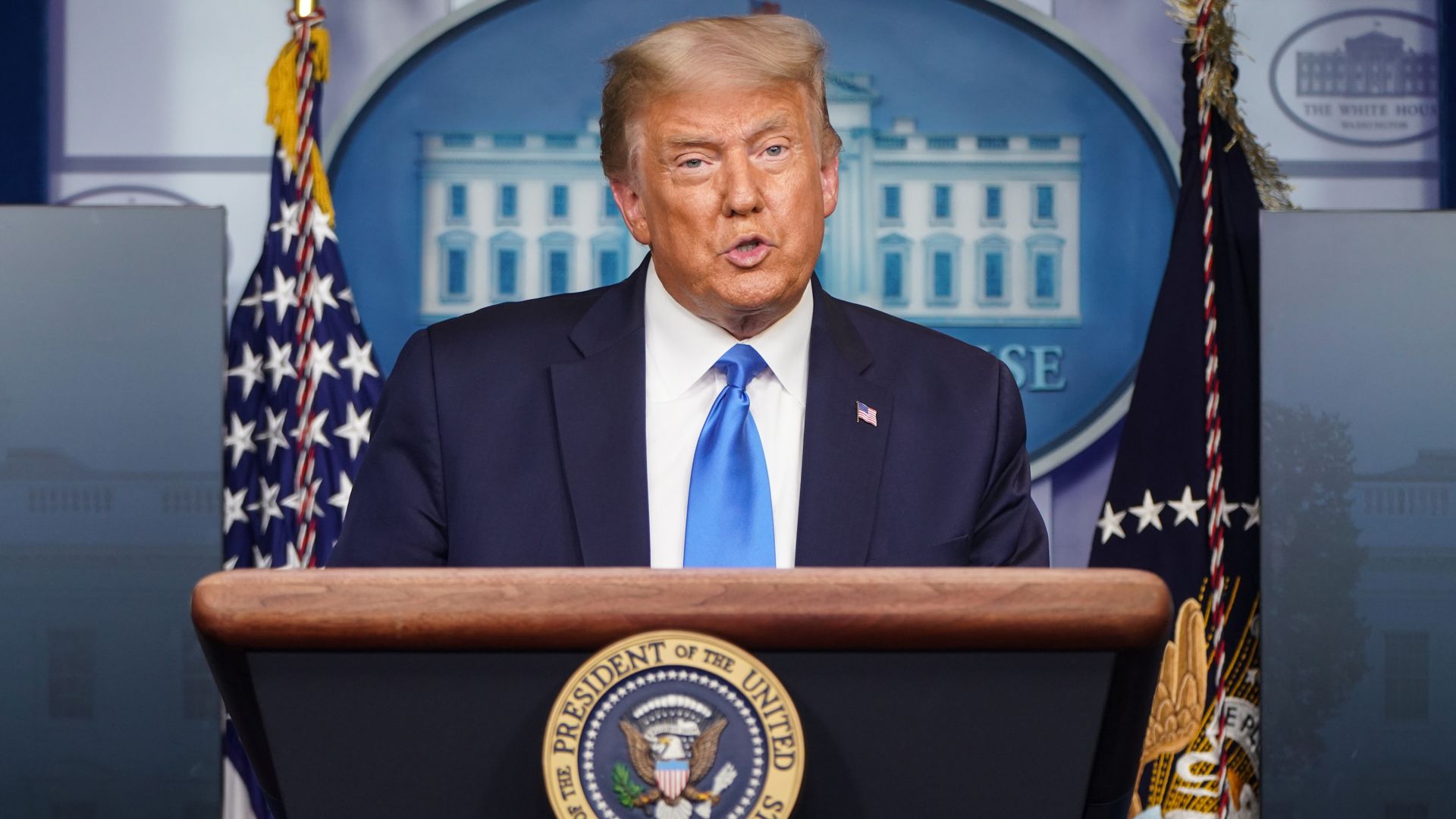
White House press secretary Kayleigh McEnany said Thursday that President Trump will "accept the results of a free and fair election," but did not specify whether he will commit to a peaceful transfer of power if he loses to Joe Biden.
Why it matters: Trump refused to say on Wednesday whether he would commit to a peaceful transition of power, instead remarking, "we're going to have to see what happens."
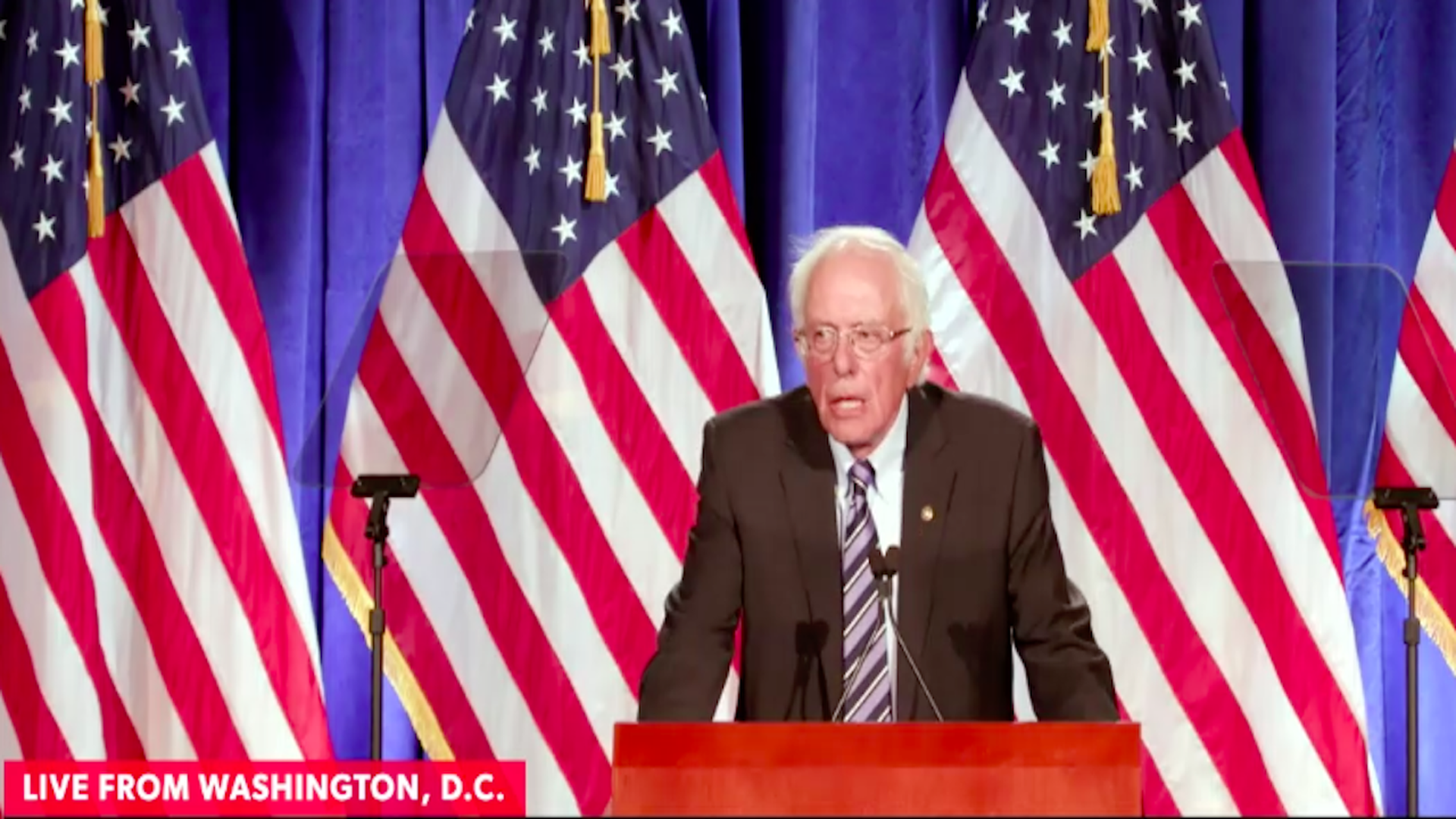
In an urgent appeal on Thursday, Sen. Bernie Sanders (I-Vt.) said President Trump presented "unique threats to our democracy" and detailed a plan to ensure the election results will be honored and that voters can cast their ballots safely.
Driving the news: When asked yesterday whether he would commit to a peaceful transfer of power if he loses, Trump would not, and said: "We're going to have to see what happens."
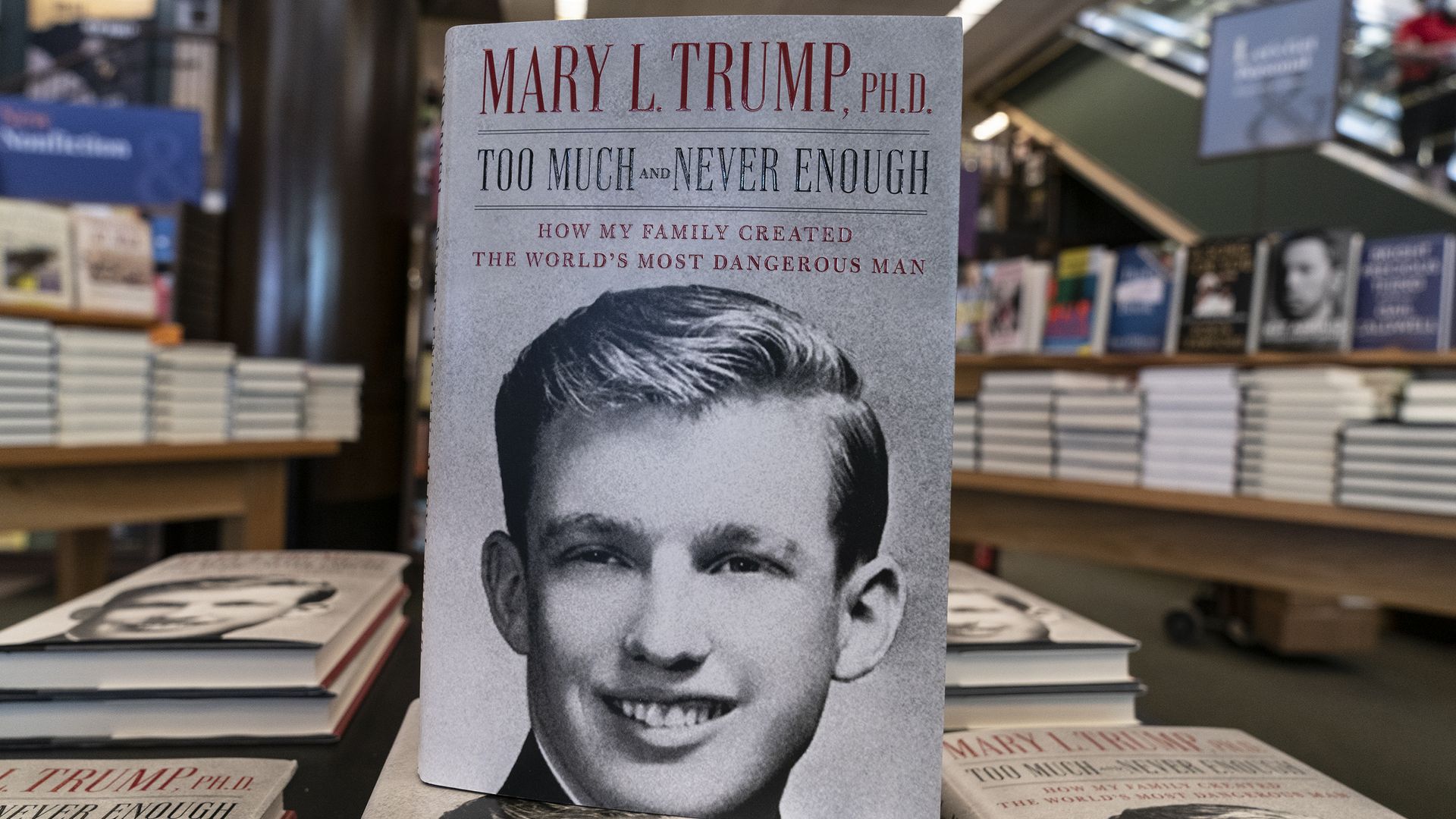
President Trump's niece filed a lawsuit on Thursday alleging that the president and other family members "swindled her" out of an inheritance worth tens of millions, per the suit filed with New York's Supreme Court.
The big picture: Mary Trump's lawsuit, filed two months after her memoir portrayed her uncle as a dangerous sociopath, references a massive 2018 New York Times investigation that found the Trump family reportedly engaged in dubious tax schemes, including outright fraud, in the 1990s.
FBI Director Christopher Wray responded to a question on the security of mail-in voting to the Senate Homeland Security Committee on Thursday by saying that the agency has "not seen, historically, any kind of coordinated national voter fraud effort in a major election, whether it's by mail or otherwise."
Why it matters: President Trump has ramped up his claims, without evidence, that widespread mail-in voting would rig the 2020 election against him. On Wednesday, after declining to say whether he would commit to a peaceful transition of power if he loses the election to Joe Biden, Trump said that "the ballots are out of control."
We're 40 days away from the election, which means we're between 40 and 80 days away from knowing who won the election.
What happens next: The stock markets, which have spent most of 2020 divorced from the real economy, may tank — setting up a chain reaction that could impact everything from high-profile IPOs (e.g., Airbnb) to private market fundraising (denominator effect) to pending mergers (Delaware Chancery Courtnip).
President Trump and first lady Melania Trump visited the Supreme Court on Thursday to pay their respects to the late Justice Ruth Bader Ginsburg and were met by boos and chants of "vote him out" from the assembled crowd.
Why it matters: It marks a rare occasion where Trump has been forced to publicly face a hostile crowd. The president has been moving quickly to narrow down his pick to replace Ginsburg on the court, and his short list includes two women who are federal appeals court judges.
A number of prominent Republican lawmakers addressed President Trump's refusal on Wednesday to commit to a peaceful transfer of power if he loses November's presidential election.
Driving the news: Senate Majority Leader Mitch McConnell tweeted, "The winner of the November 3rd election will be inaugurated on January 20th. There will be an orderly transition just as there has been every four years since 1792."
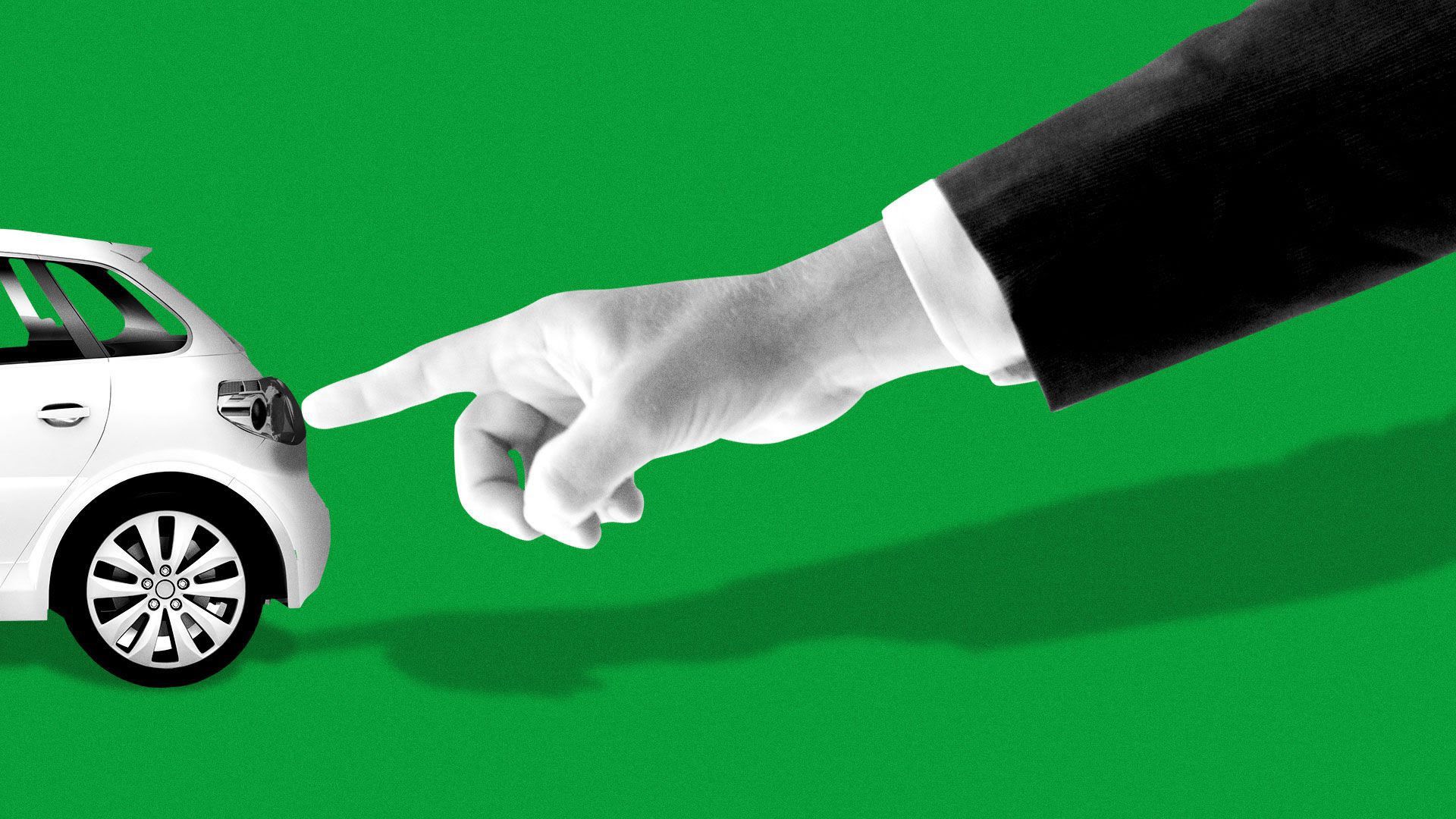
The fate of California's aggressive moves to wring carbon emissions out of transportation could depend heavily on the election and the shape of the Supreme Court.
Why it matters: California is the country's largest auto market and transportation is the country's largest source of CO2.
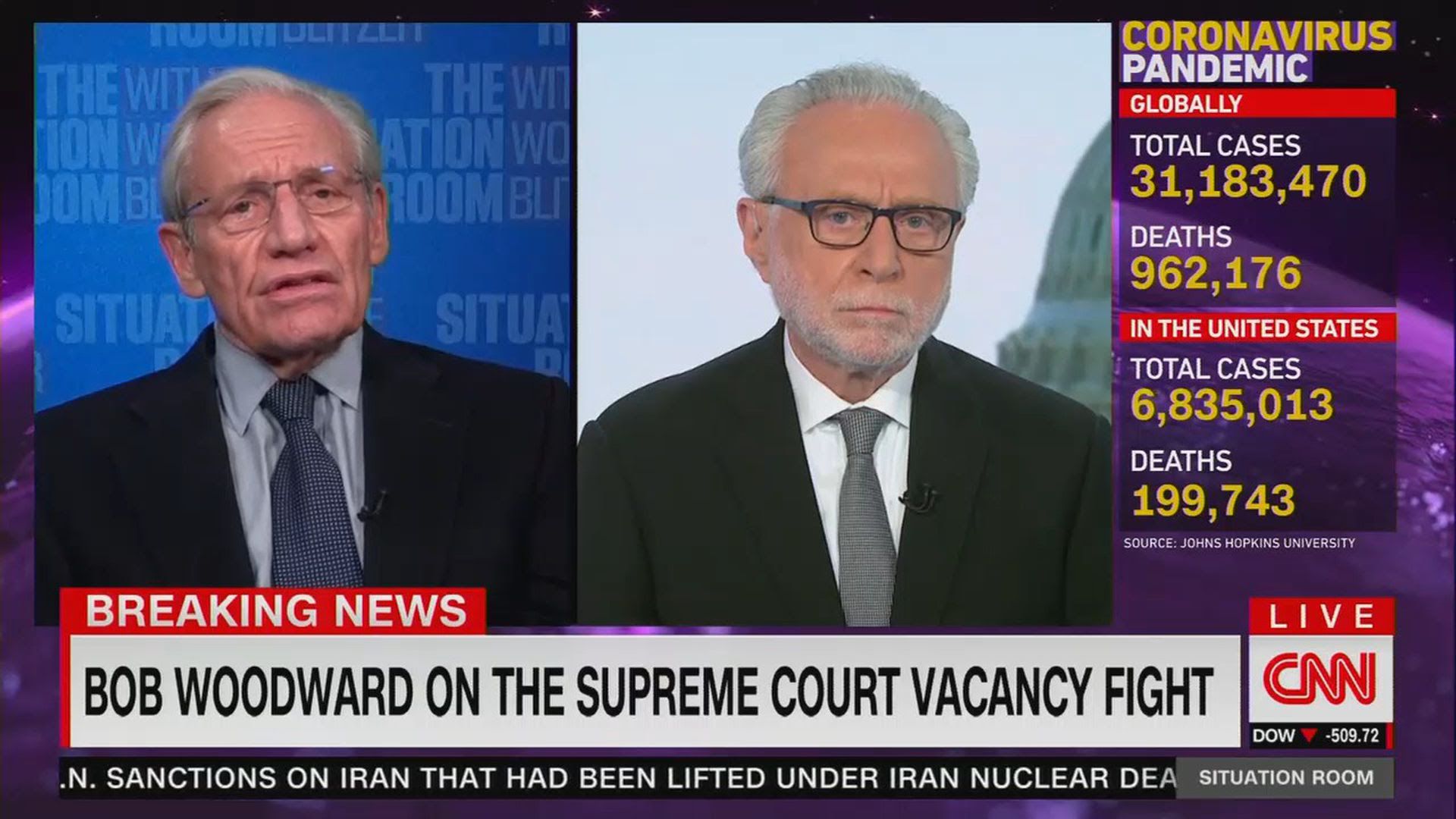
Simon & Schuster announced that Bob Woodward’s "Rage" sold 600,000 copies in the U.S. in Week 1, including pre-orders, sales of print books, ebooks, audiobooks and e-audiobooks.
The big picture: Woodward's book dropped a series of scathing reports on President Trump, including that he purposefully played down the seriousness of the coronavirus pandemic.
What they're saying: Matt Bennett, Third Way co-founder, told Axios, "If all the votes are counted, Biden will win. But all year — and especially in the past few days — Trump has made clear that he is trying to steal this election from voters."
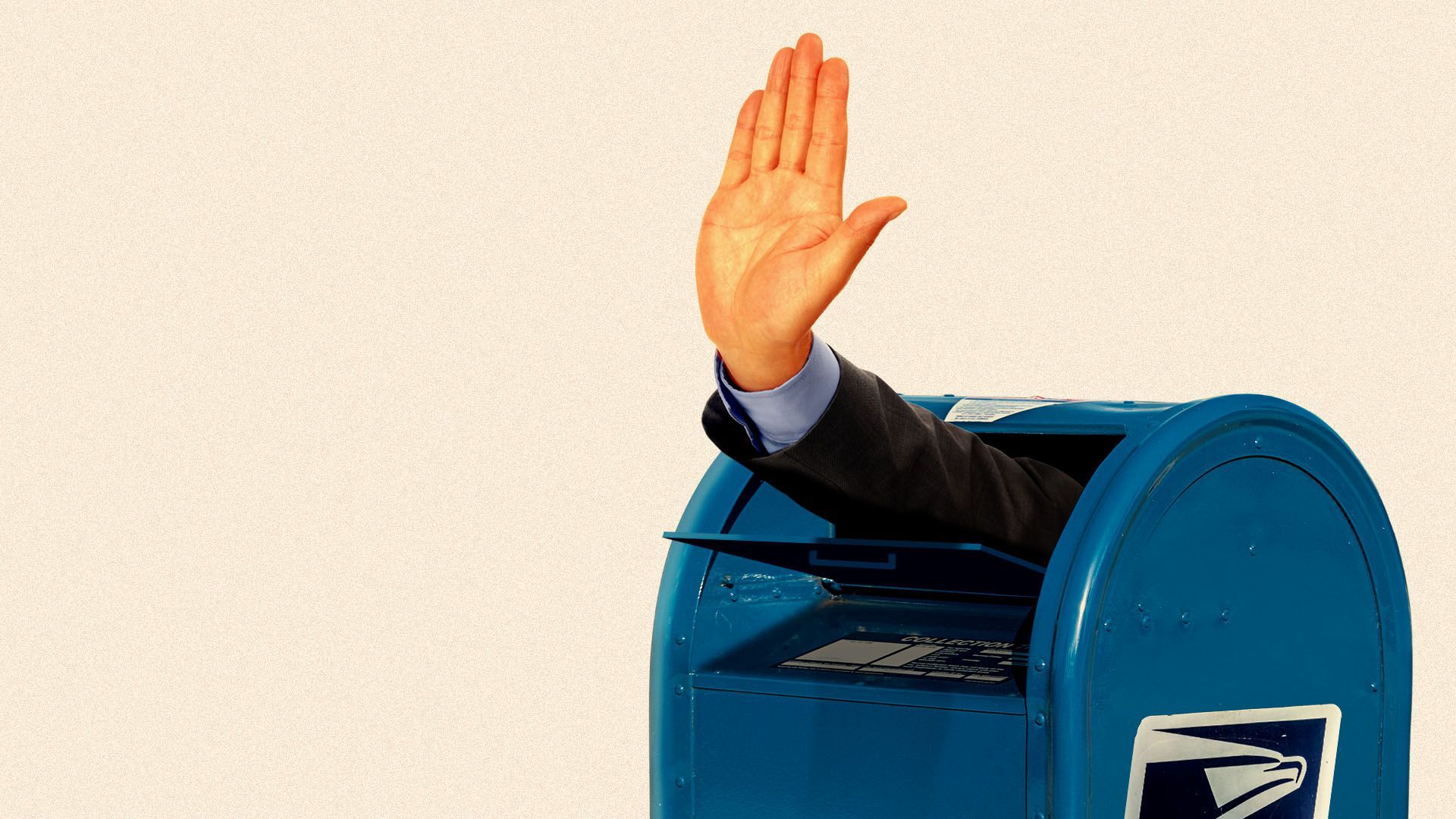
Democrats spent the early months of the coronavirus pandemic urging their base to vote absentee. But as threats of U.S. Postal Service delays, Team Trump litigation and higher ballot rejection rates become clearer, many are pivoting to promote more in-person voting as well.
Why it matters: Democrats are exponentially more likely to vote by mail than Republicans this year — and if enough mail-in ballots are lost, rejected on a technicality or undercounted, it could change the outcome of the presidential election or other key races.
Voters who disapprove of President Trump most strongly are by far the most likely to vote by mail in the presidential election, according to an Axios analysis of exclusive data from SurveyMonkey and Tableau.
Why it matters: The new data shows just how strongly the mail-in vote is likely to favor Joe Biden — with potentially enormous implications in the swing states due to the greater risk of rejection with mail ballots.
A group of 489 former national security leaders, including Paul Selva, a retired four-star general and the vice chairman of the Joint Chiefs of Staff under Trump, have endorsed Joe Biden for president.
The big picture: Among the names signing Thursday’s letter: Sean O'Keefe, a former Navy secretary for President George H.W. Bush; Richard Armitage, deputy secretary of state for President George W. Bush; and Admiral Steve Abbot (ret.) who also worked in the last Bush White House.
Louisville Metro Police Department said two officers were shot downtown in the Kentucky city late Wednesday, hours after a grand jury decided that none of the officers would be charged with the killing of Breonna Taylor.
Details: A police spokesperson told a press briefing that a suspect was in custody and that the injuries of both officers were not life-threatening. One officer was "alert and stable" and the other was undergoing surgery, he said.
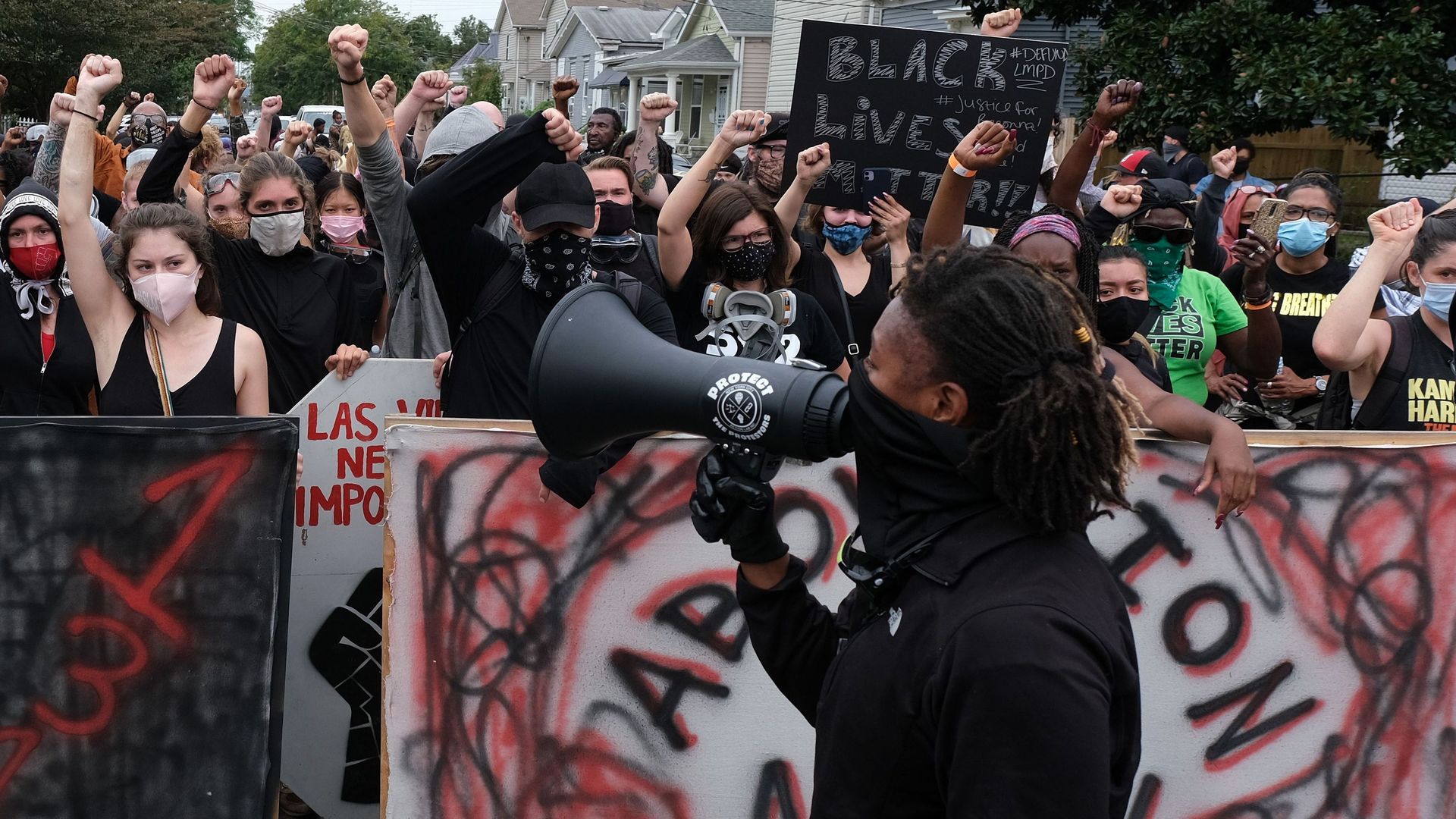
Thousands of protesters rallied into the night across the U.S. in response to a grand jury's decision not to charge the three Louisville, Kentucky, police officers involved in the shooting of Breonna Taylor with murder or manslaughter.
Why it matters: The decision to indict only former officer Brett Hankison for wanton endangerment for firing shots into neighboring apartments, rather than on charges directly related to Taylor's death has triggered huge nationwide protests against racism and police brutality on a scale not seen since summer demonstrations over the death of George Floyd.
A grand jury on Wednesday indicted Brett Hankison, one of the Louisville police officers who entered Breonna Taylor's home in March, on three counts of wanton endangerment for firing shots blindly into neighboring apartments.
Details: Angering protesters, the grand jury did not indict any of the three officers involved in the botched drug raid on homicide or manslaughter charges related to the death of Taylor.
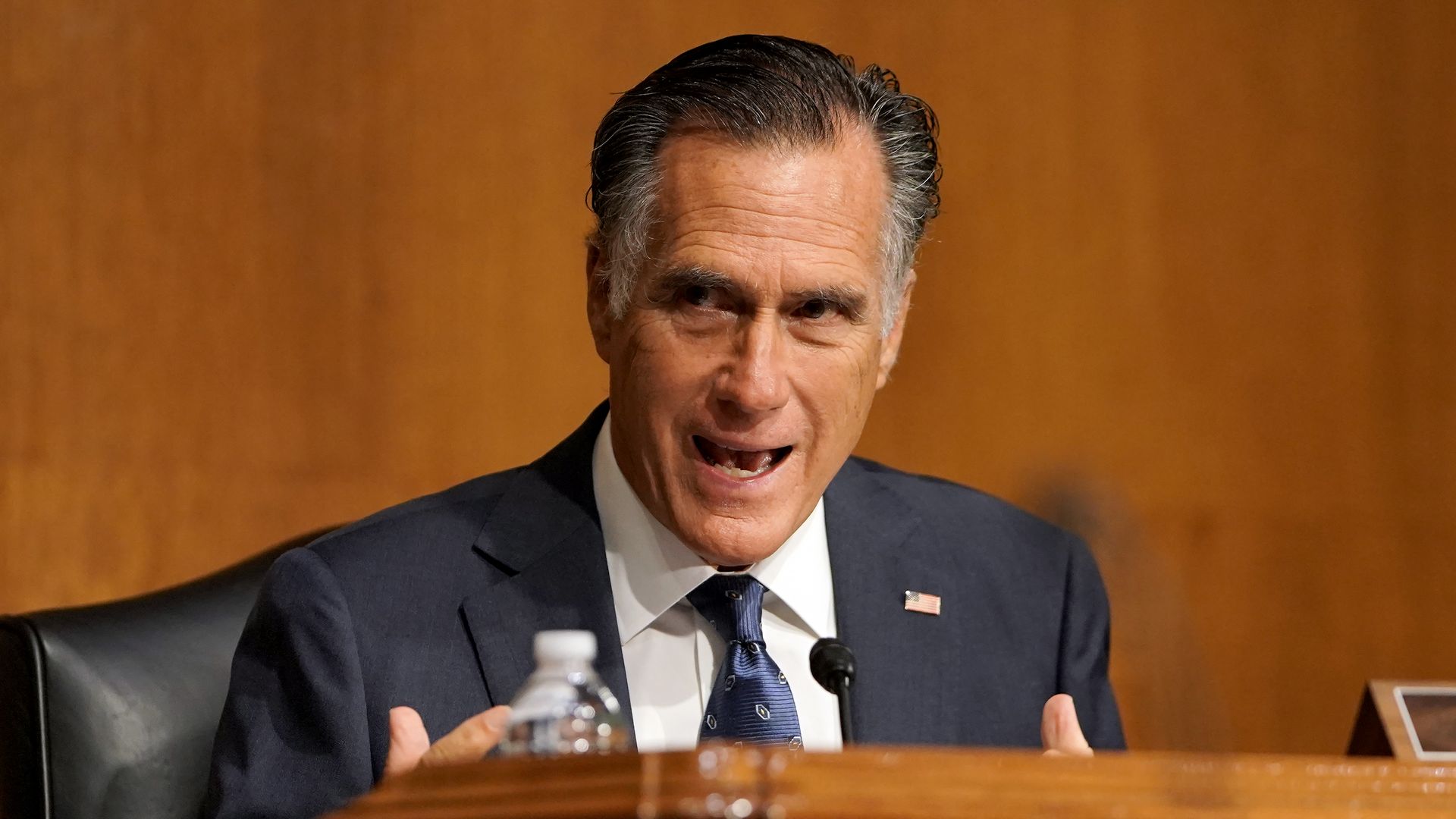
Sen. Mitt Romney (R-Utah) reacted Wednesday night to President Trump's refusal to commit to a peaceful transition of power should he lose November's election by saying to do so would be "unthinkable and unacceptable."
The big picture: "Fundamental to democracy is the peaceful transition of power; without that, there is Belarus," Romney tweeted. "Any suggestion that a president might not respect this Constitutional guarantee is both unthinkable and unacceptable." Trump has repeatedly baselessly insisted that mail-in ballots would lead to widespread fraud and made unfounded claims that he'd only lose the election if it were "rigged."
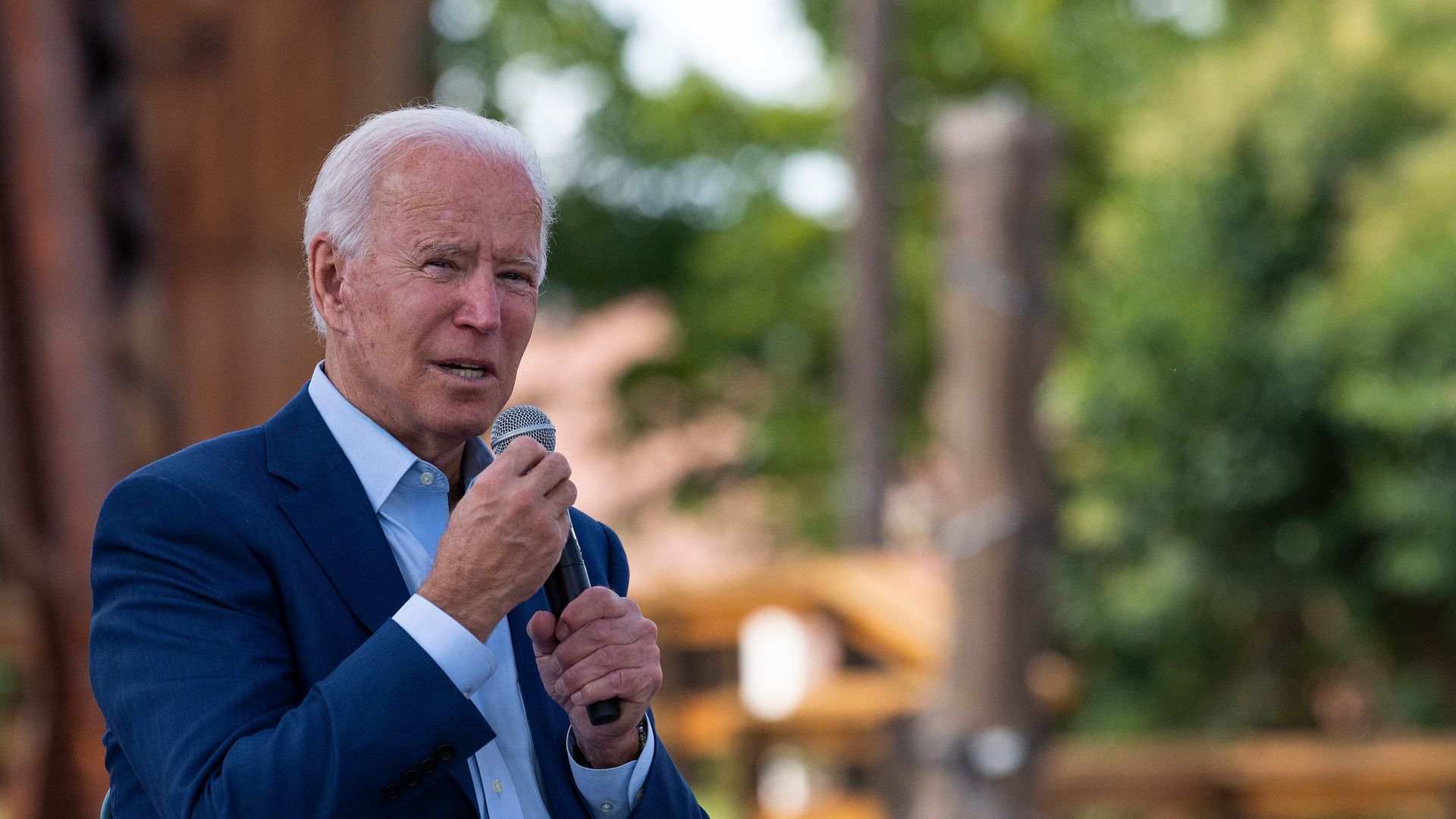
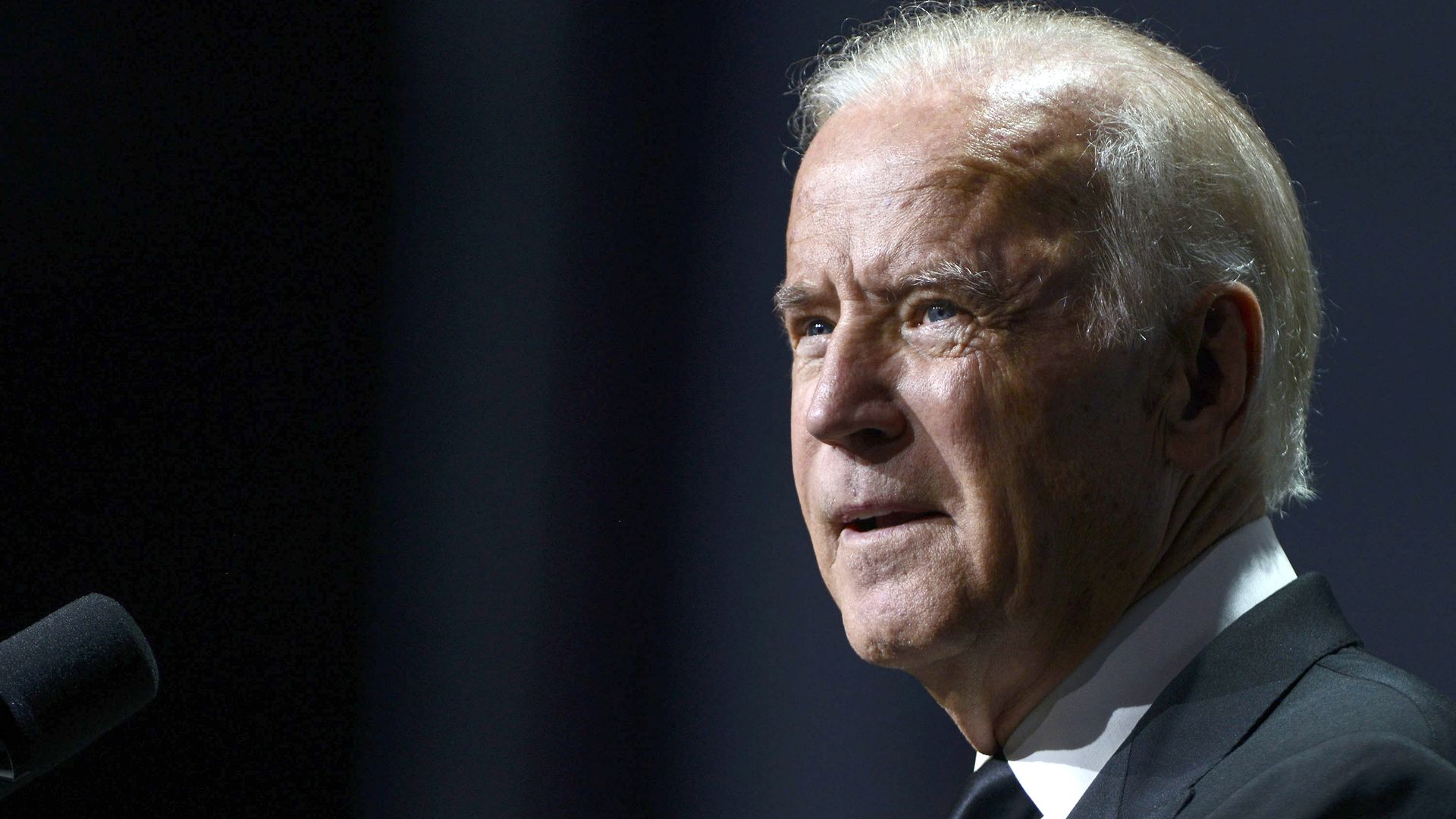
Former Vice President Joe Biden on Wednesday addressed the grand jury decision not to charge the officers for the killing of Breonna Taylor, saying in a statement that the decision "does not answer" the call for equal justice.
The big picture: Biden called for reforms to address police use of force and no-knock warrants, while demanding a ban on chokeholds. He added that people "have a right to peacefully protest, but violence is never acceptable."
Senate Minority Leader Chuck Schumer (D-N.Y.) on Wednesday responded to President Trump's refusal to commit to a peaceful transition of power should he lose the November election, telling CNN that Trump "is not a dictator, and the American people will not allow him to be one."
What he's saying: "The American people are wedded to democracy," Schumer said. "We believe in democracy, and the kind of thing Trump is talking about just will not happen."