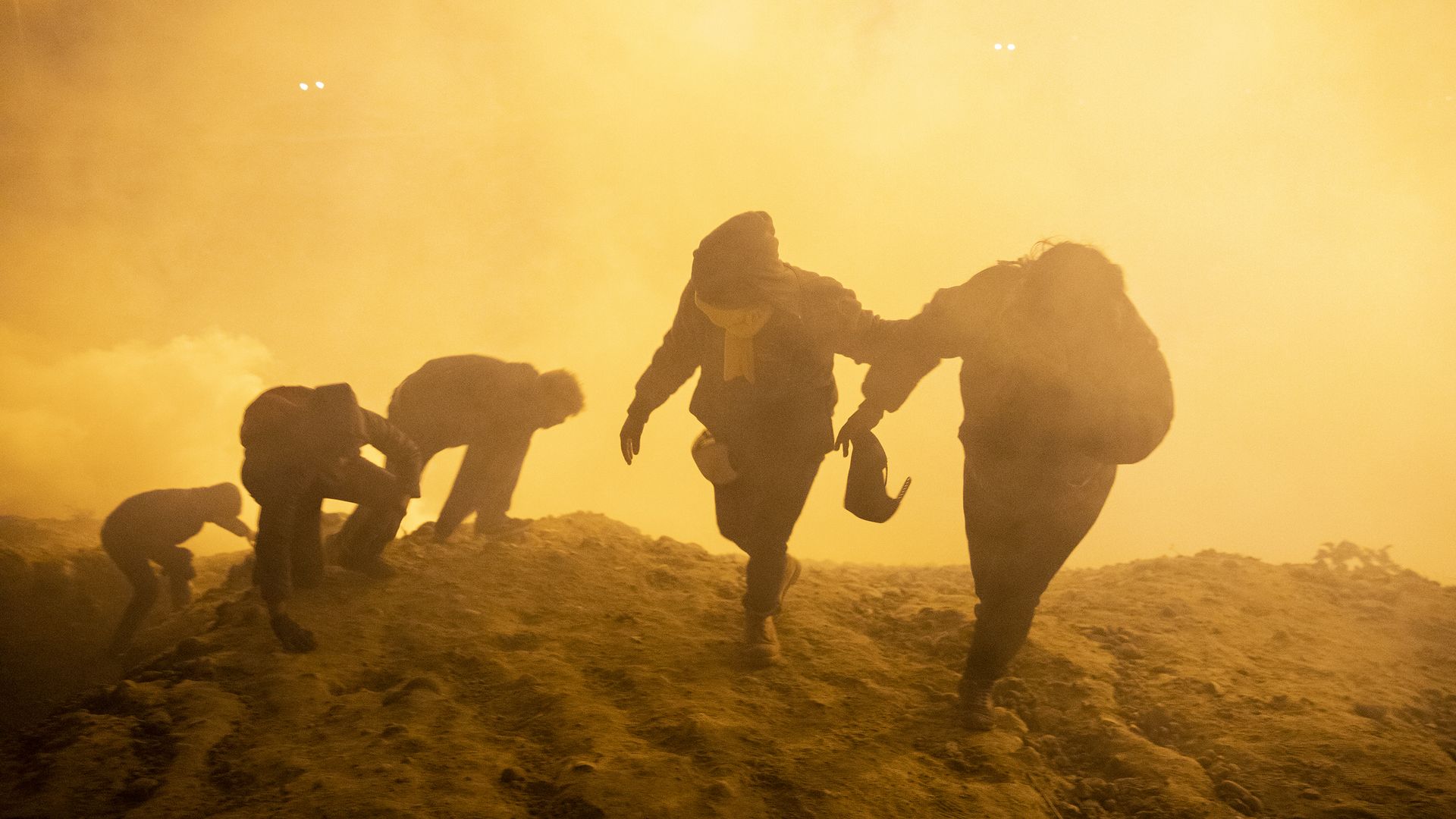
Around 150 migrants at the U.S.-Mexico border in Tijuana began the new year fleeing tear gas launched by border agents early Tuesday morning, AP reports.
The big picture: This is the second recent instance of tear gas being used on crowds of migrants, including women and children, who have travelled to the U.S. in "caravans" — many to seek asylum. Past administrations have also used tear gas, but it has been a rare, last resort. The instance highlights the Trump administration's often harsh, ongoing attempts to combat immigration.
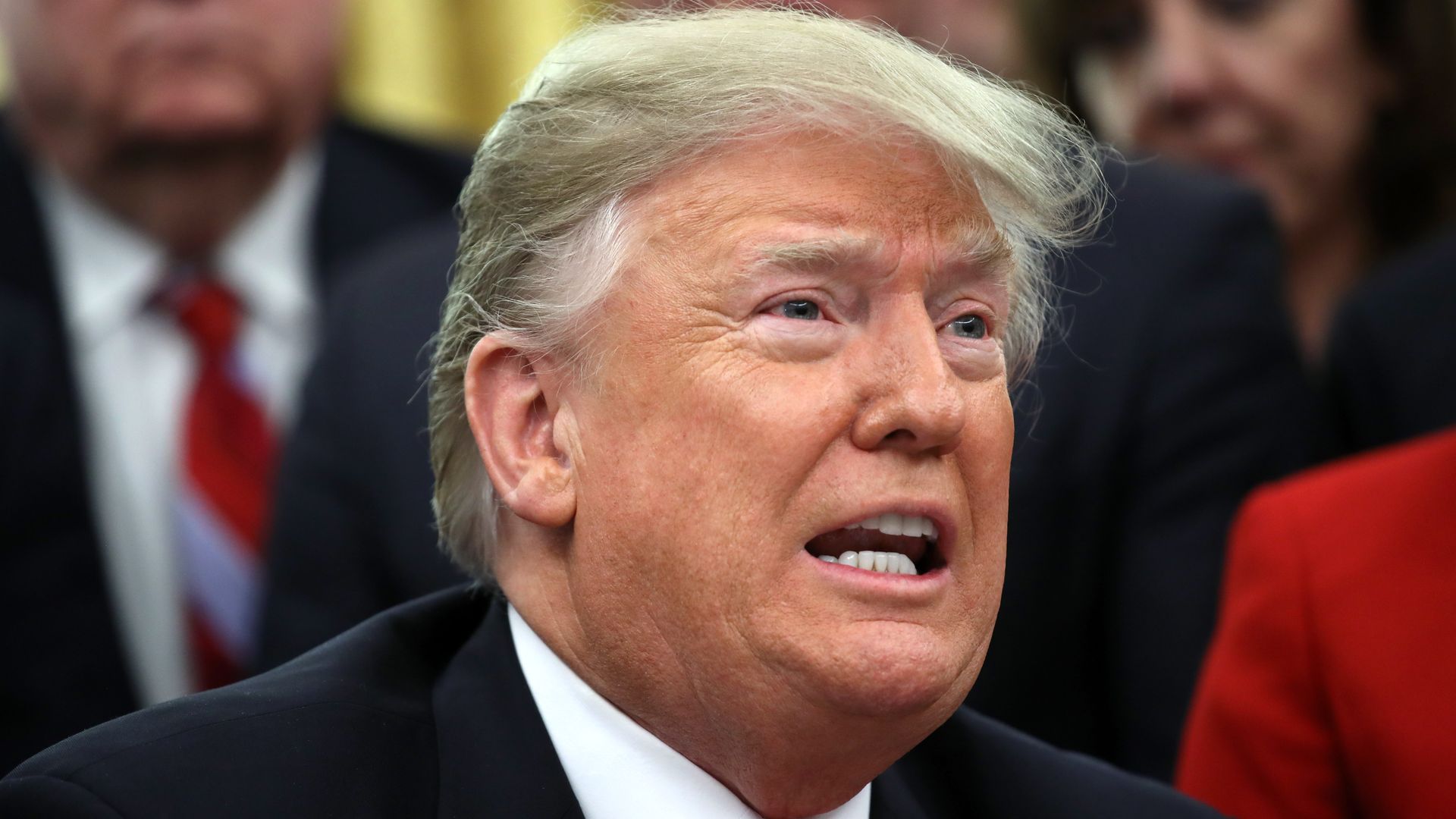
President Trump has invited congressional leaders from both parties to a Wednesday briefing at the White House about a border wall, which would be the first meeting between Trump and Democratic leaders since the start of the partial government shutdown, Politico reports.
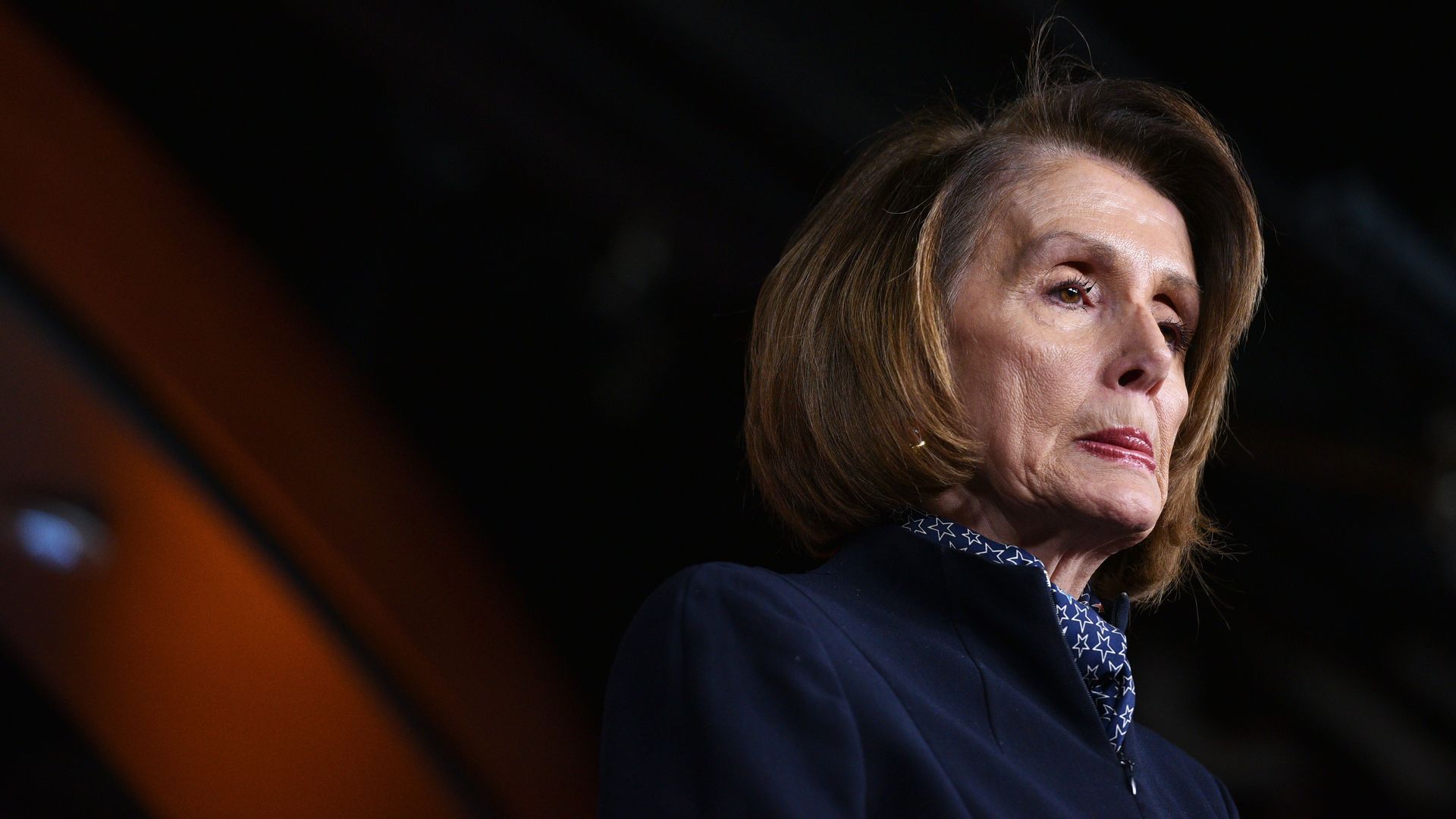
The backdrop: As the shutdown stretches into its second week, House Democrats plan to pass a short-term funding bill aimed at reopening the government — but without increased funding for Trump's wall — once they assume power on Thursday. That could force a direct showdown with the president, who asked incoming Speaker Nancy Pelosi to "make a deal" in a Tuesday afternoon tweet.
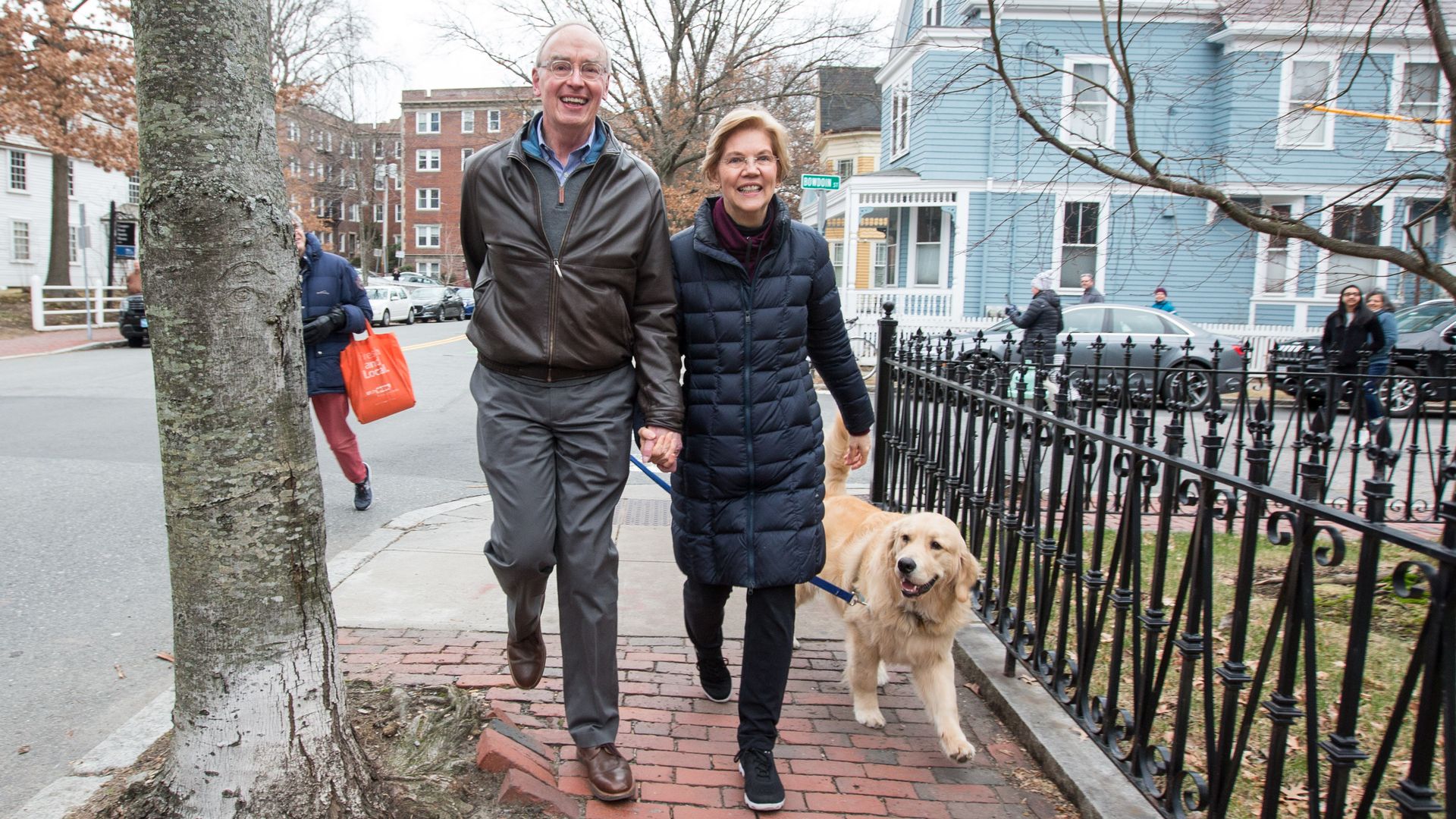
With more than 30 Democrats mulling 2020 bids, the number "who may ultimately stay out of the race is larger than the list of contenders who are certain to run," the N.Y. Times' Jonathan Martin and Alex Burns write on the occasion of Sen. Elizabeth Warren announcing an exploratory committee:
"It is hard to recall a recent presidential primary where, at the outset of the race, there was this much genuine mystery — not only about who would eventually emerge as the nominee, but who planned to run at all."
A federal employees labor union has filed a lawsuit Monday against the Trump administration over the ongoing partial government shutdown, which has forced roughly 400,000 federal employees forced to work without pay during the partial government shutdown.
Why it matters: The suit by the American Federation of Government Employees calls the shutdown a "blatant violation" of the Fair Labor Standards Act. The union's president, J. David Cox, said forcing employees to work without pay "is nothing short of inhumane."
More than three quarters of Americans are hopeful about what's ahead for them in 2019, but they're way less optimistic about what's in store for the world, according to an Axios/SurveyMonkey poll.
The big picture: The public is split almost evenly on what 2019 will bring for the world. But Americans don't seem to see a recession around the corner — 65% say they expect the economy to have a good or very good year. That's a sign that they see plenty of other things in the world to worry about.
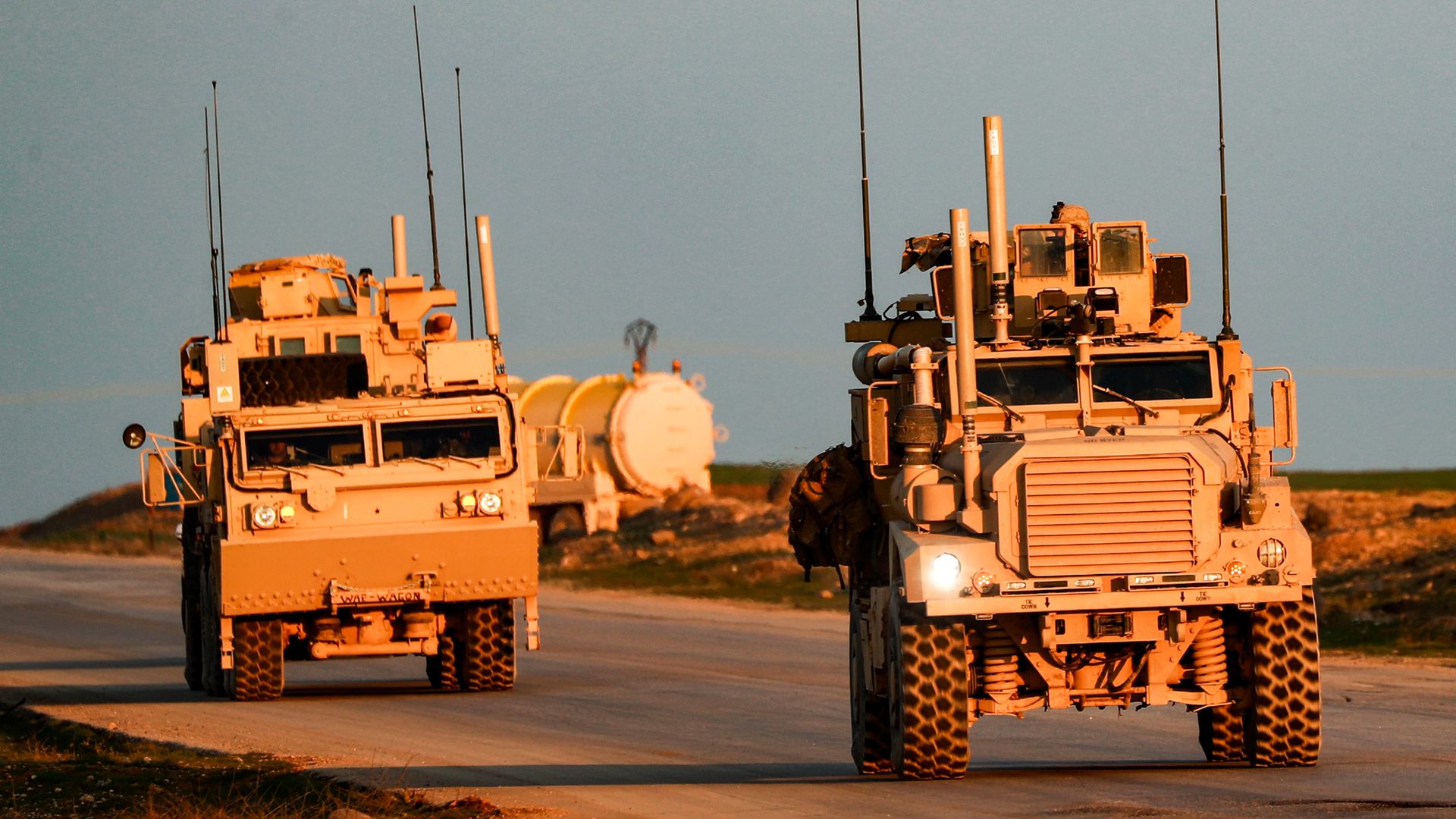
President Trump has slowed down his timetable for a military withdrawal from Syria, agreeing to allow four months for the departure rather than 30 days, the New York Times reports.
Why it matters: It's a sign that Trump may have heeded the criticisms that his initial deadline was too soon, including from outgoing Defense Secretary James Mattis, who opposed the plan. However, the Times notes that military officials won't say when U.S. forces are actually leaving — partly for military secrecy, but in part because "officials recognize that Mr. Trump could change his mind at any moment and speed up the departure."
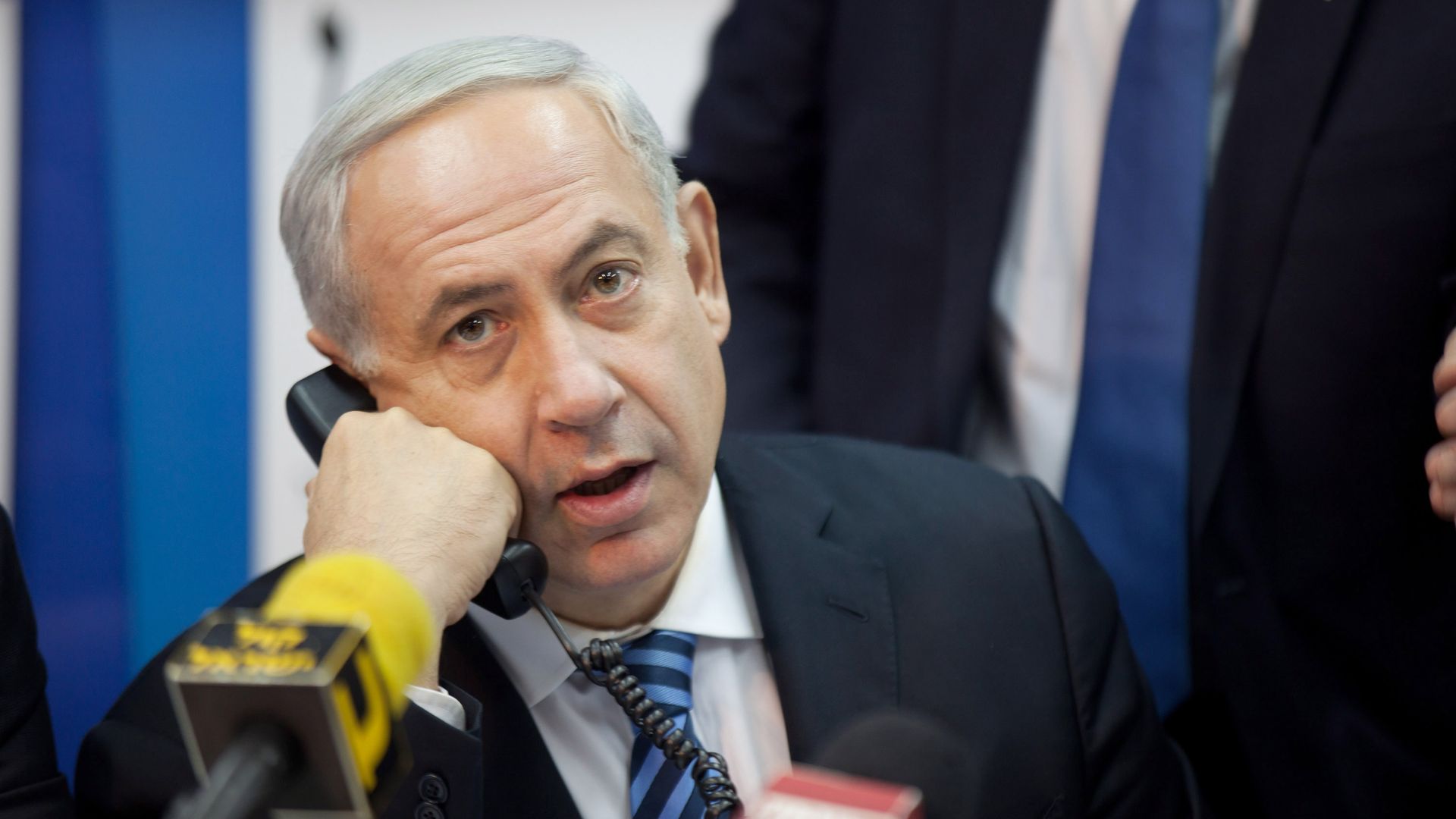
Israeli Prime Minister Benjamin Netanyahu asked President Trump for a gradual pullout of U.S. forces from Syria — implemented over a lengthy period of time — in their Dec. 20 phone call, an Israeli official told reporters who traveled with Netanyahu to Brazil for the inauguration of Brazilian President-elect Jair Bolsonaro.
The big picture: Israel is concerned that a rapid U.S. withdrawal will embolden and encourage Iran to continue its military entrenchment in Syria. The official's statement echoed what Trump tweeted earlier Monday about U.S. forces "slowly" coming home from Syria.
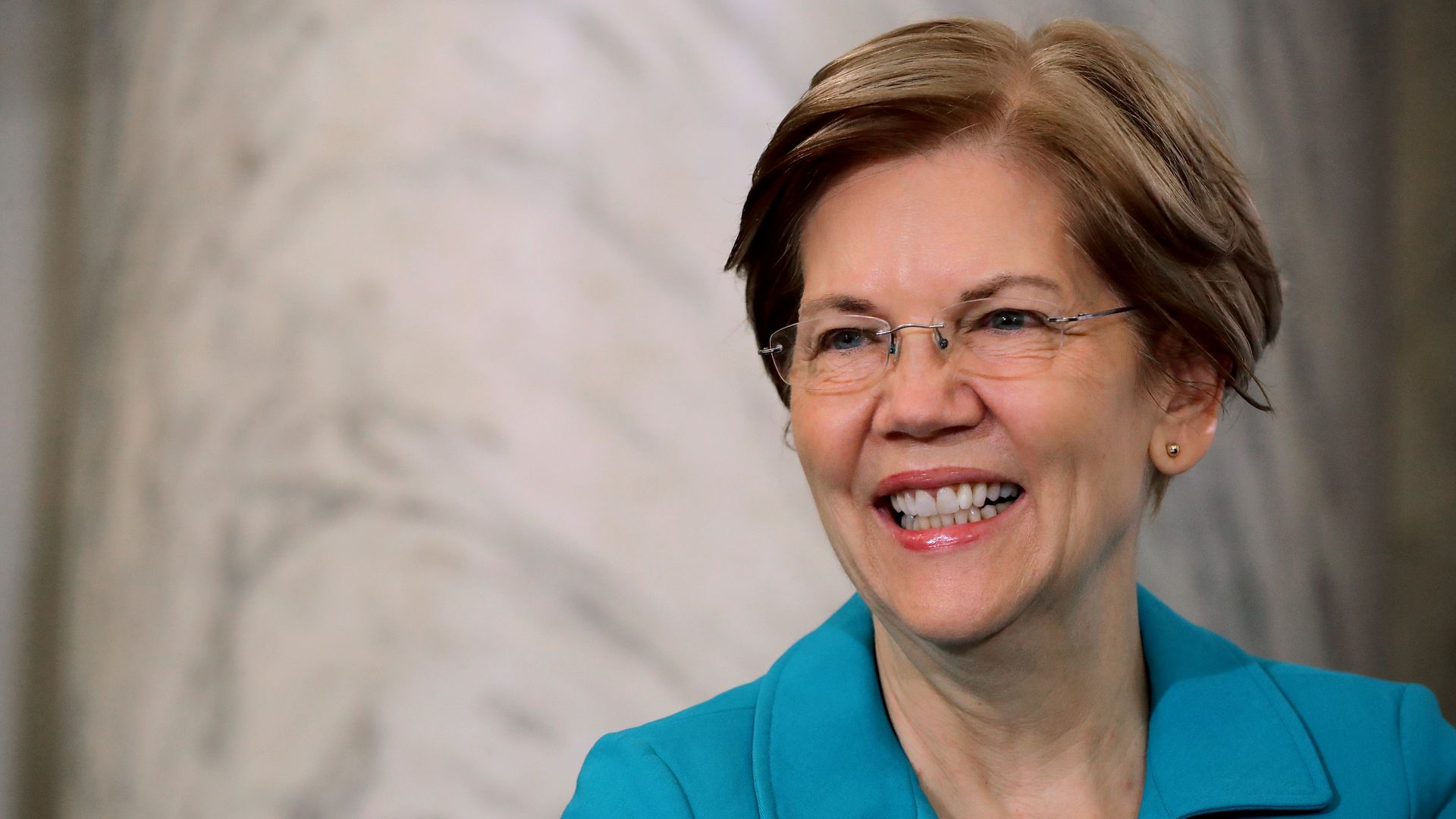
Sen. Elizabeth Warren became the most prominent Democratic candidate to launch an exploratory committee for president on Monday, joining former HUD Secretary Julián Castro and several other Democrats who have already announced their intent to challenge President Trump in 2020.
The big picture: Presidential campaigns weren't always this lengthy, with Bill Clinton announcing his bid just 13 months before the 1992 election, the New York Times notes. But since then, it's become somewhat standard for major candidates to declare early — sometimes even a full two years before the election.
Once Democrats assume control of the House on Thursday, they plan to pass a stopgap spending bill that would fund the Department of Homeland Security through Feb. 8 without President Trump's requested funding increase for a border wall, per the Washington Post.
The big picture: They also plan to pass 6 other funding bills to fund closed portions of the federal government through Sep. 30. The DHS funding bill is the same as the one passed by the Senate before Christmas and, if again approved by a Senate with an increased GOP majority, could force a direct showdown with Trump on the border wall issue.
The big picture: "By the end of the year, Trump had accumulated more than 7,600 untruths during his presidency — averaging more than 15 erroneous claims a day during 2018, almost triple the rate from the year before."
Massachusetts Democrat Sen. Elizabeth Warren is launching an exploratory committee for president as she gears up for a 2020 presidential election bid, she announced in a new video on Monday.
Why it matters: Warren is the first prominent Democratic contender to launch this process.
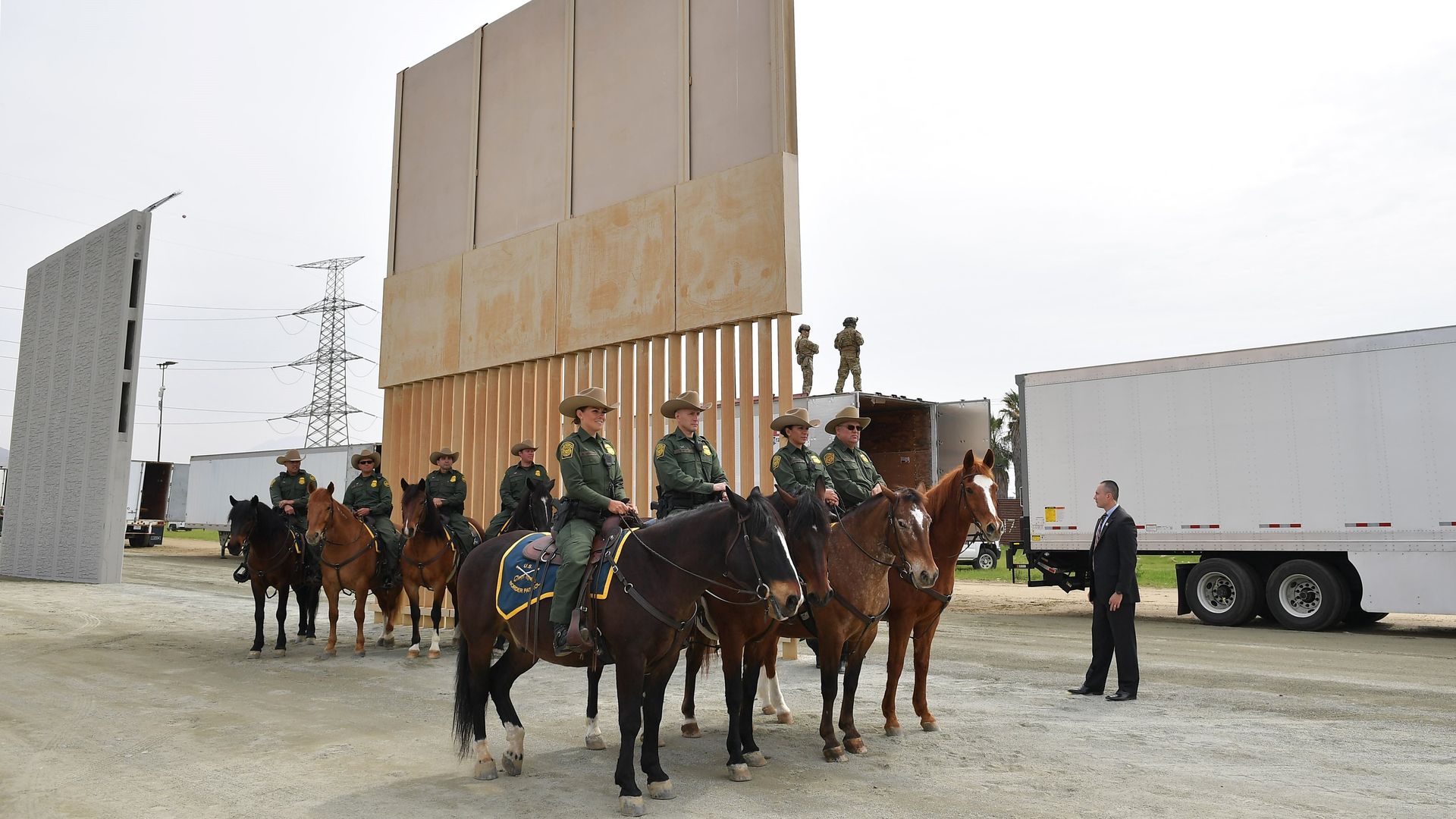
The border wall is one of President Trump's best known campaign promises, and it's the reason we're in a partial government shutdown — but the Associated Press has a good roundup of comments by White House officials and allies that suggest it might end up being less than a complete physical wall between the U.S. and Mexico.
Between the lines: It's not surprising that Trump allies would float ideas to negotiate Trump's promise down to something he just calls a wall. But given how important Trump's promise is to his supporters, nothing will be resolved until Trump himself signs off on something less.