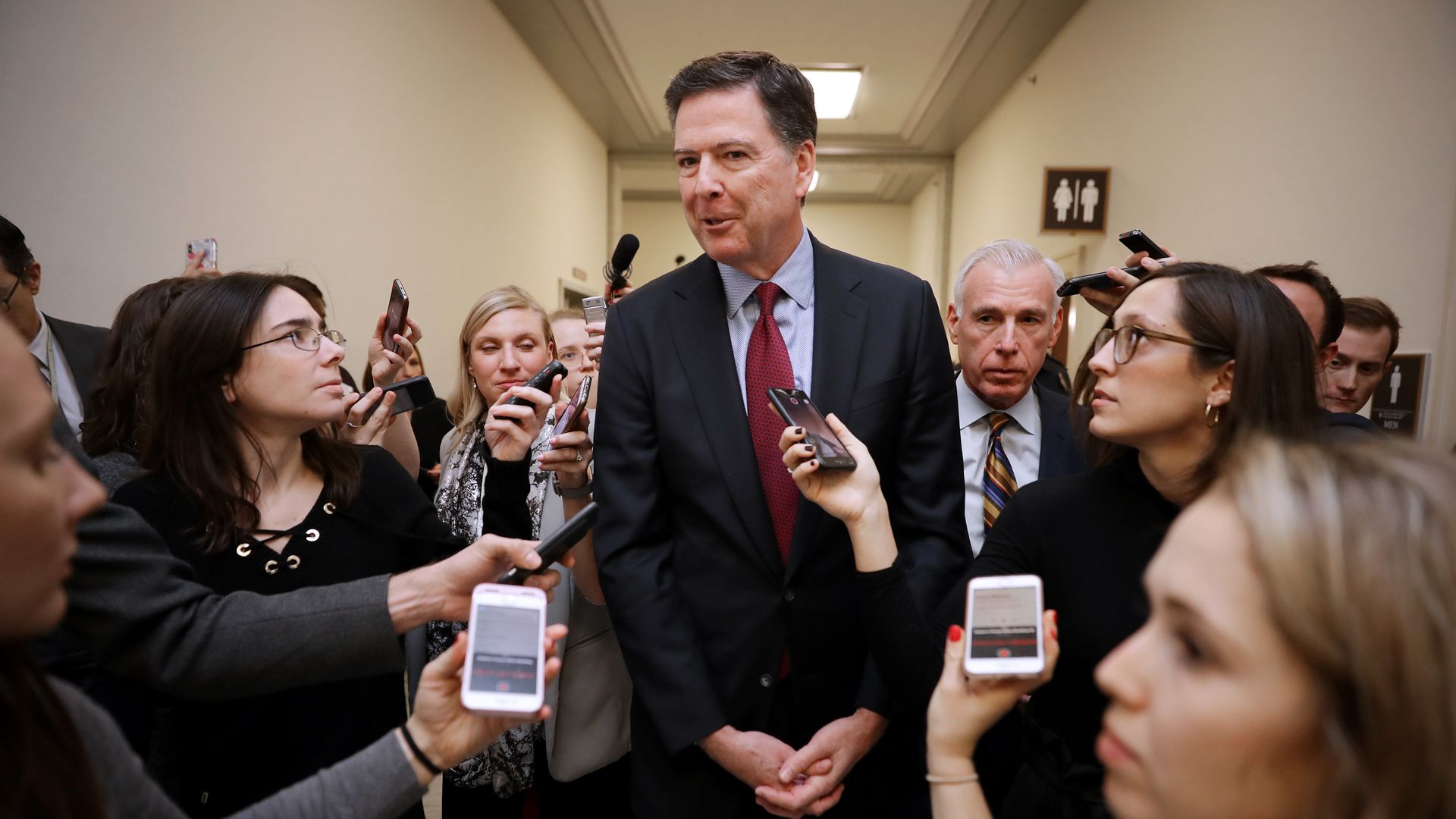
House Republicans on Saturday released the transcripts of their Friday interview with former FBI Director James Comey as part of an investigation into the FBI's probe of Hillary Clinton, President Trump and interference in the 2016 Russian election, CNN reports.
Details: The interview became contentious with Republican officials grilling Comey on Clinton's e-mails among other matters. The Associated Press explains that "some Republicans signaled they were unhappy with Comey’s level of cooperation. California Rep. Darrell Issa... said the department lawyer repeatedly instructed Comey not to answer 'a great many questions that are clearly items at the core of our investigation.'" Democrats, however, felt as though Comey "answered the questions he had to answer," per Rep. Raja Krishnamoorthi (D-Ill.) "But he added that he was left with the impression that 'we got nowhere today,'" she told the AP.
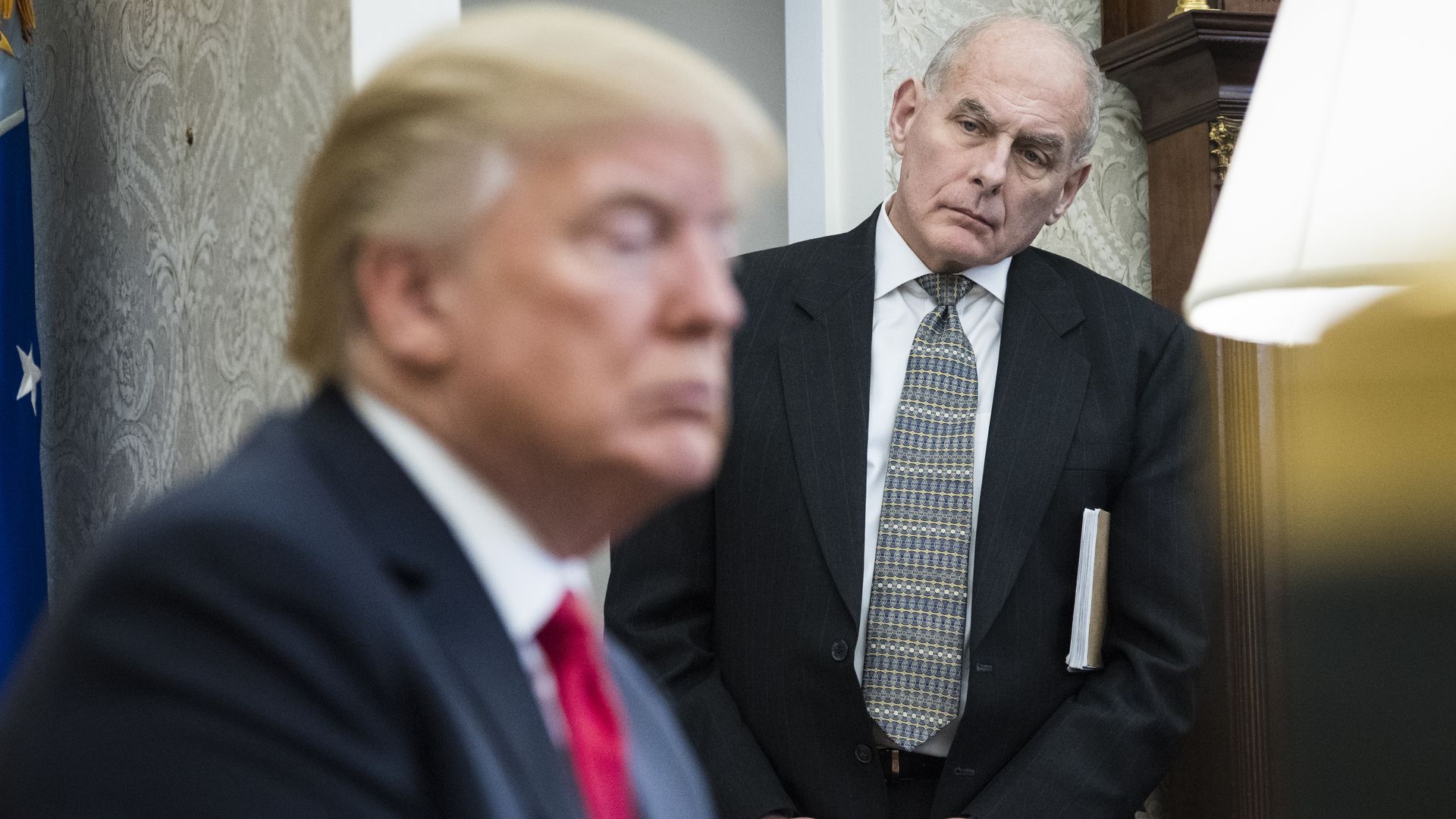
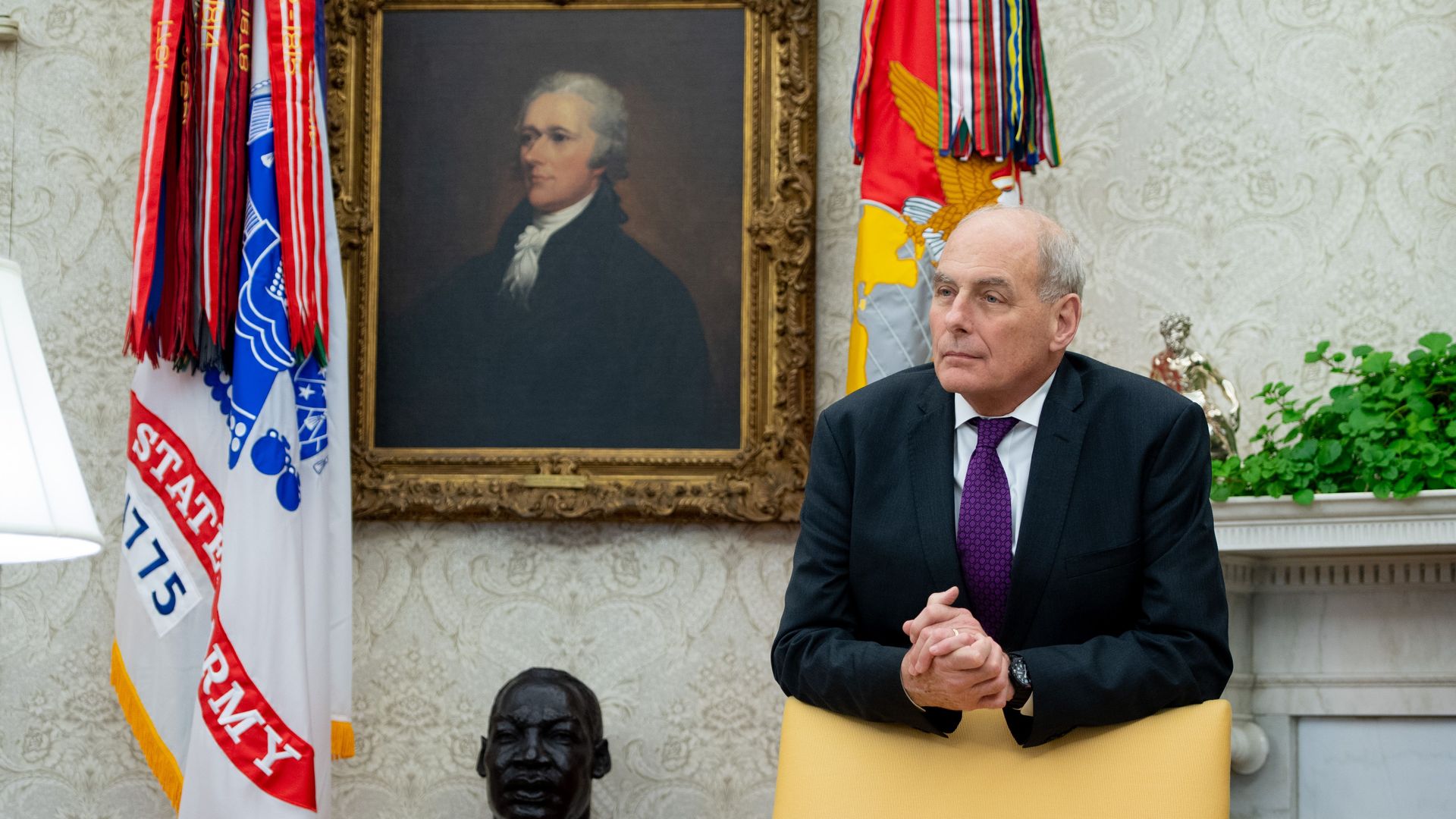
After months of indecision and private negotiations, President Trump has announced his chief of staff John Kelly will be leaving at the end of the year. As we've previously reported, Trump has wanted to replace Kelly with Vice President Mike Pence’s 36-year-old chief Nick Ayers, but the two have been wrangling over the terms of the arrangement, and as we've learned, nothing is certain until Trump announces it. (And even then...)
Between the lines: The most important phrase Trump said in his brief remarks to reporters today was that Kelly's replacement "might be on an interim basis." Sources briefed on Trump's deliberations tell Axios he wants a two-year commitment from a chief and Ayers hasn't been able to commit to that timeframe.
White House chief of staff John Kelly will leave his position at the White House by the end of the year, President Trump said Saturday as he departed for the Army-Navy football game. He will likely be replaced by Nick Ayers, Vice President Mike Pence’s chief of staff.
Why it matters: Trump has long discussed replacing Kelly, particularly as the White House gears up for his reelection in 2020. Meanwhile, Kelly is leaving at a time when Trump is facing three key threats — a wobbly stock market, a Democratic House with ample investigative power, and the Mueller investigation.
The flashing siren in the "known knowns" of the Russia probe is how often people close to Vladimir Putin approached people close to Donald J. Trump — and how often they gladly connected. And then lied about it.
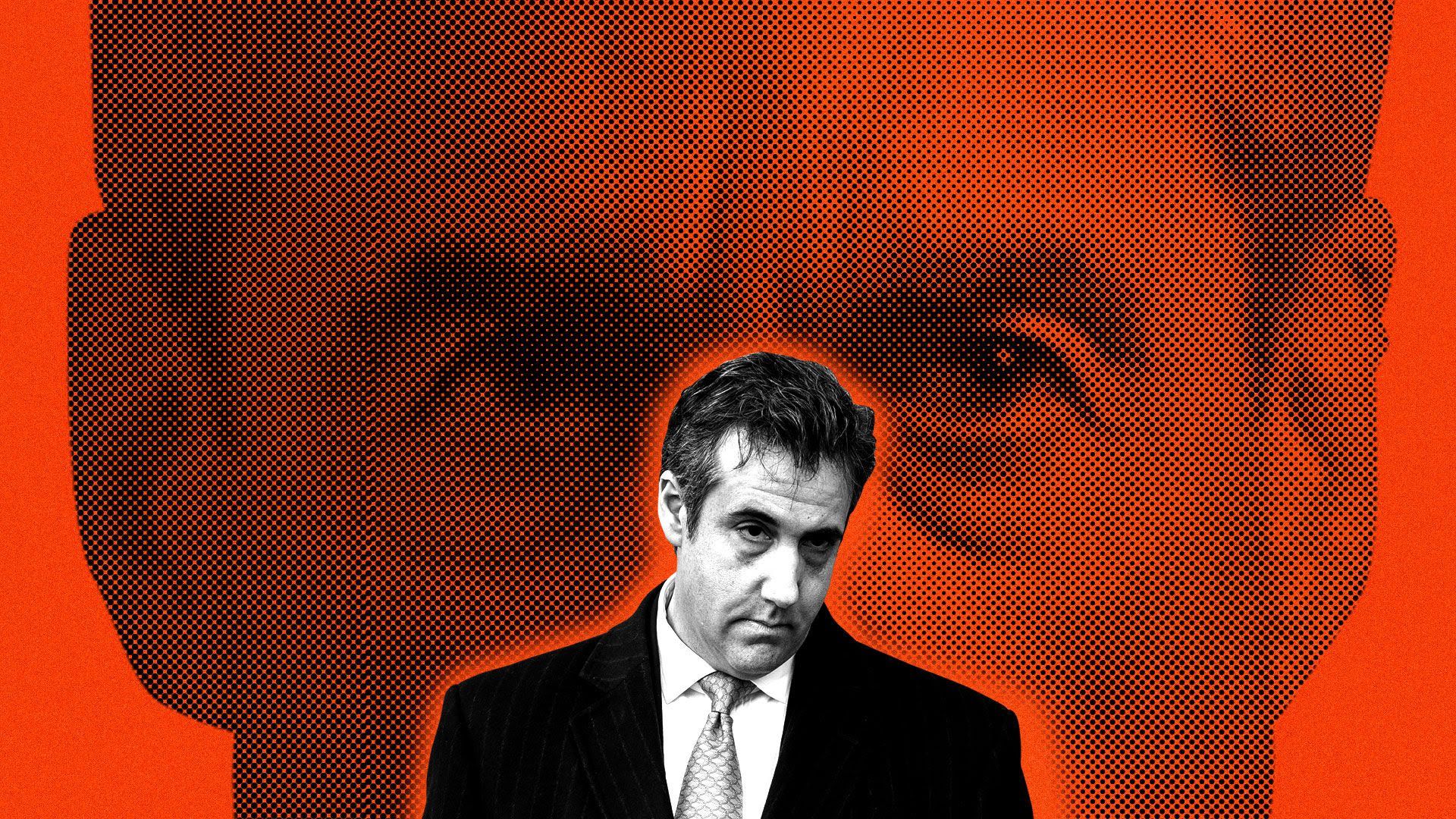
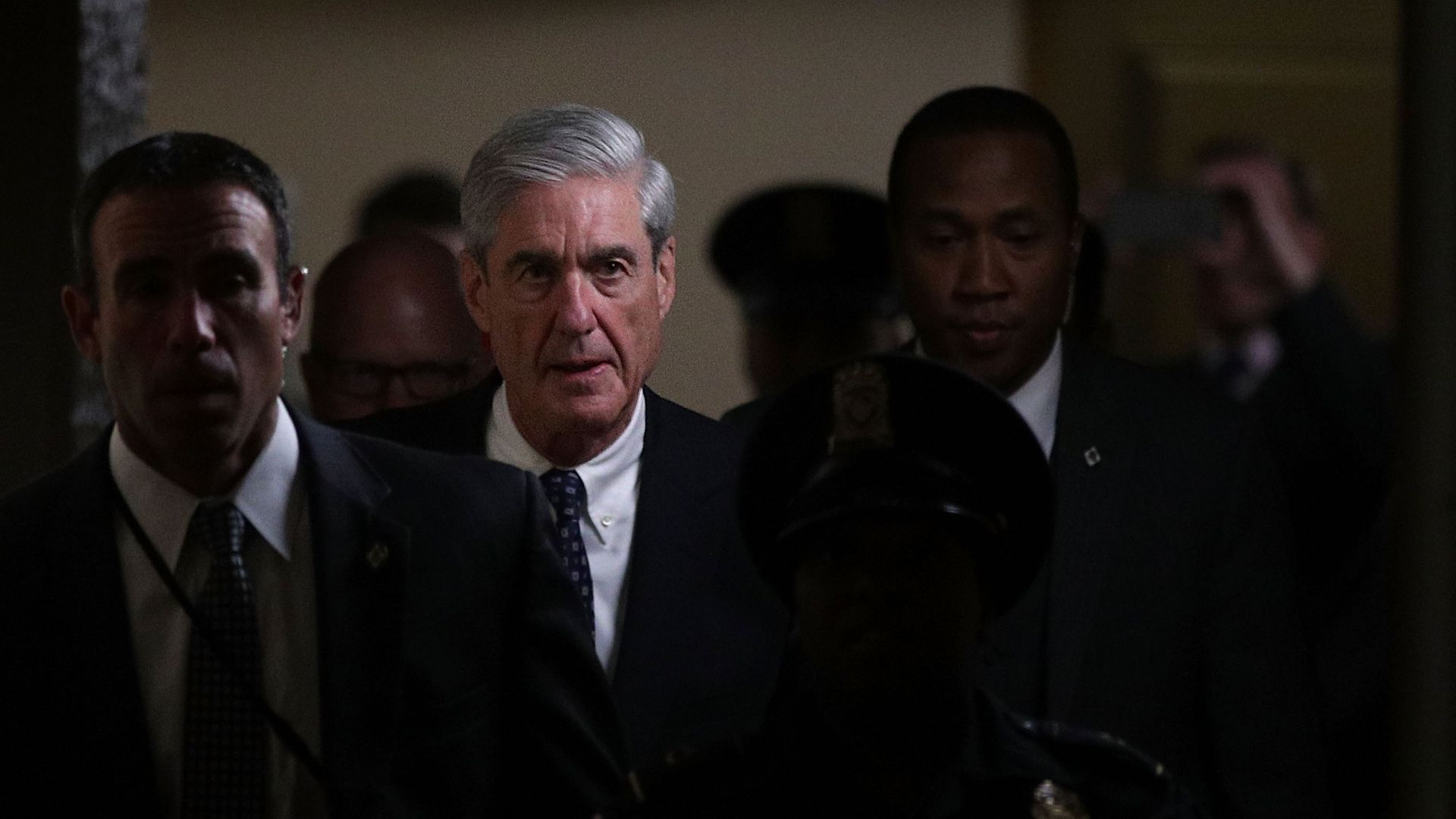
Why it matters:Two court filings last evening on Michael Cohen — one by federal prosecutors in the Southern District of New York, followed an hour later by special counsel Robert Mueller — put new meat on those bones, show that the contacts go back to 2015, and allude to multiple ongoing investigations. All that broadens the legal risk for Mueller's "Individual 1," the president of the United States.
The White House criticized the recently released reports on President Trump's former lawyer Michael Cohen and former Trump campaign manager Paul Manafort, saying they did not provide anything "of value" and have nothing to do with the president.
The big picture: Mueller concluded that Manafort lied about contacts with administration officials, which went against his plea deal. Cohen may face "substantial" prison time for campaign finance and tax violations, as well as lying to Congress, despite his cooperation with the investigation.
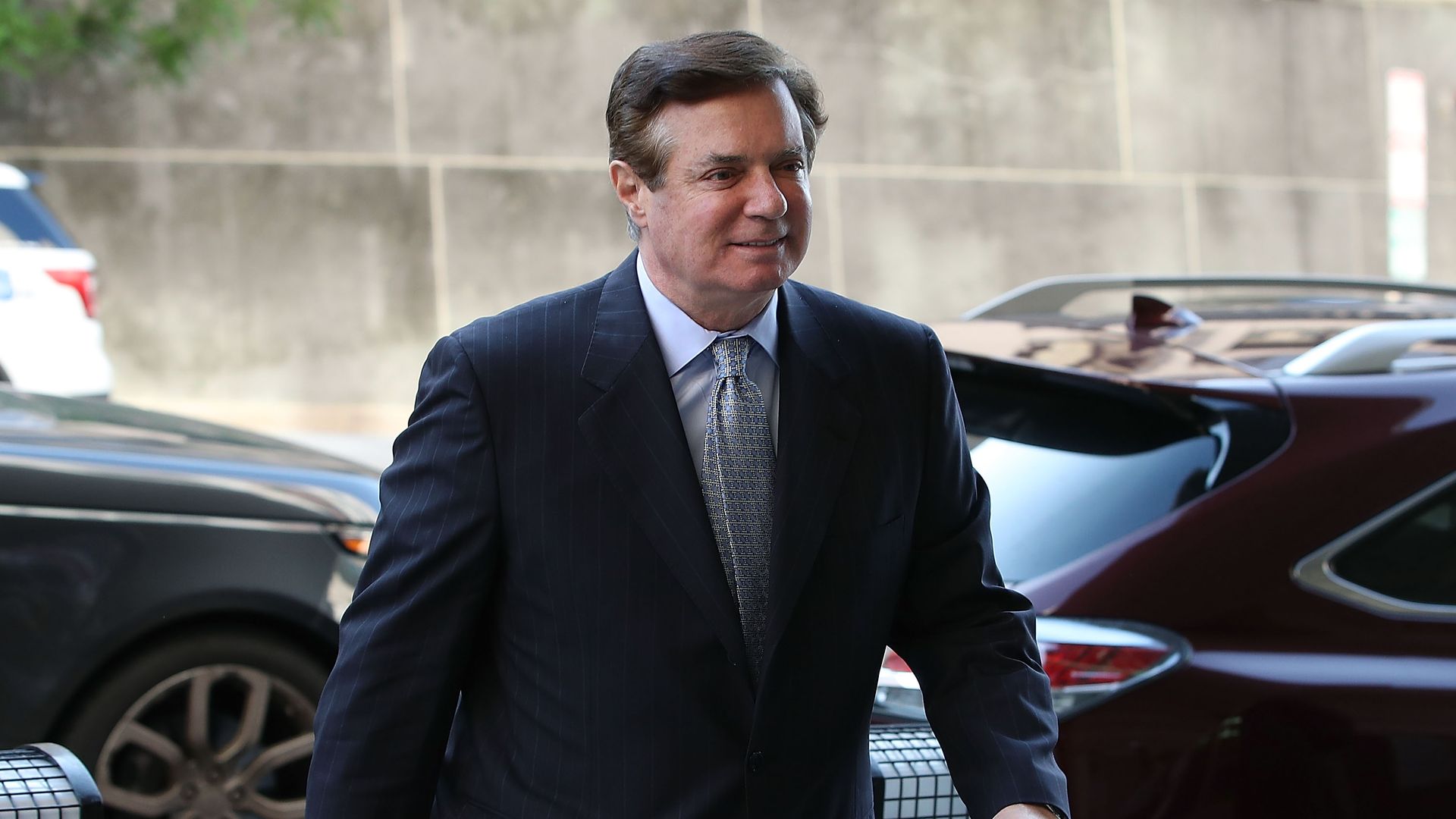
Special counsel Robert Mueller has submitted a court document outlining how former Trump campaign manager Paul Manafort breached his plea deal.
The big picture: Mueller alleges that Manafort lied about his interactions with his former business partner Konstantin Kilimnik, who is believed to have ties with Russian intelligence, and Kilimnik's role in witness tampering. Manafort also lied about a wire transfer to a firm that was working for him, information pertinent to another Justice Department investigation, and his contact with Trump administration officials in 2018.
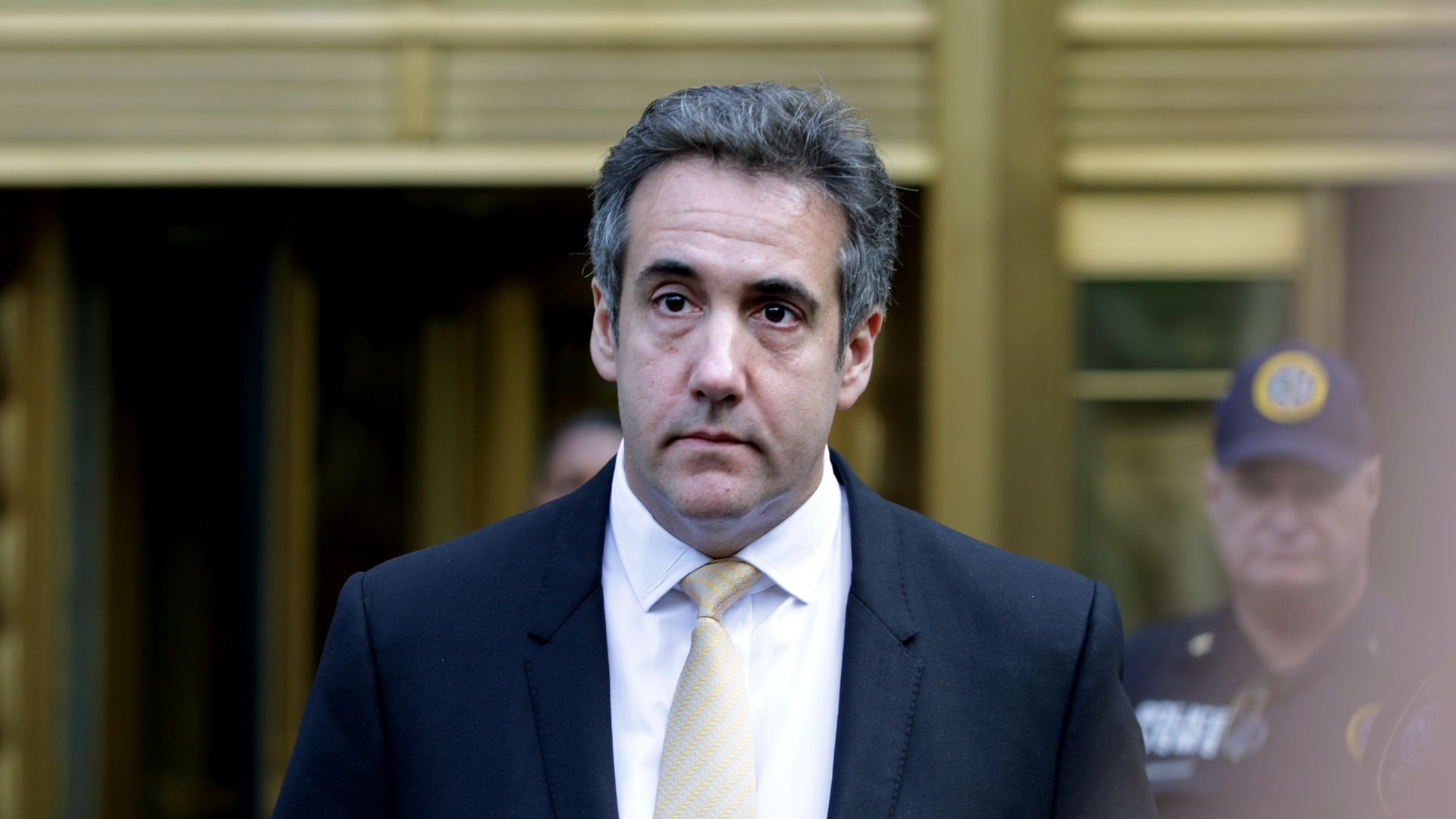
Special counsel Robert Mueller and federal prosecutors in New York have each submitted sentencing memos for President Trump's former personal attorney Michael Cohen, after Cohen pleaded guilty in two different cases related to his work for Trump and the Trump Organization.
The big picture: The Southern District of New York recommended Cohen serve a range of 51 to 63 months for four crimes — "willful tax evasion, making false statements to a financial institution, illegal campaign contributions, and making false statements to Congress." Mueller, meanwhile, did not take a position on the length of Cohen's statement, but said he has made substantial efforts to assist the investigation.
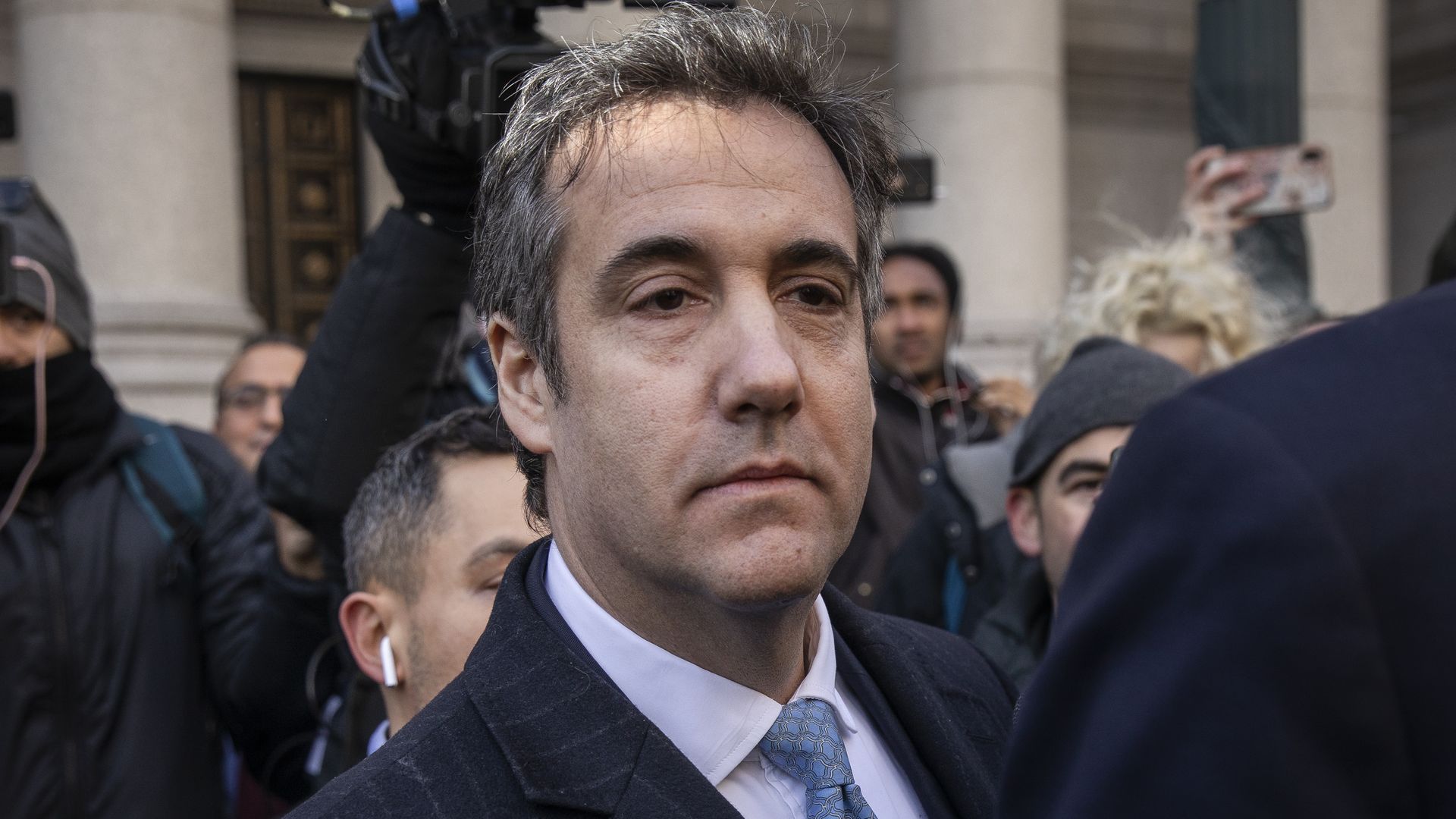
Prosecutors from New York’s Southern District are recommending a "substantial term of imprisonment" for President Trump's former lawyer, Michael Cohen, for campaign finance and tax violations, as well as lying to Congress, despite his cooperation with the investigation.
The two big revelations from that memo and a separate sentencing filing released Friday by special counsel Robert Mueller and his team:
Mueller's team disclosed that a Russian national reached out to Cohen in November 2015 and claimed they could offer the Trump campaign "synergy on a government level."
The federal prosecutors revealed that Cohen paid off two women "in coordination with and at the direction of" then-candidate Donald Trump — described as "Individual 1" — to hide his extramarital affairs.
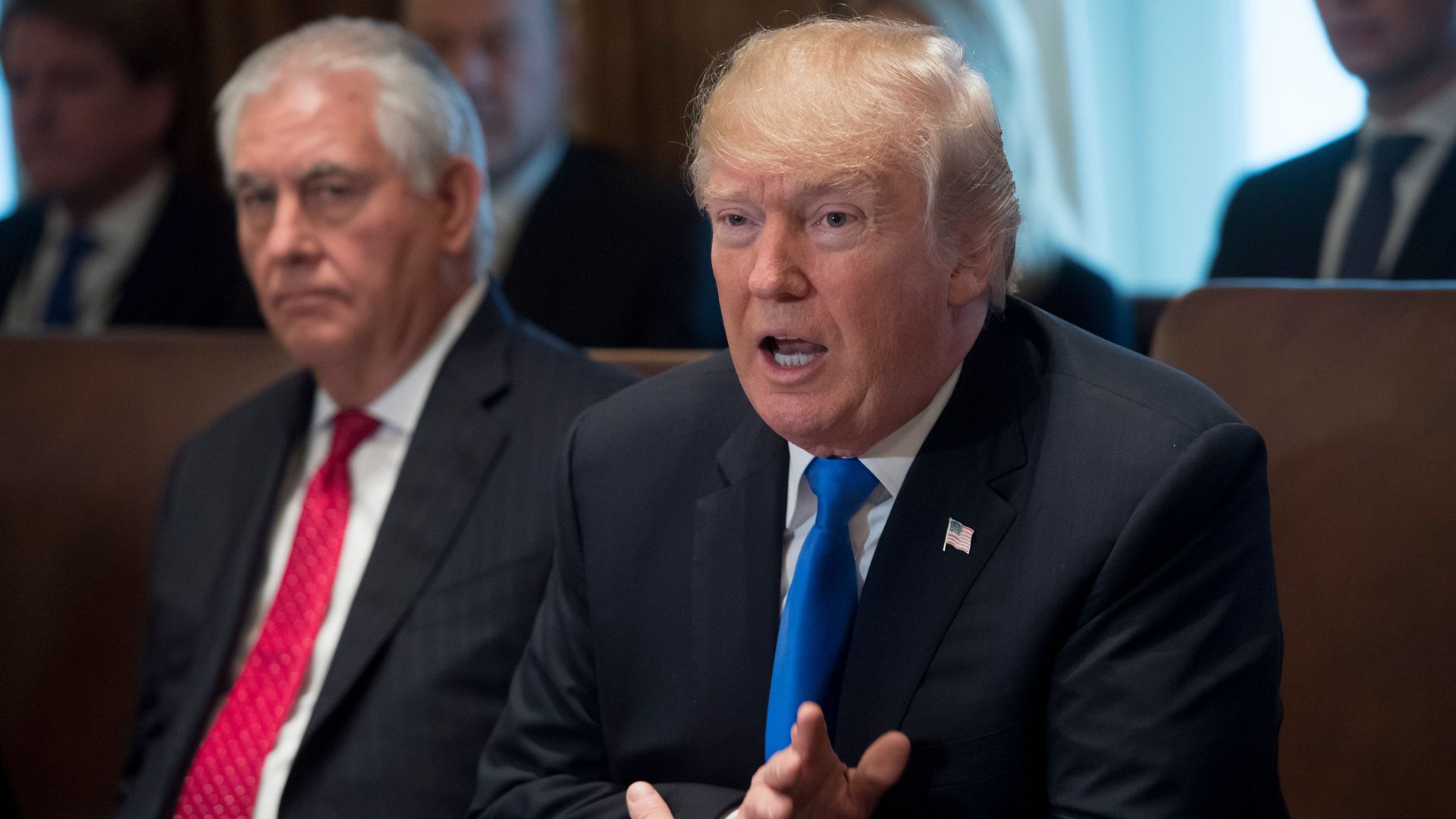
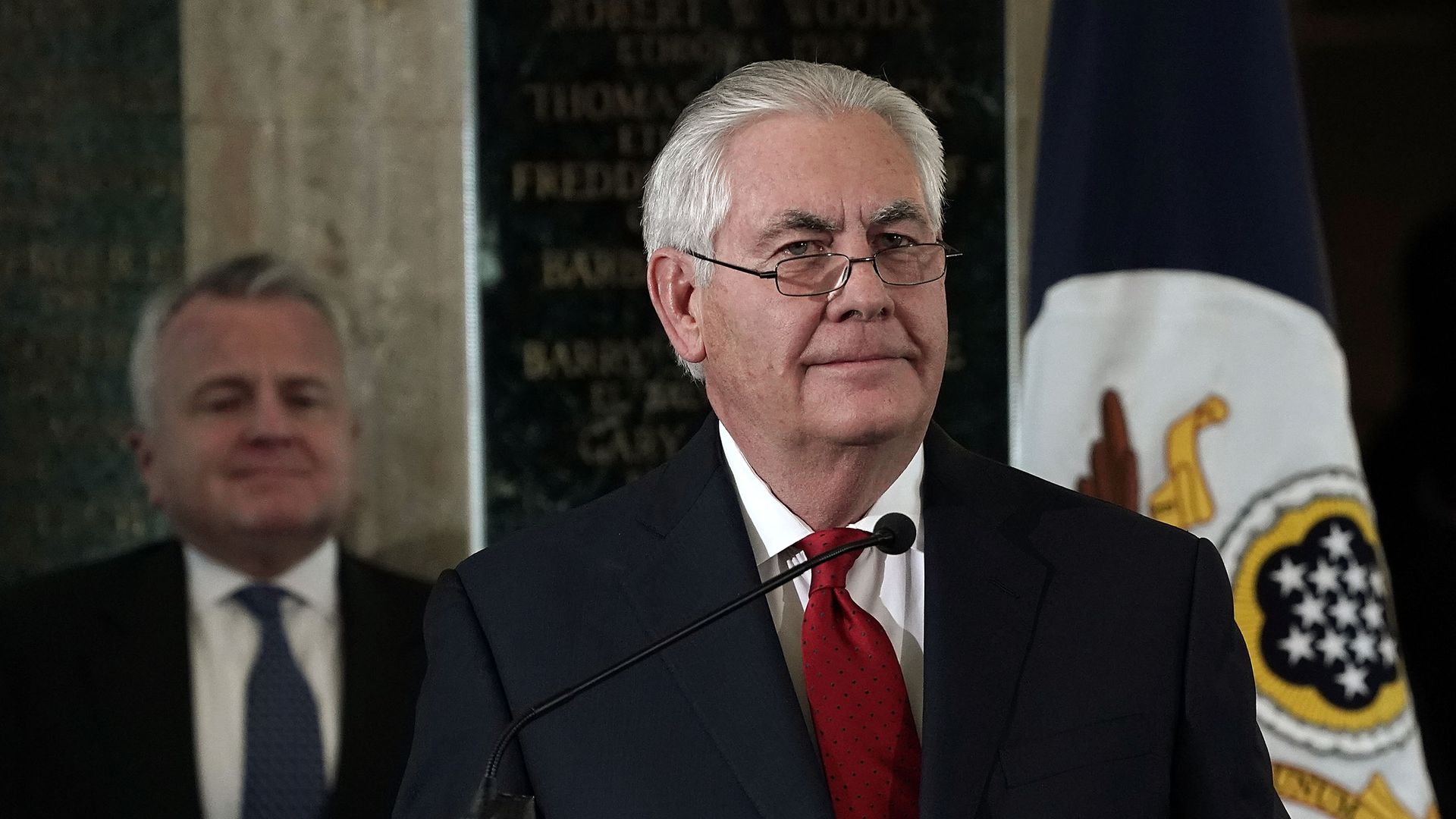
President Trump tweeted Friday that he thinks his former Secretary of State, Rex Tillerson, was "dumb as a rock" and "lazy as hell" in his leading role at the State Department.
The backdrop: Tillerson said Thursday at an event in Texas that Trump "often" asked him to do things that would break the law. The conversations between the president and his then-Secretary of State about what Trump could not do "strained" their relationship, as Trump "would get very frustrated."
President Trump plans to nominate the head of the Army, General Mark Milley, to succeed Gen. Joseph Dunford Jr. as the chairman of the Joint Chiefs of Staff, U.S. officials told the AP.
Details: President Trump is expected to announce the nomination at the Army-Navy football game on Saturday. Dunford was first nominated as chairman by President Barack Obama in 2015. Trump nominated him again for the same position last year, to serve a two-year term that expires in the Fall of 2019.
Former Secretary of State Rex Tillerson said at an event in Houston, Texas, on Thursday that President Trump would "often" tell him things he wanted to get done which would have violated the law, the Houston Chronicle reports.
"So often, the president would say here's what I want to do and here's how I want to do it and I would have to say to him, Mr. President I understand what you want to do but you can't do it that way. It violates the law."
— Rex Tillerson
Details: Per the Chronicle, the conversations between the two about what Trump could not do "strained" their relationship, as Trump "would get very frustrated."
President Trump said Friday that he will nominate Bill Barr to serve as attorney general.
The big picture: Barr served in the same role during George H.W. Bush's administration from 1991 to 1993. He'll be taking over for acting-Attorney General Matthew Whitaker, who has sparked controversy over whether his nomination was legal. Democrats have threatened to investigate whether Whitaker can serve as acting attorney general given he wasn't Senate-confirmed, and Trump has faced pressure from some Republicans to quickly nominate someone to lead the Justice Department permanently.
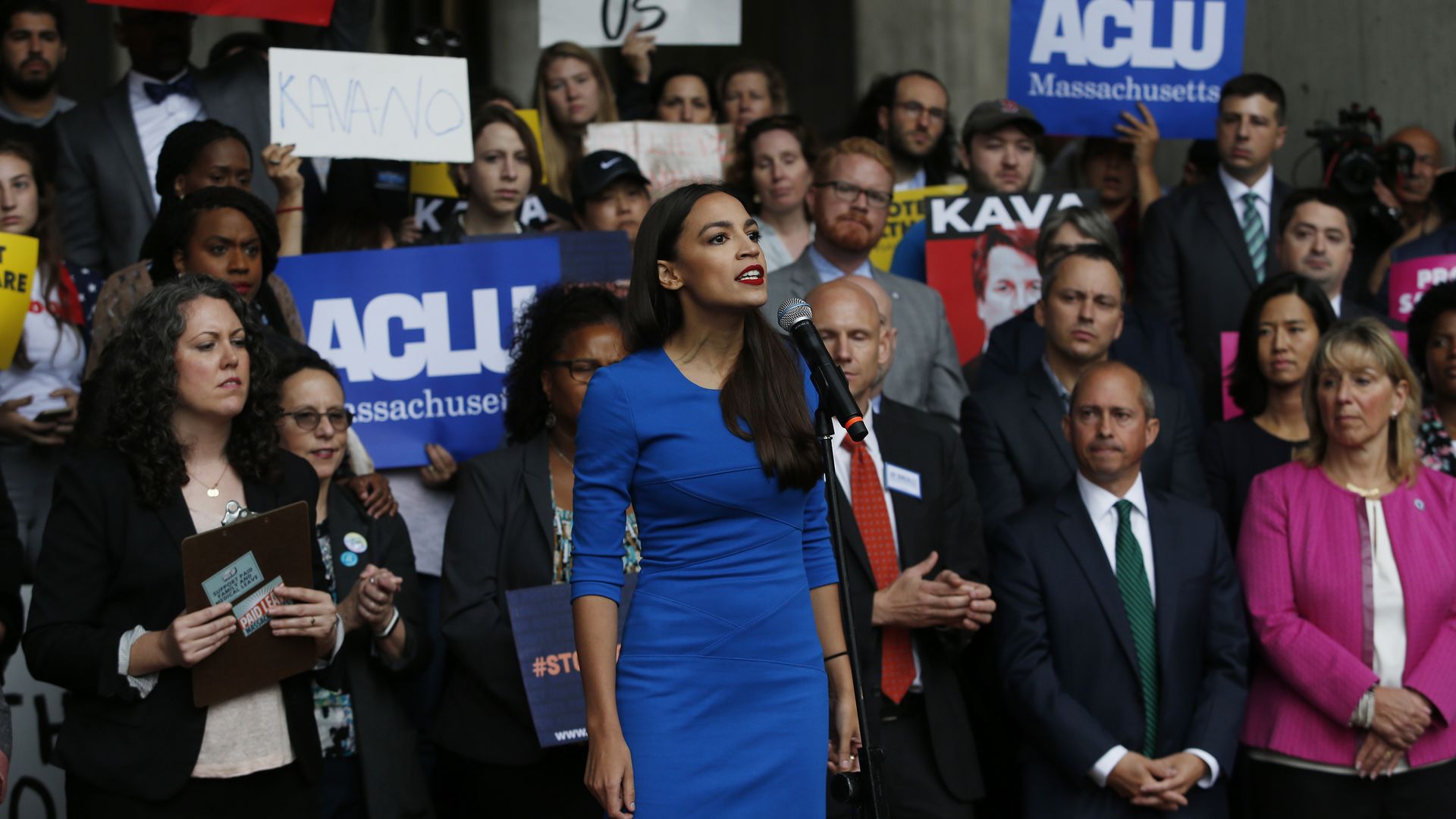
Rep.-elect Alexandria Ocasio-Cortez of New York, star of House Dems' freshman class, is using her social-media mastery and her fearless organizing instinct to give a more activist face to the new Congress even before she's sworn in.
The big picture: Very unusually for a first-year lawmaker, let alone a victor who isn't even in office yet, Ocasio-Cortez has repeatedly driven news since the midterms, including these tweets yesterday:
President Trump faces three clear and imminent threats as he heads toward his 2020 reelection race — the economy slipping, Congress flipping and a Russia probe drip, drip, dripping. And few inside the White House feel he is yet prepared or staffed for the hell about to hit them.
Why it matters: The combination of hazards bearing down on the president is more intense than at any previous point in his presidency, current and former administration officials tell Axios.