RiskSense, a cybersecurity startup that aims to help organizations prioritize different threats and vulnerabilities, has raised $12 million in Series B funding, according to the company. Spring Mountain Capital and NightDragon Security led the investment round.
Why it matters: RiskSense’s team has experience defending critical networks and its software-as-a-service platform aims to help organizations prevent malware and ransomware attacks. The firm is currently working with some states to try to prevent cyberattacks against U.S. election infrastructure, co-founder and head of corporate development Mark Fidel told the Albuquerque Business Journal.
Between the lines: Axios' Jonathan Swan has reported that there has been an ongoing tussle between debt-loving President Trump and his penny-pinching Budget Director Mick Mulvaney. Mulvaney has been privately pushing Trump to get more aggressive about cutting spending, but debt and deficits have, so far, only ballooned under Trump.
Why it matters: The Trump administration's family separation policy does not seem to have had its intended deterrent effect. The numbers highlight the desperation of many migrant families, risking family separation to escape their plight at home. And while the overall number of arrests along the border were lower, they're in line with past years — with the exception of 2017's statistical anomaly.
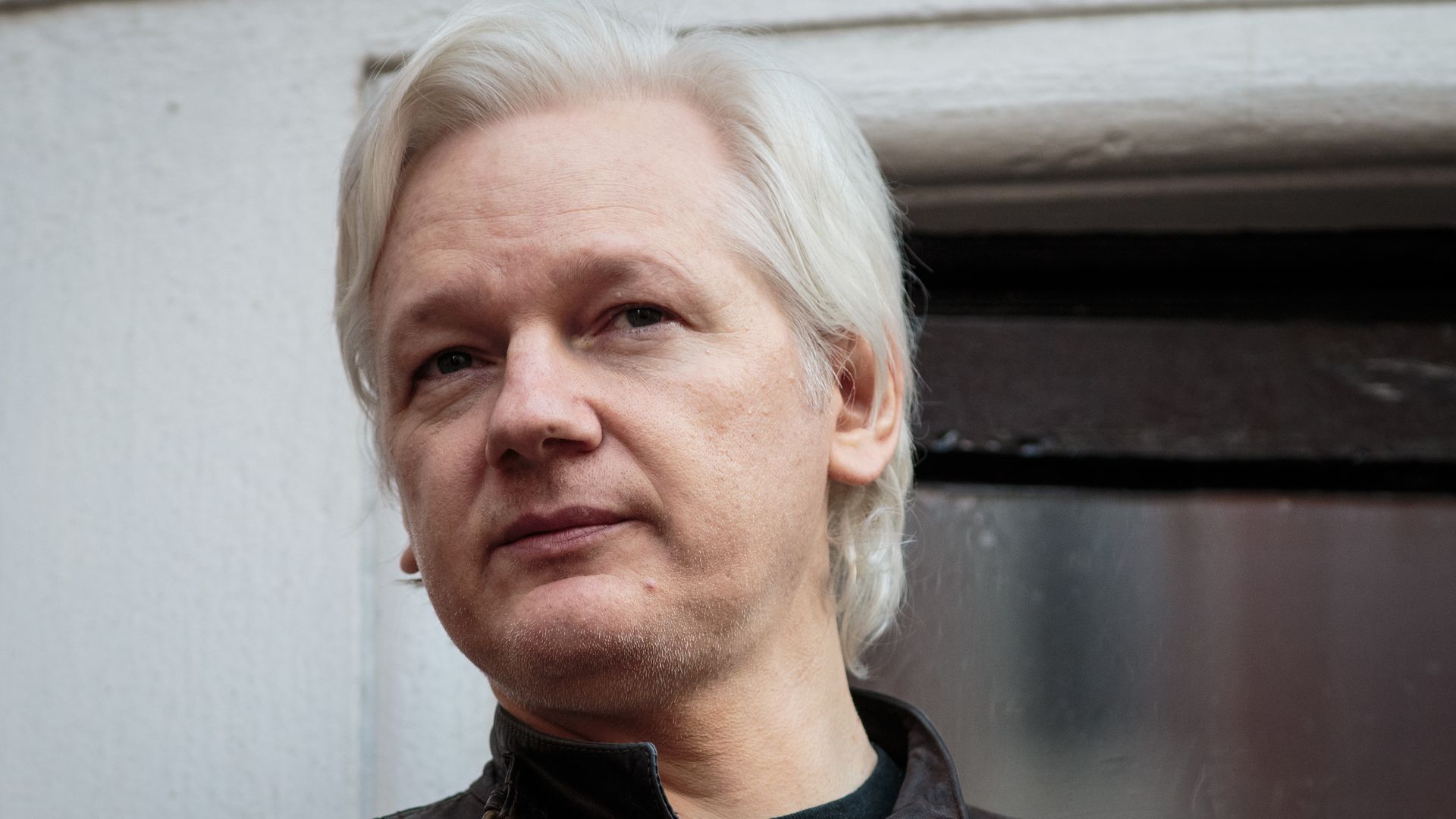
The Senate Intelligence Committee has asked Julian Assange to testify regarding its probe of Russian interference in the 2016 presidential election, according to WikiLeaks.
Why it matters: Assange is currently facing expulsion from the Ecuadorian embassy in London and could be extradited to the U.S. if his asylum status there is withdrawn. He is a person of interest in the Russia probe because of WikiLeaks' role in publishing hacked DNC emails and claims by Roger Stone that he was in touch with Assange during the 2016 campaign. Per WikiLeaks, Assange is considering the offer, but only if the testimony conforms to a "high ethical standard."
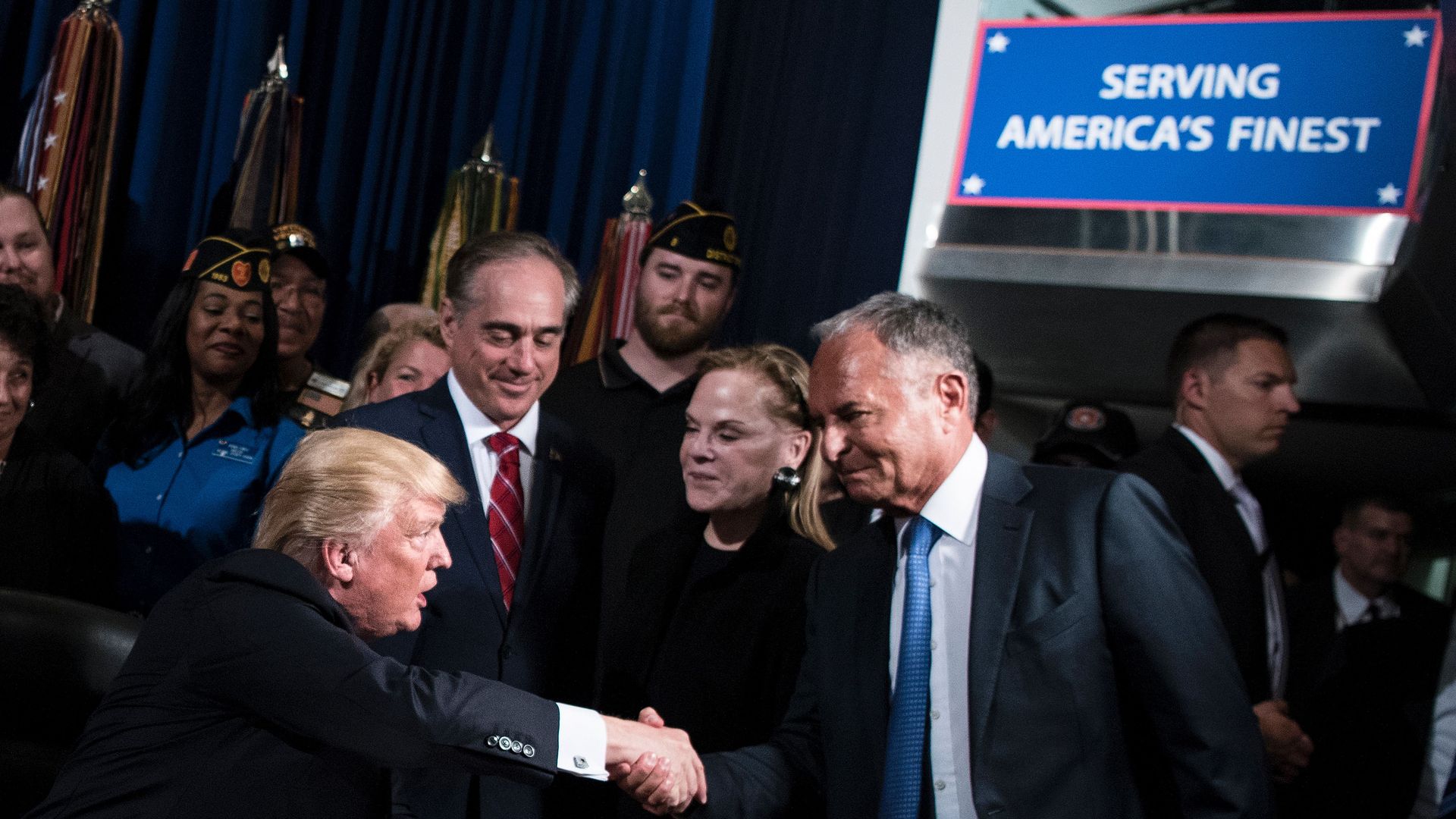
Three members of President Trump's Mar-a-Lago beach club, led by longtime Trump acquaintance and chairman of Marvel Entertainment Ike Perlmutter, have secretly exerted sweeping influence over the Department of Veteran Affairs, despite having no experience in the U.S. government or military, reports ProPublica.
Why it matters: Documents obtained by ProPublica show that Perlmutter, along with doctor Bruce Moskowitz and lawyer Marc Sherman, spoke daily with VA officials and shaped significant policy and personnel decisions, including the nomination of now-ousted VA chief David Shulkin. Some of their advocacy reportedly served their own financial or personal interests, yet their status as informal advisers meant they were not subject to the same ethical oversight as government officials.
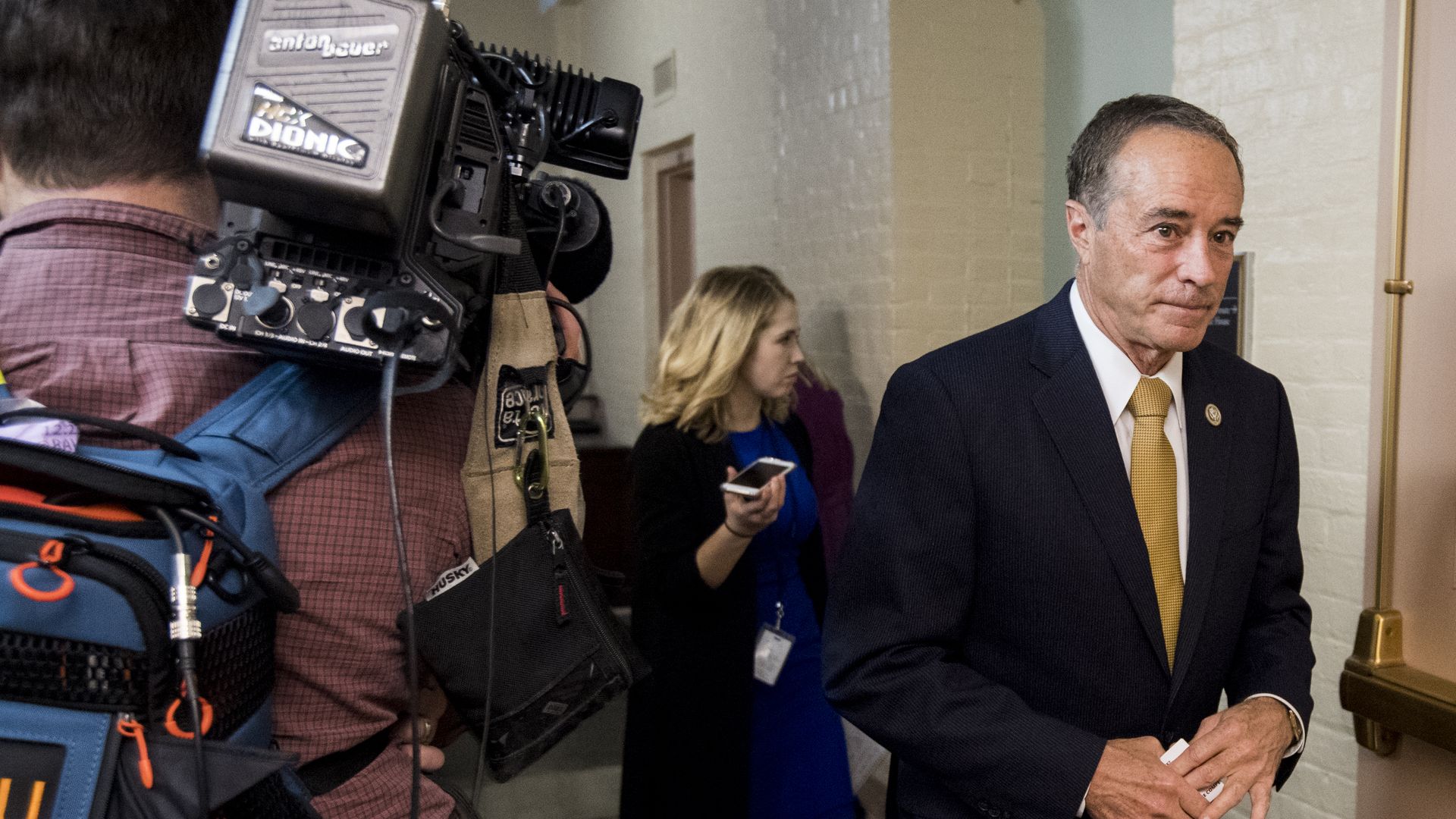
Rep. Christopher Collins (R-NY), one of the first members of Congress to support President Trump, was arrested on Wednesday morning for "charges tied to securities fraud," NBC News reports.
The details: Collins surrendered himself to the FBI earlier on Wednesday. He's being charged along with his son, Cameron Collins, and his son's fiancée's father, Stephen Zarsky. The case is related to Australian biotech company Innate Immunotherapeutics Limited, of which the congressman was on the Board of Directors, the indictment states.
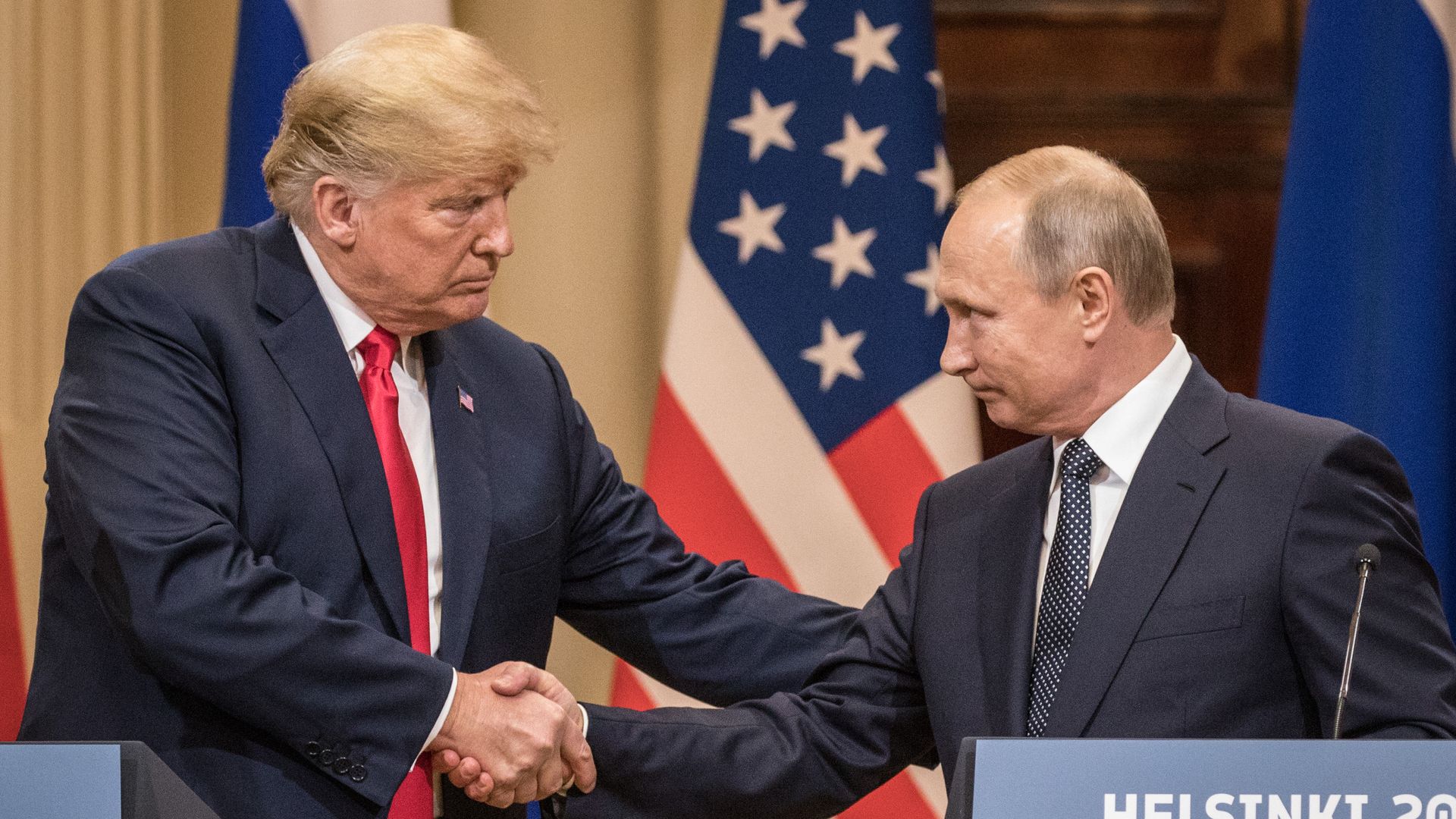
A leaked Russian document obtained by Politico suggests that during his meeting in Helsinki last month with President Trump, Russian President Vladimir Putin brought up a range of arms control topics, including the continuation of nuclear treaties, new weapons limits and the "non-placement of weapons in space."
Why it matters: The content of Trump and Putin's one-on-one meeting has been the subject of intense speculation, with the lack of transparency prompting some Democratic lawmakers to attempt to subpoena the American interpreter who sat in the room. The leaked document sheds some light onto the priorities Putin may have highlighted in the meeting.
This year's last special election left Democrats energized and Republicans worried.
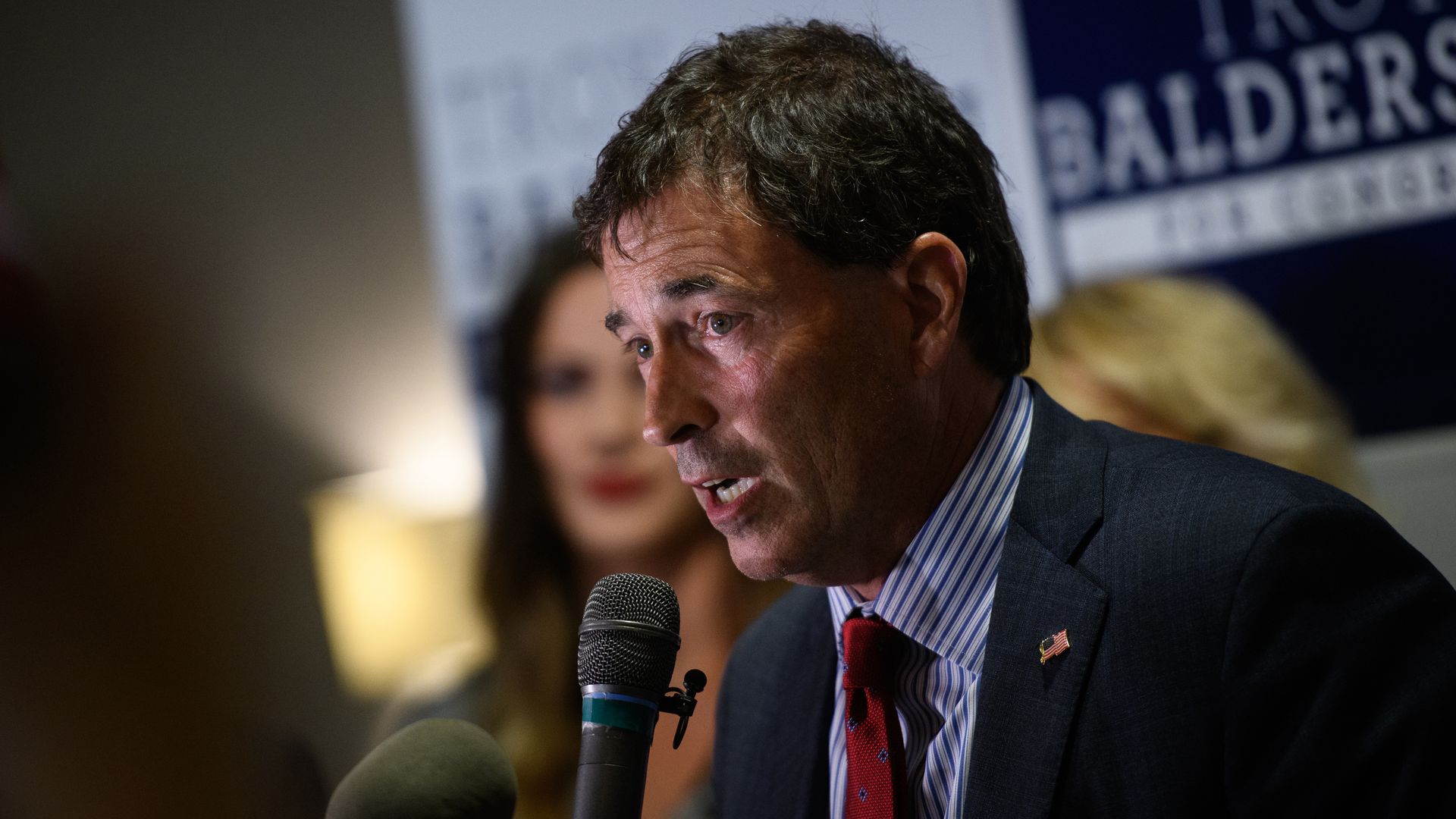
The big picture: A U.S. House race in Ohio that should have been a layup for Republicans instead wound up too close to call with 100% of the vote in, although Republican Troy Balderson and President Trump declared victory.
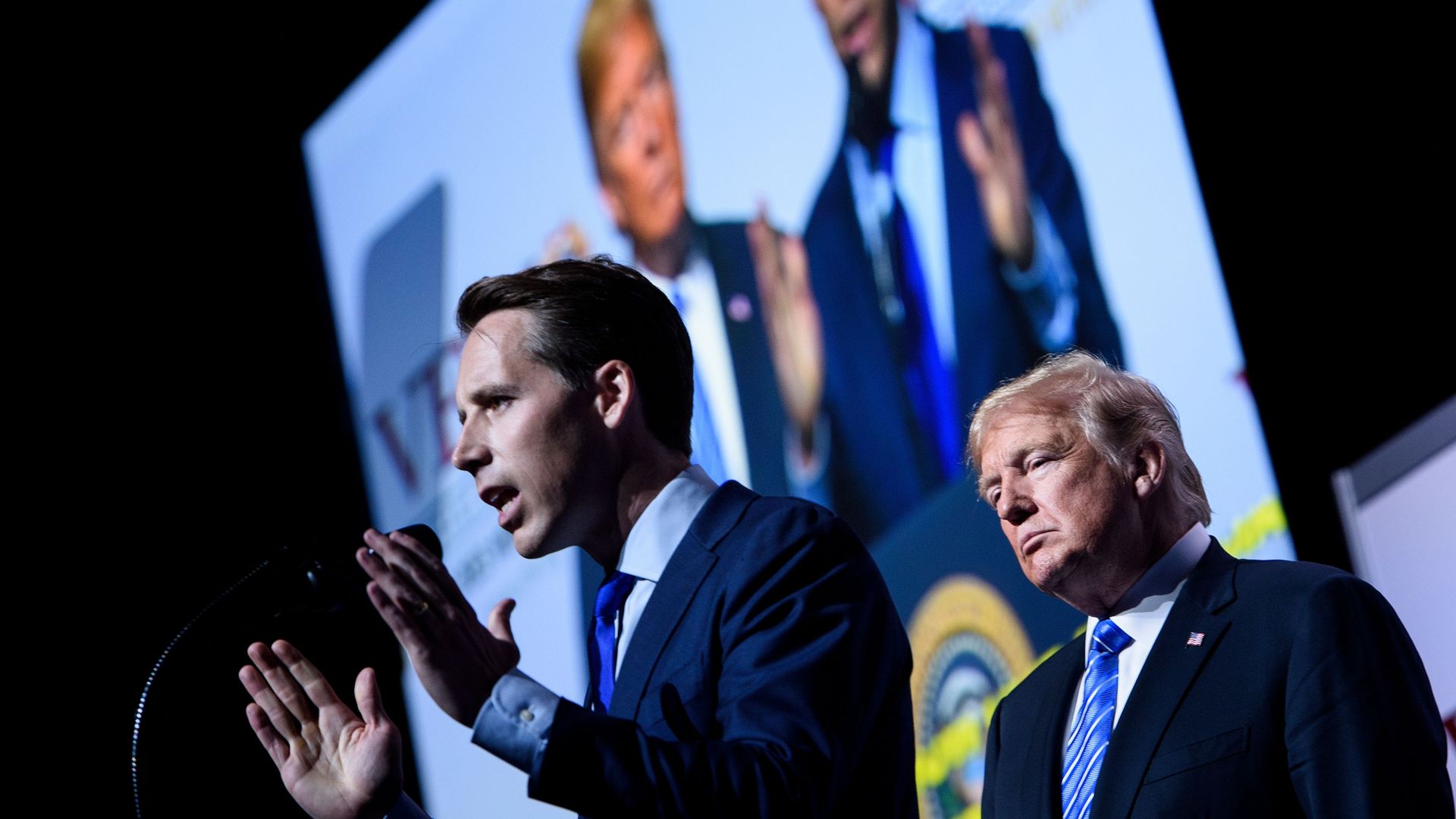
Missouri Attorney General Josh Hawley won Tuesday night’s GOP primary for the state's Senate seat in a crowd of 11 Republican candidates.
Data: Associated Press; Chart: Axios Visuals
Why it matters: Sen. McCaskill has been considered a vulnerable Democrat since 2012 and Republicans are going all-in to help Hawley win and to reclaim this seat. The race is expected to be very close in November in a state President Trump won by nearly 19 points.