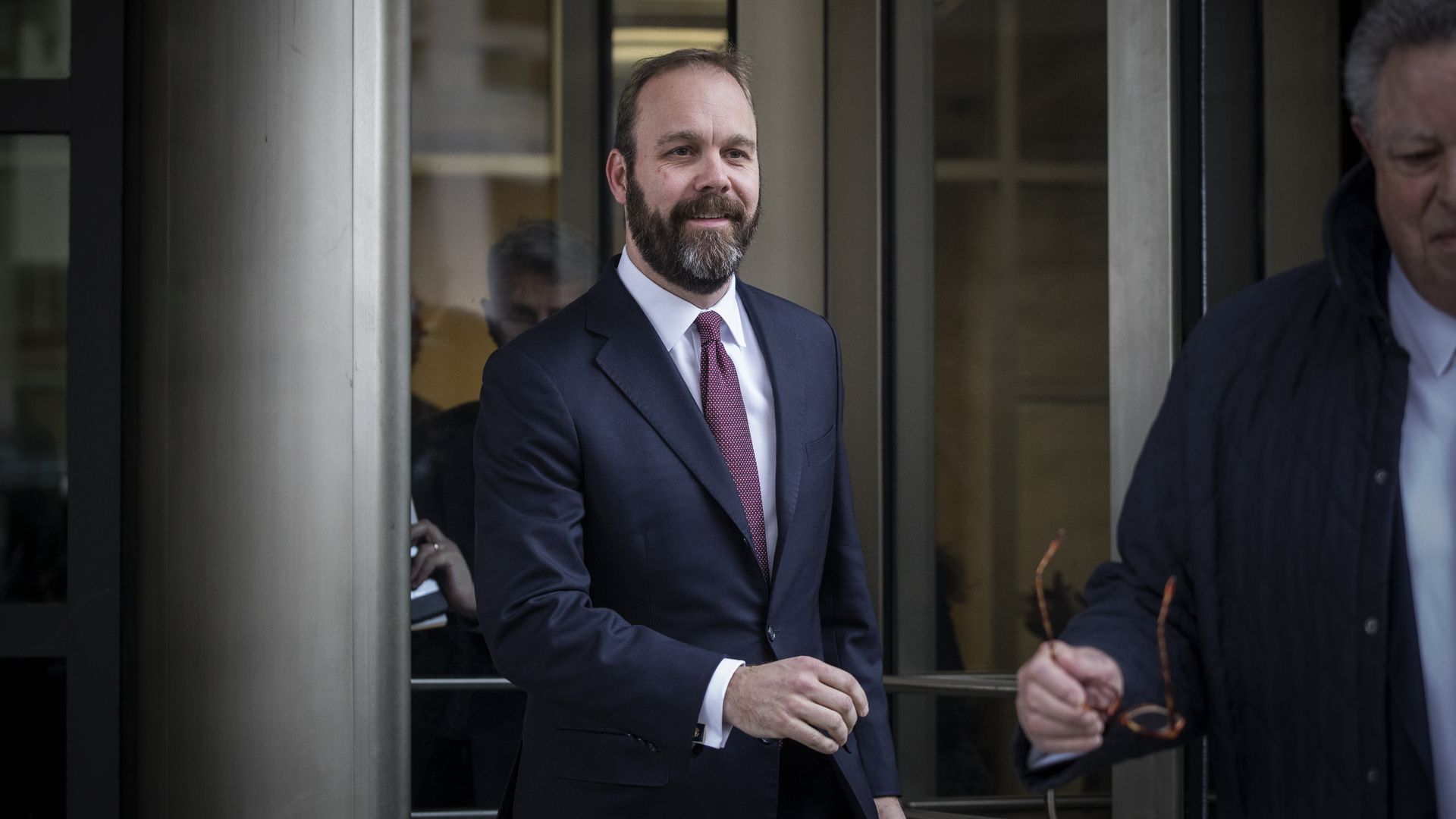
Rick Gates, the former right-hand man to Paul Manafort, recounted to jurors in court Tuesday how he and his longtime boss had used bank accounts and over a dozen offshore shell companies in Cyprus to evade taxes on millions of dollars in income from the IRS, reports the AP.
Why it matters: Gates is the star witness against Manafort, who is the first person to go on trial as a result of Special Counsel Robert Mueller's Russian probe. However, his trial is separate from Mueller's investigation. Manafort and Gates were the first two people indicted by the special counsel.
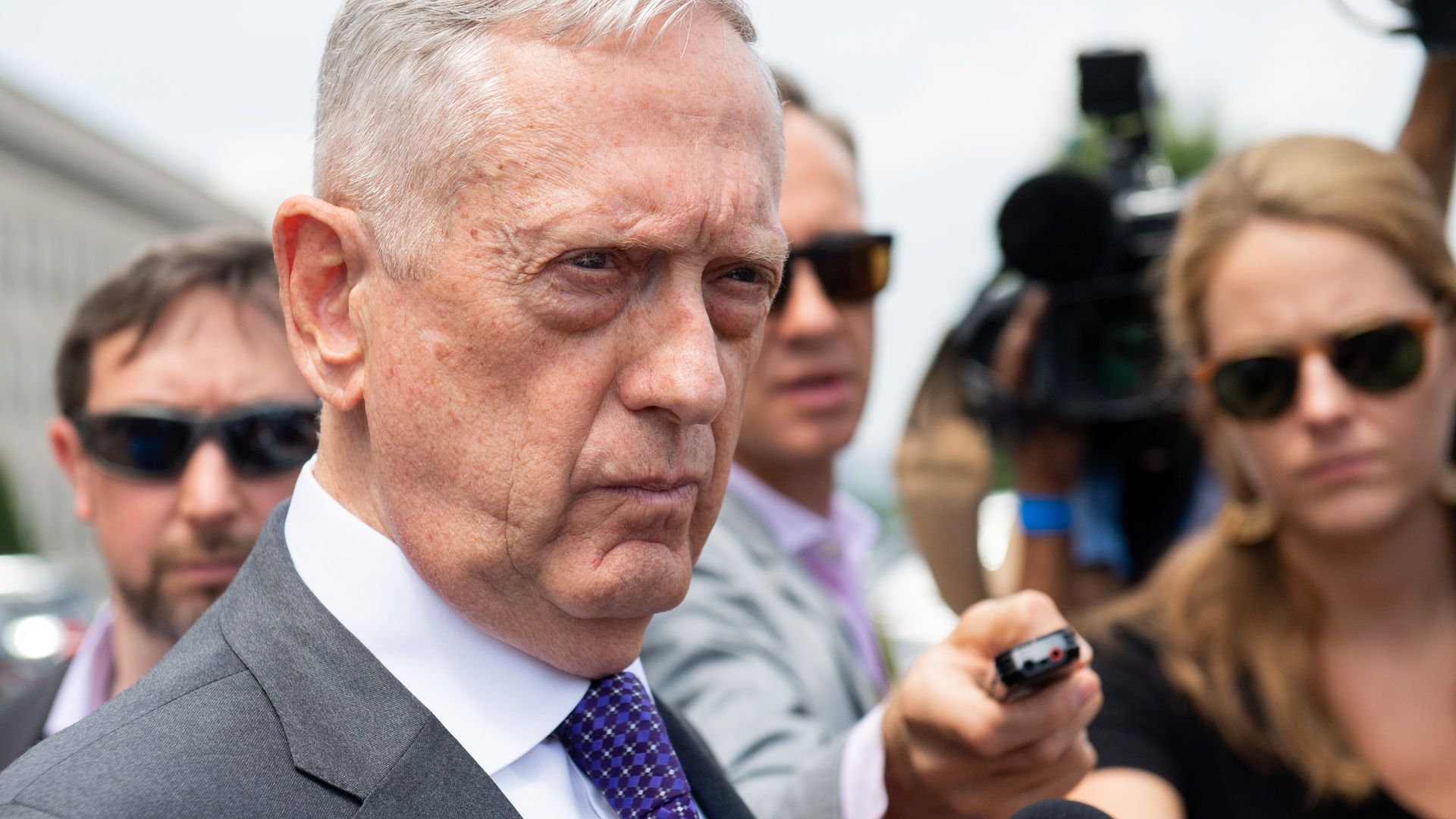
Speaking to reporters at the Pentagon, Secretary of Defense General James Mattis expressed support for creating a combat command specifically to cover space as well as the need for the military to address space "as a developing warfighting domain."
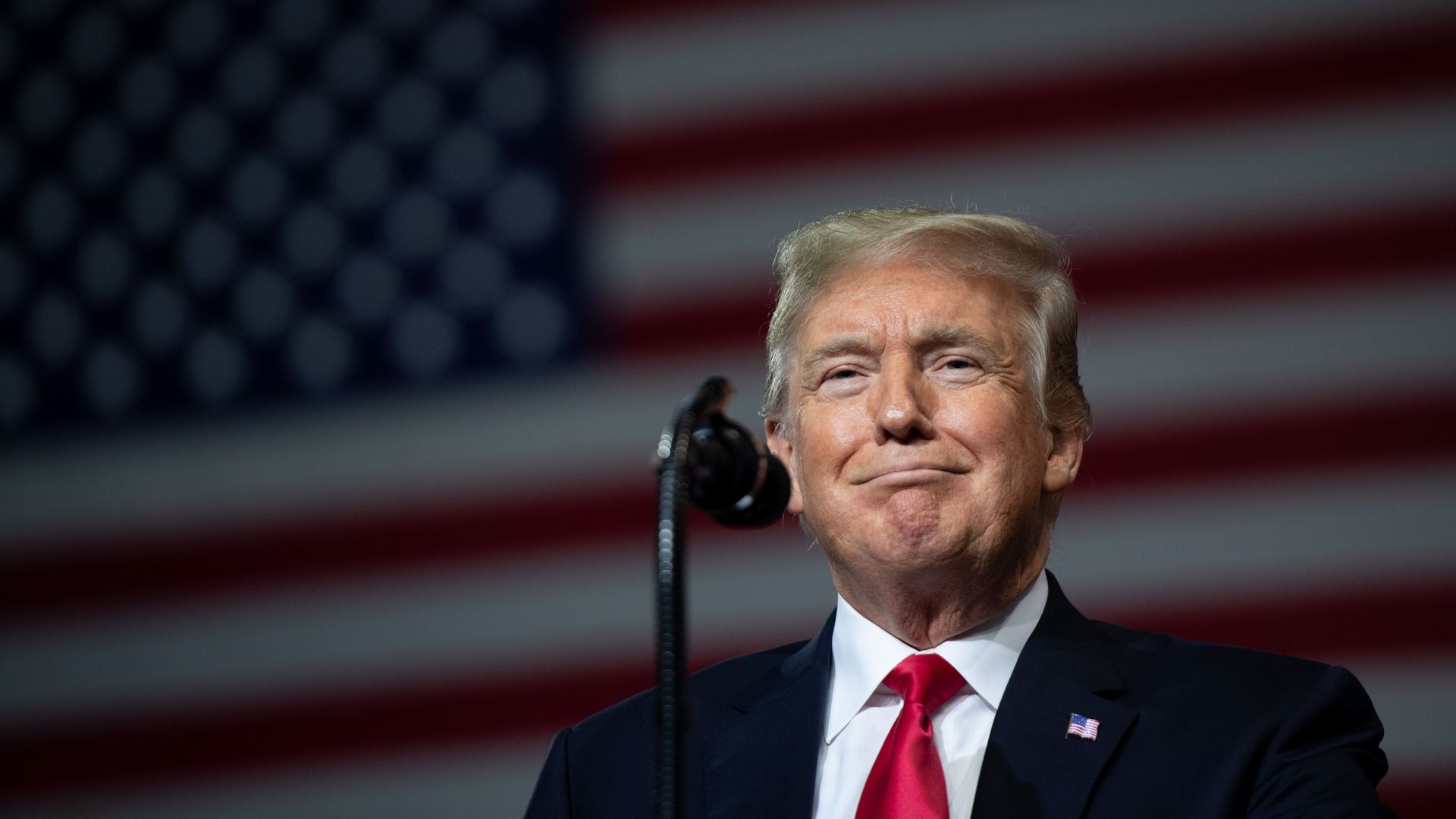
The big picture: A Pentagon plan for President Trump's proposed Space Force is expected to be sent to Congress as early as this week. While the president and his defense secretary have not always seen eye-to-eye on foreign policy, the secretary explained, the Pentagon is in "complete alignment" with Trump on defending U.S. assets in space.
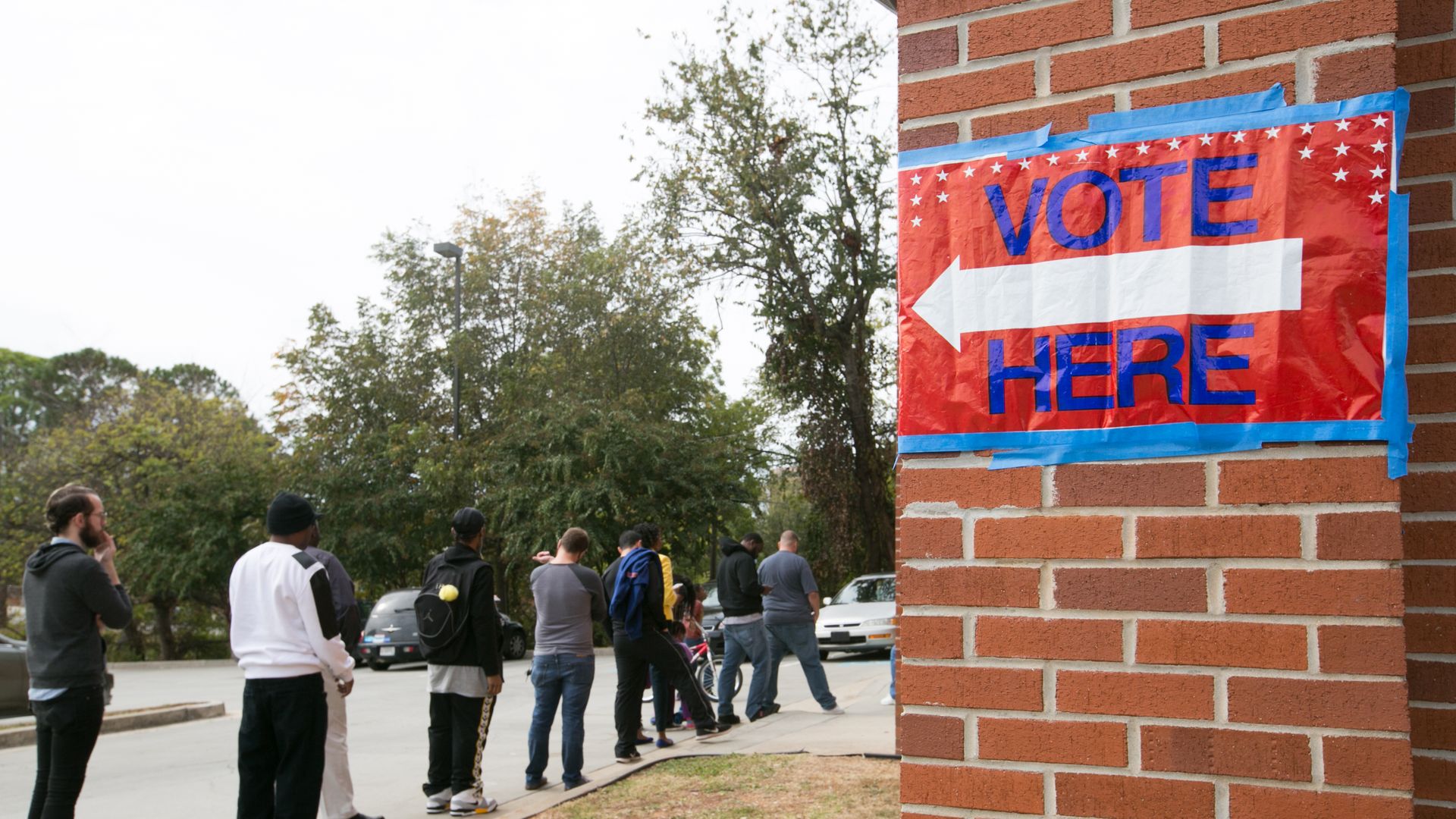
A spokesperson for Georgia's secretary of state’s office tells Axios human error is responsible for the outsize number of ballots cast in a northeastern county (670) compared to how many voters were registered beforehand (276), numbers which McClatchy’s Christine Condon reported this week.
Why it matters: That's not Georgia’s only election problem. At least one of the state's county websites has been a target of Russian hacking attempts, according to a Mueller indictment. Cybersecurity experts have found vulnerabilities in an election server in the state, and court filings in a federal suit, brought by cybersecurity experts against the state, allege several issues with the state’s voting machines and voter registration.
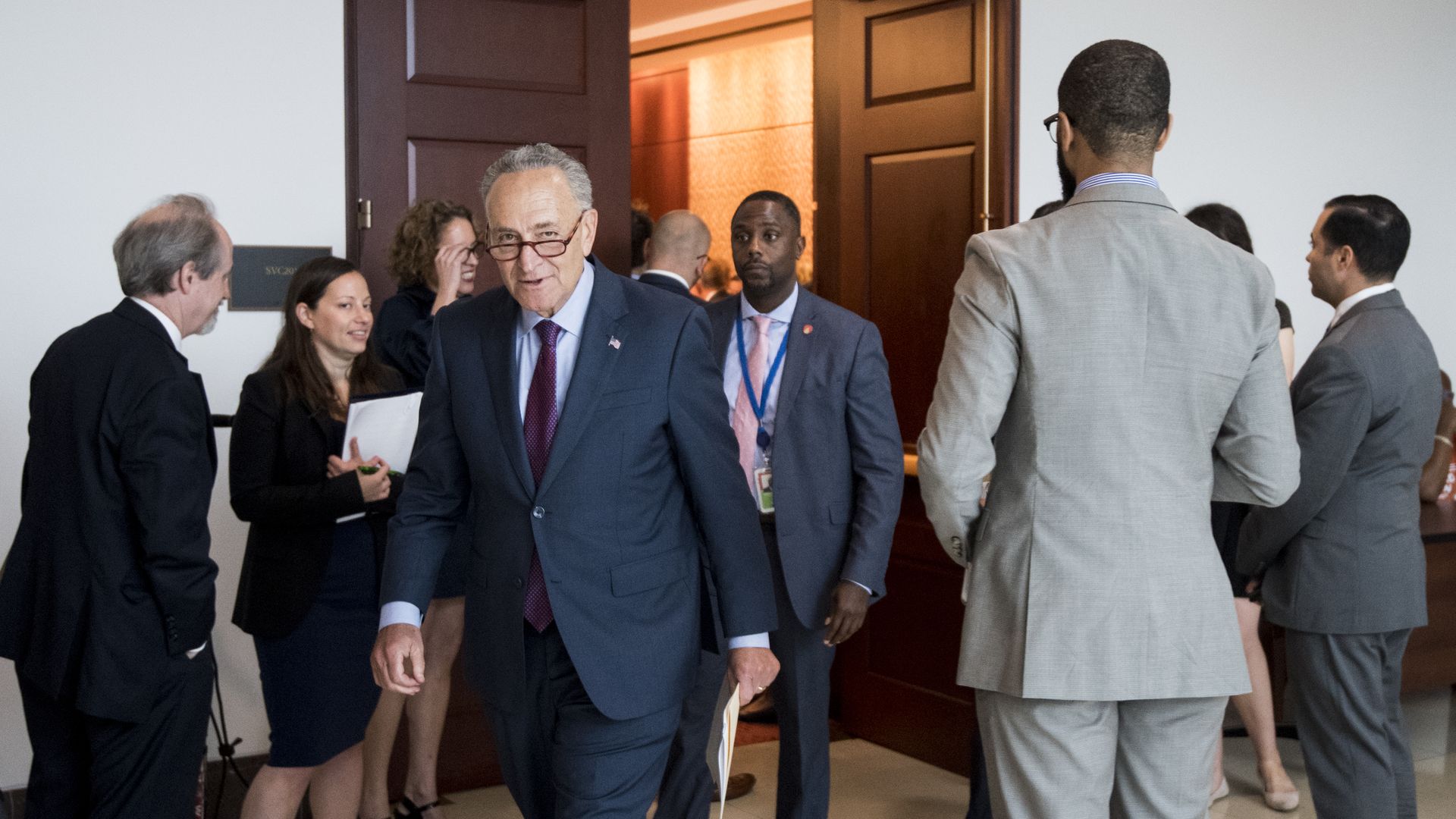
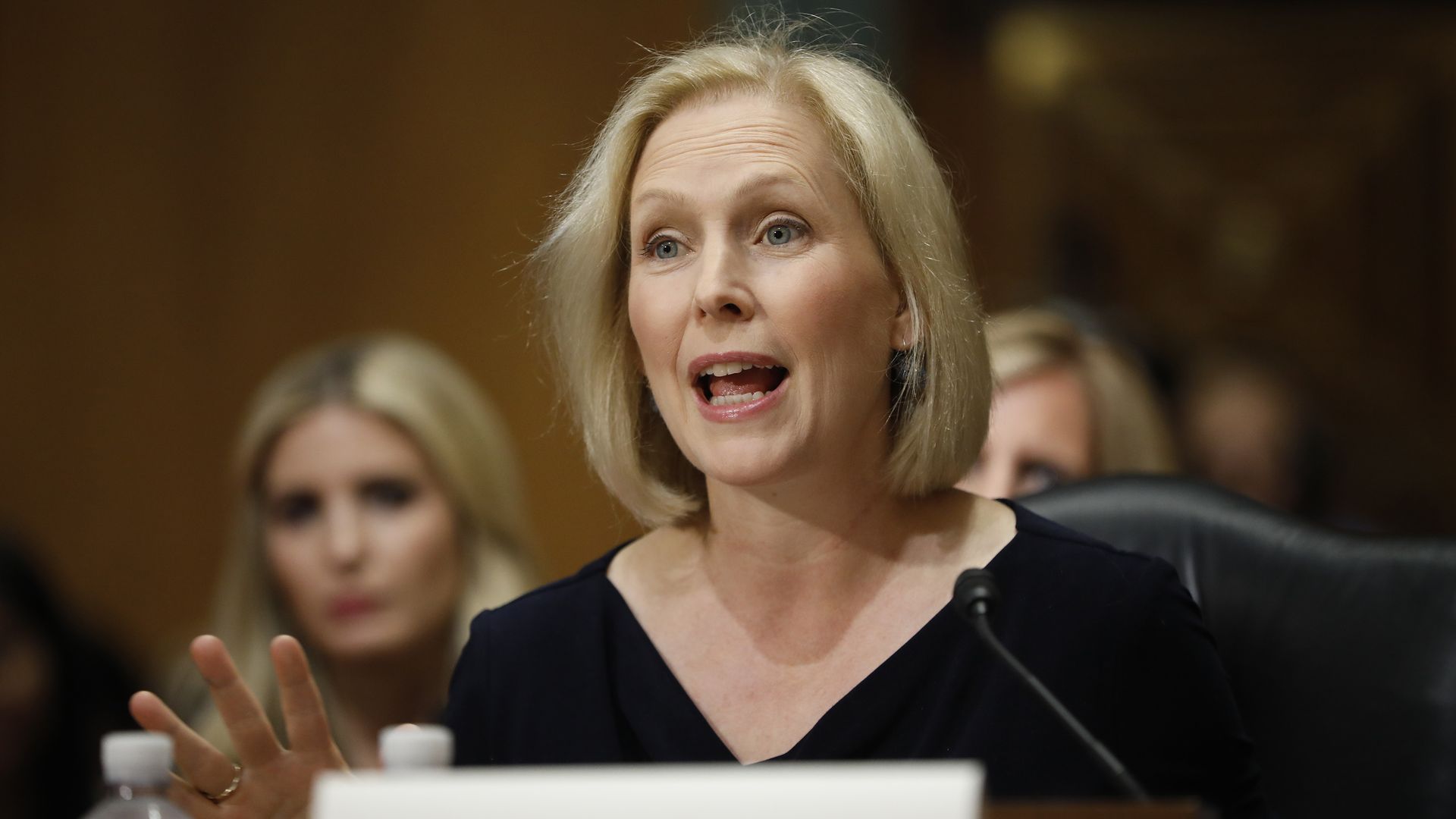
Staff members for 16 Senate Democrats have become less diverse over the last year and only six senators have a staff that is at or above 50% non-white, according to a comparison of the 2017 and 2018 reports released by the Senate Diversity Initiative.
What's happening: The group, started by Harry Reid in 2007, releases an annual report showing the breakdown of diversity among Senate Democrats' staff members.
Democrats' latest litmus test is rejecting corporate PAC money. It's an easy way to appeal to their progressive, anti-establishment base that demands campaign finance reform.
By the numbers: More than 170 federal candidates have pledged not to take any donations from corporate PACS, AP's Lisa Lerer reports.
The Trump administration is finalizing a plan to make it more difficult for legal immigrants who have used certain welfare programs — including Obamacare, children's health insurance, and food stamps — to obtain citizenship or green cards, according to NBC News.
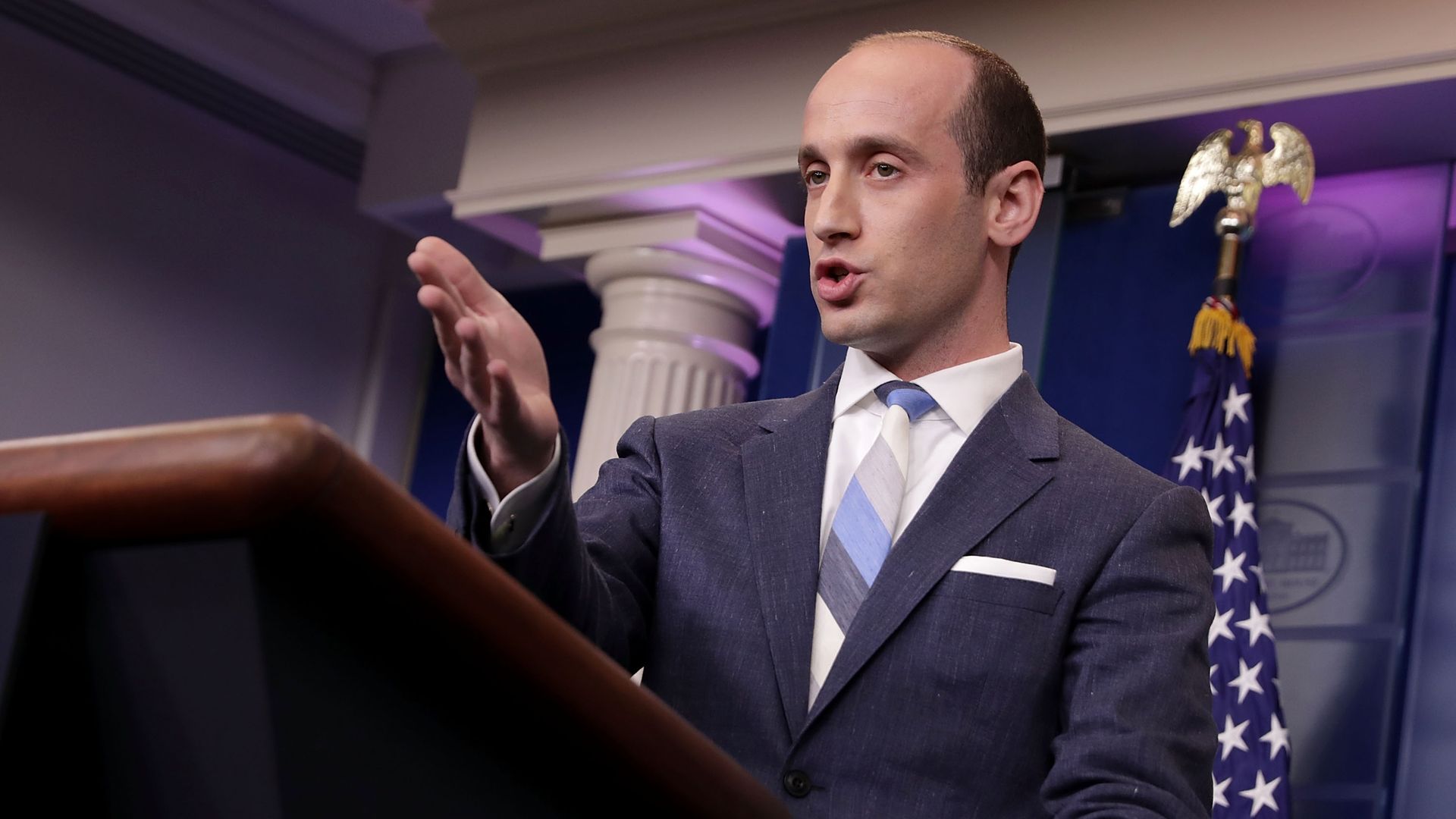
Why it matters: Hardline policy adviser Stephen Miller has been leading the charge to scale back legal immigration for some time. According to NBC, the proposal would not need Congressional approval and would mark the biggest change to the legal immigration system in decades.
The details: CEOs from major companies like Boeing and FedEx will be sitting down Trump so he can hear "how the economy is doing from their perspective and what their priorities and thoughts are for the year ahead," White House spokeswoman Lindsay Walters told Bloomberg. They'll also be joined by top aides like Ivanka Trump, Jared Kushner, and Larry Kudlow.
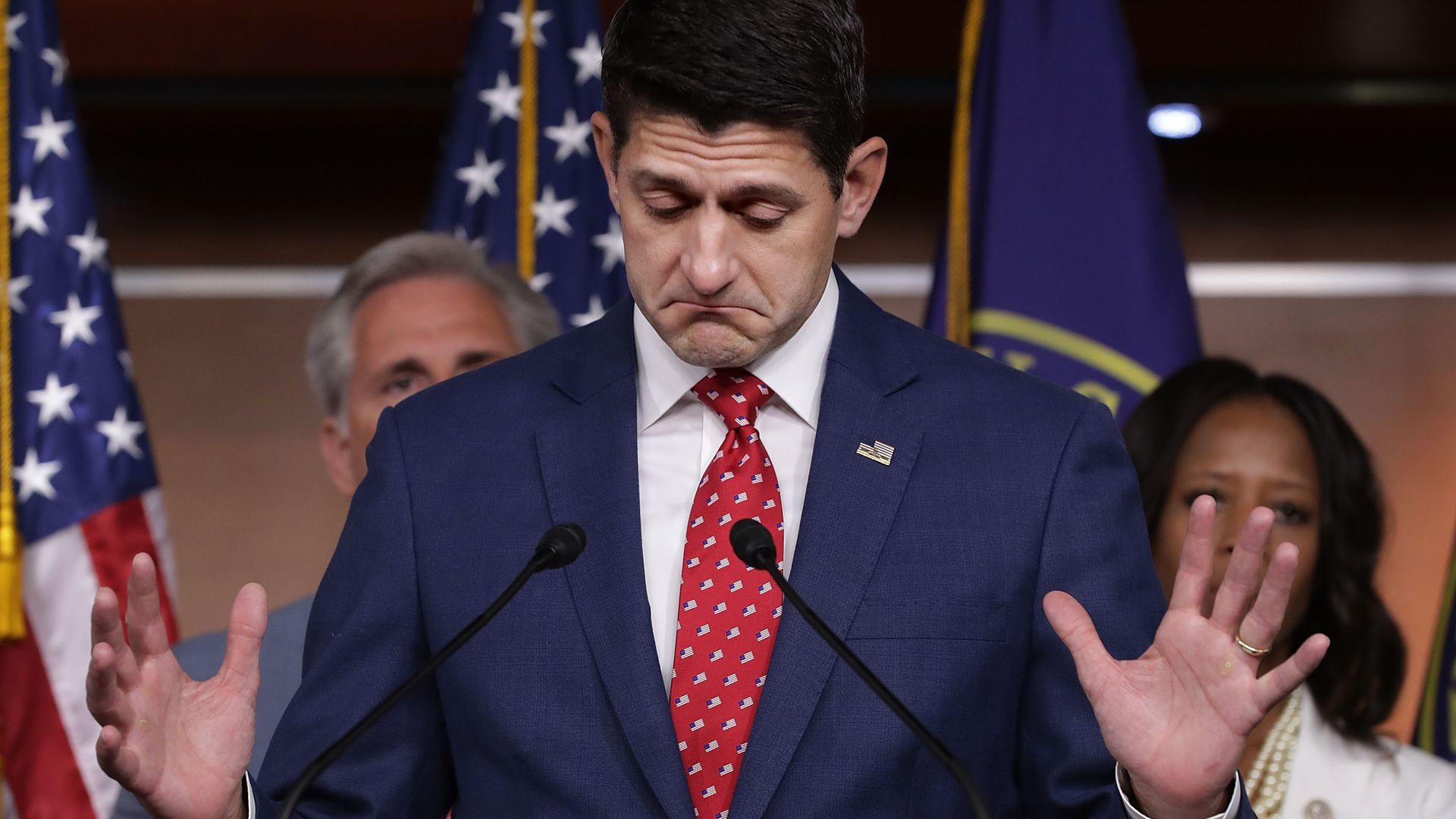
In the upcoming N.Y. Times Magazine, Mark Leibovich notes that when House Speaker Paul Ryan announced in April that he wouldn't seek re-election, he was "ending a 20-year run in Congress that, for most of it, seemed to be on a straight-up trajectory."
What's happening: "Ryan should, by rights, be riding out of town at the pinnacle of his starlit Washington career. Yet he remains a distinctly awkward match to a moment — and president — that seem certain to define much of his legacy."
A new study from Morning Consult finds that brands discussing President Trump — whether in a positive or negative light — should expect backlash rather than positive responses.
Why it matters: Brands that stay true to their corporate values in messaging face less risk than those that react directly to being called out by the president or the president's statements.