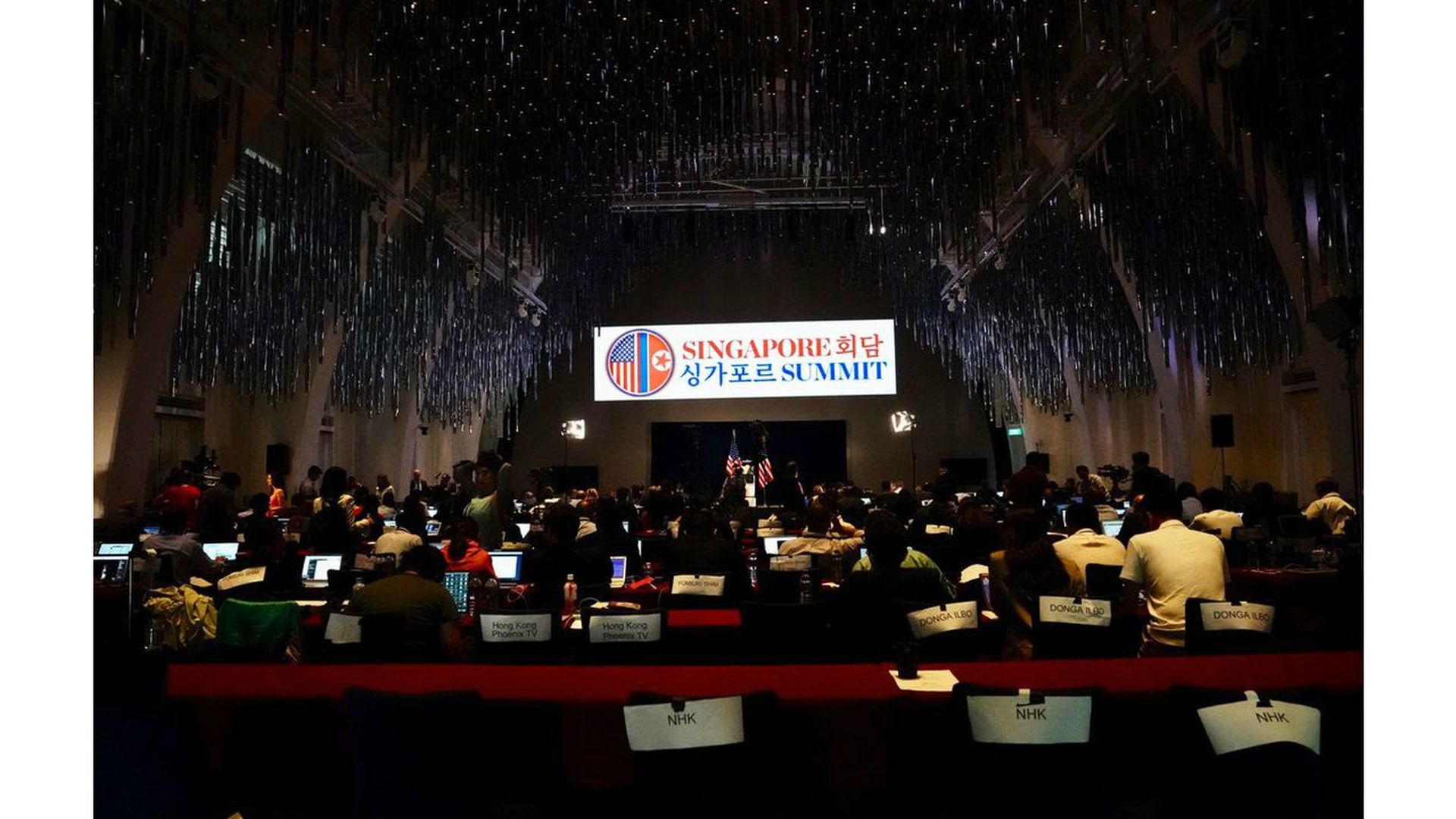
Greta Van Susteren, Voice of America contributor and host of a VOA show on foreign policy called “Plugged In with Greta Van Susteren” did an interview with President Trump in Singapore that was translated into 45 languages, including Korean (which reaches into North Korea) and Farsi (aired in full in Iran). I asked her what it was like:
"Our crew did not have enough time to set up inside the building and it was suggested by the White House we do the interview outside — in front of the flags ... It was very, very, very hot. The President came outside, got hit with the blistering Singapore sun and said, 'Greta, you are the only one who can get me outside in this heat.' ... I also bumped into Secretary of State Pompeo and he quipped, 'I haven’t seen you since I was a lowly congressman and you would have me on your [Fox] show.'"
President Trumpstunned his staff back on March 29 when he said spontaneously during an infrastructure event in Ohio: “We’ll be coming out of Syria, like, very soon.” That was big (but short-lived) news — within five days, Trump had backed off any insistence on an immediate withdrawal.
What we're hearing: It turns out there’s an incredible backstory to that moment that took place a few hundred miles away in the White House.
The House plans to vote on two immigration bills this week: one written by House Judiciary Chairman Bob Goodlatte and favored by conservatives, and a compromise bill with buy-in from both conservatives and moderates.
Between the lines: GOP moderates will get the votes they wanted, but that doesn’t mean anything’s going to pass. Leadership agreed to do this to avoid the worst-case scenario of moderates filing a discharge petition — a way of forcing votes on bills they don’t like — which could have resulted in passage of the Democrats’ preferred immigration bill.
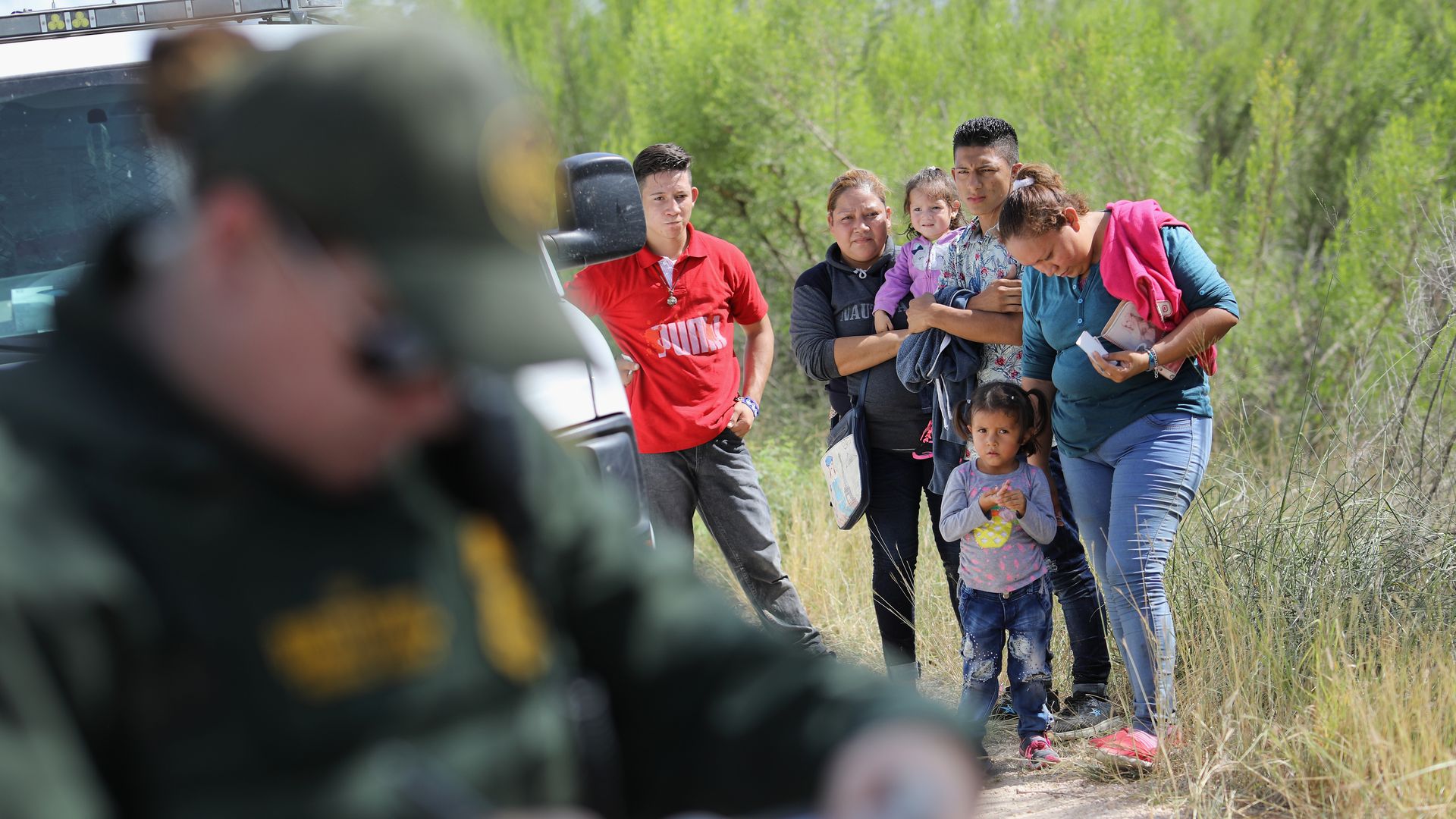
Homeland Security Secretary Kirstjen Nielsen denied on Sundaymultiplepublishedreports that federal authorities have been separating immigrant children from their parents seeking asylum when apprehended at the border.
"This misreporting by Members, press & advocacy groups must stop. It is irresponsible and unproductive. ... You are not breaking the law by seeking asylum at a port of entry. For those seeking asylum at ports of entry, we have continued the policy from previous Administrations and will only separate if the child is in danger, there is no custodial relationship between 'family' members, or if the adult has broken a law. ... We do not have a policy of separating families at the border. Period."
The backstory: Her remarks came in response to a letter Republican Senators Susan Collins and Jeff Flake sent to Kirstjen Nielsen and HHS Secretary Alex Azar this weekend to clarify whether families are separated when they seek asylum and how often such practice occurs
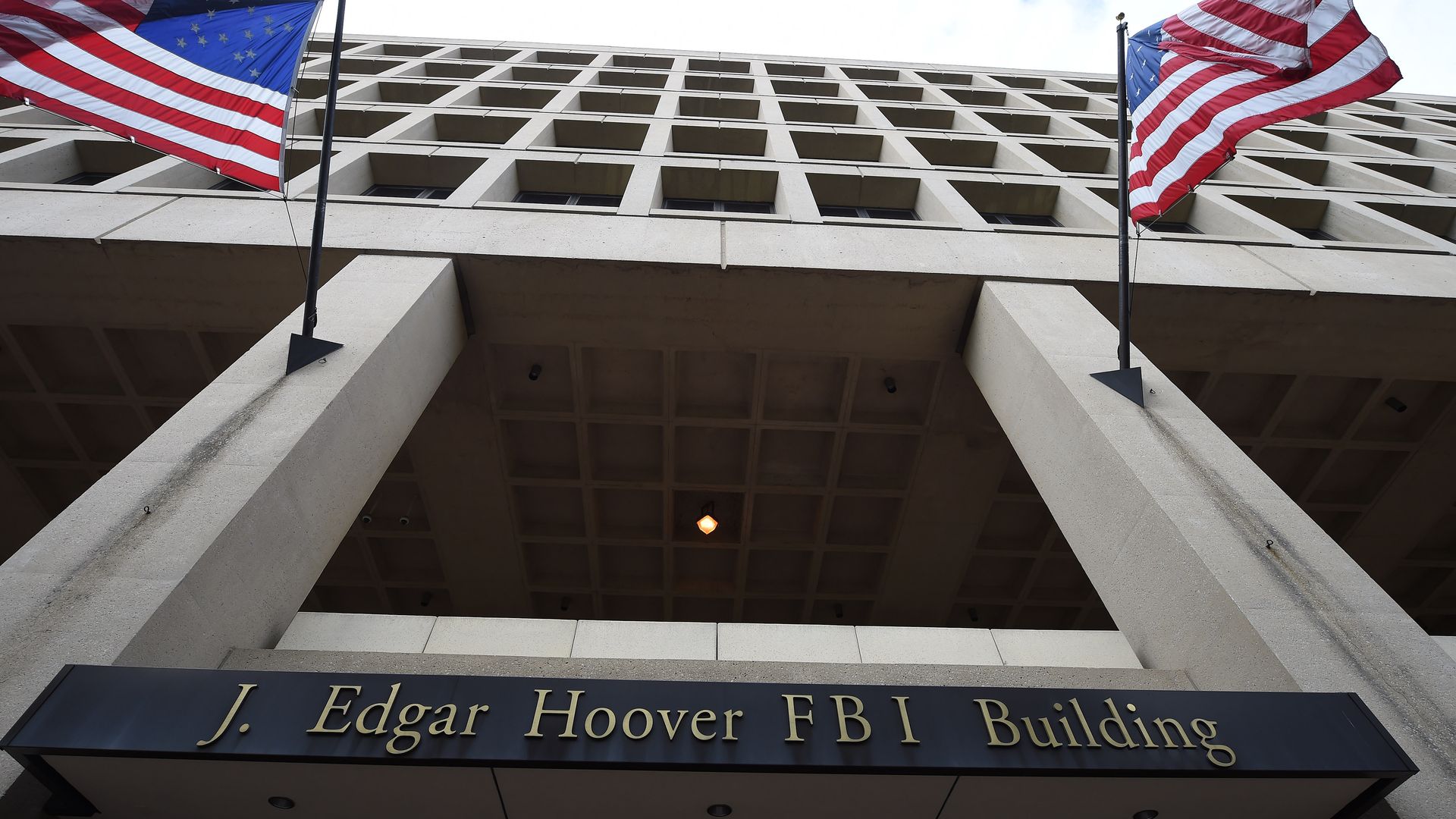
FBI agent Peter Strzok, who was removed from Special Counsel Robert Mueller's Russia investigation due to his anti-Trump text messages, said in a letter today that he'd be willing to testify before Congress without invoking his Fifth Amendment rights, per The Washington Post.
The big picture: House Judiciary Committee Chairman Bob Goodlatte had been considering subpoenaing Strzok to testify before Congress, per Politico. Strzok reentered the public eye this week after the Justice Department's inspector general singled out some of his anti-Trump text messages as negatively affecting the public's perception of the FBI, though his political biases ultimately did not tarnish the bureau's 2016 Hillary Clinton email probe.
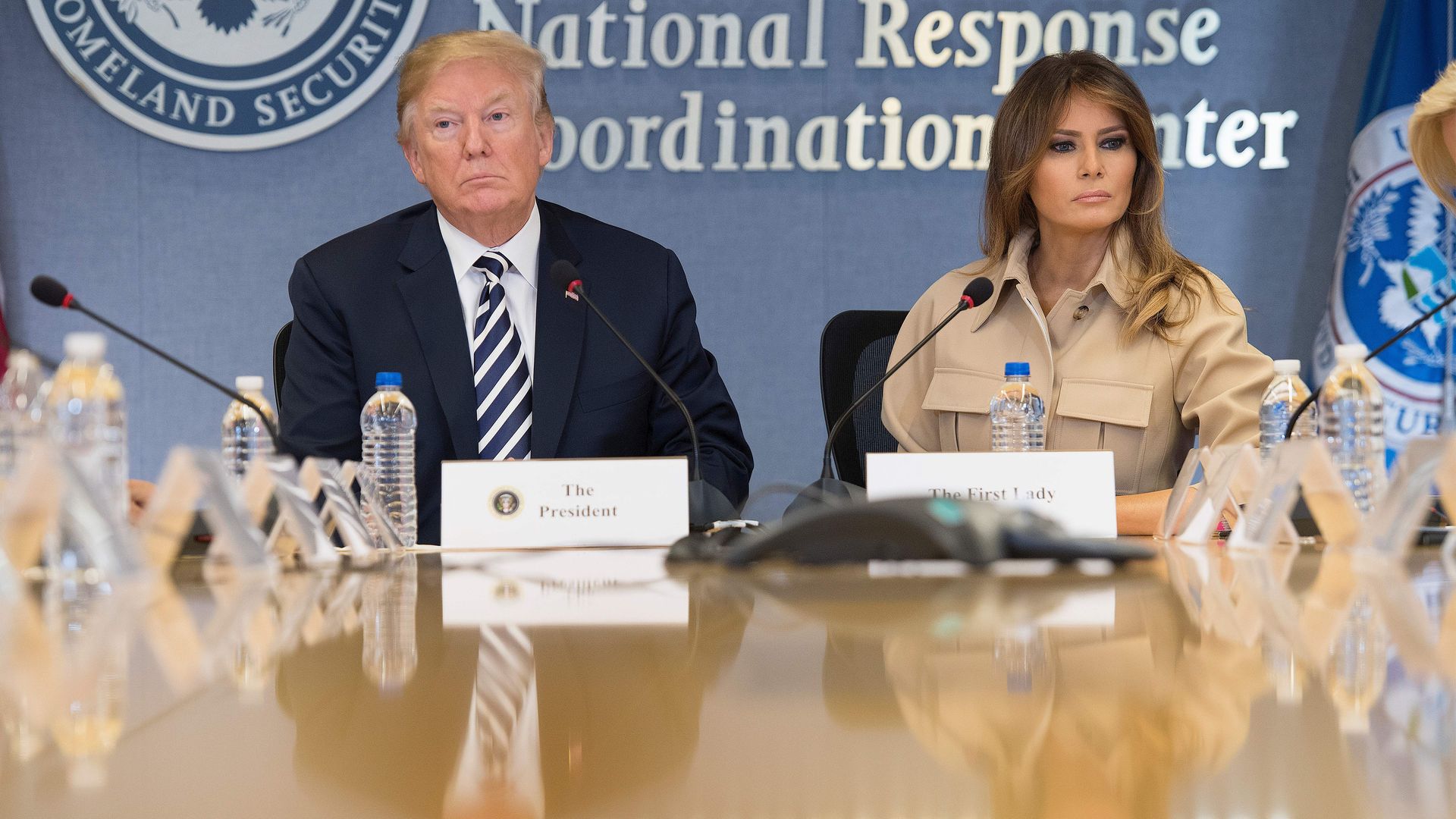
"Mrs Trump hates to see children separated from their families and hopes both sides of the aisle can finally come together to achieve successful immigration reform. She believes we need to be a country that follows all laws, but also a country that governs with heart."
Why it matters: That decision ultimately rests with her husband, President Trump. The practice of separating migrant families is due to the administration's decision to institute a "zero-tolerance" policy at the border. The mechanisms used to institute that policy are not law and could be changed at any time.
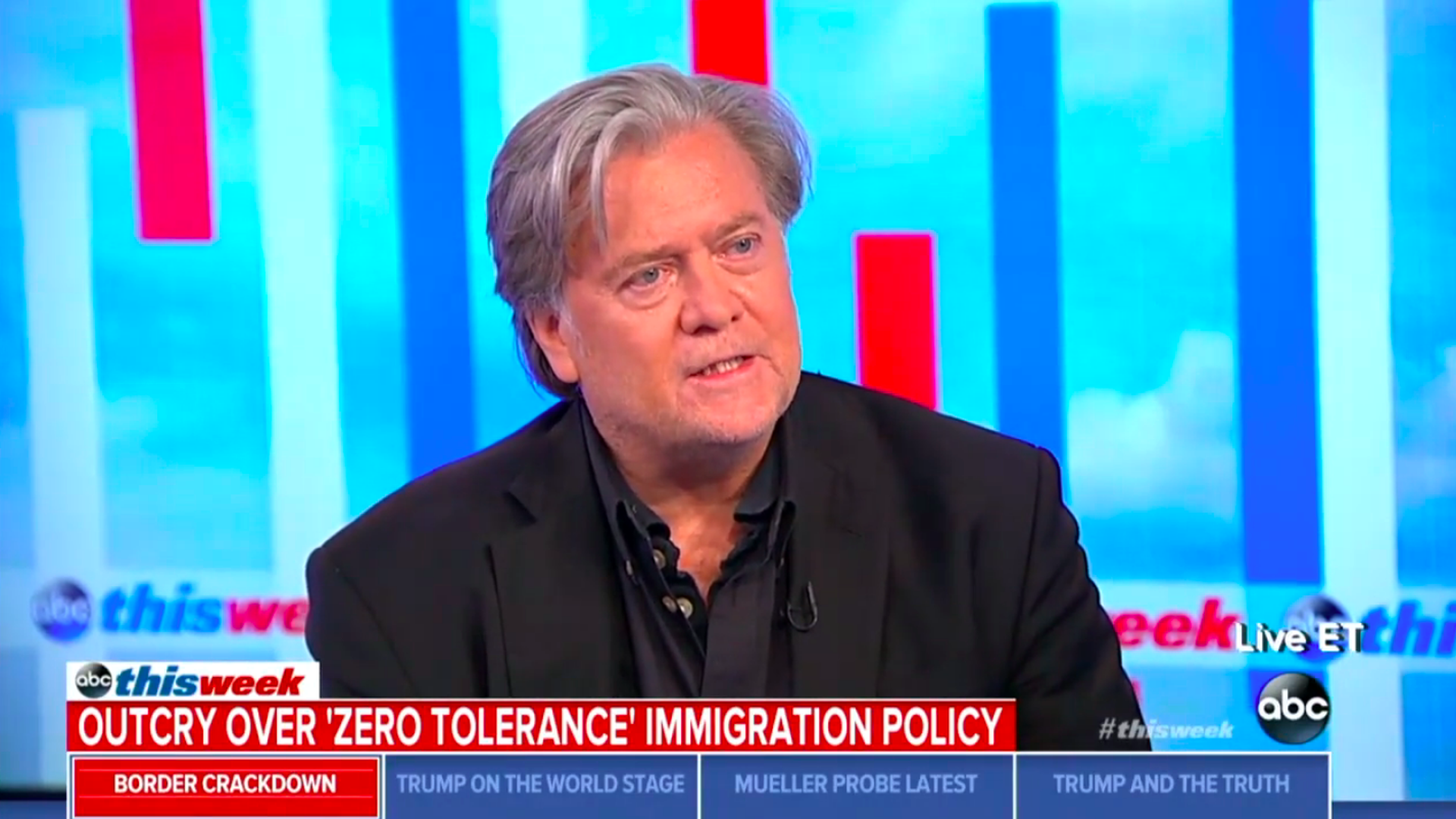
The controversial Trump administration immigration policy that separates children from their parents when they cross the border took center stage in this week's Sunday show conversations.
Why it matters: The policy has quickly garnered international attention with the UN calling it a "serious violation" of the immigrants' rights. Its defenders have said that the Trump administration is simply enforcing the law while its critics have compared it to the inhumane practices of authoritarian regimes.
President Trump's personal lawyer Rudy Giuliani said that he's advised Trump not to issue any pardons during the course of Special Counsel Robert Mueller's investigation, but noted that "when it's over," Trump can do as he pleases in an interview on CNN's "State of the Union" this morning.
Last week's cover of Der Spiegel, the German news magazine, shows a smug President Trump — backed by Russia's Vladimir Putin, China's Xi Jinping and Turkey's Recep Tayyip Erdogan — and proclaims "Das Zeitalter der Autokraten," the age of the autocrats.
Why it matters: It's a common enough perception of Trump. So his description of North Korea's Kim Jong-un to Fox News' Steve Doocy on Friday got lots of coverage.
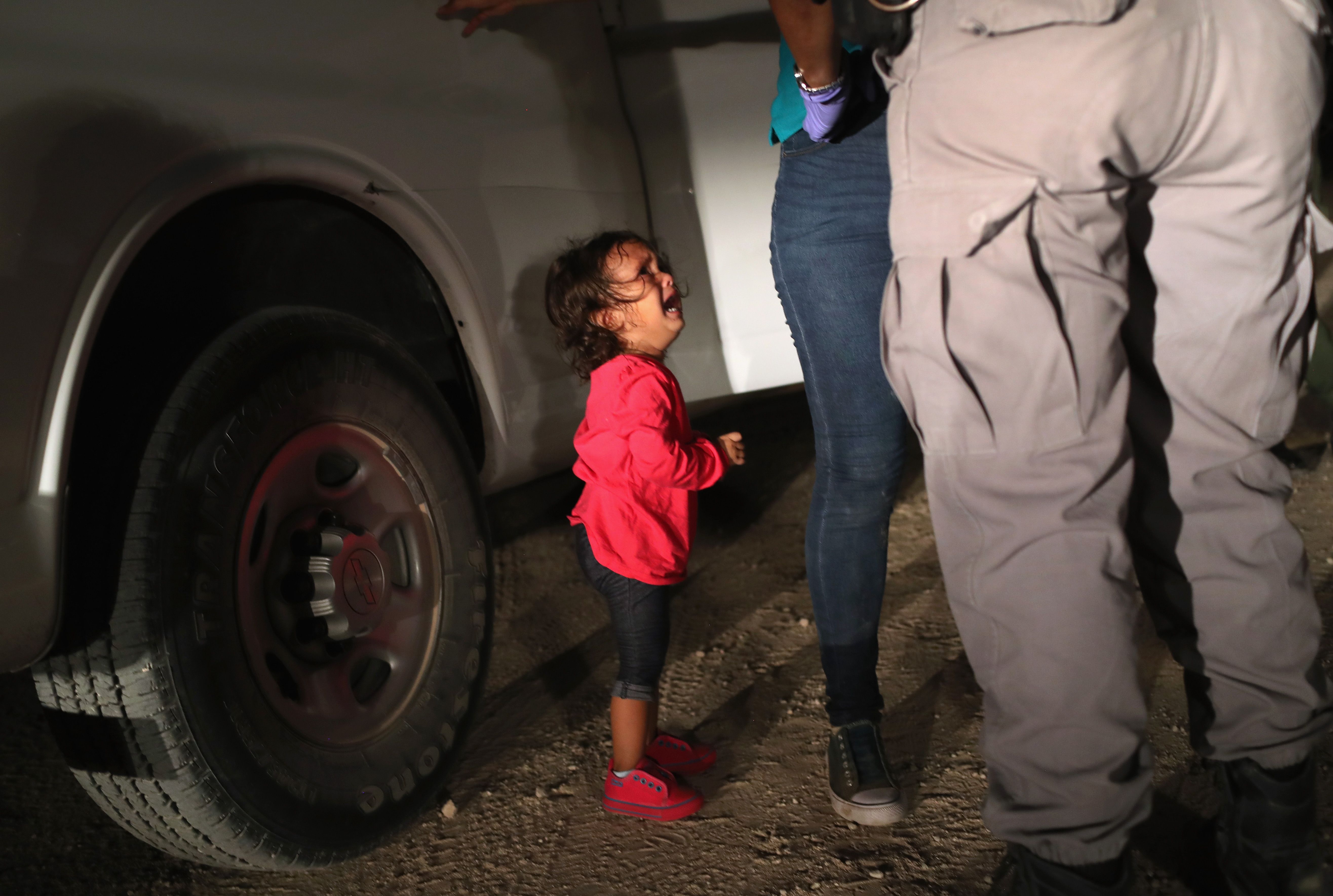
This photo that spread like wildfire, depicting a 2-year-old girl crying as her mother — both asylum seekers from Honduras — was detained at the Texas border, was taken right before the pair was sent "to a processing center for possible separation," Getty photographer John Moore told BuzzFeed.
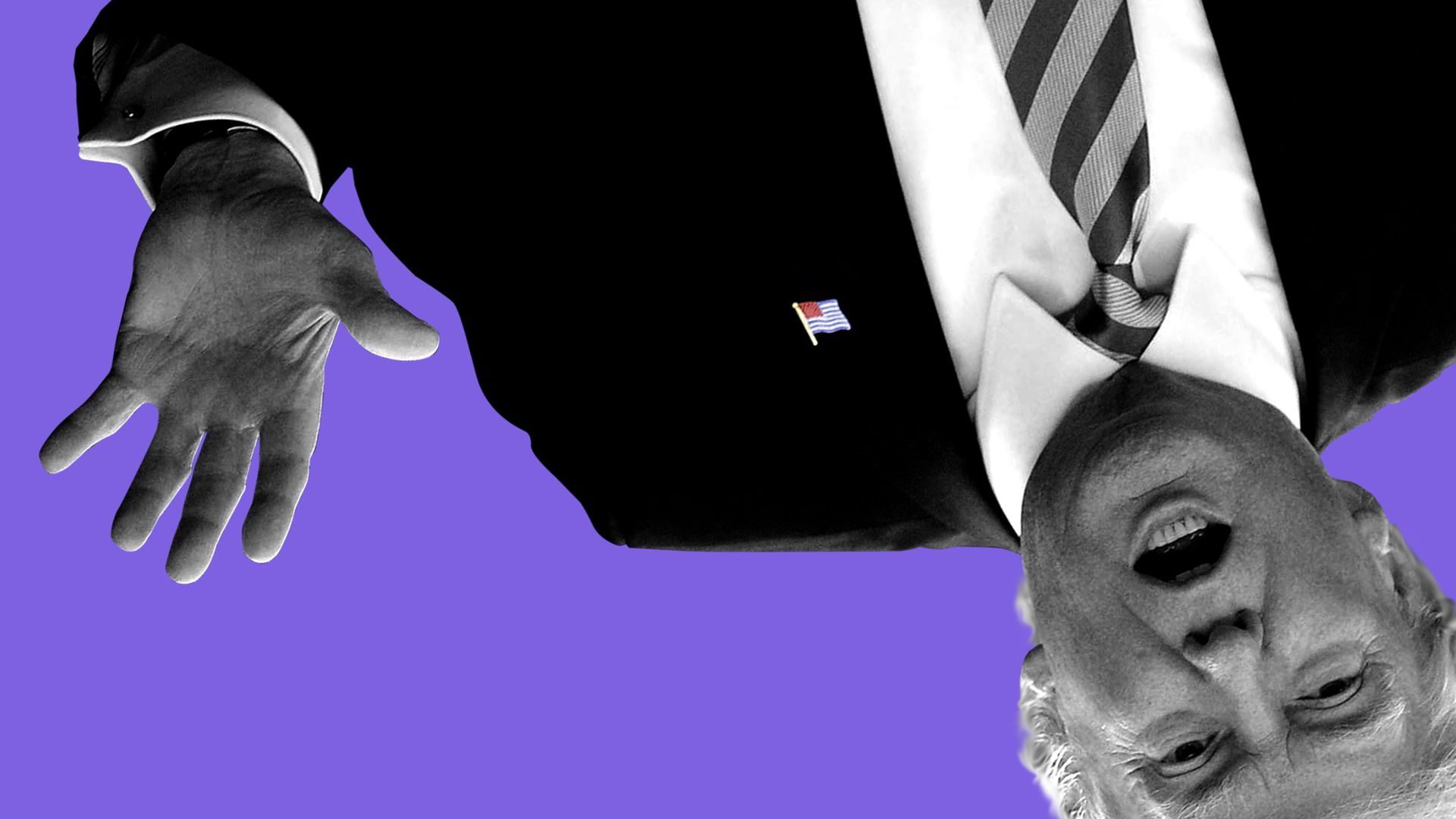
President Trump continues to flip most presidential norms upside down — and nowhere do we see it as clearly as the list of friends and foes he's made on the world stage.
Why it matters: During the campaign, critics called out the president's soft talk toward Russia. But now Trump seems to be distancing himself from America's long-term allies while cozying up to controversial leaders and dictators.