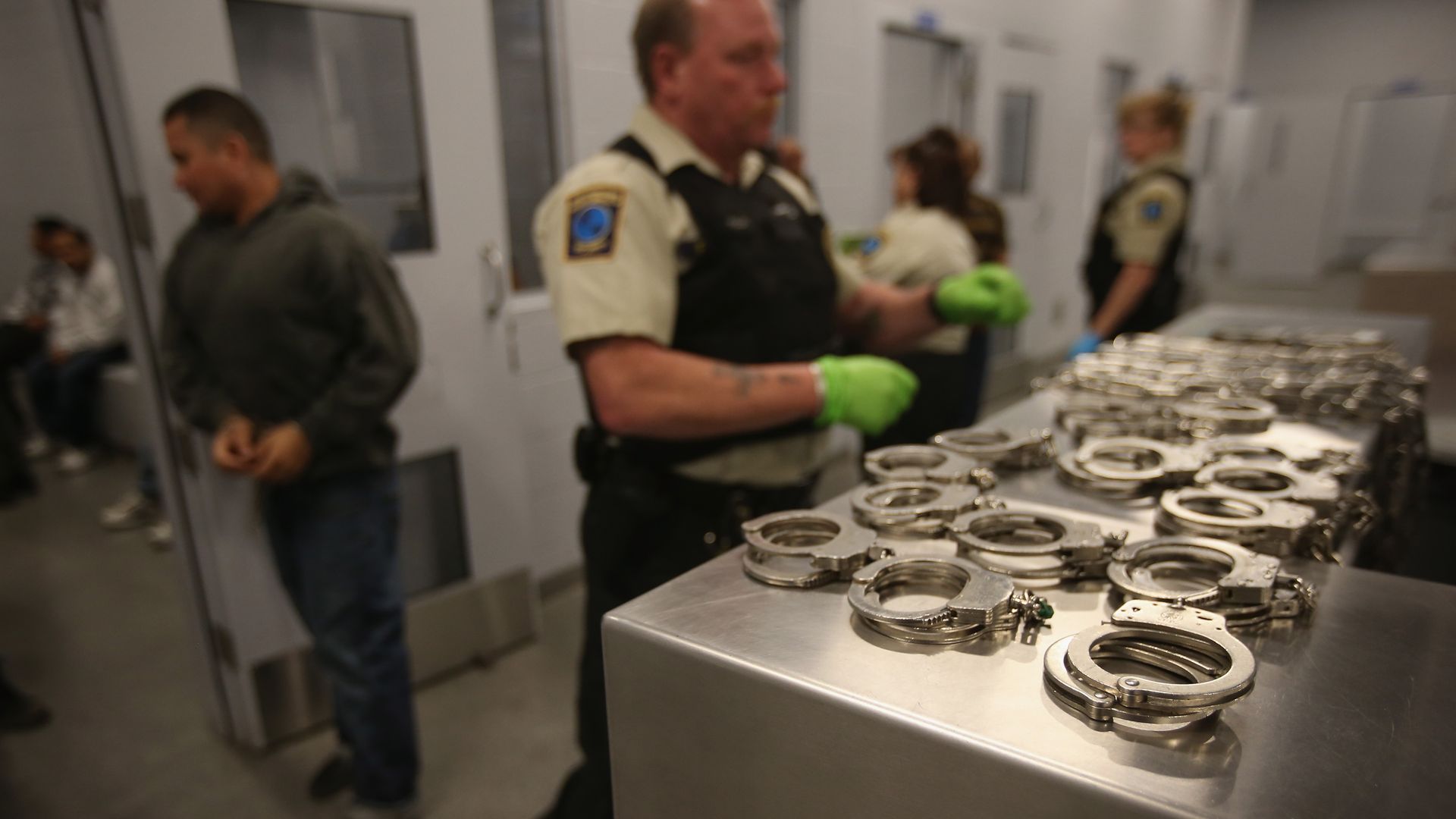
Around 1,600 Immigration and Customs Enforcement (ICE) detainees, including asylum seekers, are being transferred to federal prisons, Reuters reports, as they await "civil immigration court hearings."
The big picture: Five federal prisons are taking in detainees — 1,000 of them are being sent to a U.S. penitentiary in Victorville, California. The L.A. Times reported last year that housing a prisoner for one year in California cost the state $75,560.
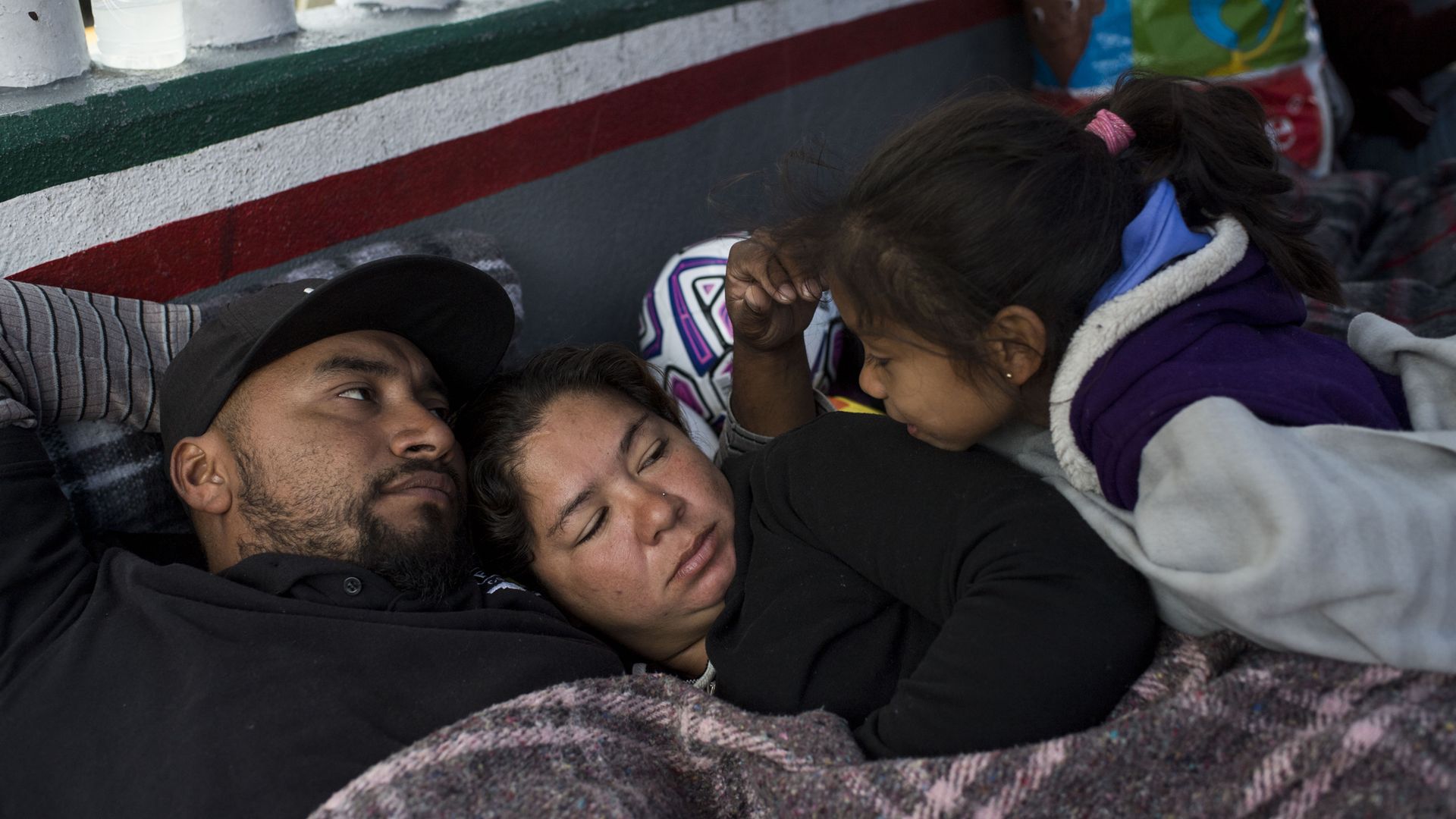
The Trump administration last month announced it would systematically separate immigrant children from their parents at the border, reportedly to deter illegal immigration. This new policy poses risks to U.S. national security, weakens U.S. leadership in the world and undercuts American values.
Why it matters: Aiming to deter immigration through the suffering of children and families is inconsistent with the United States’ history and values. While purporting to hold Iran, Venezuela and Cuba to a high human rights bar, Trump is simultaneously surrendering leverage by violating these rights at home, opening up the U.S. to condemnation and accusations of hypocrisy.
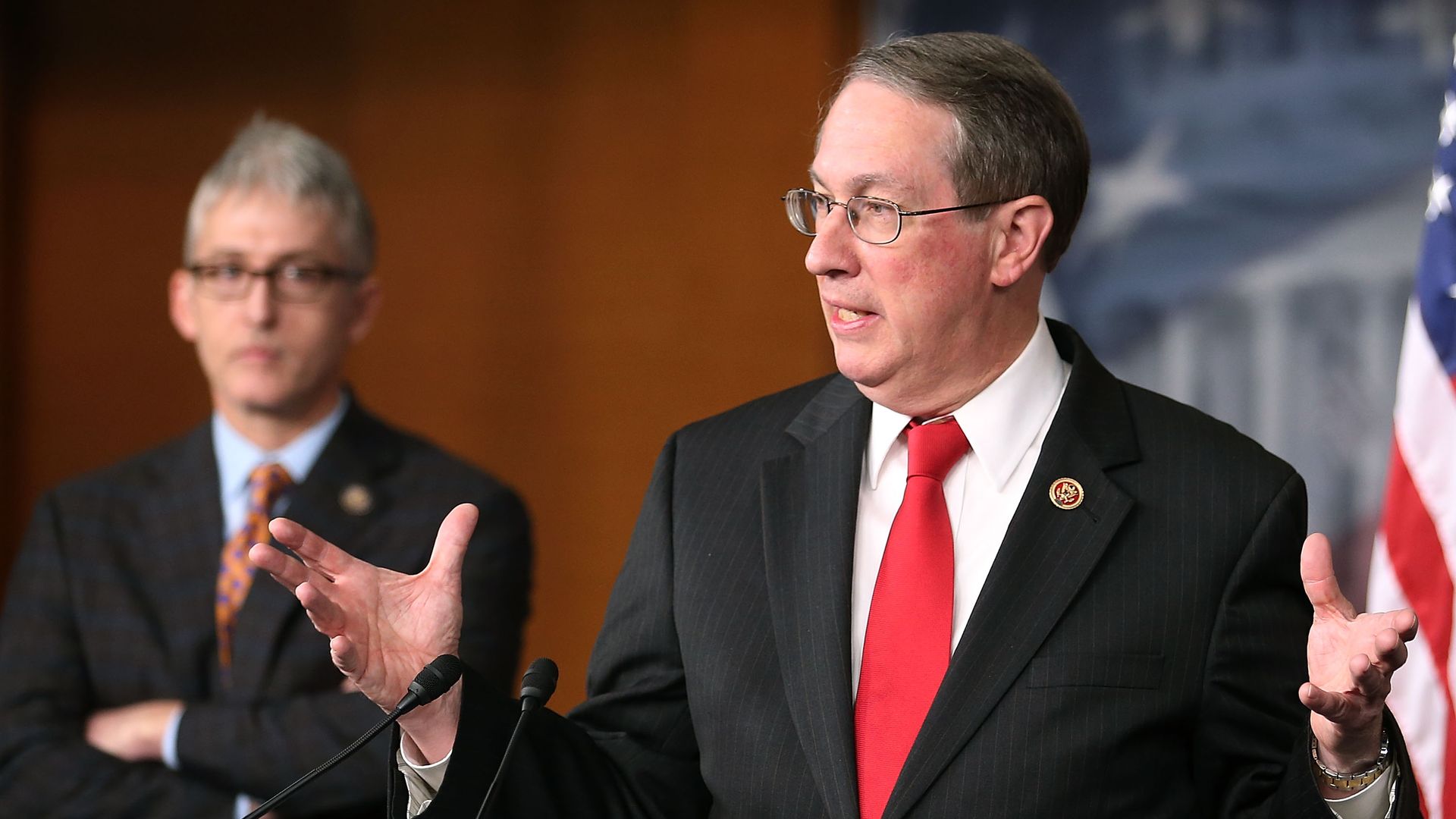
The House Oversight and Judiciary committees have scheduled a June 19 hearing to examine the forthcoming inspector general report on the Justice Department’s and FBI’s alleged misconduct ahead of the 2016 presidential election. The document will be released on June 14th.
The backdrop: This comes after ABC News reported Wednesday that the DOJ's internal watchdog concluded that James Comey sometimes defied authority during his tenure as FBI director, citing sources familiar with a draft report on the matter. The document is also reportedly critical of former Attorney General Loretta Lynch over her handling of the federal investigation of Hillary Clinton's personal email server.
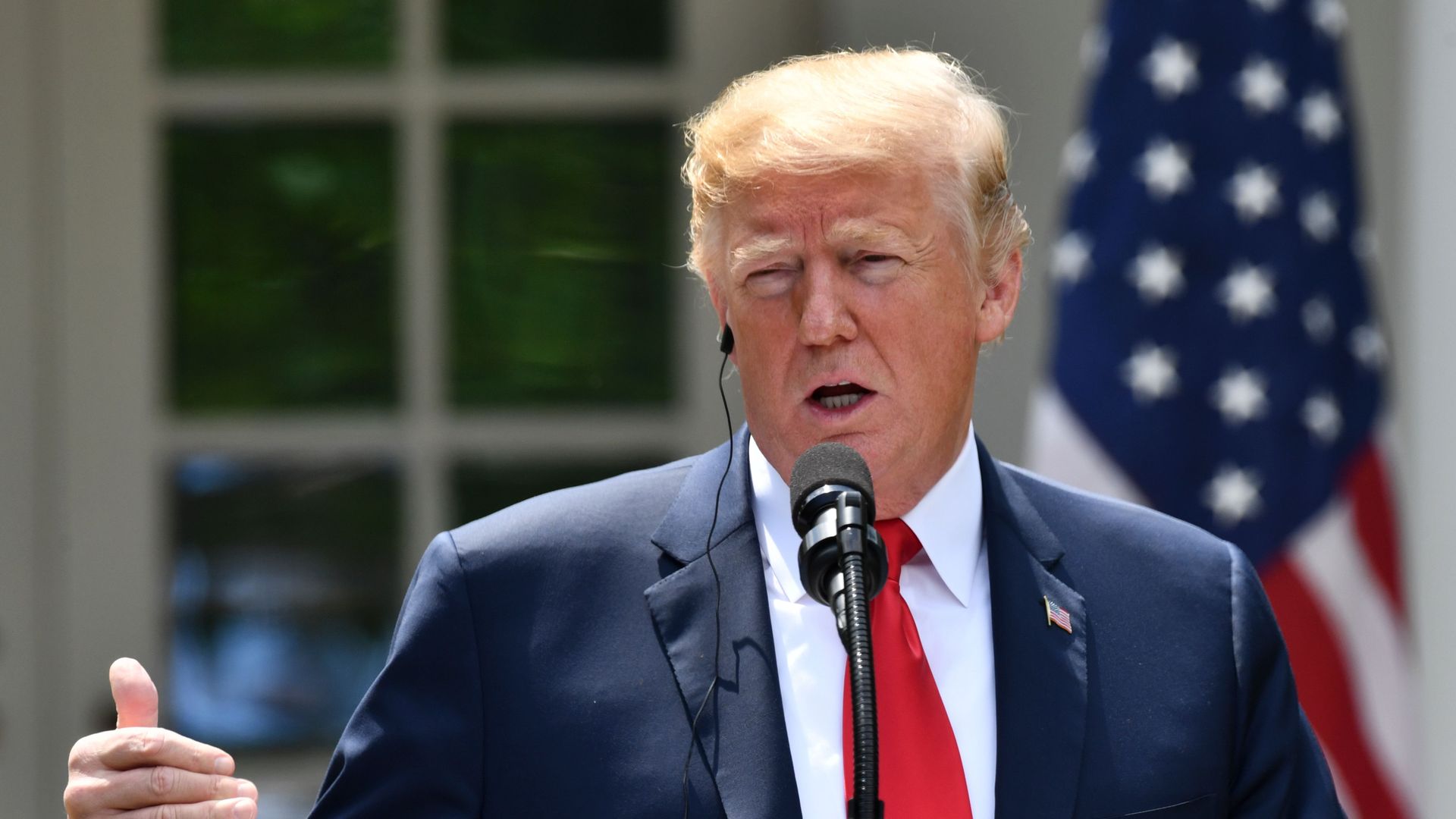
During a press conference with Japanese Prime Minister Shinzo Abe, President Trump told reporters Thursday he's open to inviting Kim Jong-un to the White House if the upcoming summit with the North Korean leader in Singapore ends well. However, Trump cautioned that he is "totally prepared to walk" if things don’t go well, noting he "did it once before."
The big picture: Axios World editor Dave Lawler explains that Japan has a lot at stake in Trump’s summit with Kim Jong-un, and is the most hawkish toward North Korea of the major players. Abe was expected to advise caution in his meeting with Trump, and ask him to raise two key issues at the summit: the abductions by North Korea of Japanese citizens, and short and medium range missiles that don’t pose a threat to the U.S. but could strike Japan.
President Trump is begrudgingly attending the G7 summit in Canada on Friday, but he doesn't want to — despite it being a norm for past presidents in their foreign policy strategies.
The big picture: President Trump complaining about having to attend the G7 is expected for him and his administration, as this White House hasn't been shy about breaking away from international expectations throughout Trump's presidency.
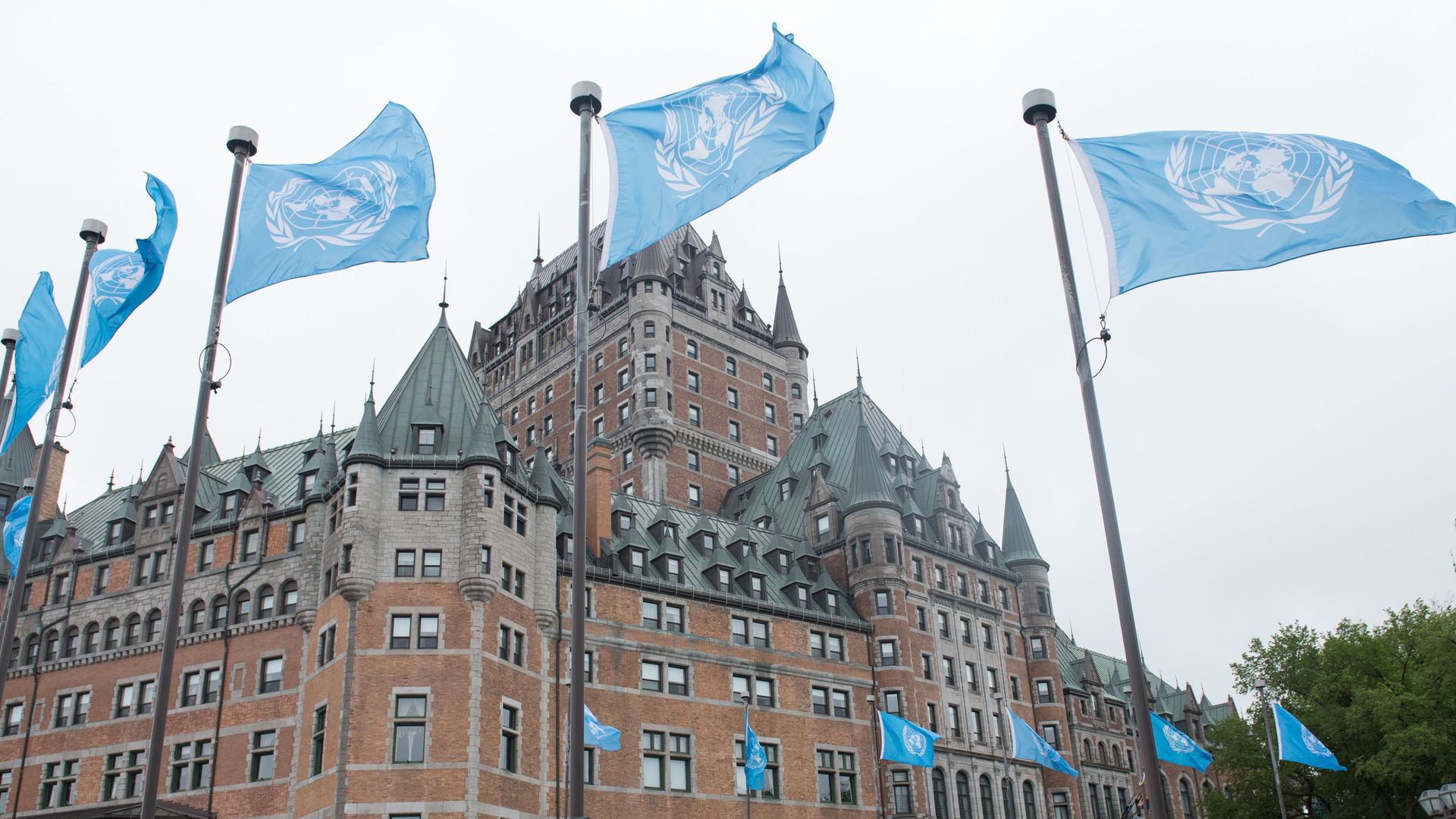
Leaders of the Group of 7 industrialized democracies will gather this week in Quebec for their annual meeting on the world's economy. Following the Trump administration's recent imposition of steel and aluminum tariffs on Europe, Japan and Canada, however, the summit is shaping up as 6 versus 1.
Why it matters: What would normally be an opportunity to forge unity on key challenges — with China's discriminatory trade practices foremost among them — will be anything but.
Be smart: The number of family units crossing saw a small decrease, as the Trump administration has implemented policies to separate children from their parents when caught crossing illegally.
The Trump administration's $1 billion penalty deal with Chinese telecom giant ZTE — which has repeatedly violated U.S. sanctions against Iran and North Korea and is seen by the Pentagon as a threat to national security — has some in Congress fuming.
Why it matters: President Trump has consistently promised to be a hardliner on China, but several lawmakers from both sides of the aisle argue the administration's willingness to cut a deal with ZTE shows a flagrant disregard of the advice given by Trump's intelligence and defense officials in return for an on-again, off-again pursuit of a trade deal with China.
President Trump yesterday signed a bill that aims to expand veterans' access to private health care, but the Washington Post reports that the administration is quietly trying to kill the Senate effort to fund it.
The big picture: Increasing veterans' access to private care emerged as key to addressing the 2014 VA crisis, but it's also sparked a huge debate over how far this access should go.
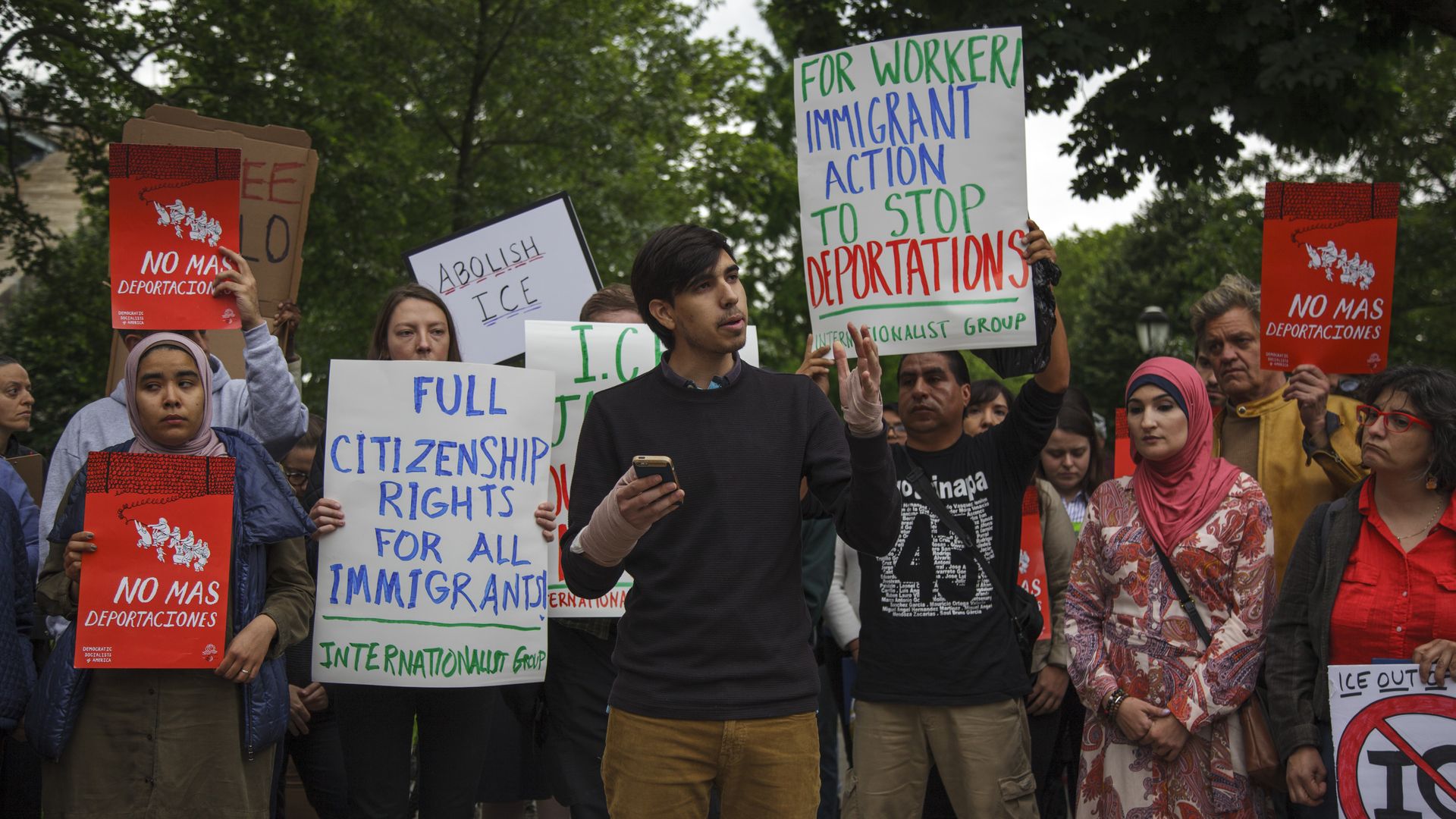
"He Delivered Pizza to an Army Base in Brooklyn. Now He Faces Deportation" — N.Y. Times' Liz Robbins on the plight of Pablo Villavicencio, an undocumented pizza delivery man.
The backdrop: "According to his wife, Sandra Chica, he presented a New York City identification card, as he had done in the past. The card, provided through a program called IDNYC, was supposed to give undocumented immigrants a method of proving their identification when dealing with city agencies."
A dilemma for news organizations in this epic era is that President Trump isn't just the biggest story in politics. On many days, he's the biggest story in business, the biggest story in media, the biggest story in tech, the biggest global story.
The bottom line: The same phenomenon is infusing campaigns. Boston Globe State House reporter Matt Stout found that from statewide races to local contests, the politics and the debate can often be all about Trump.
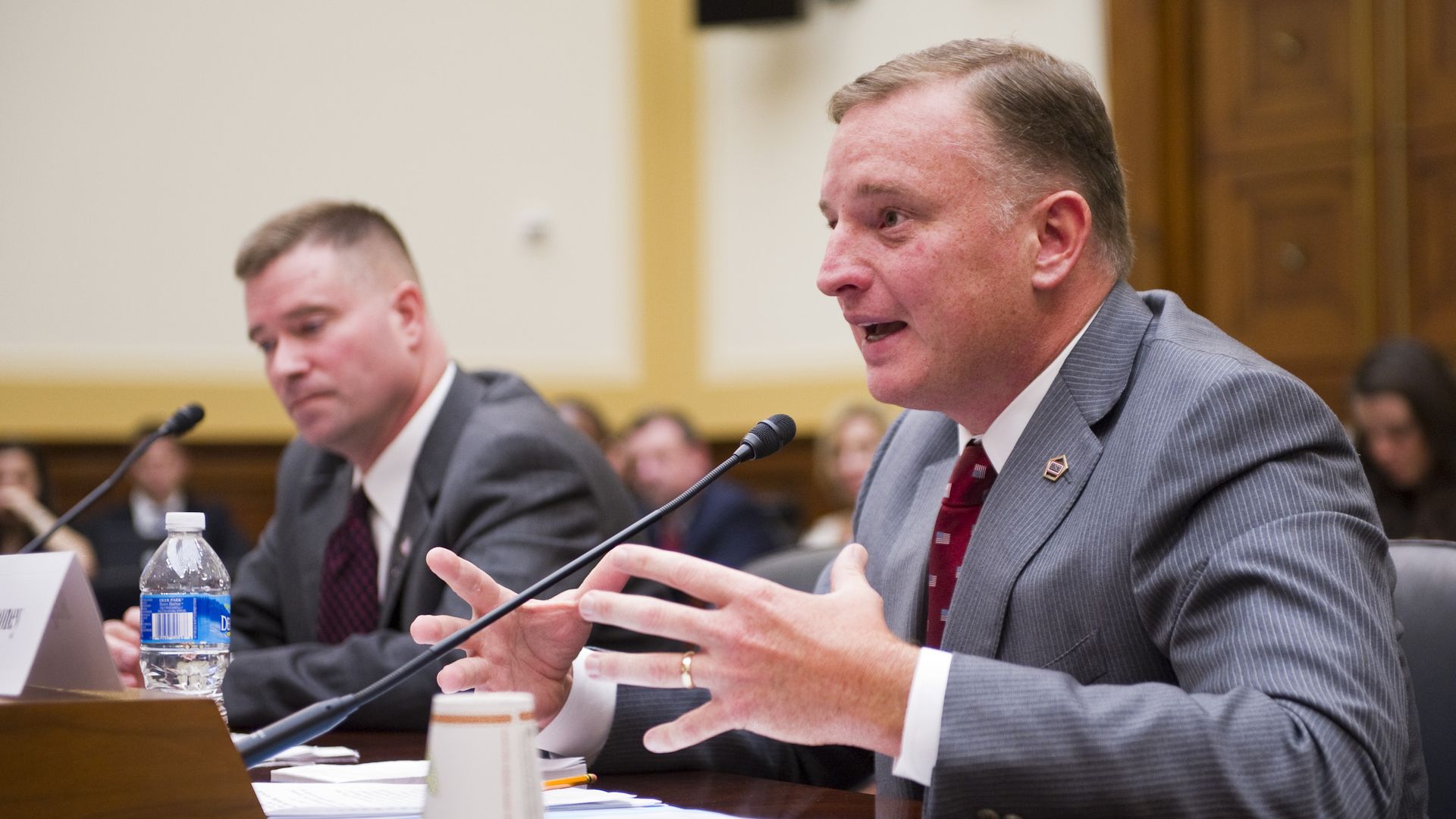
Rep. Tom Rooney, a retiring top Republican on the House Intelligence Committee, has joined other conservatives disputing President Trump’s unsupported claim that the FBI planted a spy inside his 2016 campaign, Politico reports.
Why it matters: Rooney was one of three House Republicans who lead the Intelligence Committee's year-long investigation into possible links between the Trump campaign and Russia. Rooney's comments, Politico notes, “were the most forceful repudiation to date from a Republican lawmaker.” Speaker Paul Ryan earlier Wednesday joined Rep. Trey Gowdy (R-S.C.,) one of the committee’s leaders of the probe, in saying there's "no evidence" that the FBI acted inappropriately.
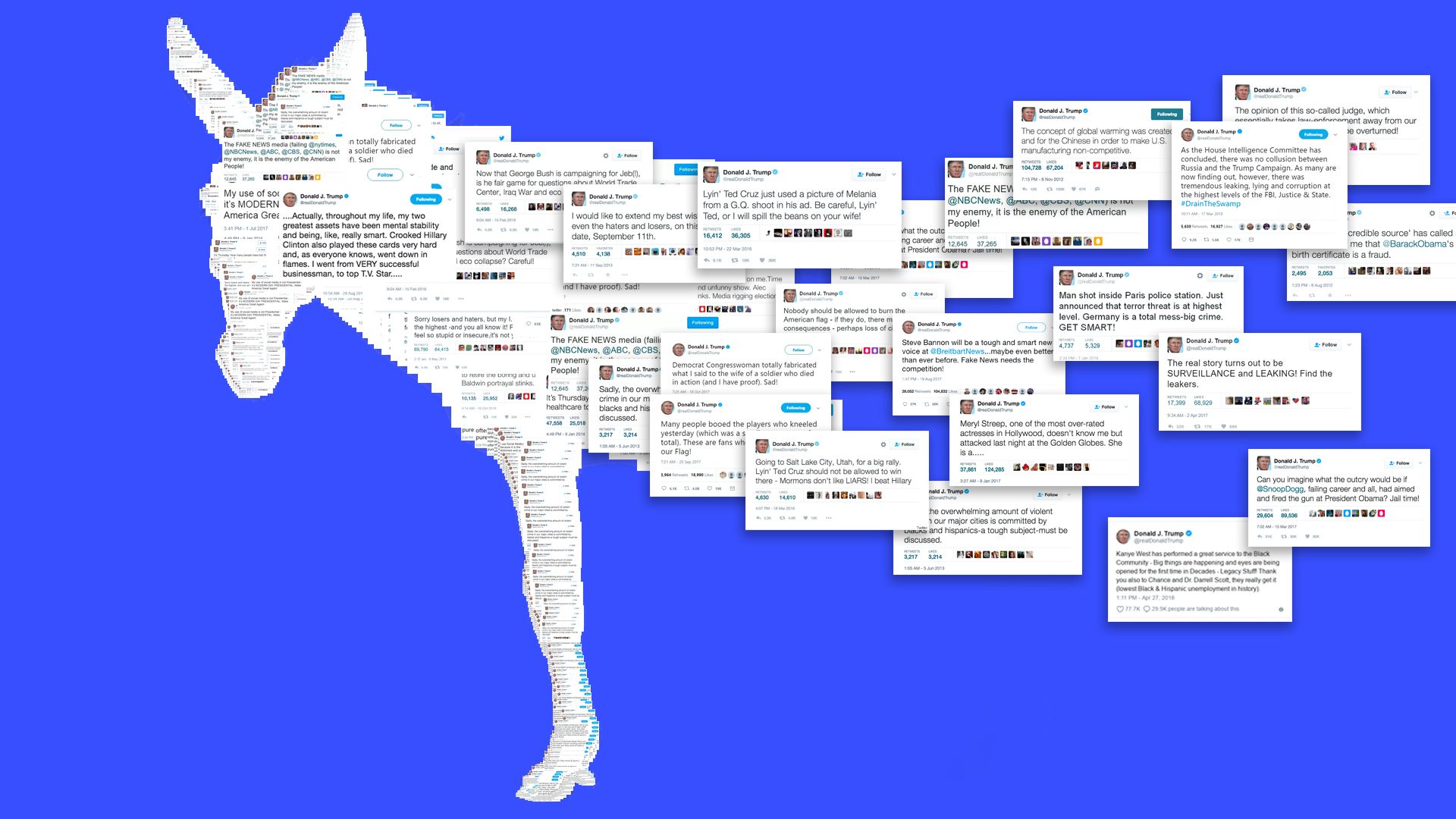
“What is the point of saying that there was a spy in the campaign when there was none? You know what I’m saying? It’s like, ‘Lets create this thing to tweet about knowing that it’s not true.’ … Maybe it’s just to create more chaos but it doesn’t really help the case.”