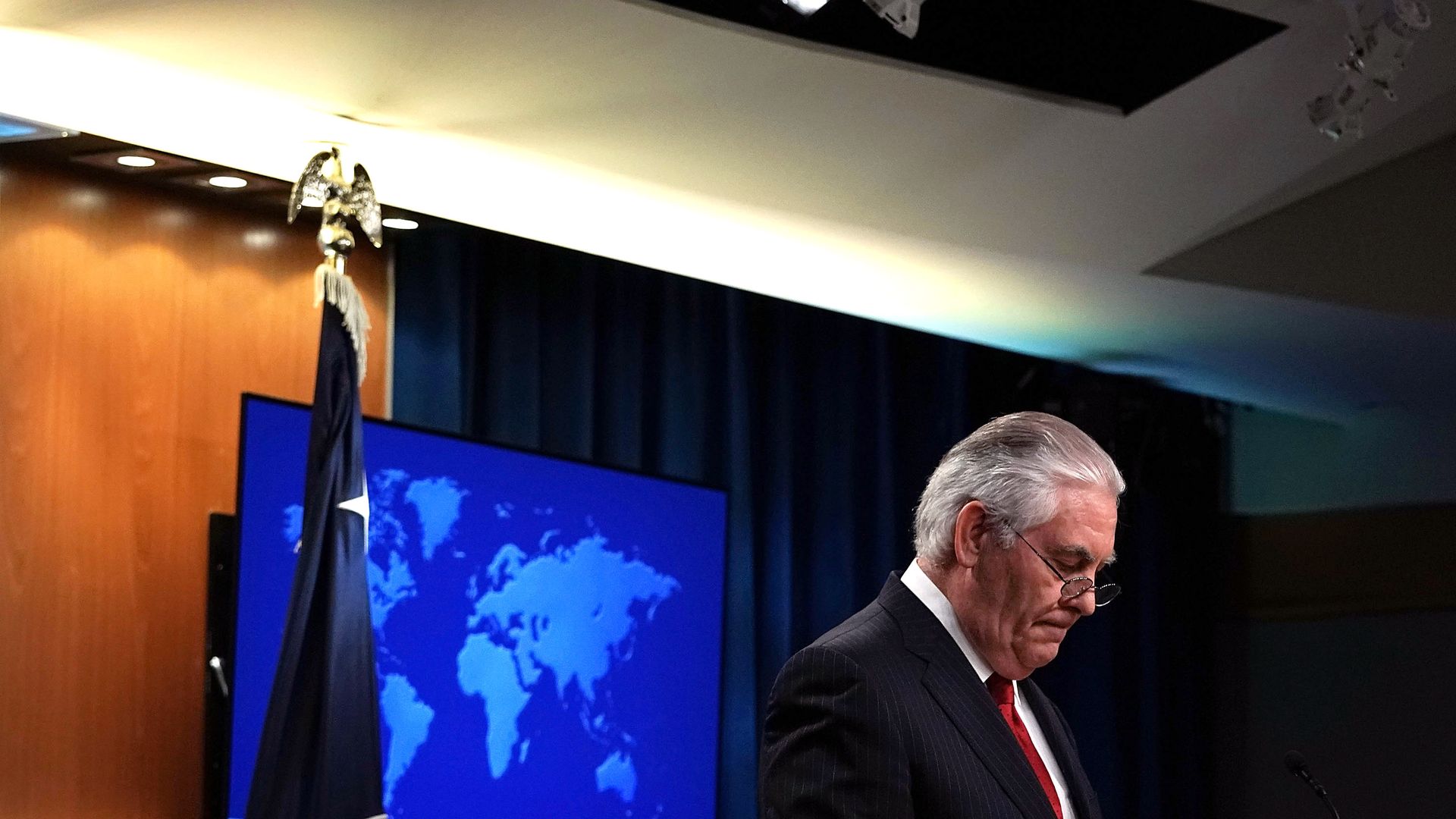
In an emotional farewell address on Wednesday, outgoing Secretary of State Rex Tillerson told State Department employees to protect their personal integrity, which he called "the most valuable asset you possess."
Between the lines: Tillerson, who was unceremoniously ousted with a phone call from chief of staff John Kelly while using the toilet, used part of his speech to advocate treating others well, telling employees, "This can be a very mean-spirited town, but you don't have to choose to participate in that." He added, "Each of us gets to choose the person we want to be, and the way we want to be treated, and the way we will treat others."
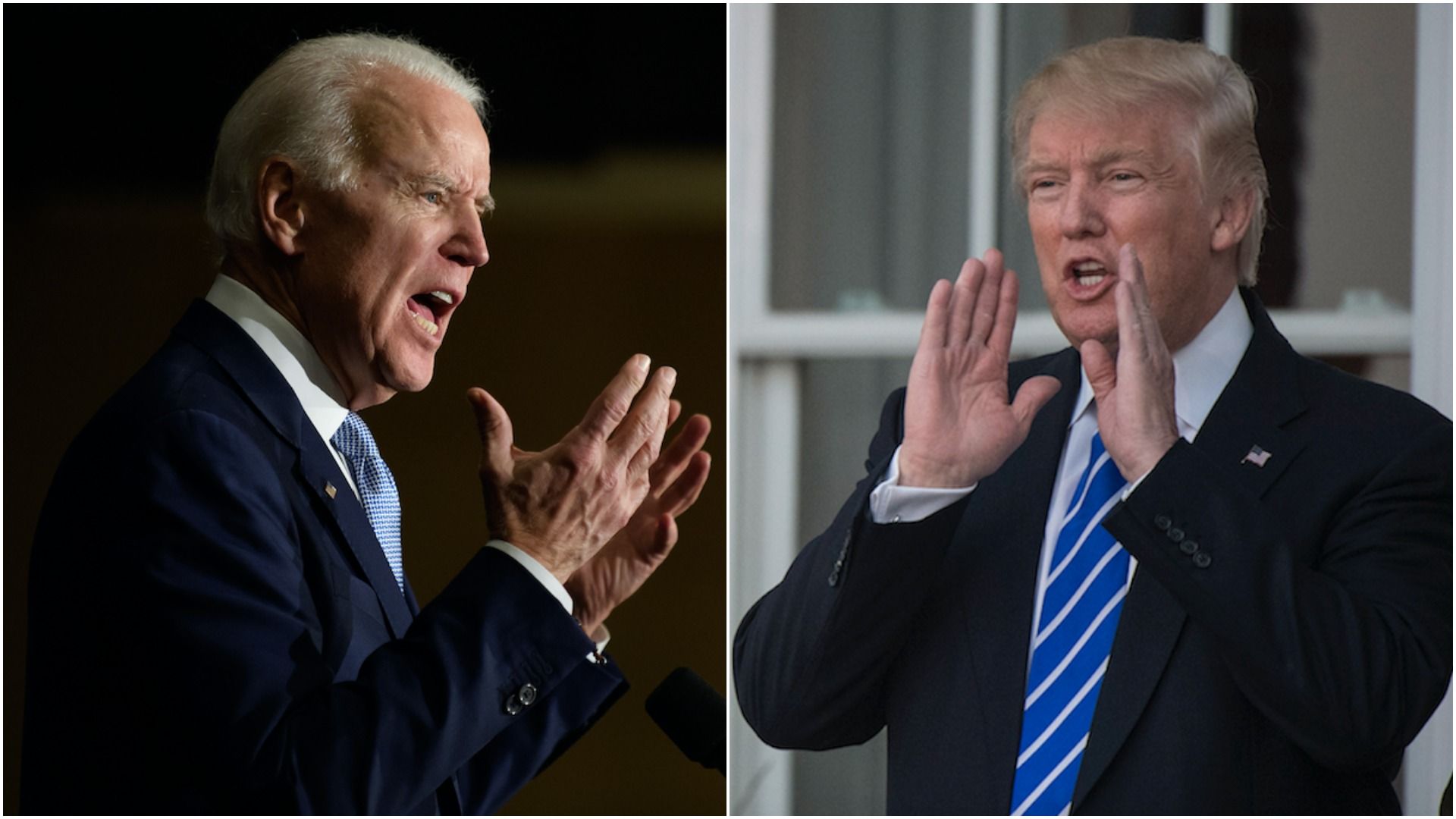
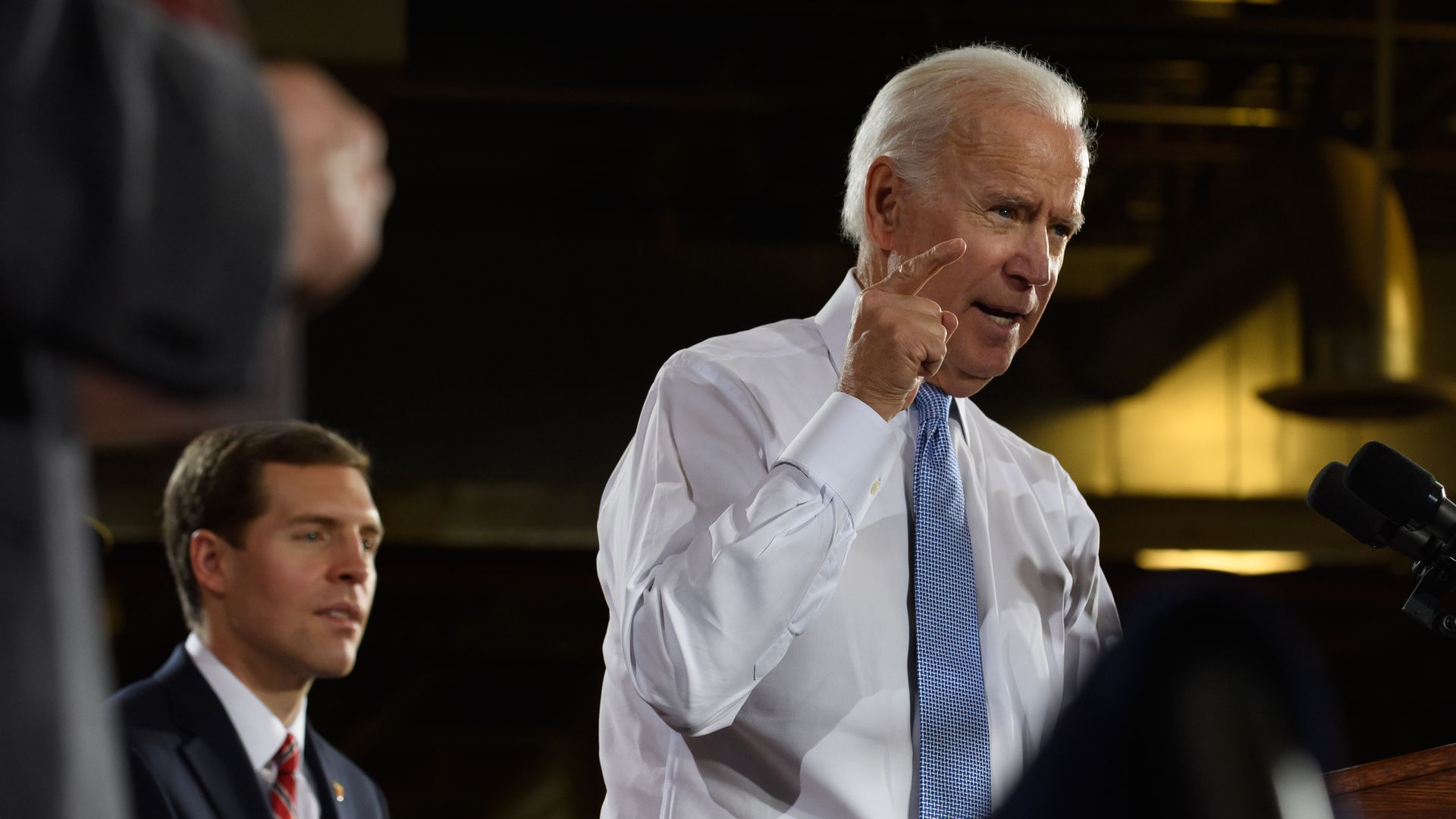
The disagreements between President Trump and former Vice President Joe Biden have escalated to threats of physical violence, with Trump tweeting Thursday that Biden "would go down fast and hard" in a fight. That followed a University of Miami event Tuesday, where Biden said he'd "beat the hell out of" the president if they were in high school together.
Why it matters: It's a preview of a potential 2020 slugfest — if Biden, who's been the subject of presidential speculation, decides to run. Not only is their rhetoric a perfect encapsulation of today's polarized political climate, but it also represents the sort of smash-mouth, off-the-cuff style of politicking that's fueled both politicians' popularity amongst their respective bases.
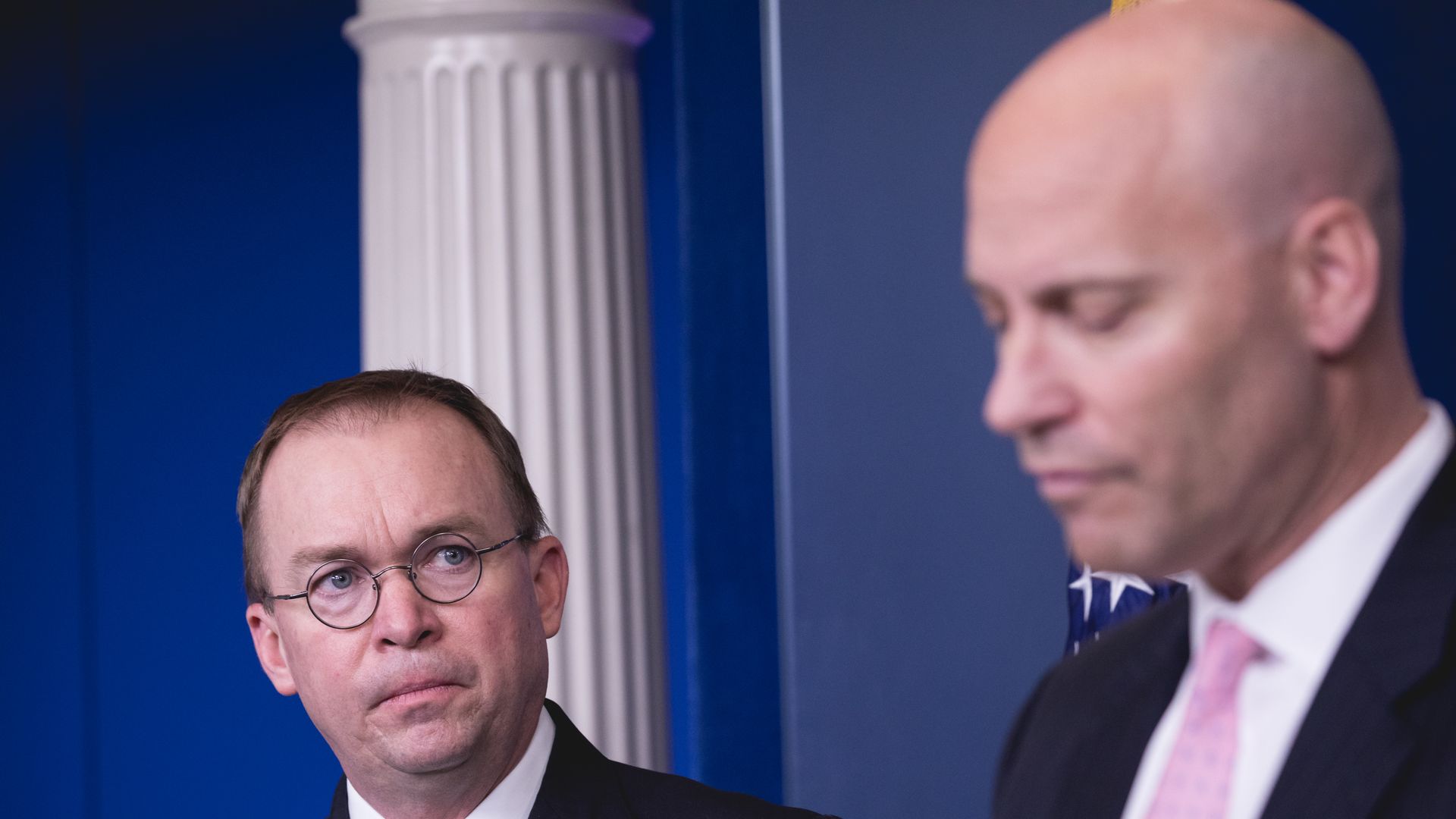
OMB Director Mick Mulvaney and White House Legislative Director Marc Short told reporters Thursday morning that — although Congress' massive government spending bill contains what the administration views as major concessions to Democrats — President Trump will sign it into law as it "funds his priorities."
The blame game: Both Mulvaney and Short stressed that they would have been able to get more of what the administration wanted regarding immigration and cutting spending if Republicans "actually had control of the Senate."
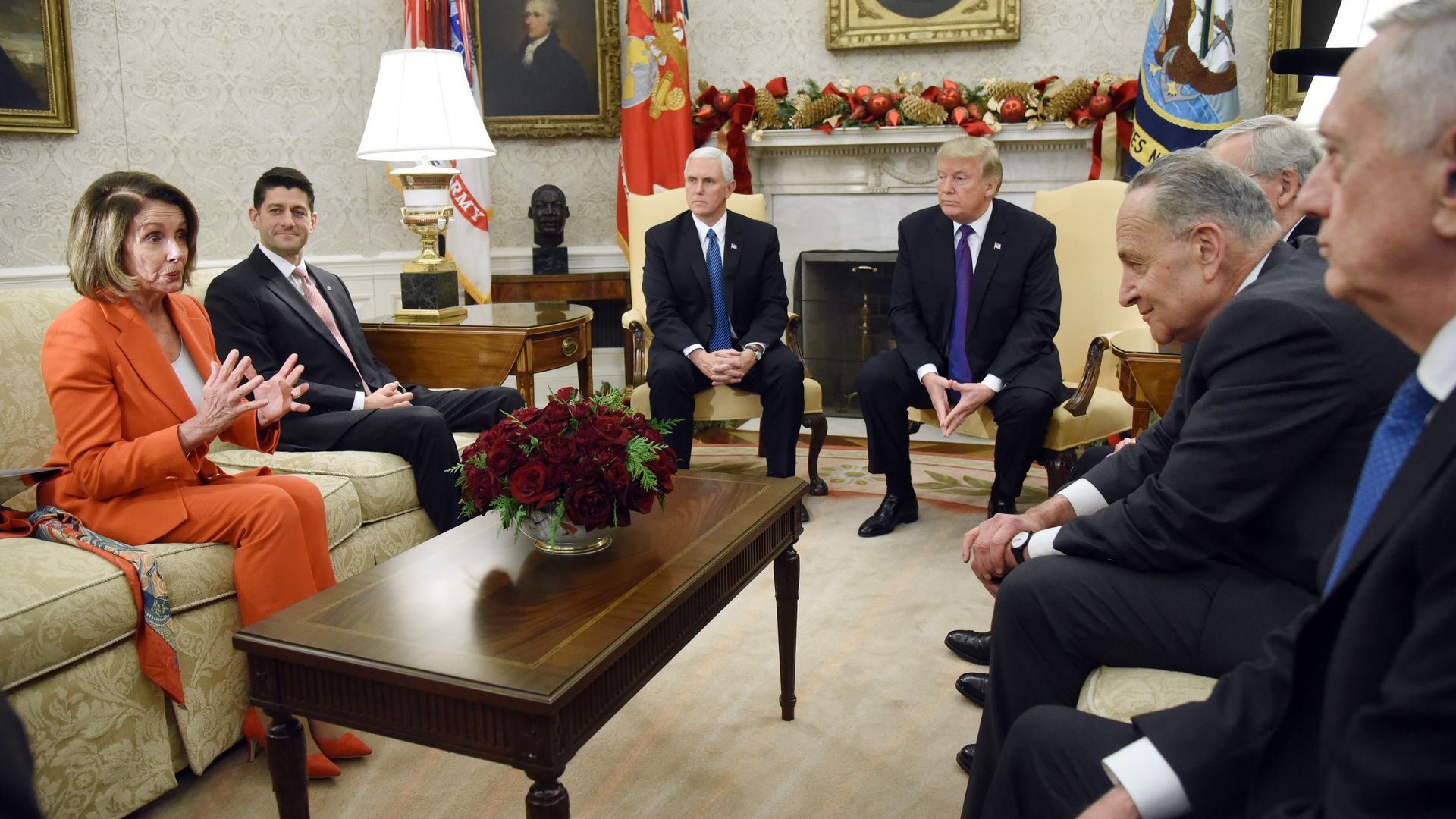
Congressional leaders and the White House failed to come to an agreement on temporary protections for Dreamers over the past week as part of the giant spending bill, leaving the issue unresolved.
Why it matters: After all of the fighting over President Trump's decision to end DACA — including a government shutdown over it — the White House and Congress ended up with nothing. The issue is currently tied up in the courts. And though both sides agree it's better to give Dreamers more certainty over their future, they just can't agree how to do it.
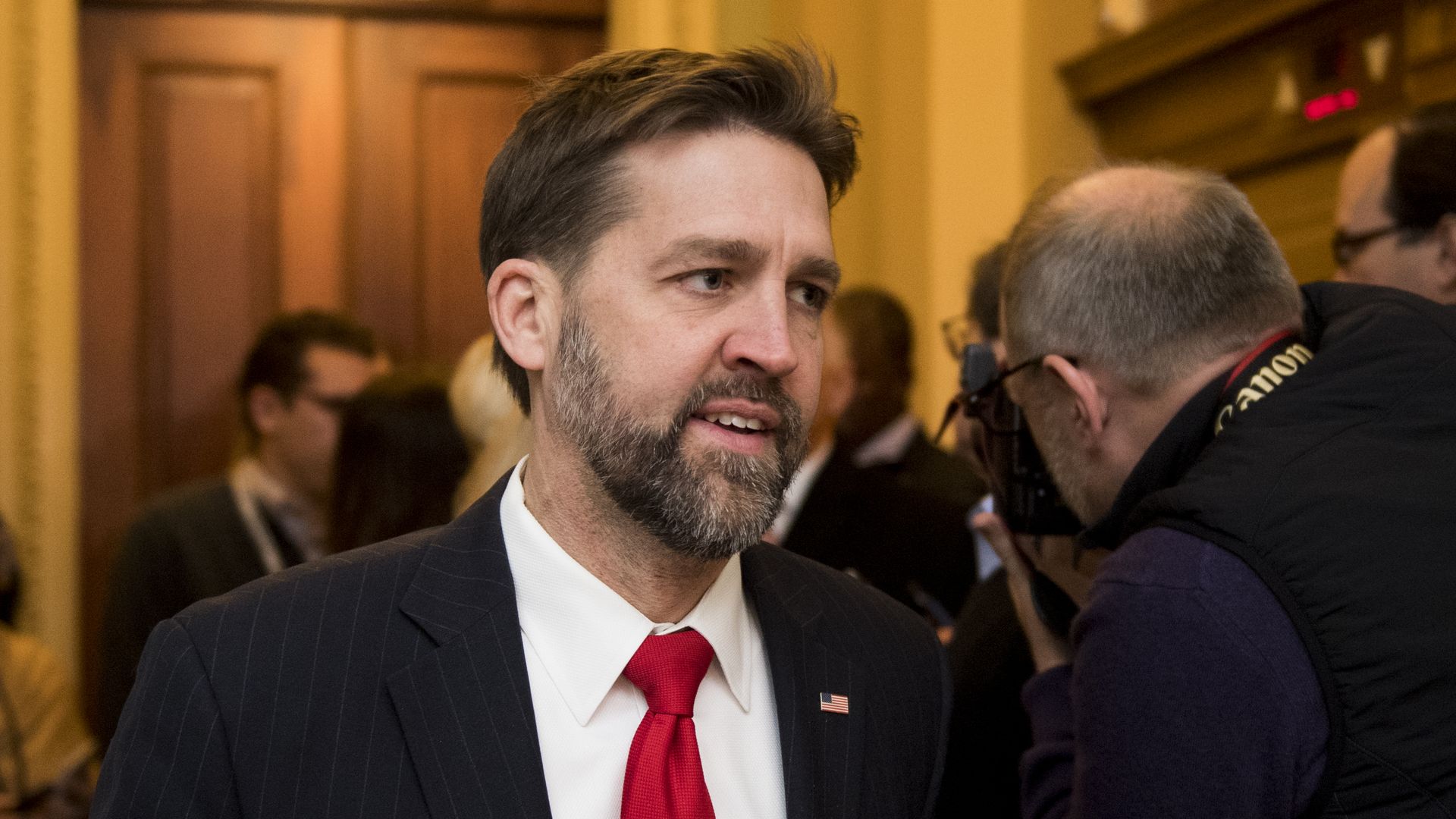
Sen. Ben Sasse (R-Neb.) is finishing a book about polarization in America, "Them: Why We Hate Each Other and How to Heal,” out Oct. 16.
Sasse's thought bubble: This isn't about politics — this is a book much more in the vein of "Coming Apart" or "Hillbilly Elegy." It's about our communities getting ripped apart.
With 2020 buzz about him rising, former Vice President Biden today will announce a big-name list of members of the Biden Institute Policy Advisory Board.
Who's who: The list includes Sarah Bianchi, Anthony Foxx, Juleanna Glover, Danielle Gray, Ernie Moniz, Jim Murren (chairman and CEO of MGM Resorts International), Tom Nides, David Plouffe, Bruce Reed, Arturo S. Rodríguez (president of the United Farm Workers of America), Peter Scher, Steve Schmidt, Larry Summers, Sally Yates, Heather Zichal and many more. See the full list.
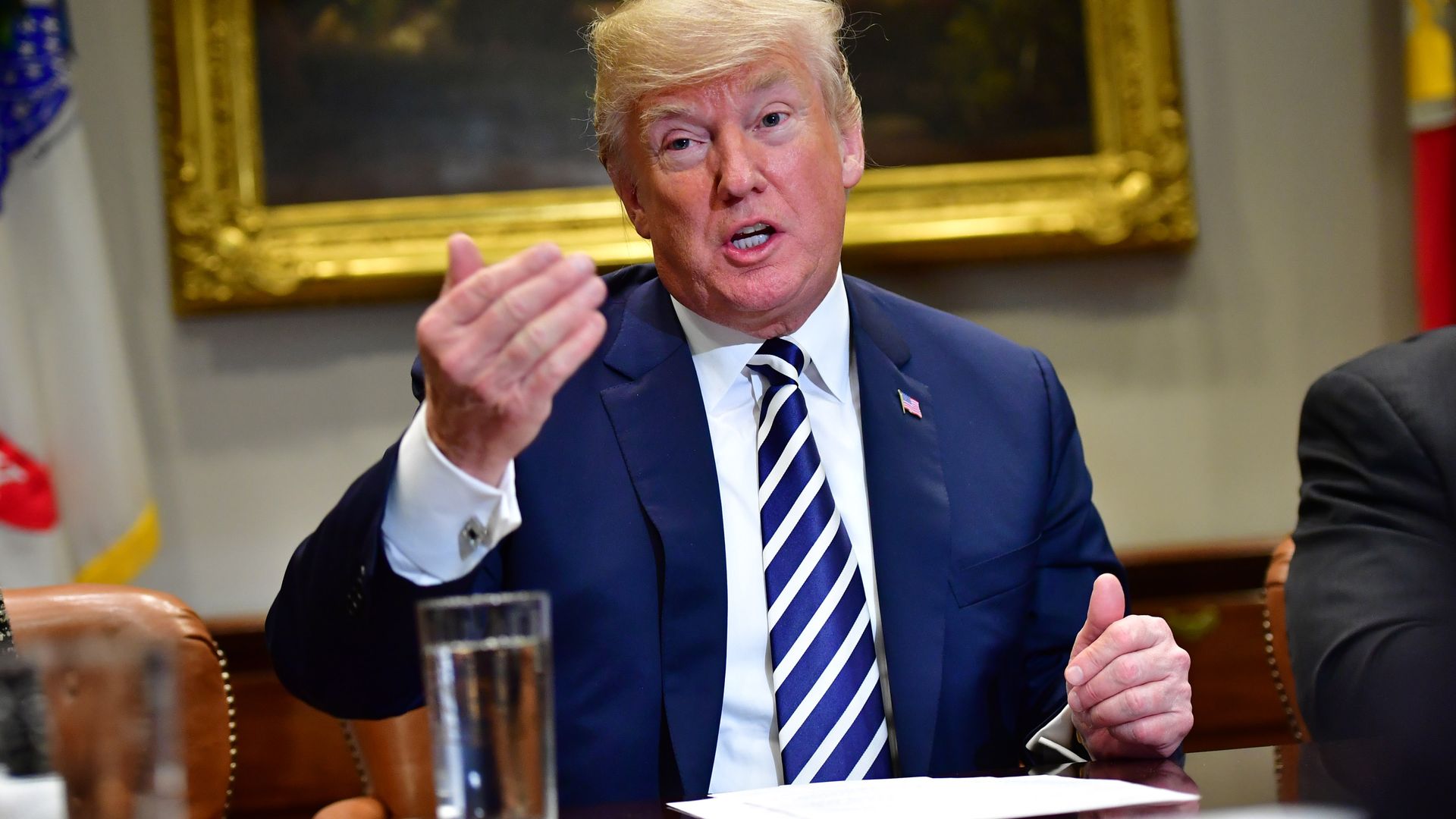
President Trump, who is 71 years old, called 75-year-old Joe Biden "mentally and physically weak" on Thursday, adding that Biden "would go down fast and hard, crying all the way."
The context: Biden said Tuesday he'd "take [Trump] behind the gym and beat the hell out of him," if the two of them were in high school and Trump made the crude comments about women that were caught in the Access Hollywood video. The former Vice President made the remarks at a University of Miami event.
The pharmaceutical industry suffered a rare lobbying loss in Congress' big spending bill. An earlier spending bill forced the industry to cover more of the costs for seniors' Medicare drug coverage, and it was hoping to get that provision rolled back this time. But that won't happen, despite behind-the-scenes lobbying from both industry and lawmakers.
Why this matters: Pharma was caught off guard by the provision last time, and its lobbying was unsuccessful this go-around. This is highly unusual for the powerful industry, although the provision could still be reversed in the future.
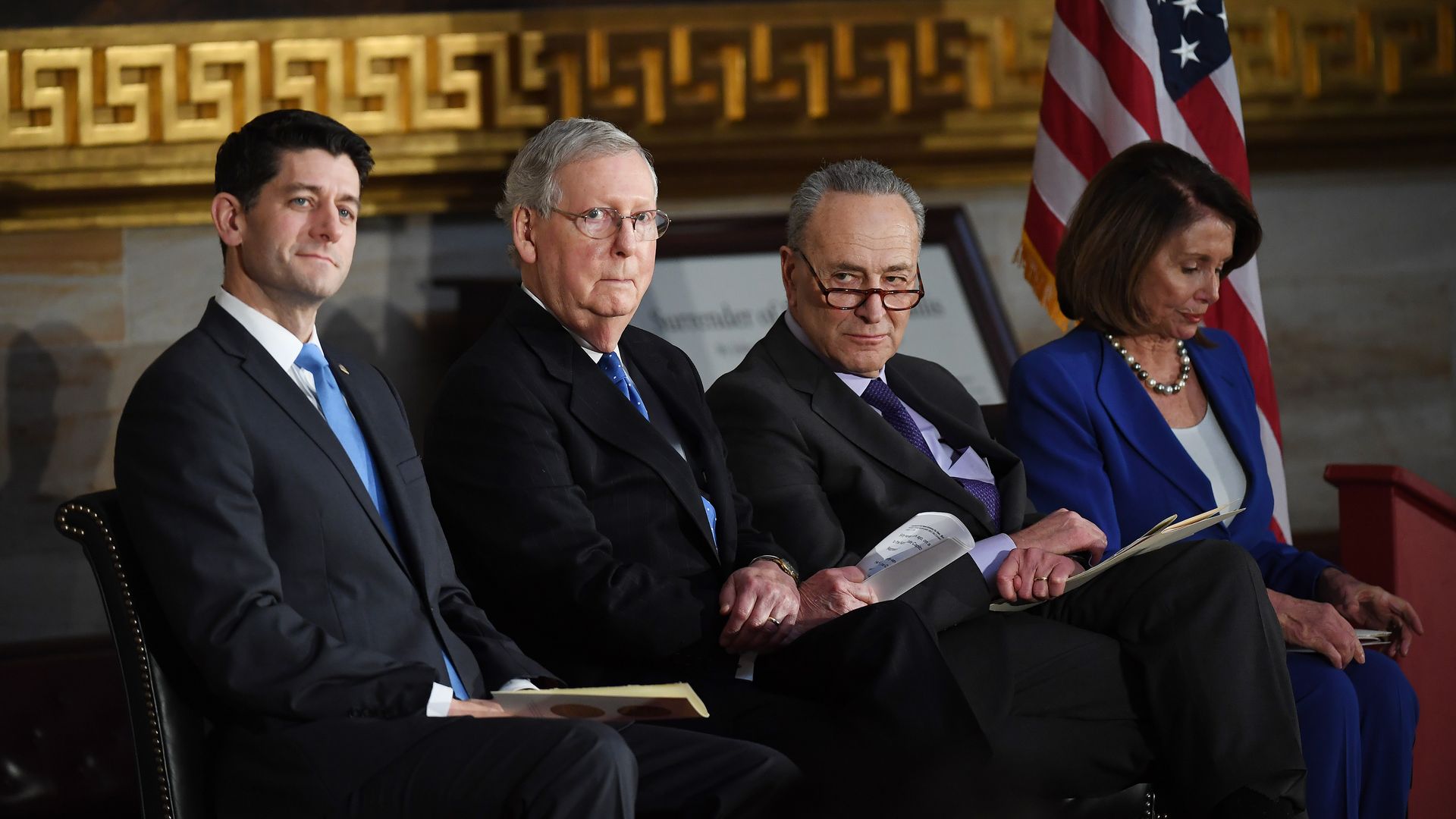
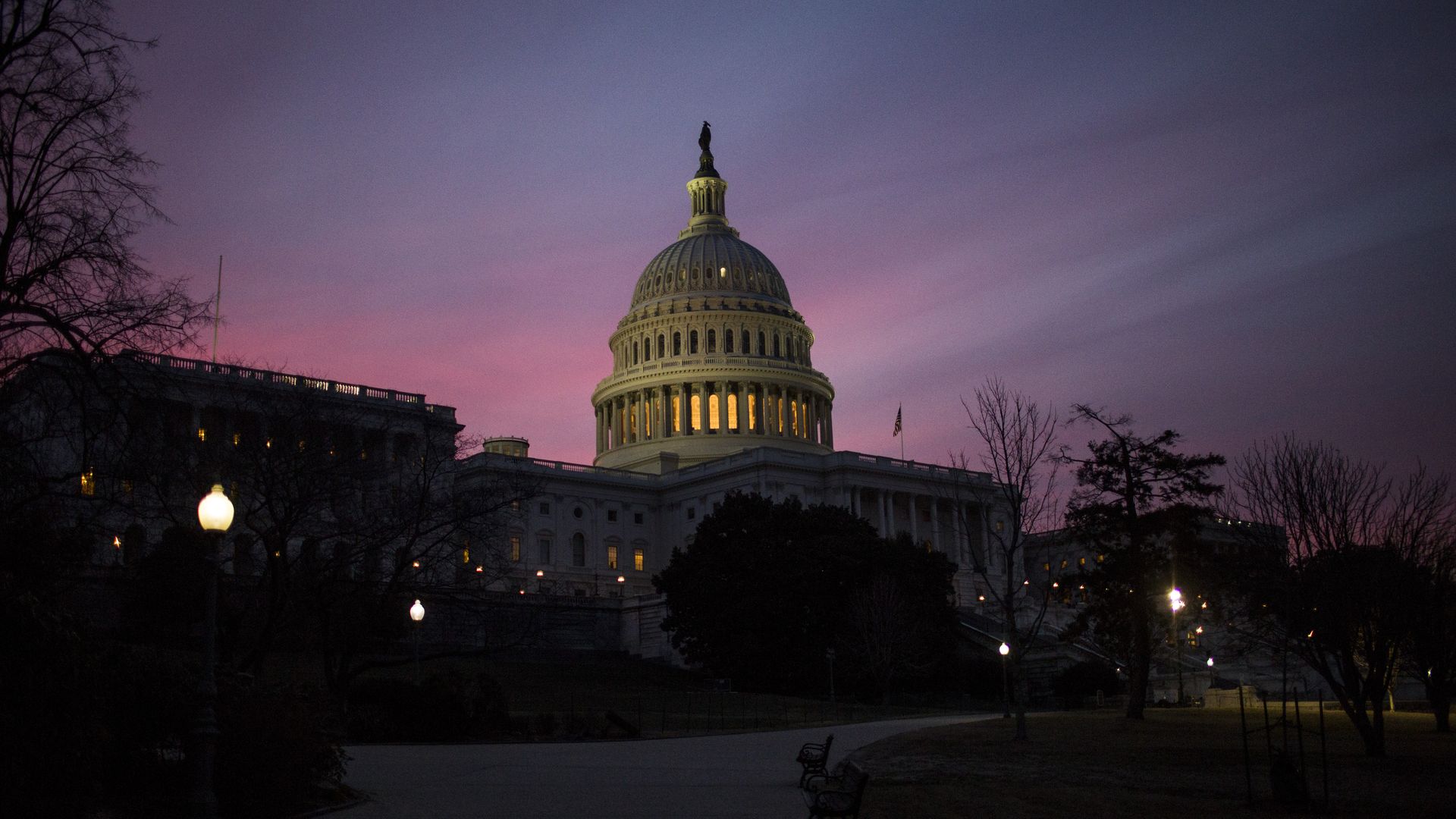
The House and Senate have released the $1.3 trillion spending bill to fund the federal government for the rest of the fiscal year. It includes increases for defense, homeland security, plus funding for infrastructure and opioid abuse treatment.
Mississippi Gov. Phil Bryant announced Wednesday that he would appoint Cindy Hyde-Smith as the replacement to retiring senator Thad Cochran, reports WashPost. Hyde-Smith currently serves as Mississippi's Commissioner of Agriculture and Commerce and will be the state's first female senator.
Although the White House issued nondisclosure agreements to senior staff members last year, they known by those in the West Wing to be unenforceable, per the NYT. The Times report states that White House counsel Don McGahn had the documents written up to pacify President Trump, who believed the documents would stave off leaks from his administration.
Why they didn't matter: Beyond the fact that the documents didn't have any penalties — early drafts, as reported this weekend by WaPo, contained a $10 million fine — ethics and legal experts told the Times that they would vastly overstep free speech protections under the First Amendment. Ian Bassin, associate White House counsel under President Obama, reached a similar conclusion, tweeting that "beyond classified material and federal ethics standards on confidential info, WH staff work for the public."
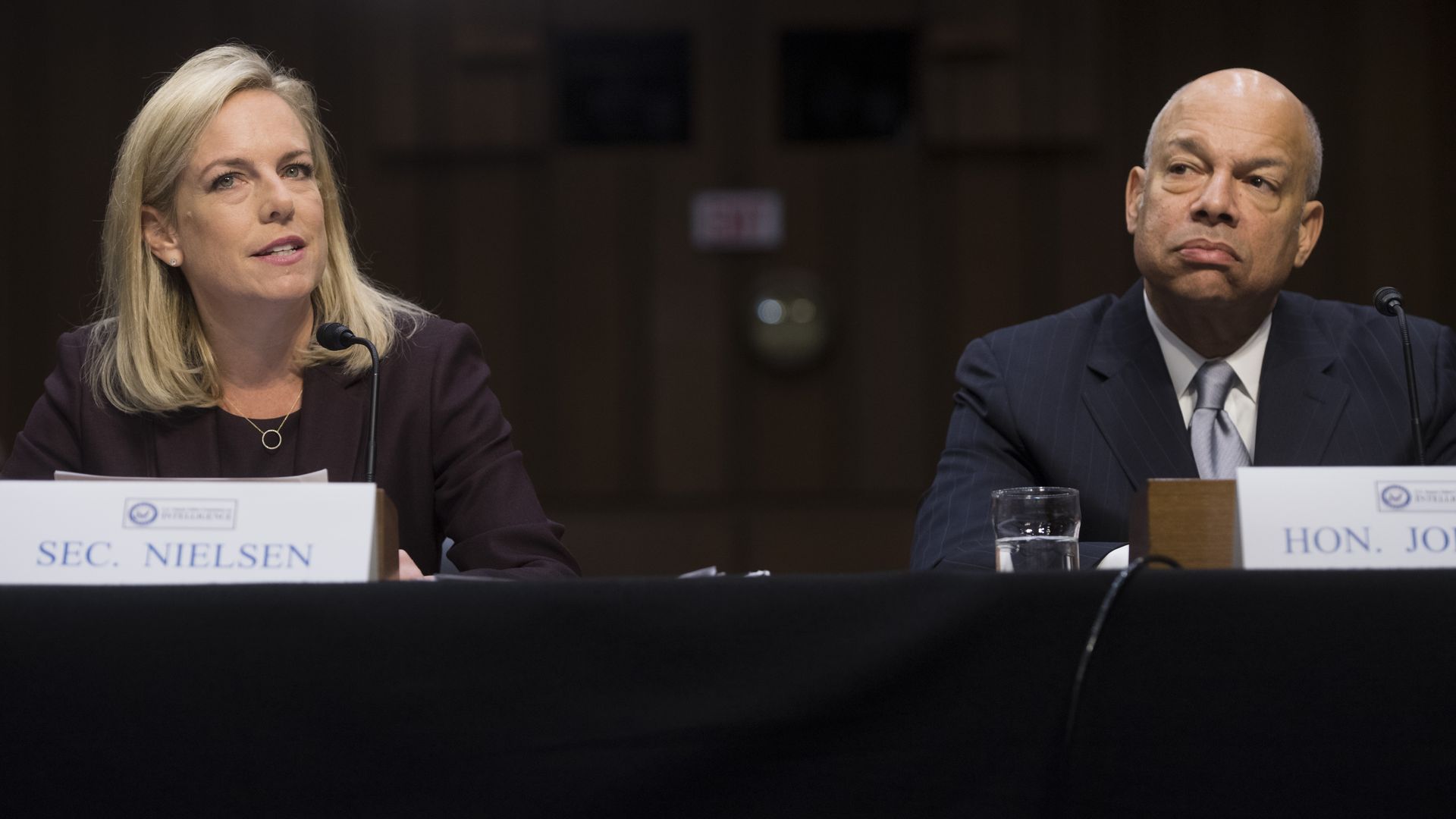
Homeland Security Secretary Kirstjen Nielsen told the Senate Intelligence Committee Wednesday that only about 20 of 150 state and local election officials have security clearances to obtain election security intel as they try to shore up vulnerabilities in light of Russia’s efforts to meddle in U.S. elections. Nielsen said DHS is sponsoring up to three election officials per state to obtain the necessary clearance.
Why it matters: As former Homeland Security Secretary Jeh Johnson told the committee Wednesday, "Given that our electoral college and our current politics, national elections are decided in a few precincts, in a few key swing states. The outcome therefore may dance on the head of a pin."The U.S. is in an election year, and several high-ranking intel leaders have told lawmakers that Russia is already showing signs it is meddling in this year's elections.
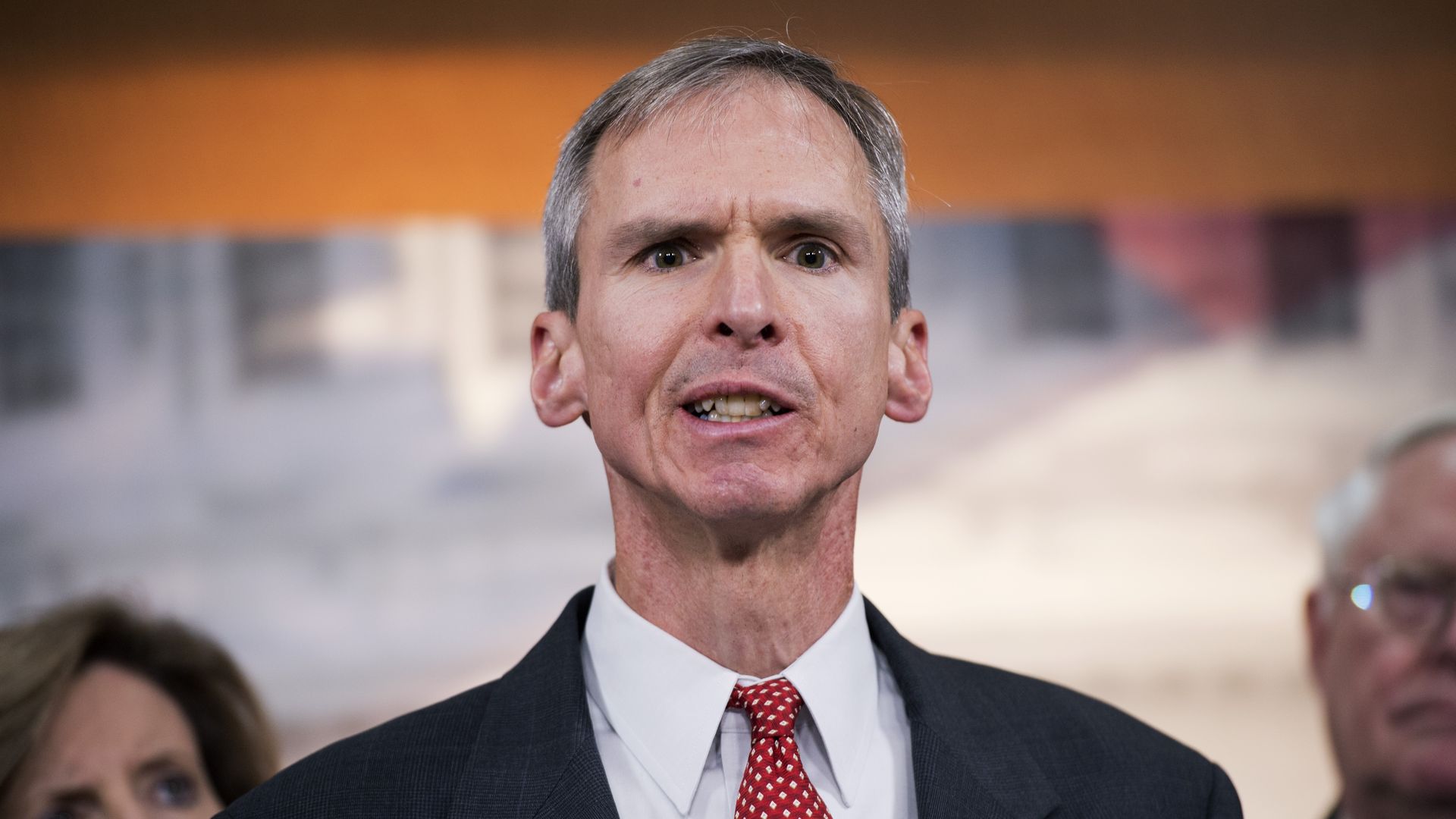
Rep. Dan Lipinski, a conservative-leaning Democrat, fended off a tough challenge by liberal newcomer Marie Newman in the Democratic primary for Illinois’ 3rd House district. His razor-thin 51%-49% win virtually assures that he will retain his seat in his traditionally Democratic district.
Why it matters: The race is indicative of the battle brewing between Democratic moderates and progressives during the primary season for 2018's midterm elections. It's the most serious challenge that Lipinski has faced in his seven terms in Congress.
One of the most startling leaks — and stunning revelations — of this whole administration has left President Trump and his senior staff furious and rattled. The Washington Post reports in its lead story: "Trump did not follow specific warnings from his national security advisers [yesterday] when he congratulated ... Putin on his reelection — including a section in his briefing materials in all-capital letters stating 'DO NOT CONGRATULATE.'"
Why it matters: The speed and sensitivity of the leak prompted immediate finger-pointing within the administration, as aides reeled from a leak that could only have come from a small group of people, each of whom is trusted with sensitive national secrets.
The Trump administration has threatened to cut back on employment-based immigration and end the DACA program. Meanwhile, the U.S.'s neighbors to the north and south are dueling to attract Silicon Valley's foreign talent who feel unwelcome under Trump.
Why it matters: Everyone wants a piece of Silicon Valley. With tech companies under increasing political and legal pressure to help their employees who could be targeted by changing immigration policies, Mexico and Canada's proximity to some U.S. tech hubs could pay off.