The budget agreement finally reached by Congress last Friday provides around $700 billion for national defense in fiscal years 2018 and 2019, an allocation in line with President Trump's 2019 budget request, released by the OMB this morning.
While stopped in Tokyo en route to the Pyeongchang Winter Olympics, Vice President Mike Pence signaled that the Trump administration plans to impose more sanctions on North Korea, further isolating Kim Jong-un’s regime “until it abandons its nuclear and ballistic missile programs once and for all.”
Why it matters: Last year in South Korea, Pence said, “The era of strategic patience is over.” But anyone who has worked on North Korea understands one thing: Patience is essential. Notwithstanding the president’s talk of “fire and fury,” strategic patience is his current policy. The vice president’s latest pronouncements say as much.
The White House has officially released the highly-anticipated infrastructure plan, which its architects say will turn $200 billion of direct federal funds into $1.5 trillion of new investment.
Why it matters: Trump has promised an infrastructure overhaul since the early days of his campaign. Axios detailed on Sunday that the infrastructure plan appears to be dead on arrival because of larger problems facing the party. However, with this plan, the president benefits from following through on a promise that Americans on both sides of the aisle have asked for.
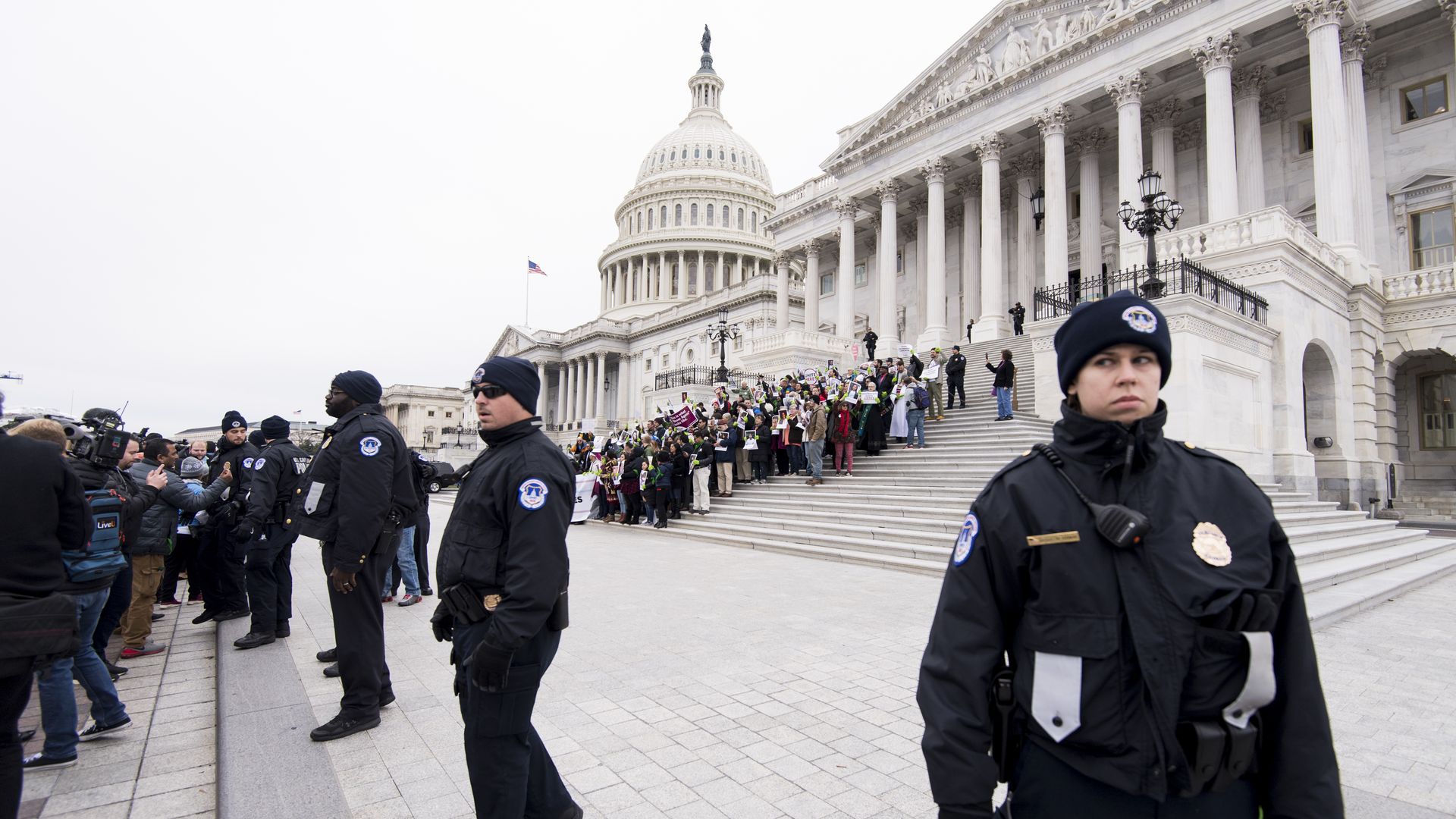
Senators gathered today to officially kick off the immigration debate in the upper chamber, which could last weeks and go any number of different ways.
Between the lines: The Senate hasn't functioned this way in a long time, and it's unclear whether the two parties will be able to create any kind of consensus product addressing a number of extremely political issues. Action is likely to be centered on a handful of topics that have been at the heart of recent attempts at a DACA solution.
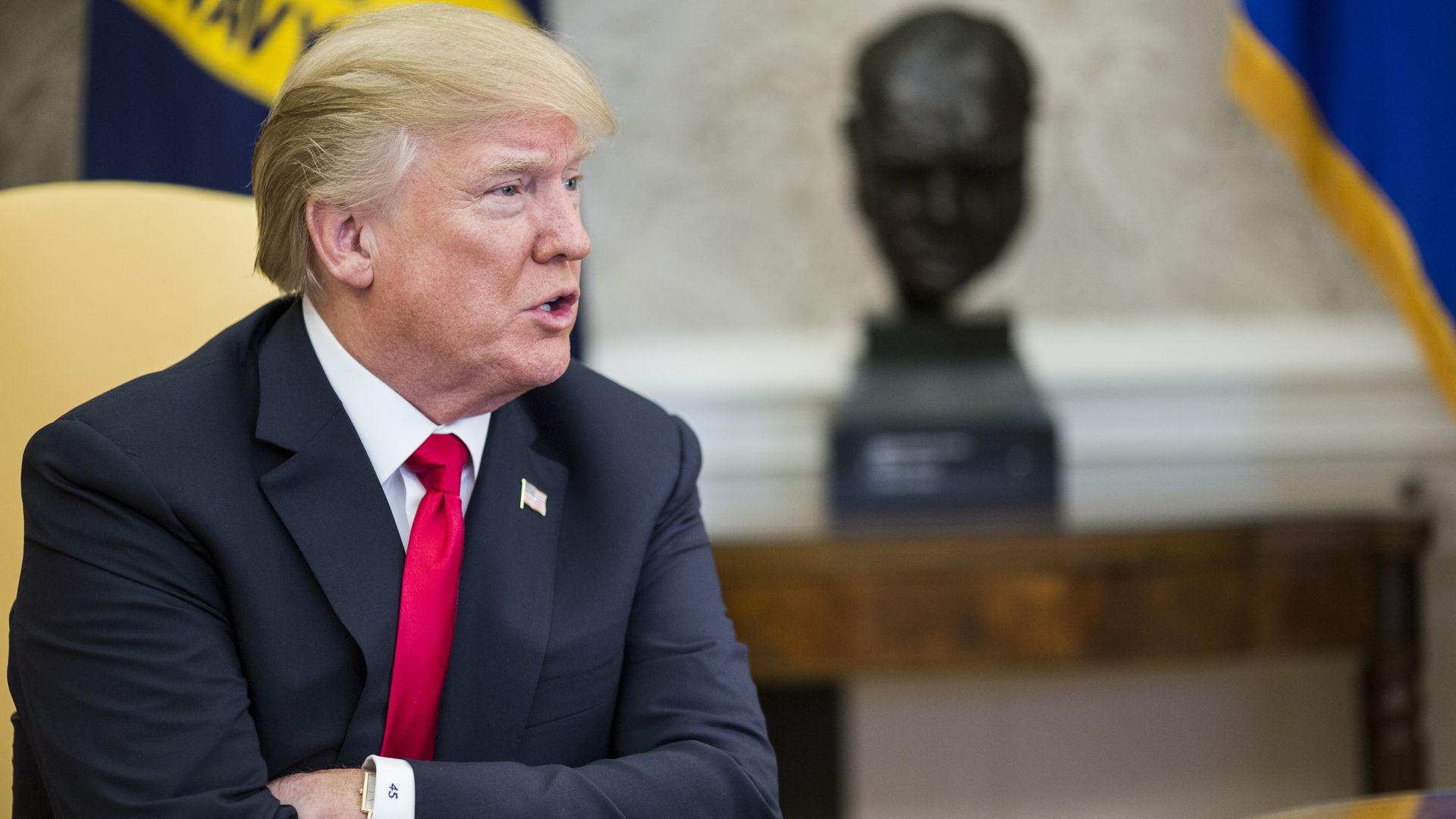
President Trump touted his newly-released $1.5 trillion, 10-year infrastructure plan at a White House meeting with state and local officials on Monday saying, "Now let's see how badly you want it. Because if you want it badly, you're going to get it."
The president also commented on nuclear strategy explaining, "Frankly we have to [build out our nuclear arsenal] because others are doing it. If they stop, we'll stop. But they're not stopping, so if they're not going to stop, we're going to be so far ahead of everybody else in nuclear like you've never seen before. I hope they stop. If they do, we'll stop in two minutes."
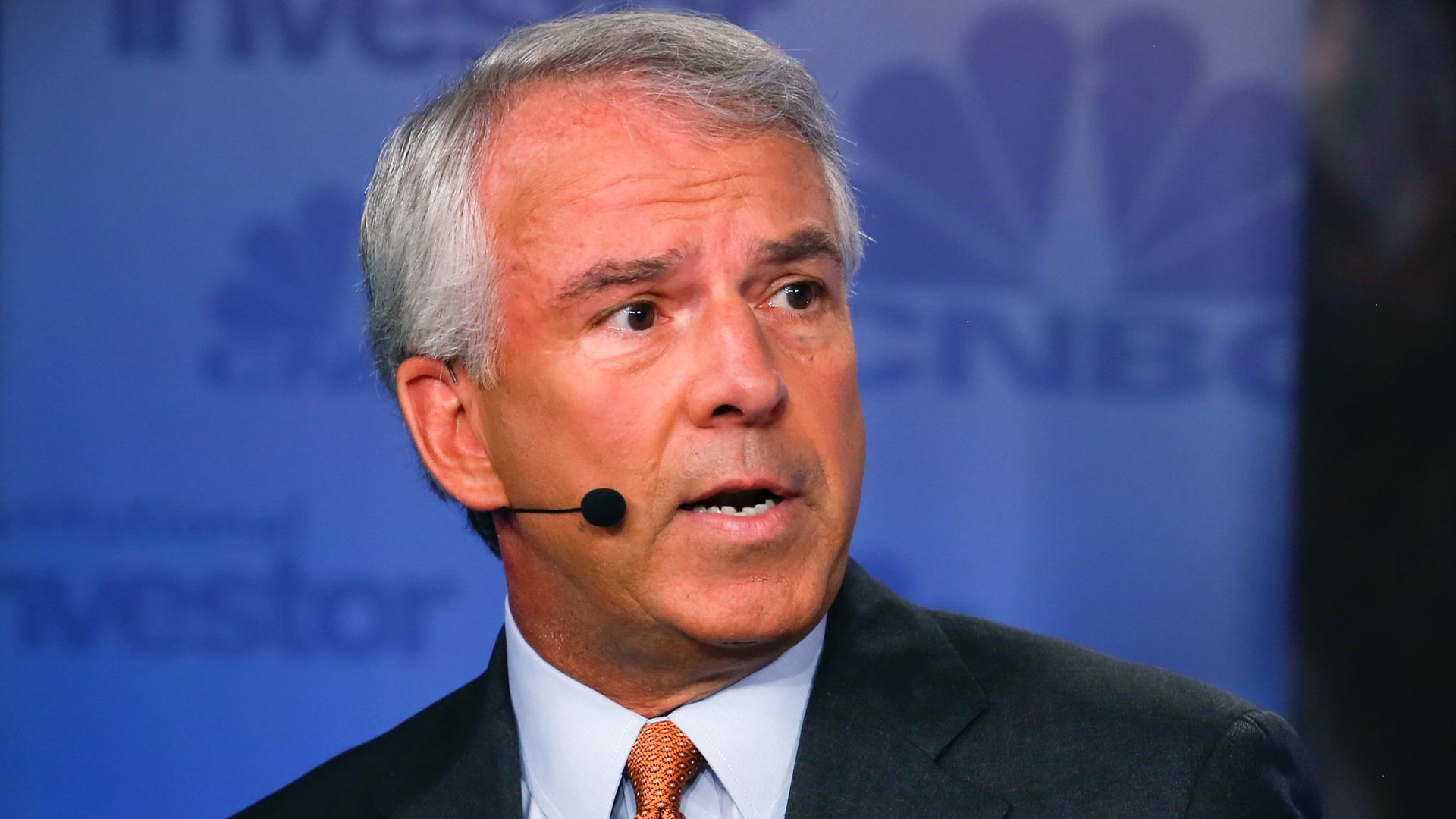
Bob Hugin, former CEO of pharmaceutical company Celgene, will run as a Republican in New Jersey's U.S. Senate race this November, Bloomberg reports. If he wins his party's primary, he will square off against Democratic incumbent Bob Menendez.
The bottom line: Hugin told me last month at the J.P. Morgan Healthcare Conference that he was seriously considering a run. But Hugin likely will have to answer major questions about his past at Celgene, a company that has made it a habit of levying large price hikes on its drugs.
President Trump today will unveil a $1.5 trillion infrastructure plan that his own aides don't think will pass, and a $4 trillion budget that reads like "science fiction."
It's the strangest of year-ahead plans for a party that controls the White House and both chambers of Congress: Top Republicans see Job 1 for this year as promoting the tax cut they passed last year.
Seven Republican senators released an immigration bill Sunday that largely mirrors a controversial proposal President Trump recently unveiled, which is expected to be debated on the floor this week, reports CNN.
Why it matters: Democrats and some Republicans have criticized many provisions in Trump’s proposal, including a plan to limit legal immigration by family members of citizens (or "chain migration"), ending the diversity visa lottery program, and providing a 10- to 12-year path to citizenship to DACA recipients in exchange for $25 billion to build a border wall.
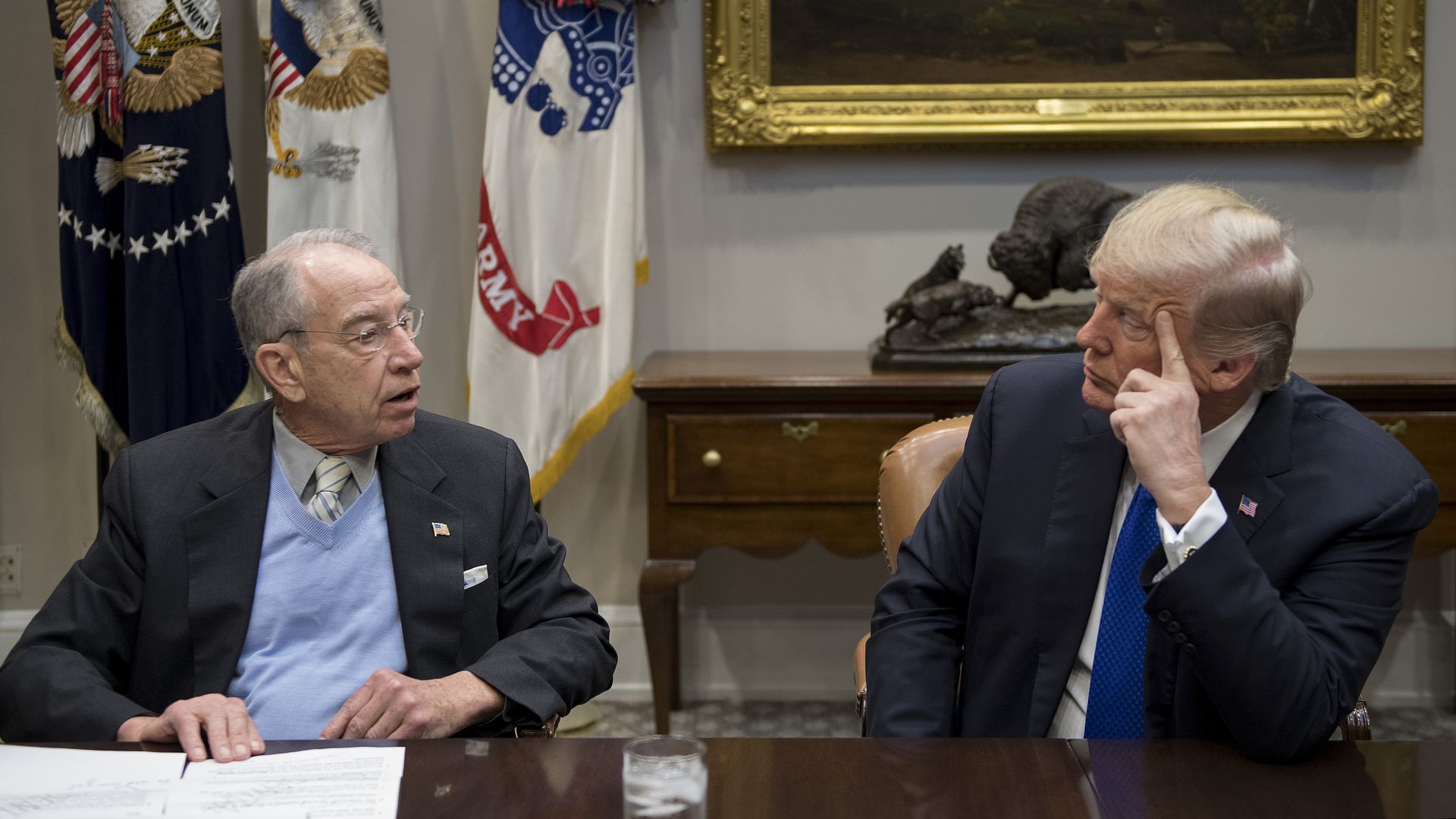
I checked in with Chuck Grassley, the powerful Senate Judiciary Chairman, who's been twisting arms for his (and Dick Durbin's) Sentencing Reform and Corrections Act .
Why it matters: Grassley-Durbin is the most ambitious bipartisan criminal justice reform bill out there. On Thursday, the Judiciary Committee will vote on it. Little known fact:20 senators are co-sponsors.
The Senate will do something highly unusual on Monday.
In the words of a senior Senate aide, Mitch McConnell will effectively tell his colleagues: "Listen boys and girls, you all have lots of different ideas about what should be done on immigration. So put your big boy and big girl pants on, and put your ideas on the floor for a vote. Do your best; try to get to 60 votes to pass a bill."
The Trump administration is considering turning the International Space Station into a private enterprise, The Washington Post reports, citing an internal NASA document it has obtained. The document also says the White House plans to stop providing government funding for the orbiting laboratory after 2024.
What we're hearing: Bob Jacobs, a senior NASA spokesperson, didn't deny the report when contacted by Axios. He said it cannot be confirmed ahead of the White House budget release on Monday.
White House counselor Kellyanne Conway told ABC's This Week that President Trump asked her to emphasize on the Sunday shows that he has full confidence in Chief of Staff John Kelly. Trump has confidence in his communications director, Hope Hicks, too, she said.
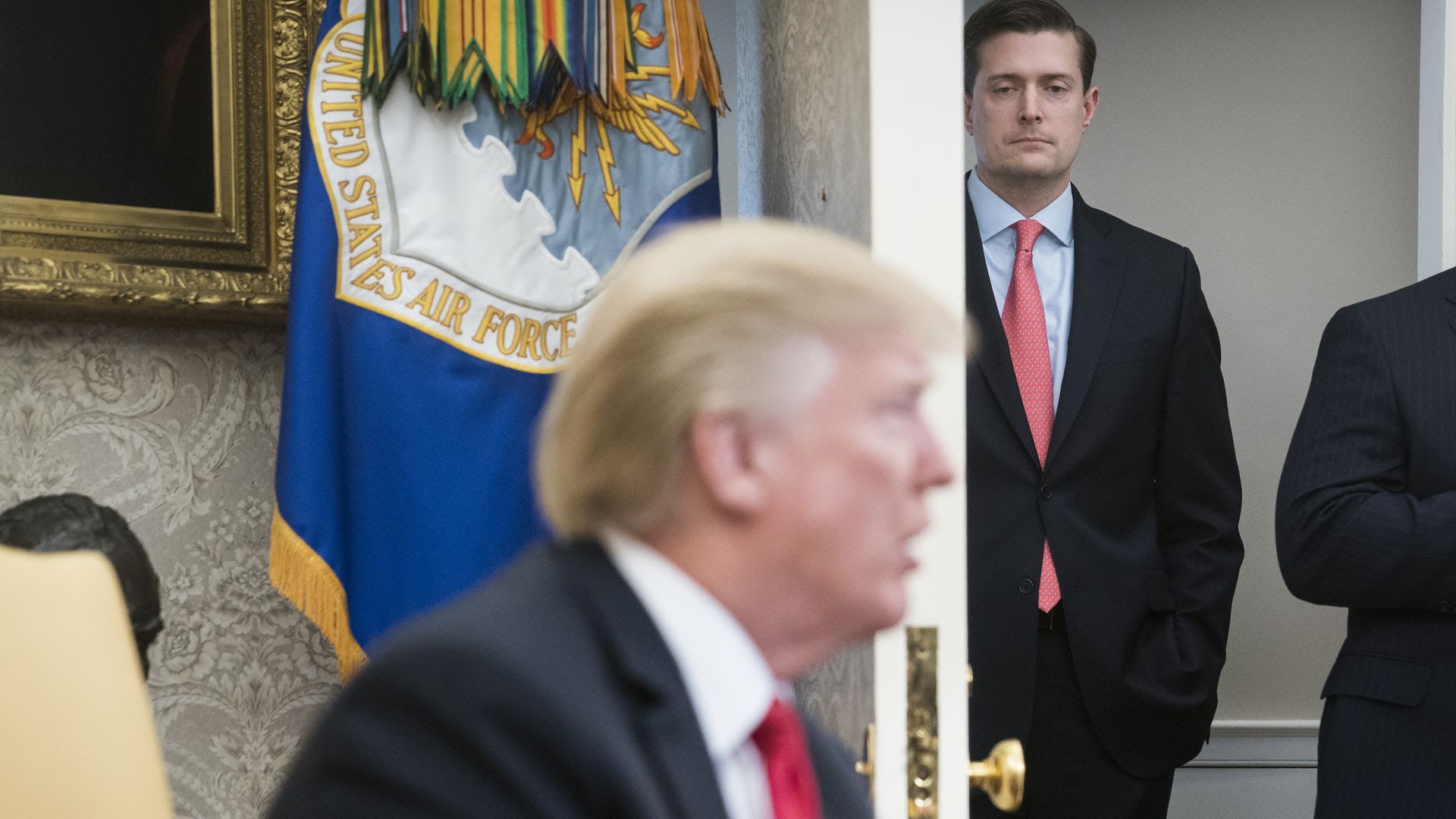
The backdrop: There have been reports that Kelly could lose his job over the controversy surrounding staff secretary Rob Porter's exit from the White House. Kelly defended Porter after allegations of domestic violence and Hicks, who had been dating Porter, wrote the White House statement about the aide's resignation.
"Nixon fired the man investigating him. Will Trump? ... Bob Woodward and Carl Bernstein look back on the [1973] Saturday Night Massacre," adapted from their 1976 book, "The Final Days" — Lead of WashPost Outlook section:
"We’re here again. A powerful and determined president is squaring off against an independent investigator operating inside the Justice Department."
"As the Senate prepares to begin a free-wheeling debate over immigration next week, White House officials have begun floating a possible compromise idea — a pledge to maintain legal immigration at current levels, about 1.1 million people a year, for more than a decade," the L.A. Times' Brian Bennett reports on A1:
"[A] White House official said [yesterday] that the Trump administration is working with allies in the Senate on a proposal that would create a path to citizenship for an estimated 1.8 million people who were brought to the country illegally as children, and that would clear the backlog of nearly 4 million sponsored relatives who currently are waiting for green cards."