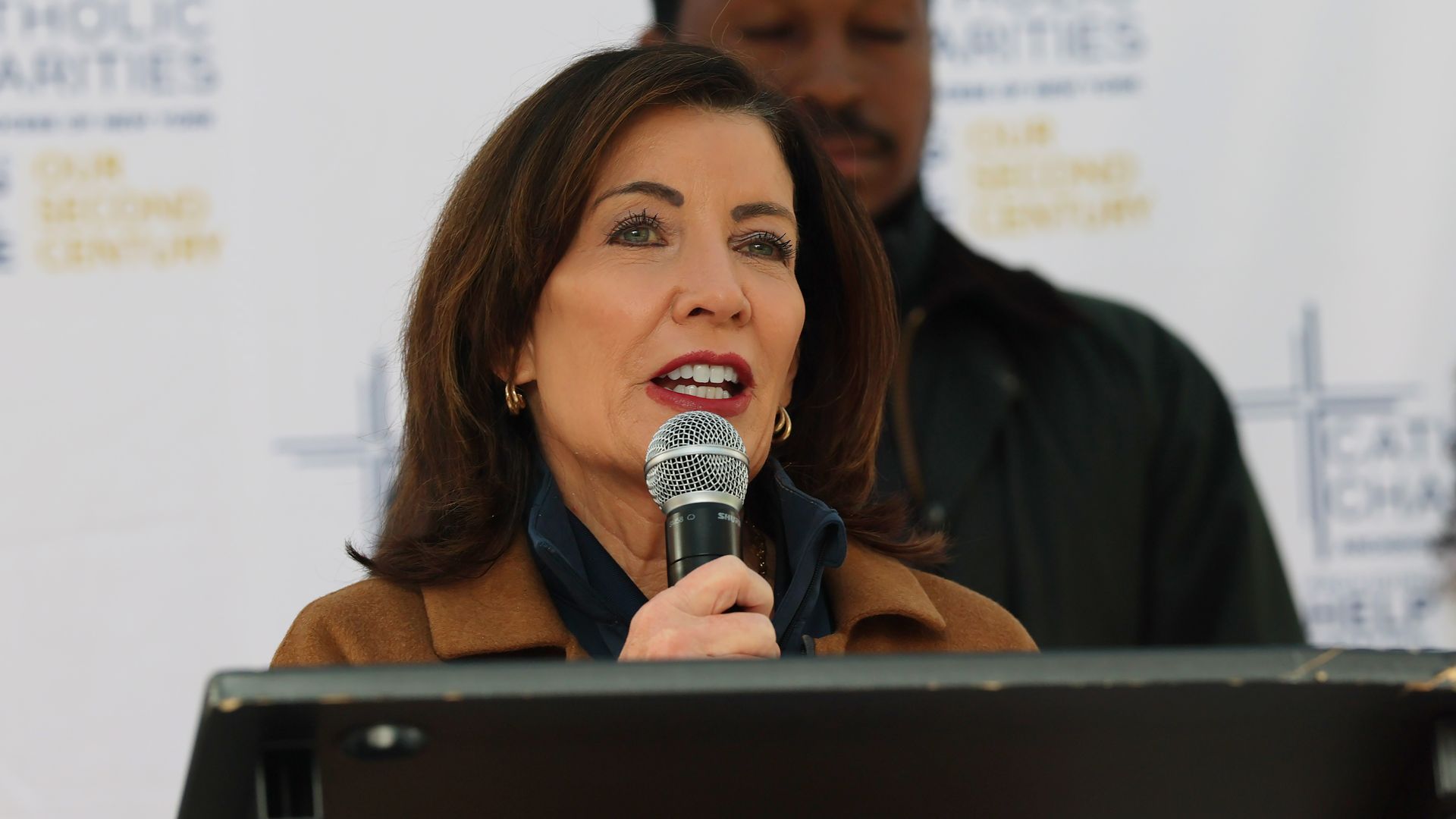
Democratic leaders and officials are calling out the Trump administration for threatening to freeze billions of dollars in funding for child care and assistance for the poor.
Why it matters: The livelihoods of millions of families and the health of an already fragile child care system are at stake, officials and advocates say, while the Trump administration says it is merely shoring up the integrity of the system.
The administration is moving to create new rules and restrictions around federal child care funding, claiming that there's widespread fraud.
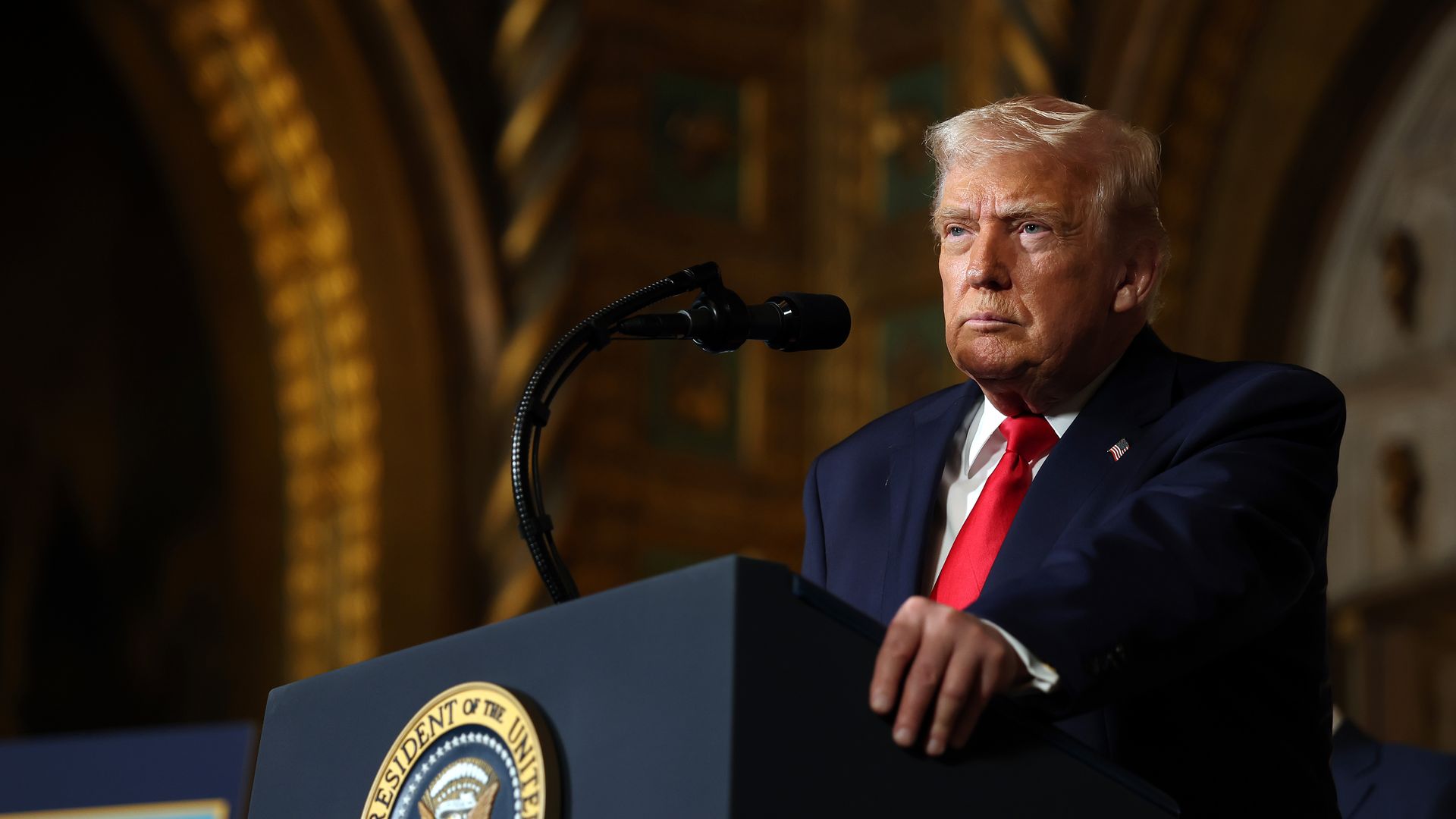
President Trump on Tuesday urged House Republicans to be "flexible" on the Hyde Amendment — the 50-year-old policy barring federal funding for most abortions — as GOP leaders search for a deal to lower health insurance costs before the midterms.
The big picture: Trump's comments signal a notable softening on a long-held Republican policy as party leaders worry about voter backlash over rising Affordable Care Act premiums during an election year.
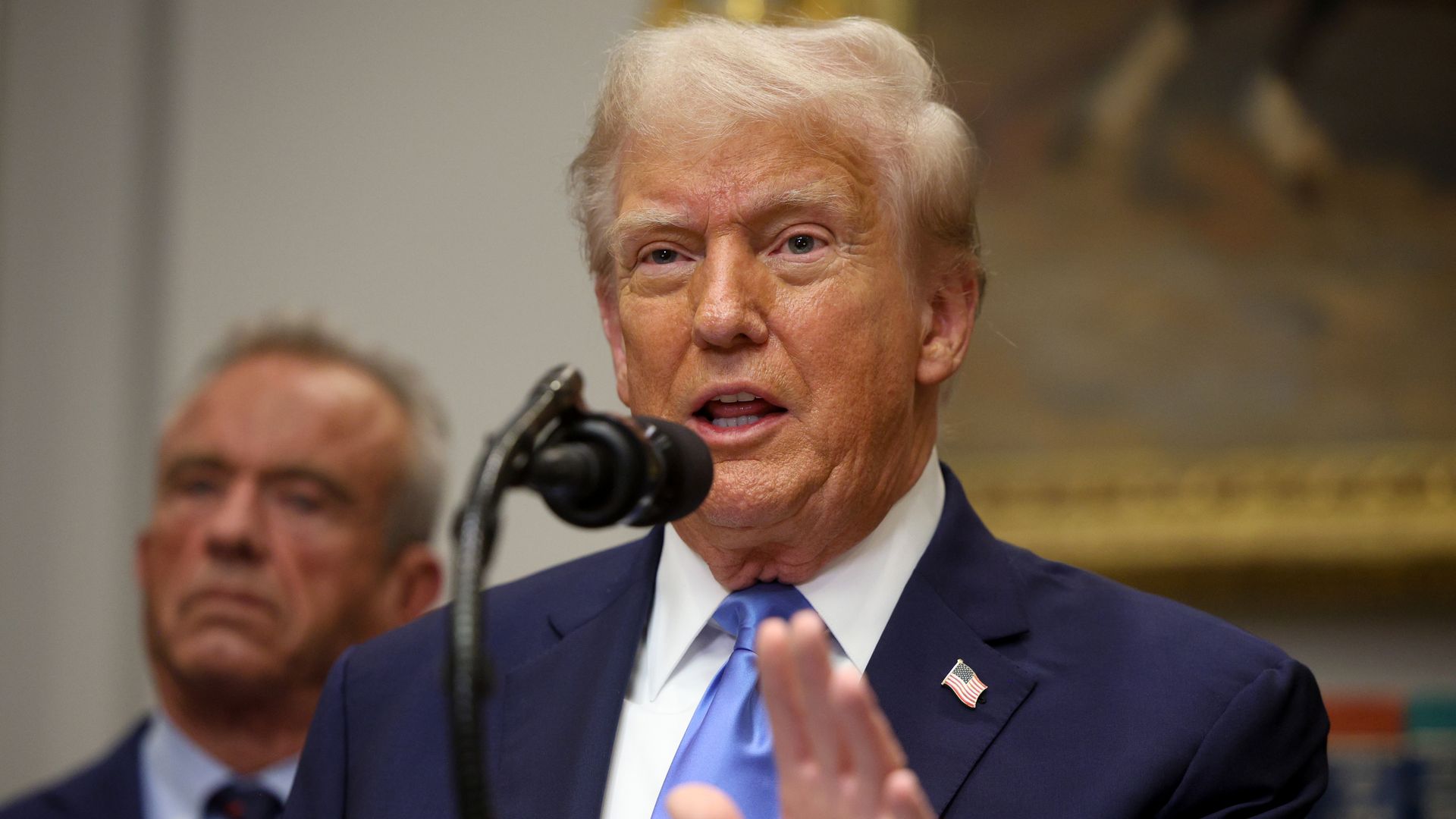
The Trump administration dramatically narrowed the childhood vaccine schedule this week and aligned immunizations more closely with Denmark's recommendations — a move months in the making.
Why it matters: Though the U.S. is looking to adapt Denmark's playbook against childhood infectious diseases, it might not translate to a nation with almost 60 times more people and vastly different public health policies.
The Trump administration made good on its vows to upend childhood vaccinations just days into the new year, ensuring that public health will be a prominent midterm campaign issue.
Why it matters: The slimmed-down vaccine schedule resembling Denmark's suggests that the administration is undaunted by public support for childhood vaccines — or by warnings about the return of preventable diseases.
The popular McRib sandwich that pops up periodically on McDonald's menu is at the center of a new federal class action lawsuit filed in Illinois.
Why it matters: The global fast food giant continues to lean into "value and affordability" as inflation worries grow, but customers feeling misled could put both of those selling points at risk.
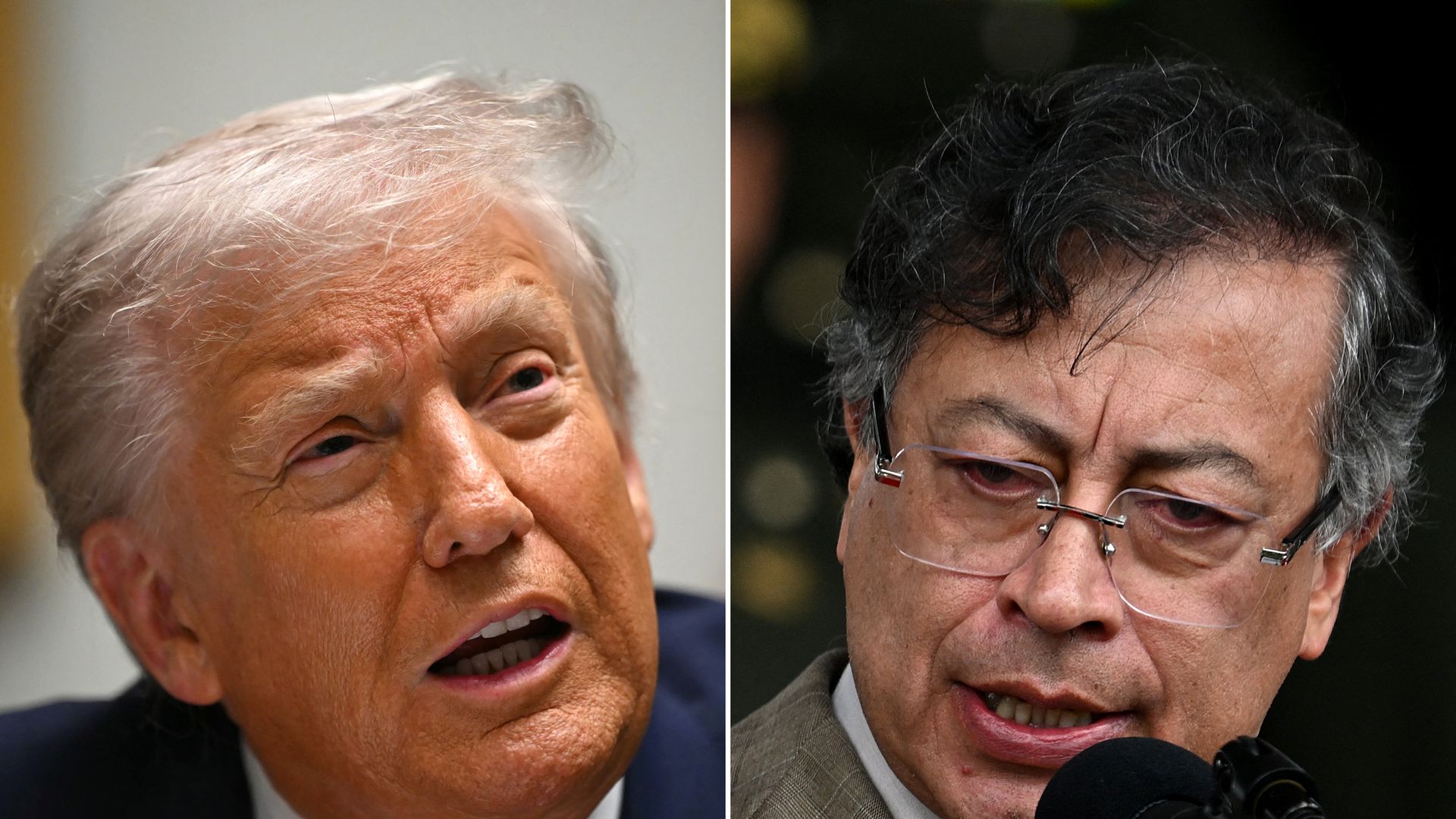
After the U.S. operation to capture Venezuelan leader Nicolás Maduro, tensions between President Trump and Colombian President Gustavo Petro are boiling over.
Why it matters: What Trump has called a "successful" attack on Venezuela could embolden his administration to pursue a military actios in Colombia against the country's alleged drug facilities — or its leadership.
The Trump administration on Monday dramatically overhauled the federal childhood vaccination schedule, cutting the number of recommended shots to 11to align with what it called "consensus among peer nations."
Why it matters: It's a major public health gamble that assumes children's health won't be endangered by slashing the number of shots the government recommends for all kids by more than a third since before President Trump re-entered office.
Biologic drugs consist of some of the most advanced, lifesaving treatments in modern medicine. In the next decade more than 100 of these biologics will lose patent protection. But only 10% have biosimilar versions — lower-cost and clinically highly similar drugs — in development.
An example: Humira is a biologic injection treating autoimmune conditions like arthritis, while Cyltezo is one of several biosimilar counterparts, highly similar, but at a lower-cost.
This shortfall creates a "biosimilar void" that negatively impacts patients, the healthcare system, and innovation.
States will no longer be required to report how many children and pregnant women covered by Medicaid are immunized, the Trump administration wrote in a letter to state officials.
Why it matters: The move could significantly decrease visibility into nationwide vaccination rates, since Medicaid and the related Children's Health Insurance Program cover almost half of U.S. kids and 41% of births.
If 2025 delivered shock waves to public health and federal health programs, this year promises more chaos as providers, payers, consumers and policymakers deal with the repercussions.
Why it matters: The sweeping changes to Medicaid and the Affordable Care Act, the upending of the vaccine system, and new ways people purchase drugs foreshadow the most significant changes to health markets since the passage of Obamacare.