Biosimilars, the healthcare hero in danger
A message from: Association for Accessible Medicines
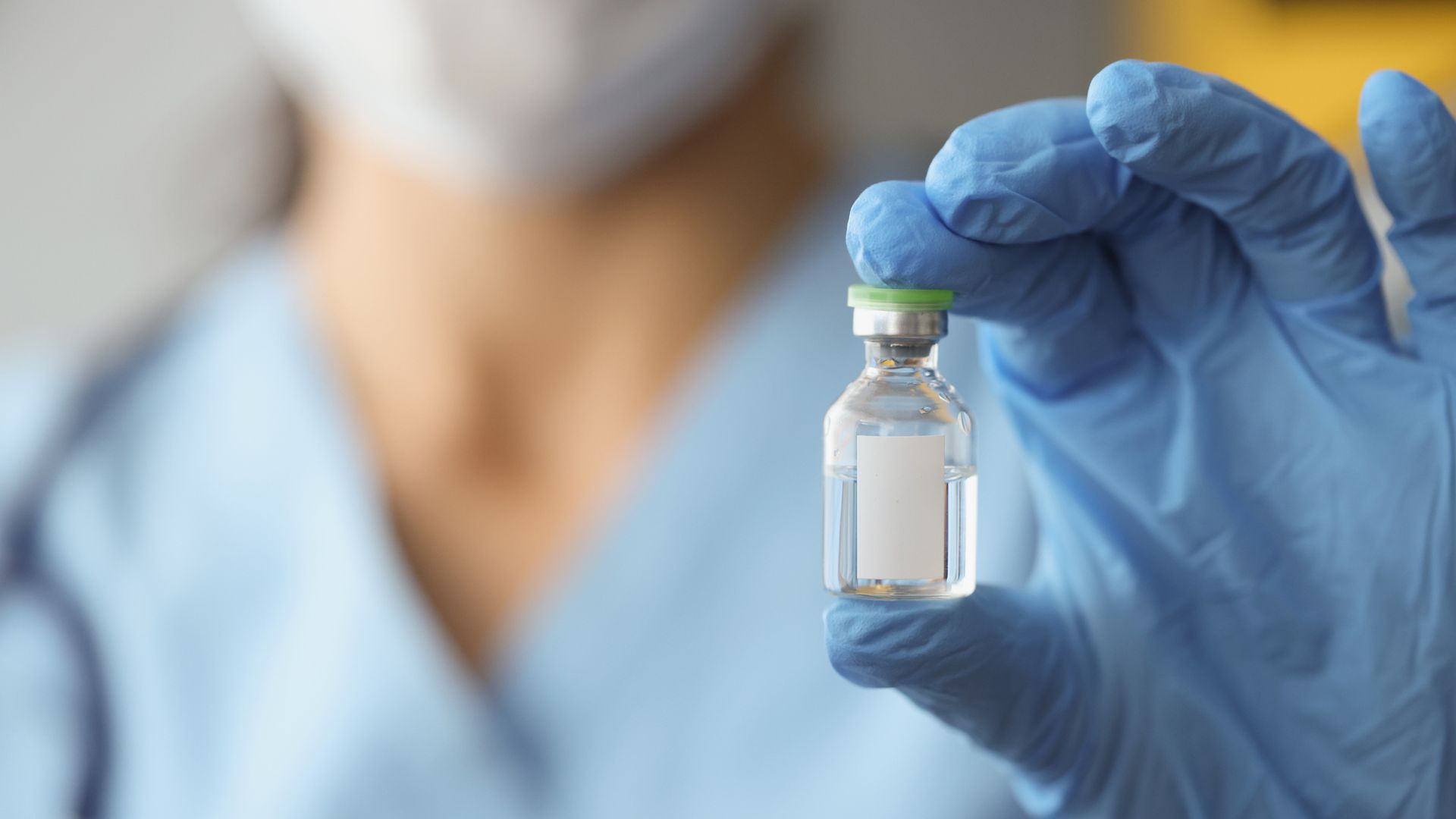
Biologic drugs consist of some of the most advanced, lifesaving treatments in modern medicine. In the next decade more than 100 of these biologics will lose patent protection. But only 10% have biosimilar versions — lower-cost and clinically highly similar drugs — in development.
- An example: Humira is a biologic injection treating autoimmune conditions like arthritis, while Cyltezo is one of several biosimilar counterparts, highly similar, but at a lower-cost.
This shortfall creates a "biosimilar void" that negatively impacts patients, the healthcare system, and innovation.
Why it's important: Since the first biosimilar launched in 2015, these drugs have saved the U.S. $56.2 billion.
- Despite this, in 2024, the U.S. spent approximately $14,885 per person on healthcare while continuing to lag peers in life expectancy, preventable deaths, and cost.
Key number: If every biologic losing patent protection in the next 10 years had a biosimilar competitor, the U.S. healthcare system could save $189 billion.
Biosimilar competition brings down costs through:
- Lower prices: Biosimilars typically cost 15–35% less than the biologic, pushing competitors to lower prices in turn.
- Increased access: Lower costs increase the number of patients who can access these medicines.
- Systemwide savings: Biologics account for billions in annual spending, meaning small price cuts can translate into tens of billions in healthcare savings.
- Encouraging innovation: Biosimilars break up monopolies and redirect resources toward developing new medicines.
Inside the void
Aside from high manufacturing and development costs — typically $100-$300 million — the barriers holding back biosimilar development aren't random. They're built by pharmaceutical companies that make competition the exception, not the rule.
📉 Market barriers:
- Patent thickets: Biologic drug manufacturers purposefully layer secondary patents, resulting in time and resource consuming patent litigation.
- Rebate games: Branded drug companies, in coordination with pharmacy benefit managers (PBMs) and insurers, use pervasive tactics to favor higher-priced originals because they generate larger rebates — despite ultimately costing patients and the system more.
- Limited incentives: Providers are reimbursed based on a drug's average sales price, which can make cheaper biosimilars less attractive to prescribe, despite being more beneficial to the overall healthcare system.
🗳️ Regulatory barriers:
- Outdated requirements: Requirements such as phase III clinical efficacy studies are scientifically unnecessary to support biosimilar approval.
- IRA uncertainty: The Inflation Reduction Act puts biosimilars at a disadvantage as Medicare price negotiations on brand drugs could shrink biosimilar market potential overnight.
🔬Clinical barriers:
- Complex biologics: Many expiring biologics are antibody-drug conjugates, bispecific antibodies and cell/gene therapies which are all more complex, making them costly and technically challenging to replicate.
- Orphan drugs: 64% of biologics losing patents are for rare diseases, meaning they have smaller patient pools with more challenging and costly development.
👀 Perception barriers:
- Misinformation: Due to brand misinformation, patients and physicians are sometimes ill-informed and/or unfamiliar with biosimilar medicines — slowing prescriptions and uptake.
The impact: Together, these factors create a perfect storm as 118 biologics lose patent protection — threatening the sustainability of the biosimilar market and leaving a void in its place.
Closing the gap
Okay, but: There is still time to secure the biosimilar market and the savings it delivers, by focusing on the following:
- Streamlining regulation: Biosimilar approvals still require large, expensive trials and have additional arbitrary hurdles. Deeming biosimilars interchangeable upon approval and waiving unnecessary phase III clinical efficacy studies would make these treatments more accessible.
- Creating stronger market incentives: Implementing PBM reform that requires bidding based on net effective cost can encourage providers to use biosimilars over brand name drugs.
- Bolstering industry collaboration: Encouraging stakeholders to work together can strengthen supply chains and lower costs — paving the way for more biosimilar options. Additionally, emphasizing education for patients and providers on the efficacy and safety of biosimilars can reduce misinformation.
The takeaway: The biosimilar void is a looming reality — a result of policies, pricing systems and branded drug company strategies favoring exclusivity over accessibility. Fixing it will require coordinated action across regulators, industry leaders and providers to protect patients and unlock billions in healthcare savings.