A strain of bird flu not previously detected in humans claimed the life of a person in Mexico, the World Health Organization said Wednesday.
Why it matters: It was the first confirmed human case of a strain of bird flu known as H5N2, which differs from the variety driving cases in U.S. cattle.
The number of drug shortages aren't just at an all-time high — they're also reportedly lasting longer.
What they found: By the end of 2023, the average drug shortage lasted for over three years, up from about two years in 2020, according to a new report from U.S. Pharmacopeia.
Just over half of new shortages were among generic sterile injectables, which are more complex to manufacture.
Products with low prices had higher risk of shortage. Product discontinuations increased from 100 in 2022 to 140 last year, which the standards-setting organization said suggests tighter margins are forcing drugmakers to bow out.
Health insurers are investing hundreds of millions of dollars into building new affordable housing units.
Why it matters: The housing affordability crisis is a major health care concern, since housing instability is tied to poorer health. Insurers say their investments will translate to healthier communities, which would also mean less costly enrollees.
A Food and Drug Administration advisory panel on Tuesday overwhelmingly recommended against using the drug ecstasy combined with psychotherapy to treat PTSD, possibly derailing what would be the first psychedelic drug approval in the U.S.
Why it matters: While there's a growing effort to use hallucinogenic substances as behavioral health treatments, regulators are grappling with how to judge their safety and effectiveness, and there's a high risk formisuse.
The parent company of a research and breeding facility based in Virginia was fined more than $35 million on Monday in relation to the mistreatment of thousands of dogs.
Why it matters: The largest ever fine in an Animal Welfare Act case follows the 2022 mass rescue mission of about 4,000 beagles.
Illumina on Tuesday said its board has approved plans to spin off Grail, the early cancer screening company it founded, spun off, and then reacquired for $8 billion over the objections of antitrust regulators in both the U.S. and Europe.
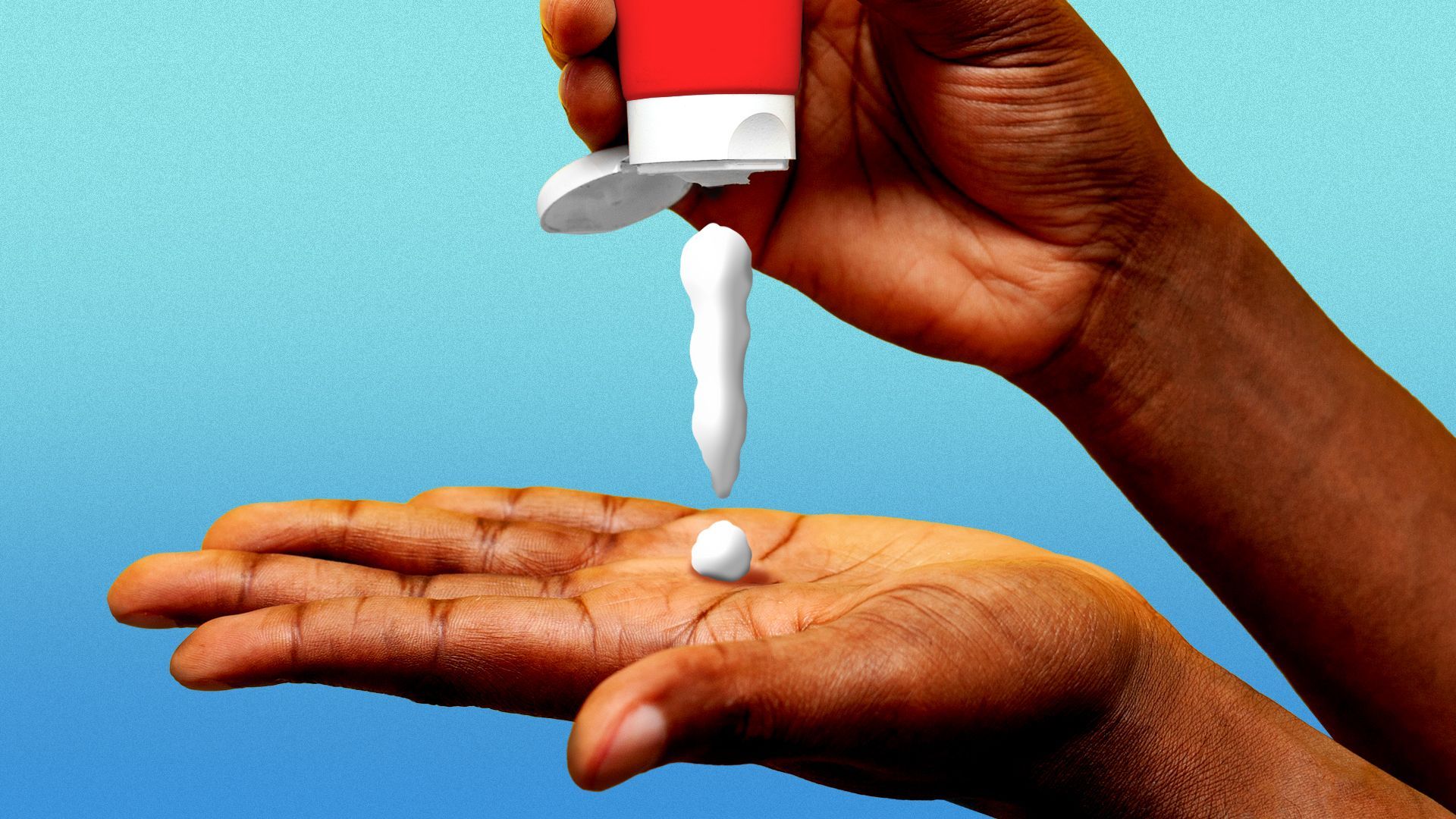
Why it matters: This saga is a stark warning to other companies that may seek to close deals before securing antitrust approval, via a faulty "toothpaste out of the tube" strategy.
Increased attention to patients' spiritual needs would improve U.S. public health, researchers argue in a new Health Affairs article.
Why it matters: A growing body of scientific evidence shows that spiritual beliefs and practices positively affect health, but patients' spiritual needs are still under-addressed in clinical settings, a group of Harvard-affiliated researchers say.
The evidence of new obesity and diabetes drugs' smashing success can now be seen in grocery store aisles.
Why it matters: Food giants are rolling out new and reformulated products appealing to the changing appetites of the fast-growing number of people prescribed drugs like Novo Nordisk's Ozempic and Wegovy — and experts say this could shift American diets more broadly.
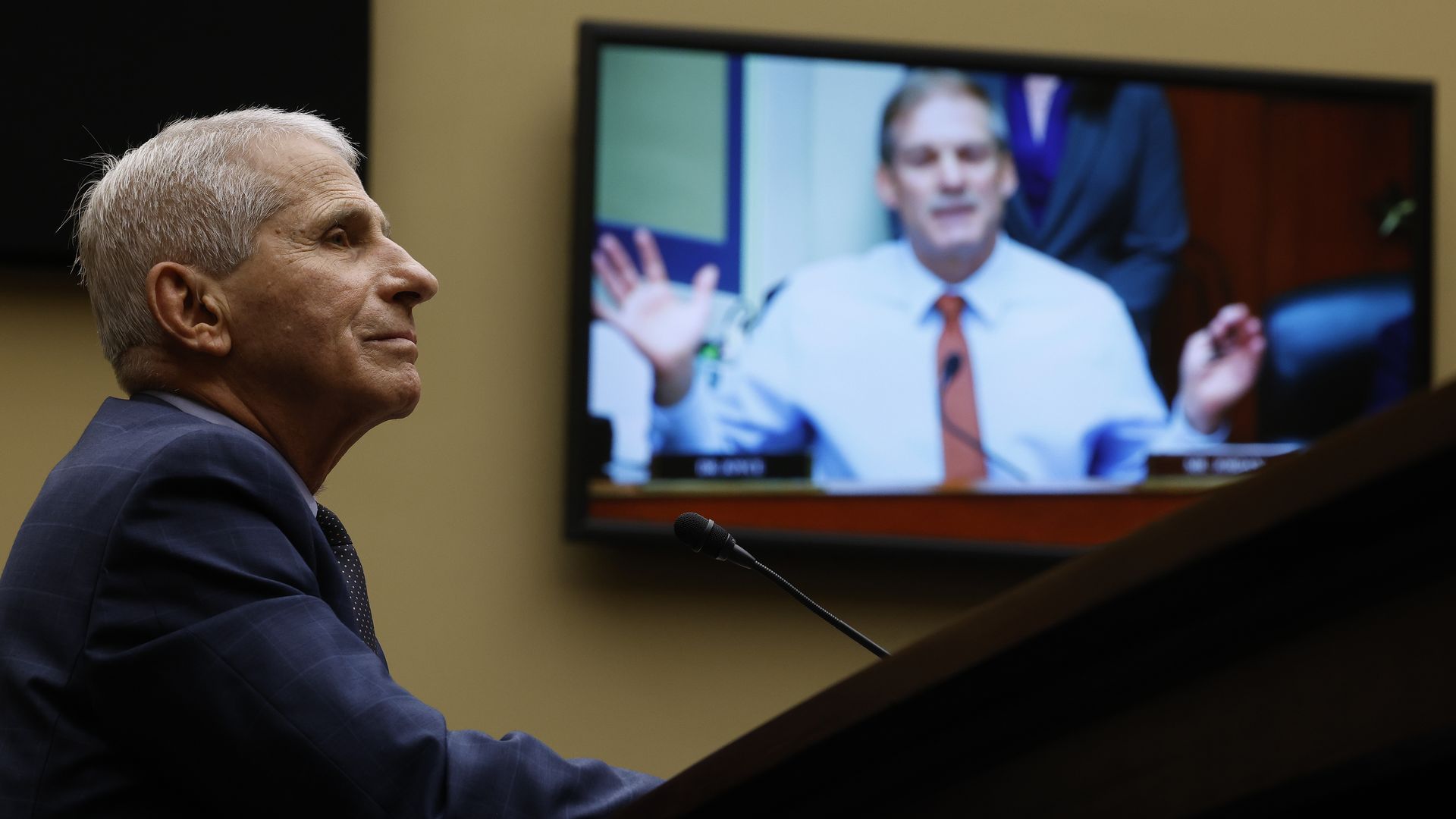
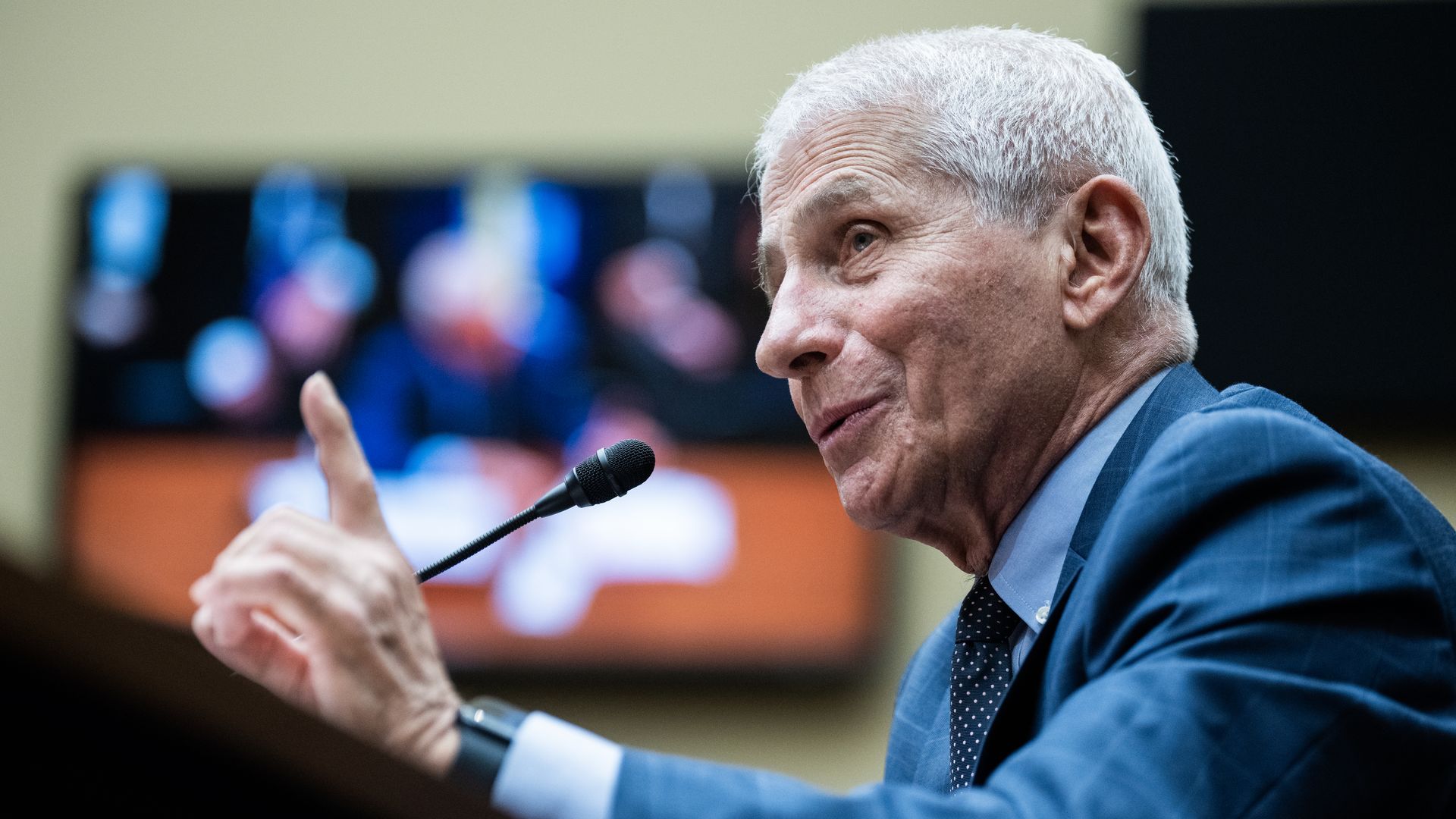
Anthony Fauci's return to Capitol Hill on Monday combined the attention-grabbing partisan infighting of the COVID era with recent, more intense bipartisan scrutiny of the National Institutes of Health, where he presided for a half-century.
Why it matters: Fauci faced sharp questioning about the disclosure that one of his top aides used a personal email address to avoid government oversight and renewed questions about whether NIH-funded research somehow gave rise to the virus.
Anthony Fauci said death threats spike against him when conservatives publicly criticize his COVID pandemic response — singling out Fox News and Rep. Marjorie Taylor Greene (R-Ga.), with whom he clashed during testimony on Capitol Hill Monday.
Why it matters: The former director of the National Institute of Allergy and Infectious Diseases and chief medical adviser to President Biden appeared emotional as he told a Republican-led House panel that the repeated threats he and his family have faced since the pandemic began were "very troublesome."
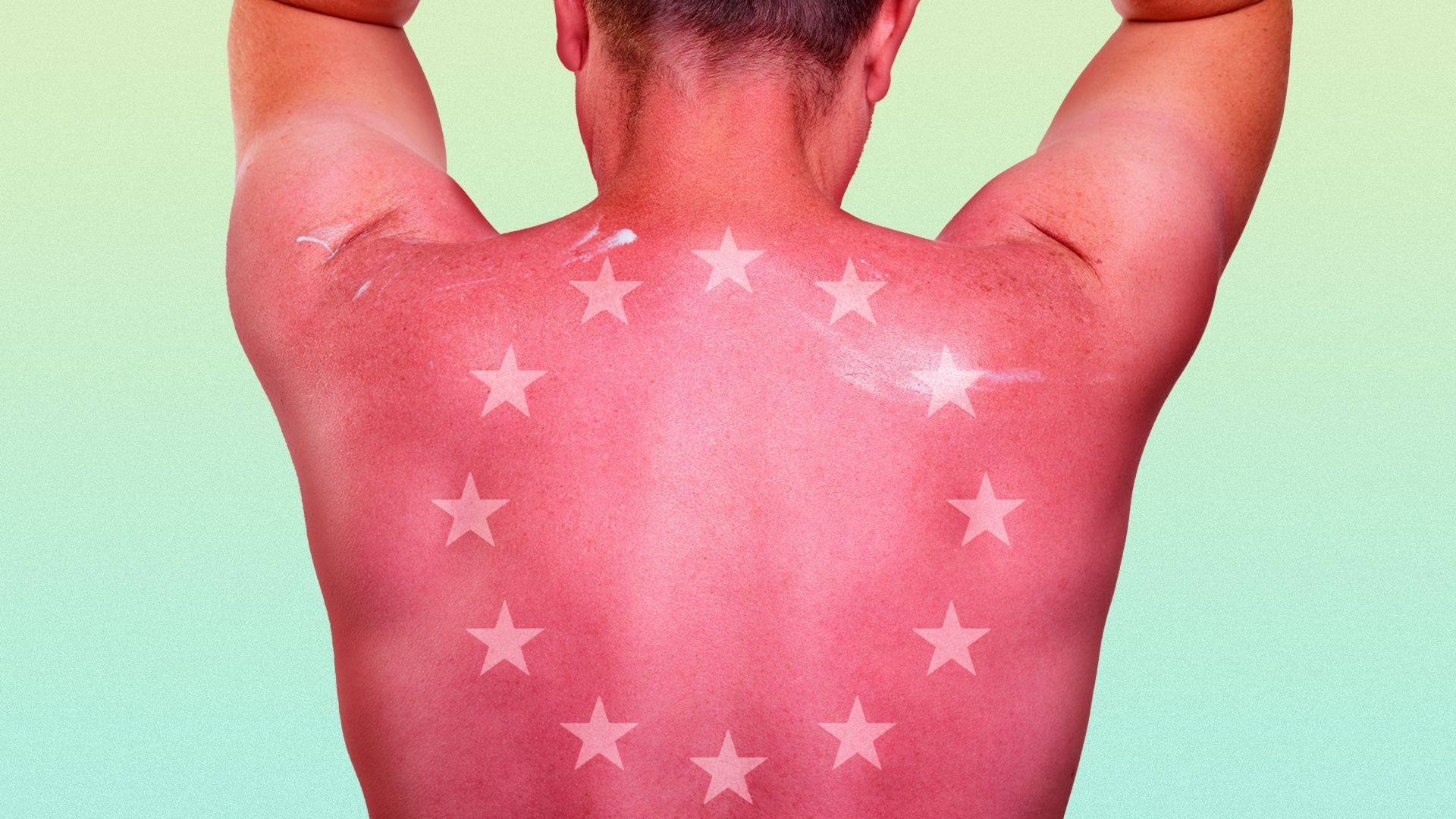
Using sunscreen is recommended — but answering the "What ingredients are safe?" question could send you down an internet black hole.
The big picture: "People on social media are saying, 'I don't need sunscreen,' which is not correct because there's very strong science that the sun is causing problems from skin cancer to sunburn to wrinkles," says Henry Lim, dermatologist at Henry Ford Health in Detroit and former president of the American Academy of Dermatology.