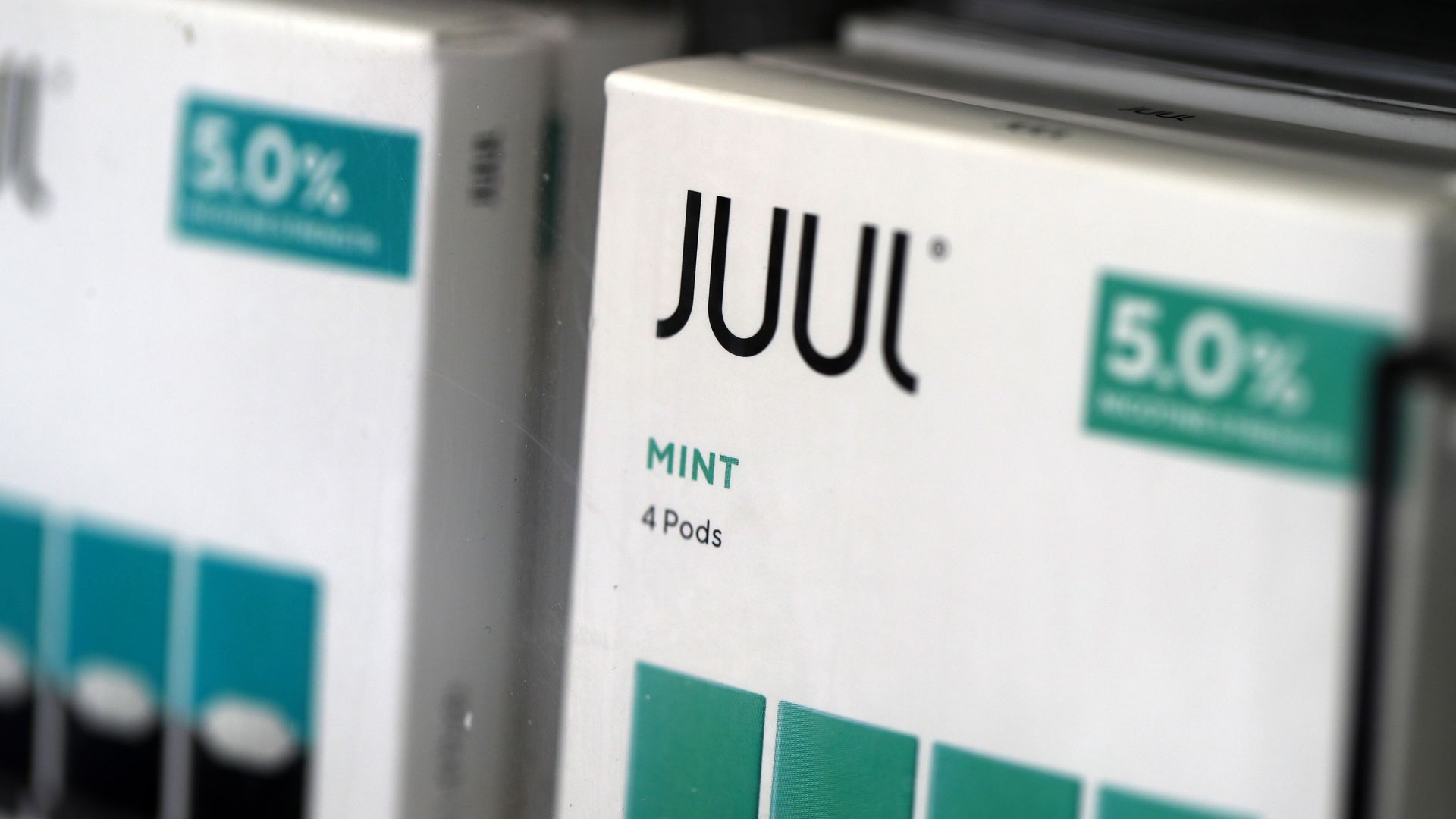
The Food and Drug Administration rescinded a marketing ban on Juul e-cigarettes, saying Thursday that it is reviewing new case law and weighing updated information from the company.
Why it matters: While the FDA said the action didn't amount to authorizing the products for sale, it indicates the agency is reviewing them and that federal clearance is possible.
A Medicaid experiment supporting comprehensive and crisis mental health care at community clinics is expanding to 10 new states.
Why it matters: The initiative provides sustainable funding to help clinics that serve low-income patients provide mental health and substance use treatment.
Two-thirds of Americans see climate change as a threat to human health, and most are bracing for a summer of extreme weather they expect will be as bad as or worse than last year, according to the latest Axios-Ipsos American Health Index.
The big picture: There's a perception that the record heat, wildfires, floods and other extreme weather events that played out vividly across screens last summer is a new baseline, though sentiment varies by age and political affiliation.
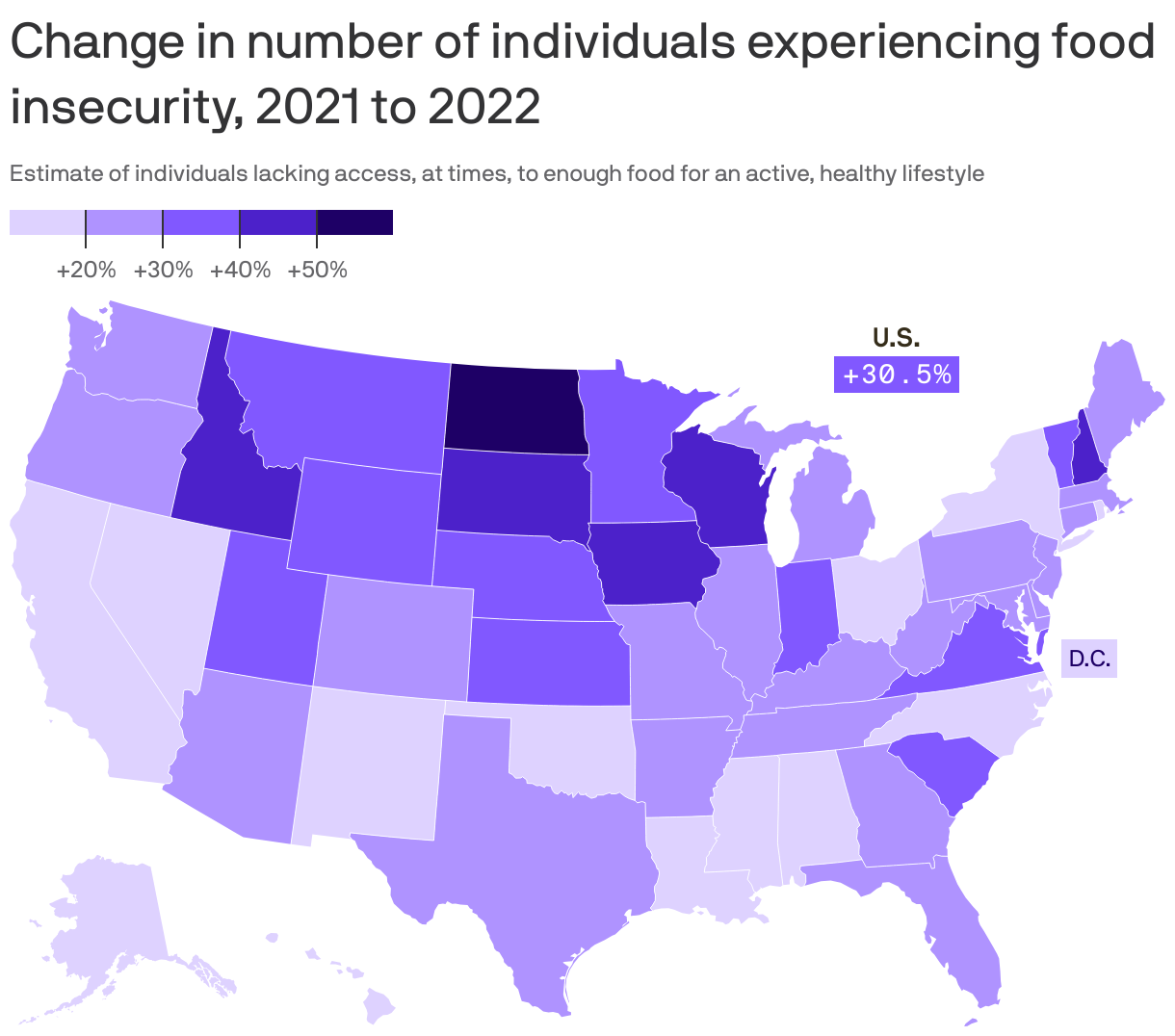
Food insecurity is worsening the most drastically in the Midwest, where the number of food-insecure people increased by over 40% in several states from 2021 to 2022, a new report finds.
Why it matters: The national rate of food insecurity is about 13% across all counties — but some areas are struggling with hunger to a much more severe degree.
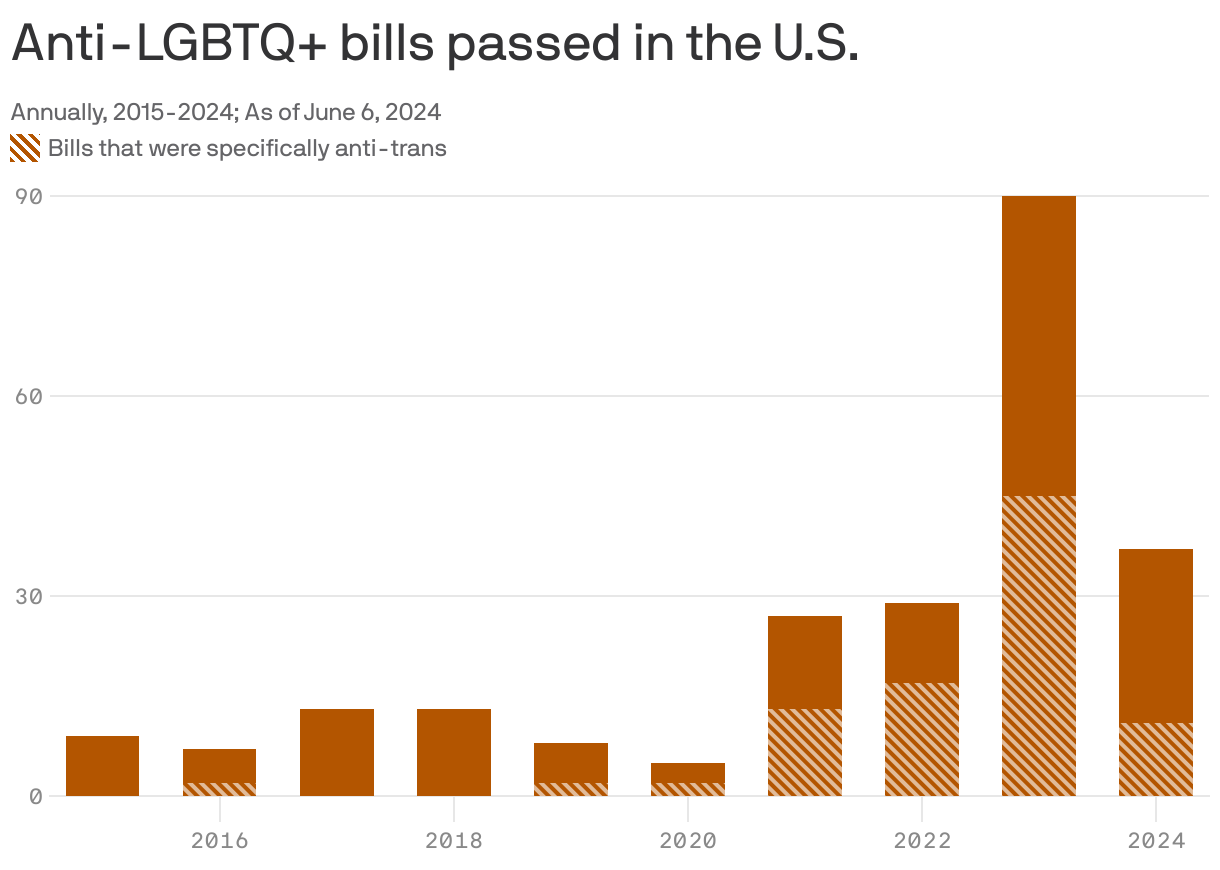
Anti-LGBTQ+ legislation faced headwind in this year's legislative sessions following a boom last year, per data analysis from the Human Rights Campaign shared exclusively with Axios.
The big picture: About 500 anti-LGBTQ+ bills were proposed in both 2023 and 2024 — but significantly fewer passed this year.
A strain of bird flu not previously detected in humans claimed the life of a person in Mexico, the World Health Organization said Wednesday.
Why it matters: It was the first confirmed human case of a strain of bird flu known as H5N2, which differs from the variety driving cases in U.S. cattle.
The number of drug shortages aren't just at an all-time high — they're also reportedly lasting longer.
What they found: By the end of 2023, the average drug shortage lasted for over three years, up from about two years in 2020, according to a new report from U.S. Pharmacopeia.
Just over half of new shortages were among generic sterile injectables, which are more complex to manufacture.
Products with low prices had higher risk of shortage. Product discontinuations increased from 100 in 2022 to 140 last year, which the standards-setting organization said suggests tighter margins are forcing drugmakers to bow out.
Health insurers are investing hundreds of millions of dollars into building new affordable housing units.
Why it matters: The housing affordability crisis is a major health care concern, since housing instability is tied to poorer health. Insurers say their investments will translate to healthier communities, which would also mean less costly enrollees.