A new dashboard aims to make it easier to look up breast cancer deaths, insurance coverage disparities, COVID vulnerabilities and other health data by congressional district.
Why it matters: The tool, launched today by NYU Grossman School of Medicine and the Robert Wood Johnson Foundation, connects data from sources such as the National Vital Statistics System and the American Community Survey to individual lawmakers' home turf.
An FDA advisory panel meeting tomorrow could start a reset of how the U.S. approaches its COVID-19 vaccine strategy.
Driving the news: The agency has sent signs they want to move from the on-the-fly response that's, at times, left the public confused to an annual vaccination schedule that more closely mirrors flu vaccines.
Fertility technology startups are in the midst of a funding frenzy, reaching more than $800 million in 2022 as demand for fertility services continues to climb.
Why it matters: Increasing demand is not being met with increasing access, and so tech-forward companies strive to fill the gap.
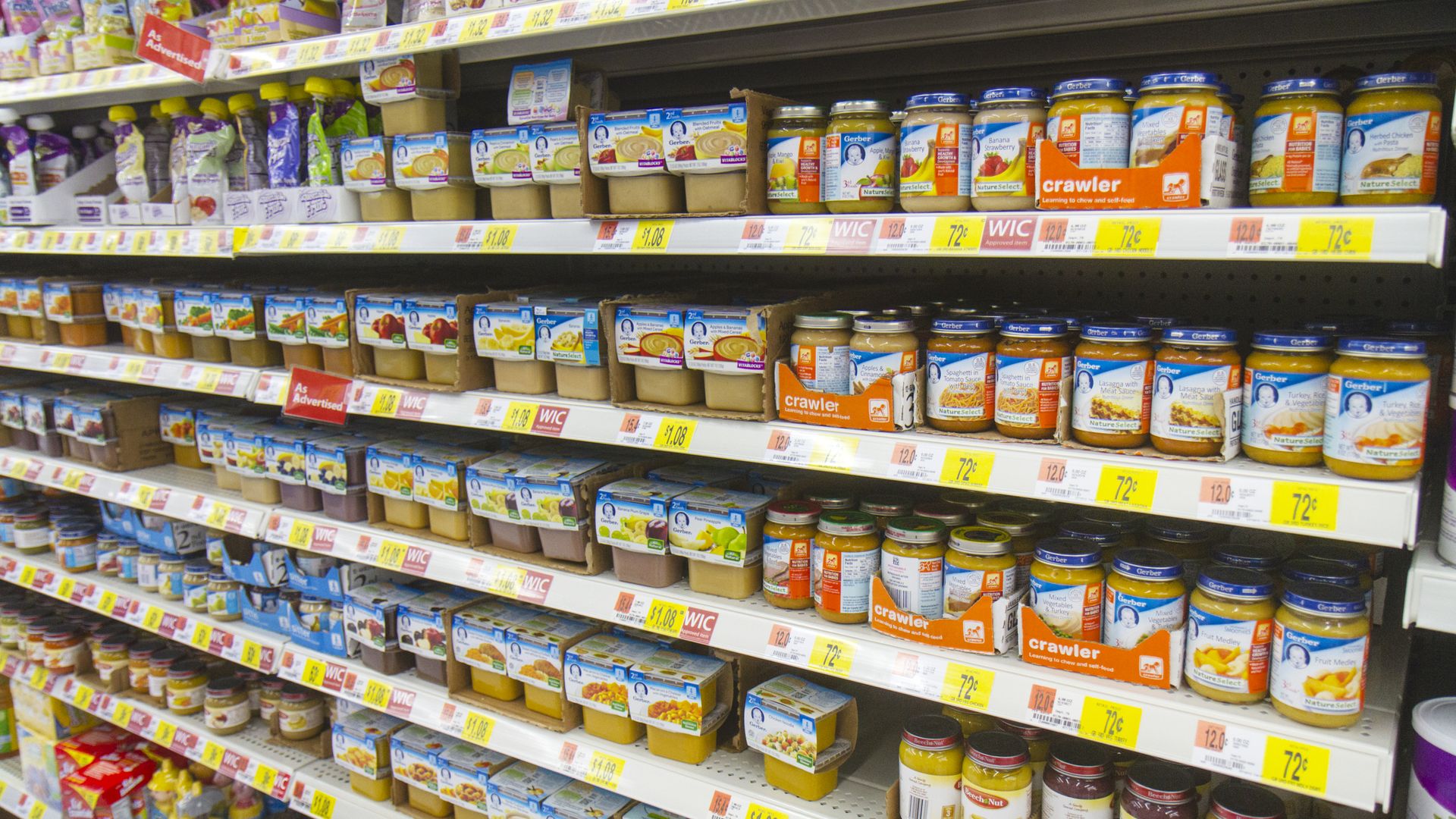
The Food and Drug Administration on Tuesday proposed new maximum limits on how much lead can be present in food products intended for babies and young children.
Why it matters: Lead, a toxic element that can harm children’s health and development if they are exposed to even low levels of it, is just one heavy metal that has been consistently detected in baby foods.
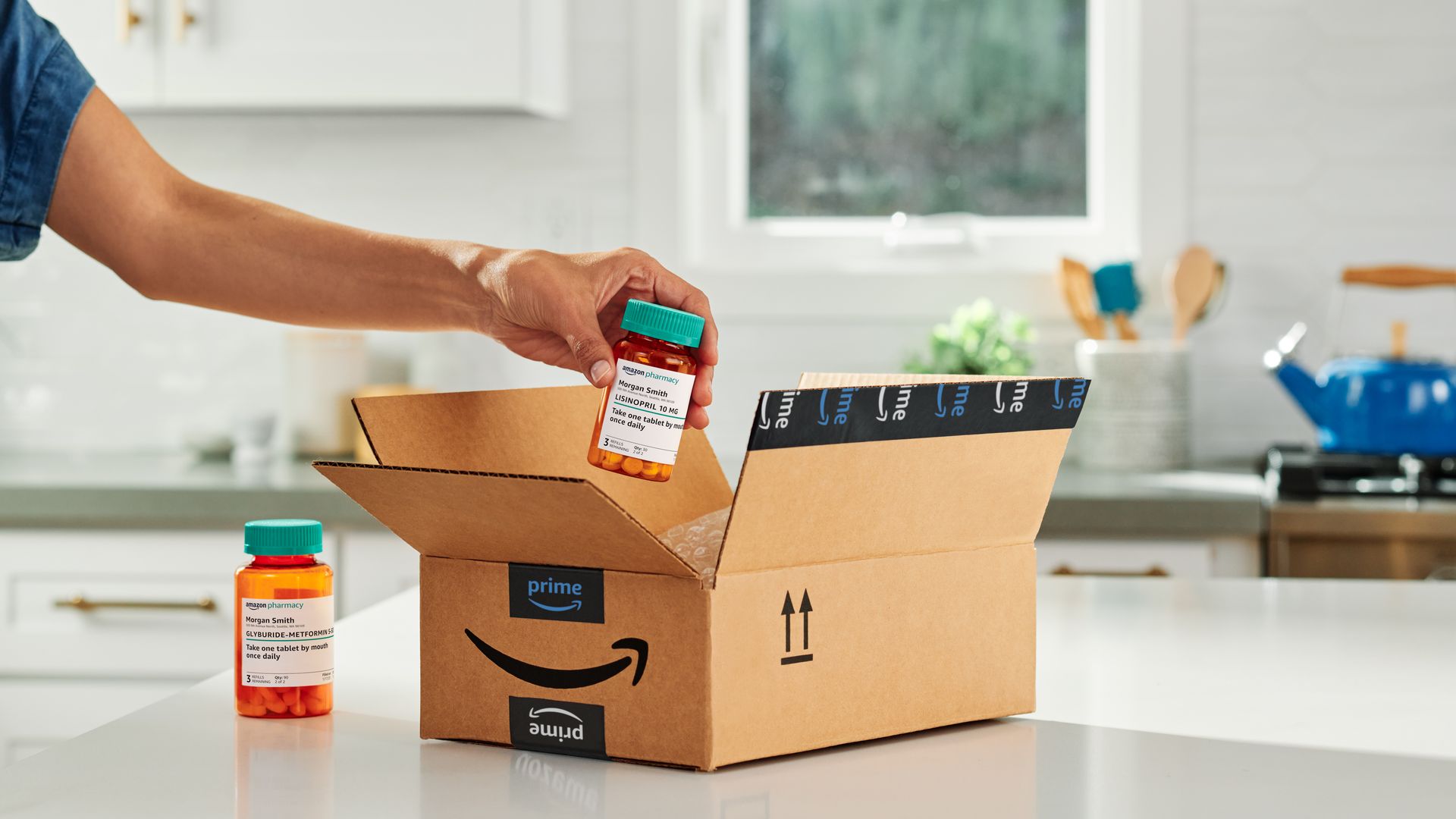
Driving the news: The e-commerce giant announced the launch of RxPass Tuesday to offer “members affordable access to commonly prescribed generic medications that treat more than 80 common health conditions."
Health experts are closely monitoring the historic spread of H5N1 bird flu across the globe, saying they are concerned about its potential spread to humans.
People experiencing long COVID were more likely to be unable to return to work for weeks because of their symptoms or continued to receive medical treatment for their infection after they returned to work, according to a study published on Tuesday by the state’s largest workers’ compensation insurer.
Why it matters: The New York State Insurance Fund (NYSIF) said the report's findings help contextualize how long COVID affected workers and, by extension, the labor market during the first two years of the pandemic.
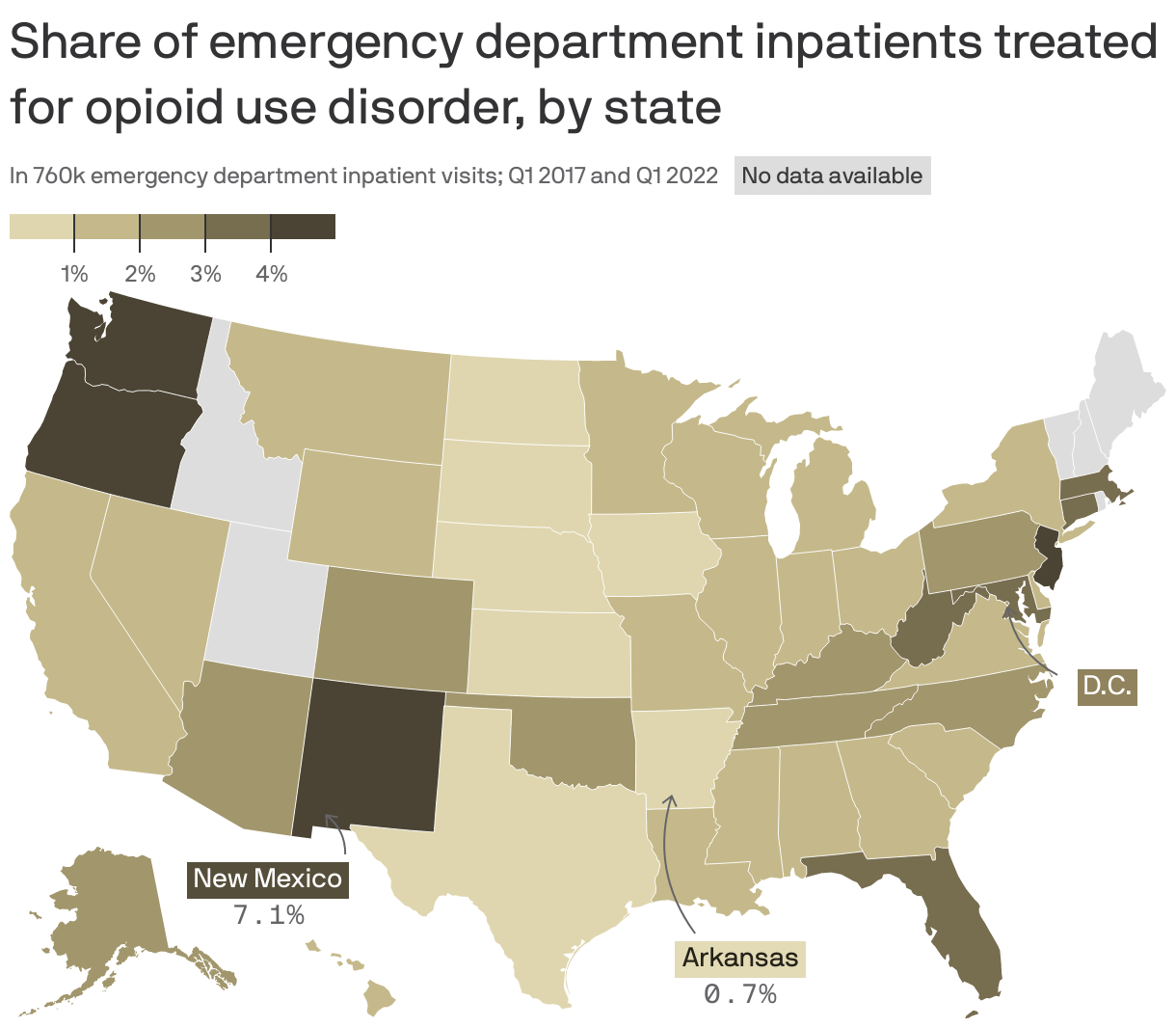
Data: Premier Inc.; Chart: Tory Lysik/Axios Visuals
The addiction crisis is increasingly eroding health systems' finances, withthetreatment of opioid use disorder (OUD) costing hospitals more than $95 billion a year, new data from Premier Inc. AI Applied Sciences shows.
That's 7.86% of all hospital expenditures, according to the data, which was released first to Axios.