The Food and Drug Administration on Tuesday proposed new maximum limits on how much lead can be present in food products intended for babies and young children.
Why it matters: Lead, a toxic element that can harm children’s health and development if they are exposed to even low levels of it, is just one heavy metal that has been consistently detected in baby foods.
Driving the news: The e-commerce giant announced the launch of RxPass Tuesday to offer “members affordable access to commonly prescribed generic medications that treat more than 80 common health conditions."
Health experts are closely monitoring the historic spread of H5N1 bird flu across the globe, saying they are concerned about its potential spread to humans.
People experiencing long COVID were more likely to be unable to return to work for weeks because of their symptoms or continued to receive medical treatment for their infection after they returned to work, according to a study published on Tuesday by the state’s largest workers’ compensation insurer.
Why it matters: The New York State Insurance Fund (NYSIF) said the report's findings help contextualize how long COVID affected workers and, by extension, the labor market during the first two years of the pandemic.
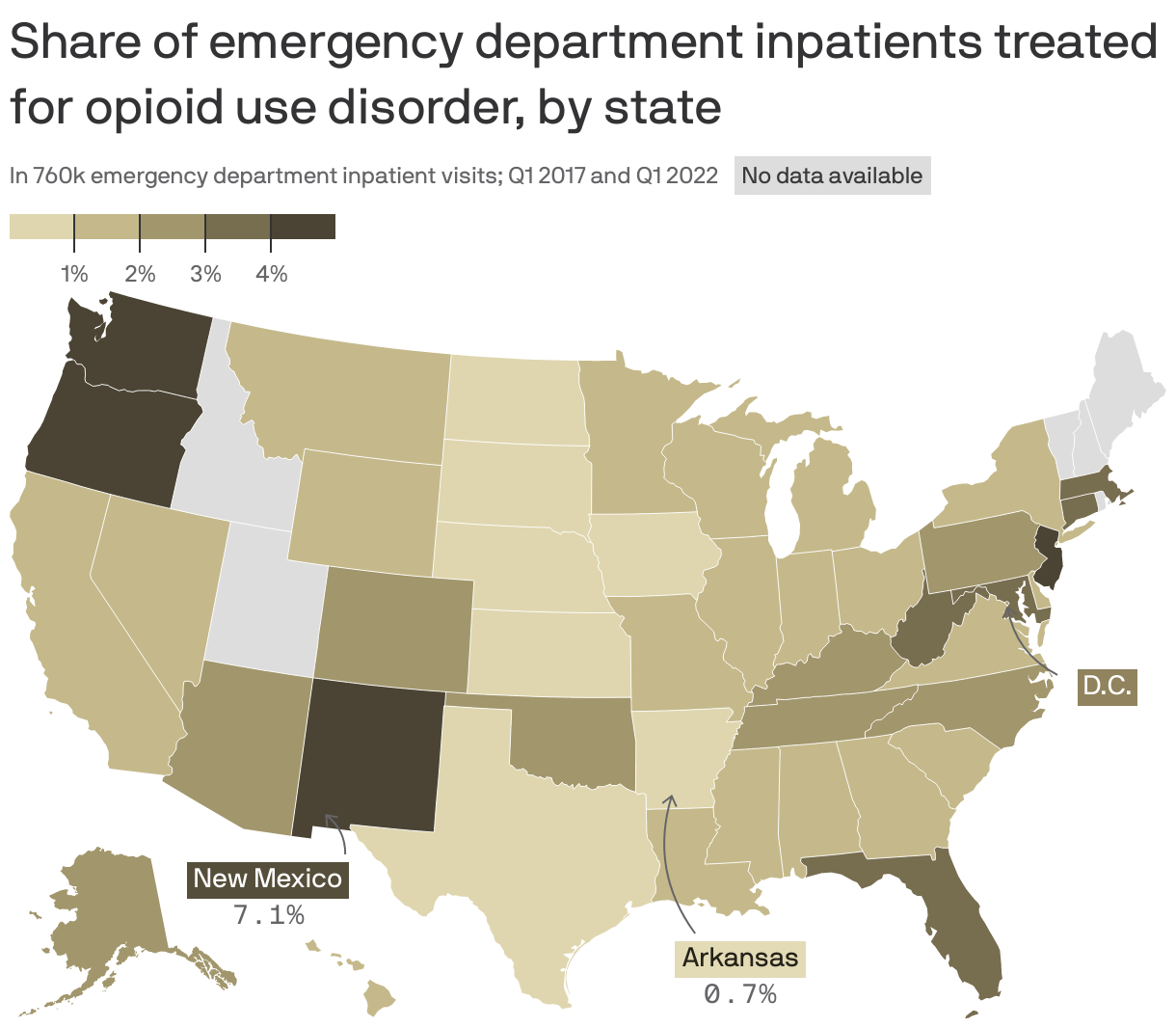
Data: Premier Inc.; Chart: Tory Lysik/Axios Visuals
The addiction crisis is increasingly eroding health systems' finances, withthetreatment of opioid use disorder (OUD) costing hospitals more than $95 billion a year, new data from Premier Inc. AI Applied Sciences shows.
That's 7.86% of all hospital expenditures, according to the data, which was released first to Axios.
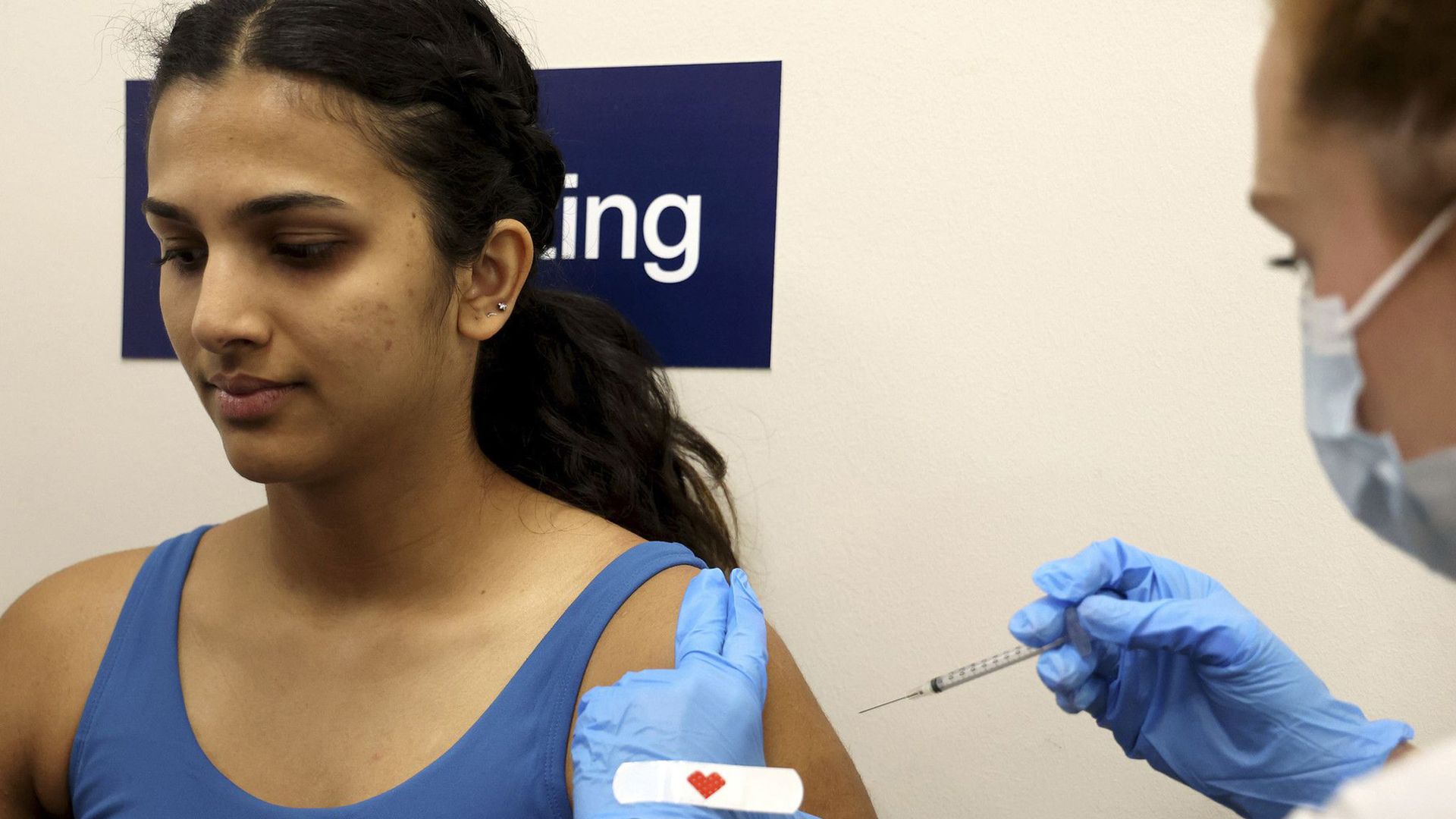
A Food and Drug Administration expert panel this week will consider a process for updating COVID shots that resembles the annual strain selection process for seasonal flu vaccines, according to briefing documents released on Monday.
The big picture: The agency is sketching out a long-term strategy that responds to new strains and shifting threats, replacing a system that's been largely drawn up and revised on the fly.
Advisers are due to meet on Thursday to discuss the state of the pandemic and whether COVID vaccines need to be modified again.
Details: FDA anticipates conducting an assessment at least annually starting in the spring, with advisers meeting around early June to discuss the strain selection process.
A decision on the recommended vaccine composition could be made in time for any updated vaccine to be in production in time to be deployed no later than September, according to the documents.
A more vaccine-resistant variant would likely trigger, on an as-needed basis, an ad-hoc strain selection meeting.
Public health officials have previously said they think COVID shots could be administered on an annual schedule, like for the flu.
Looking ahead: After the panel meeting, the FDA will consider whether to change existing vaccine authorizations and the process to select strains.
The Biden administration is offering struggling rural hospitals a new financial lifeline starting this month, but with an unusual twist: Facilities that opt in have to agree to close their non-emergency inpatient services.
The big picture: Becoming a "rural emergency hospital" brings enhanced Medicare payments and upward of $3 million in subsidies each year. But patients typically have to leave within 24 hours, meaning those who can't go home have to be discharged to a full-service hospital, possibly in another state.