Hallucinogen use in the United States has increased among adults in the last two decades, a new study found.
Driving the news: In 2019, over 5.5 million people in the U.S. used hallucinogens, which are a broad range of psychoactive drugs, including psychedelics like LSD.
Latino, Black and Asian adults are more likely to have diabetes at lower body mass indexes than non-Hispanic white adults, suggesting doctors should lower the threshold for testing.
The big picture: The estimated rate of undiagnosed diabetes among Latino adults is 4.4%, compared to 2.7% for white non-Hispanics, CDC data shows.
The FDA on Wednesday approved Zynteglo, a gene therapy from Bluebird Bio that treats patients with the blood disorder beta-thalassemia.
Why it matters: The one-time treatment — which helps patients who depend on regular blood transfusions and face decreased life expectancy — comes at a record price of $2.8 million.
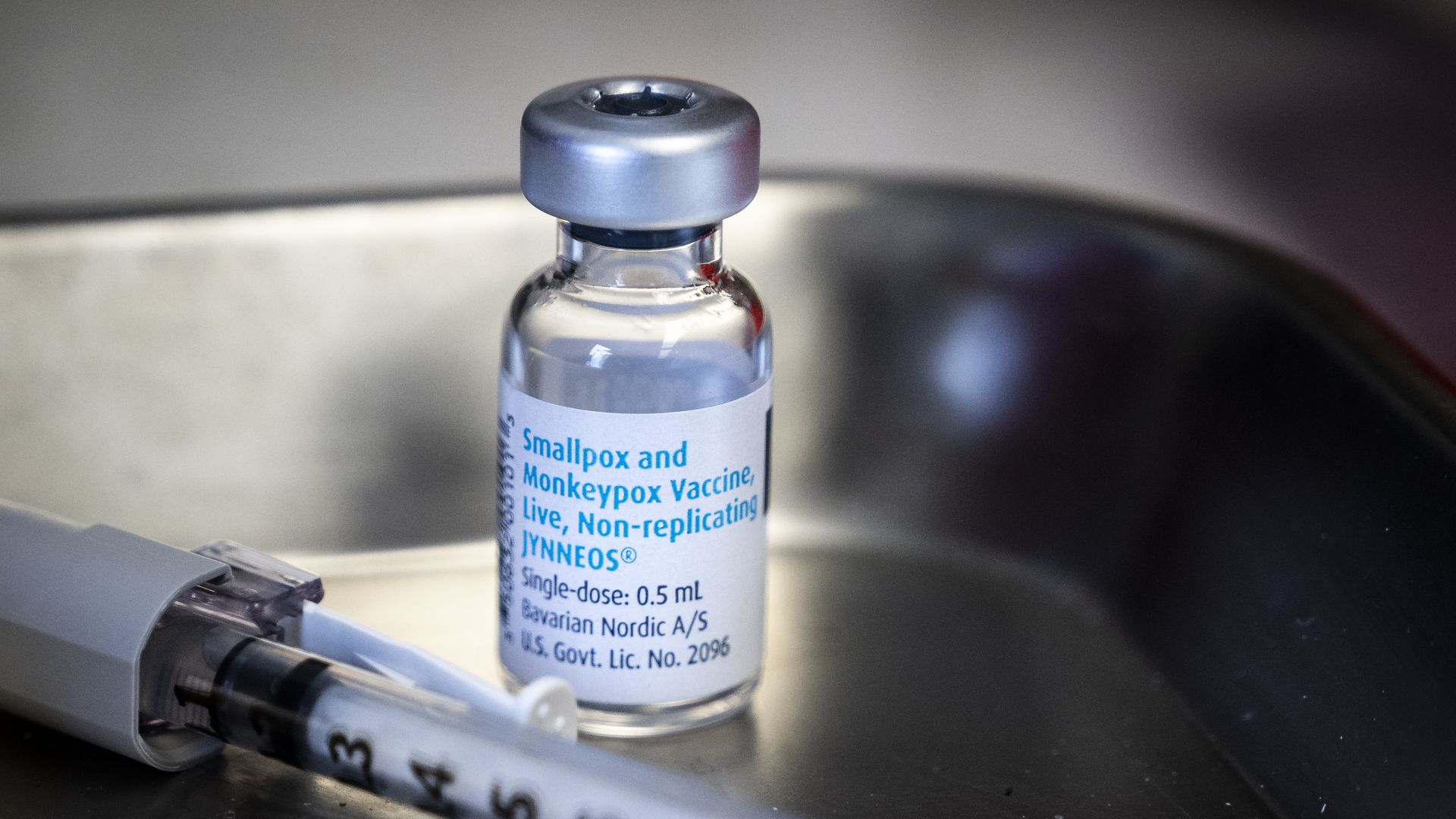
The Biden administration is speeding up its monkeypox vaccine distribution effort, federal health officials said Thursday.
Why it matters: The Department of Health and Human Services will make an additional 1.8 million doses of the Jynneos vaccine available next week, allowing states and localities to start ordering more vaccine doses sooner than officials originally planned.
Public health experts say the Centers for Disease Control and Prevention's new plan to reform itself is generally a good plan — but that without much bigger, more fundamental changes, the U.S. might continue to be caught flat-footed by new threats.
The big picture: Systemic failures at the CDC have sown public distrust in health experts over the past three years, but America's public health problem is much bigger than any one agency — and the politicization of the COVID pandemic only made things worse.
People who have had COVID-19 face increased risks of neurological and psychiatric conditions like brain fog, psychosis, seizures and dementia up to two years after infection.
Driving the news: That's according to a new large-scale University of Oxford study that also found anxiety and depression were more common after COVID, though typically subsided within two months of infection.
The West Nile virus has been detected in two people in New York City, local health authorities said Tuesday.
Why it matters: The city's health department is warning residents to be alert and take precautions to prevent mosquito bites amid a record number of West Nile virus-infected mosquitoes across all five boroughs.
A federal judge on Wednesday ordered three of the country's largest pharmacy chains — CVS, Walgreens and Walmart — to pay $650 million to two Ohio counties, claiming the way they distributed opioids to customers caused severe harm to communities and created a public nuisance, AP reports.
Why it matters: It is the first ruling by a federal judge that assigns a set money figure against the pharmacy chains for their role in the opioid crisis, and could set a precedent for other local governments that seek to hold pharmacies accountable.
The South Carolina state Supreme Court on Wednesday temporarily blocked the state's six-week abortion ban, which had taken effect shortly after Roe v. Wade was overturned.
Catch up fast: Abortion providers had sued state officials to challenge the ban, arguing that the law "violates the South Carolina Constitution's right to privacy and its guarantees of equal protection and due process."
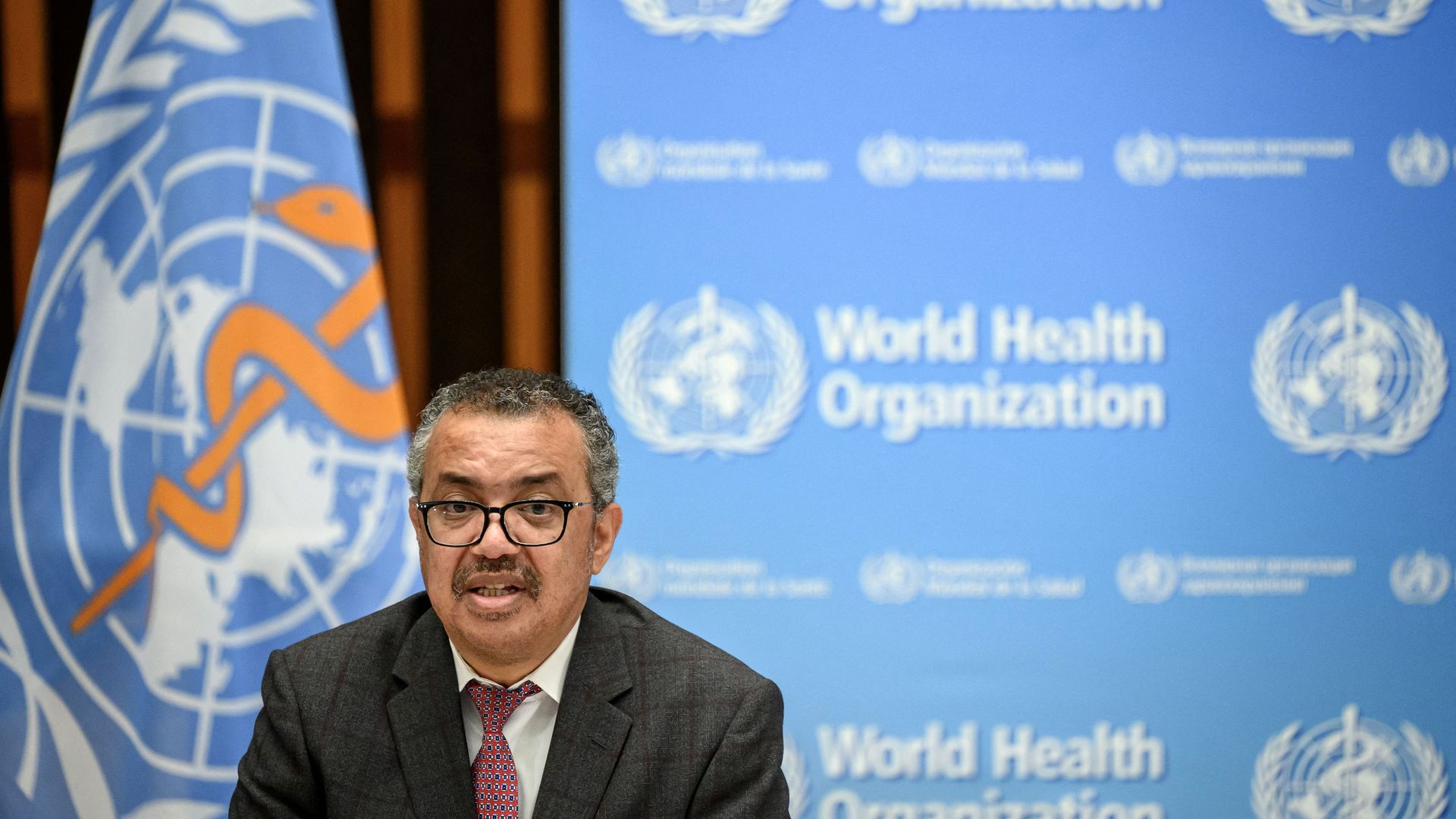
World Health Organization (WHO) Director-General Tedros Adhanom Ghebreyesus said Wednesday that the humanitarian crisis caused by the ongoing conflict in Ethiopia's Tigray region is the "worst disaster on Earth" and yet global leaders have not responded with urgency — perhaps due to "the color of the skin of the people in Tigray."
The big picture: Six million people in Tigray have been cut off from the world as the war between Tigray People's Liberation Front and Ethiopian forces and their Eritrean allies has escalated, said Tedros, who is himself ethnically Tigrayan. Drought, displacement, dwindling food support and the resulting malnutrition crisis have threatened the lives of 20 million people, according to the UN.
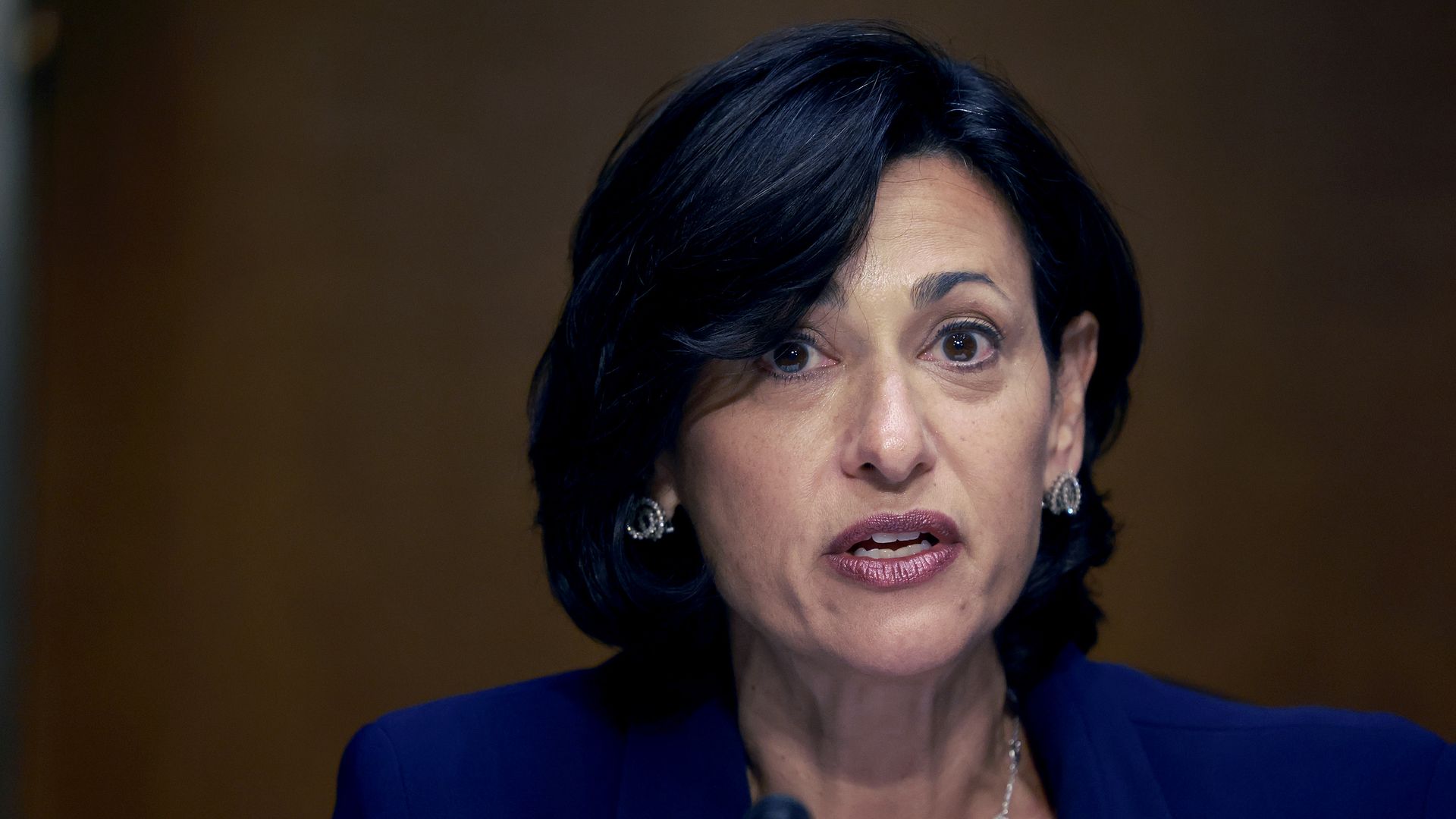
Rochelle Walensky, director of the Centers for Disease Control and Prevention, outlined a broad plan to overhaul the organization's structure and operations in light of what she said was its failure to respond efficiently to the COVID-19 pandemic, according to media reports.
Why it matters: The changes come after the CDC has faced fierce criticism for its handling of both COVID and the growing monkeypox outbreak.
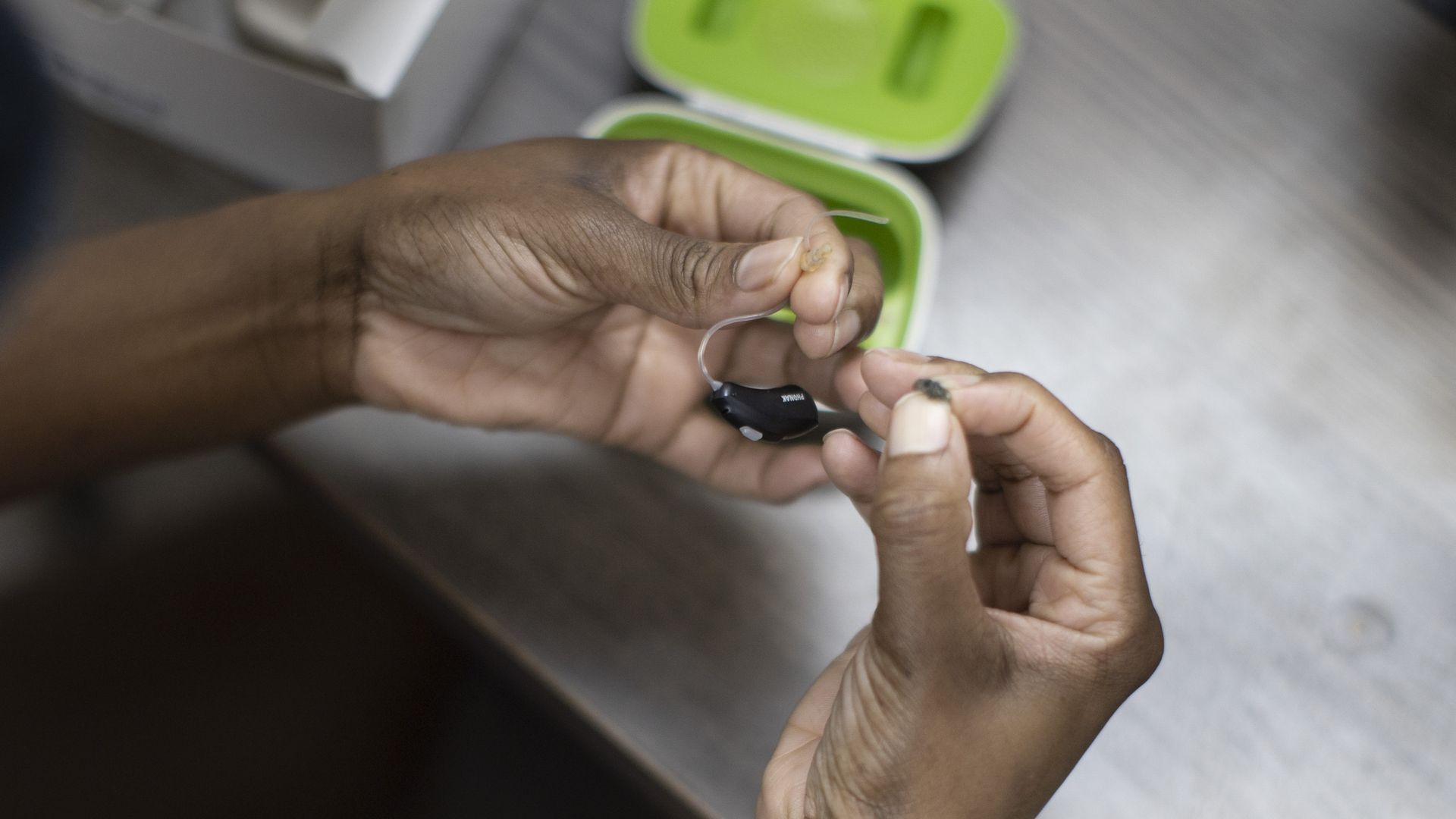
People with hearing loss could soon buy hearing aids without needing to have an exam, prescription or special fitting first.
Driving the news: In a move years in the making, the FDA on Tuesday issued a final rule allowing over-the-counter sales of hearing aids to adults with mild or moderate hearing loss. Kids and those with serious hearing loss will still need a prescription.
The National Institutes of Health failed to sanction institutions and labs running government-funded clinical trials for not reporting their results despite requirements to do so, according to a new report from a federal watchdog.
Why it matters: Clinical trial results are crucial to pushing science forward, informing future researchers what methods or techniques might or might not work for future study design.
Bavarian Nordic, the manufacturer of the Jynneos vaccine for monkeypox, said Wednesday that "it's no longer certain that we can continue to meet the demand" as cases continue to rise, Bloomberg reports.
Why it matters: As cases of the virus continue to spread globally, the Danish company is the only manufacturer with an approved monkeypox vaccine.
The Inflation Reduction Act is law. But that doesn't mean major health care interests are done testing their lobbying clout. Many are already lining up for year-end relief from Medicare payment cuts, regulatory changes and inflation woes.
The big picture: Year-end spending bills often contain health care "extenders" that delay cuts to hospitals that treat the poorest patients or keep money flowing to community health centers. But lawmakers may be hard-pressed to justify the price tag this time, and are seeing an unusual assortment of appeals for help.
Nearly all of us aren't getting enough of a critical vitamin that supports vision, brain health and even developing fetuses — vitamin E.
The stunning stat: Around 90% of U.S. adults' diets don't contain adequate amounts of vitamin E, studies haveshown.
Zoom in: Vitamin E's major function is as an antioxidant. It quietly protects our cells from the oxidative damage caused by chemicals that are formed naturally when we convert food to energy.
Republican-led states that have resisted expanding Medicaid for more than a decade are showing new openness to the idea.
Driving the news: In the decade-plus since the landmark Affordable Care Act was enacted, 12 states with GOP-led legislatures still have not expanded Medicaid coverage to people living below 138% of the poverty line (or nearly $19,000 annually for one person in 2022).



/2022/08/17/1660765972046.gif?w=3840)