A Louisiana woman says she was denied an abortion after her fetus was diagnosed with a fatal condition that prevented it from developing a skull, according to a statement from her lawyer Ben Crump.
The big picture: Nancy Davis said her fetus was diagnosed with acrania, which would cause the fetus to be stillborn or to die within the first week of life. But because there was still a heartbeat, she was denied an abortion, according to the statement.
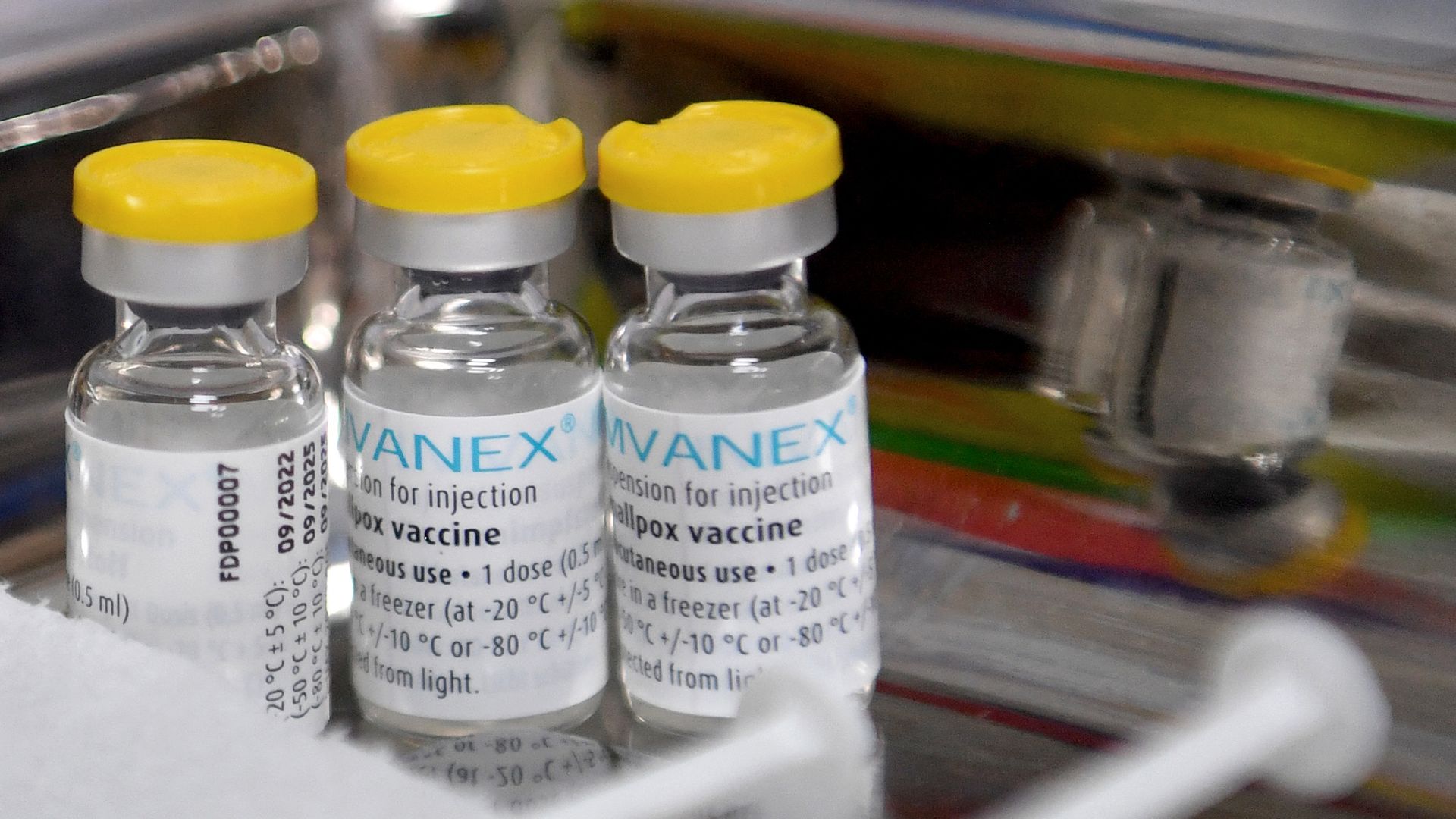
The European Medicines Agency said on Friday that European Union countries may temporarily use smaller doses of the monkeypox vaccine in order to boost supply.
The big picture: The EU drug regulator's announcement comes after the United States Food and Drug Administration said earlier this month that it was considering a "dose-sparing" approach that would split doses of the Jynneos monkeypox vaccine into fifths.
More than $22 million was spent on a ballot question this month regarding an amendment that would have gotten rid of abortion protections in the state's constitution, per AP.
Driving the news: Abortion rights supporters spent $11.3 million on a campaign that successfully defeated the proposed amendment, while abortion opponents backing the measure spent nearly $11.1 million, AP reported, citing finance reports.
Walmart told employees Friday that it will expand abortion coverage for certain cases, according to an internal memo obtained by CNBC.
The big picture: Corporations are facing increasing pressure to expand abortion coverage in the aftermath of the Supreme Court decision overturning Roe v. Wade. Walmart, the U.S.'s largest employer, is headquartered in Arkansas, where abortions are banned except in cases where the pregnant person's life is threatened.
Companies across the United States have announced plans to help employees who live in states with abortion restrictions gain access to reproductive health care.
The big picture: After the Supreme Court issued a ruling overturning Roe v. Wade, several companies announced plans to help employees access reproductive health care options if their home state restricts them.
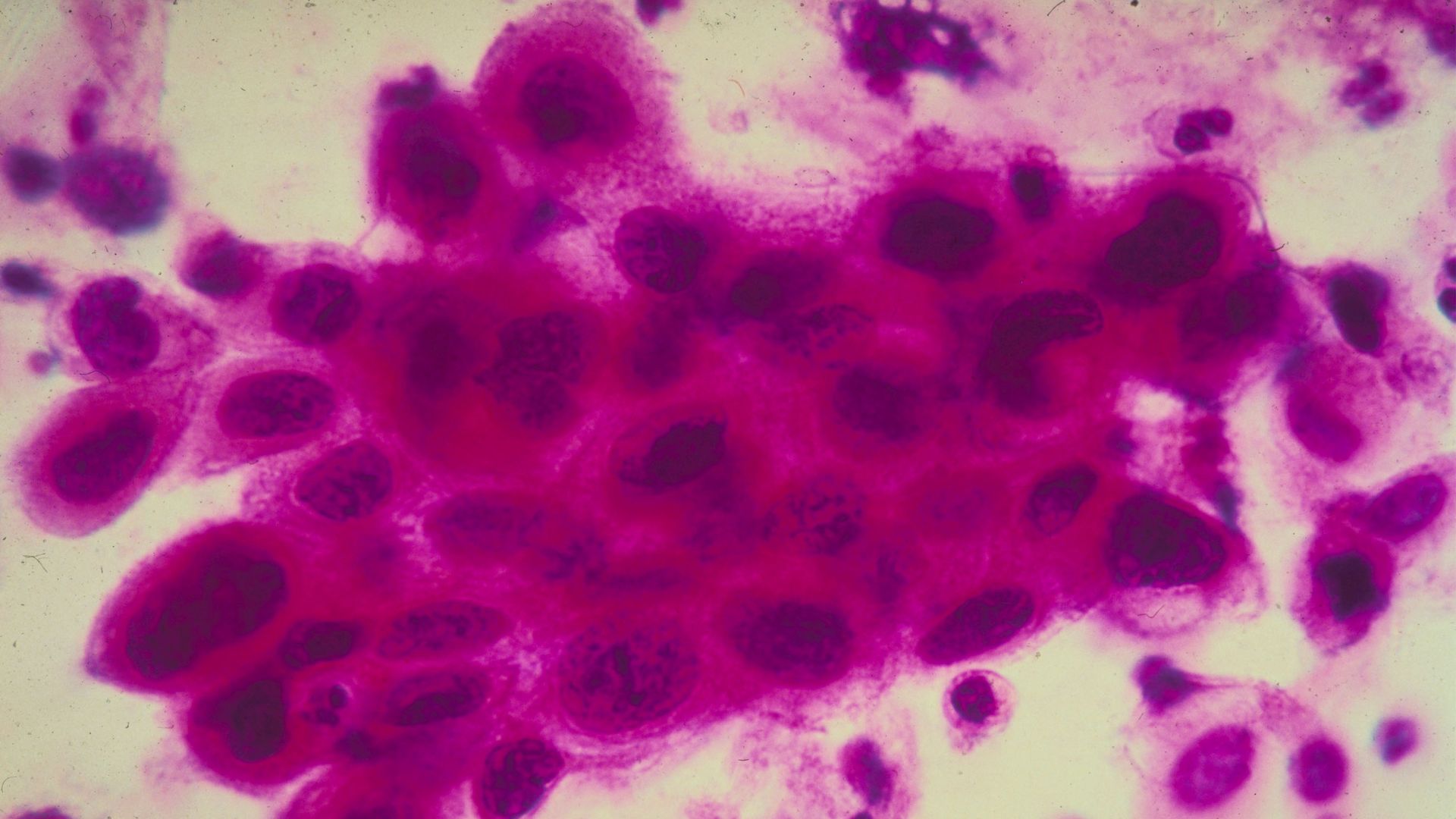
The incidence of advanced cervical cancer in the U.S. has jumped fastest among younger women and white women, according to a study published in the International Journal of Gynecological Cancer.
Why it matters: While still considered rare, advanced or stage IV cervical cancer has an approximate five-year survival rate of less than 20%, with limited treatment options.
Consumers should prepare to soon pay for COVID-19 treatments and vaccines as the federal government prepares to shift costs back to health insurers.
Driving the news: The Department of Health and Human Services has a meeting scheduled later this month with drugmakers, pharmacies, and state health departments to address the changes, the Wall Street Journal reports.
The Food and Drug Administration has issued a stark warning about nicotine gummies, which are illegal, saying they can cause severe nicotine toxicity or even death among young children.
Why it matters: "Nicotine gummies are a public health crisis just waiting to happen among our nation’s youth, particularly as we head into a new school year," FDA Commissioner Robert Califf said in a statement.
As abortion bans shutter clinics across the country, "crisis pregnancy centers" led by anti-abortion advocates see an opening to expand into the reproductive care void.
Why it matters: The centers, mostly nonprofits with religious affiliations, have generated comments and concern by appearing to offer medical services. Health providers and abortion rights advocates say they could further limit patients' ability to get accurate information and timely care in the post-Roe landscape.
Cities, states, and major companies are racing to give people incentives to switch to electric bikes for their work commute or gadding about town — experiments they hope will reduce car traffic and improve people's health.
Why it matters: E-bikes — which give people varying levels of motorized assistance — are environmentally friendly alternatives to cars and trucks. Mass adoption could make a big dent in road congestion and carbon emissions.














/2022/08/18/1660831886413.gif?w=3840)