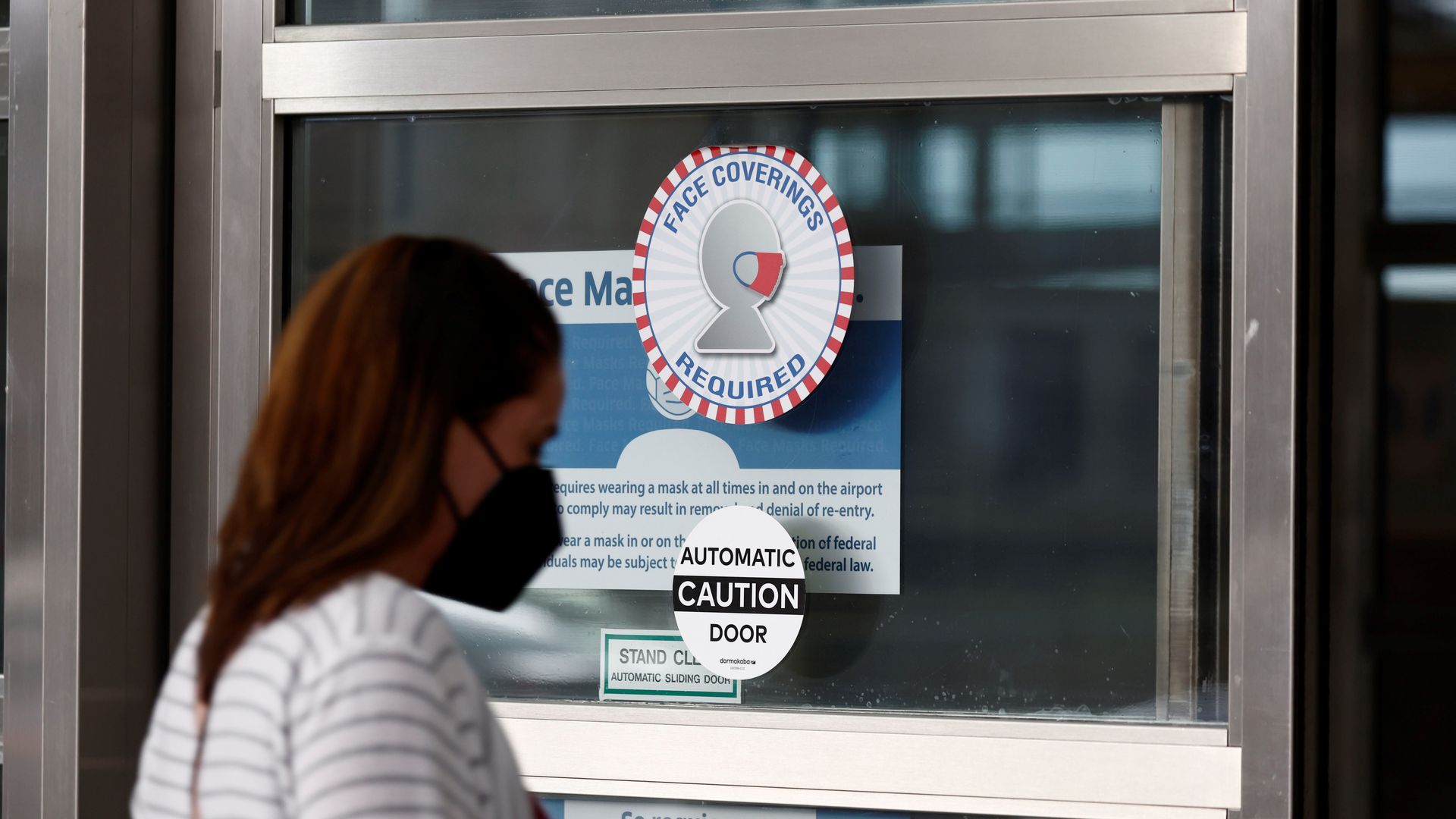
The Justice Department filed an appeal Wednesday seeking to overturn a federal court ruling that struck down its mask mandate for travelers earlier this week.
Why it matters: A DOJ spokesperson announced the move minutes after the Centers for Disease Control and Prevention (CDC) said it has concluded that the order remains necessary and asked the DOJ to make an appeal. Several airlines and companies have lifted mask requirements since the ruling, which comes as COVID cases surge across the U.S.
The yearslong economic and political crises plaguing Lebanon, along with rising food prices and worsening poverty, are having "grave consequences" for children's health, the UN children's agency warned Wednesday.
The big picture: A third of children in Lebanon who needed health care last year could not access it by October 2021, UNCIEF said in a report.
Federal prosecutors have brought criminal charges against 21 people who were allegedly involved in various health care fraud schemes related to the COVID-19 pandemic, the Department of Justice announced Wednesday.
Why it matters: The charges build on previous efforts by the DOJ to clamp down on pandemic-related fraud schemes.
Wearables like smartwatches can track the progression of COVID and even show how sick an individual becomes through their heart rate, according to a study published Tuesday in Cell Reports Medicine.
Why it matters: The study offers further evidence of the potential health care value of consumer-grade wearables.
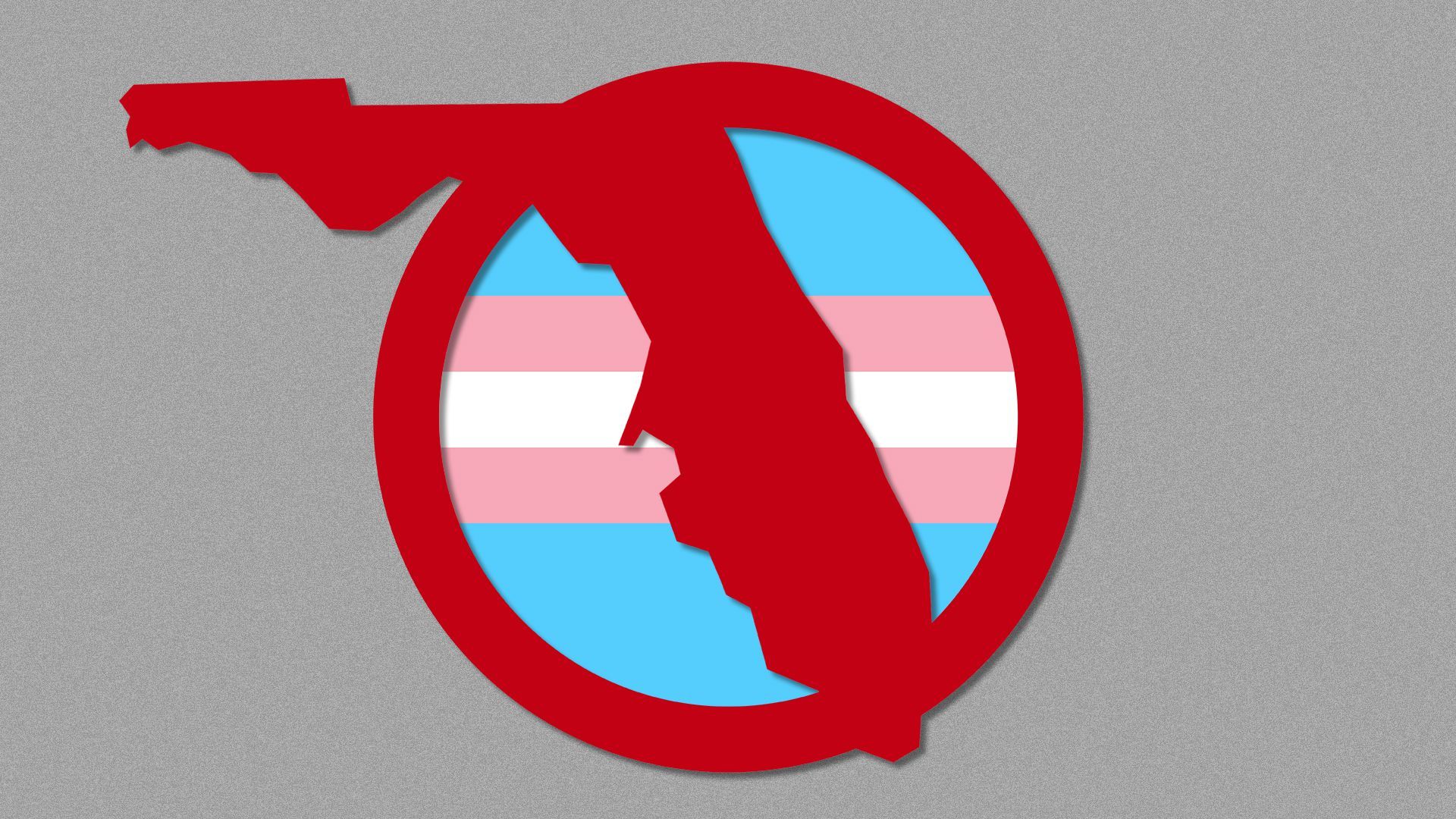
The Florida Department of Health put out a statement Wednesday telling doctors not to assist children and teens with gender transitions — a move that goes against federal guidance.
Driving the news: The department now advises against hormonal therapy and gender-affirming surgery for children and teens, citing a "lack of conclusive evidence, and the potential for long-term, irreversible effects."
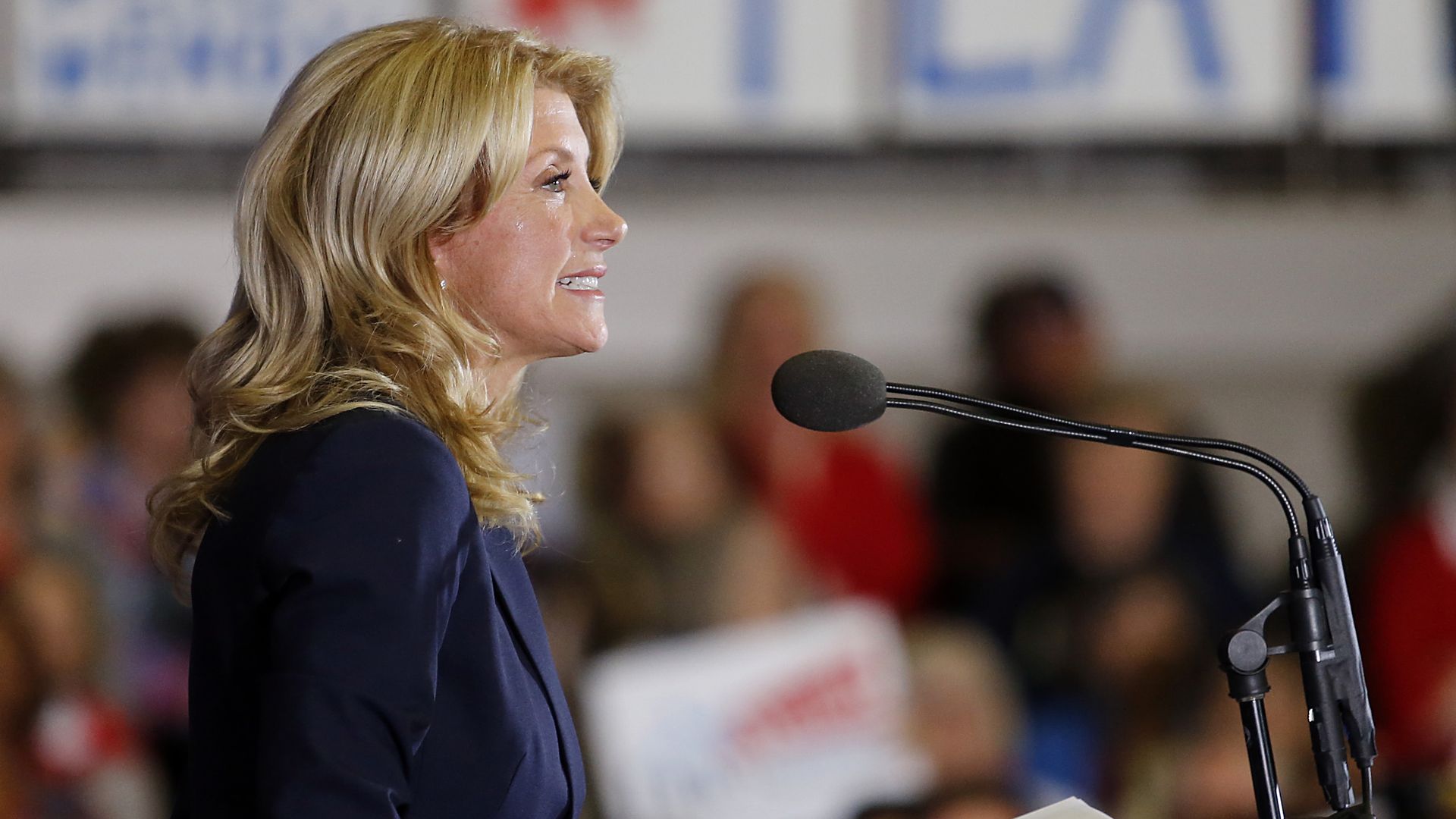
Former Texas state Sen. Wendy Davis has filed a lawsuit against the state's six-week abortion ban, which has been in effect since September of last year.
Driving the news: The lawsuit, filed by Davis and other abortion rights advocates, contends Senate Bill 8 is "blatantly unconstitutional," adding that the law makes "a mockery of the federal courts" that have not blocked its enforcement.
The demise of the federal transportation mask mandate was particularly jarring for many parents of children under 5 anxiously waiting for word on when COVID shots will become available to their kids.
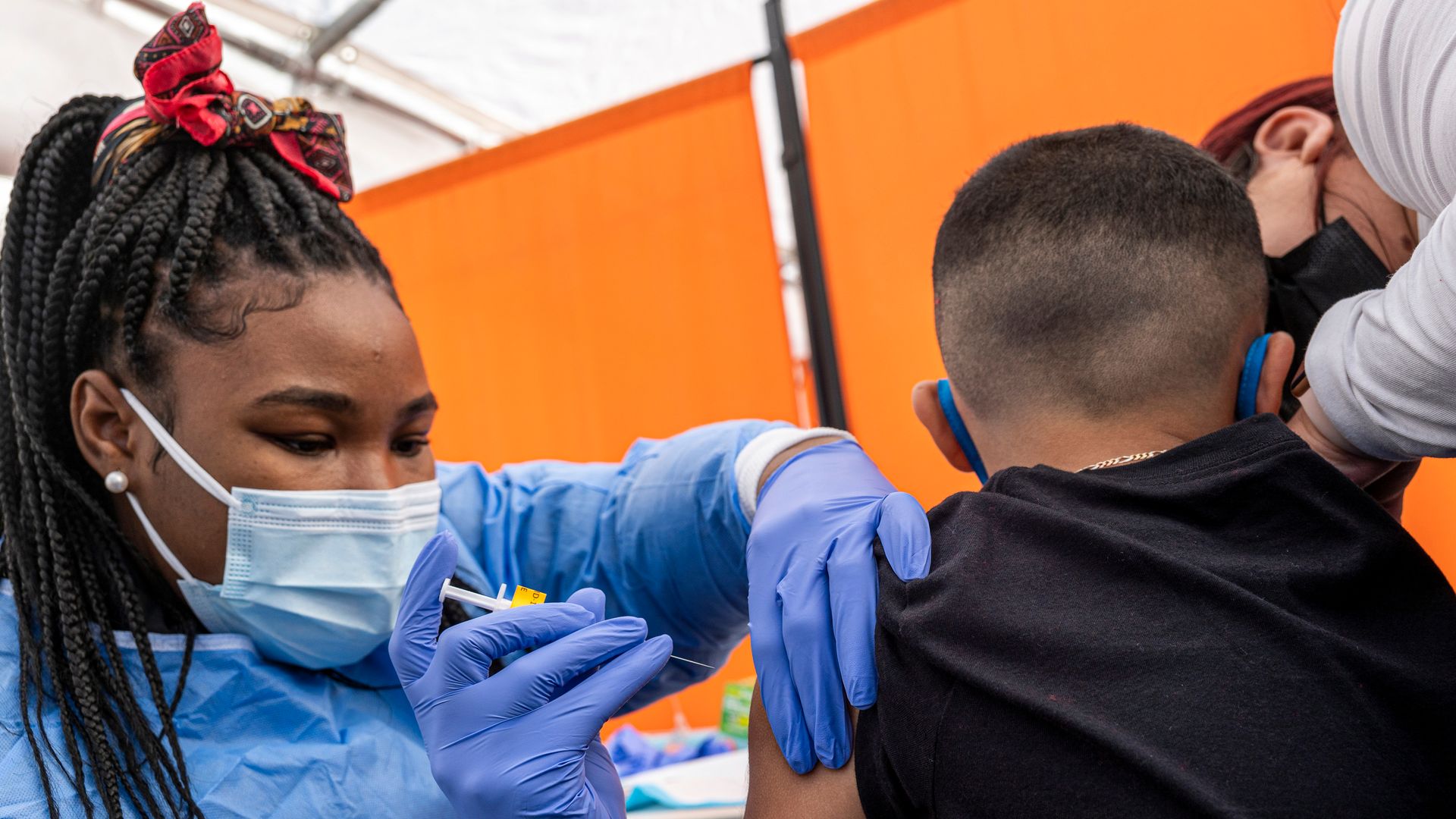
Most children from 5 to 11 years old hospitalized with COVID-19 during the U.S. surge driven by the Omicron variant were unvaccinated, per a Centers for Disease Control and Prevention study published Tuesday.
By the numbers: The study of children hospitalized in the U.S. from Dec. 19 to Feb. 28 found the hospitalization rate was 2.1 times higher for those unvaccinated than their vaccinated peers.
The Justice Department said Tuesday it will appeal a court ruling from Monday which struck down the federal mask mandate for travelers if the Centers for Disease Control and Prevention (CDC) concludes the order is still necessary.
Why it matters: The Transportation Security Administration (TSA), as well as a number of airlines and travel companies, have lifted mask requirements since the federal judge's ruling. Some public health experts worry it's too soon, especially as Omicron subvariants continue to spread across the U.S.
Driving the news: Many joyfully embraced Tuesday as the first full day of new mask freedom. But plenty are sticking with a practice that's now 2+ years old.
Driving the news: The subvariant, BA.2.12.1, accounts for about 20% of new cases across the U.S. and is an offshoot of the BA.2 version of Omicron, which has been the dominant variant since late March, NBC News reports.
Universities nationwide are reinstating mask mandates amid an uptick in COVID-19 cases.
Driving the news: The University of Connecticut announced on April 15 that it was reinstating its masking requirements for "all indoor instructional settings, workspaces, and indoor events exceeding 100 individuals" amid a rise in cases. The new rules went into effect on Monday, April 18.
The COVID-19 pandemic "shined a light" on health care disparities that have persisted through centuries despite landmark policies aimed at addressing them, Morehouse School of Medicine President and CEO Valerie Montgomery Rice told Axios at an event Tuesday.
Why it matters: Black and Hispanic Americans have consistently seen higher coronavirus case rates than their white counterparts during the pandemic. Other metrics like vaccination rates have also shown a lag.
Researchers developed a genetic-risk "score" for six common diseases such as Type 2 diabetes and breast cancer which they say could help doctors and their patients make better health decisions, according to a study published in Nature Medicine.
Why it matters: In the effort to deliver precision medicine, studies have identified thousands of genomic variants linked with a range of common complex human diseases. But individual genetic changes, on their own, don't always provide much information.
Monday's court ruling striking down the federal traveler mask mandate was met with mixed reactions as companies scrambled to respond.
Driving the news: Several airlines — including the four largest in the U.S. — Uber, Lyft and Amtrak dropped their masking requirements following the Transportation Security Administration's announcement that it will no longer enforce a mandate.
Moderna announced Tuesday that preliminary study results show an updated COVID booster shot designed to target the Beta variant also offers better protection against newer variants.
Driving the news: The company said it hopes to offer the updated "bivalent booster," which combines the original vaccine with an updated version, in the fall.
The prices that private insurers agree to pay hospitals for cancer drugs are often at least double what the hospital paid to acquire the drugs, according to a new study in JAMA Internal Medicine.
Why it matters: The blame for high drug prices goes well beyond drug manufacturers, and is ultimately borne by patients through higher premiums and out-of-pocket costs.






/2022/04/20/1650465084343.gif?w=3840)