New York City saw a 44% increase in traffic-related deaths in the first three months of 2022, new data released this week shows.
Driving the news: At least 59 people have been killed by vehicular collisions in the first three months of the year, according to a report published Tuesday by Transportation Alternatives. At the same time last year, only 41 fatalities were reported.
Latinos in the U.S. and Latin Americans are more likely than others to reconsider the workplace after the pandemic, Marina writes.
By the numbers: Two-thirds of Latinos polled in Microsoft’s 2022 Work Trend Index say they are now much more conscious about prioritizing health over their work when it comes to going to the office, and 60% say they are considering changing jobs in response.
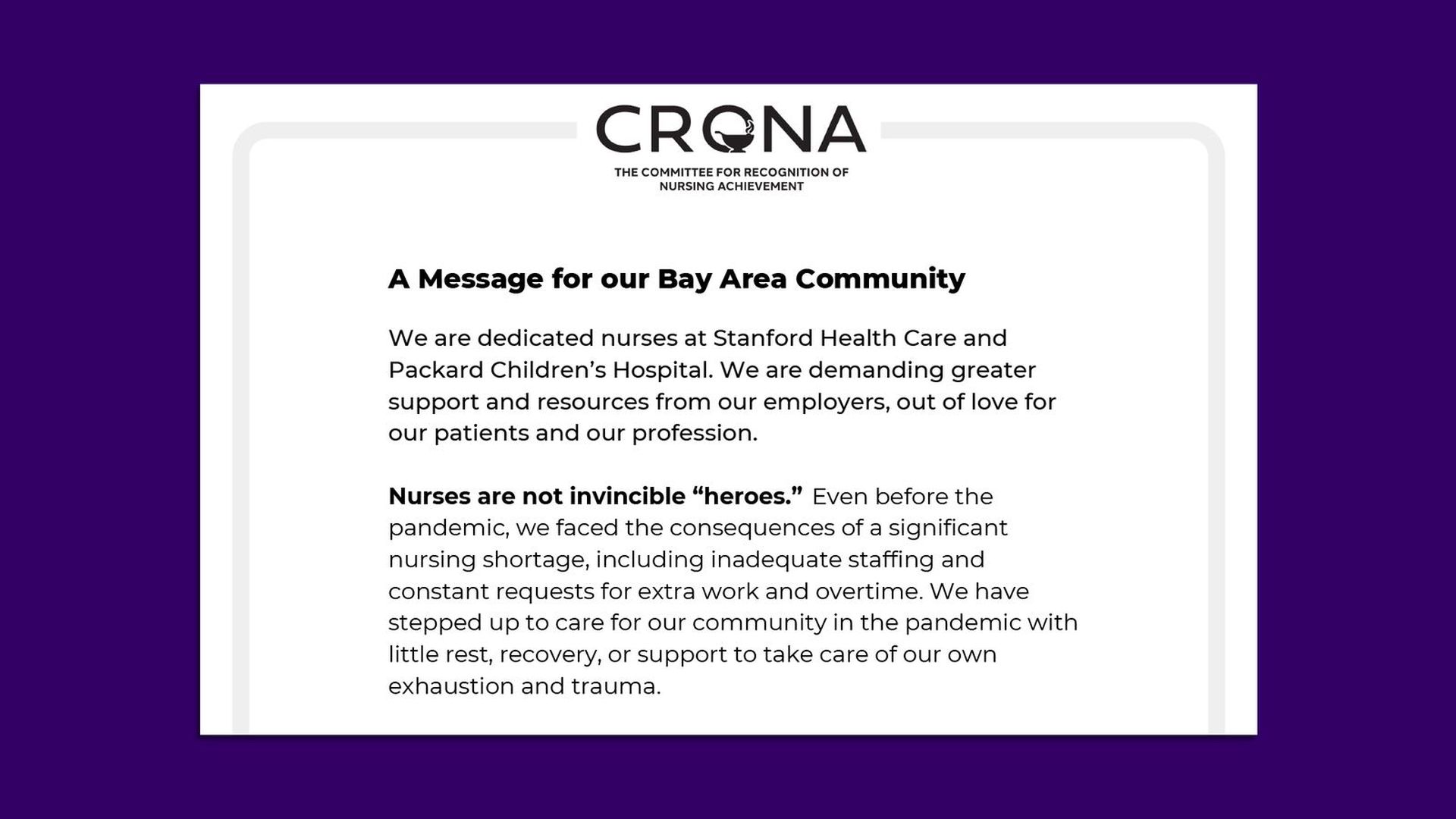
A union representing thousands of nurses at Stanford Health Care and Packard Children's Hospital has a full-page ad in the San Francisco Chronicle on Friday calling for support for nurses who've reached a "breaking point."
Why it matters: It's the latest move by the union, the Committee for Recognition of Nursing Achievement, to engender community support after thousands of its members voted to approve a strike next week after contract negotiations broke down.
Roughly 234,000 COVID deaths since last June could have been prevented with a primary series vaccination, according to a newly updated Kaiser Family Foundation analysis.
Why it matters: The deaths account for 60% of total adult COVID deaths since June and a quarter of the nearly 1 million fatalities since the pandemic began.
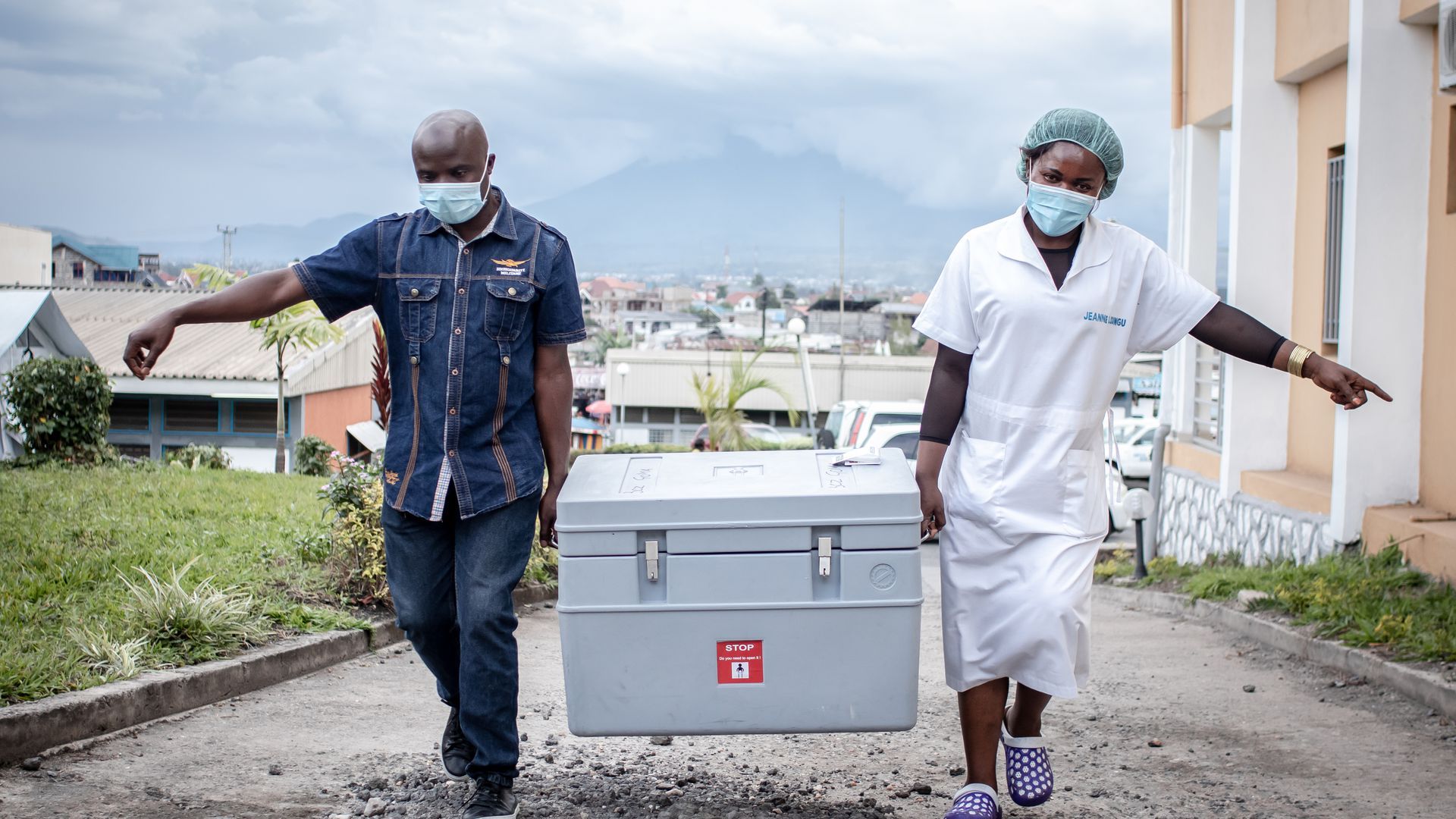
No big country has struggled to roll out vaccines more than Democratic Republic of Congo, where less than 1% of the population is fully vaccinated.
State of play: Vaccines still aren’t available in some remote provinces of the central African giant, but vaccination rates are very low even in the capital, Kinshasa, home to 17 million people.
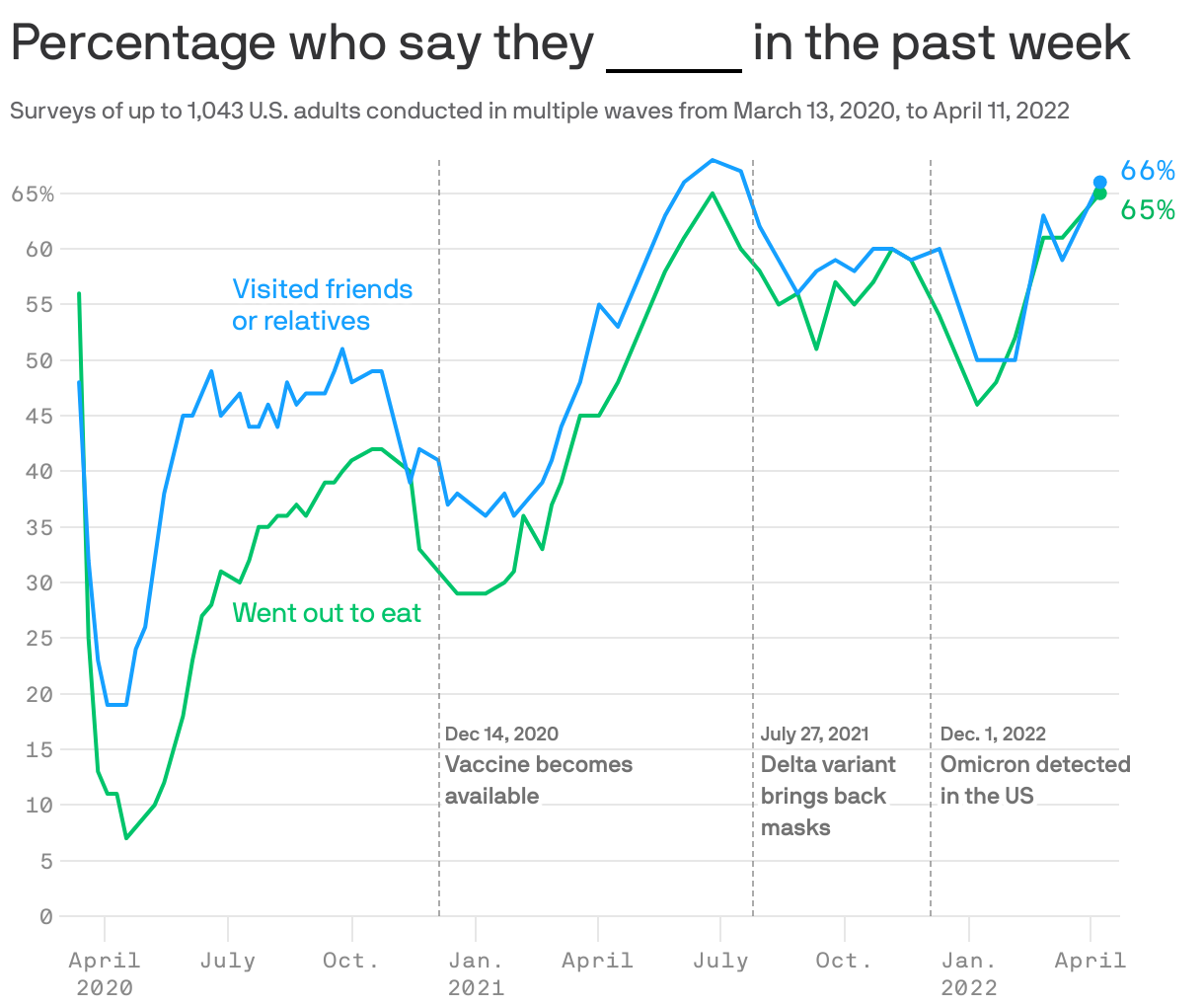
The end of the federal transportation mask mandate this week may have removed the last big pandemic mitigation measure, but many Americans were ready to move on as far back as last summer, data from the Axios-Ipsos poll shows.
The big picture: This data on Americans' willingness to dine out and socialize offers a window into how they've perceived risk and made judgment calls with public health regulations serving as guardrails.
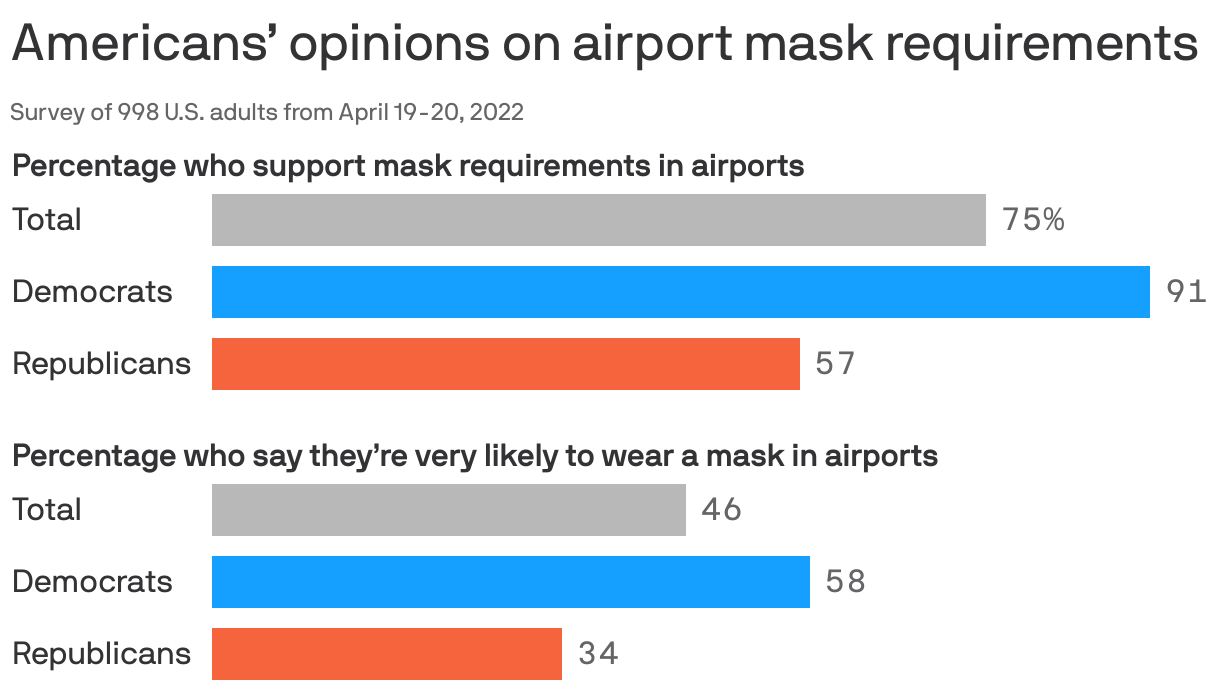
The big picture: While the end of masking requirements for airlines and many airports was reportedly greeted with applause, this poll shows that most Americans — and even most Republicans — were fine with mask requirements and are largely unmoved by their demise.
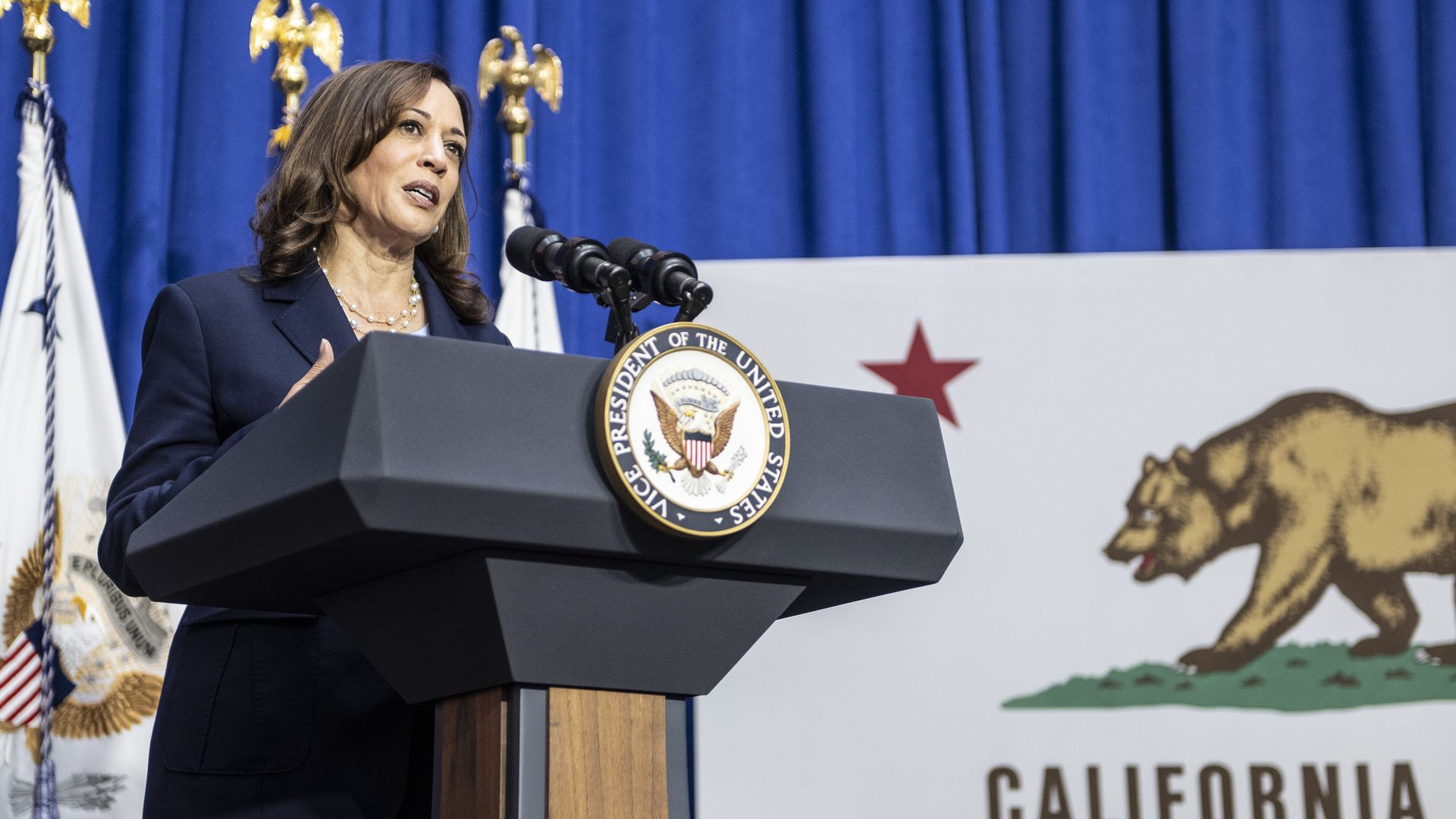
Vice President Harris said Thursday that the U.S. must confront its "crisis on the issue of maternal health," especially the disproportionate rate of maternal mortality among Black women.