Delta Air Lines, United Airlines and American Airlines said that they would allow some passengers who were banned from their flights due to mask violations to board their planes again on a case-by-case basis, CNN reports.
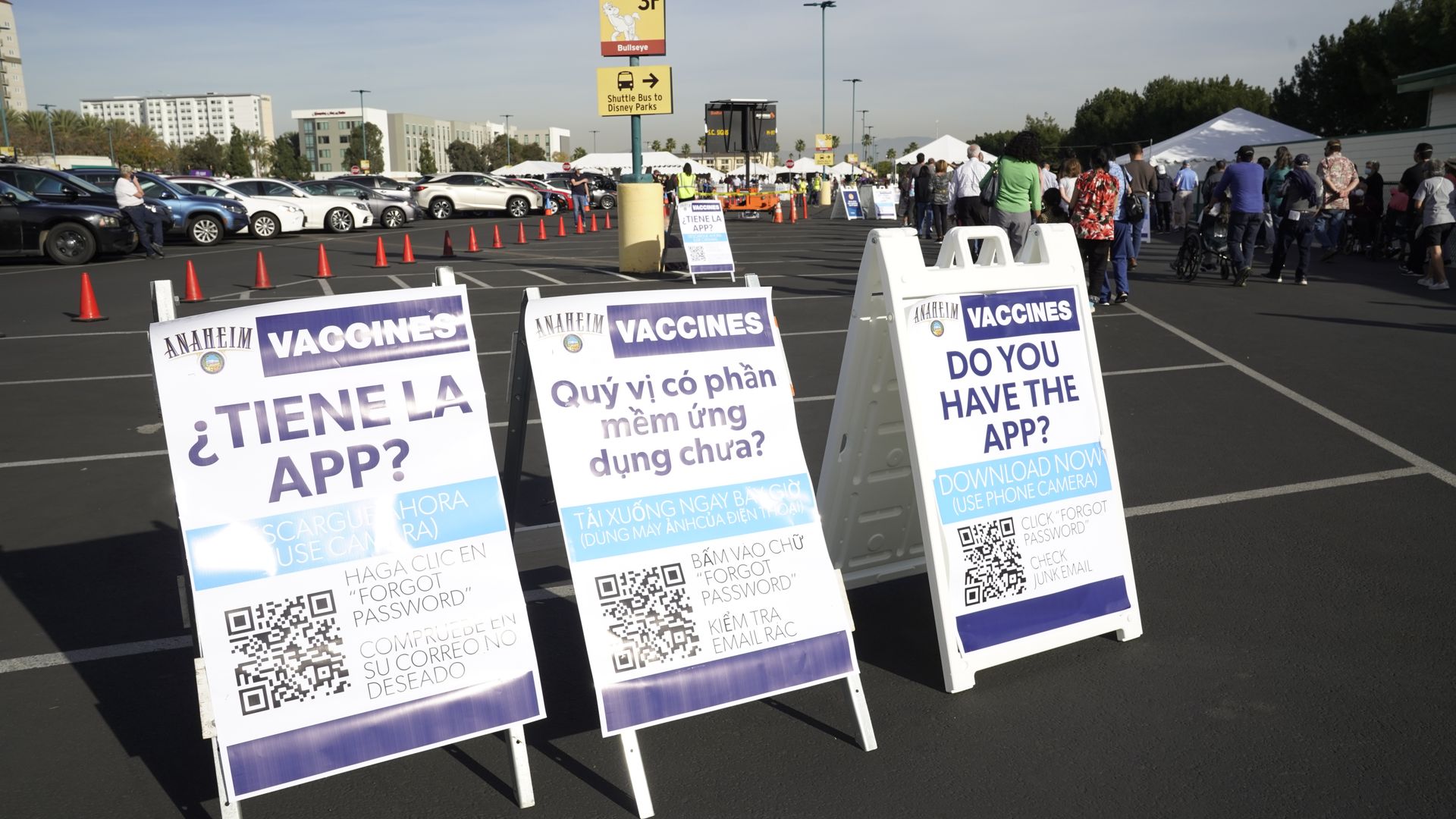
California's Department of Public Health announced Thursday that it has launched a Spanish- and English-language chatbot to help spread reliable information about COVID-19 and the safety of its vaccines.
Why it matters: The launch makes California the first state to try out a tool of this kind, the press release noted.
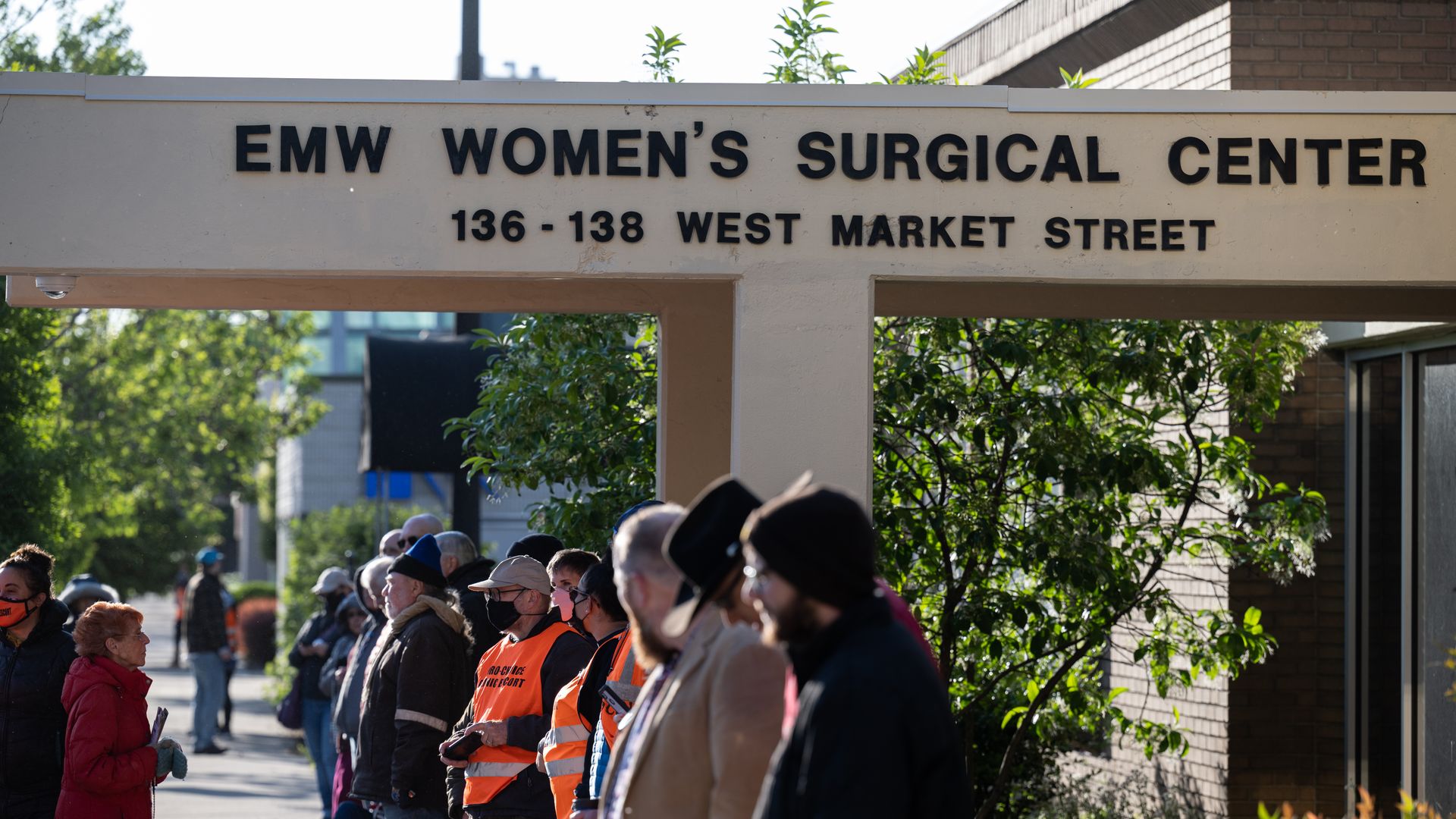
Why it matters: The law, which does not allow exceptions for rape or incest, included a slew of other provisions that caused Kentucky's only two abortion providers, Planned Parenthood and EMW Women’s Surgical Center, to stop performing abortions.
The Centers for Disease Control and Prevention on Thursday issued an alert warning doctors to lookout for unusual cases of severe hepatitis and adenovirus infection in children, according to a health advisory.
Driving the news: Health officials and the Alabama Department of Public Health are investigating nine cases of hepatitis in children 1 to 6 years old who were hospitalized between October 2021 and February 2022 with significant liver injury, per the CDC.
CDC, FDA and NIH employees didn't report what they viewed as political interference in their work during and before the pandemic because they feared retaliation, according to a new federal audit.
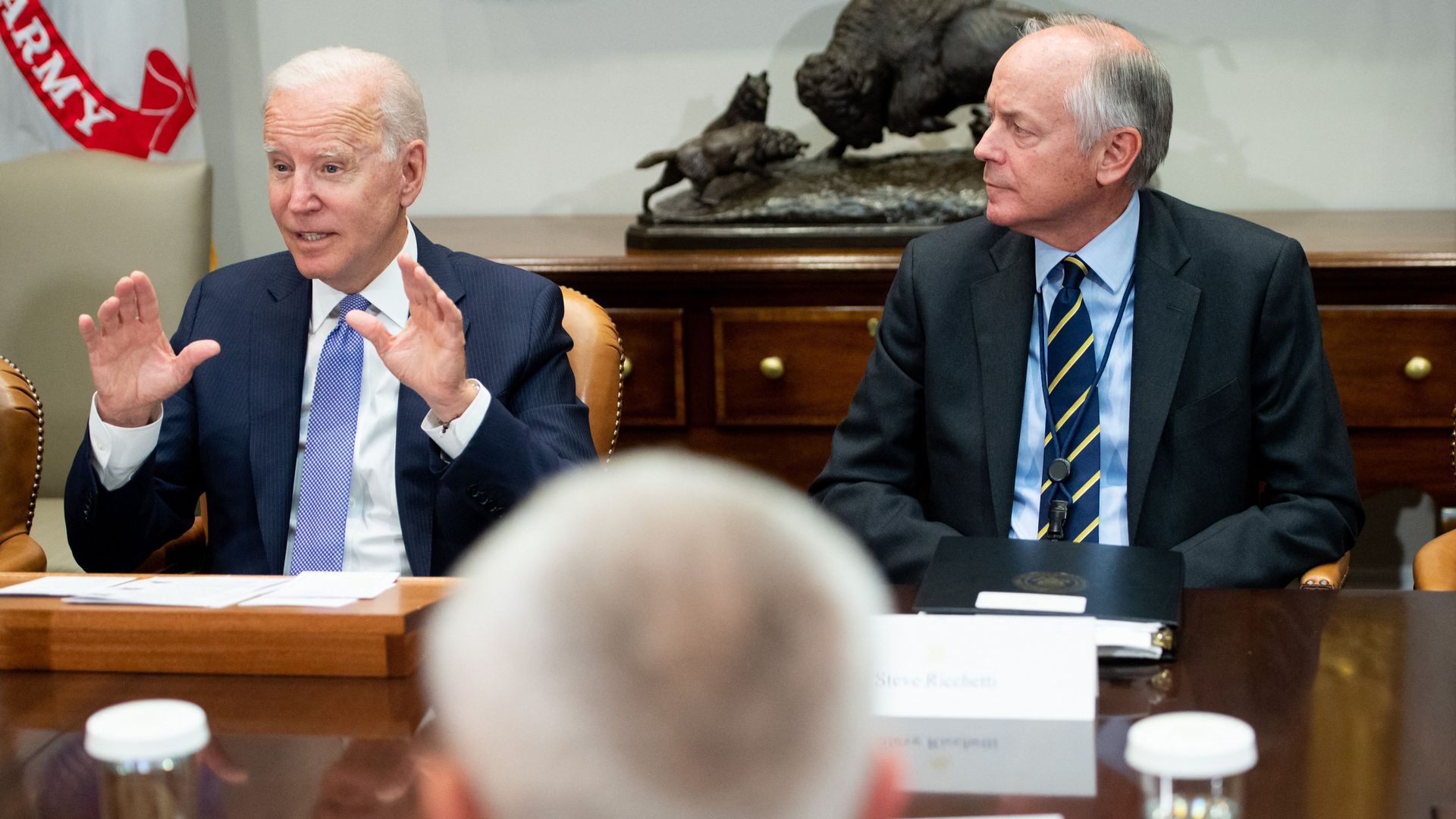
Jeff Ricchetti, the brother of senior White House official Steve Ricchetti, has been lobbying for the drug industry's top trade group, records show.
Why it matters: Ricchetti has pledged not to lobby the West Wing, but his newly disclosed deal with the Pharmaceutical Research and Manufacturers of America, a top K Street spender, shows corporate America still sees significant value in his services.
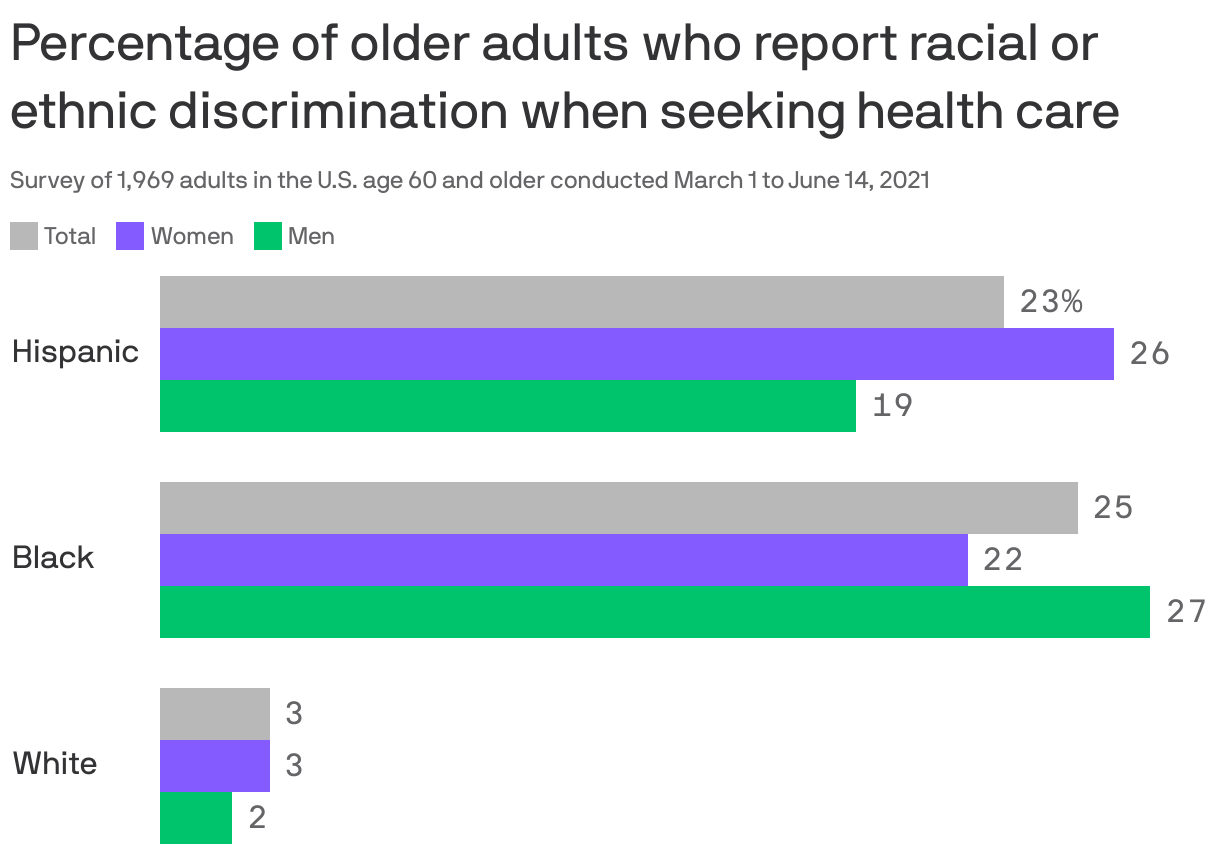
Reproduced from Commonwealth Fund 2021 International Health Policy Survey; Chart: Axios Visuals
Roughly one in four Black and Latino adults ages 60 and older say health care professionals treated them unfairly or ignored their health concerns because of race or ethnicity, according to a survey out today from the Commonwealth Fund.
More than a quarter of those who reported experiencing discrimination said it prevented them from getting the care they felt they needed as a result.
Why it matters: The COVID-19 pandemic has surfaced disparities in health care and outcomes along racial lines in America.
But this survey zeroed in on individuals' interactions with the health care system — a factor that has a major bearing on outcomes, the report's authors say.
"This study shows the health care system is not working for people of color, especially older adults," Michelle Doty, one of the authors of the paper, told Axios.
"When you have over a quarter of Black and Latino/Hispanic older adults reporting that they have been treated unfairly or felt their health concerns weren't taken seriously because of their race and ethnicity, that's a problem," she said.
Between the lines: The findings add to a growing body of research documenting systemic racial bias that cuts across age groups in U.S. health care delivery.
A systemic review published in January in Critical Care Medicinefound "significant differences in the care and outcomes among ICU patients of different races." Another study, published in the April issue of the Maternal and Child Health Journal, found implicit bias can lead medical professionals in NICU to disregard mothers who are Black and economically disadvantaged as they advocate for their infants' health.
Black patients were more than two-and-a-half times as likely as white patients to have negative descriptors about them in their electronic health records, according to a study published in January in Health Affairs.
A study published last August in JAMA, found health care spending was higher on white patients, even after adjusting for age and health condition. It provided evidence of inequities "from how physicians respond to patients to bias that exists in the algorithms that assess health needs and determine the appropriate intervention," the researchers wrote.
Yes, but: The public may be tuning out accounts of disparities and bias in the medical system.
A study published in Social Science & Medicine in Marchsuggested that white Americans were less likely to support health policies like masking or show empathy after reading about the disparate impacts of COVID-19 on other races.
Healthcare may be getting drawn into culture wars over race, gender and identity that are playing out in other arenas, such as public schools. On Monday, Stanley Goldfarb, a former associate dean of curriculum at the University of Pennsylvania’s Perelman School of Medicine, wrote an op-ed in the Wall Street Journal touting a new nonprofit he helped form to fight the "radical ideology" infecting health care.
The group is offering legal help to fight "critical race theory-inspired policies" that are affecting providers.
The bottom line: It may be valuable to refocus the disparities conversation on fixes, such as improved reporting systems for patients or enhanced training for medical students, said Morenike Ayo-Vaughan, another author of the Commonwealth Fund report.
"I see how people can be tired of hearing about it because it becomes normalized. 'Yes, we know this is happening.'" she told Axios. "But the hope with this work is we can inspire people to come together to think about the solutions."
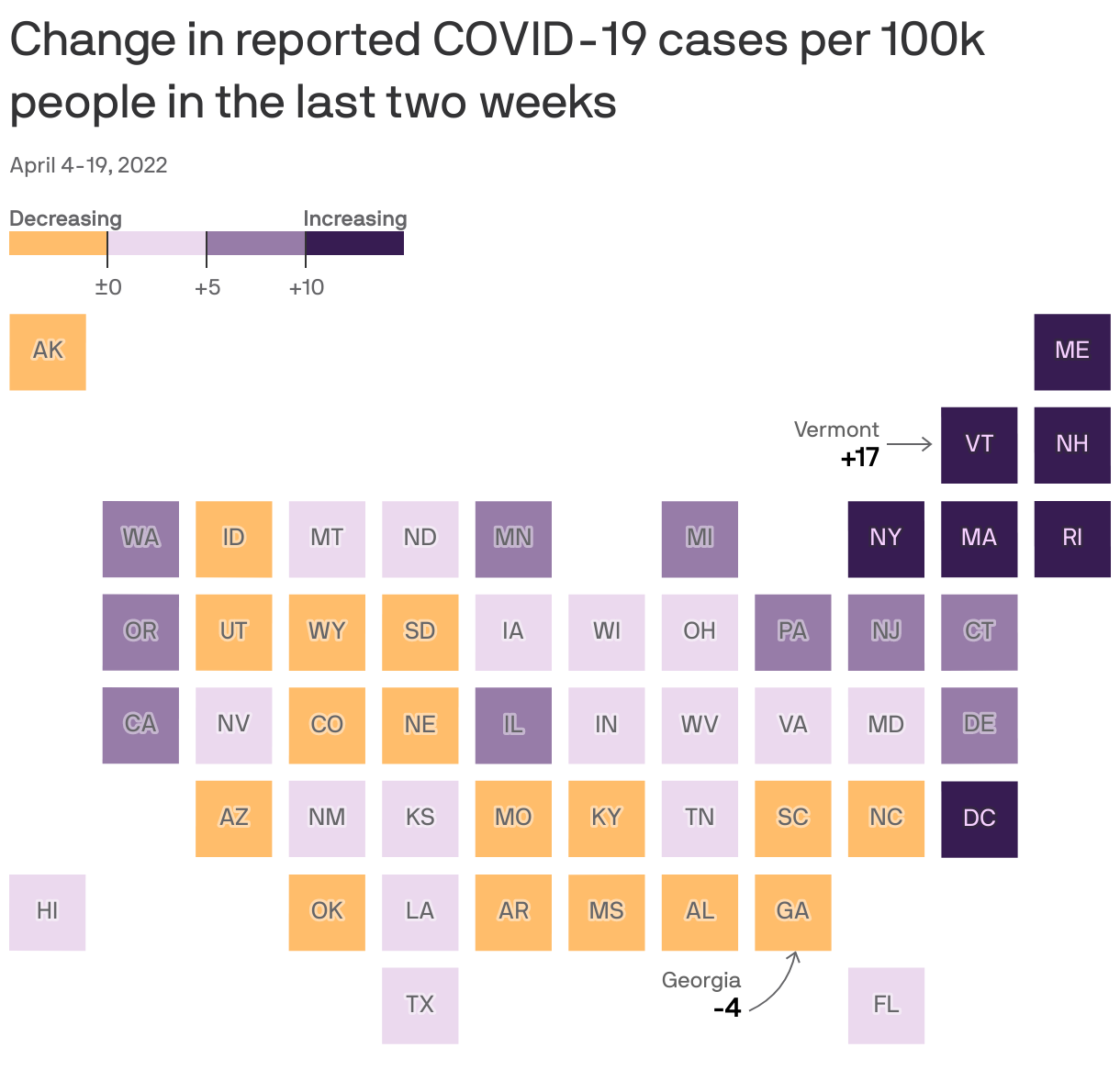
A new line of Omicron could be putting most of the U.S. in the path of a sustained bump in COVID-19 cases, with the Northeast, Mid-Atlantic and Pacific Northwest accounting for much of the spread.
The big picture: This rise is largely attributed to the Omicron subvariant BA.2, which still accounts for about 75% of all new cases.
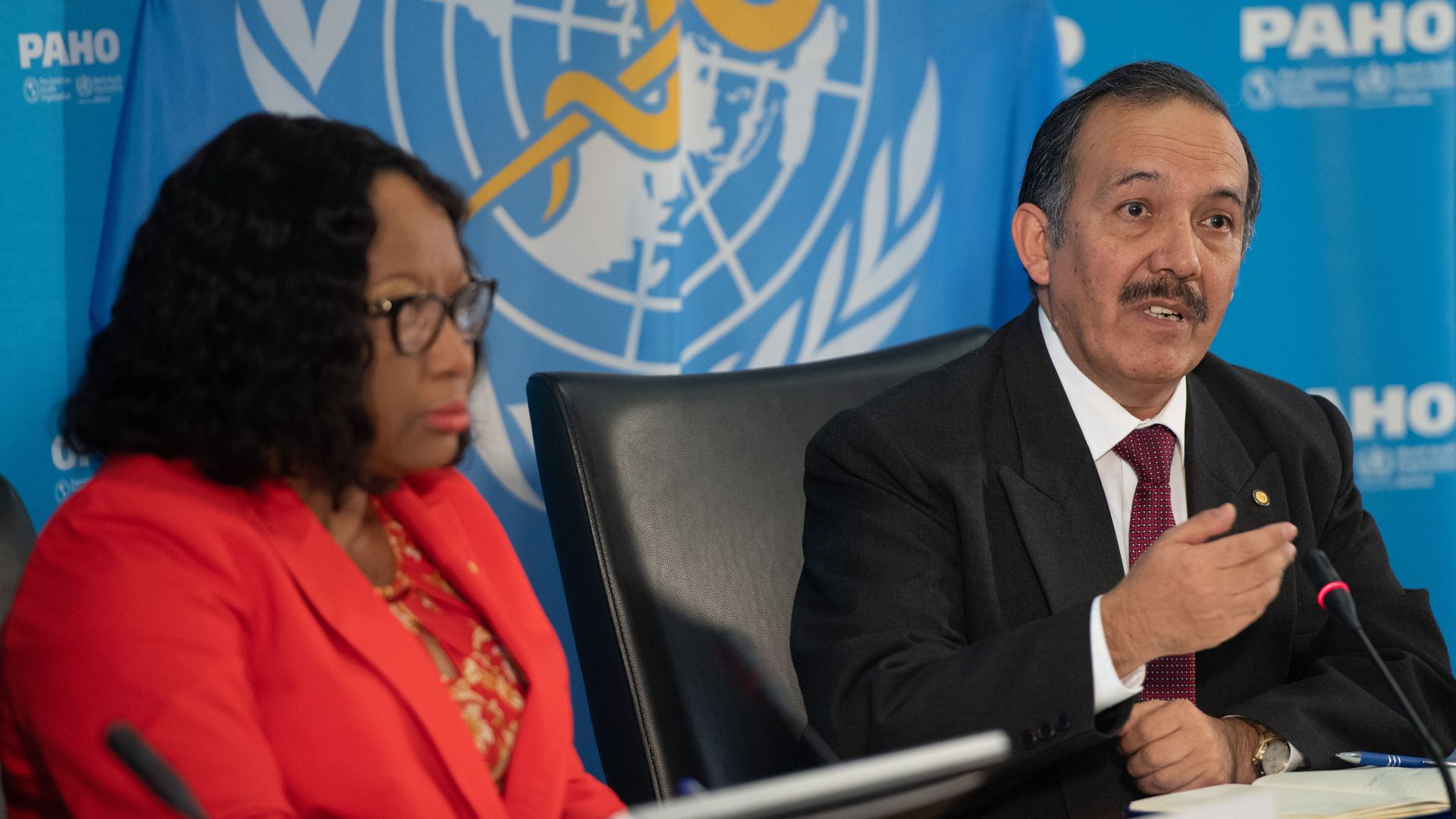
Mask use is "highly effective" at reducing COVID-19 transmission and the World Health Organization recommends people wear face coverings in public even if there are no mandates, a top regional WHO official said Wednesday.
Why it matters: Ciro Ugarte, director of health emergencies at the WHO's Pan American Health Organization, made the comments at a briefing in response to questions about the U.S. and other countries dropping face mask requirements in recent weeks.






/2022/04/21/1650557329599.gif?w=3840)