The Virginia Supreme Court on Monday dismissed a lawsuit from Chesapeake parents against Gov. Glenn Youngkin (R) for his order making mask-wearing optional in schools.
Why it matters: Judges wrote that they couldn't issuewrits of mandamus and prohibit the Chesapeake School Board from making masks optional, because such relief cannot be issued in the case. But they made clear they aren't ruling on the legality of the case, potentially leaving the door open for future litigation.
Delaware Gov. John Carney (D) announced Monday that the state's mask mandates for indoor public settings and schools will end over the next two months.
Driving the news: The mask mandate for indoor settings is set to lift Feb. 11, while masking requirements for K-12 schools and childcare facilities will end on March 31.
Team USA men's figure skater Vincent Zhou will withdraw from the Winter Olympics individual competition after testing positive for COVID-19, the athlete said in an emotional Instagram post Monday.
What he's saying: "This is not the end. This is a setup for a bigger comeback," he said. "While it was always my dream to medal on an Olympic stage, which I did accomplish before this happened, the overarching dream was just to skate."
Some pharmacies are getting paid as little as $1 to dispense the COVID antiviral pills made by Pfizer and Merck.
Why it matters: Most pharmacies want to offer the drugs, especially the one from Pfizer that drastically cuts the odds of hospitalization and death. But low payments could hurt Americans' ability to access the pills in some areas if pharmacies decide they can't afford to stock them.
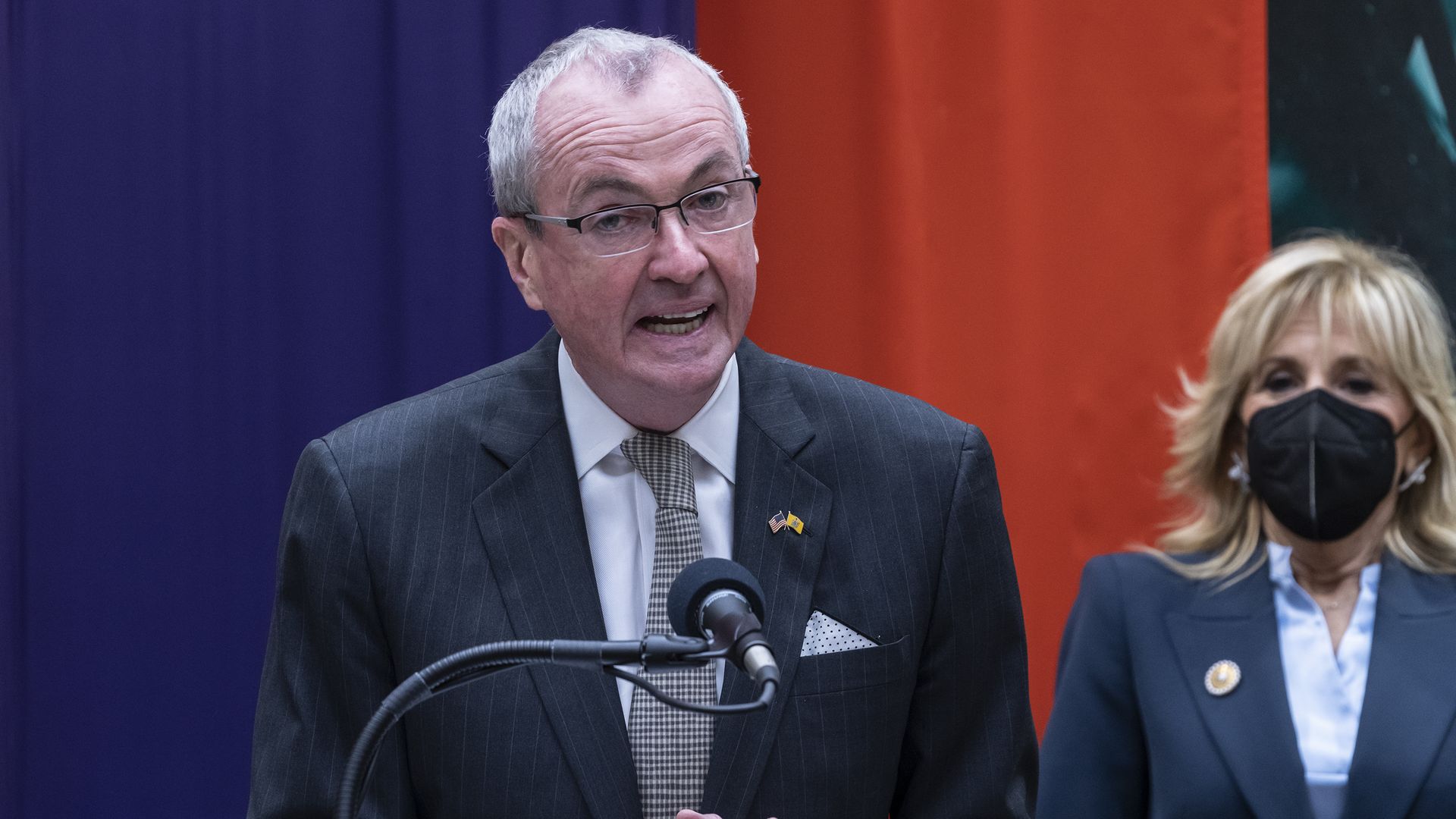
New Jersey Gov. Phil Murphy (D) announced Monday that the state will lift its mask mandate for students and school employees next month.
Why it matters: It is the first time since the start of the COVID-19 pandemic that New Jersey has rolled back its school mask mandate, signaling a shift in how the state may view the virus.
Federal health regulators will soon face their next controversial vaccine decision: whether to authorize Pfizer's vaccine for children younger than 5, despite ongoing questions around dosing and effectiveness.
Why it matters: Once again, the pandemic is forcing health officials to choose between unconventional vaccine approval methods and the human costs of abiding by more traditional — yet time-consuming — regulatory processes.
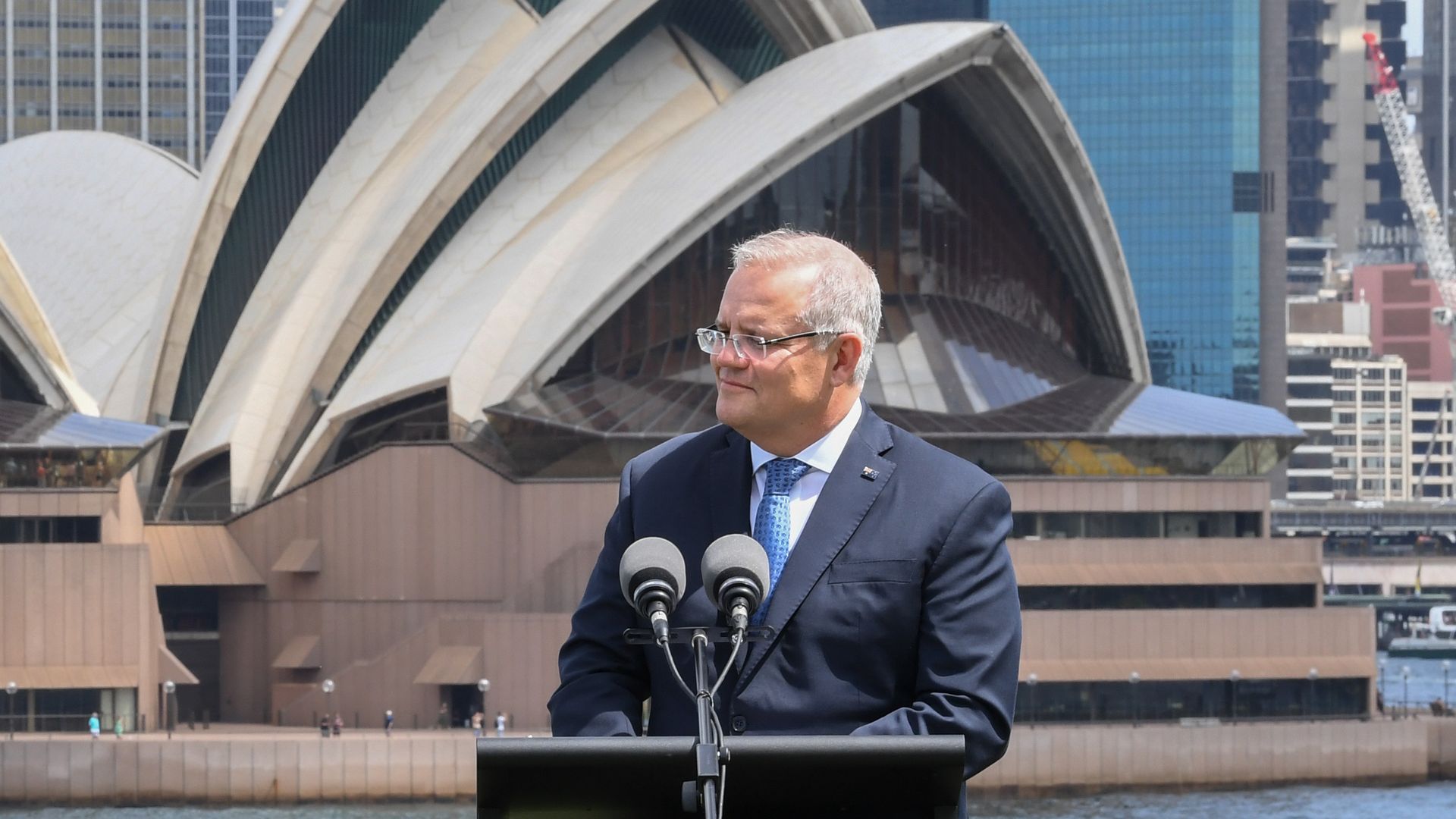
Australia will reopen its borders from Feb. 21 to foreign travelers who have received two COVID-19 vaccine doses, Prime Minister Scott Morrison announced Monday.
Why it matters: Australia's borders have been shut to most non-residents since March 2020. Its tough pandemic policies made headlines last month when world men's tennis no. 1 Novak Djokovic was deported from the country for being unvaccinated.
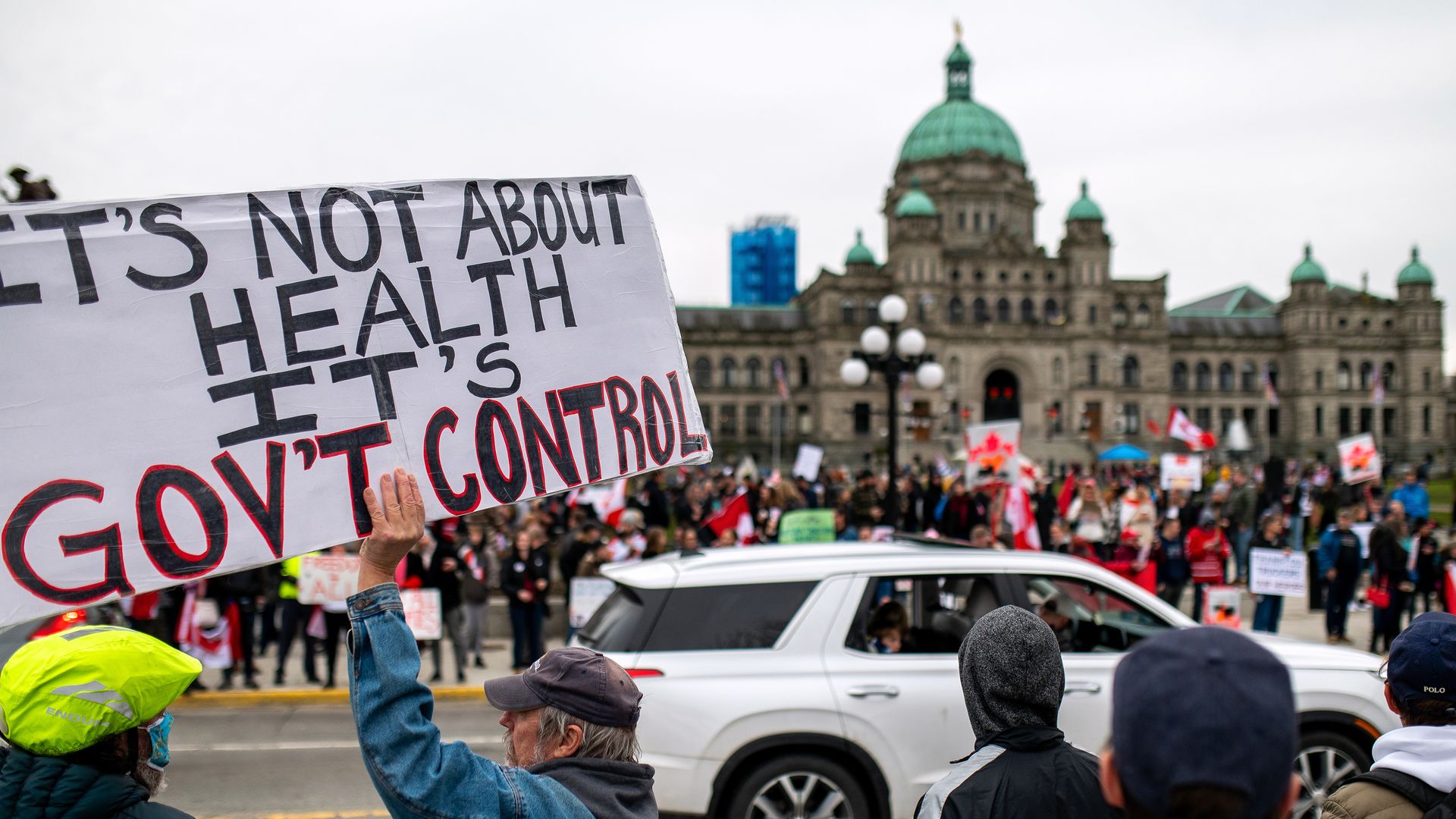
Ottawa Mayor Jim Watson declared a state of emergency Sunday in response to 10 days of massive demonstrations in Canada's capital protesting pandemic restrictions, which have since spread to other provinces.
Driving the news: "Declaring a state of emergency reflects the serious danger and threat to the safety and security of residents posed by the ongoing demonstrations and highlights the need for support from other jurisdictions and levels of government," per a statement from the mayor's office.
Long COVID is likely keeping a lot of Americans out of the workforce, experts say, — and that could continue for years as people struggle with persistent health problems.
The big picture: Long COVID isn't confined to older patients, and its symptoms can vary. The U.S. also doesn't have particularly strong support systems for people who need long-term COVID treatment.
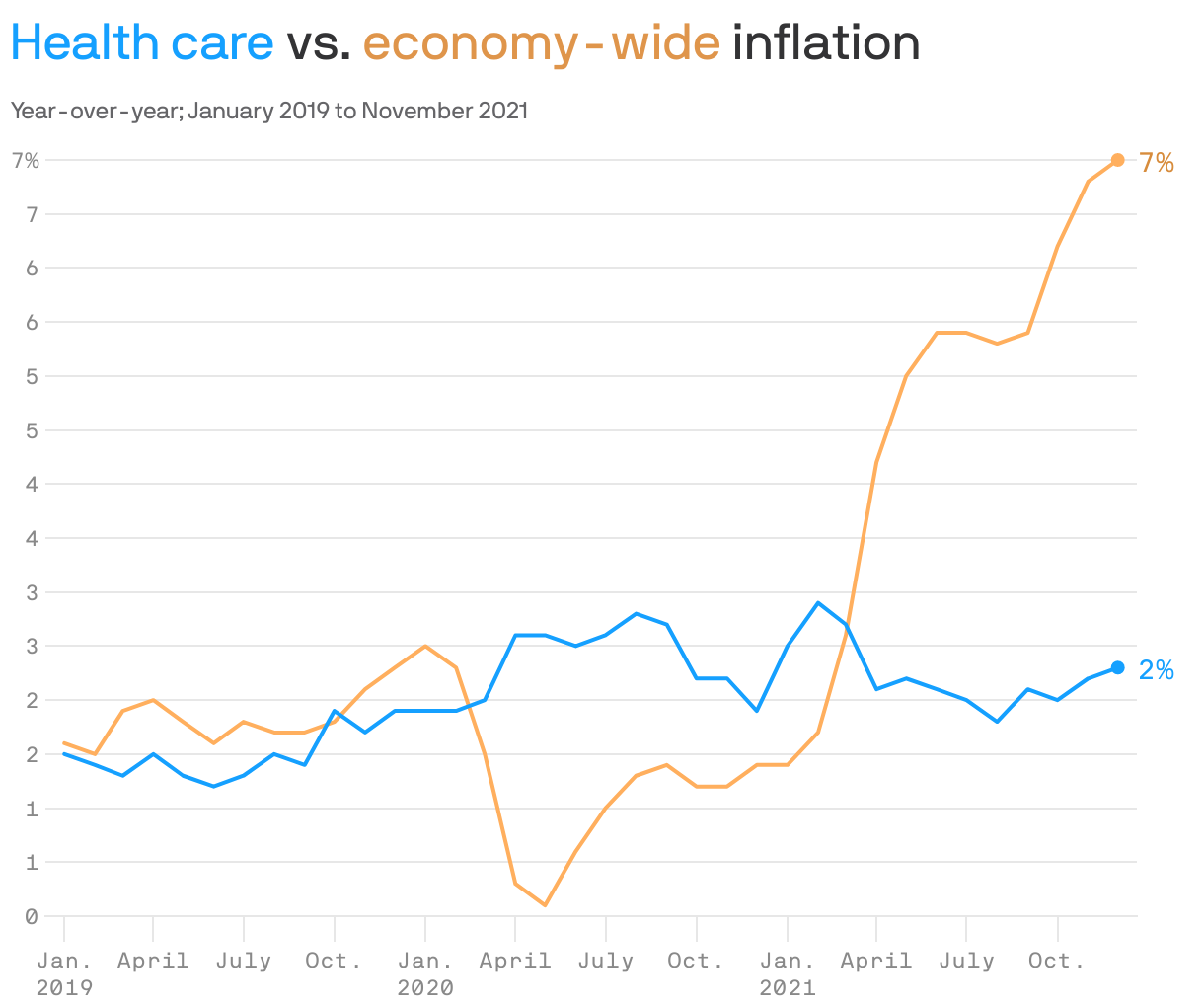
Economy-wide inflation has outpaced health care inflation by a wide margin since last April, but Americans should expect health care prices to rise more soon.
The big picture: Companies can raise the prices of food, furniture and other commodities immediately. That's not how it works in health care, where prices are set by government programs or negotiated with private insurers in advance and are reflected in economic data later.
Cancer treatments that modify a patient's immune cells to attack cancer cells are being re-engineered to try to treat more cancers in more people.
Why it matters: CAR-T immunotherapies have been successful in treating certain types of blood cancers in some people. But they struggle against solid tumors, which make up about 90% of cancers in adults.
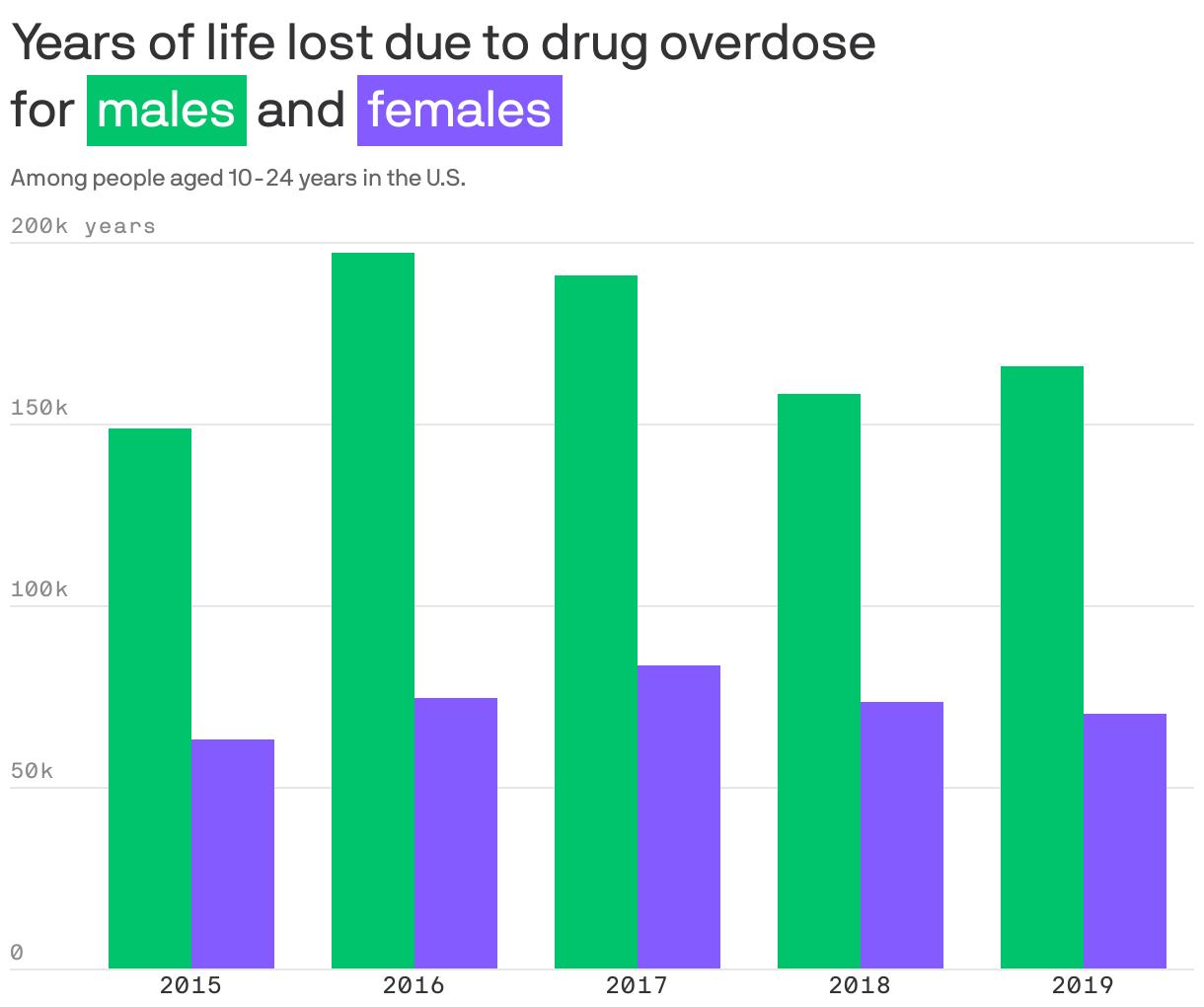
Adolescents and young adults lost an estimated 1.2 million years of life due to unintentional drug overdoses over five years, according to a study published in JAMA.
What they found: About 3,300 adolescents ages 10–19 years old died of an unintentional drug overdose in the U.S. between 2015 and 2019, representing about 187,078 years of life lost, researchers from Ohio State University said.