U.K. Prime Minister Boris Johnson outlined a plan Wednesday to end England's remaining domestic coronavirus restrictions — including the requirement to self-isolate after testing positive — later this month.
Why it matters: Though COVID-19 cases have fallen since January, they remain "relatively high," CNN reported.
Austin-based home testing company Everly Health is gearing up to partner with a leading home cancer testing company to offer its early-detection home cancer test to members of employer health plans, sources tell Axios.
Why it matters: Besides giving Everly Health a potential foothold in clinical testing, the deal serves as an early test of its (newish) enterprise division for employers and health plans.
America's blue states are increasingly chasing normalcy, especially when it comes to face mask rules meant to slow the spread of COVID-19.
The latest: Nevada, a swing state with a Democratic governor, joined New York, Rhode Island, New Jersey, Delaware, California and other states that have recently announced an end date for mask requirements and other COVID restrictions.
Several Republican lawmakers have expressed support for ongoing protests in Canada against COVID-19 vaccine mandates and other pandemic restrictions, and are targeting GoFundMefor removing a fundraiser benefiting the protesters.
Why it matters: Protests in Canada's capital, Ottawa, have continued for thirteen days, with the police chief declaring the city is "under siege" and prompting Mayor Jim Watson to declare a state of emergency. The protesters also shut down the Ambassador Bridge, one of the busiest crossings between Canada and the U.S.
Fertility treatments appear to be associated with an increased risk for preterm births, according to a study released Tuesday in JAMA Network Open.
The details: In the cohort study led by the Children's Hospital of Fudan University in Shanghai, researchers looked at data from the National Vital Statistics System for more than 14.3 million live, single births by mothers in the U.S.
Centers for Disease Control and Prevention director Rochelle Walensky said Wednesday that the CDC will continue to recommend that people wear masks indoors in areas where there's high risk of transmission.
The big picture: Despite CDC data showing that community transmission in the U.S. remains high, many states are moving to ease or lift coronavirus restrictions, including getting rid of mask mandates in schools.
New York-based Thirty Madison and women's-focused digital health startup Nurx, based in San Francisco, have agreed to merge under the Thirty Madison brand, the company's executives tell Axios.
Why it matters: Digital health consolidation wave? Try tsunami.
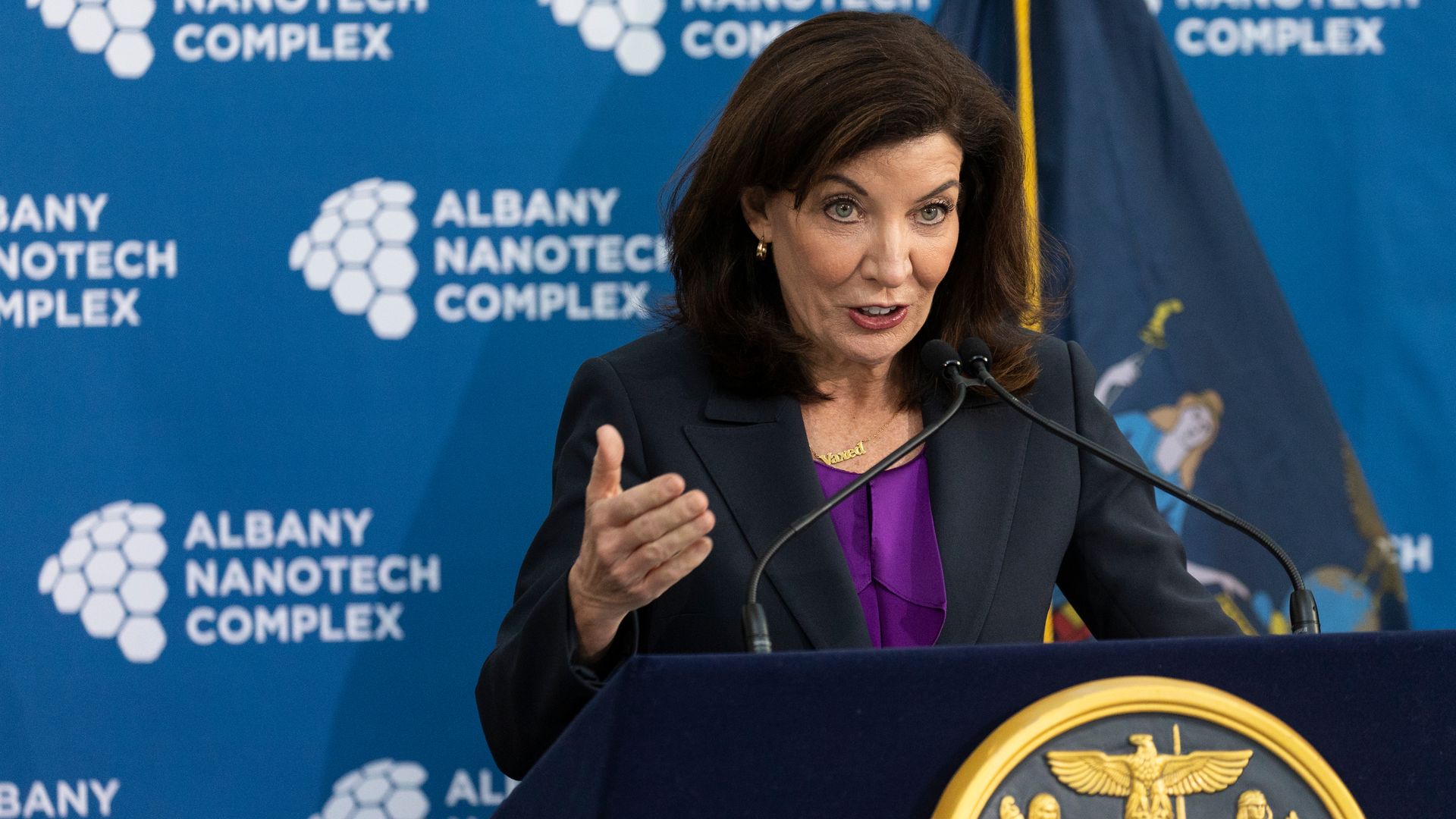
Gov. Kathy Hochul (D) announced Wednesday the state will drop its indoor mask mandate and a requirement that businesses ask customers for proof of vaccination starting Thursday.
Why it matters: New York joins several other blue states in seeking normalcy and rolling back restrictions meant to slow the spread of COVID-19, as cases rapidly wane after peaking in January from the Omicron variant.
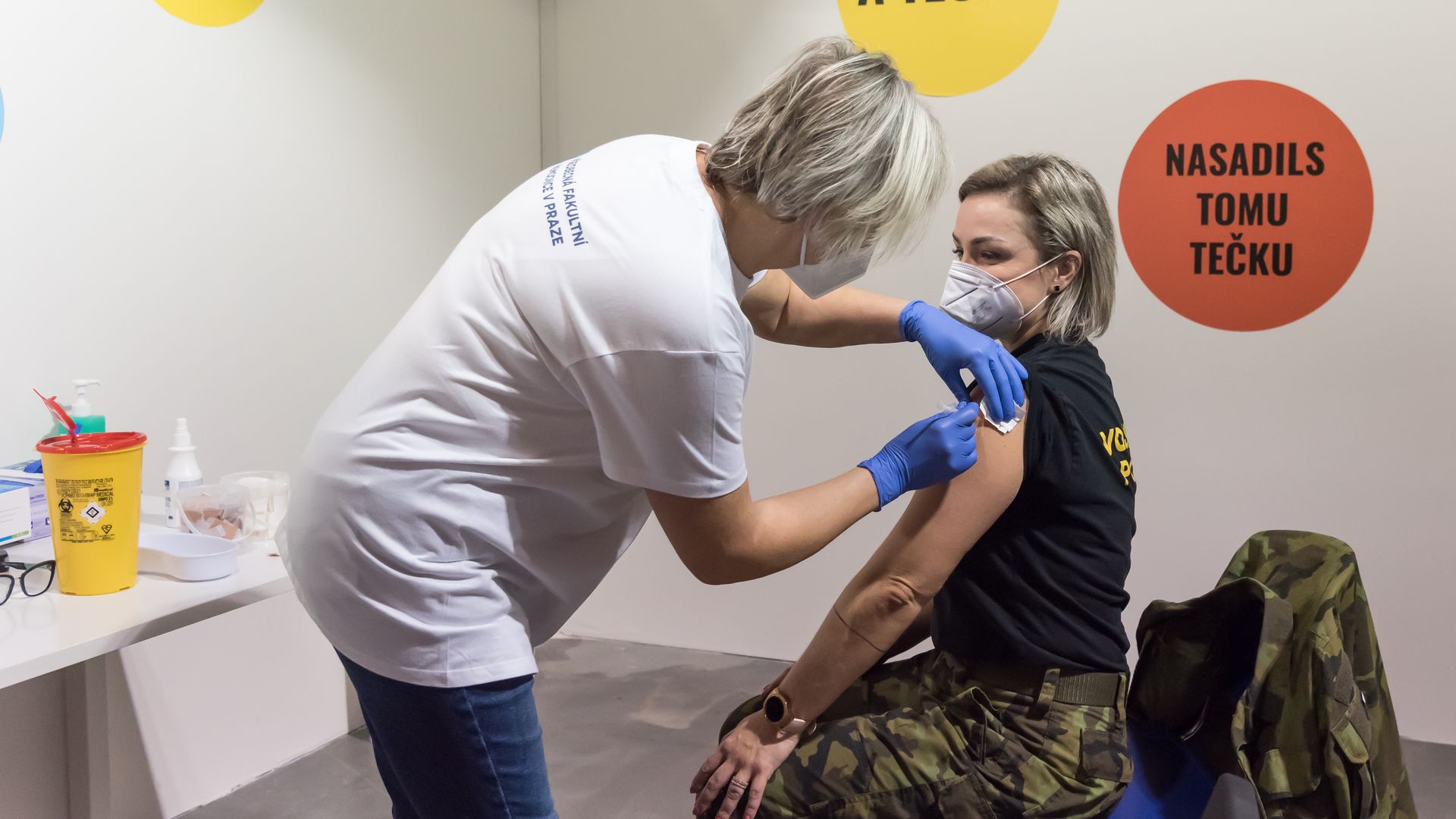
The Czech Republic eased its coronavirus restrictions Wednesday by canceling a requirement for people to show proof of vaccination to attend public events, bars or restaurants or use certain services, according to AP.
Why it matters: Several European nations have recently eased or ended their COVID restrictions. The moves signal that these countries believe a potential bump in cases from opening back up is unlikely to jeopardize their health services, despite elevated — though rapidly falling — case numbers from the Omicron variant.
COVID-19 pandemic restrictions could end "soon," even as early as this year, NIAID director Anthony Fauci told the Financial Times in an interview published Tuesday.
The big picture: Fauci explained that he does not believe "we are going to eradicate this virus," but said that it will instead reach an "equilibrium."
Pfizer and federal officials are scrambling to speed up COVID vaccines for kids under 5 — but polls indicate plenty of parents may be on the fence about getting their child vaccinated right away.
Why it matters: Officials are trying to get first shots into the littlest arms to protect against severe disease and hospitalization — which, while rare for young kids, is still a real threat.