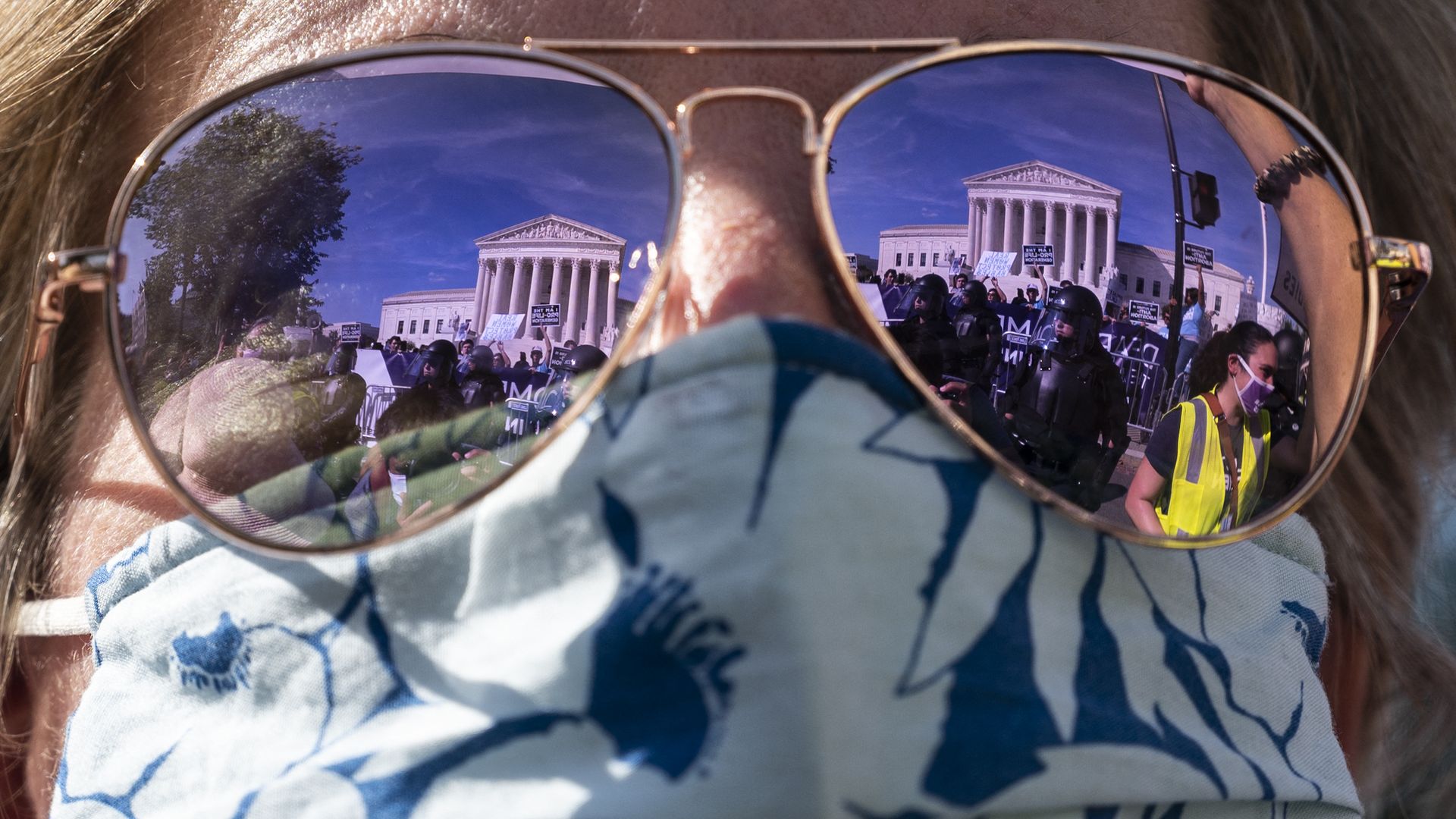
If the Supreme Court overturns Roe v. Wade, abortions could be harder to access even in states where they remain legal, because those clinics could be flooded with patients from states that have cracked down.
The big picture: This has happened before, and clinics fear the crush of demand would be a major problem in the immediate wake of a decision that would allow states to ban abortion.
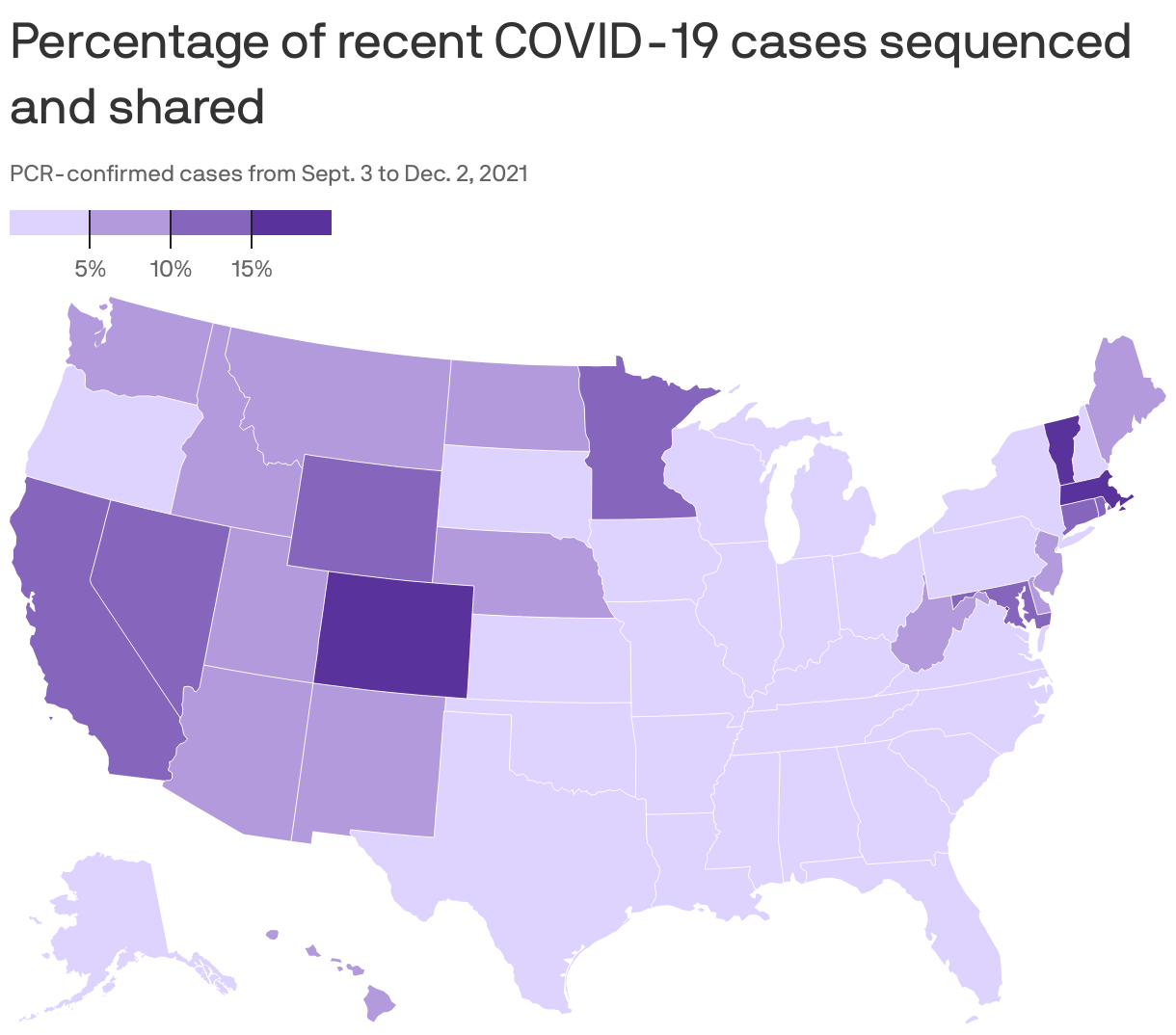
Some states are much more likely to catch cases of the Omicron variant early on — including California and Minnesota, which did, in fact, find the first two confirmed U.S. cases.
The big picture: Omicron has thrust the U.S.'s genetic surveillance capabilities back into the spotlight. And the more cases sequenced, the better the chances of finding the variant before it takes off.
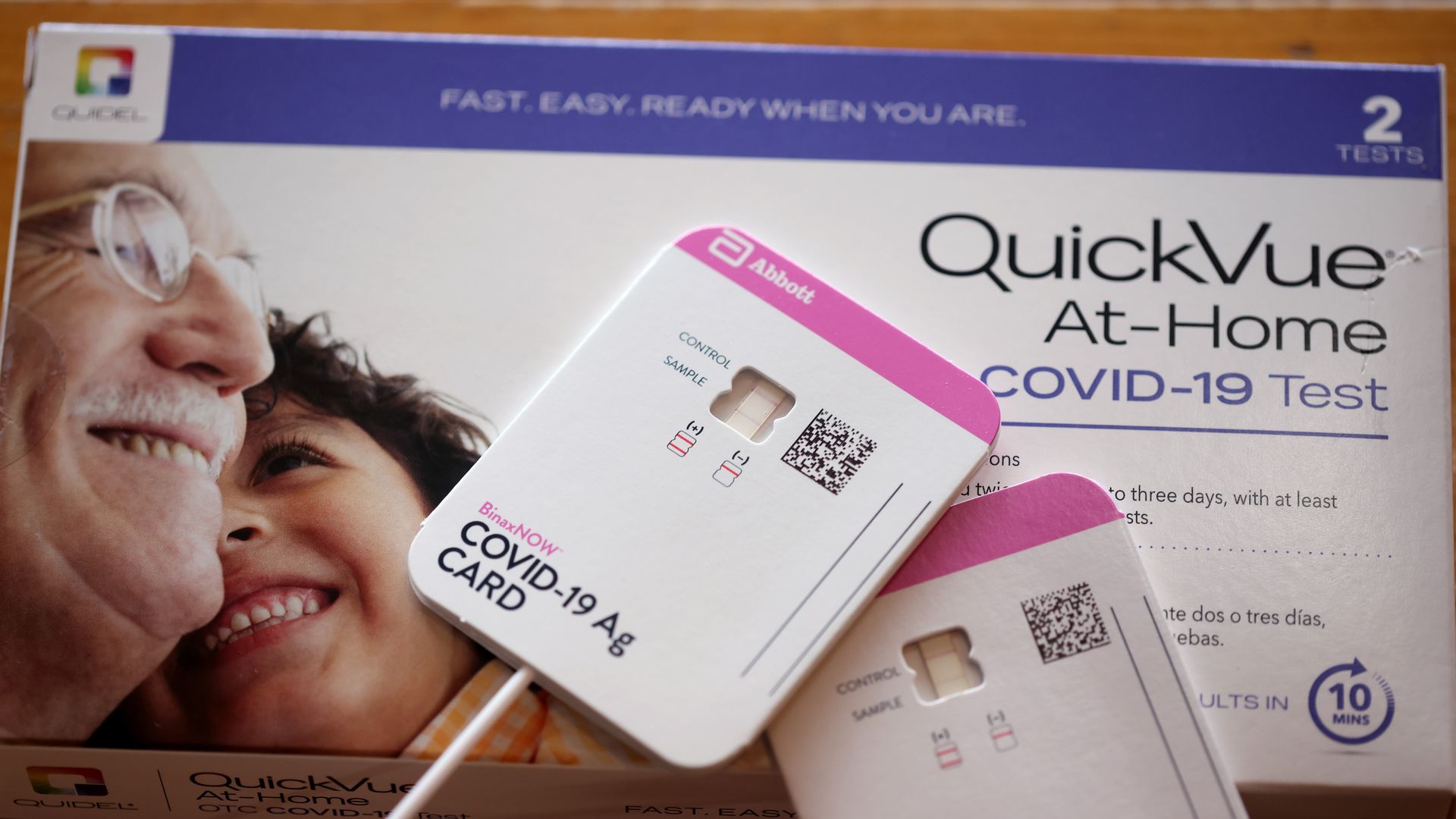
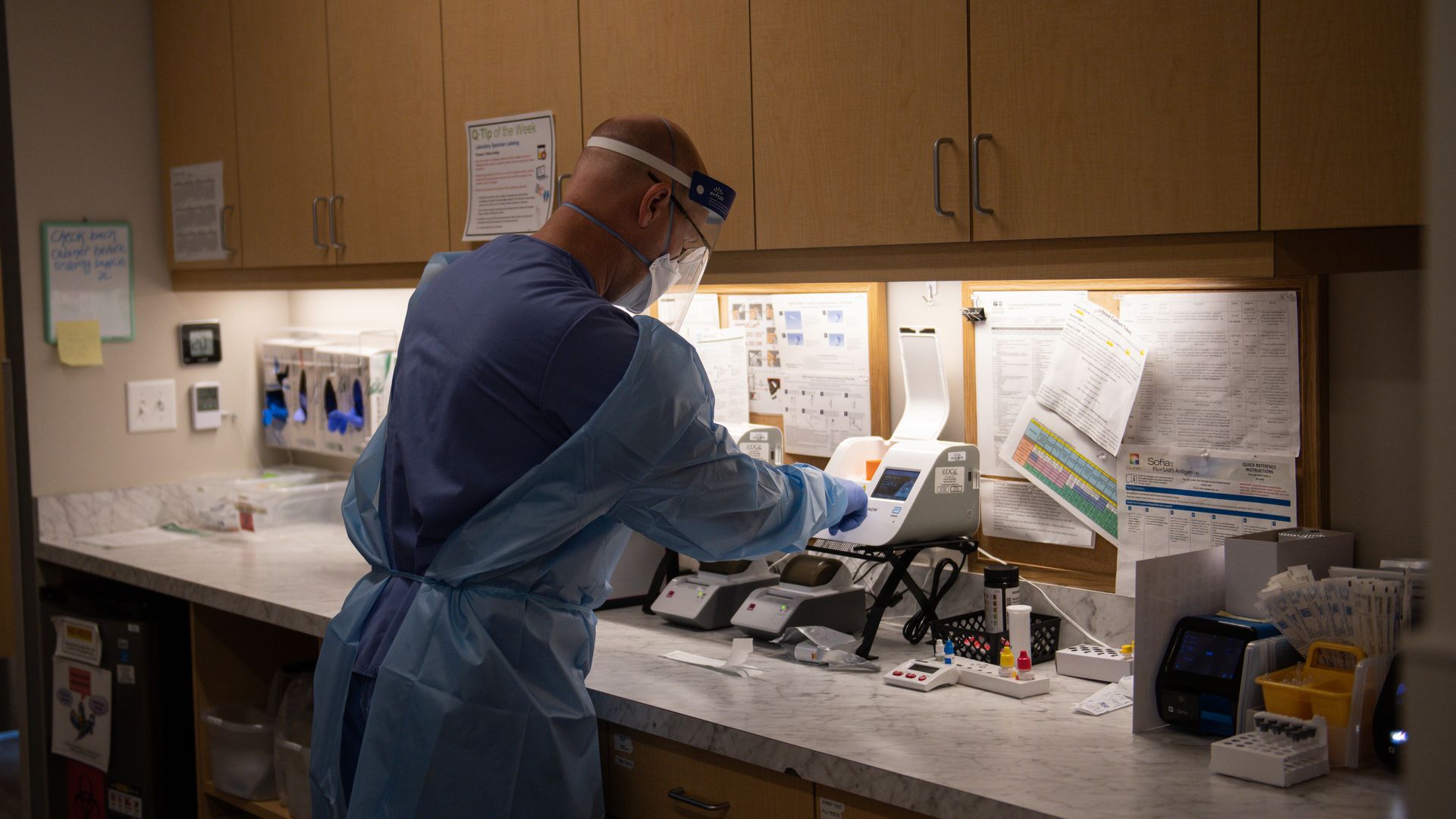
The Biden administration's decision to require health insurance companies to cover the cost of at-home COVID-19 tests is part of a national effort to more easily identify infected people and stunt the spread of the virus this winter.
Reality check: Millions of people who are uninsured or are covered by Medicare and Medicaid weren't included in the announcement, and the redemption of a "free" test still requires insured people to pay upfront.
Health measures taken to combat COVID-19 before the emergence of Omicron would also help against the new variant of concern, World Health Organization officials said Friday.
What they're saying: Takeshi Kasai, WHO regional director for the Western Pacific, said during a virtual briefing broadcast from Manila, Philippines, that border controls imposed by the U.S. and other nations can "buy time" to deal with the variant, but warned "every country and every community must prepare for new surges in cases."
Nevada's Public Employees' Benefits Program Board voted Thursday to charge workers enrolled in public employee health insurance plans a surcharge of up to $55 a month if they're not vaccinated against COVID-19, the Las Vegas Review-Journal reports.
Why it matters: Nevada is the first state to announce such a move, per AP.
Several Republican New Jersey Assembly lawmakers on Thursday broke a new rule requiring they show proof of COVID-19 vaccination or a negative test to enter the chamber and were temporarily blocked by state troopers, per NJ.com.
Why it matters: The move is part of a wider push by Republicans in several states and nationally against vaccine mandates. The N.J. GOP has filed a lawsuit against the rule by a panel appointed by Gov. Phil Murphy's (D) administration, and was granted a short stay by a state appellate court late Thursday, AP notes.
The state of Oklahoma filed a lawsuit against the Biden administration on Thursday in an attempt to block the enforcement of its vaccine mandate for federal employees.
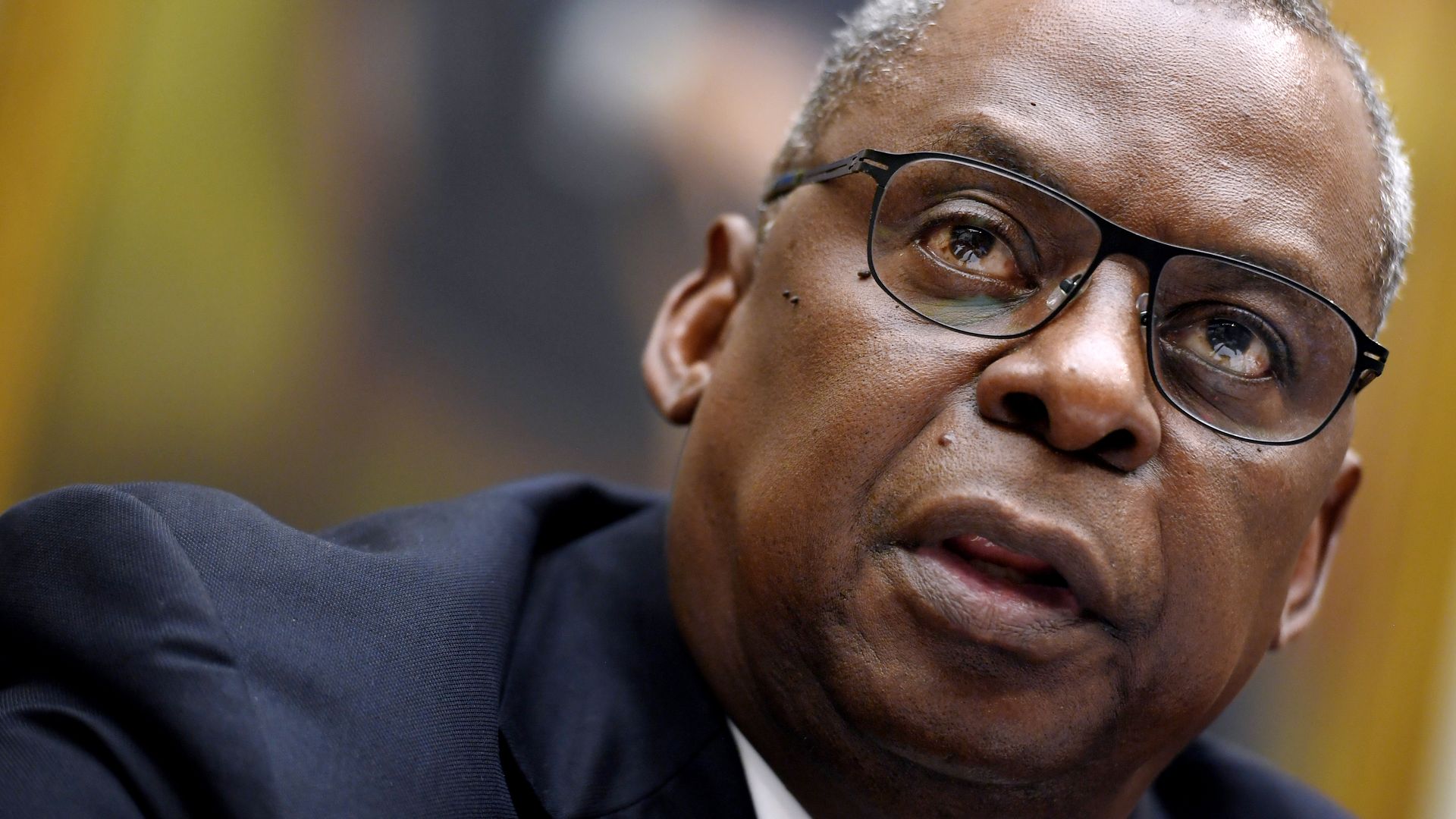
Why it matters: The move comes one day after Defense Secretary Lloyd Austin denied Oklahoma Gov. Kevin Stitt's (R) request to exempt the state's National Guard from the mandate.
Hawaii became on Thursday the fifth state to confirm the newly discovered Omicron variant after New York announced five new cases earlier in the day.
The latest: In Hawaii, the variant was found in an unvaccinated O'ahu resident with moderate symptoms who had previously been infected with COVID-19, per a state health department statement. The variant has also been confirmed in California, Colorado and Minnesota.
South Africa alerted the world to the Omicron variant. Now data out of South Africa may serve as a warning of what we're facing.
Driving the news: South Africa recorded 11,535 new cases Thursday with 22.4% of tests coming back positive — up from an average of about 300 new cases, with a 2% test positivity rate 10 days earlier. The country's top public health officials expect that exponential rise to continue as Omicron rapidly becomes the dominant variant.
The Centers for Disease Control and Prevention updated its statistics on autism spectrum disorder, now showing that more children get diagnosed with the condition and at younger ages.
By the numbers: About 1 in 44 8-year-old children have been diagnosed with autism, according to a recent CDC study analyzing 2018 data from 11 states.
Hackers breached the personal information of 400,000 Planned Parenthood patients in Los Angeles between Oct. 9 and Oct. 17, according to a spokesperson for the organization.
Why it matters: In letters sent out to victims of the breach, the reproductive health center said hackers gained access to files containing their names and "one or more of the following: address, insurance information, date of birth, and clinical information, such as diagnosis, procedure, and/or prescription information."
German Chancellor Angela Merkel said Thursday that people who are unvaccinated will not be allowed in nonessential shops, cultural and recreational venues, AP reports.
State of play: Merkel, alongside incoming Chancellor Olaf Scholz, said the measures were necessary to avoid overflowing hospitals with coronavirus patients. The country is seeing an increase in daily infections.
The Carlyle Group tells Axios that it has agreed to buy CNSI, a Virginia-based manager of IT systems for state and federal agencies, from Alvarez & Marsal Capital Partners.
Why it matters: This is about modernizing how Medicaid agencies process medical claims and manage provider enrollment, while responding more efficiently to legislative and regulatory changes.
The race to figure out just how dangerous the Omicron variant is will likely be a global effort, but some experts are skeptical that the U.S. will play a dominant role.
Why it matters: The CDC has repeatedly come under fire for inadequate data collection throughout the pandemic — and figuring out how to respond to Omicron requires a lot of data that doesn't currently exist.
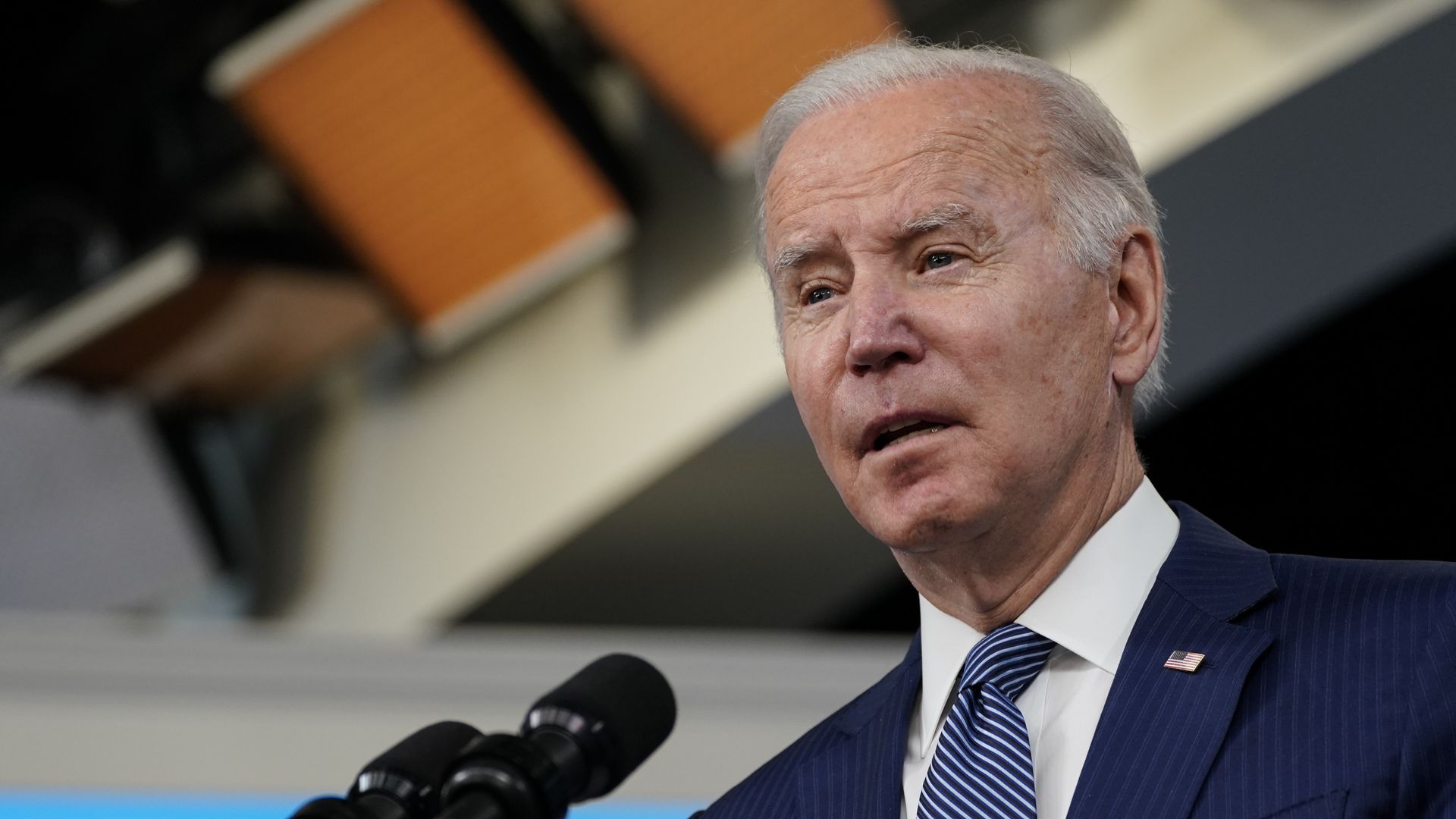
The federal government will issue guidance to allow people with private health insurance to seek reimbursement for the cost of at-home COVID tests, President Biden will announce Thursday.
Why it matters: The move — which comes amid growing concern about the Omicron variant and as part of the administration's larger strategy to mitigate the spread of COVID this winter — will expand access to at-home testing for over 150 million people.
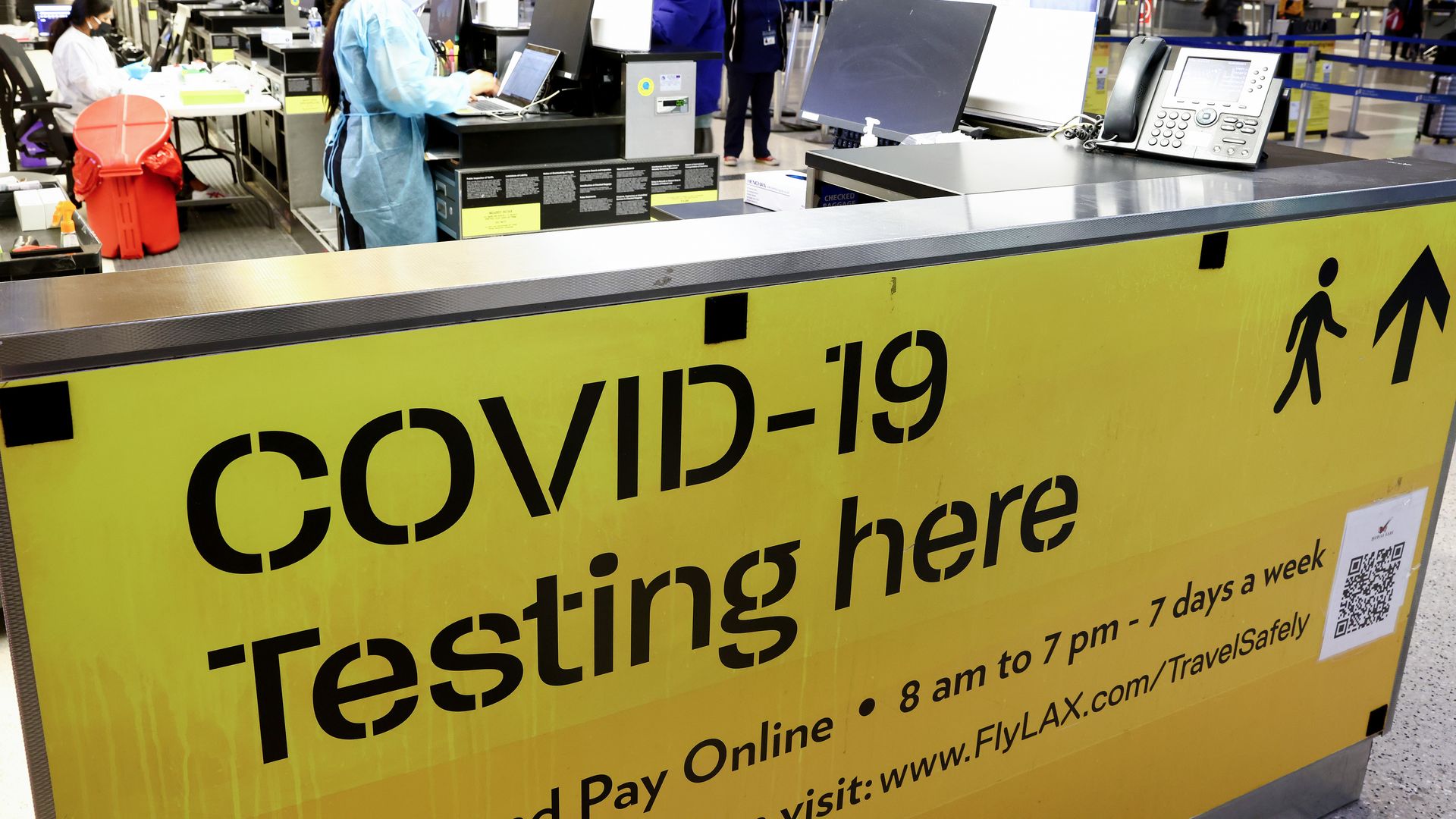
The travel bans and border closures prompted by the Omicron variant likely won't fully prevent its spread, but that won't stop countries from leaning on the measures.
Why it matters: The rapid speed at which countries turned to travel bans with the emergence of Omicron indicates border controls will increasingly become a weapon against infectious disease — whether or not public health experts agree they are effective.