The Centers for Disease Control and Prevention updated its statistics on autism spectrum disorder, now showing that more children get diagnosed with the condition and at younger ages.
By the numbers: About 1 in 44 8-year-old children have been diagnosed with autism, according to a recent CDC study analyzing 2018 data from 11 states.
Hackers breached the personal information of 400,000 Planned Parenthood patients in Los Angeles between Oct. 9 and Oct. 17, according to a spokesperson for the organization.
Why it matters: In letters sent out to victims of the breach, the reproductive health center said hackers gained access to files containing their names and "one or more of the following: address, insurance information, date of birth, and clinical information, such as diagnosis, procedure, and/or prescription information."
German Chancellor Angela Merkel said Thursday that people who are unvaccinated will not be allowed in nonessential shops, cultural and recreational venues, AP reports.
State of play: Merkel, alongside incoming Chancellor Olaf Scholz, said the measures were necessary to avoid overflowing hospitals with coronavirus patients. The country is seeing an increase in daily infections.
The Carlyle Group tells Axios that it has agreed to buy CNSI, a Virginia-based manager of IT systems for state and federal agencies, from Alvarez & Marsal Capital Partners.
Why it matters: This is about modernizing how Medicaid agencies process medical claims and manage provider enrollment, while responding more efficiently to legislative and regulatory changes.
The race to figure out just how dangerous the Omicron variant is will likely be a global effort, but some experts are skeptical that the U.S. will play a dominant role.
Why it matters: The CDC has repeatedly come under fire for inadequate data collection throughout the pandemic — and figuring out how to respond to Omicron requires a lot of data that doesn't currently exist.
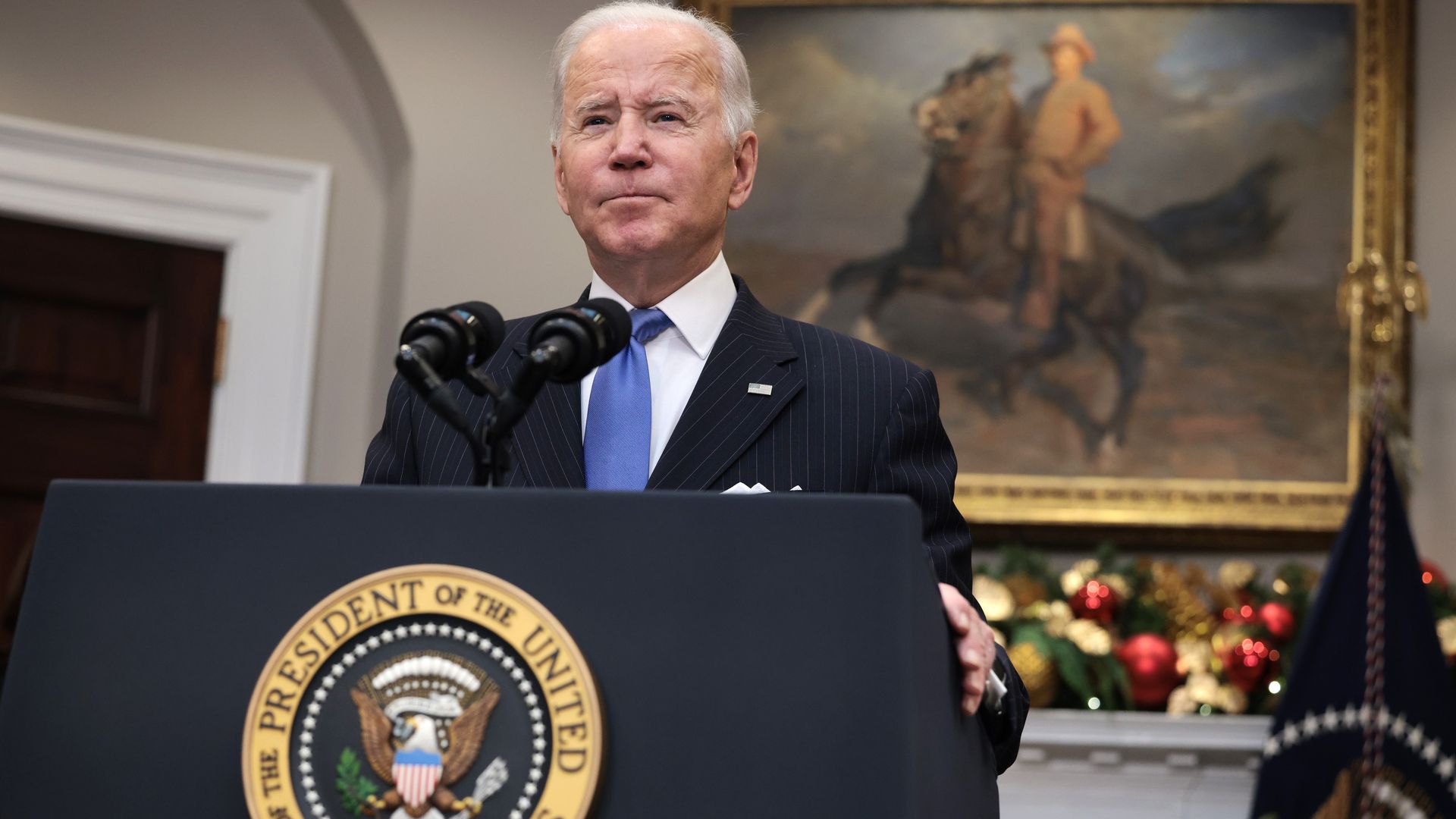
The federal government will issue guidance to allow people with private health insurance to seek reimbursement for the cost of at-home COVID tests, President Biden will announce Thursday.
Why it matters: The move — which comes amid growing concern about the Omicron variant and as part of the administration's larger strategy to mitigate the spread of COVID this winter — will expand access to at-home testing for over 150 million people.
The travel bans and border closures prompted by the Omicron variant likely won't fully prevent its spread, but that won't stop countries from leaning on the measures.
Why it matters: The rapid speed at which countries turned to travel bans with the emergence of Omicron indicates border controls will increasingly become a weapon against infectious disease — whether or not public health experts agree they are effective.
Meta announced Wednesday it has removed over 600 Facebook and Instagram accounts linked to a Chinese influence operation that claimed the U.S. was pressuring the World Health Organization (WHO) to blame COVID on China.
Why it matters: Though Meta said the network was unsuccessful, it marks yet another COVID disinformation campaign instigated by China in an effort to discredit the U.S.
The first known U.S. case of the Omicron variant was detected in California, the Centers for Disease Control and Prevention confirmed Wednesday.
Driving the news: The confirmed case was detected in a traveler returning from South Africa who was fully vaccinated and has mild symptoms, according to the CDC.
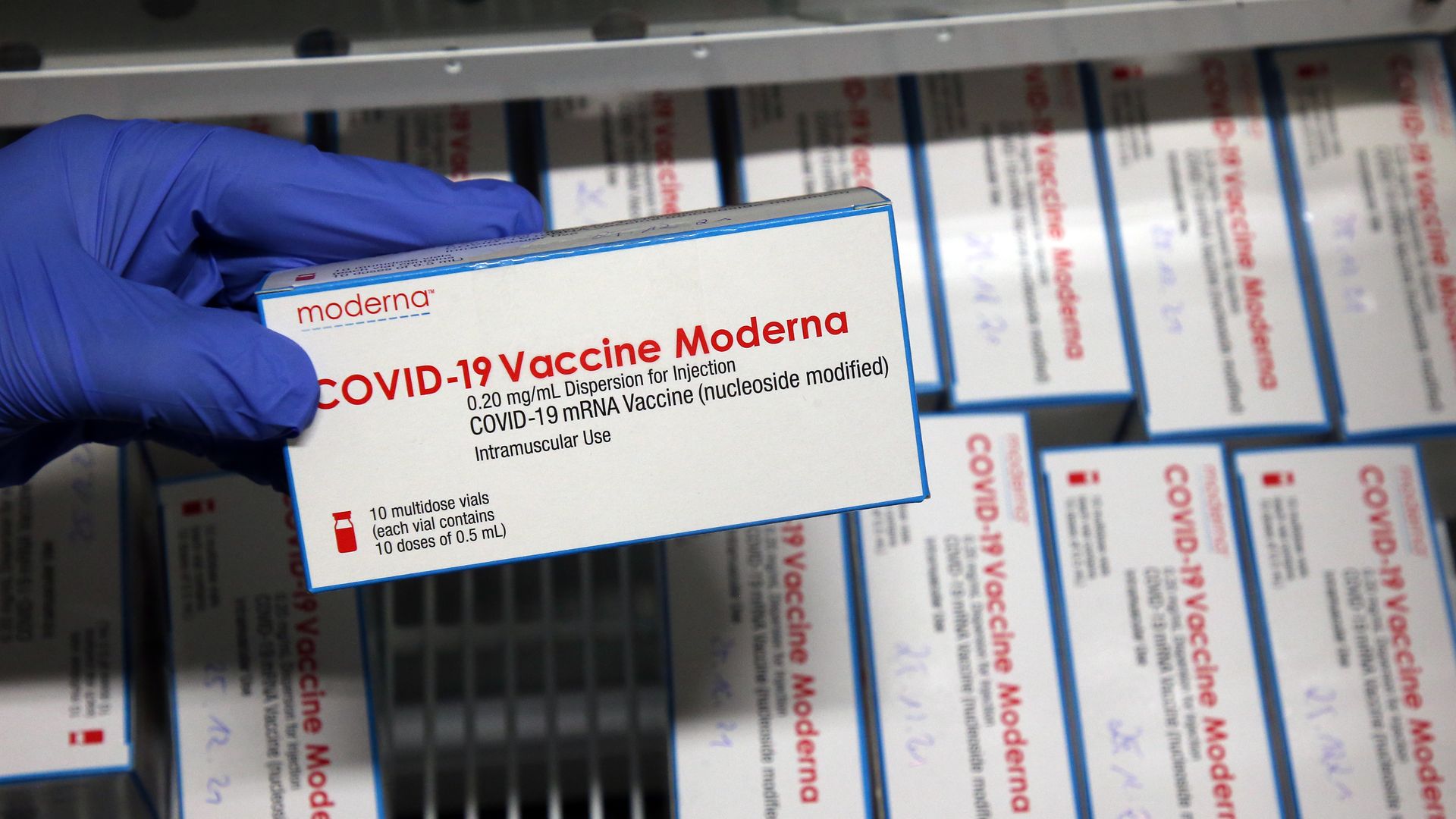
A federal appeals court on Wednesday dismissed two patentchallenges from Moderna over key components involved in making its COVID-19 vaccine.
Why it matters: The court's decision to side with Arbutus Biopharma means Arbutus could potentially sue Moderna for patent infringement and demand royalties from Moderna's COVID-19 vaccine, which is expected to generate up to $18 billion of revenue this year.
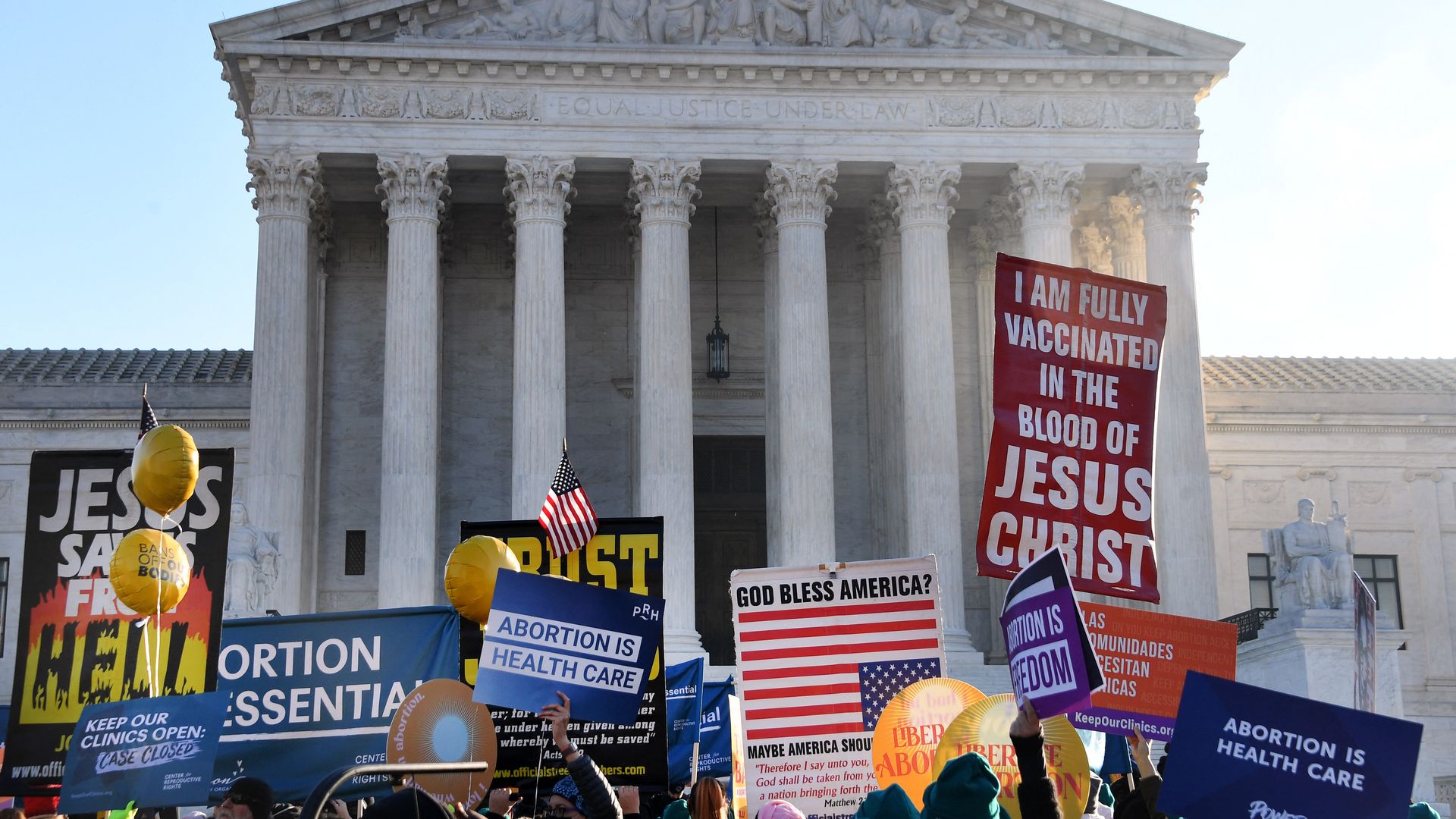
The Supreme Court on Wednesday seemed likely to weaken abortion rights and perhaps to let states ban the procedure altogether.
The intrigue: The court seemed likely to throw out the framework established in Roe v. Wade, but it wasn't clear whether a majority of the justices were inclined to overturn the court's precedents entirely.
Nigeria, Saudi Arabia and South Korea on Wednesday became the latest countries to report cases of the Omicron variant of COVID-19. They followed similar announcements made in Brazil and Japan on Tuesday.
Why it matters: The arrival of the "variant of concern" in more countries underscores the difficulties governments are facing as they seek to reopen economies stalled by nearly two years of pandemic restrictions in the era of global air travel.
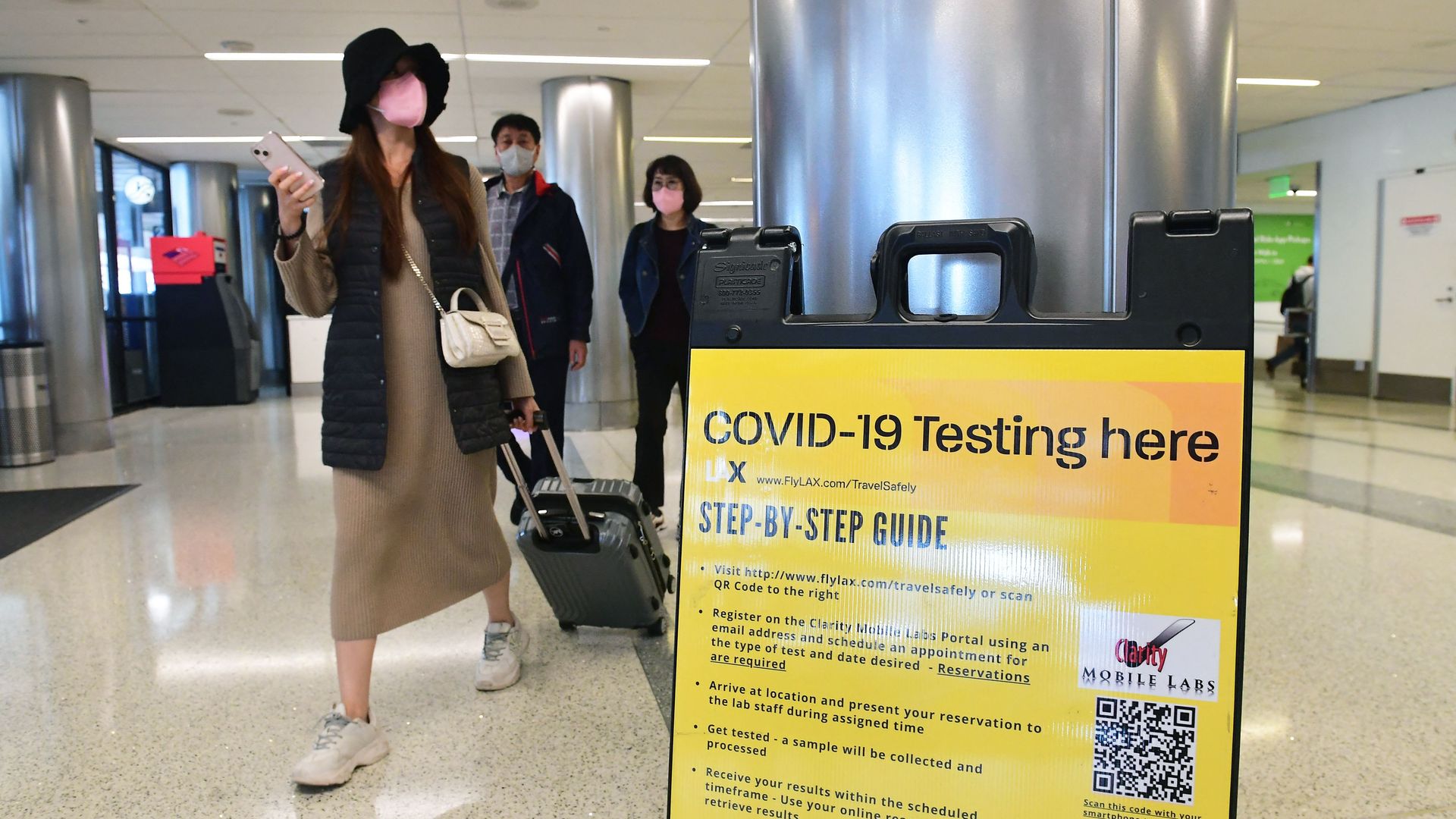
The Centers for Disease Control and Prevention said Tuesday night that it is working to impose stricter testing requirements for international travelers due to the spread of the new Omicron variant.
The big picture: The new rules would require all international travelers, regardless of vaccination status, to show a negative test taken a day before their flight to the U.S. Currently, the CDC says fully vaccinated travelers are allowed to show a test taken no more than three days before their departure.
Laboratories across the U.S. are on the lookout for the new COVID-19 variant Omicron, which officials have said will almost inevitably be detected here.
Why it matters: The world is on high alert as scientists race to understand if the variant could be a game-changer in the pandemic. Early detection, in theory, gives officials more time to understand its characteristics and respond.
If the Supreme Court overturns Roe v. Wade, the average American could have to travel around 125 miles to reach the nearest abortion provider, compared to the current average of 25 miles, according to the Myers Abortion Facility Database.
The U.S. Supreme Court heard oral arguments Tuesday about whether the federal government had the authority to cut hospitals' payments for outpatient drugs.
Why it matters: The controversial case involves billions of dollars for hospitals, pits not-for-profit hospitals against rural and for-profit facilities, and tests the broader legal theory of whether federal agencies can take matters into their own hands when laws are vague.
A new United Nations report warns that global tourism will see only modest revenue gains in 2021 after last year's historic losses amid the COVID-19 pandemic.
Why it matters: Tourism revenues in 2020 fell by more than half from the previous year — a significant blow to the global economy, according to an analysis by the UN World Tourism Organization (UNWTO).
The Biden administration was temporarily blocked from enforcing COVID-19 vaccine mandates for millions of workers by federal judges in two states on Tuesday.
The big picture: The orders, by federal judges in Kentucky and Louisiana, come one day after a federal judge in Missouri halted the mandate, which has a Jan. 4 deadline, in 10 states.
Defense Secretary Lloyd Austin has denied Oklahoma Gov. Kevin Stitt's (R) request to exempt the state's National Guard from the federal government's vaccine mandate.
Why it matters: The Army National Guard must be fully vaccinated by the end of next June while the Air National Guard faces a Dec. 2 deadline. Those who fail to comply will be barred from drills and other duties, and won't be paid even when they're under state control.