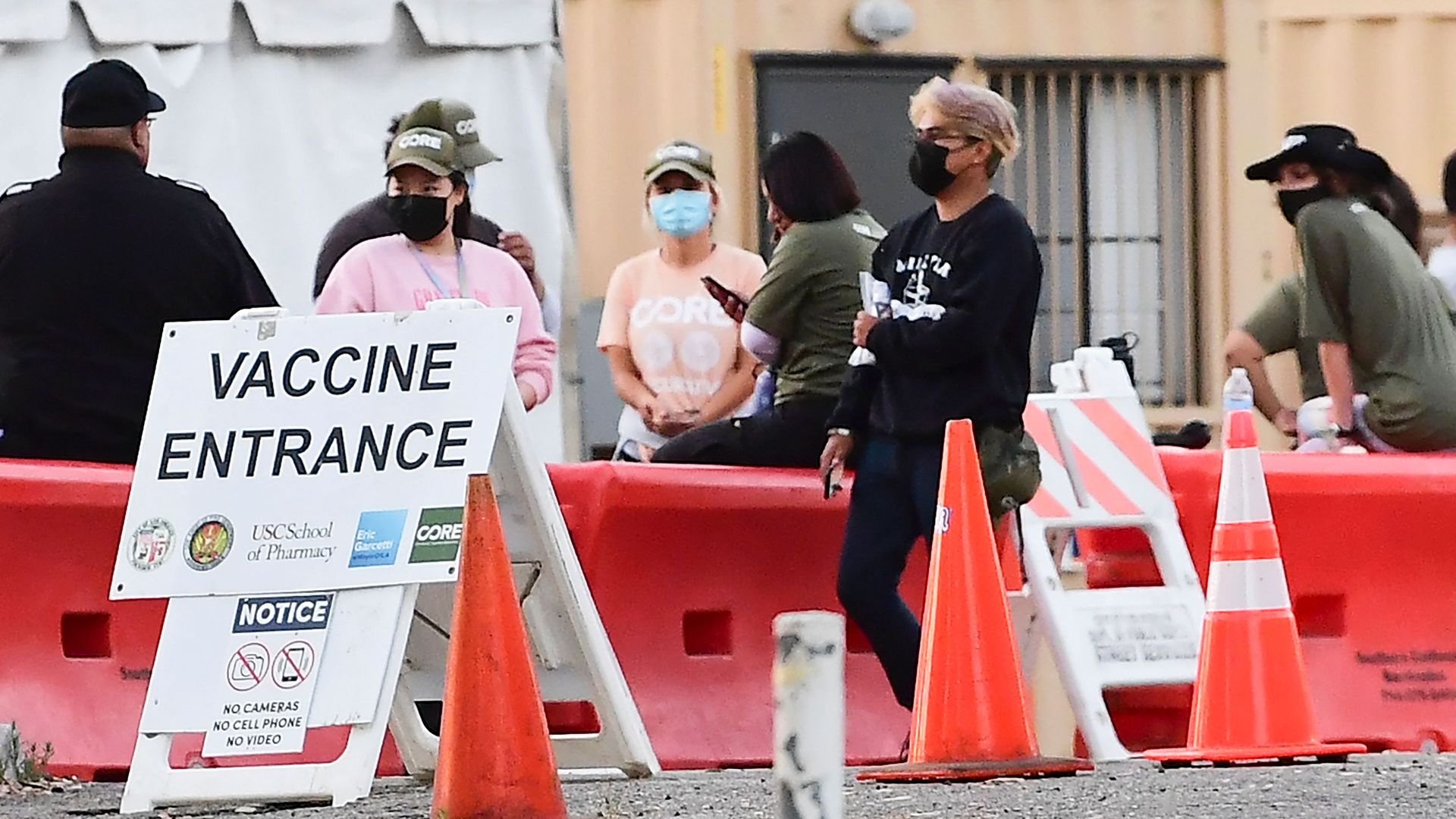
Why it matters: The Delta variant, first detected in India, is more transmissible than other versions and is rapidly spreading in multiple countries around the world.
Moderna announced Wednesday that the first participants have been dosed in an early trial of a seasonal flu vaccine that uses messenger RNA technology.
Why it matters: The blockbuster success of the Moderna and Pfizer vaccines for COVID-19 has brought new excitement to the promise of the mRNA platform, which may be adapted to train the immune system to fight many other diseases.
Many hospitals charge uninsured patients higher prices than they've negotiated with insurers for the same services, the Wall Street Journal reports.
Why it matters: These high cash prices often mean that uninsured patients — who are likely to be low-income — have little to no hope of being able to pay their hospital bills.
Americans responded to the stress of the pandemic by drinking more — a lot more for some — and there's a risk that those habits could stick.
Why it matters: Excessive drinking is connected to a variety of health and social ills, butthe growing ubiquity of alcohol in daily life can make cutting back harder than ever.
Health care systems in the U.S. are largely unprepared to deal with aging immigrants, according to a new report published in Health Affairs.
Why it matters: The group skews older than U.S.-born adults, the study warns, and many of these aging immigrants aren't eligible for Medicare and Medicaid.
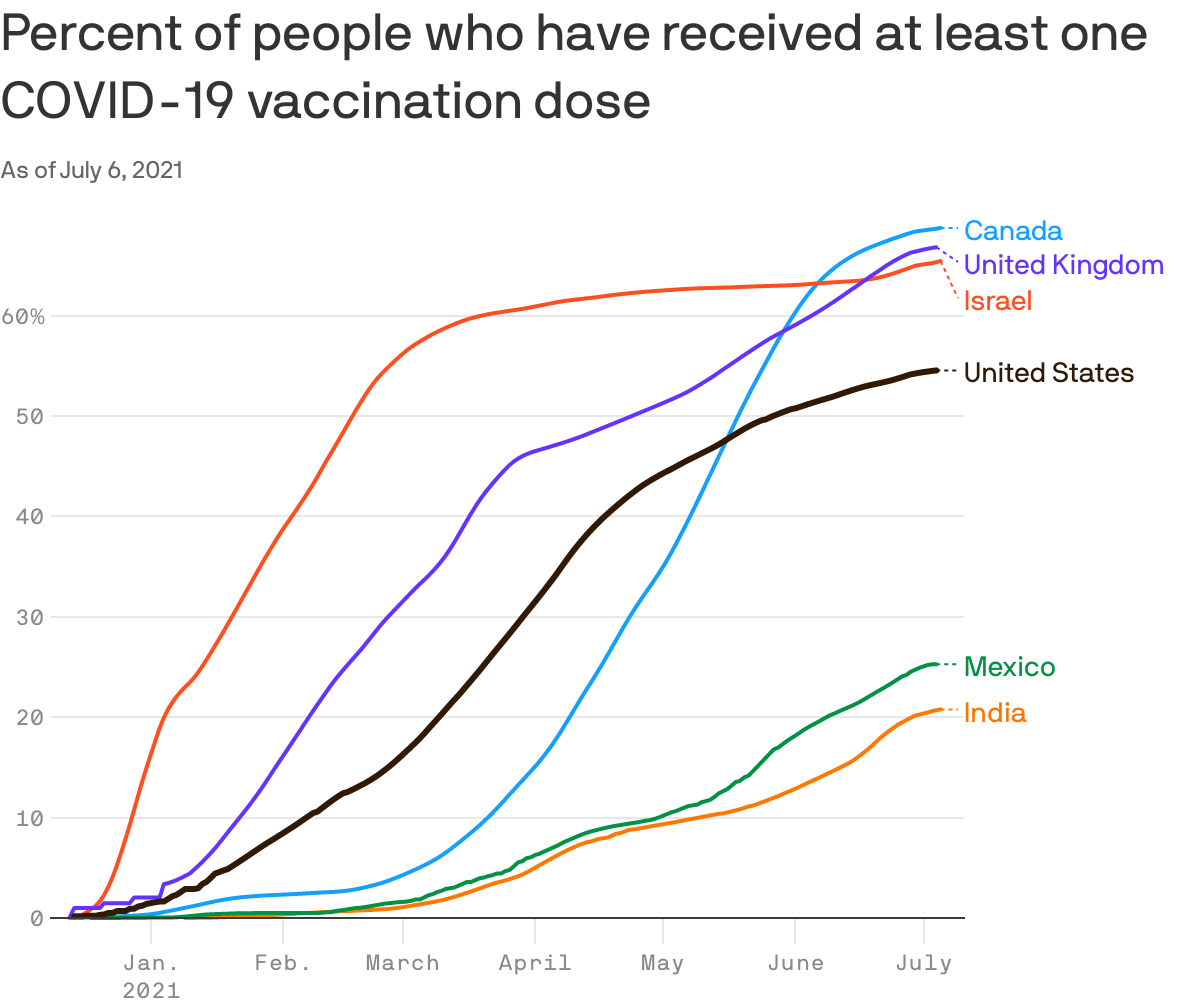
Reproduced from Our World in Data; Chart: Axios Visuals
The U.S. appears to be reaching its ceiling on COVID-19 vaccinations, at least among adults.
Why it matters: The more transmissible and dangerous variant Delta variant is spreading fast, and experts fear another wave of infections among the unvaccinated.
Olympic Games organizers said Tuesday two staff members working at the athletes' village in Tokyo have tested positive for COVID-19, per the Tokyo Shimbun news outlet.
Why it matters: Australia's ABC notes that the workers who tested positive last week were found to have been dining with two other staff members — a violation of the organizing committee's pandemic measures.
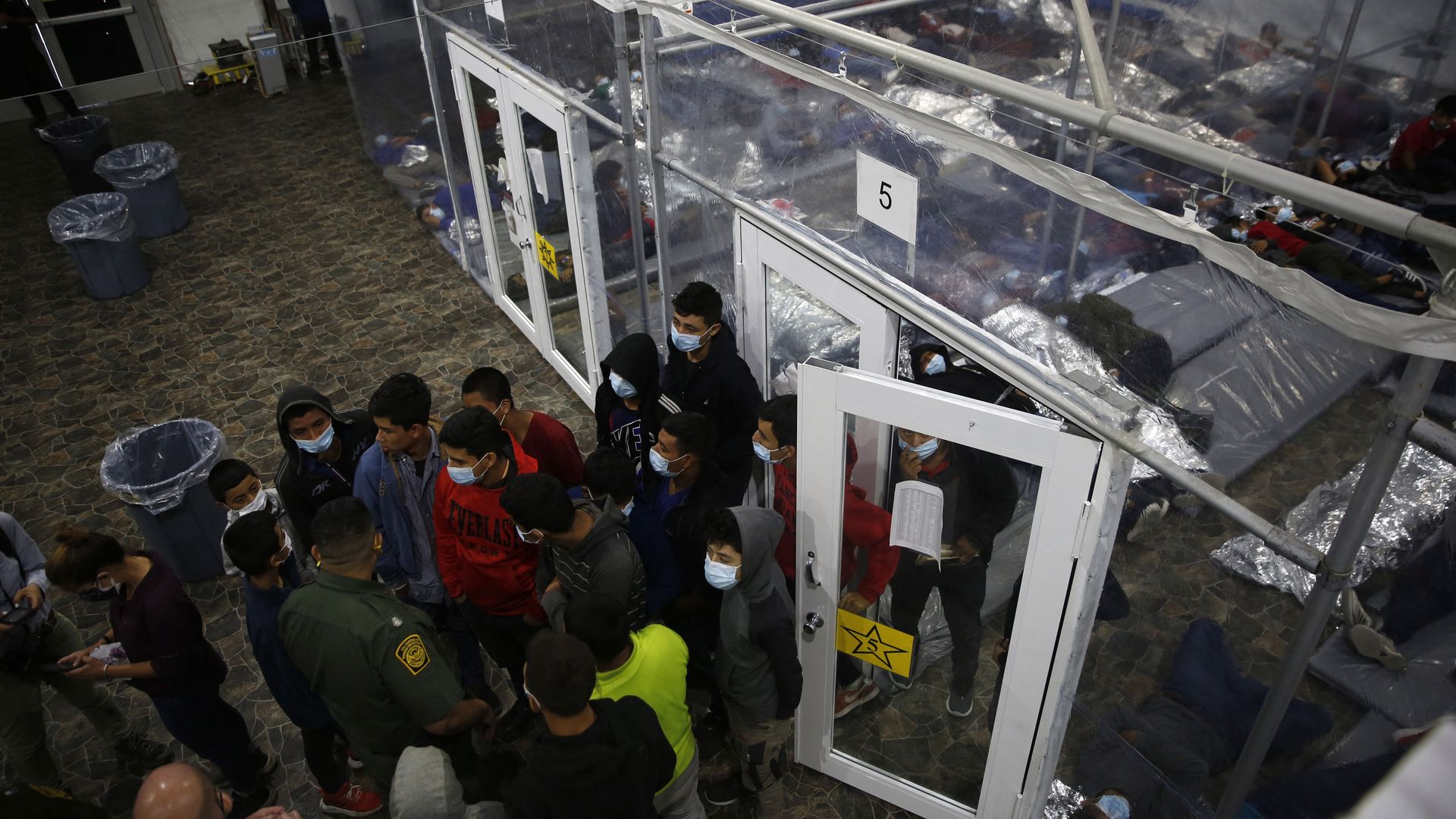
The Department of Health and Human Services will reallocate $860 million of funds from National Institutes of Health to cover pandemic-related costs for unaccompanied children and staff at the Southern border, according to a letter obtained by Axios.
Driving the news: Health Secretary Xavier Becerra sent a letter to House and Senate appropriations leadership on Tuesday, saying the pandemic "has placed significant demands" on the HHS unaccompanied migrant children program.
At least 125 children and adults contracted COVID-19 after returning from a Texas church summer camp in June, Clear Creek Community Church Lead Pastor Bruce Wesley confirmed in a statement.
Why it matters: In addition to those who tested positive for the virus, "hundreds more" were exposed to COVID-19 at the camp and "hundreds of others were likely exposed" when attendees returned to their communities, per the statement.
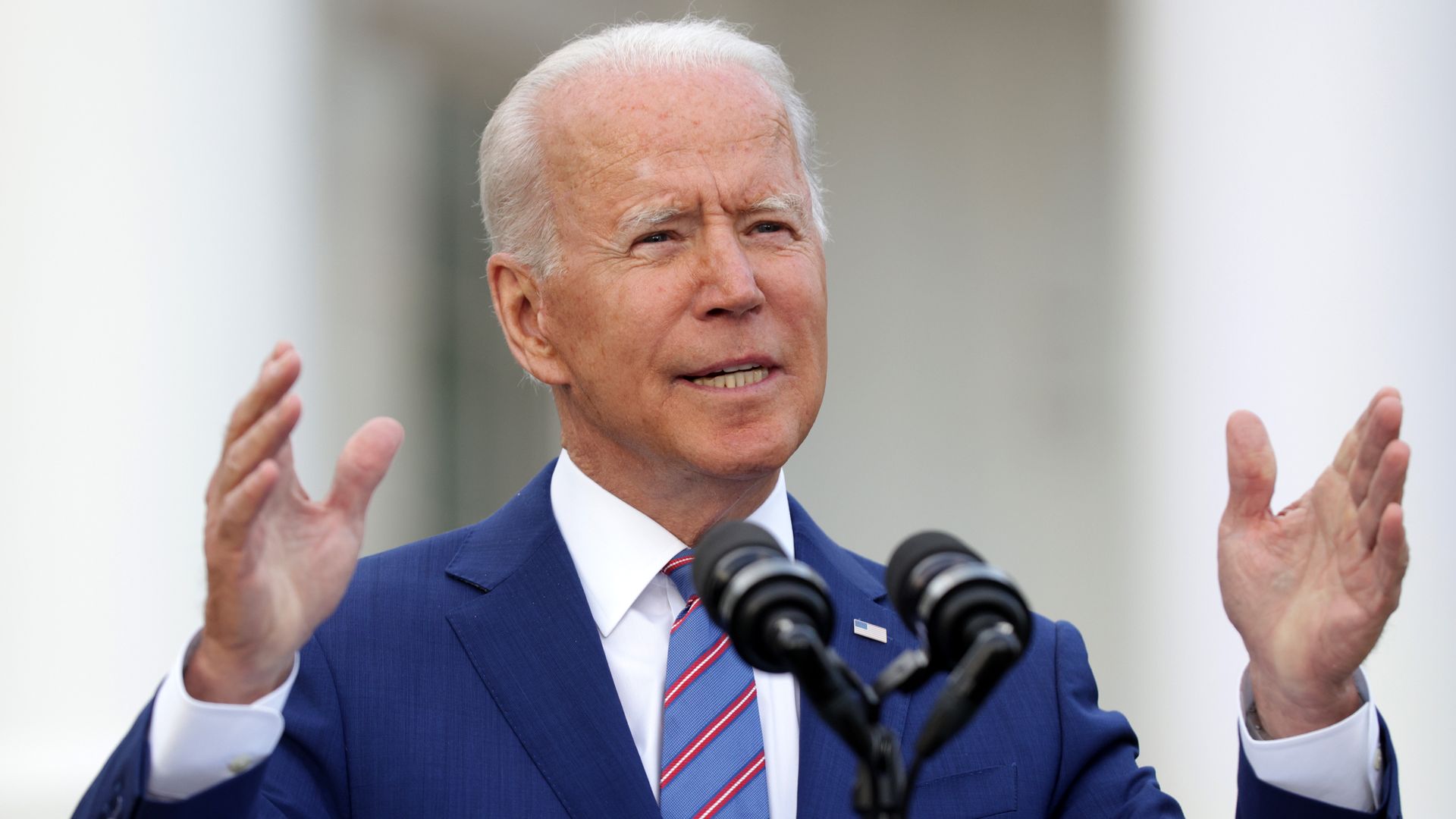
President Biden on Tuesday announced the White House's latest plan to get more Americans vaccinated as inoculation numbers slow across the U.S.
Why it matters: Biden said the highly transmissible Delta variant, first detected in India, is responsible for half of the coronavirus cases in the country, and is continuing to grow among the unvaccinated population.
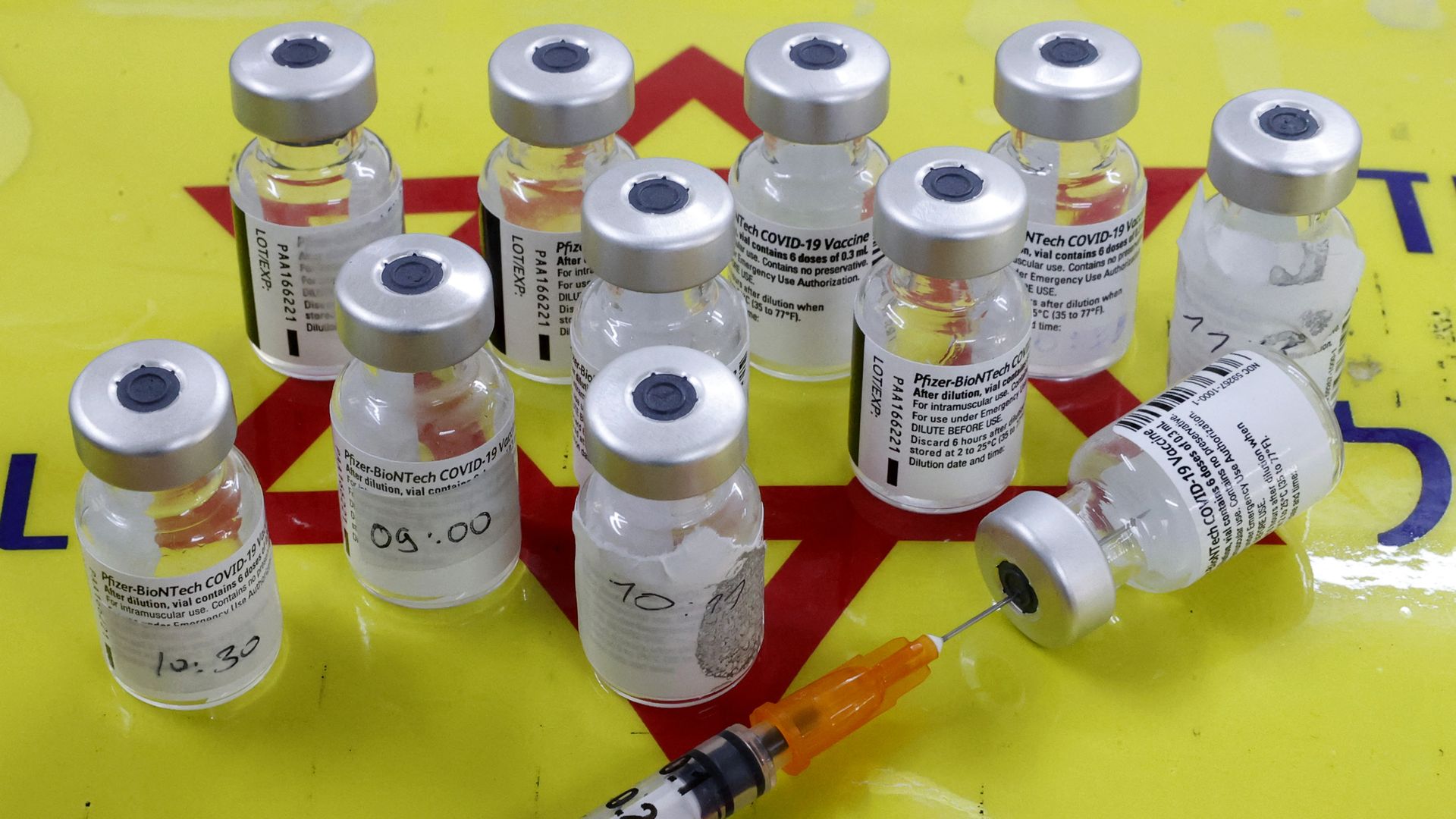
Israel and South Korea have agreed to exchange 700,000 Pfizer-BioNTech COVID-19 vaccine doses, the Israeli Prime Minister's office announced Tuesday.
Why it matters: The deal marks the world's first COVID-19 vaccine swap, and could prove to be a template for other governments, the Wall Street Journal reports.
Nearly one in five newborn hospitalizations or childbirth deliveries have at least one surprise medical bill, especially if cesarean delivery or neonatal intensive care services are provided, according to a JAMA brief out Friday.
Why it matters: Childbirth hospitalizations — which often out-of-network — are the most frequent sources of surprise bills in the U.S. and new federal protections addressing this issue could benefit many families, the analysis said.
At least one major source of tension remains unresolved regarding the new law banning surprise medical bills: what it looks like for patients to willingly waive their protections — or refuse to waive them.
Why it matters: This could yet again pit providers' rights against their patients'.
The FDA's approval of Alzheimer's treatment Aduhelm puts physicians in a difficult position: They hold the prescribing power over a drug that most say is unproven. But desperate patients and families may not know or care about the lack of evidence and will want the prescription anyway.
What they're saying: "The public message has to be clear: This is not a cure, and it's not even clear this is going to make substantial changes to someone's disease course," said Sharon Brangman, an Alzheimer's expert and geriatrician at Upstate University Hospital in New York.
Florida rescuers were battling strong winds during their search through the rubble of the collapsed Surfside condo as Tropical Storm Elsa neared the state overnight, after finding four more bodies at the site Monday.
What's happening: Maggie Castro, a firefighter and paramedic with the Miami-Dade Fire Rescue Department, said: "We know that with every day that goes by, it is harder to see a miracle happening," per AP.
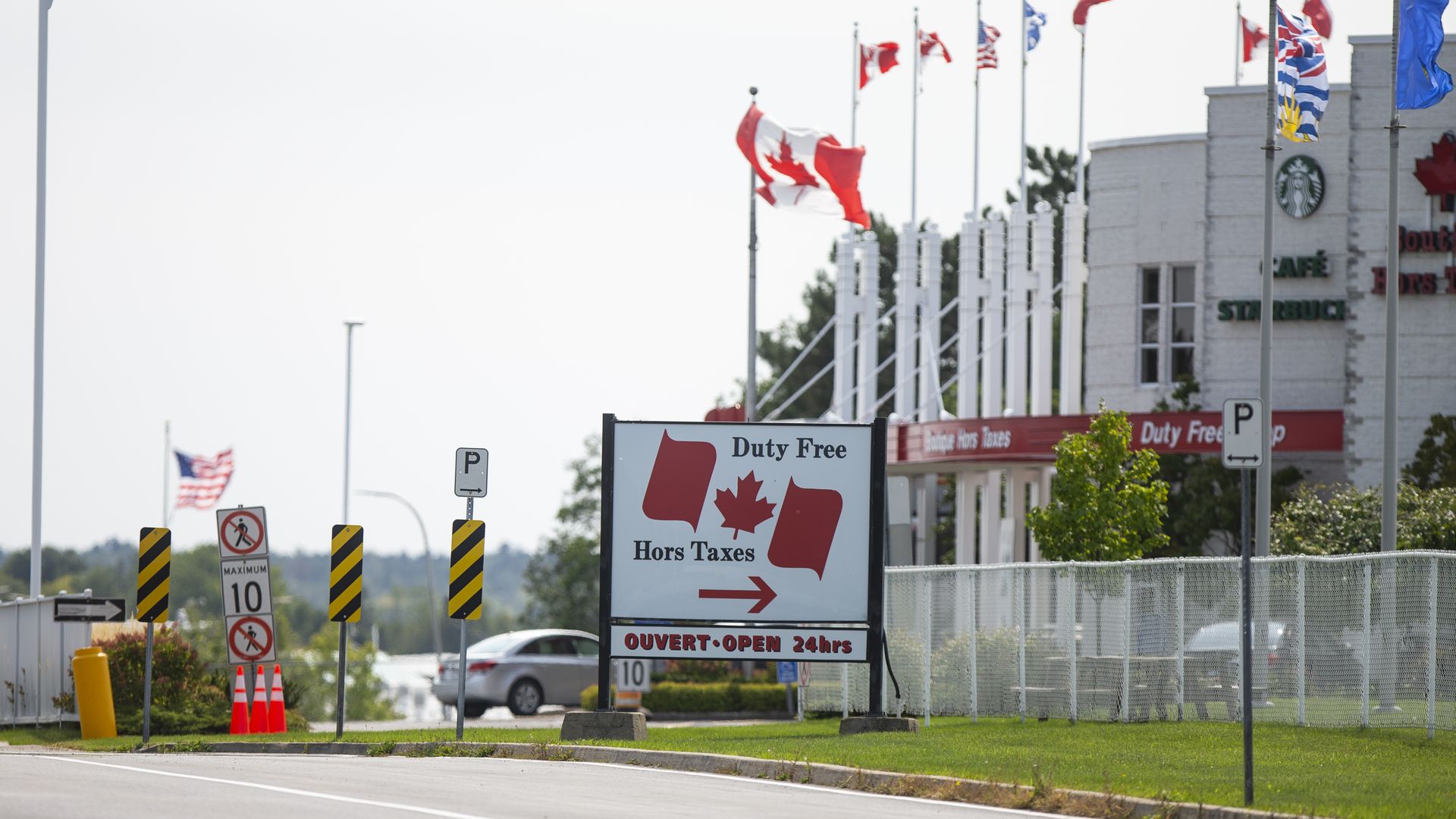
Prime Minister Justin Trudeau announced Monday the gradual easing of pandemic restrictions at the Canada-U.S. border.
Driving the news: Trudeau told a news conference this would begin Monday with the lifting of a 14-day quarantine requirement for Canadian residents fully vaccinated against COVID-19. The measure has been in place since March last year.