Fears are growing that Indonesia — with its massive population (271 million), low vaccination rate (13% have one dose) and surging COVID-19 death toll — could become the next India.
Pfizer is expected to seek authorization from the Food and Drug Administration to administer a third dose of its coronavirus vaccine to boost immunity and potentially stop the spread of coronavirus variants, according to AP.
Why it matters: Pfizer and BioNTech released the initial results of a study on coronavirus booster shots, finding that a third dose was five to 10 times more effective at neutralizing the virus than two doses.
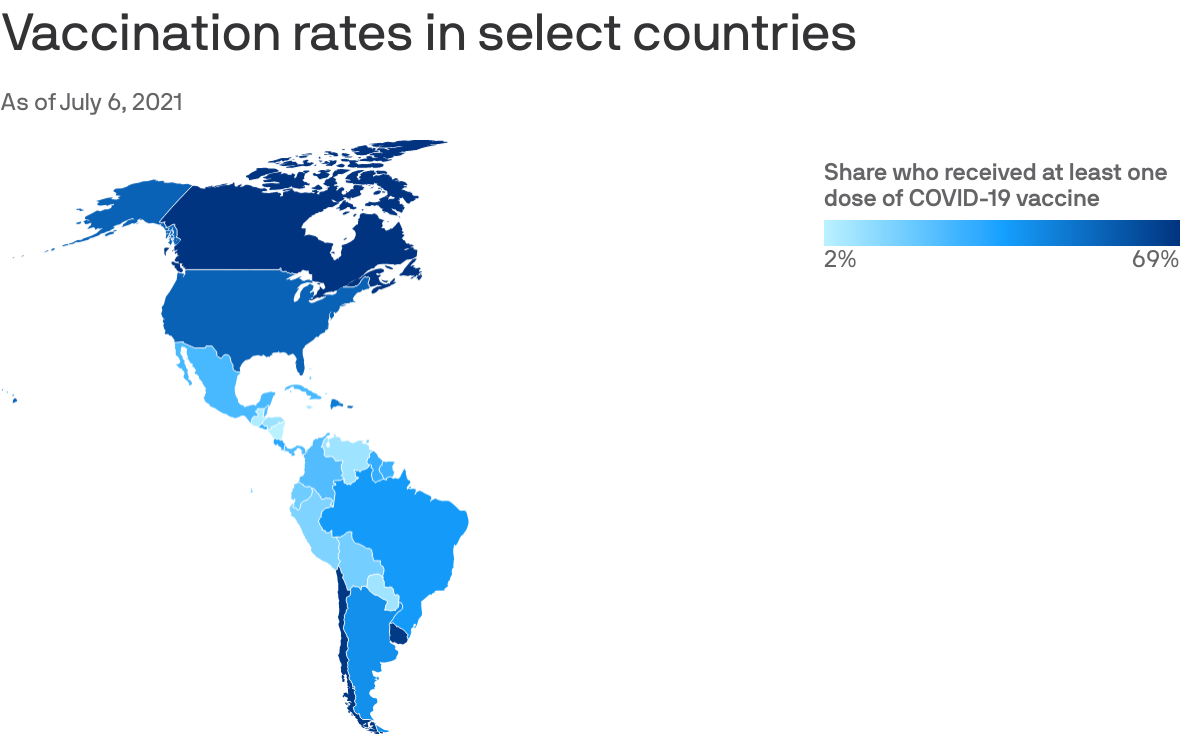
Latin America and the Caribbeanhave the highest weekly death rate per capita of any region in the world, and it could climb, with vaccinations difficult to come by and hospitals still short on staff and equipment like ventilators and oxygen tanks.
Why it matters: Fewer than 10% of the people of Latin America and the Caribbean have been fully vaccinated against COVID-19 since immunization campaigns started in December, mostly due to the low availability of doses.
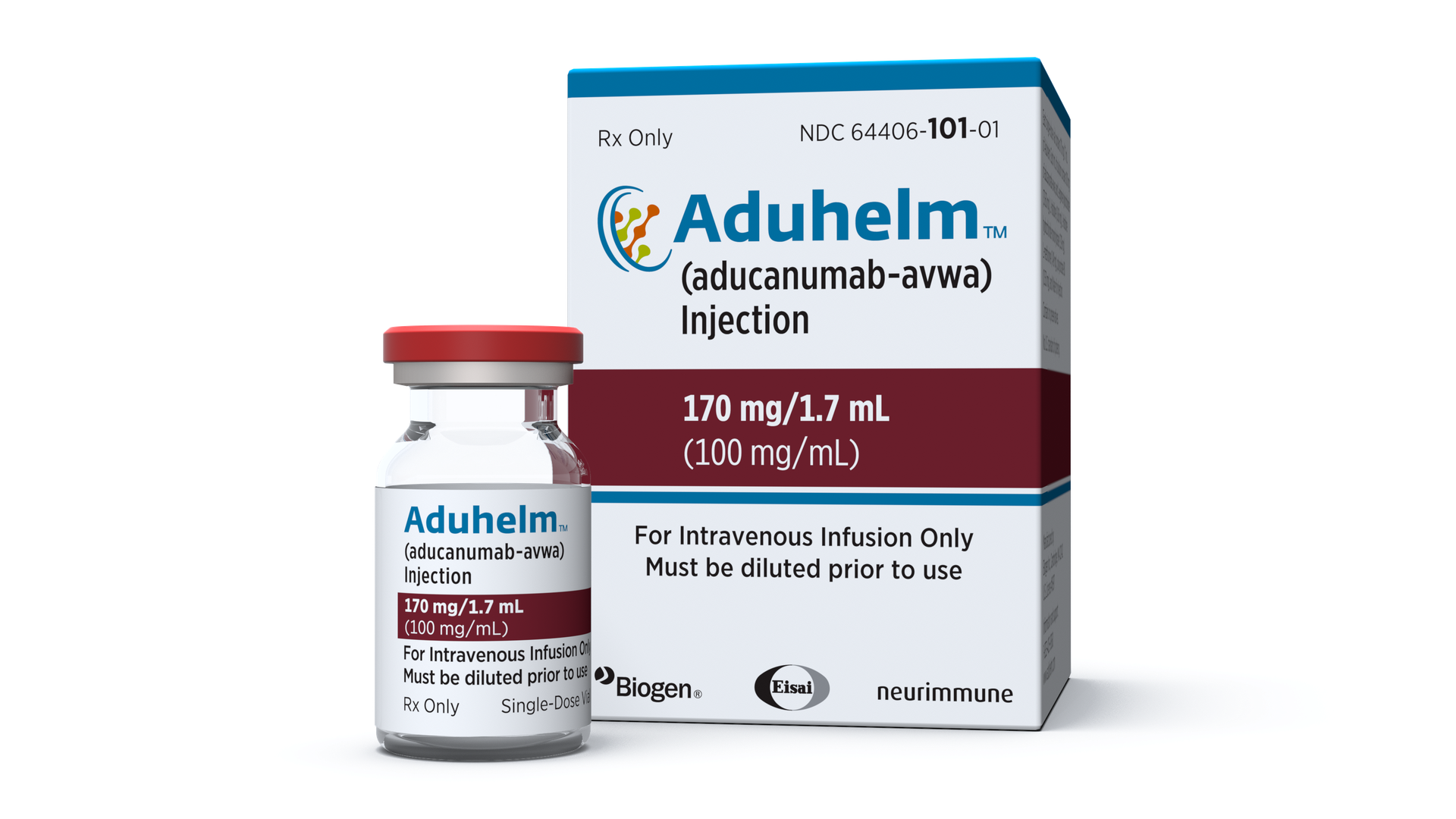
Biogen has updated the prescription information for the experimental Alzheimer's treatment Aduhelm, saying the drug "should be initiated in patients with mild cognitive impairment or mild dementia stage of disease" instead of people who have more advanced Alzheimer's.
Why it matters: It's an unusual step to modify a drug's label so soon after approval, raising questions about why the FDA approved the drug for such a broad patient population in the first place.
One dose of the Pfizer or AstraZeneca coronavirus vaccine "barely" protects against the Delta variant of the virus, because of mutations the variant has developed, according to a new study published in the journal Nature Thursday.
Why it matters: The study found that two doses of those vaccines generated a neutralizing response to the variant in 95% of people, highlighting the importance of full vaccination against COVID-19.
Fifteen states have reached an agreement with Purdue Pharma, the maker of the powerful painkiller OxyContin, that will see them drop their opposition to Purdue's bankruptcy plan, the New York Times reports.
The big picture: Purdue Pharma will release millions of documents, and the Sackler family, which owns the company, will pay out an additional $50 million as part of the settlement. The deal would shield the family from future opioid lawsuits.
Summer Olympics events in the Tokyo area will be held without spectators, after Japan declared a state of emergency in the capital following a surge in COVID-19 cases, Japan's Olympics minister announced Thursday.
Why it matters: It's another huge blow to the spectacle and finances of the delayed and scaled-back Olympics, just two weeks ahead of the opening ceremony.
Amazon is struggling to convince insurers, including Aetna and regional insurers like Premera Blue Cross, to pay for its medical services known as Amazon Care, Business Insider reports.
Why it matters: Amazon regularly grabs headlines as a potential industry disrupter. But, at least when it comes to health care, it is still often outgunned.
The money was flowing in digital health in the first half of this year, already outpacing funding rounds in the entirety of 2020, according to a new report from Rock Health.
The big picture: Digital health funding is accelerating — in the total number of deals and in size.
Death rates for lung cancer and melanoma continued to drop for men and women in the U.S. between 2014 and 2018, according to an annual report with the National Cancer Institute.
Yes, but: For several other major cancers, however, like colorectal, breast and prostate, death rates increased — or saw previous improvements stall.
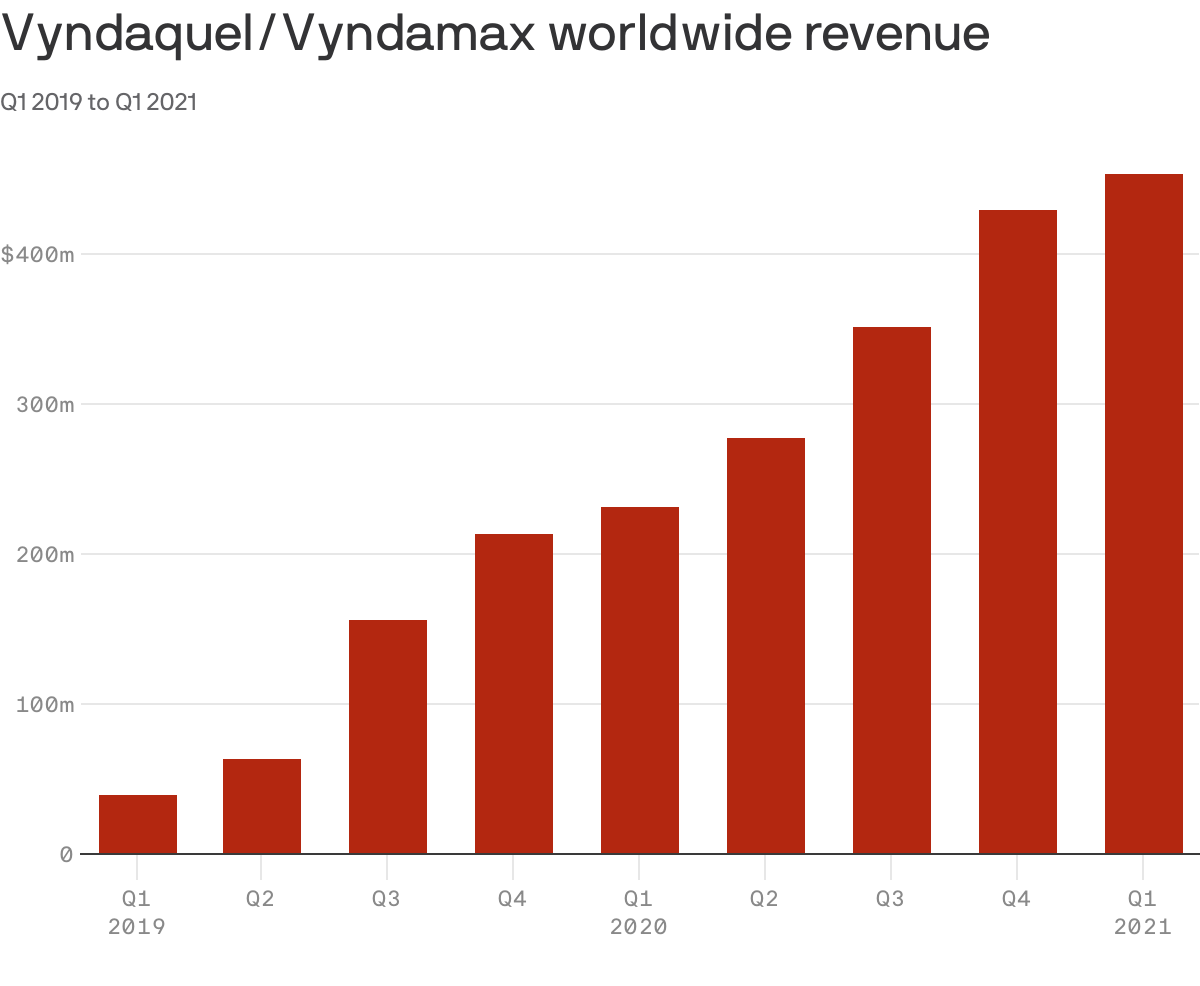
Heart medications Vyndaqel and Vyndamax generated $1.3 billion of global revenue last year for Pfizer and already brought in $453 million in the first quarter of this year.
Why it matters: The blockbuster drugs could grow significantly more if Pfizer wins its pending lawsuit and is allowed to pay the out-of-pocket expenses of Medicare patients who are prescribed the $225,000-a-year treatment.
A federal judge will soon determine whether Pfizer can pay Medicare patients' out-of-pocket expenses for one of its heart medications that is priced at $225,000 per year.
Why it matters: A ruling in Pfizer's favor would legalize something that is viewed as a kickback under current law, and would jeopardize taxpayer coffers by spurring a "gold rush" of pharmaceutical companies to cover Medicare copays for expensive drugs.
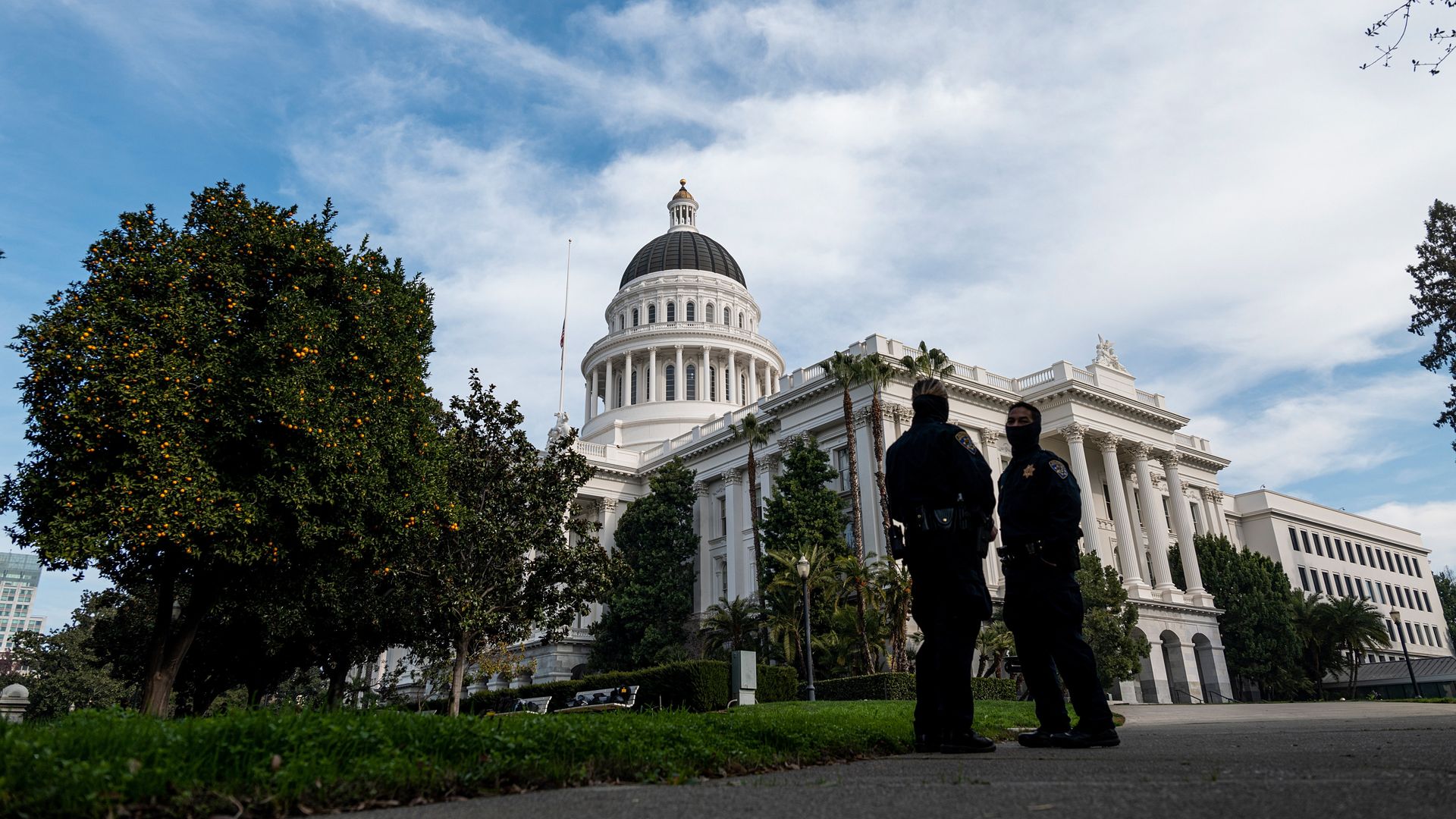
The California State Capitol in Sacramento has reimposed a mask mandate after nine staff tested positive for COVID-19 — including four people who'd been fully vaccinated against the virus, the San Francisco Chronicle reported Wednesday.
What's happening: State lawmakers and staff members must wear face coverings "at all times in the Capitol, the Legislative Office Building and district offices," whether they've been vaccinated against the coronavirus or not, per the New York Times.
The global toll of confirmed deaths from COVID-19 surpassed 4 million on Wednesday, Johns Hopkins University data shows.
Why it matters: World Health Organization chief Tedros Adhanom Ghebreyesus noted at a news conference in Geneva on Wednesday the "shocking inequity" in vaccine rollouts, with richer countries hoarding does as he warned the world "is at a perilous point" of the pandemic.