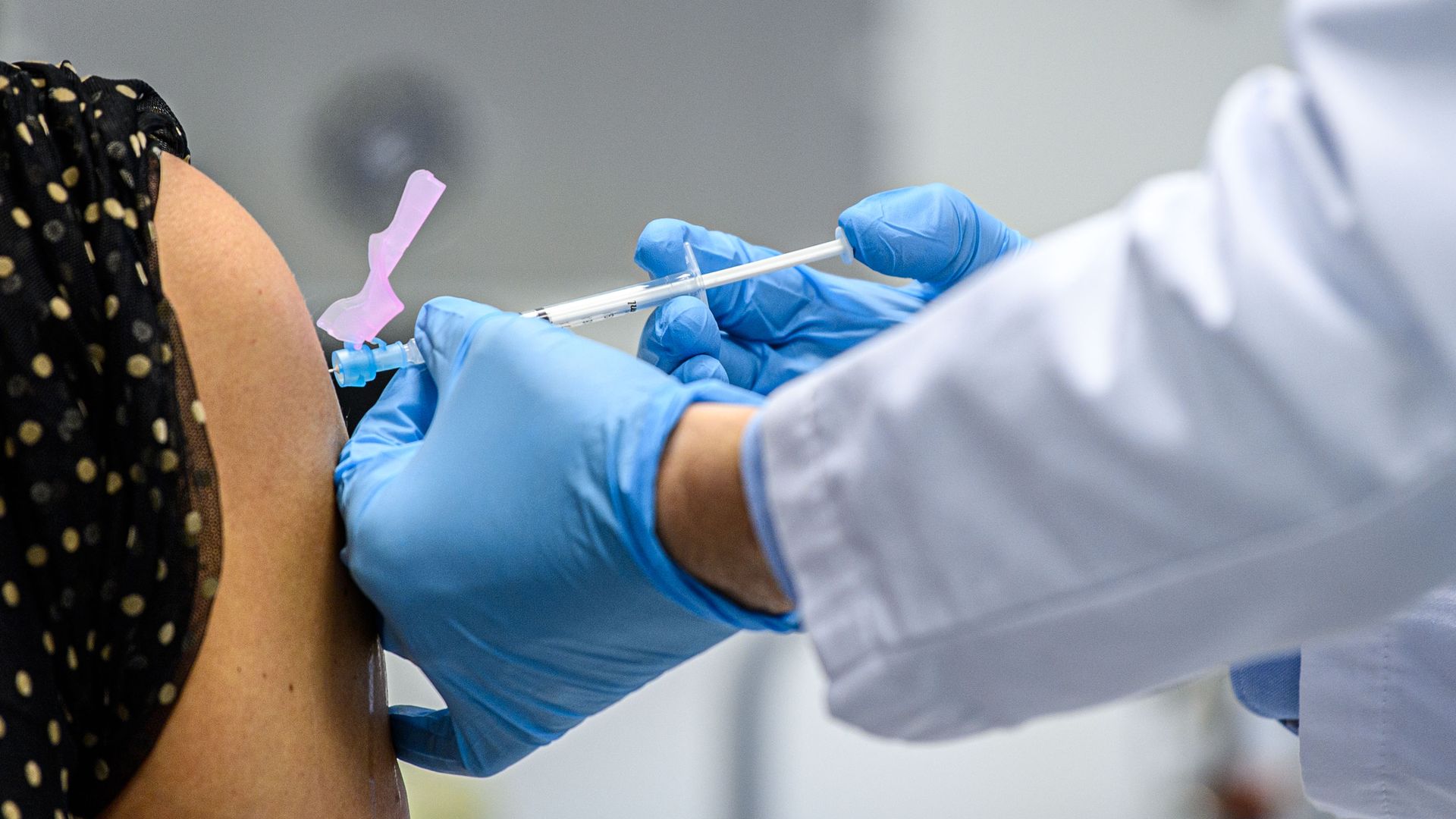
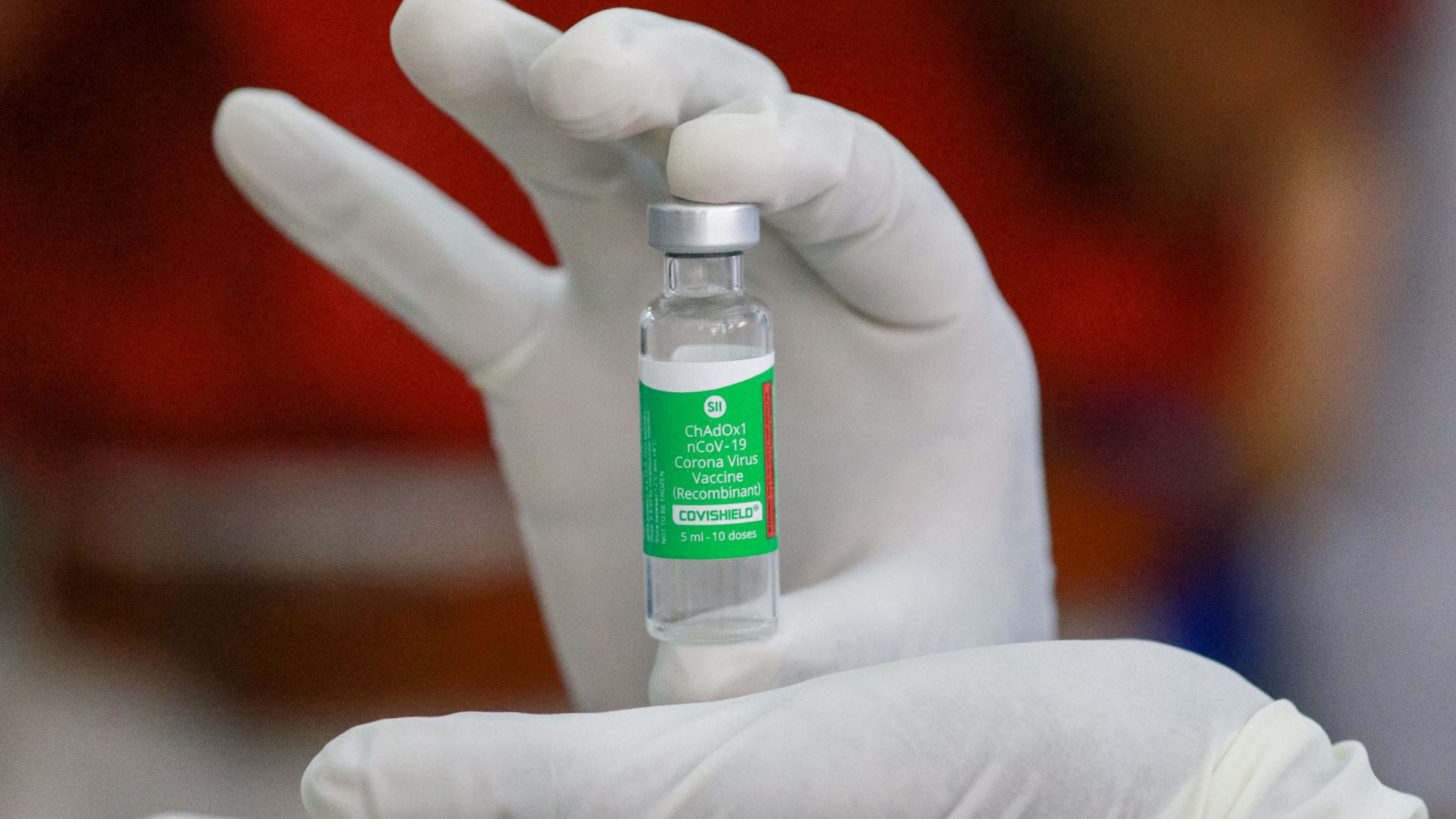
The World Health Organization has altered its guidance for pregnant women who wish to receive the coronavirus vaccine, saying now that those at high risk of exposure to the COVID-19 or who have comorbidities that increase their risk of severe disease, may be vaccinated.
Why it matters: The WHO drew backlash for its previous guidance that did not recommend pregnant women be inoculated with vaccines made by Pfizer-BioNTech or Moderna, even though data indicated that pregnancy increased the risk of developing severe illness from the virus.
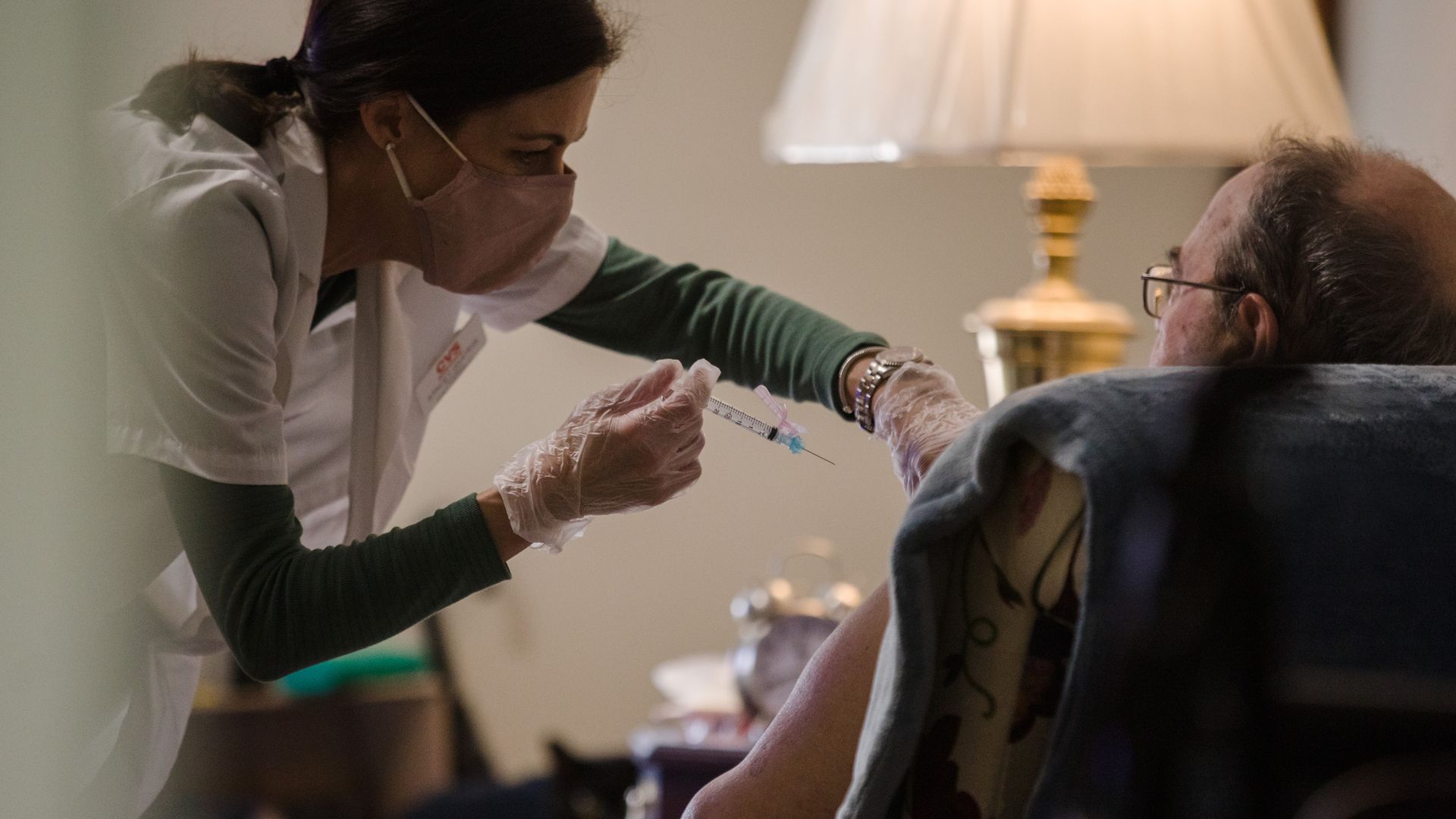
Americans fortunate enough to receive COVID vaccines now, outside of clinical trials, are getting shots made by either Pfizer or Moderna. But newly released data from Novavax and Johnson & Johnson suggests that more vaccines could be on the way, with J&J's requiring a single dose.
Axios Re:Cap digs into the news and why it matters with Tom Frieden, former head of the CDC, as COVID-19 variants spread globally.
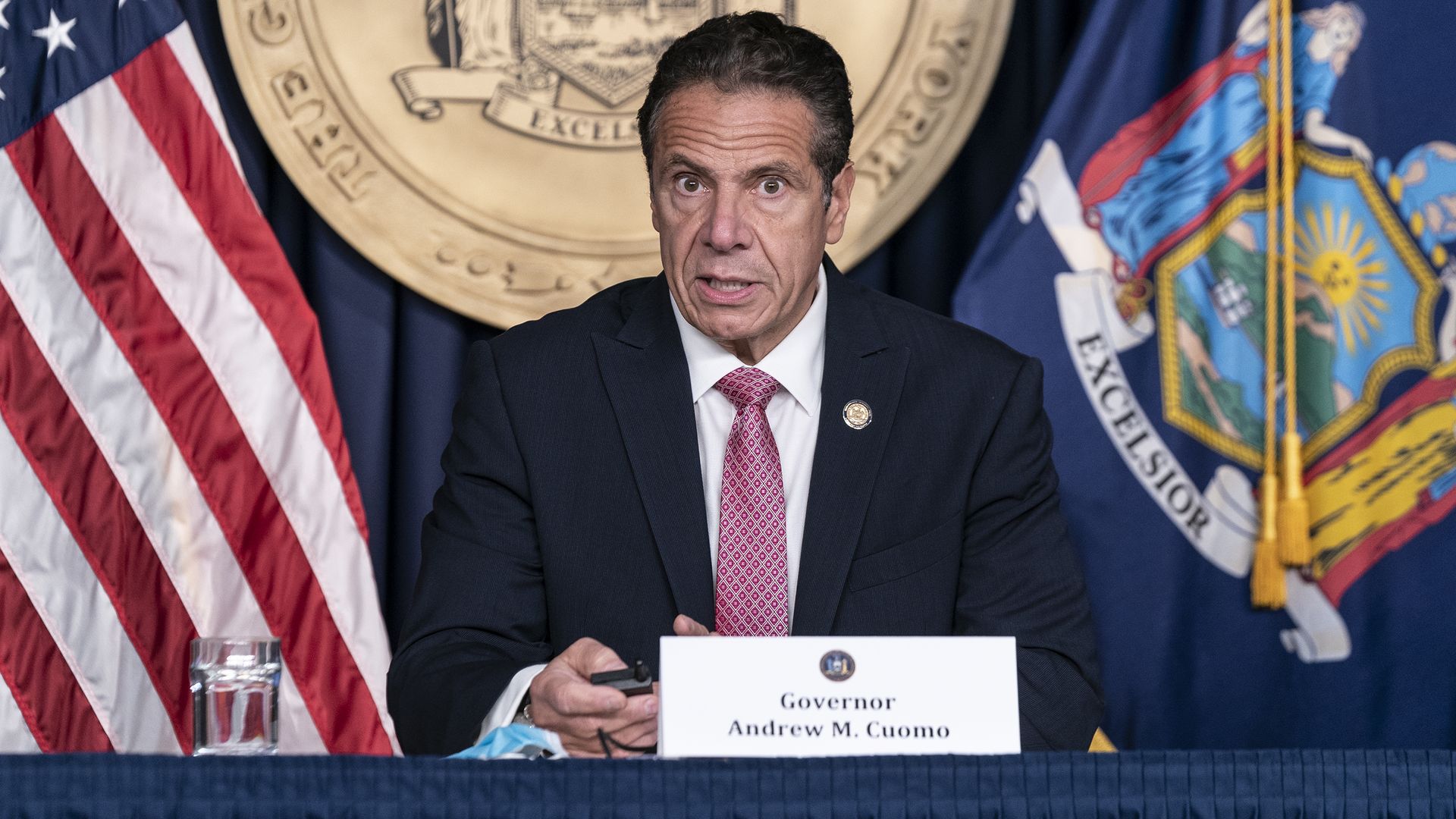
Gov. Andrew Cuomo announced Friday that if the current coronavirus positivity in New York City holds, indoor dining will reopen at 25% capacity on Feb. 14, one of the busiest dining days of the year.
Why it matters: The forced closure of indoor dining in December caused major backlash, as New York's struggling restaurant industry had already been hit hard by pandemic restrictions. Restaurants will still be required to close at 1o p.m.
The European Commission on Friday granted conditional approval of the Oxford-AstraZeneca coronavirus vaccine for people 18 years and older.
Why it matters: This is the third vaccine to receive approval from the commission, coming hours after the Emergency Medicines Agency recommended its authorization.
Johnson & Johnson announced Friday that its single-shot coronavirus vaccine was 66% effective in protecting against moderate to severe COVID-19 disease in Phase 3 trials, which was comprised of nearly 44,000 participants across eight countries.
Between the lines: The vaccine was 72% effective in the U.S., but only 57% effective in South Africa, where a more contagious variant has been spreading. It prevented 85% of severe infections and 100% of hospitalizations and deaths, according to the company.
A World Health Organization team of researchers on Friday visited a hospital in Wuhan where China says some of the first coronavirus patients were treated, AP reports.
Why it matters: Friday marks the first in-person day of the team's investigation into the origin of the coronavirus pandemic, almost a year since the first cases were reported.
Some teachers don't want to return to the classroom until they've been vaccinated — setting up potential clashes with state and local governments pushing to reopen schools.
Why it matters: Extended virtual learning is taking a toll on kids, and the Biden administration is pushing to get them back in the classroom quickly. But that will only be feasible if teachers are on board.
There’s a wild scrambleat the front of the line for COVID-19 vaccines, with the EU discussing export bans and legal action to ensure its supply speeds up in the coming months.
The flipside: The back of the line likely stretches to 2023 and beyond. Almost no low-income countries have managed to begin distribution in earnest, and total vaccinations in all of continental sub-Saharan Africa currently number in the dozens.
Why it matters: Though the CDC has "no evidence that infections by this variant cause more severe disease," preliminary data indicates it may spread faster and more easily than other variants.
Millions of COVID-19 survivors worldwide — even those who had mild illness — are reporting long-term symptoms months later, including brain fog, persistent exhaustion, and lung, heart or kidney damage.
Why it matters: For too long, these long-haulers, as they call themselves, have not been taken seriously enough by providers and researchers, some doctors tell Axios, adding that there's an urgent need for dedicated research in order to treat patients with lingering symptoms.
Data from New York's public health department undercounted COVID-19-related deaths in nursing homes by as much as 50%, according to a report released Thursday by state Attorney General Letitia James.
The big picture: Gov. Andrew Cuomo's administration had not been including nursing home patients who died after being transferred to the hospital in its tally of over 8,500 nursing home deaths. Data provided to the attorney general's office from 62 nursing homes "shows a significantly higher number of resident COVID-19 deaths can be identified than is reflected" in the official count.
National data on COVID-19 testing is incomplete, "critical gaps in the medical supply chain" remain, and a lack of data has stalled delivering key resources to people who need it most, a nonpartisan federal watchdog, the Government Accountability Office (GAO), has found.
Why it matters: The findings come as the rise of more contagious variants ensures that Americans’ risk remains high, despite a three-week decline in the number of COVID infections in the U.S. A greater number of people are also dying from the coronavirus over less time.
President Biden on Thursdayrescinded the "global gag rule," a policy that bans international organizations that receive U.S. funding from providing abortion services or offering information about abortion.
Why it matters: The Reagan-era rule, also known as the Mexico City policy, has historically been rescinded or rolled back by Democratic presidents and reinstated by Republican ones. The Trump administration also expanded the rule to include virtually all global health aid.
The Heat will use coronavirus-sniffing dogs to screen fans ahead of tonight's game at AmericanAirlines Arena, when ~1,500 season ticket holders will be permitted inside for the first time this season.
Why it matters: The Heat are the first NBA team to try this approach, which has been used at airports in Chile, Finland and the United Arab Emirates.
Nearly 15 million Americans who are currently uninsured are eligible for coverage on the Affordable Care Act marketplaces, and more than half of them would qualify for subsidies, according to a new Kaiser Family Foundation brief.
Why it matters: President Biden is expected to announce today that he'll be reopening the marketplaces for a special enrollment period from Feb. 15 to May 15, but getting a significant number of people to sign up for coverage will likely require targeted outreach.
Prescription drug prices in the U.S. are more than 256% higher than other 32 other countries, with the gap driven by brand-name drugs, a new report by nonpartisan RAND Corporation shows.
The big picture: Drug spending in the U.S. jumped by 76% between 2000 and 2017, and the costs are expected to only increase over the next decade, per the report.
New coronavirus infections fell by 16% over the past week — the third straight week of significant improvement.
Yes, but: The U.S. is still averaging roughly 165,000 new cases per day, meaning the virus is still spreading largely unchecked. And the rise of more contagious variants will ensure that Americans’ risk remains high.
Infectious disease expert Anthony Fauci highlighted the need to address racial disparities in the COVID-19 vaccination process, per an interview with The New England Journal of Medicine on Wednesday.
What he’s saying: "I think that's the one thing we really got to be careful of. We don't want in the beginning ... most of the people who are getting it are otherwise, well, middle-class white people."