Why it matters: Though the CDC has "no evidence that infections by this variant cause more severe disease," preliminary data indicates it may spread faster and more easily than other variants.
Millions of COVID-19 survivors worldwide — even those who had mild illness — are reporting long-term symptoms months later, including brain fog, persistent exhaustion, and lung, heart or kidney damage.
Why it matters: For too long, these long-haulers, as they call themselves, have not been taken seriously enough by providers and researchers, some doctors tell Axios, adding that there's an urgent need for dedicated research in order to treat patients with lingering symptoms.
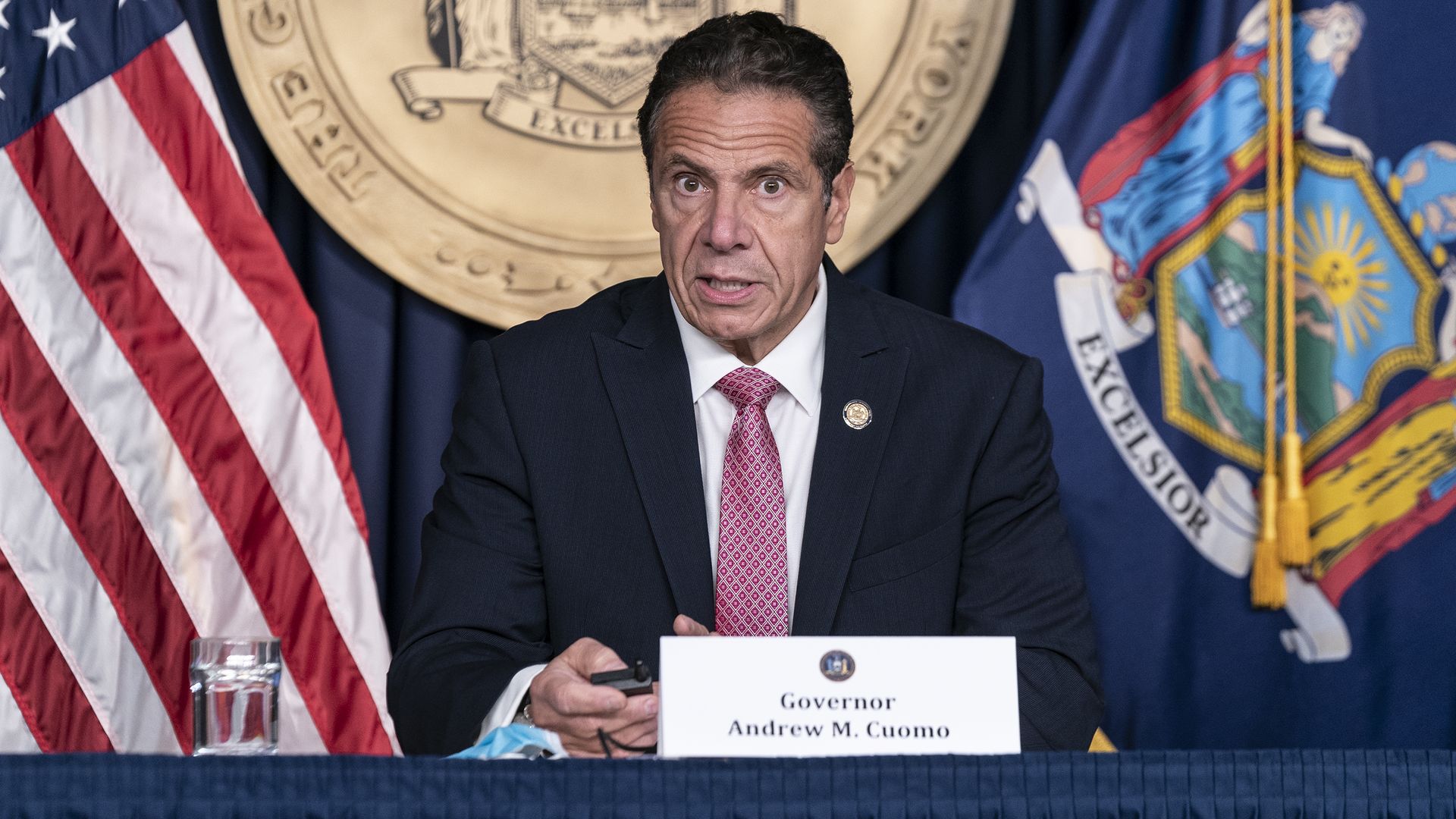
Data from New York's public health department undercounted COVID-19-related deaths in nursing homes by as much as 50%, according to a report released Thursday by state Attorney General Letitia James.
The big picture: Gov. Andrew Cuomo's administration had not been including nursing home patients who died after being transferred to the hospital in its tally of over 8,500 nursing home deaths. Data provided to the attorney general's office from 62 nursing homes "shows a significantly higher number of resident COVID-19 deaths can be identified than is reflected" in the official count.
National data on COVID-19 testing is incomplete, "critical gaps in the medical supply chain" remain, and a lack of data has stalled delivering key resources to people who need it most, a nonpartisan federal watchdog, the Government Accountability Office (GAO), has found.
Why it matters: The findings come as the rise of more contagious variants ensures that Americans’ risk remains high, despite a three-week decline in the number of COVID infections in the U.S. A greater number of people are also dying from the coronavirus over less time.
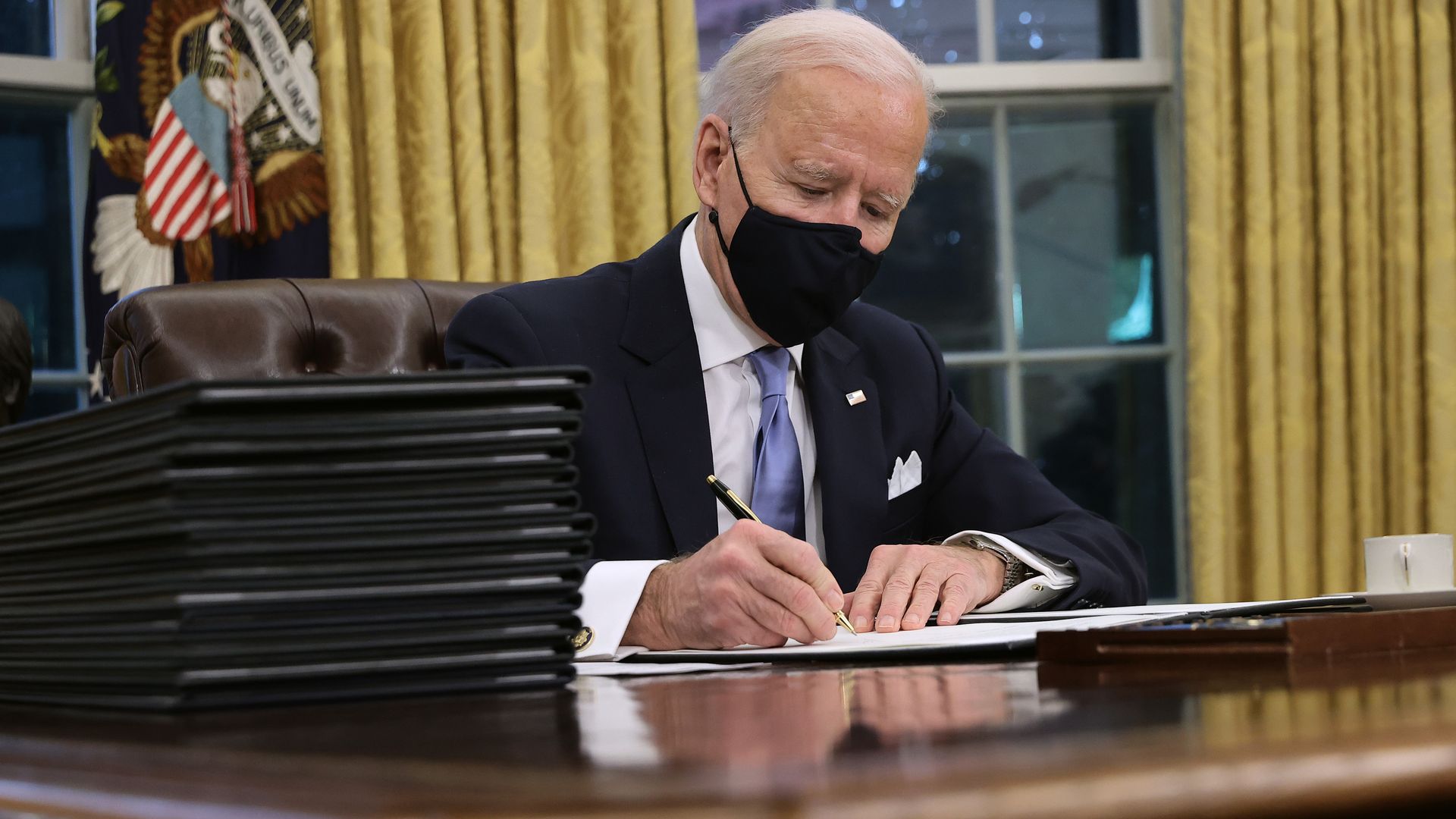
President Biden on Thursdayrescinded the "global gag rule," a policy that bans international organizations that receive U.S. funding from providing abortion services or offering information about abortion.
Why it matters: The Reagan-era rule, also known as the Mexico City policy, has historically been rescinded or rolled back by Democratic presidents and reinstated by Republican ones. The Trump administration also expanded the rule to include virtually all global health aid.
The Heat will use coronavirus-sniffing dogs to screen fans ahead of tonight's game at AmericanAirlines Arena, when ~1,500 season ticket holders will be permitted inside for the first time this season.
Why it matters: The Heat are the first NBA team to try this approach, which has been used at airports in Chile, Finland and the United Arab Emirates.
Nearly 15 million Americans who are currently uninsured are eligible for coverage on the Affordable Care Act marketplaces, and more than half of them would qualify for subsidies, according to a new Kaiser Family Foundation brief.
Why it matters: President Biden is expected to announce today that he'll be reopening the marketplaces for a special enrollment period from Feb. 15 to May 15, but getting a significant number of people to sign up for coverage will likely require targeted outreach.
Prescription drug prices in the U.S. are more than 256% higher than other 32 other countries, with the gap driven by brand-name drugs, a new report by nonpartisan RAND Corporation shows.
The big picture: Drug spending in the U.S. jumped by 76% between 2000 and 2017, and the costs are expected to only increase over the next decade, per the report.
New coronavirus infections fell by 16% over the past week — the third straight week of significant improvement.
Yes, but: The U.S. is still averaging roughly 165,000 new cases per day, meaning the virus is still spreading largely unchecked. And the rise of more contagious variants will ensure that Americans’ risk remains high.