America's vaccination rollout is going much slower than expected, with only around 5 million vaccinations to date. Meanwhile, COVID-19 is causing record hospitalizations and deaths, with much of the country's economic and educational engine stuck in neutral.
Axios Re:Cap digs into what's gone wrong and what happens next, with STAT News senior reporter Helen Branswell.
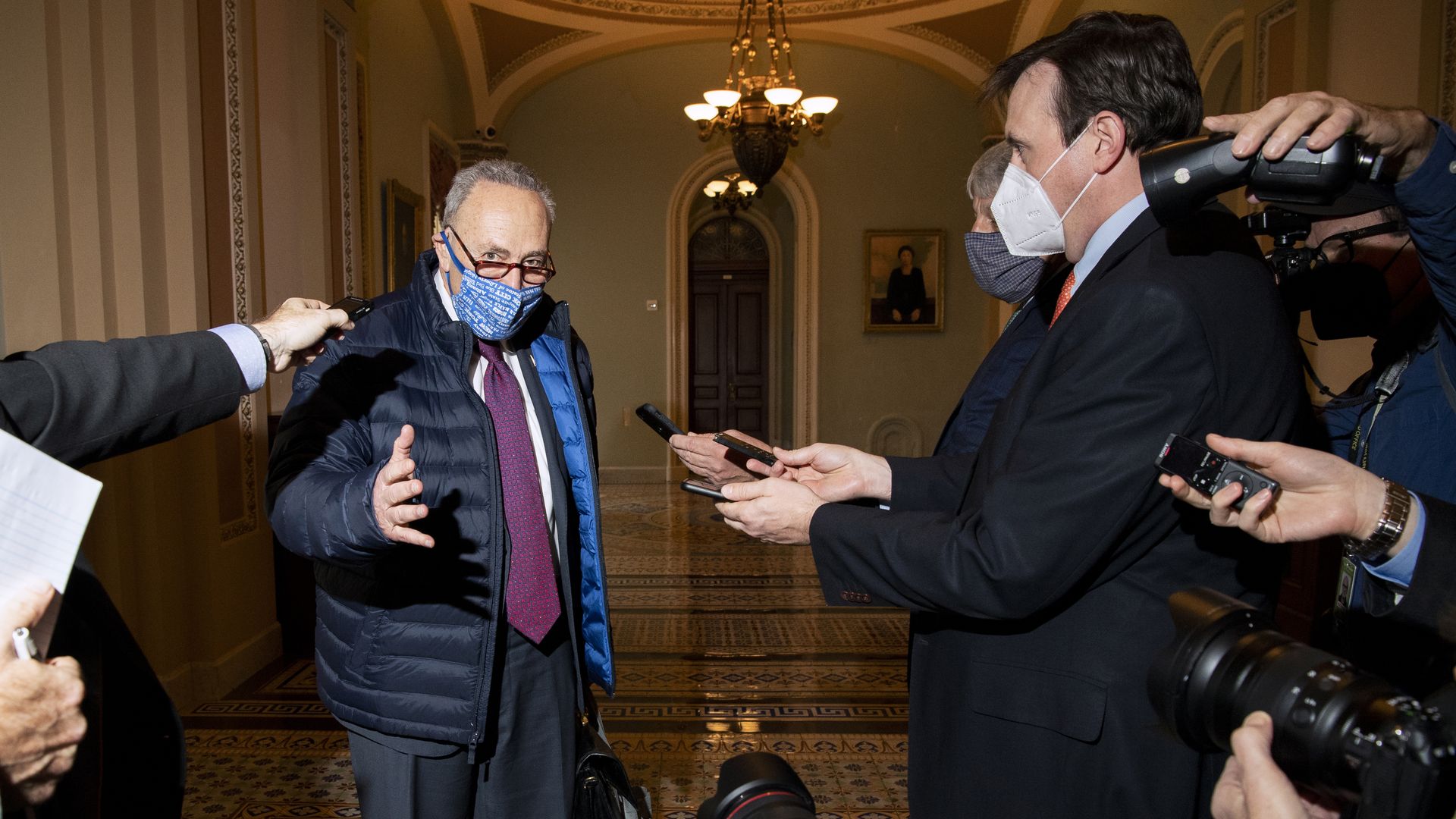
Senate Minority Leader Chuck Schumer (D-N.Y.) said Wednesday that one of his first priorities in the 117th Senate will be to pass legislation that would send $2000 stimulus payments.
Why it matters: If Jon Ossoff holds his lead over former Sen. Perdue, Schumer is set to become the next majority leader with the power to steer legislation. The election has not yet been called.
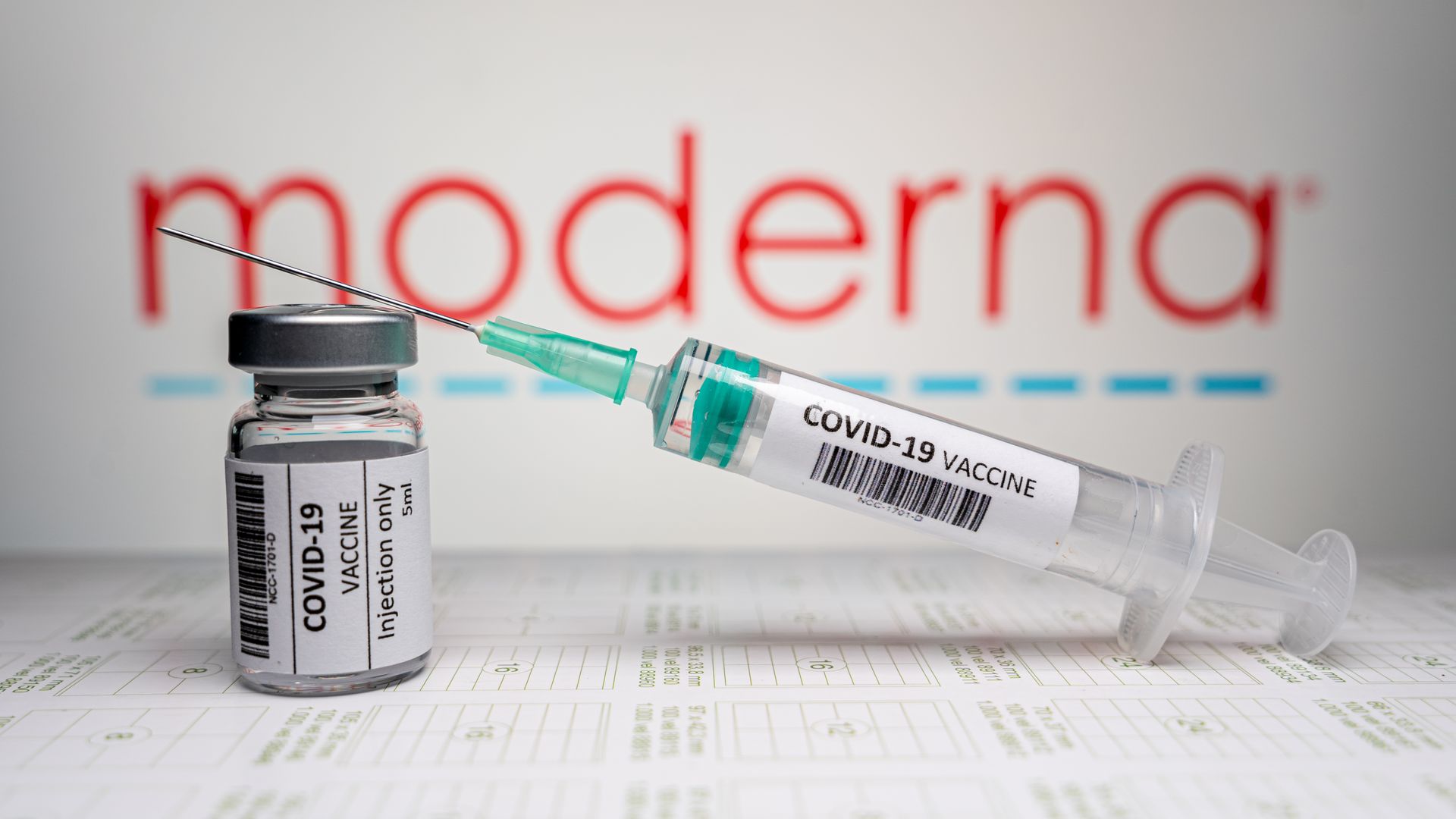
The European Medicines Agency on Wednesday recommended Moderna's coronavirus vaccine for authorization in the European Union's 27 member states.
Why it matters: This is the second vaccine to be granted approval by the regulator. The European Commission — which has purchased 160 million doses of the Moderna vaccine — is likely to issue final approval this week.
New York's largest health system has continued to sue patients over unpaid medical bills amid the pandemic, even though most other hospitals in the state have suspended their claims, the New York Times reports.
Driving the news: Northwell Health, a nonprofit hospital system that is run by one of Cuomo's closest allies, sued more than 2,500 patients last year for an average of $1,700 in unpaid bills.
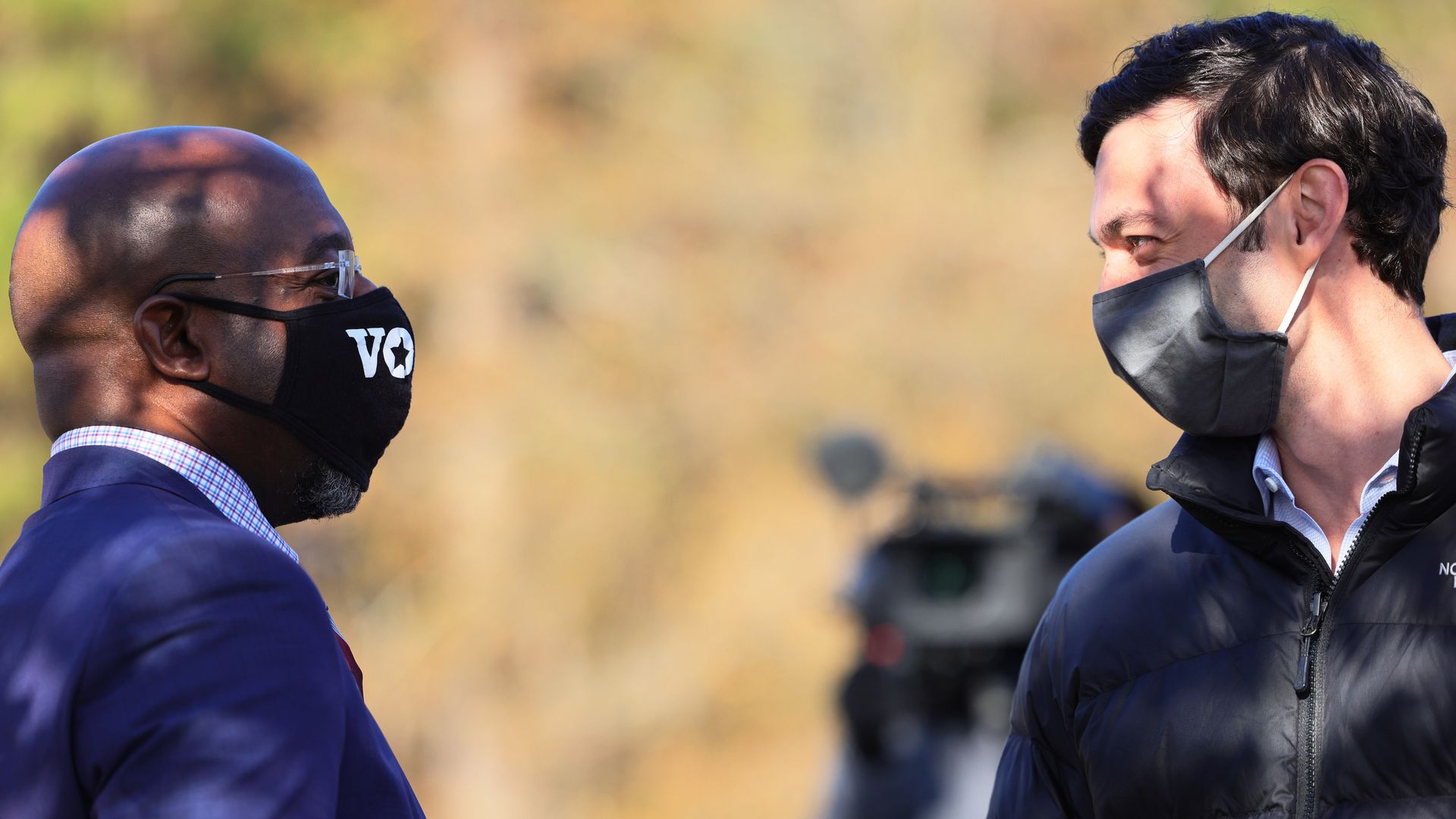
If both Democrats ultimately pull off wins in Georgia's Senate races, they'll secure a narrow Democratic majority and increase the odds that significant health care legislation could become law.
Driving the news: Democrat Raphael Warnock defeatedRepublican Kelly Loeffler for one of the Senate seats, AP called early this morning. A winner has not yet been declared in the race between Democrat Jon Ossoff and Republican David Perdue.
Rep. Kevin Brady (R-Texas) announced Tuesday night that he's in quarantine after testing positive for COVID-19.
Why it matters: He's the second House member this week to test positive for the coronavirus after having the first dose of Pfizer-BioNTech's vaccine, following Rep. Kay Granger (R-Texas). Pfizer-BioNTech's vaccine and others require two doses to protect against the virus.
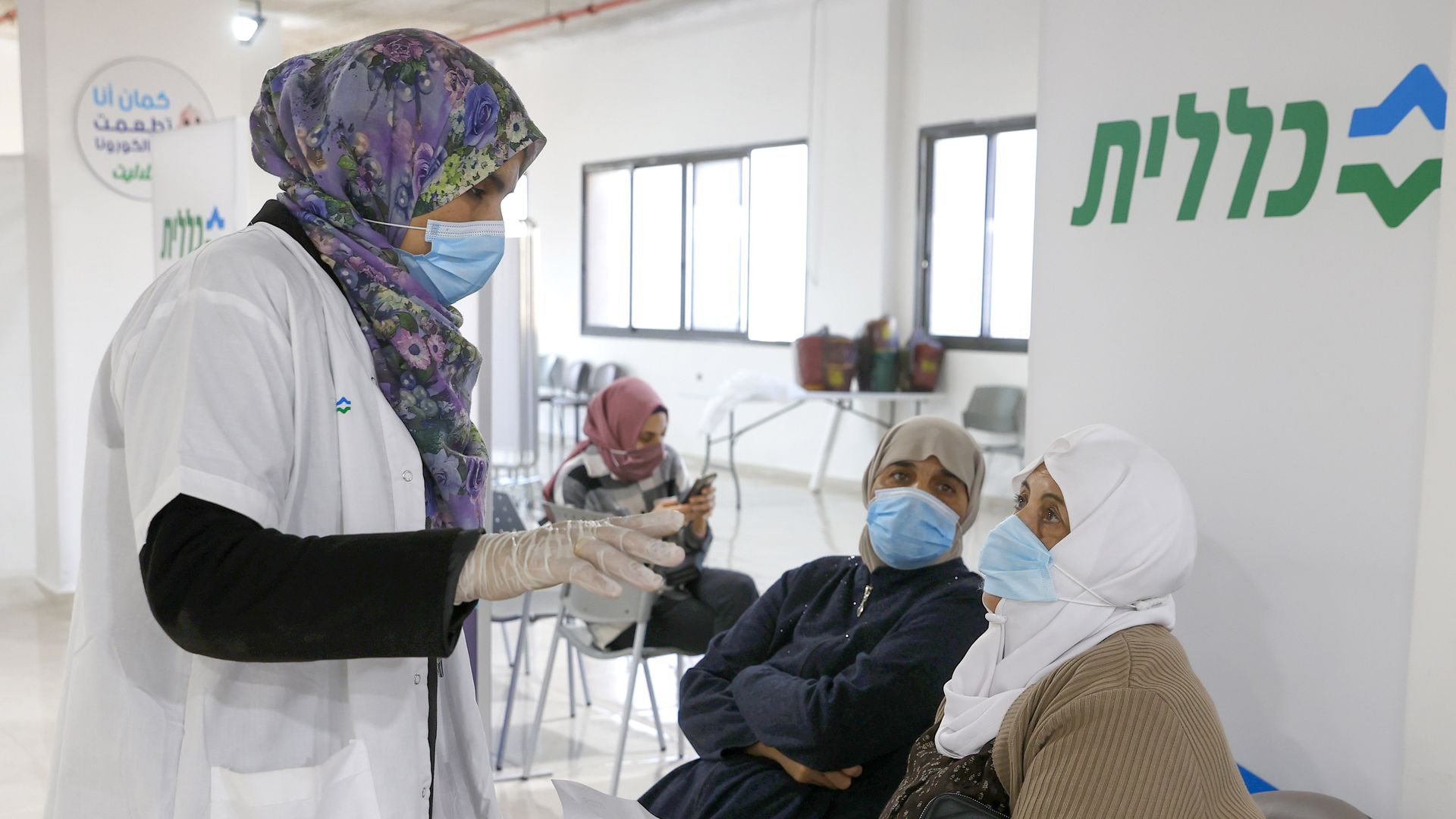
Israel will impose new restrictions in its countrywide lockdown, closing schools and nonessential businesses beginning Friday to combat surging cases of the coronavirus, government ministers voted Tuesday.
The big picture: Israel’s COVID-19 cases, which dropped in October, have jumped to more than 5,000 reported daily in the new year, Johns Hopkins University data shows. Prime Minister Benjamin Netanyahu called on the public Tuesday to heed new restrictions as a faster-spreading variant of the virus first detected in the U.K. multiplies.
In Washington on Tuesday to meet with small businesses, Goldman Sachs CEO David Solomon told Axios that some of the survival pivots entrepreneurs have made in the past year will last past the pandemic.
What he's saying: "A lot of small businesses have had to make some investment in digitization and technology to connect to their customers more digitally than directly," Solomon said. "Some of that will last and will help their businesses."
World Health Organization director-general Tedros Adhanom Ghebreyesus admonished China on Tuesday for delaying authorization that would allow groups of scientists from other countries to investigate the origins of the novel coronavirus in Wuhan.
The Food and Drug Administration released a statement last night throwing cold water, for now at least, on ideas to shake up coronavirus vaccine dosing regimens in order to stretch limited supplies.
What's happening: Some experts have been pushing ideas like delaying the administration of second doses or halving the vaccine dosage given in order to vaccinate more people sooner, but none of these methods have been tested in clinical trials.
A World Health Organization team is beginning a long-delayed investigation in China into how SARS-CoV-2 emerged, as a theory about a possible lab accident is raised in a major magazine.
Why it matters: Understanding the origins of COVID-19 is vital if we're going to prevent the next pandemic.
Only about 14% of the roughly 2.5 million COVID-19 vaccine doses distributed to nursing home residents and staff have been administered, according to data from the Centers for Disease Control and Prevention.
Why it matters: The slower-than-ideal rollout illustrates the complexity of vaccinating what should be one of the easiest populations to reach — and one that remains extremely vulnerable to the virus.