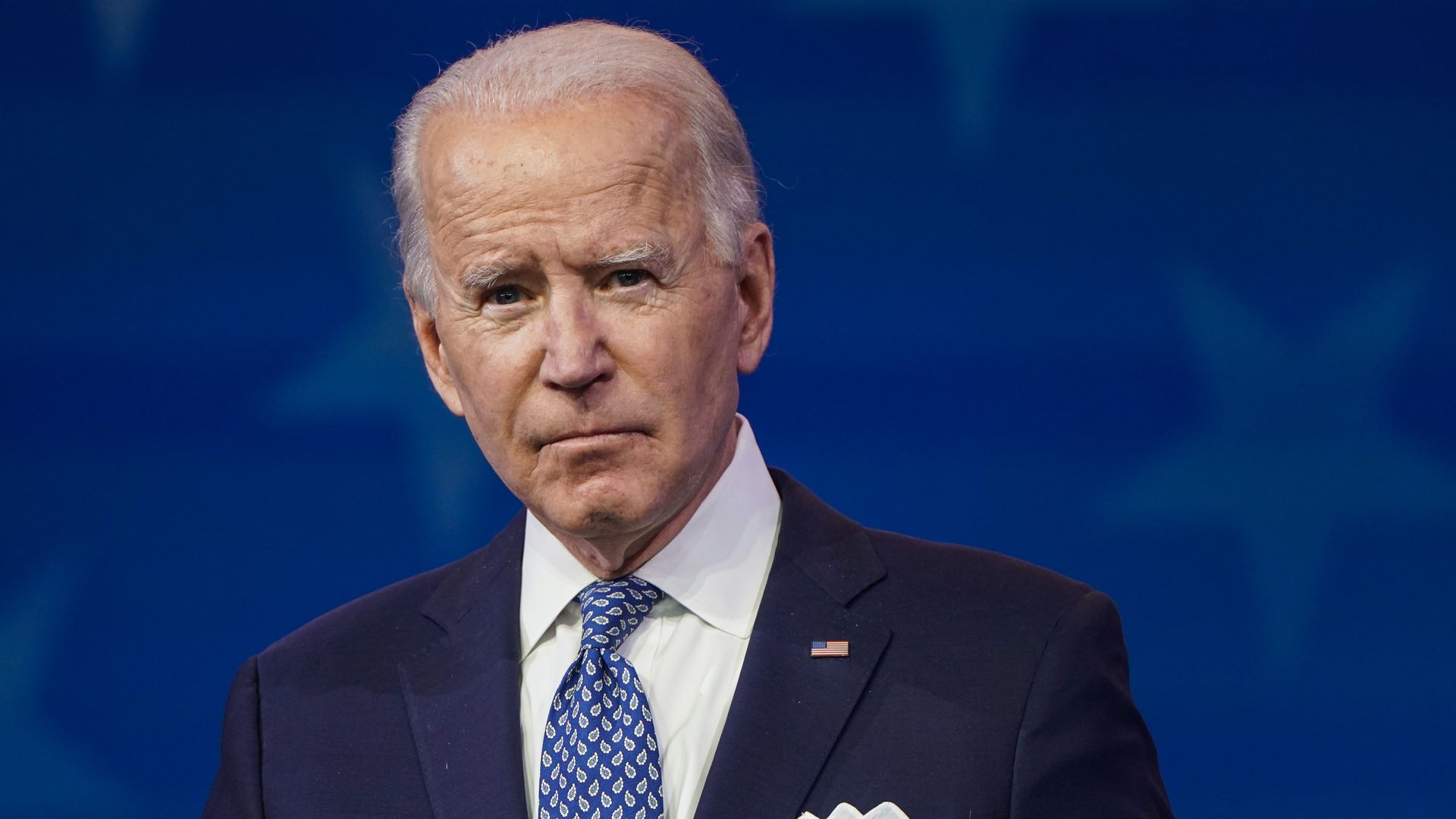
Rare words from an incoming president: "Our darkest days in the battle against COVID are ahead of us, not behind us," President-elect Biden warned Tuesday afternoon during remarks in Wilmington.
Why it matters: Biden is promising to tell America the truth, which includes the reality of many more horrific months, no matter who is in charge.
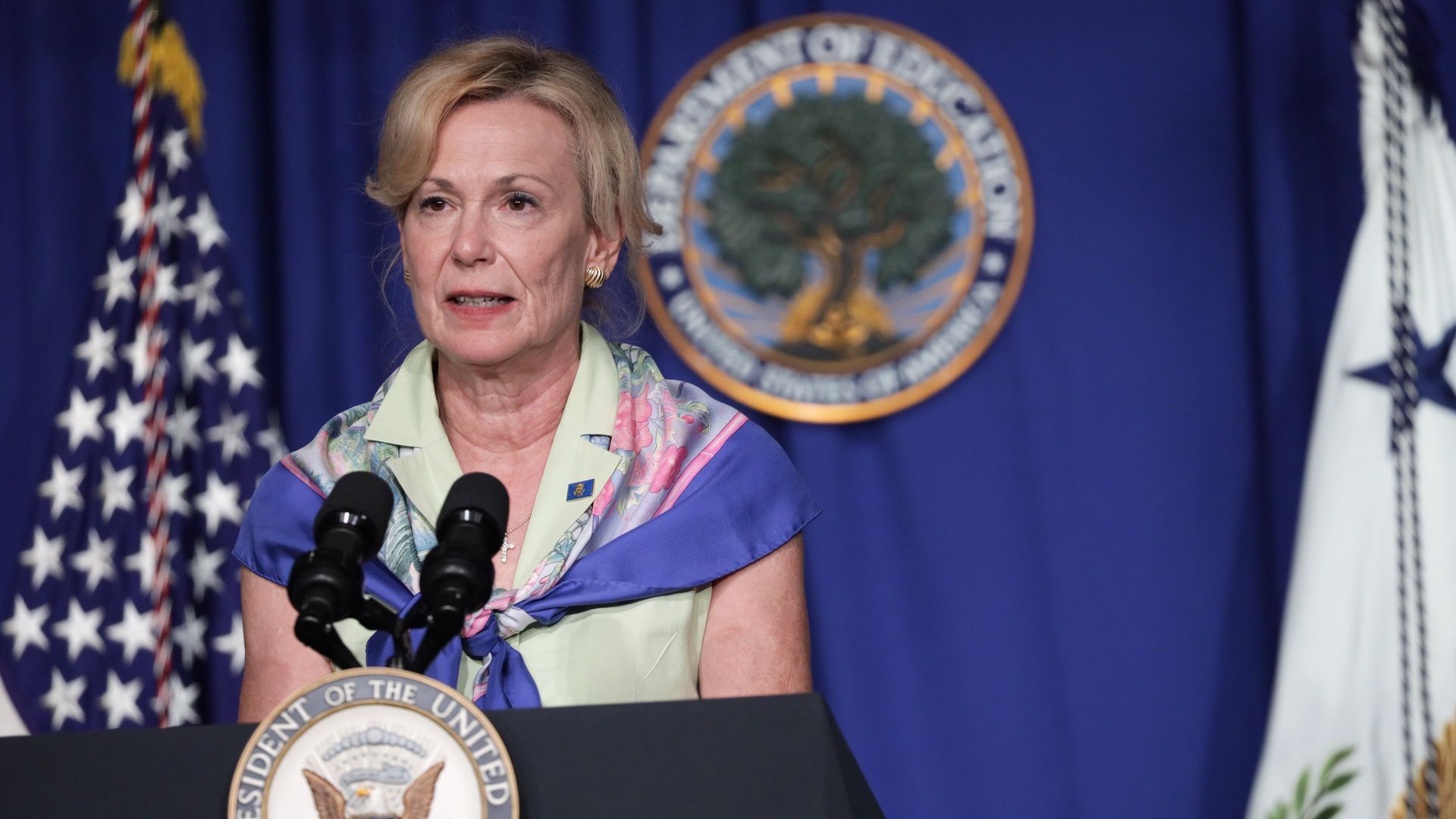
Deborah Birx, White House coronavirus response coordinator, told Newsy on Tuesday that she plans to retire.
Driving the news: Birx did not provide a specific timeline, but said she is willing to wait and help President-elect Joe Biden’s team with its coronavirus response if needed.
The Trump administration sued Walmart on Tuesday, accusing its pharmacies of not properly screening questionable painkiller prescriptions and filling them, ultimately fueling nationwide addiction.
Why it matters: The major retailer "knowingly filled thousands of controlled substance prescriptions that were not issued for legitimate medical purposes or in the usual course of medical practice," the Justice Department alleges.
Thirty-six people stationed at a Chilean research base in Antarctica have tested positive for COVID-19, media reports.
Why it matters: Every continent on Earth has now reported coronavirus infections. Travel and research in Antarctica, which houses about 1,000 people on 40 bases, had already been significantly limited, per the New York Times. Experts expect there to be long-term restrictions on the continent, given its isolation and extreme environment.
Anthony Fauci, Health and Human Services Secretary Alex Azar, and National Institutes of Health director Francis Collins publicly received Moderna's coronavirus vaccine on Tuesday.
Why it matters: It's part of a broad government effort to televise top officials receiving the COVID-19 vaccine in order to bolster public confidence. Fauci, Azar and Collins are the first public figures to receive the Moderna vaccine, which was cleared for emergency use last week by the FDA.
BioNTech CEO Ugur Sahin told the Financial Times his company could produce a new vaccine to combat mutations of COVID-19 within six weeks using the technology from its current vaccine, which was developed with Pfizer.
Driving the news: Concerns have mounted after the U.K. and World Health Organization said they have identified a new variant of COVID-19 in England that appears to be 70% more transmissible. U.S. officials have said the chances the new strain will make current vaccines less effective are "extremely low."
The European Commission adopted a recommendation on Tuesday calling on the bloc's 27 member states to lift blanket bans on flights and travel from the U.K. in order to "ensure essential travel and avoid supply chain disruptions," while also discouraging non-essential travel.
Why it matters: A new coronavirus variant in England found to be 70% more transmissible prompted dozens of countries to ban travel from the U.K. this week, in a scene reminiscent of the early days of the pandemic.
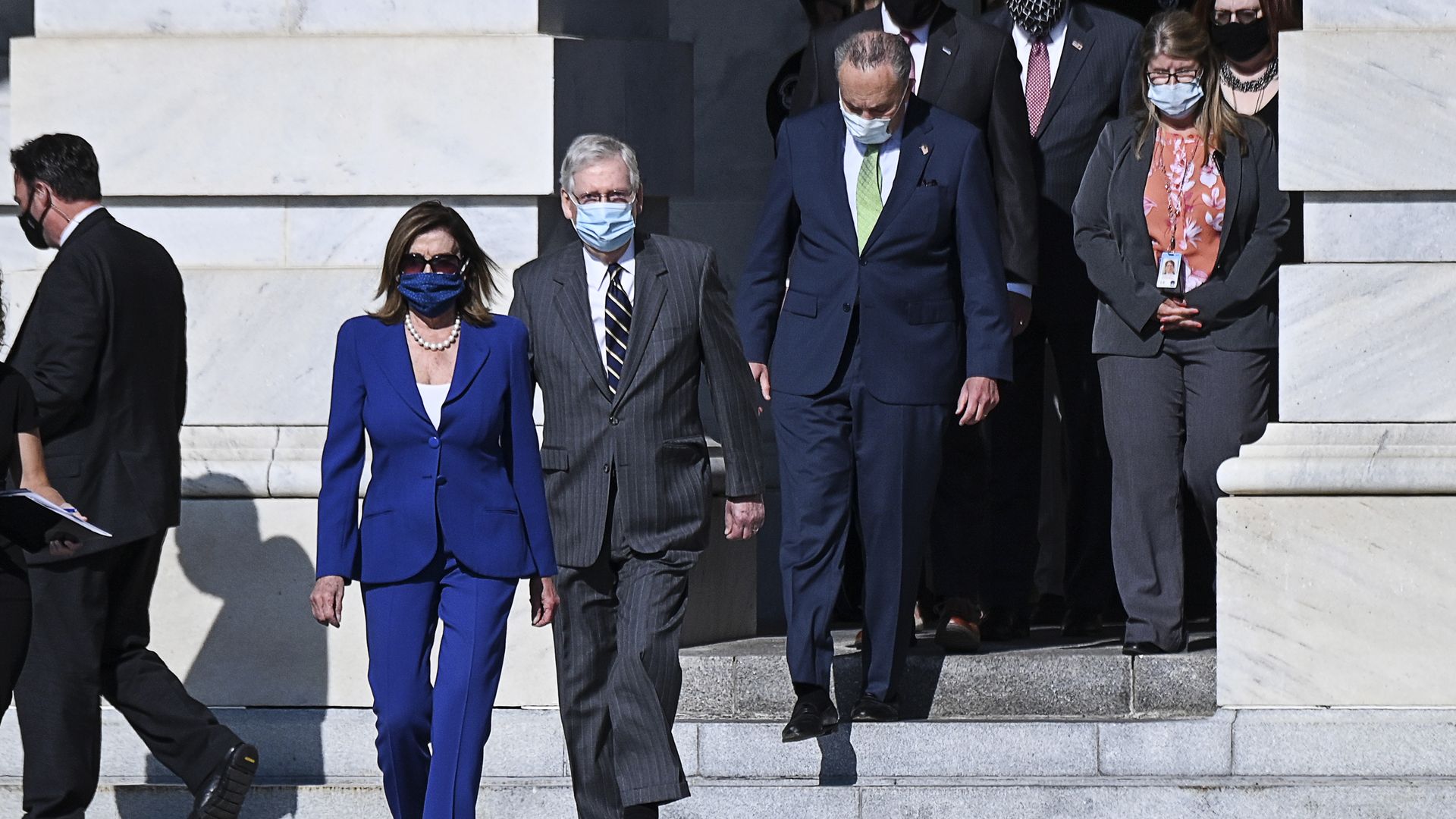
The House and Senate passed a $900 billion coronavirus relief bill and a $1.4 trillion government funding measure Monday night after months of gridlock on Capitol Hill.
Why it matters: The bill’s passage comes before many of the existing coronavirus relief measures were set to expire on January 1. It also staves off a government shutdown.
One in three Americans believe their physical and mental health will be better next year as more people say they plan to get the COVID vaccine as soon as it's available, in the latest installment of the Axios/Ipsos Coronavirus Index.
Why it matters: In a year of unrelenting bad news and doom, the survey finally shows some hints of optimism about the pandemic — though it has yet to spread to the majority of Americans.
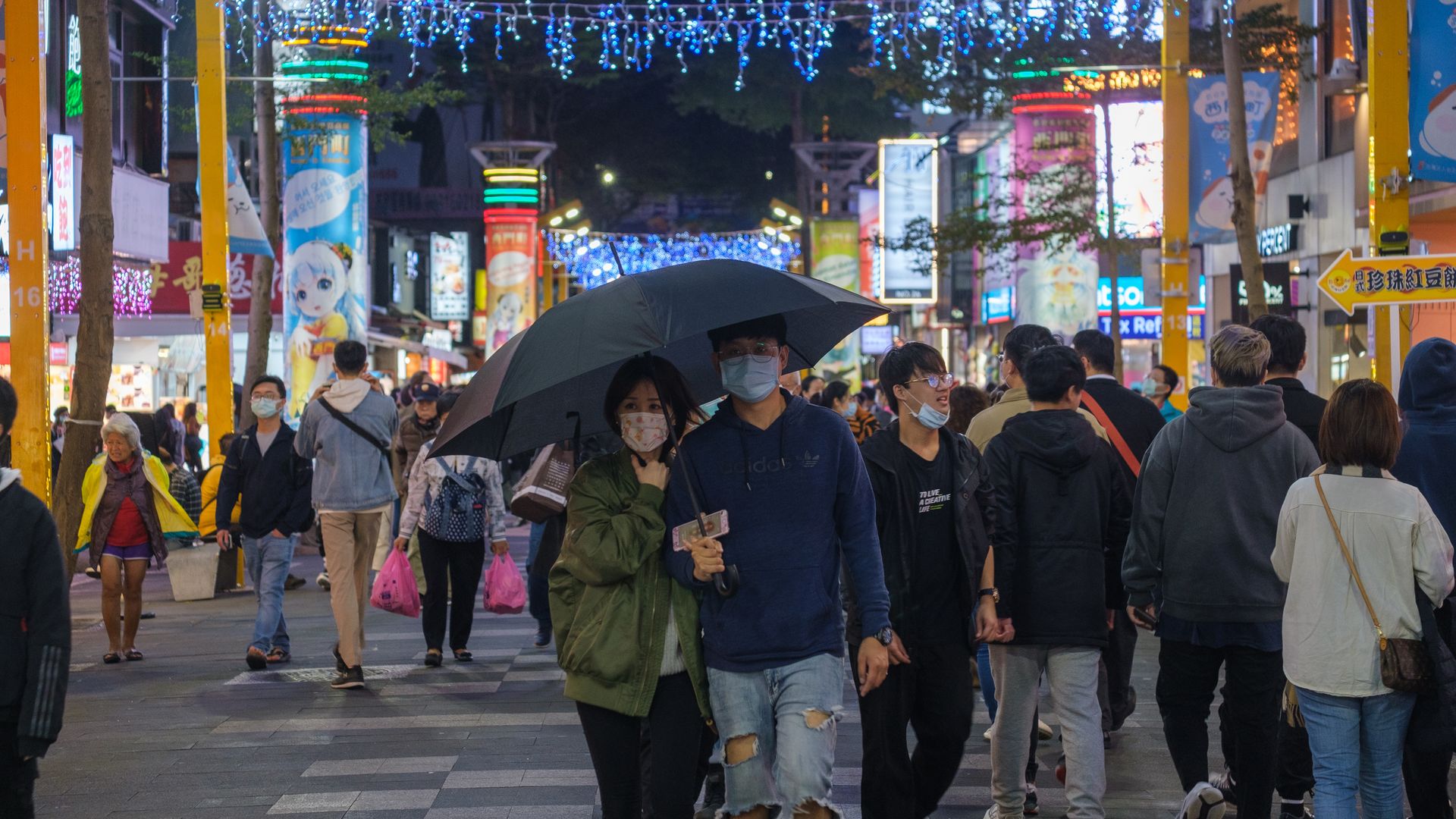
Why it matters: It's the first domestic case since April 12. Taiwan had been free of the coronavirus longer than any other place that had previously reported an infection. While the pandemic has forced much of the world to lock down, leading to economic slumps, Taiwan raised its growth forecast for the year.
Ontario officials announced Monday a weeks-long shutdown across Canada's most populous province from Boxing Day as the country is hit by spiking COVID-19 cases.
Driving the news: Nonessential businesses including gyms, salons and indoor dining have been shut in the hardest-hit areas of Toronto and the Regional Municipality of Peel for nearly a month. But Ontario Premier Doug Ford told a briefing "COVID is spreading rapidly from high outbreak areas to areas with fewer cases."