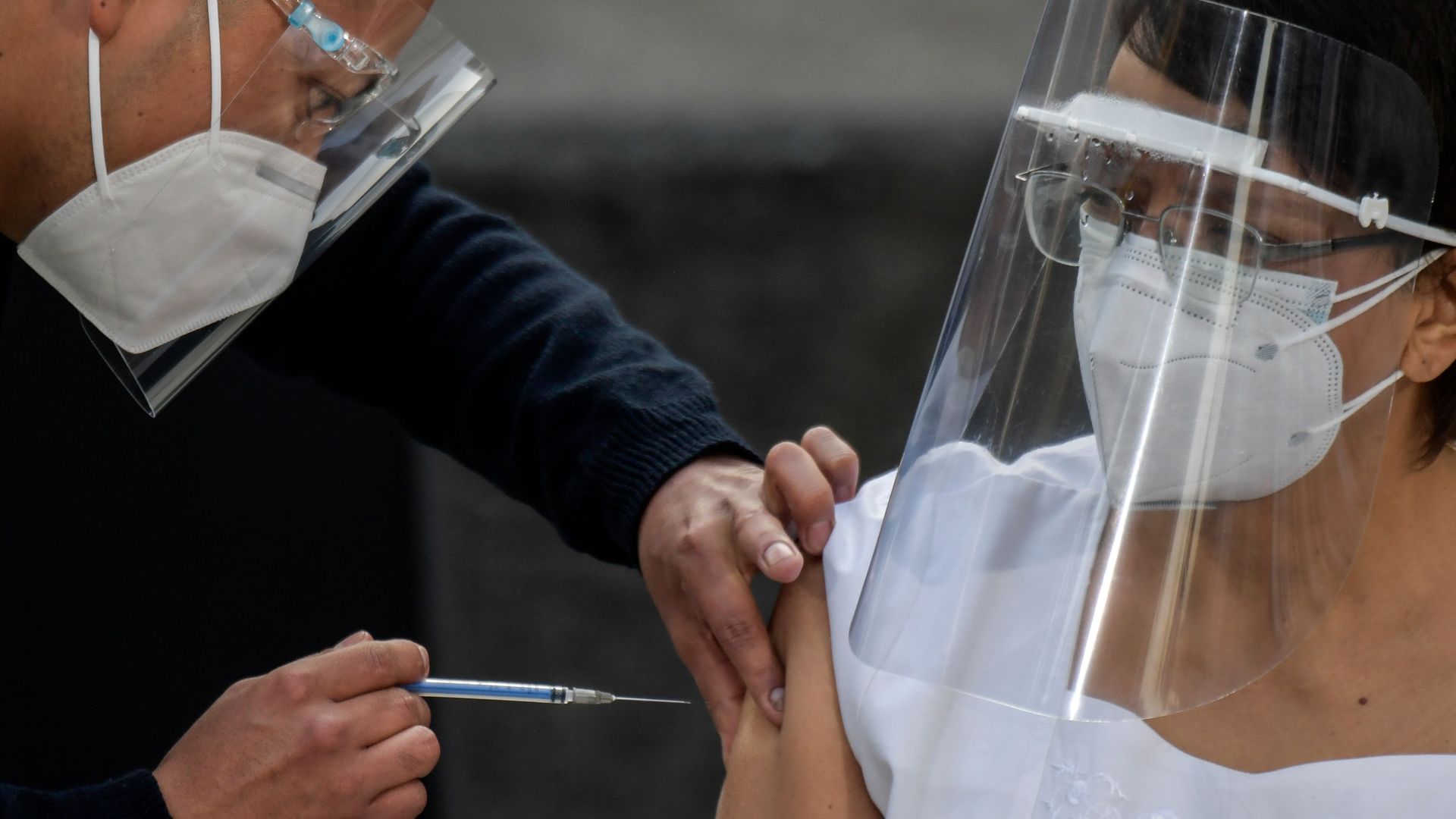
Mexico became the first Latin American country to begin coronavirus vaccinations, amid a surge in cases, the New York Times reports.
Why it matters: The serum arrives as Mexico's hospitals reach a breaking point. The country tallies over 1.3 million COVID-19 cases and 120,000 deaths, per John Hopkins University data, though actual numbers are believed to be much higher.
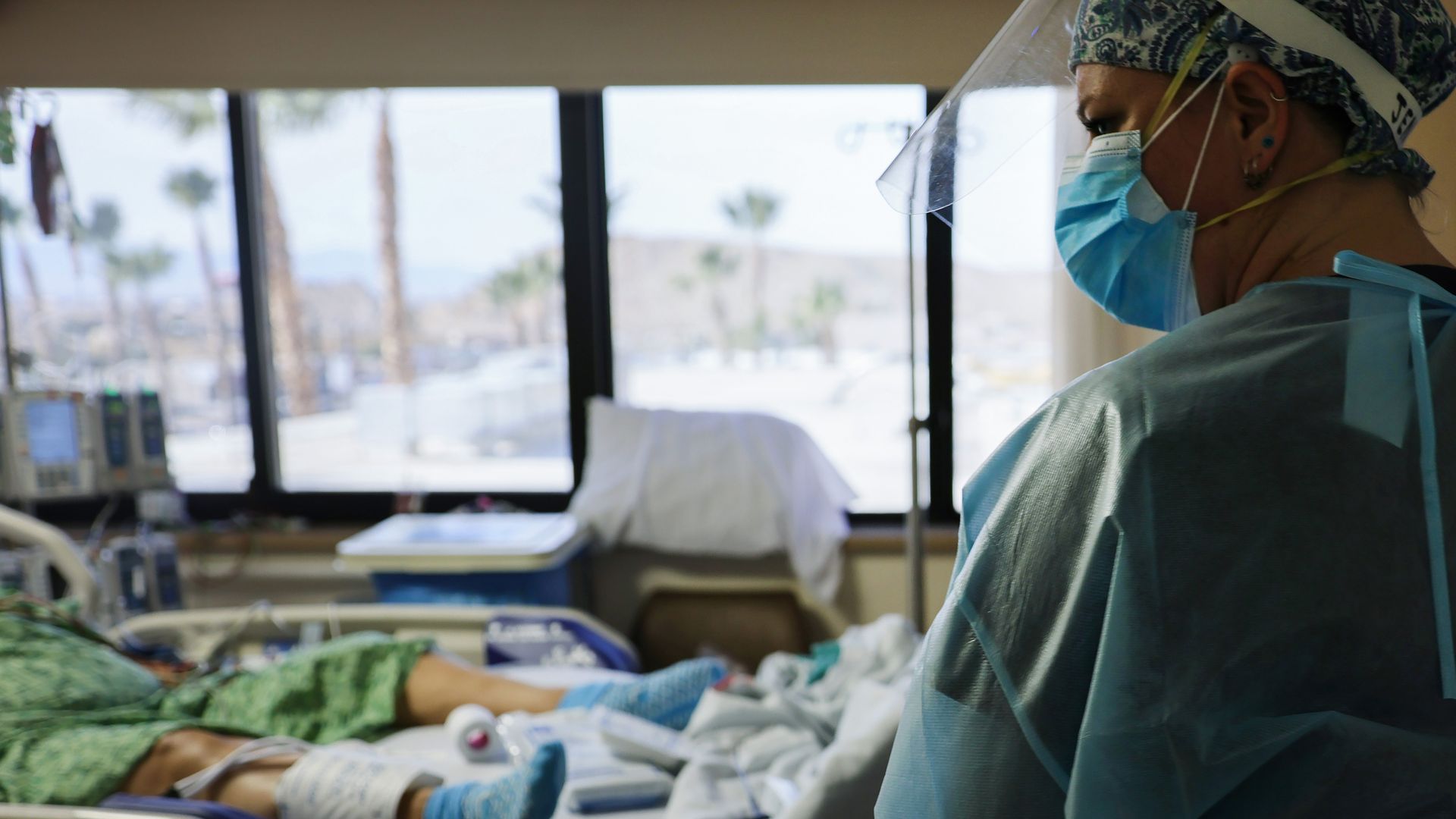
Why it matters: It's the first U.S. state to exceed 2 million coronavirus infections. While it took California over nine months for 1 million people to test positive for the virus, state health officials have confirmed 1 million cases in six weeks, the Mercury News notes.
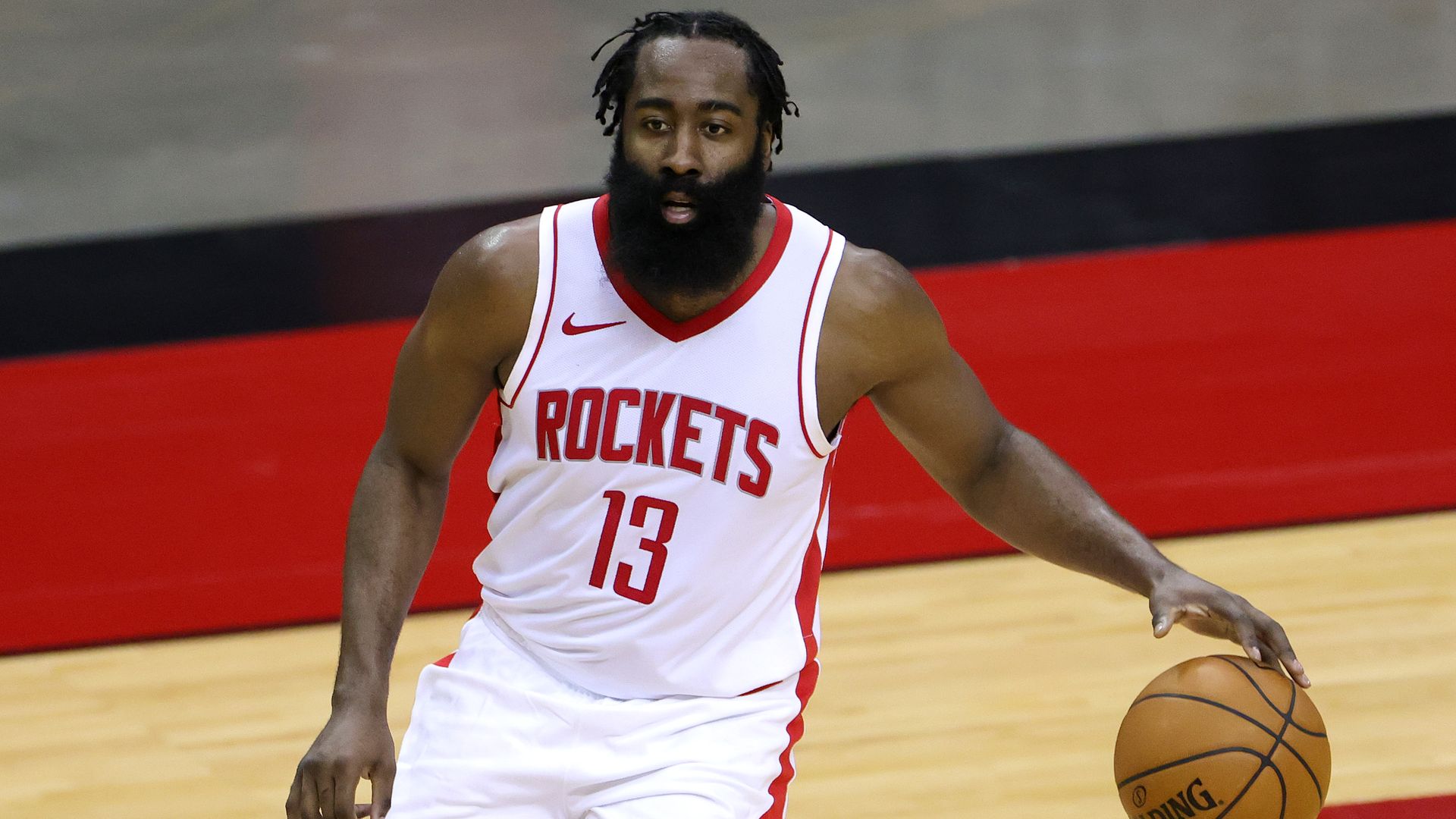
The NBA announced it's fining Houston Rockets star James Harden $50,000 for COVID-19 protocols violations and postponing his team's Wednesday night season opener with the Oklahoma City Thunder following a coronavirus outbreak.
Why it matters: The NBA suspended the previous season in March due to the pandemic. It returned to play in late July in a bubble at the ESPN Wide World of Sports Complex near Orlando.
2020 will go down in infamy for all the obvious reasons, but history shows it doesn't actually rank among humanity's worst years.
Why it matters: The past is a foreign country, and that goes doubly so the deeper we dig. Understanding just how far we've come from the years when life was nasty, brutal and short can help us put the pain of 2020 in perspective, and appreciate the progress we need to defend.
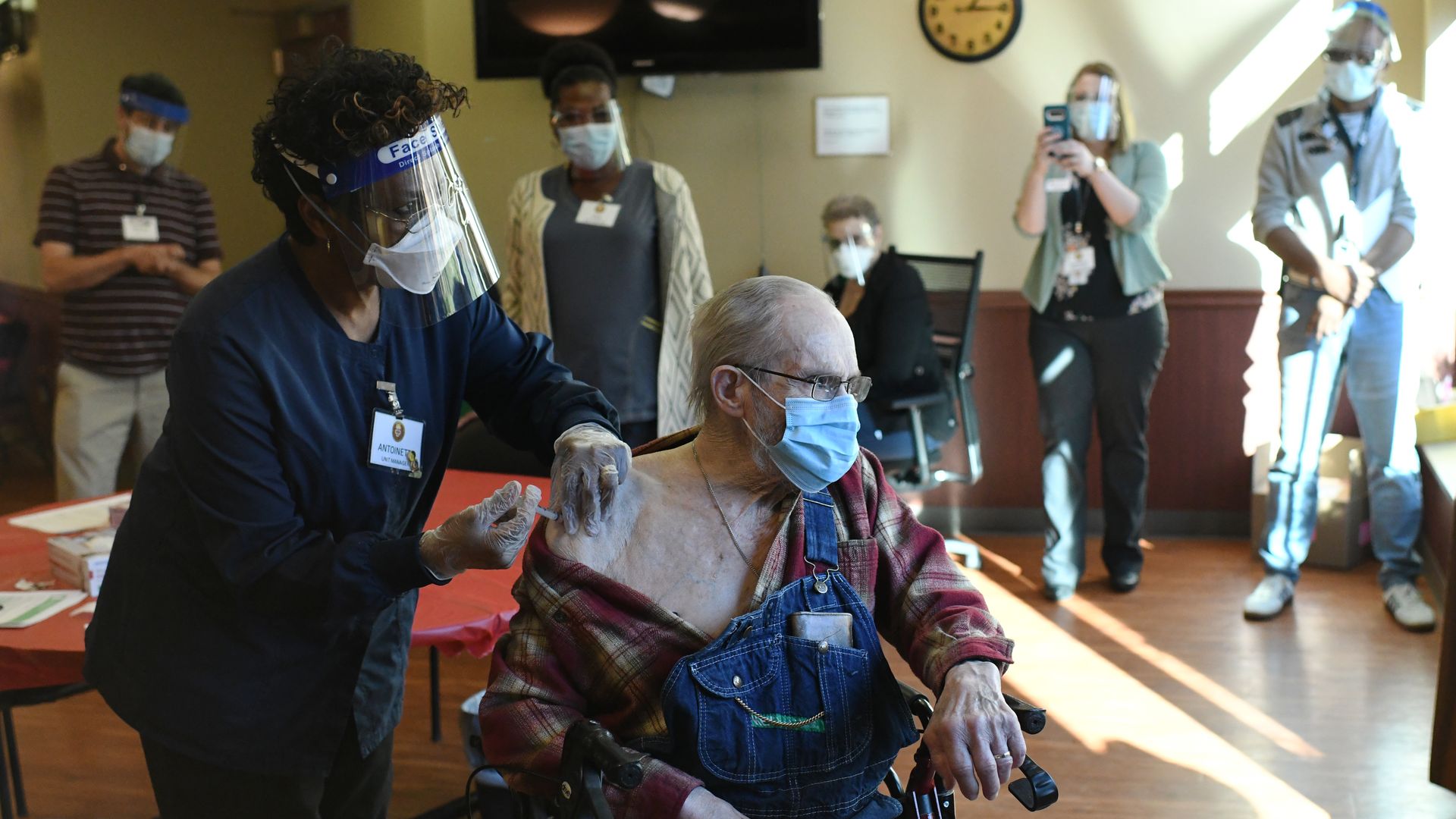
More than 1 million people in the U.S. have received the first dose of the Pfizer-BioNTech coronavirus vaccine as of Wednesday, according to the Centers for Disease Control and Prevention.
Why it matters: The U.S. began its largest vaccination campaign in U.S. history last week as COVID-19 cases, hospitalizations and deaths surged nationwide.
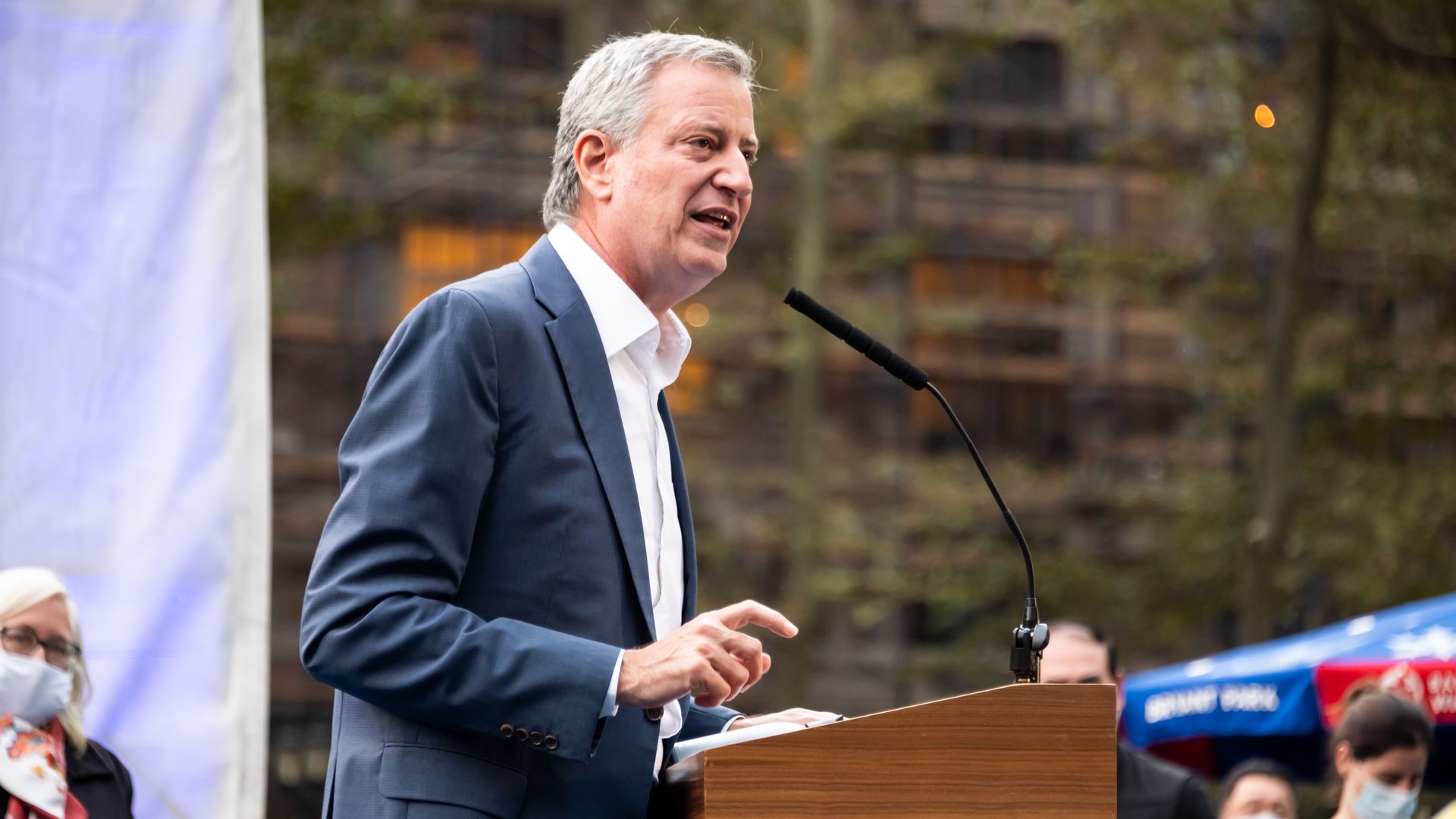
All U.K. travelers going to New York City will now be required to quarantine or face a daily $1,000 fine, Mayor Bill de Blasio announced on Wednesday.
Why it matters: Although all people are required to quarantine when traveling into the city, U.K travelers specifically will receive visits from sheriff’s deputies to ensure they are following the two-week quarantine order.
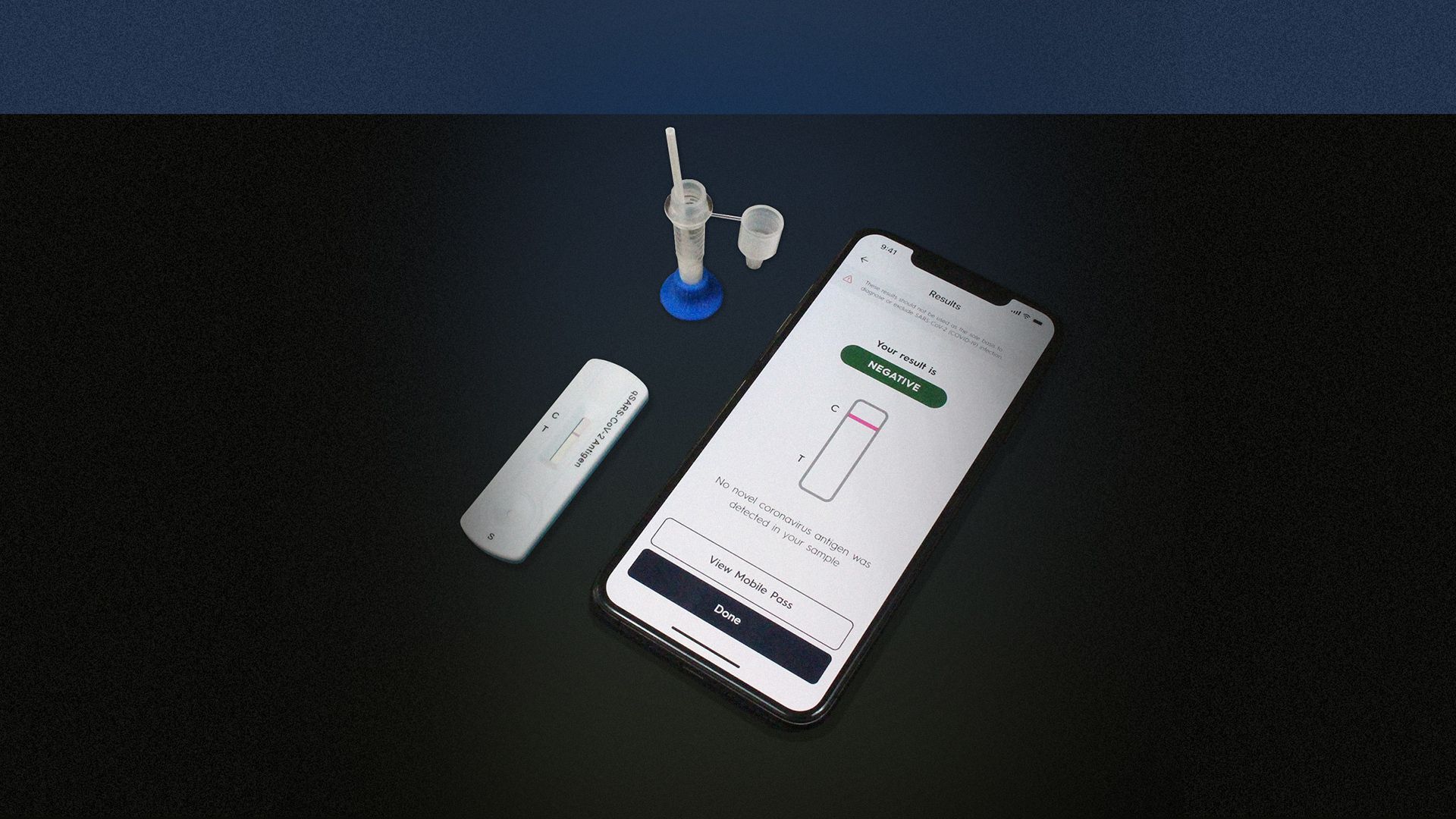
The company behind one of the new fully at-home COVID-19 tests is partnering with a digital health platform to deliver rapid diagnostics to consumers.
Why it matters: One of the biggest obstacles to at-home tests making a difference for the pandemic is delivering the tens of millions of kits that would be needed for regular, mass surveillance. The new partnership can help efforts scale up rapidly at a moment when the pandemic is spinning out of control and mass vaccination is still months away.
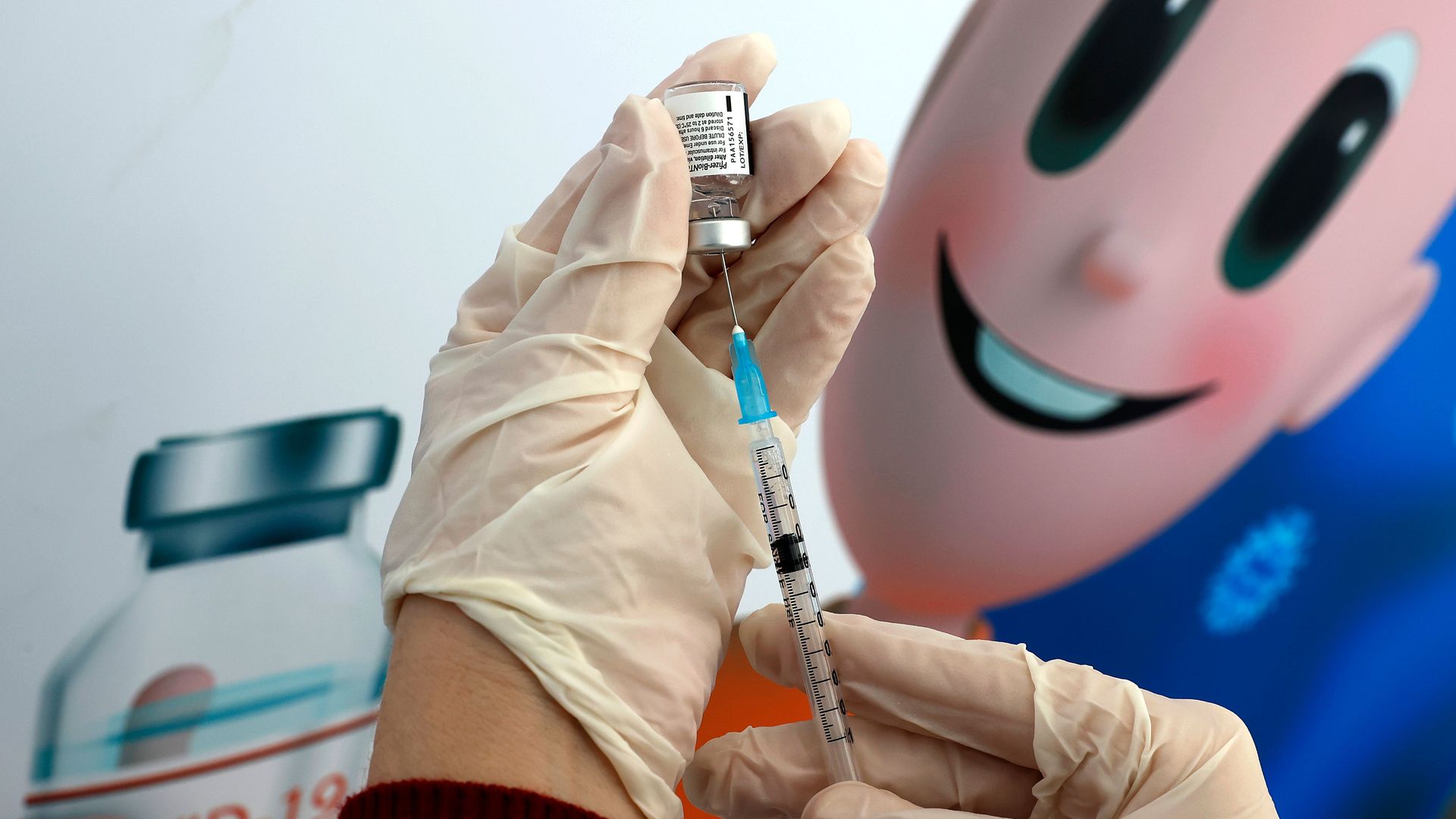
The Trump administration has reached an agreement with Pfizer and BioNTech to purchase 100 million additional doses of their coronavirus vaccine, which will be fully delivered no later July 31, 2021, the Department of Health and Human Services announced Wednesday.
Why it matters: The deal will allow millions more Americans to be vaccinated at zero cost by next fall. Under the terms of the agreement, 70 million of the 100 million doses purchased will be delivered by June 30, 2021.
You've received a coronavirus vaccination — but can you prove it? The answer to that question will help determine how the global economy functions for the next few years.
Why it matters: The federal government will probably neither mandate nor encourage digital immunity passports or other proofs of vaccination. But privately-operated digital certificates are already being developed — and U.S. law means that anybody who gets vaccinated here should be able to obtain the proof they need.
People who have survived a coronavirus infection say the experience made them take the pandemic more seriously, according to an Axios/Ipsos survey— the first to focus exclusively on people who have contracted the virus.
The big picture: A vocal group of White House officials, state officials and conservative pundits have argued for months that the virus simply is not that big a deal for the people who don’t die or become seriously ill. But that’s not how those patients themselves see it.
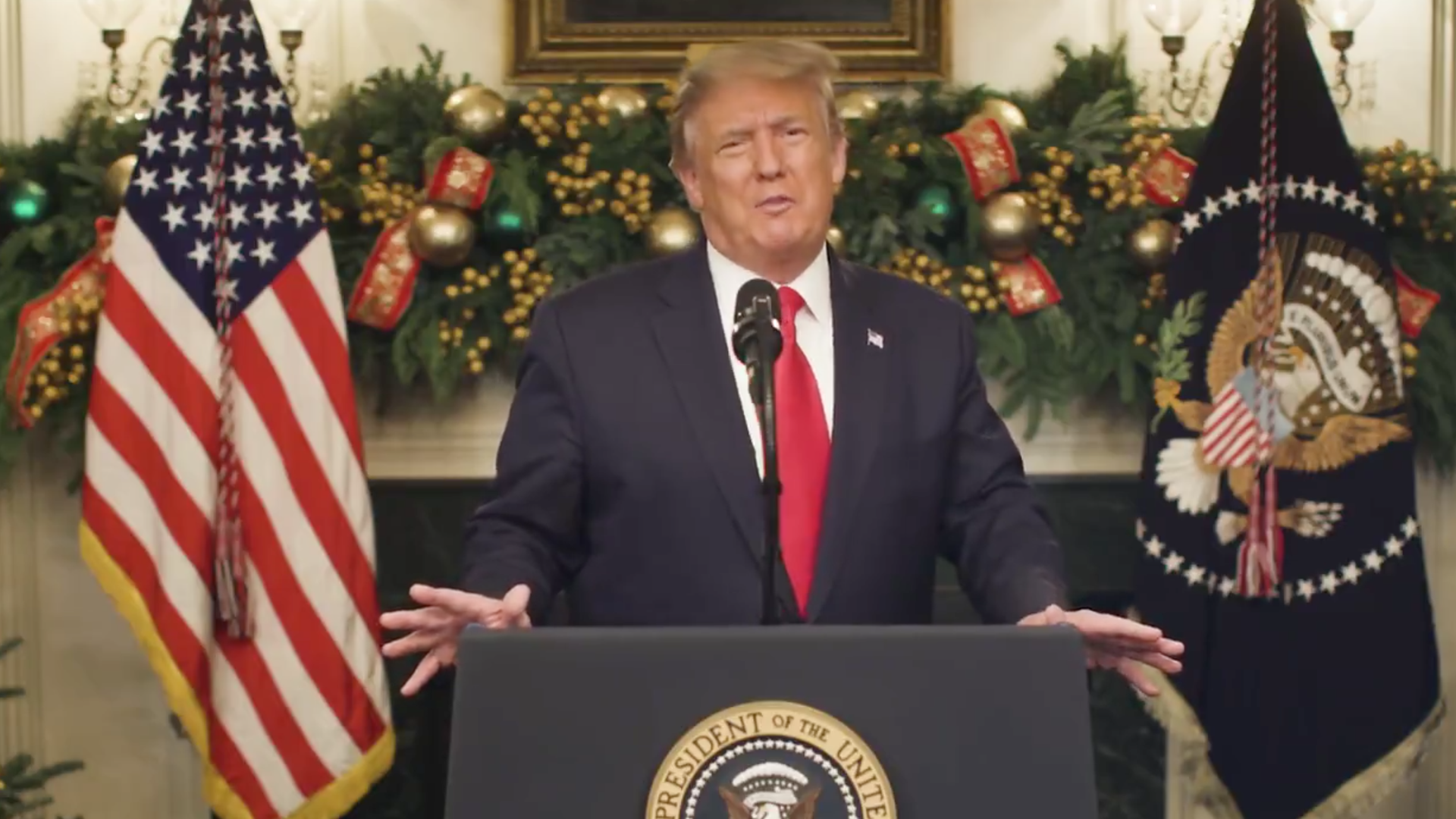
President Trump indicated in a video Tuesday evening that he won't sign the $900 billion coronavirus relief bill and $1.4 trillion government funding measure passed by Congress if it's not amended to increase stimulus payments.
Why it matters: The surprise announcement could delay desperately needed aid for millions of Americans if Trump decides not to sign the package as it stands. It also risks a government shutdown on Dec. 28.