President-elect Joe Biden publicly received his first dose of the Pfizer coronavirus vaccine in Delaware on Monday.
Why it matters: Biden, who at 78 years old is at risk for a more severe coronavirus infection, said he wanted to receive the shot live on television in order to bolster public confidence in the vaccine, which has been found by the FDA to be safe and 95% effective.
Researchers are closely watching whether a newly discovered mutation in the SARS-CoV-2 virus is cause for alarm as parts of Europe limited international travel this week.
Why it matters: Despite the variant appearing to be moretransmissible, U.S. officials stressed in a call today thatit's no more deadly and the chances it will make vaccines less effective are "extremely low."
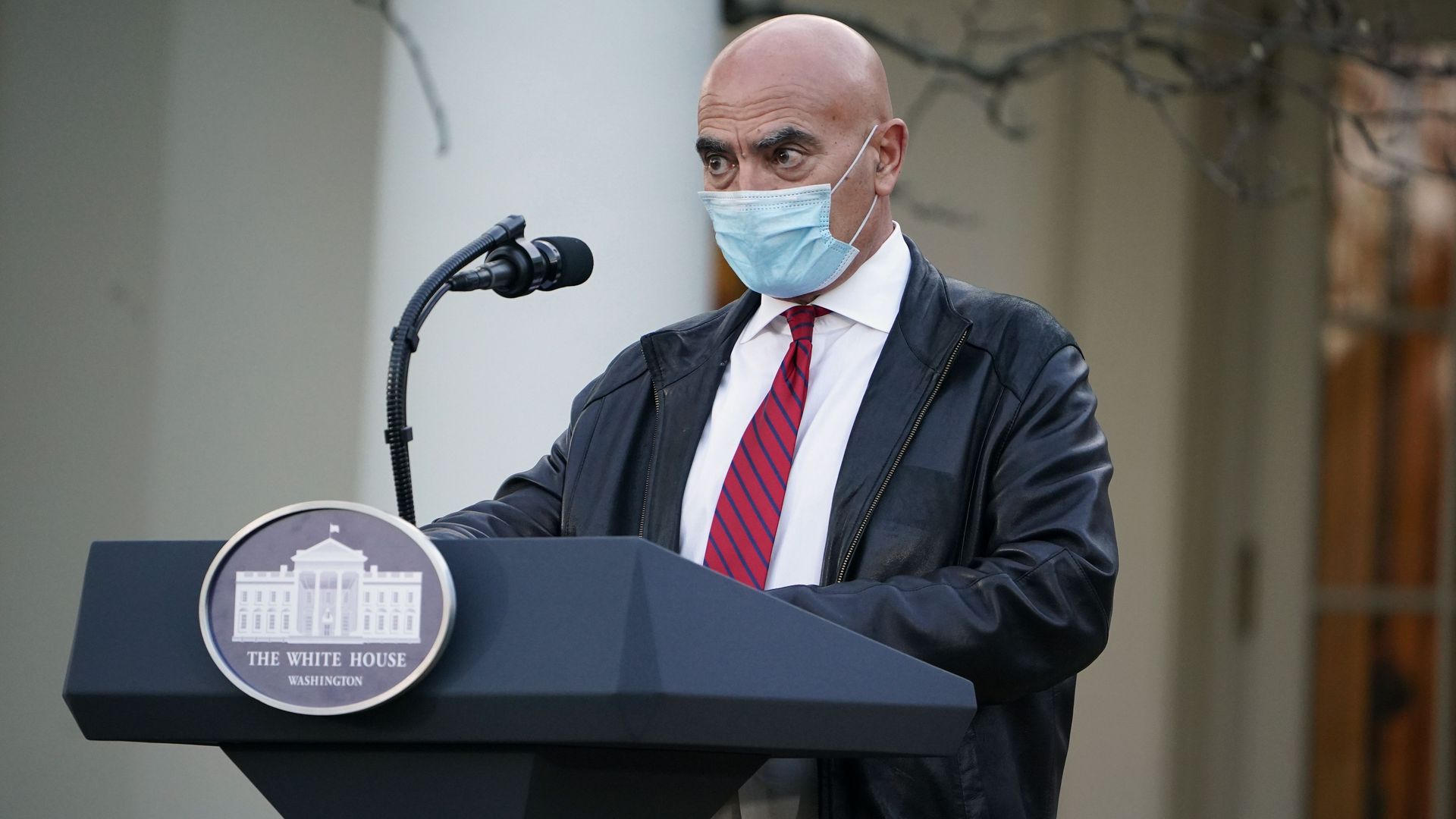
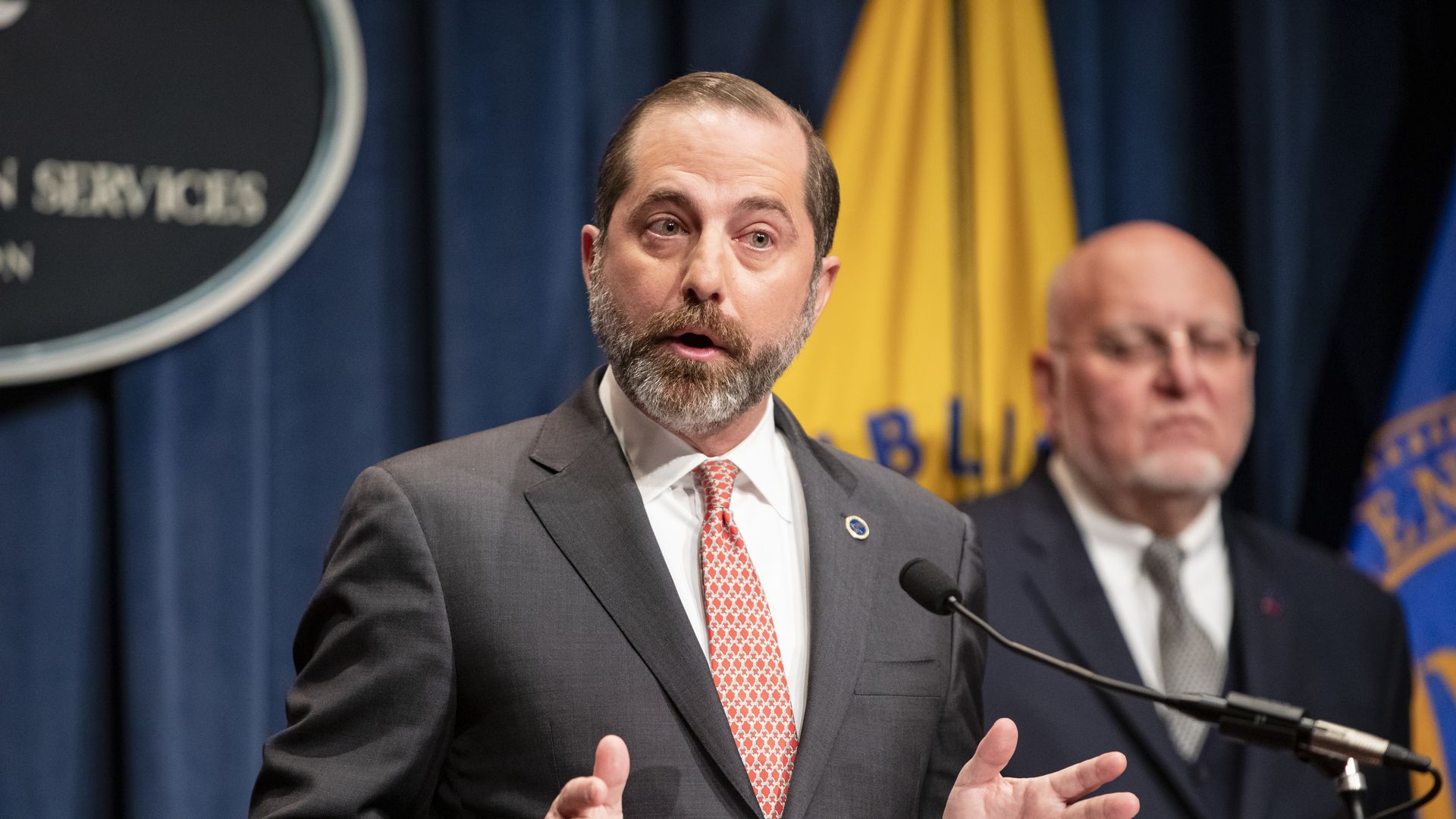
House Majority Whip Jim Clyburn (D-S.C.), chair of the select subcommittee responsible for overseeing the coronavirus crisis, has subpoenaed HHS Secretary Alex Azar and CDC director Robert Redfield to produce documents related to claims of political interference at the CDC.
Driving the news: In a letter to Azar and Redfield, Clyburn released new evidence showing that HHS and CDC officials altered 13 scientific reports between May through September, at times delaying the publication of a crucial peer-reviewed journal on the coronavirus.
At least 31 countries, including 18 in the neighboring European Union, have banned travel from the United Kingdom after the British government warned that a new variant of the coronavirus could be up to 70% more transmissible.
Why it matters: Supply chains are being disrupted just days before the U.K. is set to end the Brexit transition period without a free trade agreement with the EU — its largest and closest trading partner. A no-deal Brexit could cause massive damage to a British economy that's already been ravaged by the pandemic.
Schools, employers and other big institutions will face enormously difficult decisions as they decide whether to mandate coronavirus vaccinations.
The big picture: The U.S. isn’t likely to see sweeping, government-ordered vaccine mandates, but there could be one-off requirements for specific groups of people. And each will have to balance the benefits against the risk of a backlash that could ultimately prolong the pandemic.
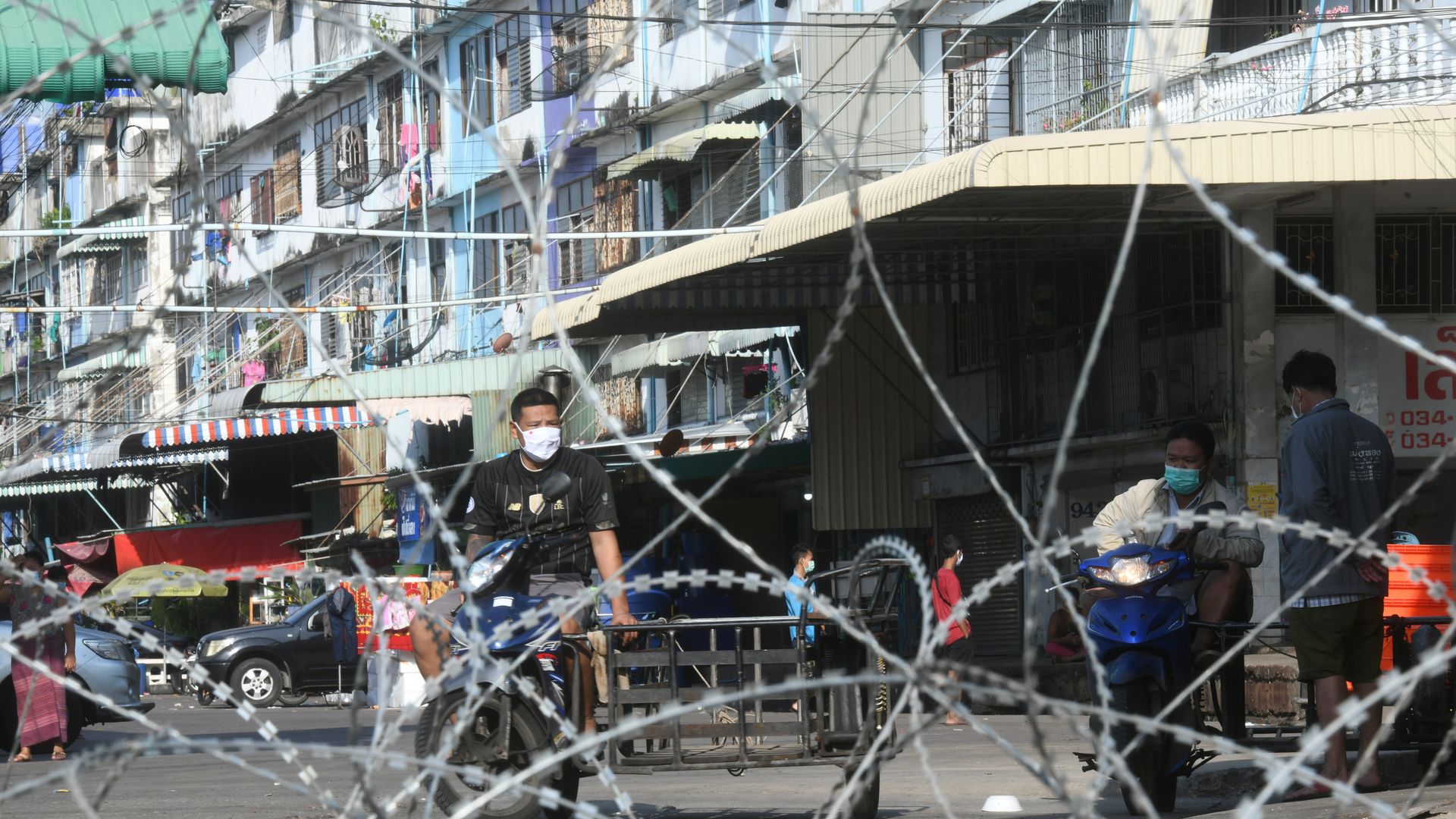
Thailand has begun testing tens of thousands of people following a massive COVID-19 outbreak that prompted officials to enact restrictions including school closures and the lockdown of a coastal province Sunday.
The big picture: Thailand was the first country outside China to report a coronavirus case, but it largely kept the virus in check. Last Thursday, a shrimp market vendor in Samut Sakhon tested positive for coronavirus. By Sunday, Thai officials reported a record 689 new cases. They confirmed another 576 Monday. Most cases are migrant workers from Myanmar.
Yes, but: The population of over 69 million has reported fewer than 5,000 cases — 4,907 as of Monday. Its virus death toll stands at 60, according to government data.
Saudi Arabia has closed its borders and suspended international flights for a week, citing a new variant of COVID-19 first detected in England, per the state-run Saudi Press Agency.
The big picture: Several countries have halted flights from the U.K. as a precaution against this new variant, which British Prime Minister Boris Johnson said "may be up to 70% more transmissible" than the original version. Saudi Arabia has confirmed over 361,000 cases and more than 6,100 deaths from the virus, per Johns Hopkins. It hasn't enacted any restrictions since it began lifting them in May, Bloomberg notes.
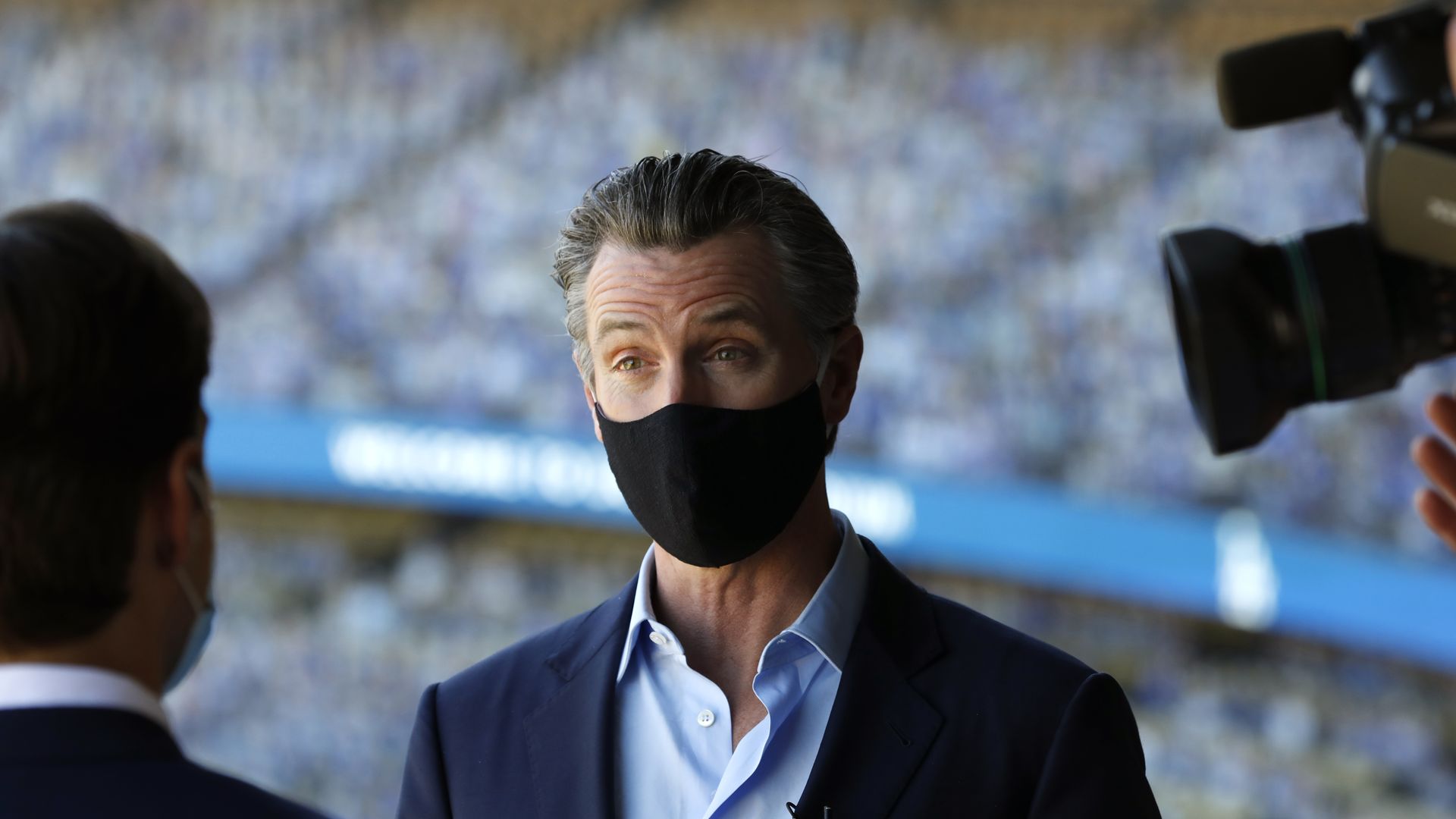
California Gov. Gavin Newsom (D) was back in quarantine Sunday night after coming into contact with a staffer who tested positive for COVID-19, a spokesperson told local media.
The big picture: Newsom tested negative along with other members of staff on Sunday, but he's following state guidelines and entering a 10-day quarantine, his office said in a statement to outlets. "The Governor and staff will be tested again in the next few days," per the statement. Newsom last went into quarantine in November after being exposed to the coronavirus.
Editor's note: This article has been updated with new details throughout.
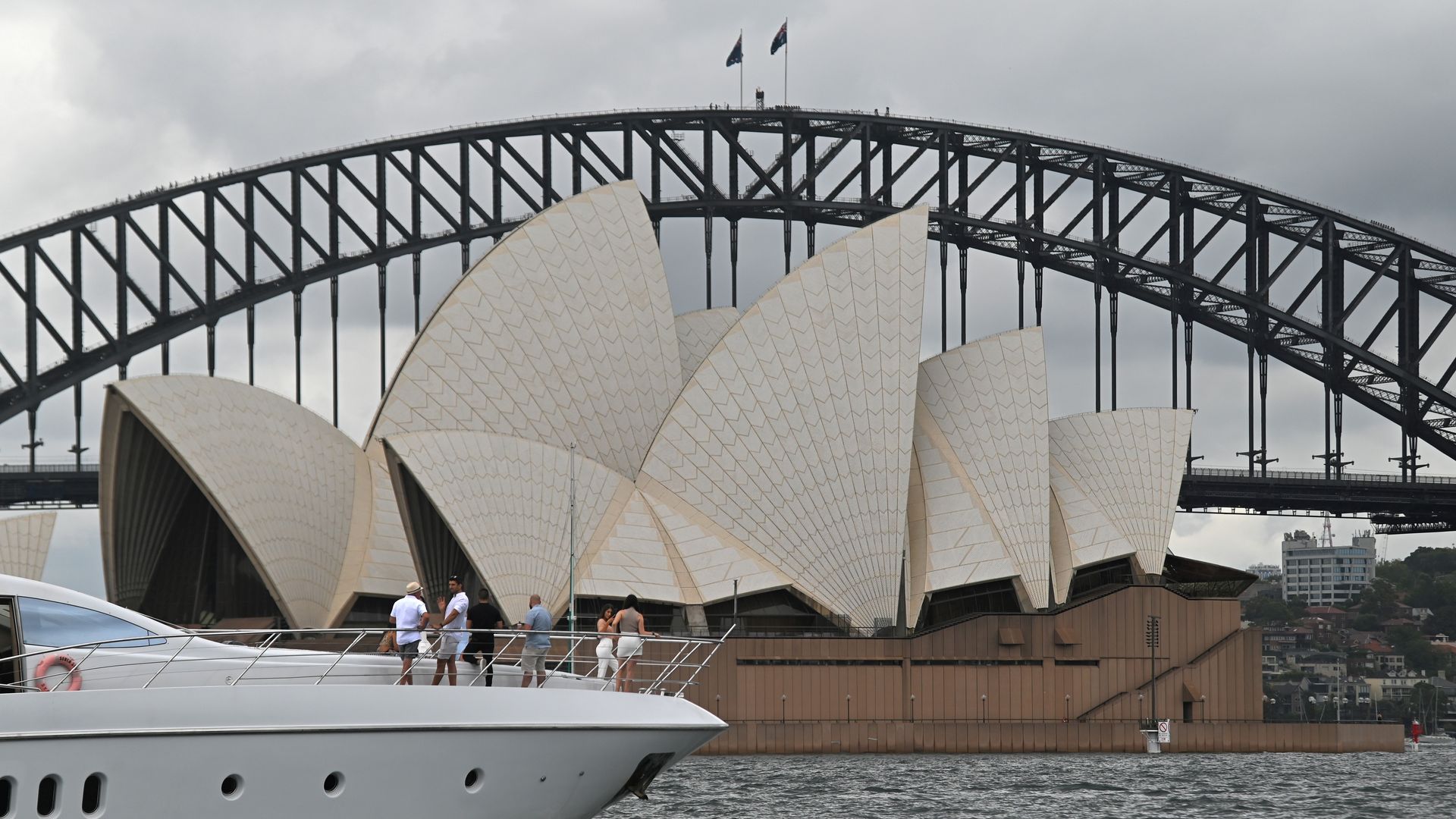
Sydney residents now face travel bans across Australia as states and territories enacted restrictions Monday following a growing COVID-19 outbreak in the nation's most populous city, per the BBC.
Why it matters: News South Wales went 13 days with no local coronavirus cases before the virus resurfaced on the northern beaches of state capital Sydney and in the city's west last Wednesday. The cluster has now grown to 83 cases and spread to Sydney's central business district.