The governors of Oregon and New Mexico issued two-week, partial lockdowns in their respective states on Friday.
Why it matters: The U.S. has seen a surge in COVID-19 cases over the last few weeks. Though officials have hesitated to reinstate the sweeping measures they enforced during the first wave, states are facing increased pressure as case numbers rise and hospital beds fill.
By the numbers: Gov. Andrew Cuomo tweeted on Friday that of the roughly 203,000 COVID-19 tests taken, 5,401 produced positive results. "Total hospitalizations are at 1,737," and the state saw 24 coronavirus-related deaths, per Cuomo.
The expansion in telehealth services to address the coronavirus pandemic needs to continue, Sen. Tina Smith (D-Minn.) said on Friday at a virtual Axios event.
Why it matters: COVID-19 has increased the need for access to care — as well as the risk of infection from traveling to a doctor's office for treatment. Telehealth has become a popular alternative for people seeking both mental and physical health care amid a shortage of providers across the country.
Ticketmaster's plan to ensure fan safety using a smartphone app could point to the future of air travel, according to SimpliFlying, an aviation consulting company.
Why it matters: People want to know they won't contract the coronavirus traveling on an airplane or attending a big event like a concert.
More than 130 Secret Service officers are quarantining due to positive coronavirus tests or exposure to a co-worker who has tested positive, the Washington Post reports.
Why it matters: Officials told the Post that they believe the cases at least partly stem from President Trump's run of campaign rallies before Election Day. The number of officers forced off-duty — roughly 10% of its core security team — could stress the Secret Service at large, forcing overtime and missed days off to make up for the strain.
Measles is resurgent around the world, and the coronavirus pandemic could make it even worse.
The state of play: More than 200,000 people died from measles last year — an increase of more than 60% since 2000, according to a new report from the CDC and the World Health Organization.
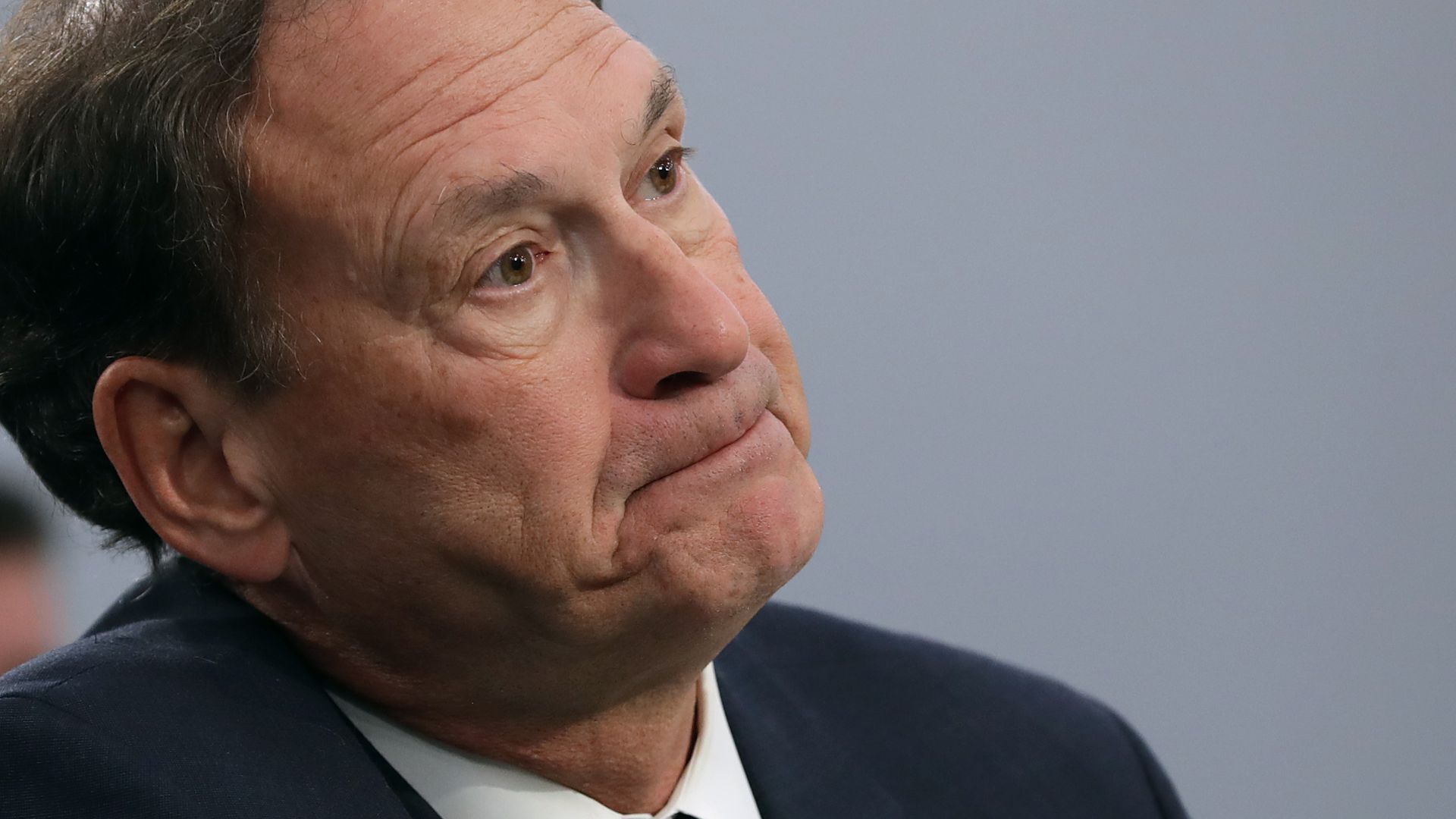
Supreme Court Justice Samuel Alito last night criticized some of the restrictions state and local leaders have imposed during the pandemic, saying they may violate the First Amendment and casting them as part of a long, dark turn toward lawmaking through "executive fiat."
What he's saying: "Think of all the live events that would otherwise be protected by the freedom of speech ... think of worship services ... think about access to the courts or access to a speedy trial," Alito said in a speech to the conservative Federalist Society.
Recovering from the coronavirus does not necessarily mean you'll bounce back to your old, pre-infection self: Most people who survived a severe infection were still dealing with some combination of physical, emotional and financial pain weeks later.
Driving the news: That's the conclusion from researchers who tracked more than 1,600 people who were hospitalized for coronavirus infections in Michigan. Their findings were published in the Annals of Internal Medicine.
Not to be outdone by Pfizer’s big announcement, Russia’s state-run Gamaleya Research Institute announced Wednesday that its Sputnik V vaccine is 92% effective.
Why it matters: Experts have criticized the lack of transparency around the vaccine and the haste with which the Kremlin approved it, but several countries are lining up to gain access.
Even if the federal government manages to secure the cash needed for COVID-19 vaccine distribution — and that's a big if — there's still a huge task ahead at the state level.
Why it matters: America has never attempted to vaccinate so many people on such short notice, with so many lives on the line.
Chicago Mayor Lori Lightfoot on Thursday announced a stay-at-home advisory and a 10-person cap on social gatherings to combat a surge in new COVID-19 infections.
Why it matters: Lightfoot warned that Chicago could see 1,000 or more additional coronavirus-related deaths this year if steps are not taken to mitigate the spread of COVID-19. Chicago has recorded an average of 1,920 cases a day over the last seven days, up from an average of 1,410 daily cases the week prior, per data from the city's Department of Public Health.
The long-feared autumn spike in coronavirus cases has arrived, both in Europe and in the U.S. — and there's a huge difference in how the two regions are reacting. Europe is on an emergency footing, while America ... isn't.
Why it matters: We've seen this movie before, and we've seen the need for coordinated government action, from public-health agencies to fiscal policy to monetary policy. That's happening in Europe. It's not happening here.
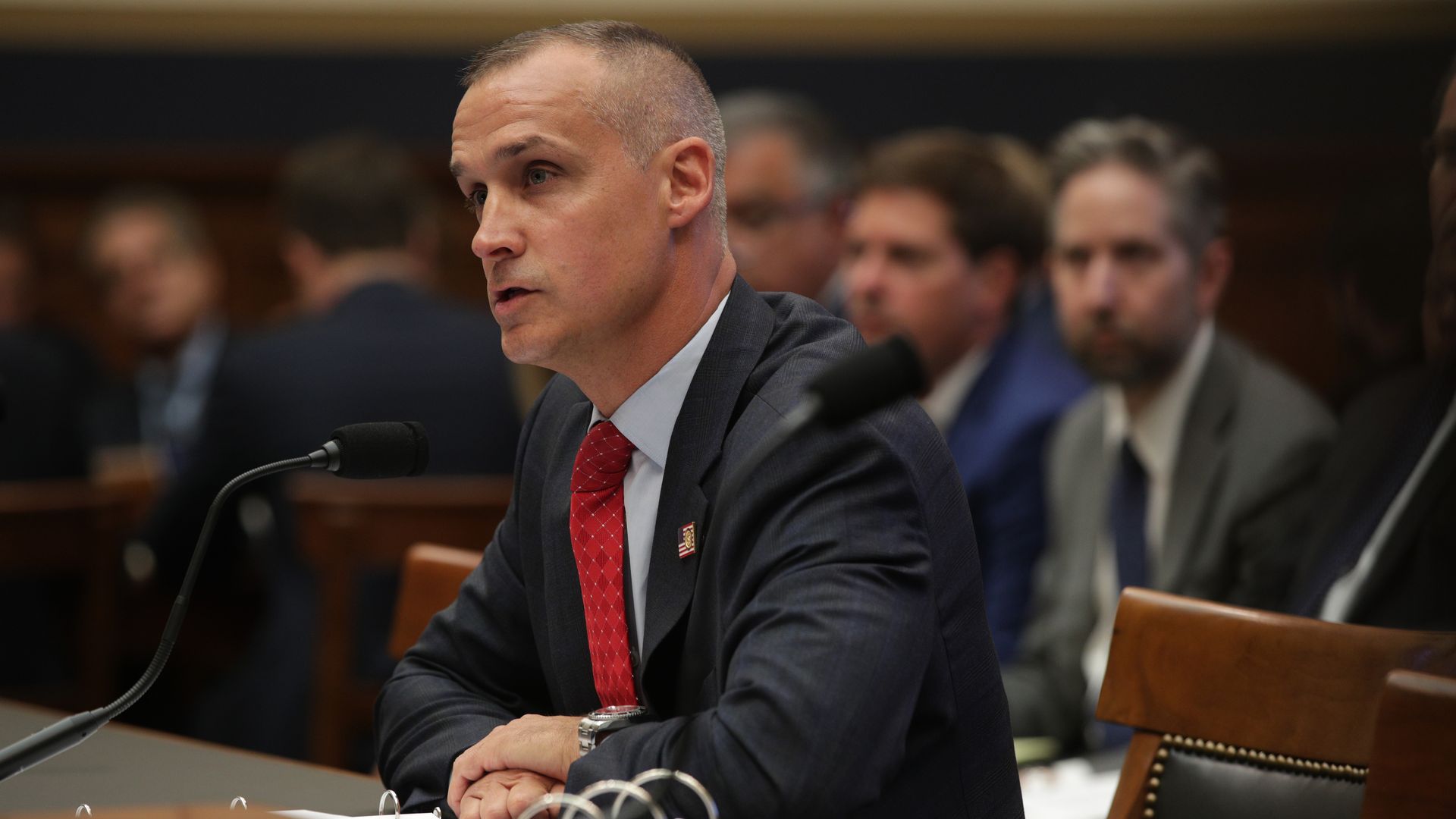
Corey Lewandowski, a senior adviser for President Trump's re-election campaign, has tested positive for the coronavirus, the New York Times reported. Lewandowski confirmed to CNN that he tested positive.
Why it matters: Lewandowskiis the latest person to test positive after he attended last week's White House election night party. His diagnosis comes after Chief of Staff Mark Meadows and Housing and Urban Development Secretary Ben Carson tested positive for the virus.
Coronavirus patients with developmental disorders are the most at risk of dying, followed by those with lung cancer and intellectual disabilities, according to a new analysis by FAIR Health, in collaboration with the West Health Institute and Johns Hopkins' Marty Makary.
Why it matters: Information about who is most at risk for severe coronavirus infections could help determine who should be the first to a vaccine, or scarce treatments.
Solv Health, a startup that sells health care providers digital tools to manage patients, has raised $27 million in new funding led by Acrew Capital, with MultiCare Health System, Light Street Capital, Benchmark and Greylock Partners also participating.
Why it matters: Overnight, the ongoing pandemic significantly altered how people interact with the health care system, creating a need to reduce unnecessary in-person contact that has sped up the digital transformation of medical practice.
The Pfizer vaccine must be stored at temperatures well below freezing, and while large, urban hospitals are rushing to buy expensive ultra-cold freezers to store it, many rural hospitals can't afford them, STAT reports.
The big picture: A review of states' vaccine distribution plans found that many aren't ready to deal with the challenge of delivering the shots, per ProPublica.
The coronavirus is not only a life-or-death crisis that will be waiting for President-elect Joe Biden on Day One. It’s a crisis that will keep getting worse every day, making it harder and harder for a new administration to solve.
The big picture: The virus will not know there’s a new president. It will simply keep spreading, and killing people, until we stop it. The challenge of stopping it will be Biden’s first, most urgent order of business. And it will be incredibly difficult.
New coronavirus infections jumped by 40% over the past week. The U.S. is now averaging roughly 119,000 new cases per day — by far the highest daily average of any point in the pandemic.
The big picture: The U.S. has never controlled the coronavirus and isn't about to start.