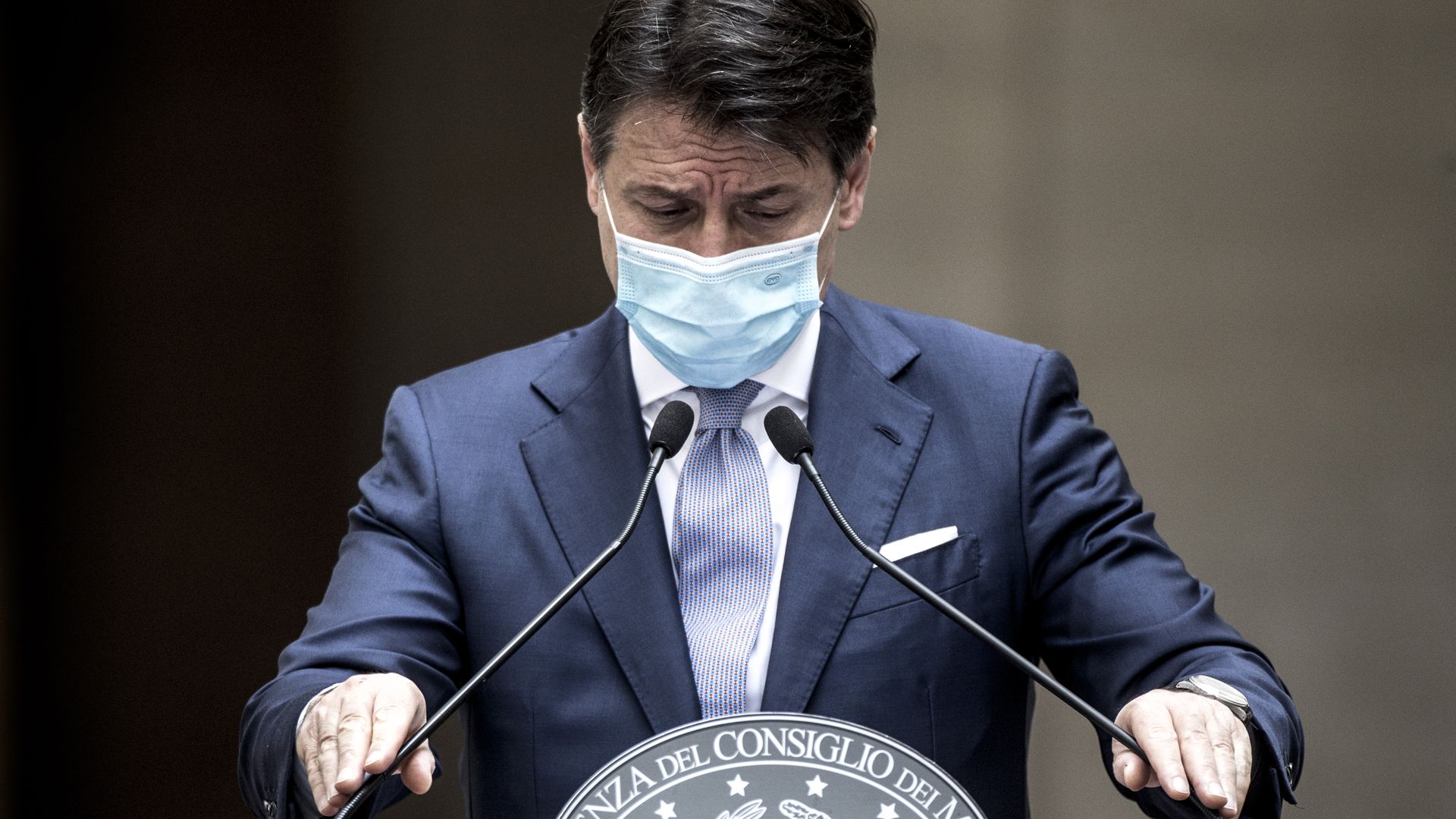
Italian Prime Minister Giuseppe Conte announced new coronavirus restrictions on Sunday that require face coverings be worn outdoors and mandate bars and restaurants close early.
Why it matters: Nearly 20,000 new cases were recorded in Italy on Saturday alone, per data from Johns Hopkins. COVID-19 infections began spiking dramatically in early October, after the country suppressed its first wave over the summer.
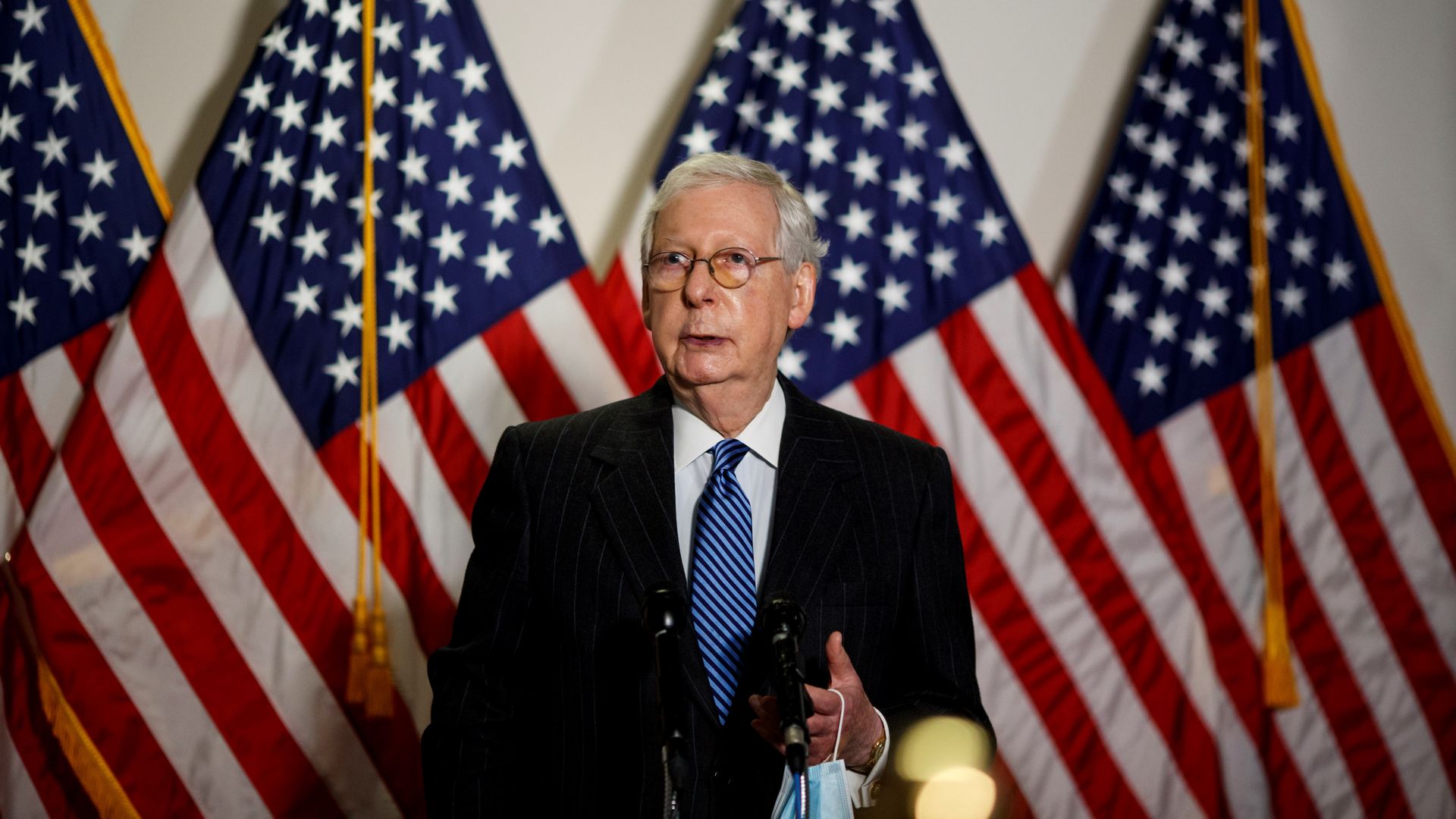
The Senate voted 51-48 on Sunday to advance the Supreme Court nomination of Judge Amy Coney Barrett, setting up a final confirmation vote for Monday.
Why it matters: It's now virtually inevitable that the Senate will vote to confirm President Trump's third Supreme Court nominee before the election, which is just nine days away.
Spanish Prime Minister Pedro Sánchez on Sunday announced a new state of emergency that imposes a curfew in an effort to combat a rising number of coronavirus cases.
Driving the news: The mandate comes less than a week after Spain became the first nation in Western Europe to exceed 1 million COVID-19 cases.
Former FDA commissioner Scott Gottlieb said "the short answer is yes" when asked whether Vice President Mike Pence is putting others at risk by continuing to campaign after several aides tested positive for COVID-19, stressing that the White House needs to be "very explicit about the risks that they're taking."
Why it matters: The New York Times reports that at least five members of Pence's inner circle, including his chief of staff Marc Short and outside adviser Marty Obst, have tested positive for the virus. Pence tested negative on Sunday morning, according to the VP's office, and he'll continue to travel for the final stretch of the 2020 campaign.
White House Chief of Staff Mark Meadows defended Vice President Pence's decision to continue traveling and campaigning despite his exposure to staff who have tested positive for COVID-19, saying Sunday that Pence is exempt from CDC guidelines because he is "essential personnel."
Why it matters: CDC guidelines call for people who have been exposed to the virus to quarantine for 14 days. Meadows said on CNN's "State of the Union" that Pence will wear a mask when he travels and argued that "he's not just campaigning," pointing to the Israel-Sudan normalization agreement announced by the White House last week.
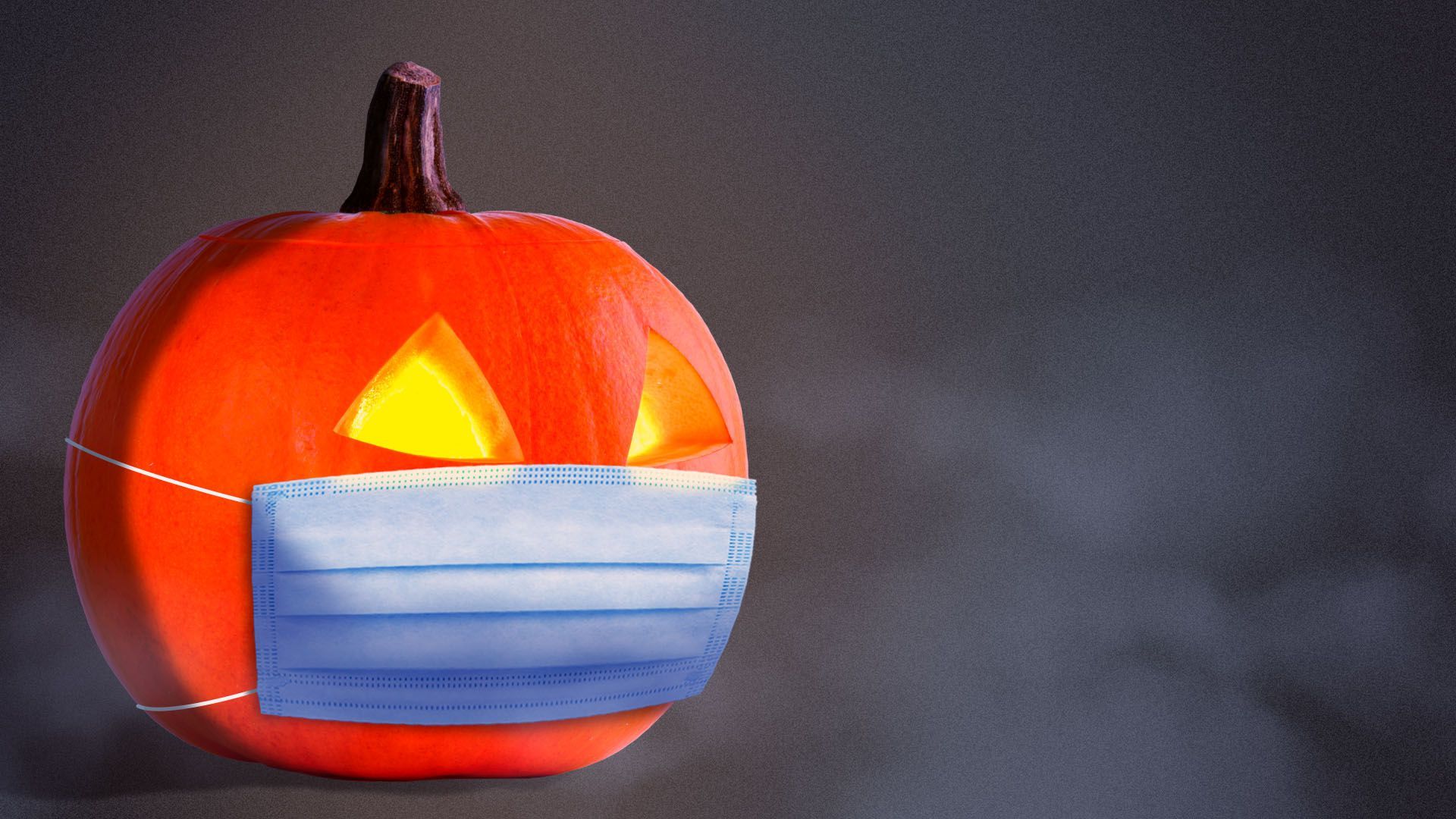
Celebrating Halloween and Día de los Muertos will be difficult andmore isolated this year, but can still be done while minimizing harm to others.
Why it matters: Traditional door-to-door trick-or-treating, indoor parties, haunted houses, crowded cemeteries and communal candy bowls are all considered high-risk activities by the CDC.
The U.S. reported 83,718 new coronavirus cases on Saturday, marking the second day in a row that the country topped 80,000 daily infections, according to data from Johns Hopkins University.
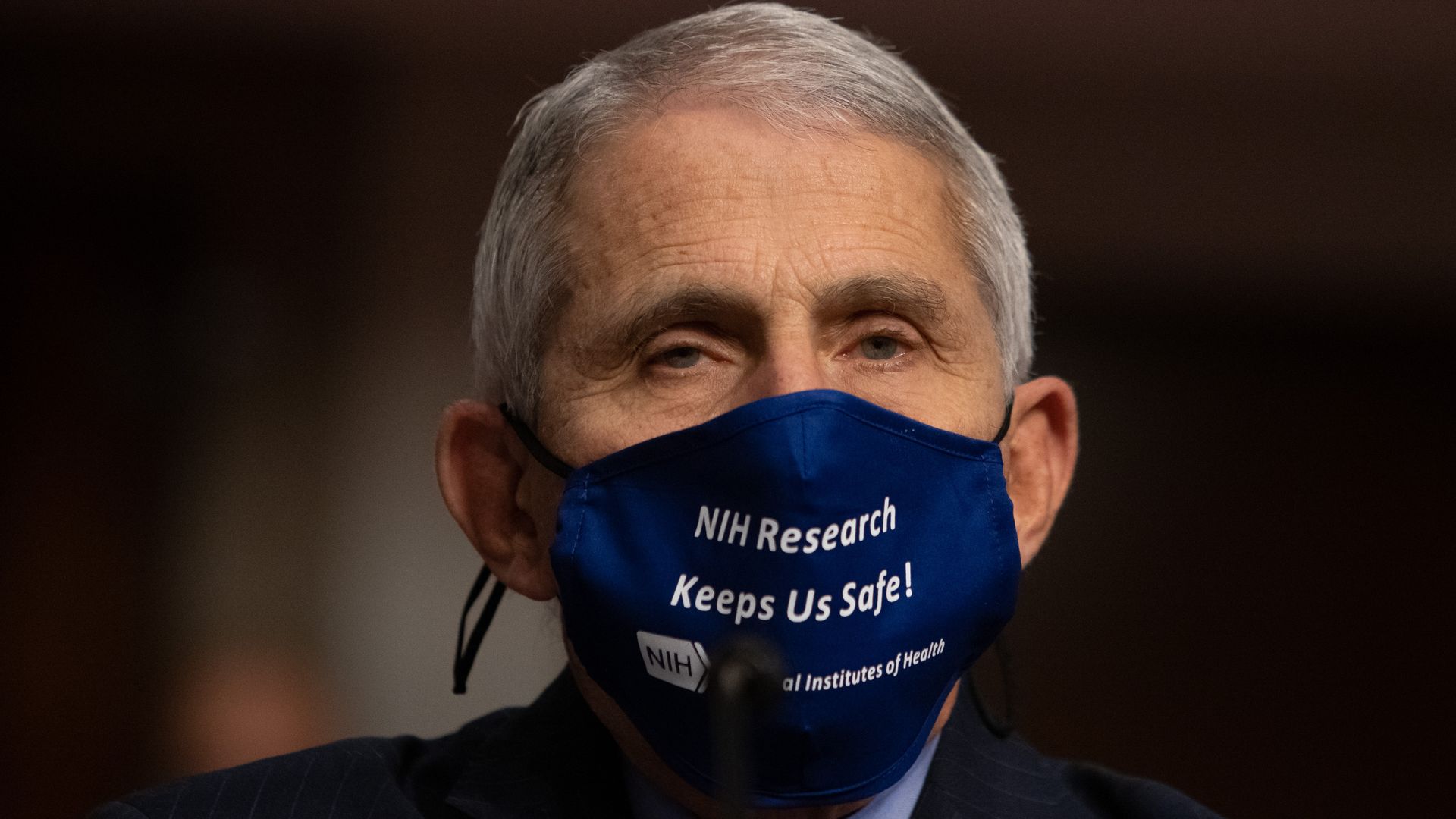
Why it matters: The coronavirus is surging across the U.S. and threatening to overwhelm hospitals, especially in rural areas. The government's top infectious-disease expert Anthony Fauci told MSNBC earlier this month the U.S. is "facing a whole lot of trouble" as it heads into the winter, with cold weather likely to contribute to further spread of the virus.
As the 2020 presidential campaign draws to a close, President Trump and Joe Biden have focused little on some of the most sweeping trends that will outlive the fights of the moment.
Why it matters: Both have engaged on some issues, like climate change and China, on their own terms, and Biden has addressed themes like economic inequality that work to his advantage. But others have gone largely unmentioned — a missed opportunity to address big shifts that are changing the country.
An outbreak of COVID-19 has struck the White House — including the president himself — just weeks before the 2020 election.
Why it matters: If the president can get infected, anyone can. And the scramble to figure out the scope of this outbreak is a high-profile, high-stakes microcosm of America's larger failures to contain the virus and to stand up a contact-tracing system that can respond to new cases before they have a chance to become outbreaks.
A startup is employing machine learning to identify what it calls the "dark matter of nutrition."
Why it matters: More than 99% of phytonutrients — the natural chemicals produced by plants — are unknown to science. If we can illuminate that dark matter, we can identify and cultivate compounds in foods for specific health value.
A recent study found countries with certain international travel restrictions have suffered fewer COVID-19 deaths.
Why it matters: Before the novel coronavirus, most experts believed border closures weren't effective in slowing the spread of a pandemic. But it's become clear that addressing how people move is key to controlling a disease, even if closures come with serious costs.
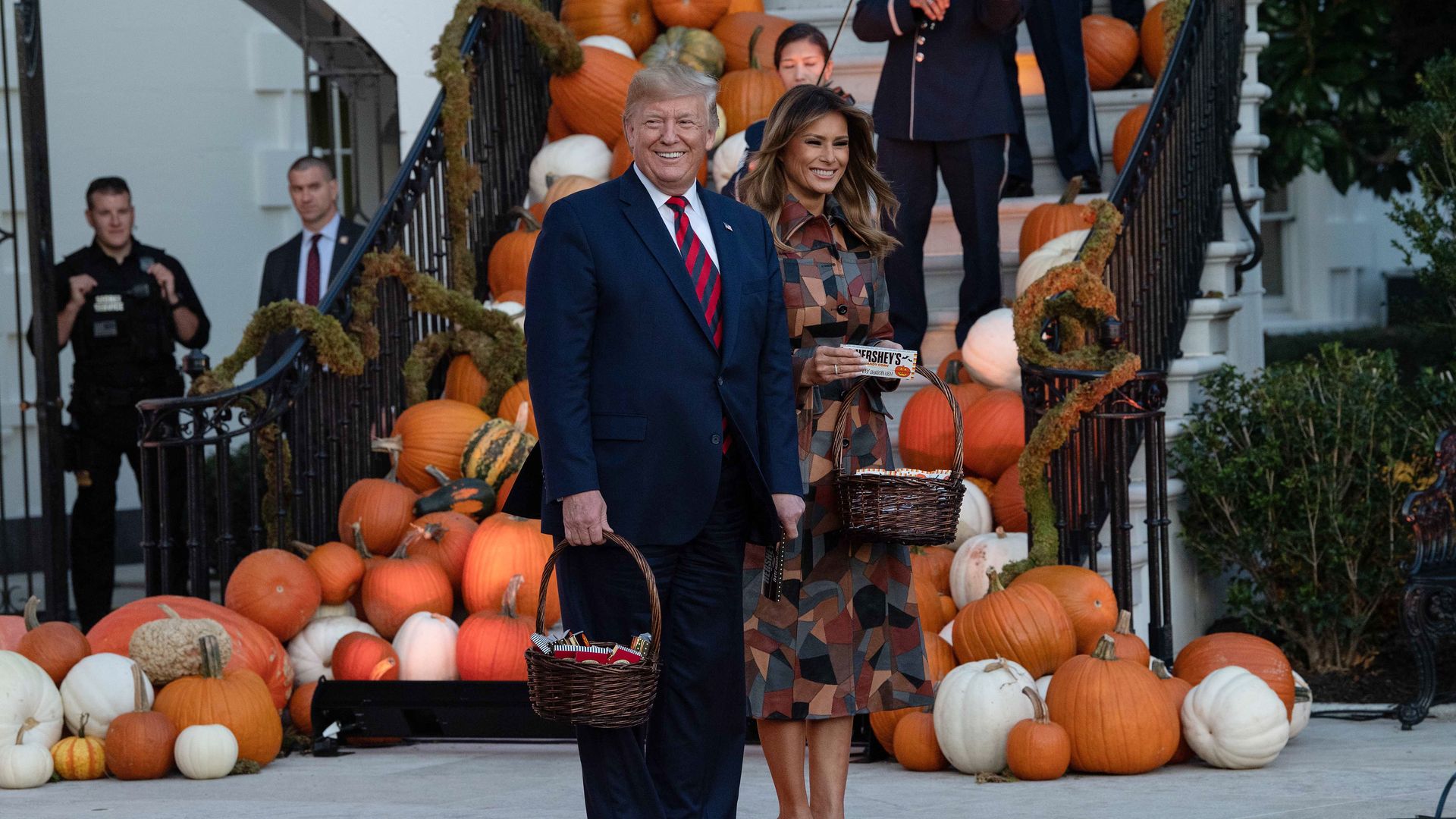
The White House each year welcomes waves of trick-or-treaters, but festivities for the end of this October will adapt to the spookiest thing of all: COVID-19.
The big picture: The White House plans to open its grounds to military personnel, local children and families of frontline health care workers. An announcement notes that all persons over 2-years-old will be "required to wear a face covering and practice social distancing during their visit to the White House complex."
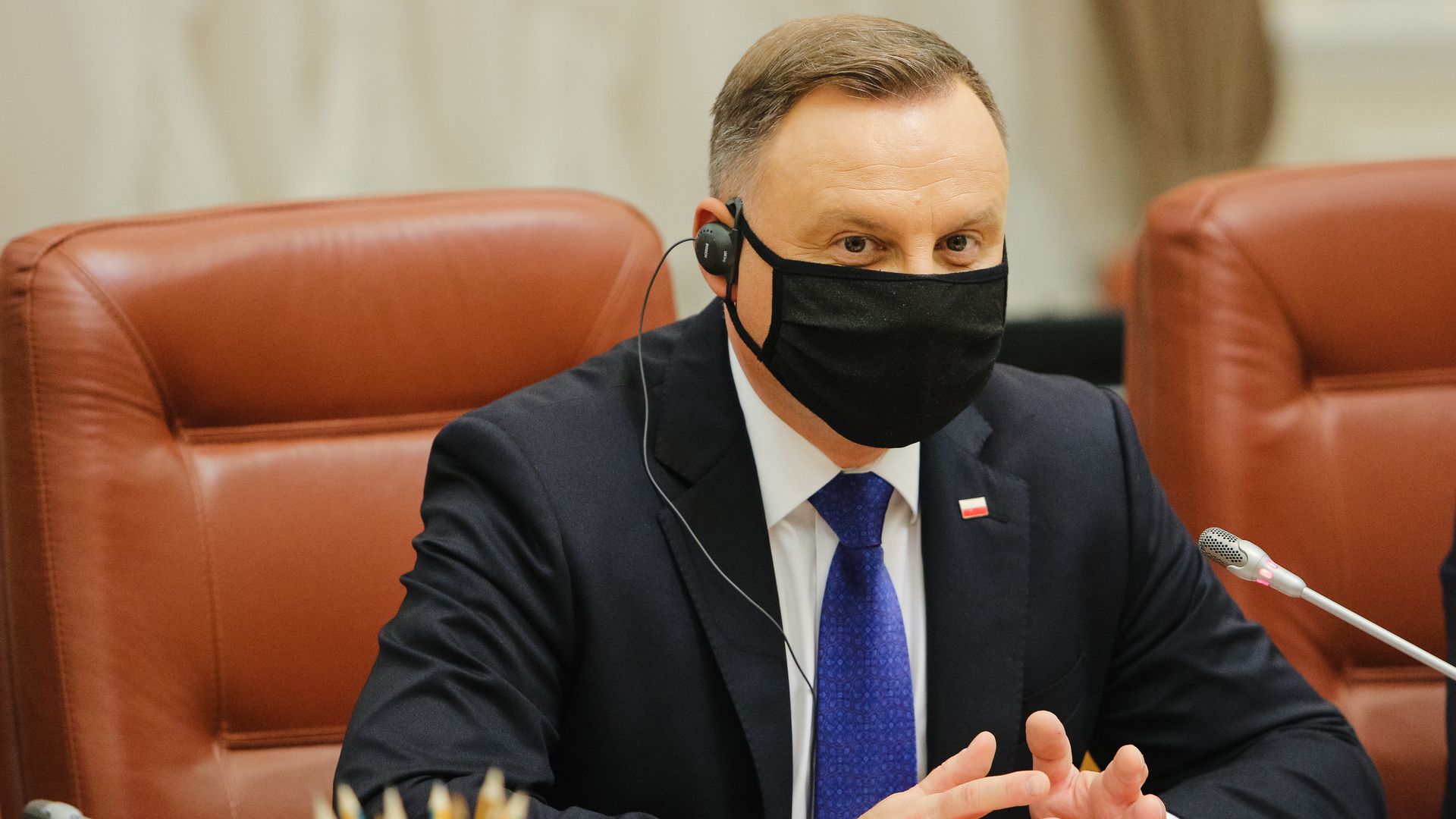
Polish President Andrzej Duda has tested positive for the coronavirus, a spokesperson announced on Saturday.
The big picture: Duda is reportedly feeling well and in isolation. His positive test comes amid a massive uptick in COVID-19 throughout the country and elsewhere across Europe.
Poland had previously warded off the virus with relative success, but is now facing a massive influx of cases that threatens to overwhelm its medical system.
The nation on Saturday tracked "13,628 new cases and 179 new deaths — a record number of deaths in one day since the start of pandemic," AP reports.
From high levels of obesity and opioid addiction to inequities in access to care, America's pre-existing conditionsmake the country an easy target for COVID-19, as well as future pandemics that could cripple the United States for decades to come.
Why it matters: One of the best ways the country could prepare for future threats — and boost its economy — is to improve Americans' overall health.