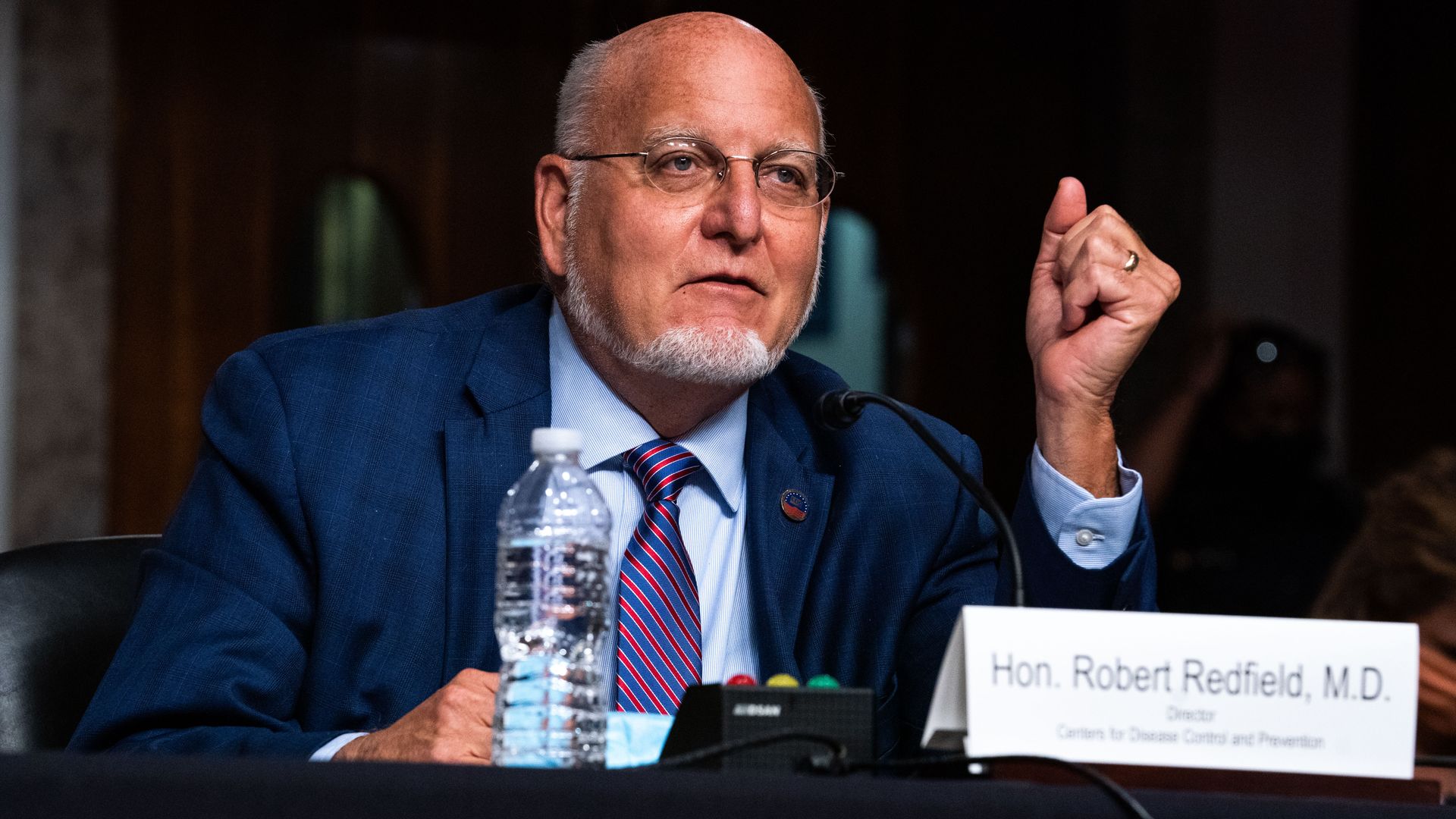
The Centers for Disease Control and Prevention updated its previously revised guidance for coronavirus testing on Friday to say that testing asymptomatic people who were exposed to COVID-19 is recommended for treatment and contact tracing.
Why it matters: The CDC's modification in August to recommend against testing for asymptomatic people was not written by scientists and posted despite their "serious objections," New York Times first reported. CNN confirmed that the agency's update was published outside the agency's "normal review process."
Insufficient stockpiles and a lack of personal protective equipment during the COVID-19 pandemic should serve as a warning for America on future preparedness, Rep. Susan Brooks (R-Ind.) said at an Axios virtual event on Friday.
What they're saying: "Congress had been beefing up for years — the appropriations for preparedness — it certainly was not enough, and we recognize that," Brooks said.
The universal experience of COVID-19 could change how opponents view Medicare for All, Rep. Ro Khanna (D-Calif.) said at an Axios virtual event on Friday.
What they're saying: "The pandemic has reminded us of our shared humanity with other American citizens. It's no longer possible to think, 'Oh, we're not part of those who get sick.' Now almost everyone knows, unfortunately, someone who has been hospitalized, someone who had a serious bout with COVID," Khanna said.
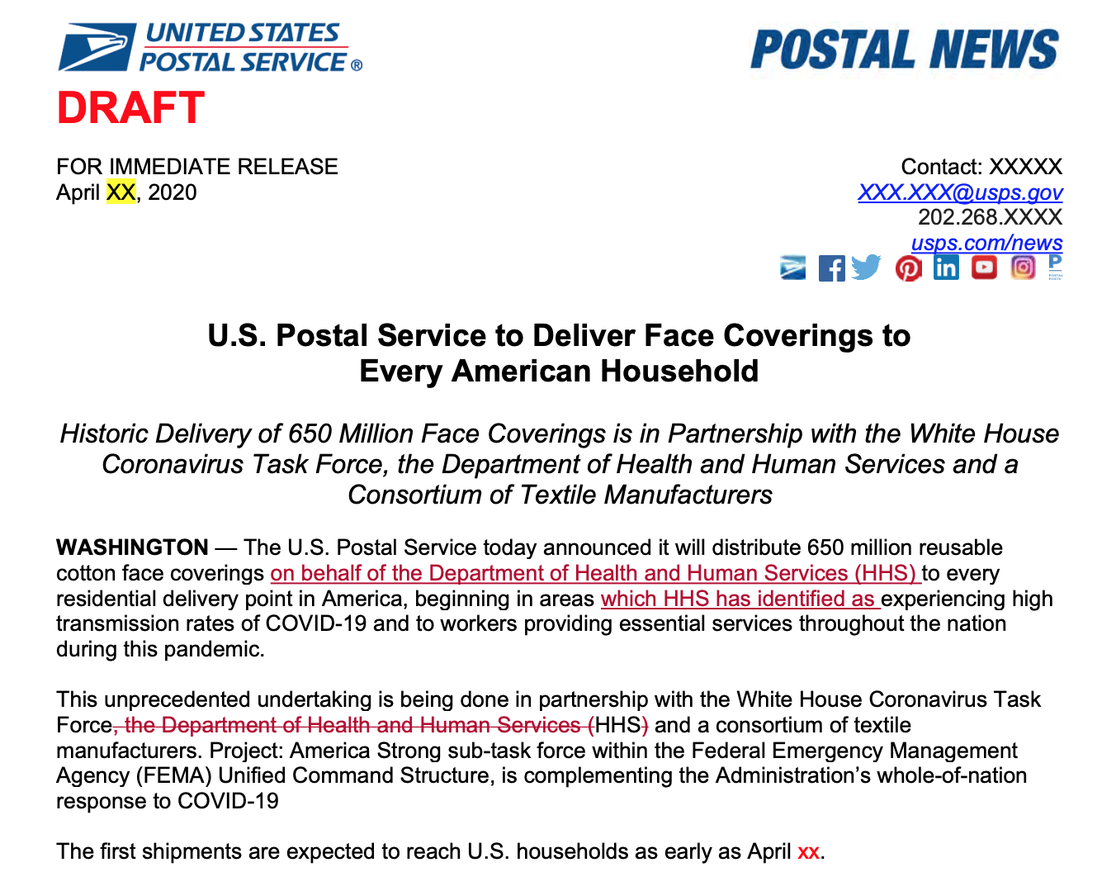
In April, the Postal Service "drafted a news release announcing plans to distribute 650 million masks nationwide, enough to offer five face coverings to every American household," the Washington Post reports, based on documents obtained by American Oversight, a watchdog group that requested them under FOIA.
What's happening: The idea originated at HHS, "which suggested a pack of five reusable masks be sent to every residential address in the country, with the first shipments going to the hardest-hit areas," per The Post.
Why it matters: Imagine if five months ago, Americans not only got a signal from their government that they should wear masks, but even had them handed to them. Incalculable loss — human and economic — could have been avoided.

At least 42% of school employees are vulnerable to the coronavirus, and at least 63.2% of employees live with someone who is at increased risk, according to a new study published in Health Affairs.
Why it matters: We know children can catch and spread the virus. This study emphasizes why minimizing risk if and when schools reopen is crucial.
51% of U.S. adults would "definitely or probably" get a coronavirus vaccine if the treatment were available today, while 49% would not, according to a Pew survey published Thursday.
Why it matters: All major political and demographic groups said they are less likely to get a COVID-19 vaccine since May, Pew finds, although Republicans and Black adults are least likely.
There's some good news in 2020: Cancer death rates have been falling overall, and the gap between racial and ethnic groups has been narrowing.
Yes, but: Decades of systemic racism and the structures developed under it continue to limit the ability of Americans to benefit equally from cancer advances, some medical experts tell Axios, as seen by Black Americans who've had the highest death rate from cancer for 40 years. And the pandemic is expected to exacerbate the problem further.
Though health workers represent less than 3% of the population in many countries, they account for around 14% coronavirus cases reported to the World Health Organization, the organization announced Thursday.
Why it matters: The WHO called on governments and health care leaders to address threats facing the health and safety of these workers, adding that the pandemic has highlighted how protecting them is needed to ensure a functioning health care system.
Vice President Pence's former lead staffer on the White House coronavirus pandemic response announced on Thursday that she plans to vote for Joe Biden in the 2020 election, accusing President Trump of taking actions "detrimental to keeping Americans safe."
What she's saying: "It was shocking to see the president saying that the virus was a hoax, saying that everything's okay when we know that it not. The truth is that he doesn't actually care about anyone else but himself," said Olivia Troye, Pence's former homeland security, counterterrorism and coronavirus adviser.
Doctors are concerned the coronavirus pandemic is going to lead to an uptick in cancer incidence and deaths — and exacerbate racial, ethnic and socioeconomic disparities seen with the disease.
Why it matters: The U.S. has made recent advances in lowering cancer deaths — including narrowing the gap between different race and ethnicities in both incidence and death rates. But the pandemic could render some of these advances moot.
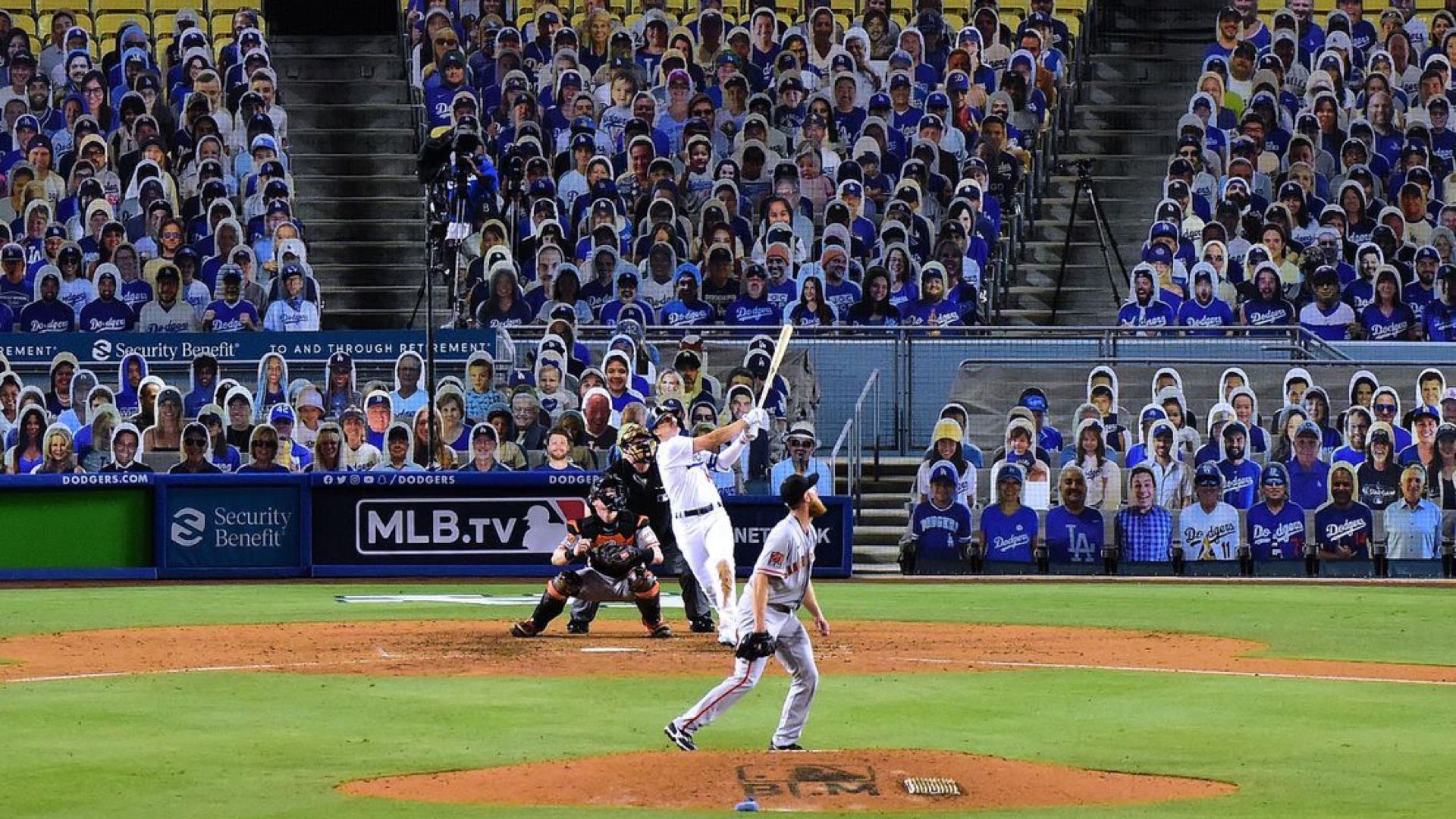
When whispers of sports' fanless return first began, a cottage industry emerged to fill a need few knew existed: cardboard cutout fans.
Why it matters: Cardboard proxies have been a bright spot in an otherwise dark year, providing a better TV viewing experience, an opportunity for remote fan engagement and even financial relief for companies impacted by the pandemic.
The pandemic has exacerbated a racial disparity in insurance coverage, in addition to its myriad other racial inequities, per a new Avalere analysis.
Why it matters: Before the pandemic, Black and Latino Americans were already much less likely than white Americans to have employer-based coverage. And now they're losing that coverage at a greater rate.
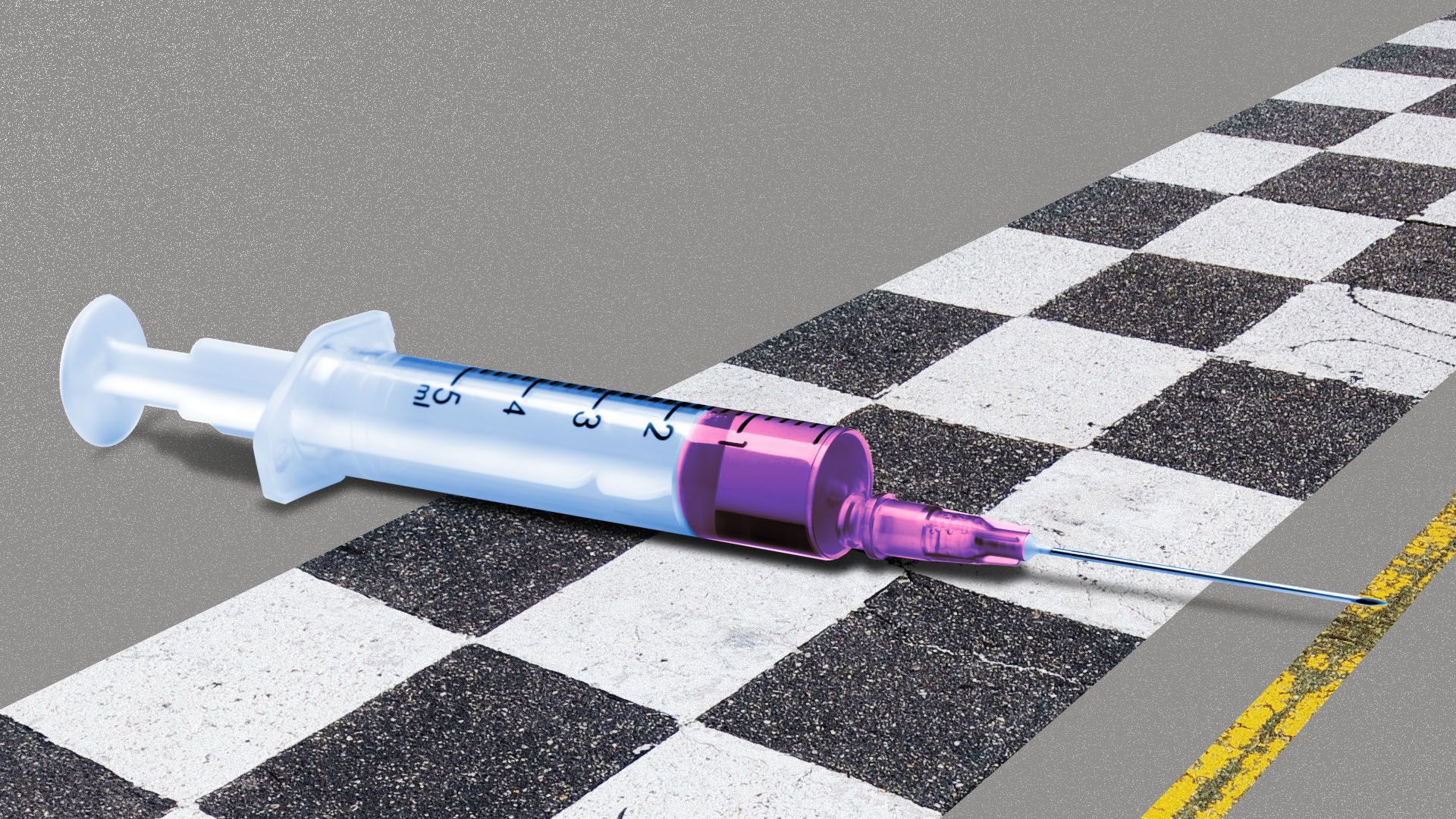
The scientific race for a coronavirus vaccine is moving at record-shattering speed. Making the most of that work — translating a successful clinical product into real-world progress — will require some patience.
Why it matters: If we get a vaccine relatively soon, the next big challenge will be balancing the need to get it into people's hands with the need to keep working on other solutions that might prove more effective.
Swing voters in three swing states prefer Joe Biden over President Trump on health care and the coronavirus — but those aren't their most important issues, according to the latest KFF-Cook Political Report poll.
The big picture: The economy is the most important issue to these voters, and they give the advantage there to Trump. But Biden dominates the next tier of issues in this poll of swing voters in Arizona, Florida and North Carolina.
Coronavirus infections ticked up slightly over the past week, thanks to scattered outbreaks in every region of the country.
Where it stands: The U.S. has been making halting, uneven progress against the virus since August. Overall, we're moving in the right direction, but we're often taking two steps forward and one step back.
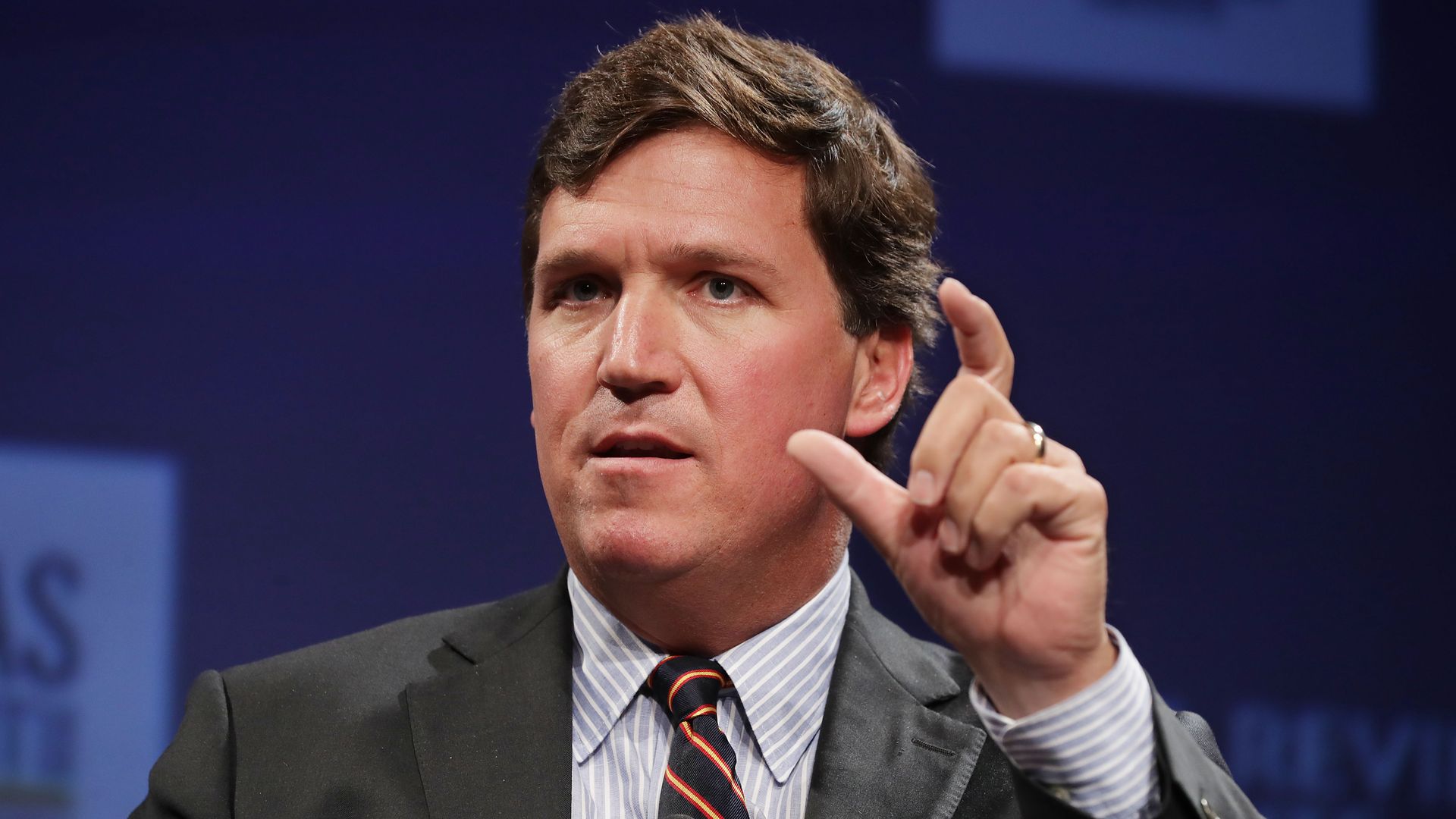
Facebook and Instagram have placed a ”False Information” label on a post from the Fox News show "Tucker Carlson Tonight" in which Carlson interviews Li-Meng Yan, a Chinese virologist, who has previously claimed the coronavirus "is not from nature," on Wednesday.
Why it matters:Facebook has made headlines in recent months for taking increasing action on posts from politicians and political groups containing misinformation. It's added fewer labels to high-profile media companies, which is what makes this label noteworthy.
Oscar, the health insurance company co-founded in 2012 by Joshua Kushner and Mario Schlosser, has hired banks to help the firm go public in 2021, Axios has learned from multiple sources.
Background: Oscar was launched to provide health insurance to individuals under the Affordable Care Act, but has since diversified into other health insurance markets.