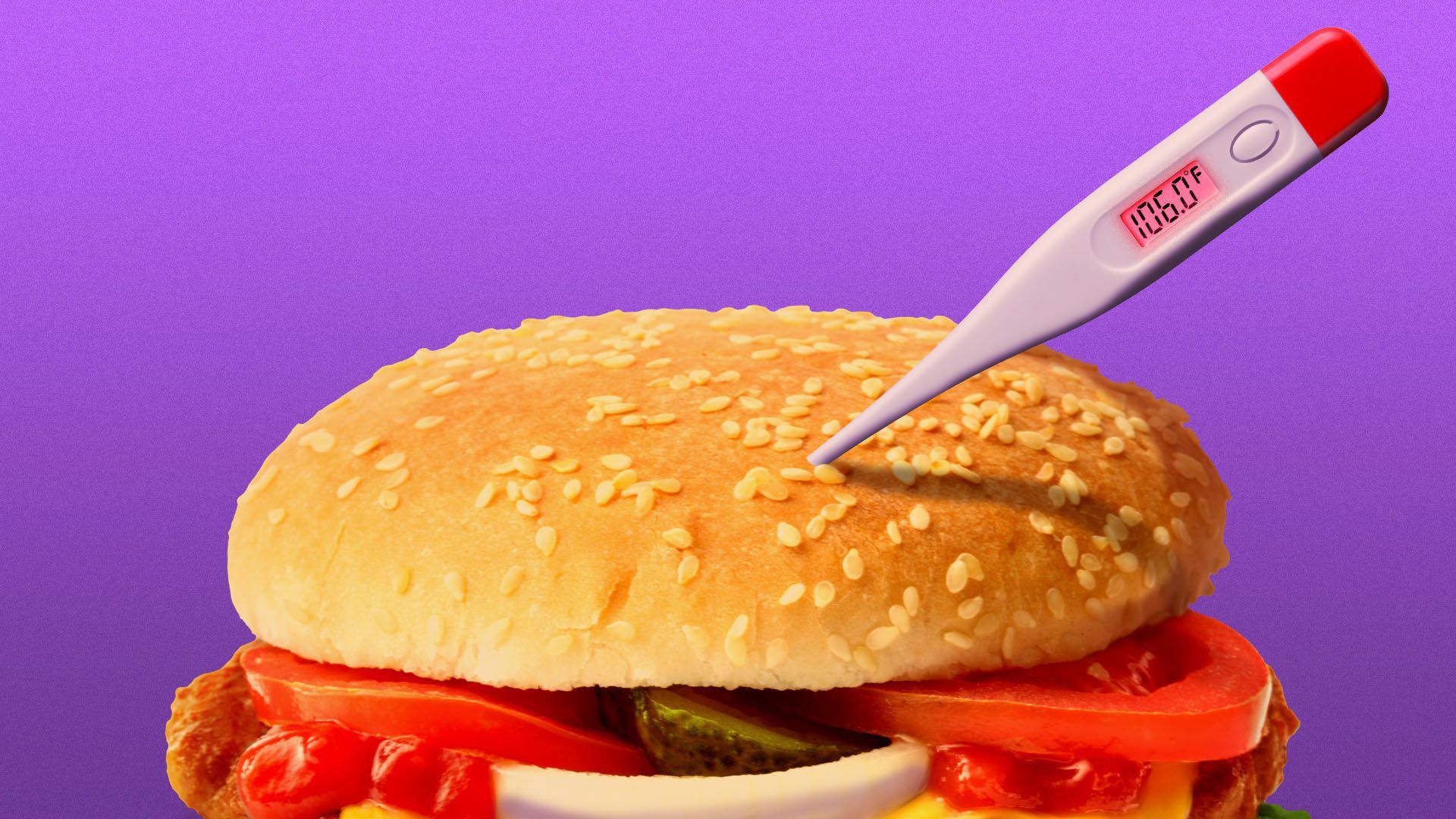
Americans suffer from high levels of obesity — a disease that has made us more vulnerable to the coronavirus.
Why it matters: If the U.S. is going to make itself more resilient to the coronavirus, as well as other deadly health conditions, some experts argue we need to rethink the food system that has helped leave too many people dangerously overweight.
As the coronavirus pandemic drags into its seventh month, it remains an open debate whether the U.S. should aim for the elimination of COVID-19 — and whether we even can at this point.
Why it matters: This is the question underlying all of the political and medical battles over COVID-19. As both the direct effects of the pandemic and the indirect burden of the response continue to add up, we risk ending up with the worst of both worlds if we fail to commit to a course.
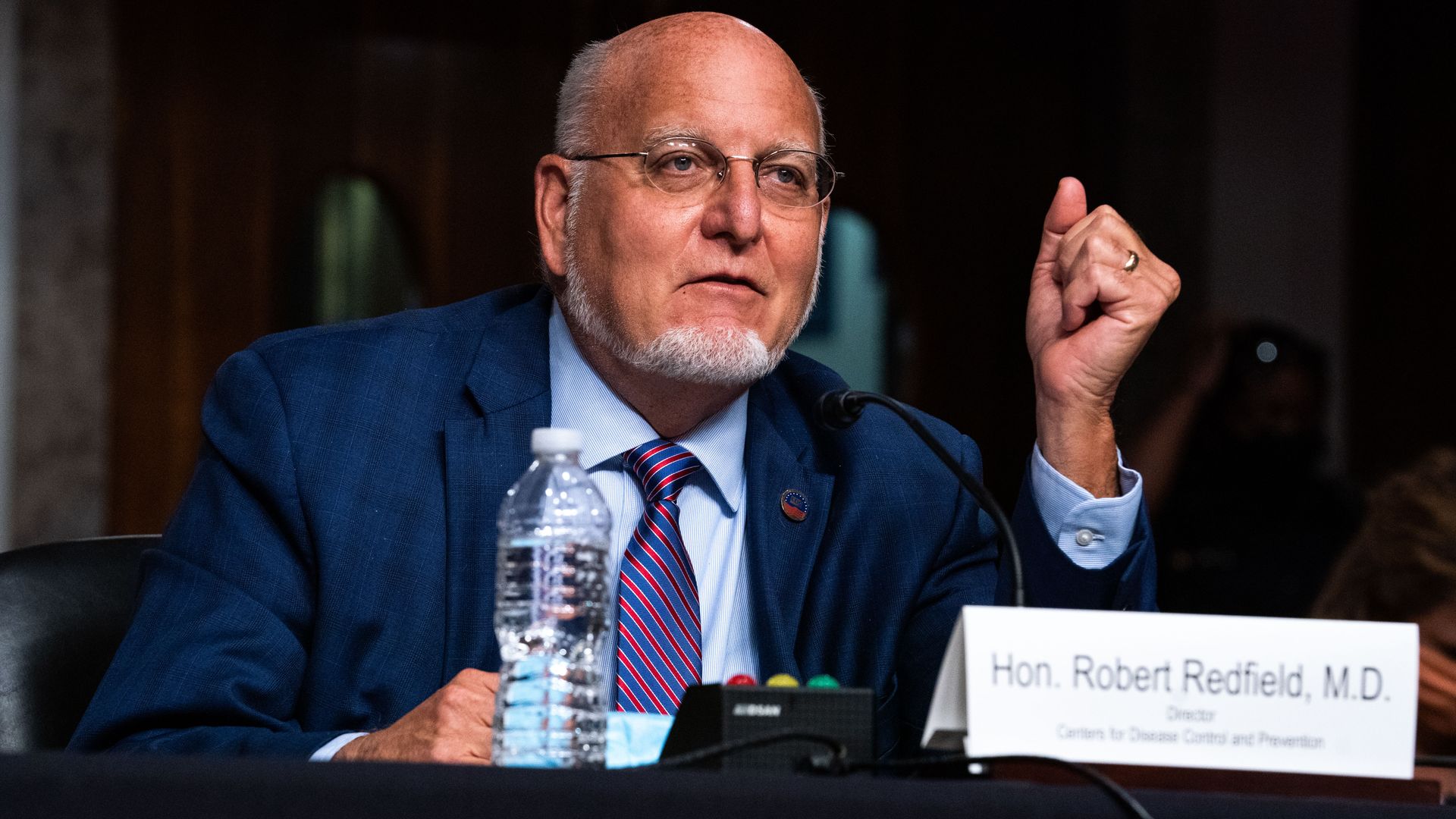
The Centers for Disease Control and Prevention updated its previously revised guidance for coronavirus testing on Friday to say that testing asymptomatic people who were exposed to COVID-19 is recommended for treatment and contact tracing.
Why it matters: The CDC's modification in August to recommend against testing for asymptomatic people was not written by scientists and posted despite their "serious objections," New York Times first reported. CNN confirmed that the agency's update was published outside the agency's "normal review process."
Insufficient stockpiles and a lack of personal protective equipment during the COVID-19 pandemic should serve as a warning for America on future preparedness, Rep. Susan Brooks (R-Ind.) said at an Axios virtual event on Friday.
What they're saying: "Congress had been beefing up for years — the appropriations for preparedness — it certainly was not enough, and we recognize that," Brooks said.
The universal experience of COVID-19 could change how opponents view Medicare for All, Rep. Ro Khanna (D-Calif.) said at an Axios virtual event on Friday.
What they're saying: "The pandemic has reminded us of our shared humanity with other American citizens. It's no longer possible to think, 'Oh, we're not part of those who get sick.' Now almost everyone knows, unfortunately, someone who has been hospitalized, someone who had a serious bout with COVID," Khanna said.
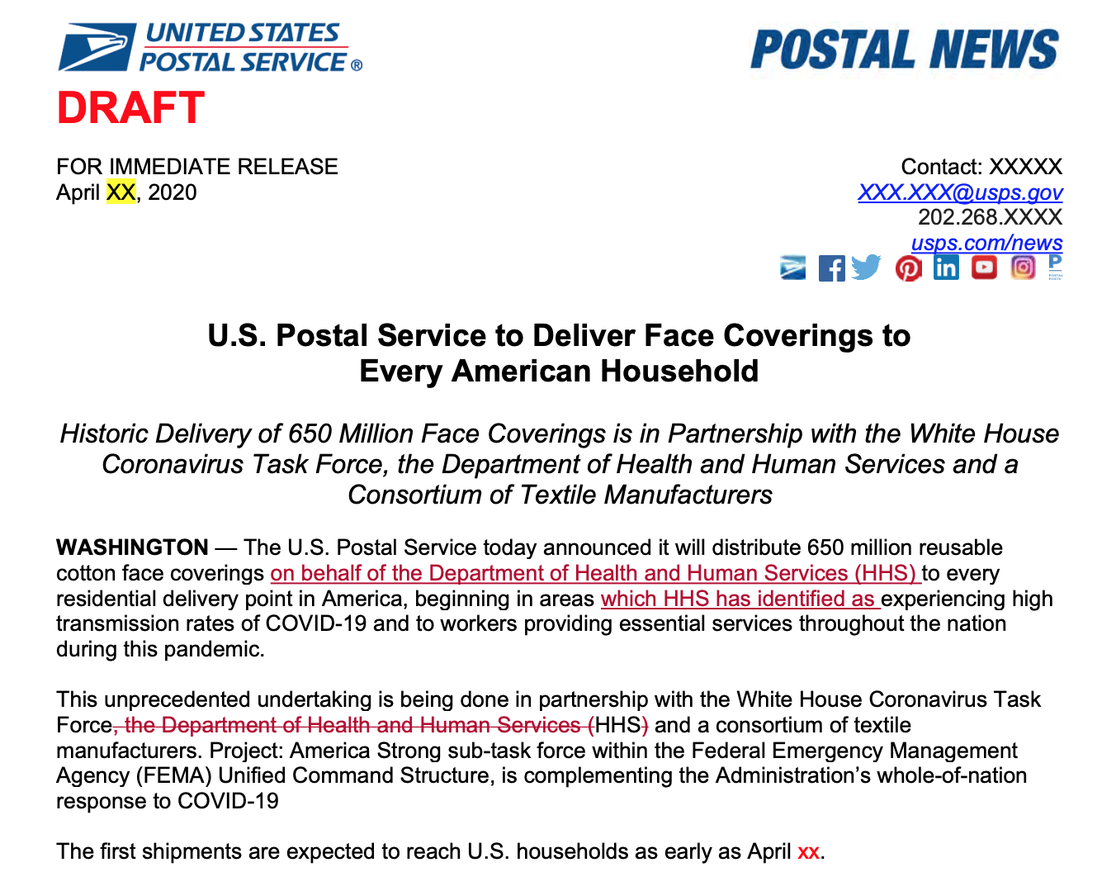
In April, the Postal Service "drafted a news release announcing plans to distribute 650 million masks nationwide, enough to offer five face coverings to every American household," the Washington Post reports, based on documents obtained by American Oversight, a watchdog group that requested them under FOIA.
What's happening: The idea originated at HHS, "which suggested a pack of five reusable masks be sent to every residential address in the country, with the first shipments going to the hardest-hit areas," per The Post.
Why it matters: Imagine if five months ago, Americans not only got a signal from their government that they should wear masks, but even had them handed to them. Incalculable loss — human and economic — could have been avoided.
At least 42% of school employees are vulnerable to the coronavirus, and at least 63.2% of employees live with someone who is at increased risk, according to a new study published in Health Affairs.
Why it matters: We know children can catch and spread the virus. This study emphasizes why minimizing risk if and when schools reopen is crucial.