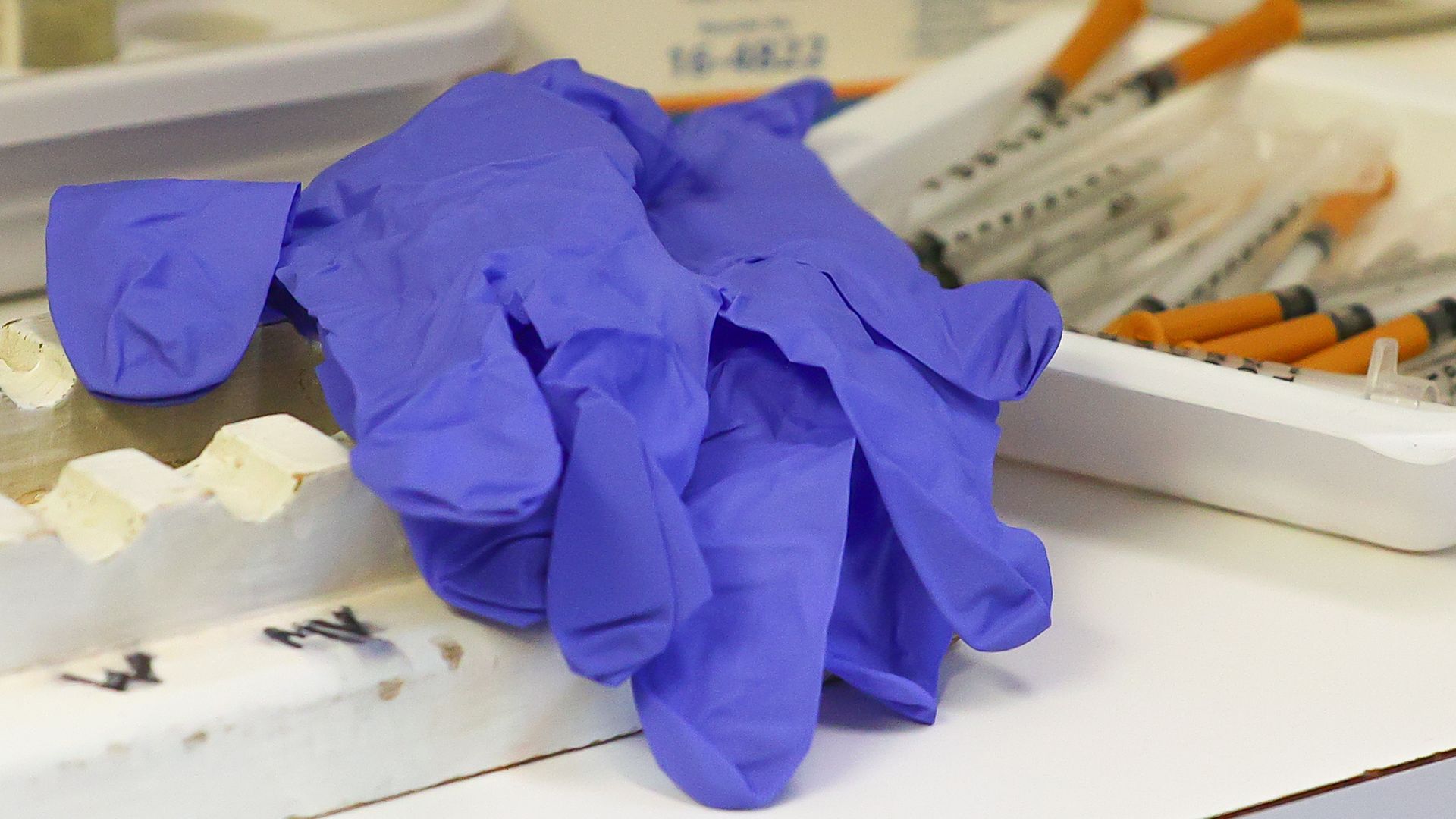
President Trump should use the Defense Production Act to ramp up the country's domestic production of medical masks, gowns and other items crucial for health care workers to fight the novel coronavirus, the American Hospital Association, American Medical Association and American Nurses Association wrote in a letter on Saturday.
Why it matters: Officials on the White House coronavirus task force had no firm answers on Saturday when asked when doctors and nurses across the country can expect to receive face masks to protect themselves while treating patients with COVID-19.
Rwanda, Uganda, Burkina Faso and other African countries are making new efforts to pause international travel and institute stay-at-home orders to combat the spread of the novel coronavirus, AP reports.
Where it stands: South Africa and Egypt are currently two of the worst hot spots for COVID-19 in Africa. 10 people have died from the coronavirus in Egypt as of Saturday. Notably, South Africa has not reported any deaths or recoveries from the virus.
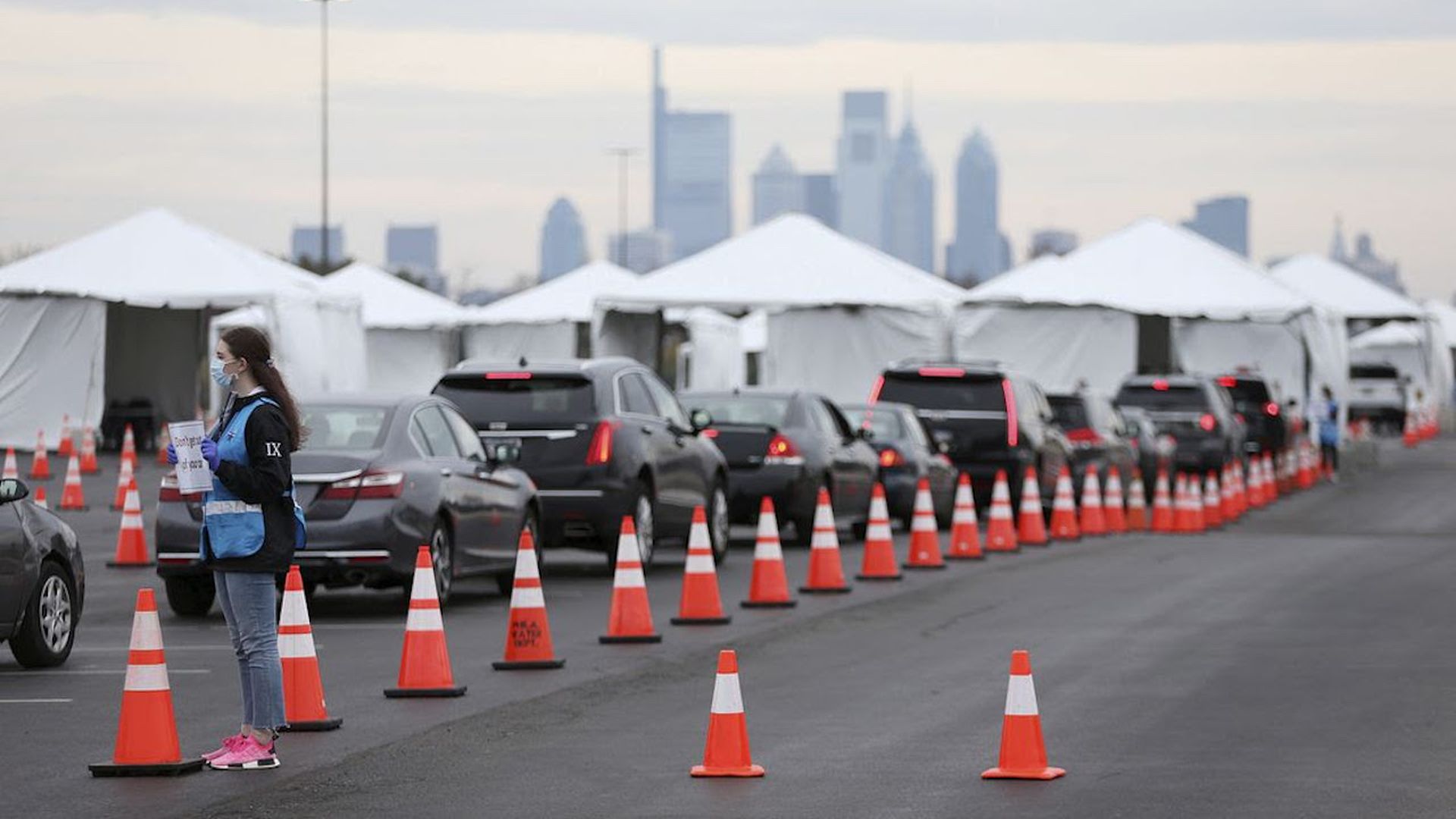
The Food and Drug Administration has approved a "point-of-service" coronavirus test, made by Cepheid, that will be rolled out March 30.
Why it matters: This is the first tool that can test patients at the bedside and get results in less than an hour, which should help alleviate the United States' dire testing backlog.
Sadly,the more we learn about the coronavirus pandemic, on both the medical and economic sides, the worse the best-case scenarios become.
Why it matters: Some readers tell us they think virus coverage has been overly dramatic. So we wanted to share with you the consensus of what the most clear-eyed, serious, optimistic people are saying, as a way to focus our minds.
Graphic journalist and best-selling illustrator Wendy MacNaughton is hosting a live 30-minute online drawing class for children, Mondays through Fridays at 1 p.m. EST.
Why it matters: Parents have been hit hard by the impacts of coronavirus, with many working from home while managing their kids' daily schedules and schoolwork. These videos engage kids and encourage creativity while giving parents a break.
Social distancing is a vital part of combatting the coronavirus, but many of us still have questions about how to keep our distance, help local businesses and take care of our basic needs all at the same time.
Here are the experts' answers to some of the most common questions about how to do social-distancing right.
In cities and states with sharp spikes in novel coronavirus cases, officials are restricting testing to health care workers and those who have been hospitalized — signaling a new phase in the pandemic response, The Washington Post reports.
Why it matters: The advisory shows the spread of COVID-19 is overwhelming parts of the American health care system, the Post writes. The U.S. isn't familiar with making trade-offs between the "individual and societal good," given its wealth and advanced health care system.
Nigeria is reporting two poisonings from the drug chloroquine, a drug that's been touted as a potential but as-yet unproven treatment for coronavirus, Bloomberg reports.
Reality check: Health officials are warning against self-medicating with the drug, whose safety and effectiveness for coronavirus patients has not been proven.
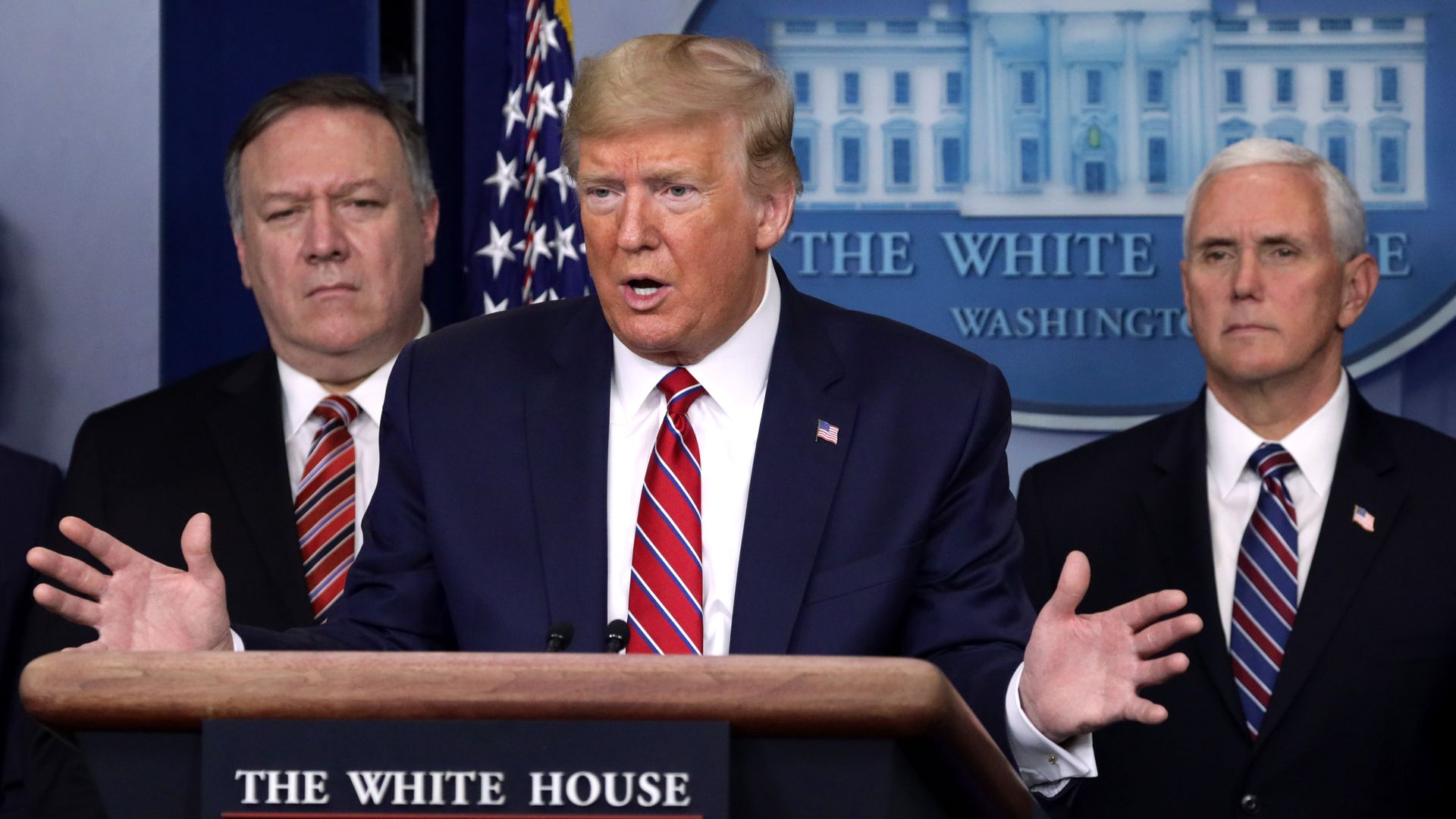
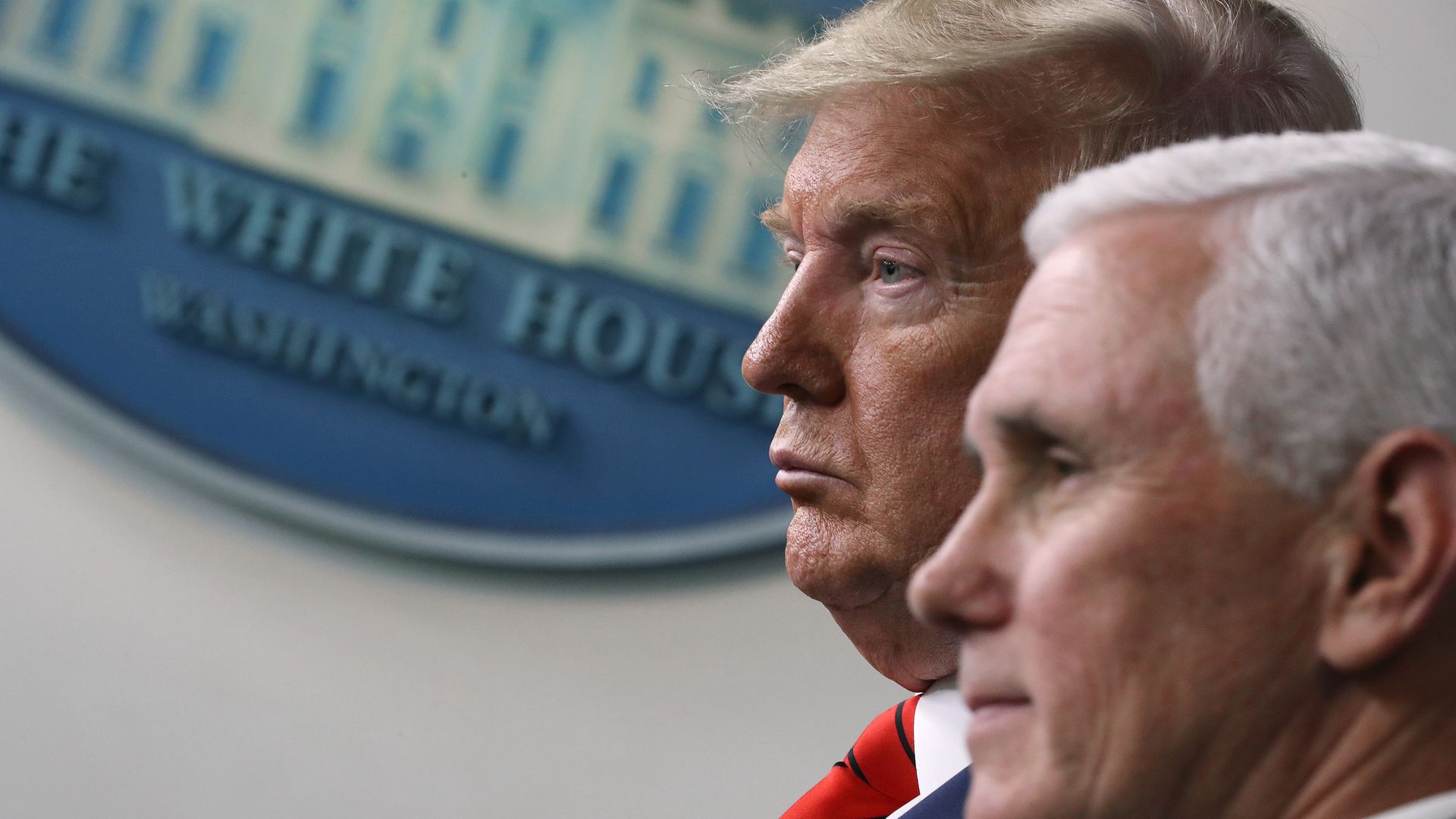
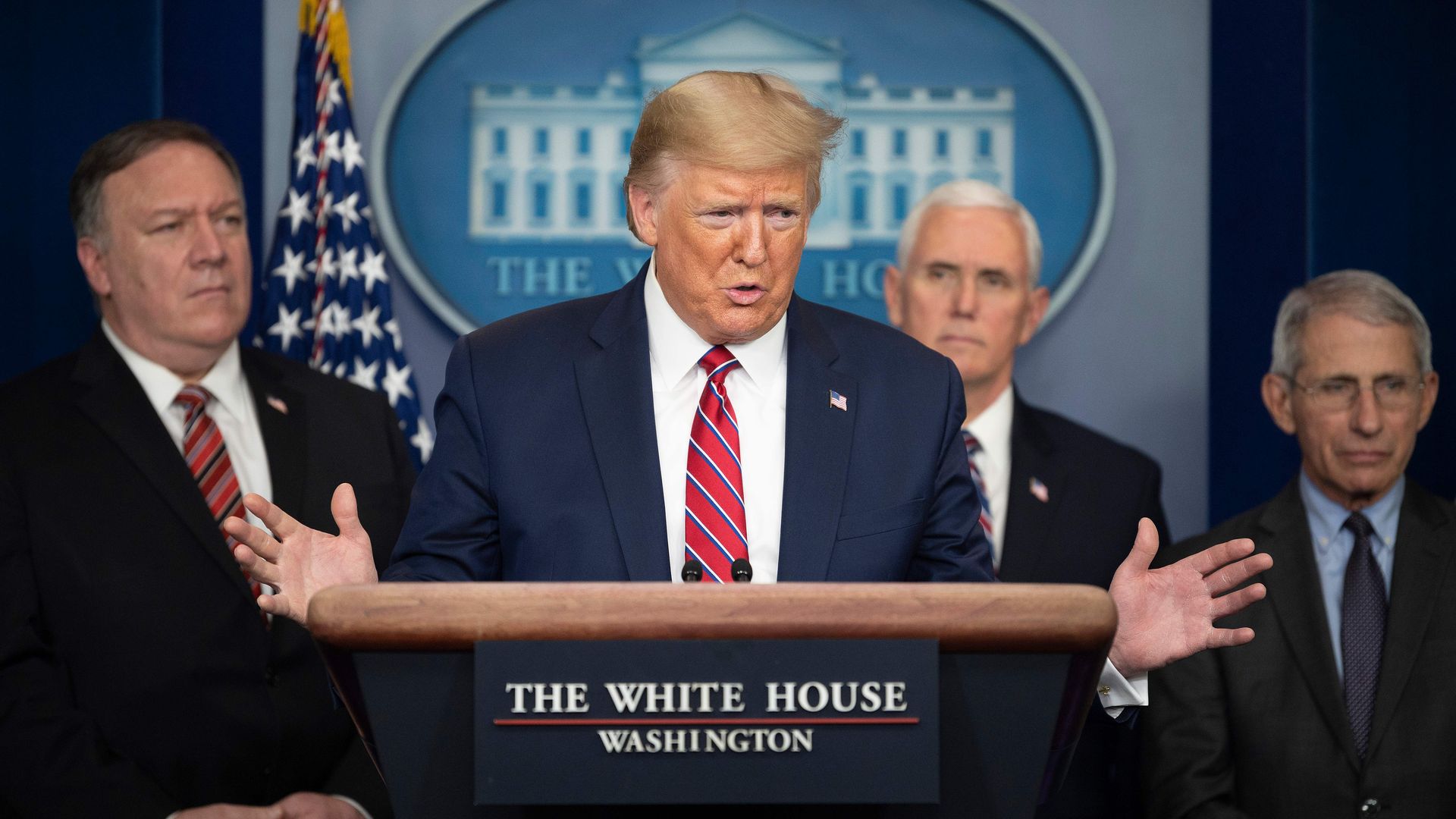
Officials on the White House coronavirus task force had no firm answers on Saturday when asked when doctors and nurses across the country would receive medical masks to protect themselves while treating patients with the novel coronavirus.
What they're saying: "Sooner than weeks, it's going to be days, I would hope. We're going to try to make it days to the best possible way that we can," Dr. Anthony Fauci, the director of the National Institute of Allergy and Infectious Diseases, replied when reporters asked him about the timeline for delivering masks.
Getting behind an idea from Andrew Ross Sorkin that excited CEOs, the U.S. Chamber of Commerce called on Congress to pass a "bridge loan" program to give federally guaranteed loans to companies with big losses from the pandemic.
How it works: The loans would include incentives for employers to maintain existing current workers at their existing pay.
President Trump says he has invoked the Defense Production Act but has provided few details about what he's ordered to address the coronavirus outbreak in the U.S.
Why it matters: Hospitals around the country are coping with a lack of medical supplies and respirators as the number of Americans in need of treatment for COVID-19 rises. The act would authorize Trump to use his presidential powers to direct the private sector to ramp up the production of critically needed materials, like masks and ventilators, in the interest of national defense.
Flexport, a freight logistics "unicorn," has successfully sourced and is buying around $1.4 million of face masks and other medical protective equipment that was requested by San Francisco's Department of Public Health.
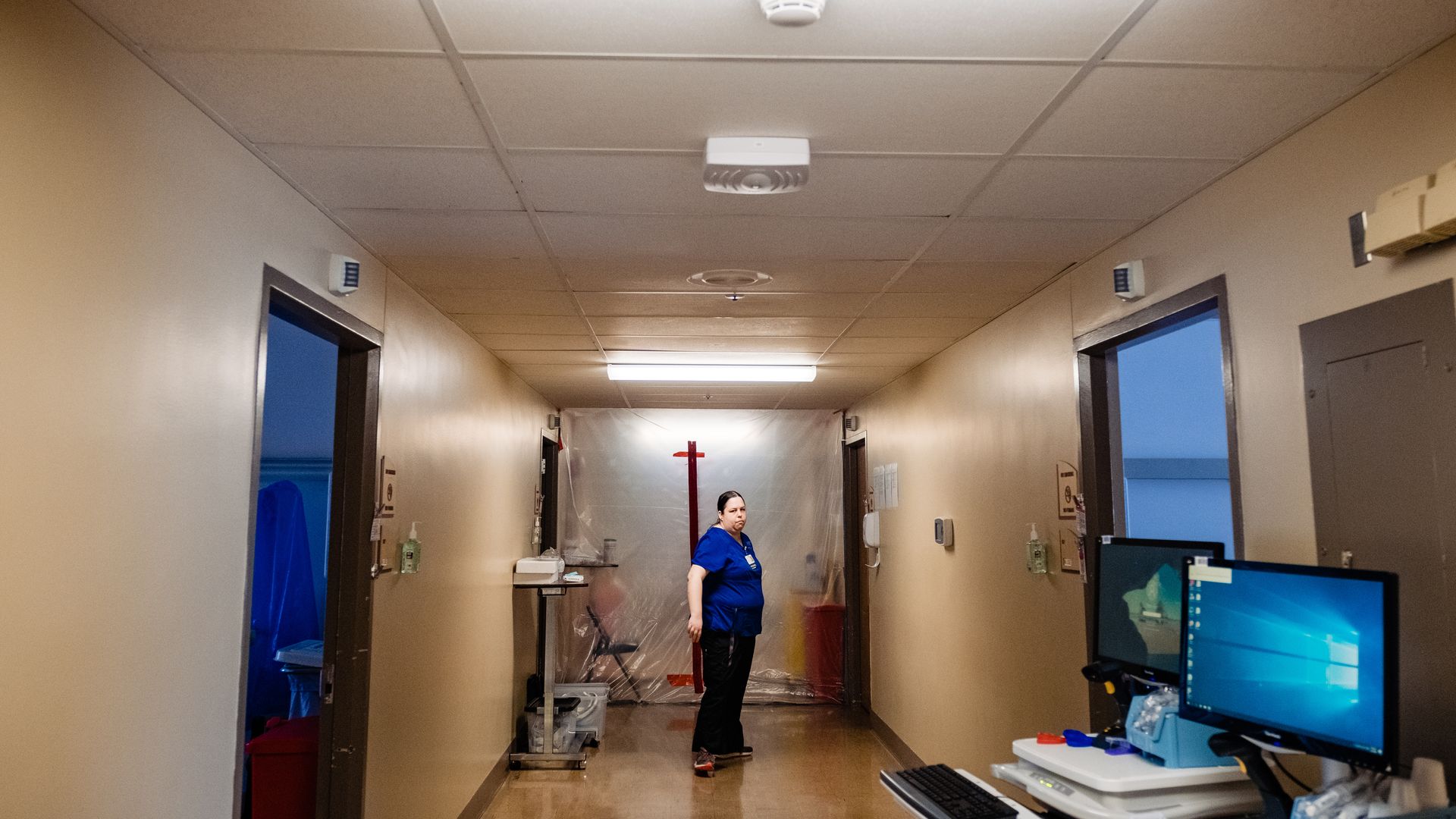
Why it matters: Many U.S. hospitals and other health care facilities still do not have what they need to keep their employees safe during the coronavirus pandemic.
The coronavirus downturn could cost 5 million or more U.S. jobs, with a loss in gross domestic product of $1.5 trillion, The Wall Street Journal reports.
Why it matters: "A recession is now all but certain," according to a Wall Street Journal survey of 34 economists, which projects a downturn that would last months at least, and would in some ways rival—and possibly even surpass—the severity of the 2007-09 slump triggered by the housing collapse and subprime loan debacle."
General Motors is exploring how it can help a small ventilator manufacturer ramp up production, but it is unlikely to make medical equipment itself as part of a broader wartime response to the novel coronavirus, as President Trump suggested Friday.
Why it matters: While GM CEO Mary Barra offered the automaker's help in fighting the global pandemic, the company is scrambling to keep up with the president's public statements. But it is wrong to assume that automakers can quickly retool industrial factories to make precision medical equipment the way they made bombs, tanks and airplanes during World War II.
Norway and Brazil's Olympic committees — alongside the USA Swimming and Track and Field teams — are joining the call for the 2020 Summer Olympics in Tokyo to be postponed, due to the novel coronavirus.
The latest: The Brazilian Olympic Committee called on Saturday for the games to be postponed until 2021, citing rising infection rates and "the consequent difficulty for athletes to maintain their best competitive level due to the need to stop training and competitions in global scale."
An AP report finds that the shortage of medical supplies in the United States correlated with the drop in imports, mainly from China.
Why it matters: Emergency rooms, hospitals, and clinics are starting to run out of key supplies needed to protect health care officials and test potentially sick individuals, AP notes.
Hospital executives are urging the federal government to approve a cash influx as soon as possible, because many fear the coronavirus outbreak will force them to miss payroll and potentially shutter their doors.
What they're saying: "If we don't get some assistance in the next two weeks, we will have to begin to have a conversation ... that we will no longer to be able to be in business, and that we will have to close the hospital," J. Scott Graham, CEO of Three Rivers Hospital and North Valley Hospital in Washington state, told reporters Saturday.
President Trump tweeted on Saturday that hydroxychloroquine, an anti-malaria drug, and azithromycin, an antibiotic, "have a real chance to be one of the biggest game changers in the history of medicine" when taken together — as novel coronavirus cases surge in the U.S.
Reality check, via Axios' Sam Baker: Hydroxychloroquine has shown some promise against the coronavirus in a very small French study, but it is not federally approved to treat the COVID-19 because no official studies have been conducted to determine whether it's both safe and effective for those sick patients.
Drive-in theaters in Missouri, Oklahoma, California and Kansas are reporting increased business as more states promote social distancing and mandate stay-at-home policies to combat the novel coronavirus, the Los Angeles Times reports.
What they're saying: “Nobody is near us, and we can actually enjoy the movie without feeling that paranoia where something like somebody coughing would have us instantly move,” Christian Singleton, who brought his 2-year-old daughter and 4-year-old son to the California Paramount Drive-In on Tuesday, told the Times.
In this special weekend edition of Pro Rata, we discuss how to safely grocery shop, support local businesses and help neighbors. Plus, we share updates on facemask shortages and the possibility of an economic depression.
Thousands of airport employees are being let go across the United States as the novel coronavirus continues to spread and negatively impacts the travel industry.
The latest: More than 1,200 workers were laid off by OTG on Wednesday, which operates stores and restaurants at La Guardia, Kennedy International and Newark Liberty International airports in New York, according to The New York Times.
Netflix announced on Friday the establishment of a $100 million emergency fund to provide assistance to the creative community, television and film production crews, as the novel coronavirus spreads and wreaks havoc on the global economy.
The state of play: A significant portion of the fund is dedicated to backing Netflix's own production crews around the world. The company has committed to paying its staff and casts for two weeks on already suspended productions.
The coronavirus crisis has sent U.S.-China relations spiraling, alarming analysts who say the two countries are at their most dangerous point in decades.
Why it matters: Instead of working together to fight the global pandemic, the world's two largest economies are engaging in risky escalation.
In this week’s episode of “Axios on HBO”, Axios co-founder Mike Allen talked with Sen. Ted Cruz while he was in self-quarantine. Sen. Cruz returned to Washington, D.C. on March 18. Catch the full interview this Sunday at 6 p.m. ET/PT on all HBO platforms.
COVID-19 became a pandemic because too many of the countries struck by the virus failed to detect and suppress outbreaks as fast as possible. But the coronavirus could usher in an era of intense health surveillance.
Why it matters: From location-detecting smartphones to facial recognition cameras, we have the potential to track the spread of disease in near real-time. But the public health benefits will need to be weighed against the loss of privacy.
Google late Friday debuted a new website devoted to information about COVID-19 and the novel coronavirus, including local information, prevention tips, search trends and additional resources for individuals, educators and businesses.
Why it matters: Google's effort, designed to help get the most accurate information before the largest number of people, has been complicated as Google has had to scramble to catch up to President Trump's pronouncements.