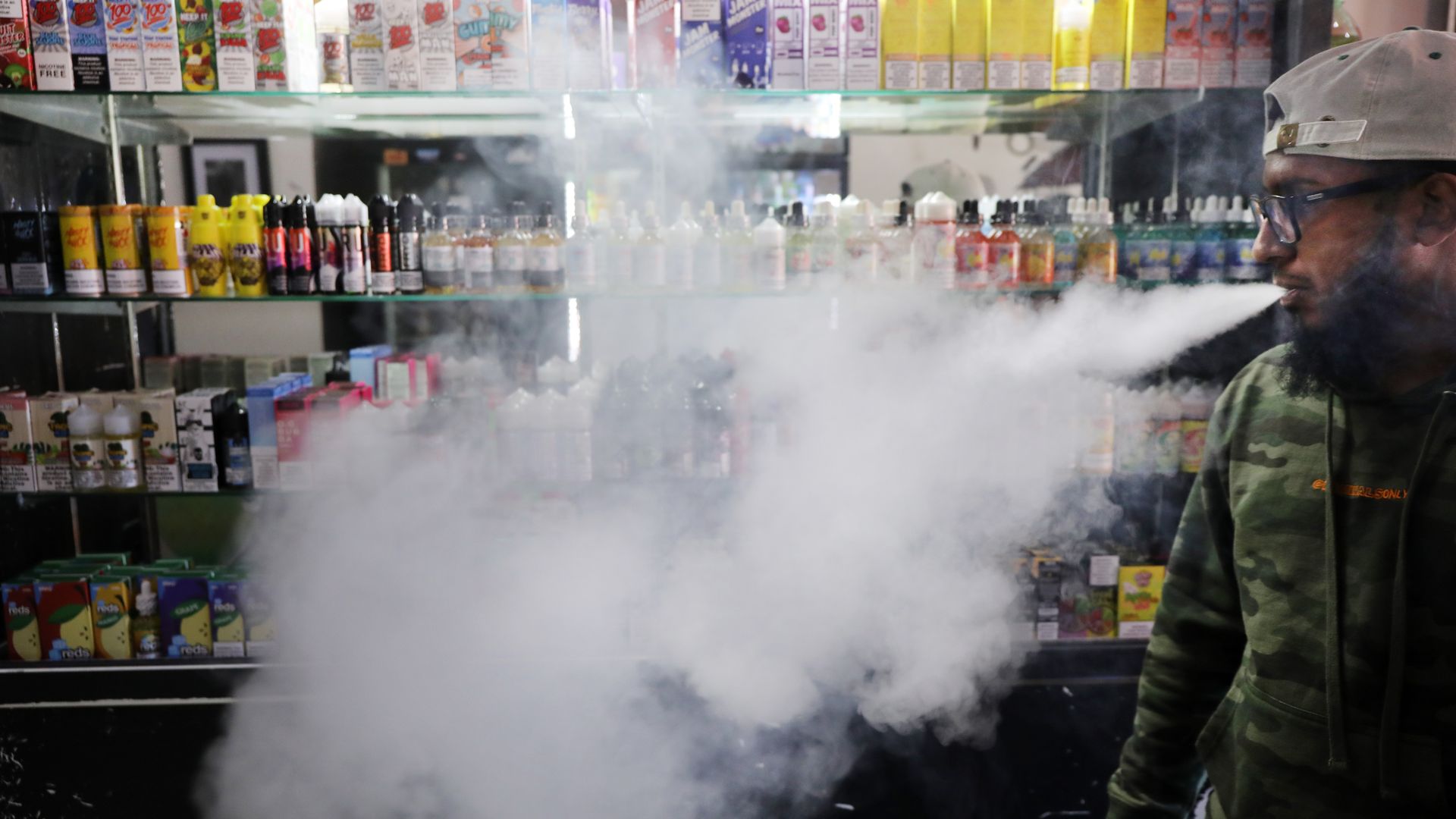
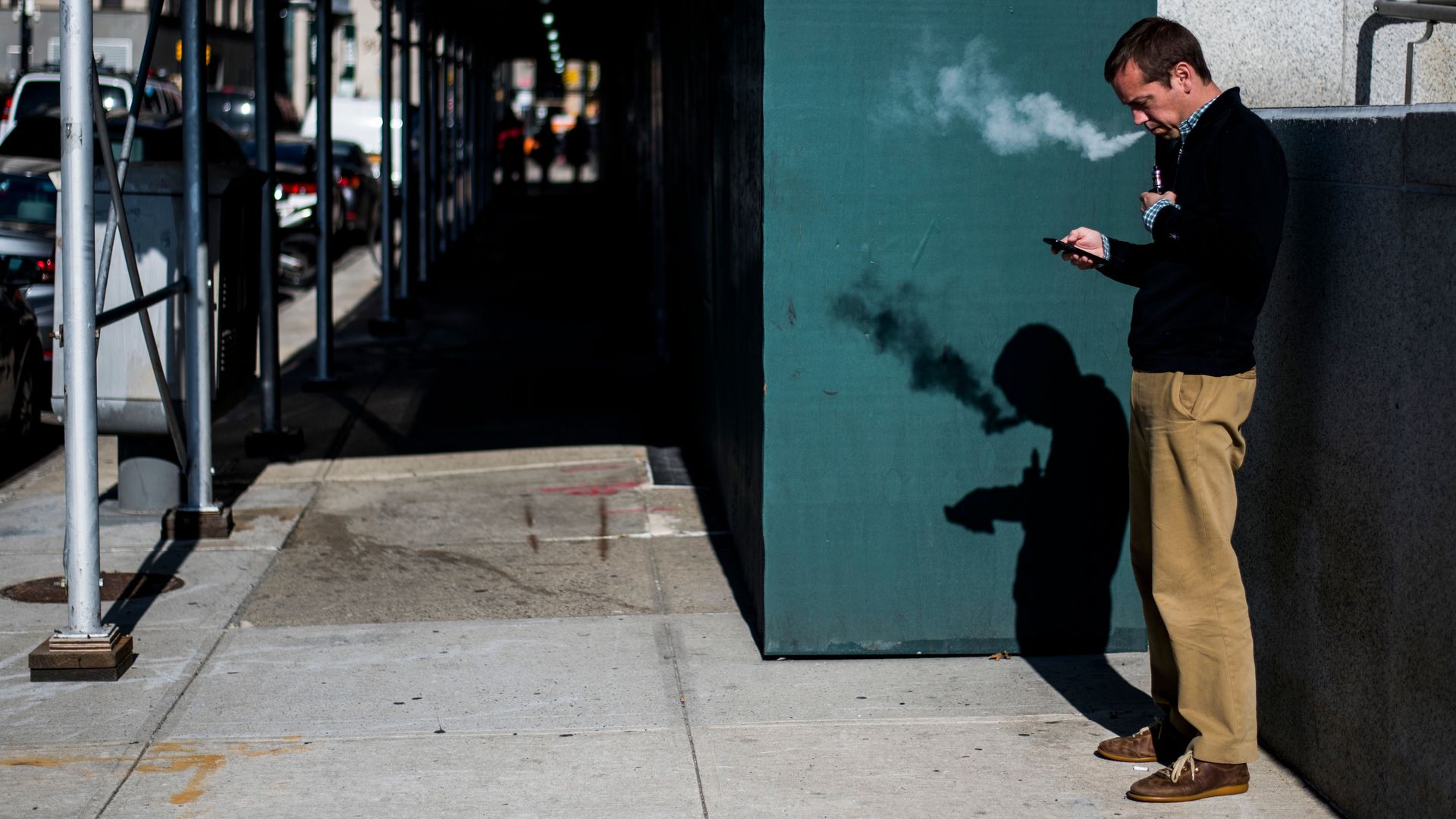
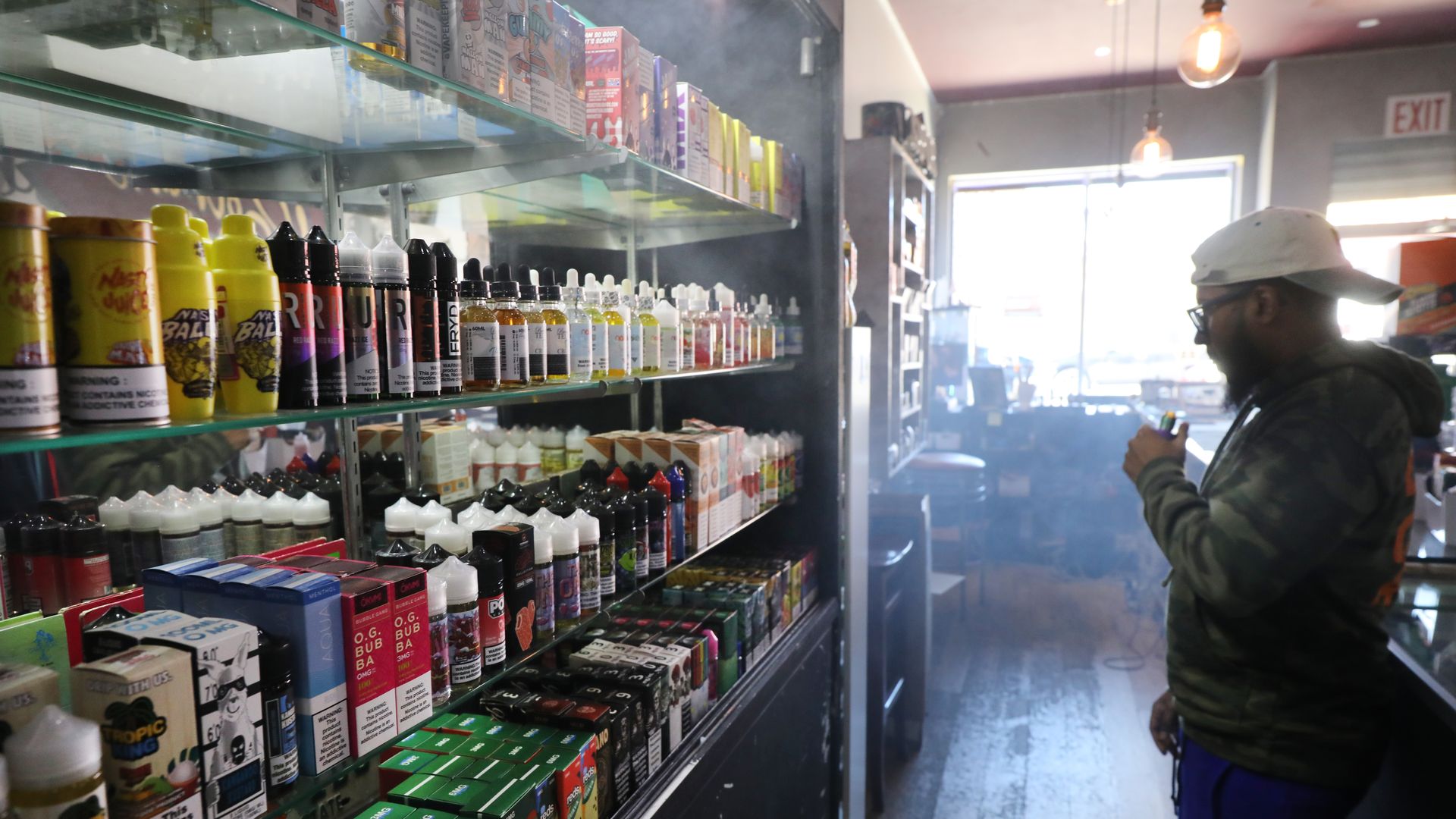
Oregon's governor announced a temporary, 180-day ban on all flavored electronic cigarette products on Friday.
The big picture: At least 18 people across the U.S. have died from a lung injury associated with vaping in 15 states, as of Oct. 4. Two of those deaths were in Oregon. Gov. Kate Brown said Oregon is dedicated to developing legislation to ban flavored vaping products permanently — while the Trump administration says it is planning to take similar action at the federal level.
A state appellate court blocked New York's ban on all flavored electronic cigarettes the first week of October, preventing New York from becoming the second state to put such a ban in place, the Wall Street Journal reports.
The big picture: The Food and Drug Administration announced last month that it was finalizing plans to pull all flavored e-cigarette cartridges from the market. Massachusetts currently has the harshest vaping ban in U.S.
The hospital industry isn't just consolidating among the titans. Deals are happening frequently at the local level, too.
Why it matters: Smaller hospital deals are just as important as large system mergers because local market power is paramount in health care — people usually get care close to where they live. A combined entity reduces competition, which could give it the upper hand in negotiations with commercial health insurers in its area.
What the White House billed yesterday as a high-profile counterpunch to “Medicare for All” turned out to be much less significant — a fairly normal, fairly vague policy statement with no real implications for 2020.
Between the lines: Trump is promoting Medicare Advantage over traditional Medicare, and that does matter for the program and the federal budget. But it’s not a new position and not one that has much to do with the broader debate over the American health care system.
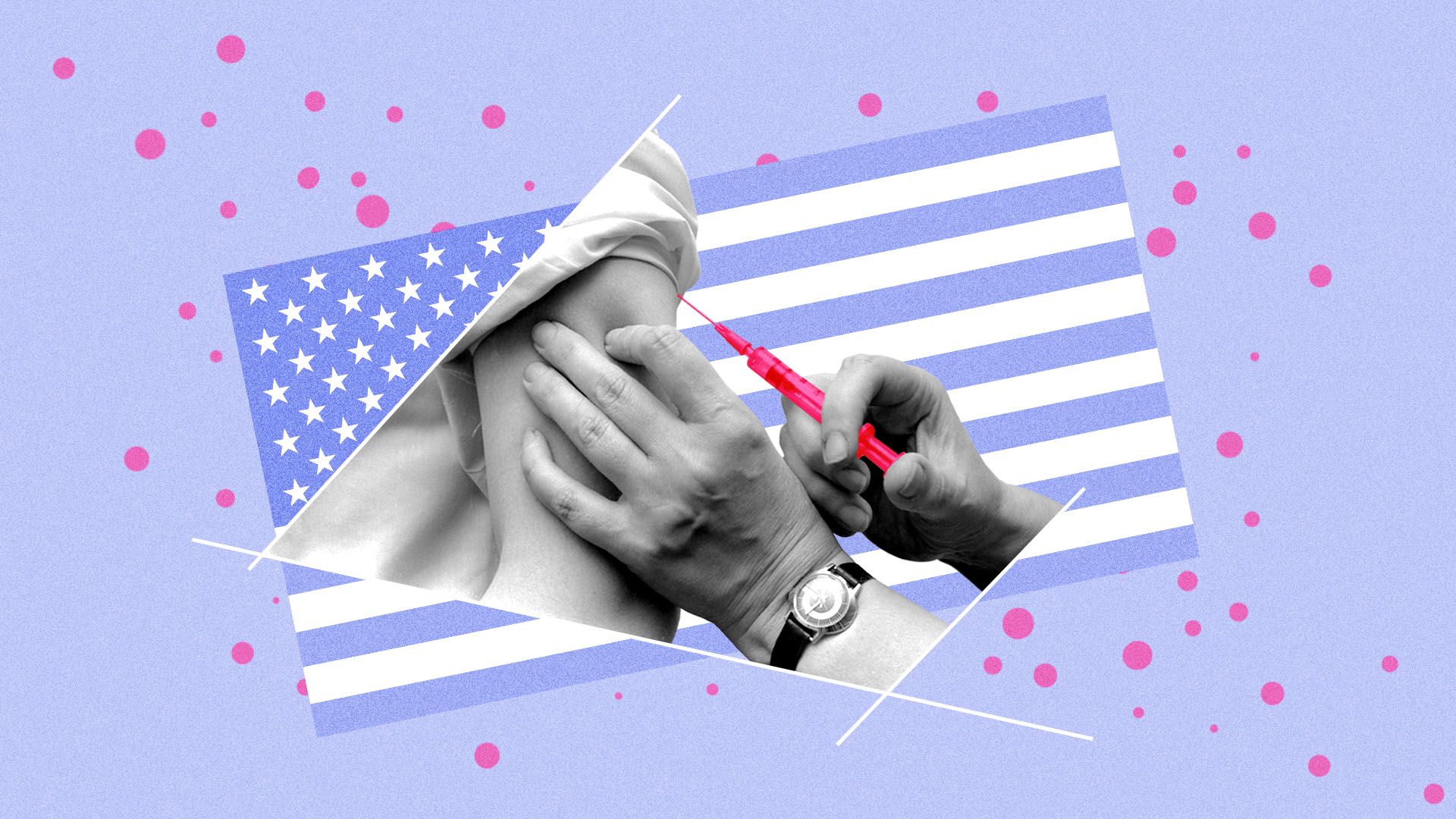
New York says it has reached a "milestone" in halting the measles outbreak that started in October 2018, and U.S. public health officials now believe the country has retained its measles elimination status — just barely meeting the year deadline, a spokesperson for the Centers for Disease Control and Prevention said Thursday.
Yes, but: Recent cases reported from returning international travelers demonstrate the danger of new outbreaks when there are still pockets of communities with low vaccination rates. Despite measles being mostly preventable, the combination of the anti-vaccination movement and vaccine hesitancy places several communities at risk.
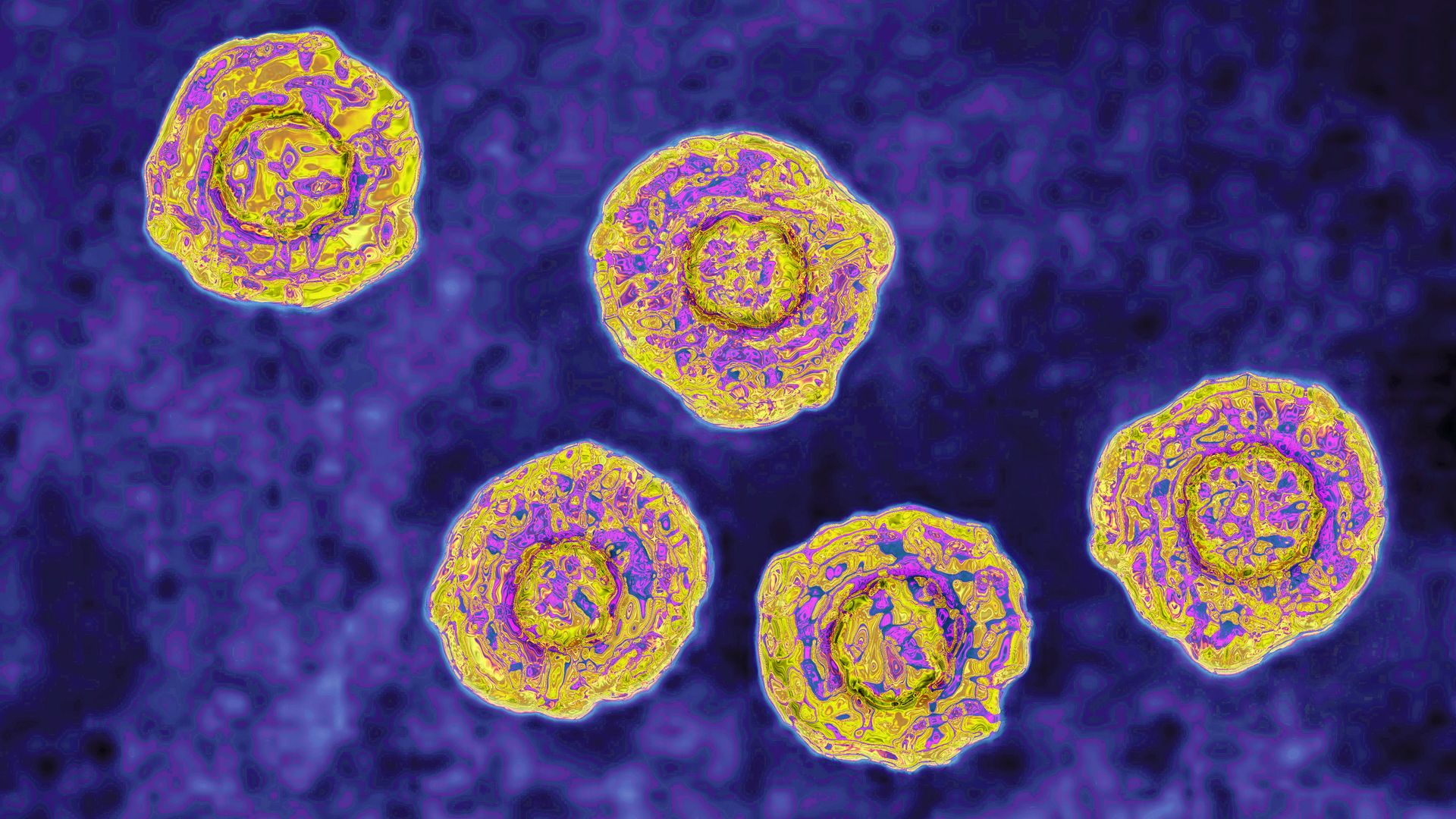
The rate of pregnant women with Hepatitis C was 5 times higher in 2015 than in 2000 due to the substantial level of opioid abuse in the U.S., according to the CDC’s Morbidity and Mortality Weekly Report released Thursday.
The big picture: 68% of pregnant women with Hepatitis C have opioid use disorder. Overall cases of the virus almost tripled in the past few years, an effect of the opioid crisis and the unsanitary use of needles by drug users, CDC previously reported.
Lung injuries from vaping are "most likely" caused by direct toxicity or tissue damage from noxious chemical fumes, the Mayo Clinic said in a statement Wednesday announcing new findings. But the researchers cautioned the study is in its early stages and based on a small sample size.
Why it matters: Scientists are trying to determine the cause of the vaping-associated lung disease, which has led to at least 17 deaths, more than 800 reported injuries in almost all U.S. states, and bans on various vaping and tobacco products.