The Food and Drug Administration issued draft guidance Friday for how to test the toxicity of nicotine products that are meant to help smokers quit traditional "combustible" smoking, like e-cigarettes.
Why it matters: Manufacturers are able to designate e-cigarettes as either a tobacco product or a smoking cessation novel drug to the FDA — but none of them are in the drug category. This draft guidance is part of the agency's effort to help companies start applying as a therapeutic over-the-counter drug.
The World Health Organization is responding to another outbreak of the deadly Ebola virus in the Democratic Republic of the Congo, just a week after a previous outbreak was officially declared over.
Why it matters: The new outbreak poses a "high" local and regional threat, the WHO stated Friday, and doctors are facing a challenging setting for responding to this illness due to armed conflict in the area.
Younger doctors aren't necessarily opposed to single-payer health care, and some fully support it. That could change the way doctors flex their muscle on one of the most contentious issues in American politics, Kaiser Health News and Vice report from an American Medical Association conference.
Why it matters: The AMA has long fought government intervention in health care. It opposed the creation of Medicare, as well as the Affordable Care Act, and has formally opposed single-payer for years. But a group of young doctors recently pressured the organization into at least studying the issue again.
With more than a week to go in the second-quarter earnings season, the health care industry has already banked more profits than any other quarter in the past year.
The bottom line: Company after company has posted profits that have exceeded Wall Street estimates, and most firms have raised profit estimates for the rest of 2018.
Prescription drugs could make up close to 15% of total health care spending, rather than 10% that's often attributed to them, according to a new report published in Health Affairs.
Why it matters: Other estimates focused on pharmaceutical companies, but the new report takes into account drugs administered by doctors and the profits of third parties like pharmacies and pharmacy benefit managers. Those middlemen are under intense scrutiny from the Trump administration, but still make up a much smaller share of drug revenues than drugmakers themselves.
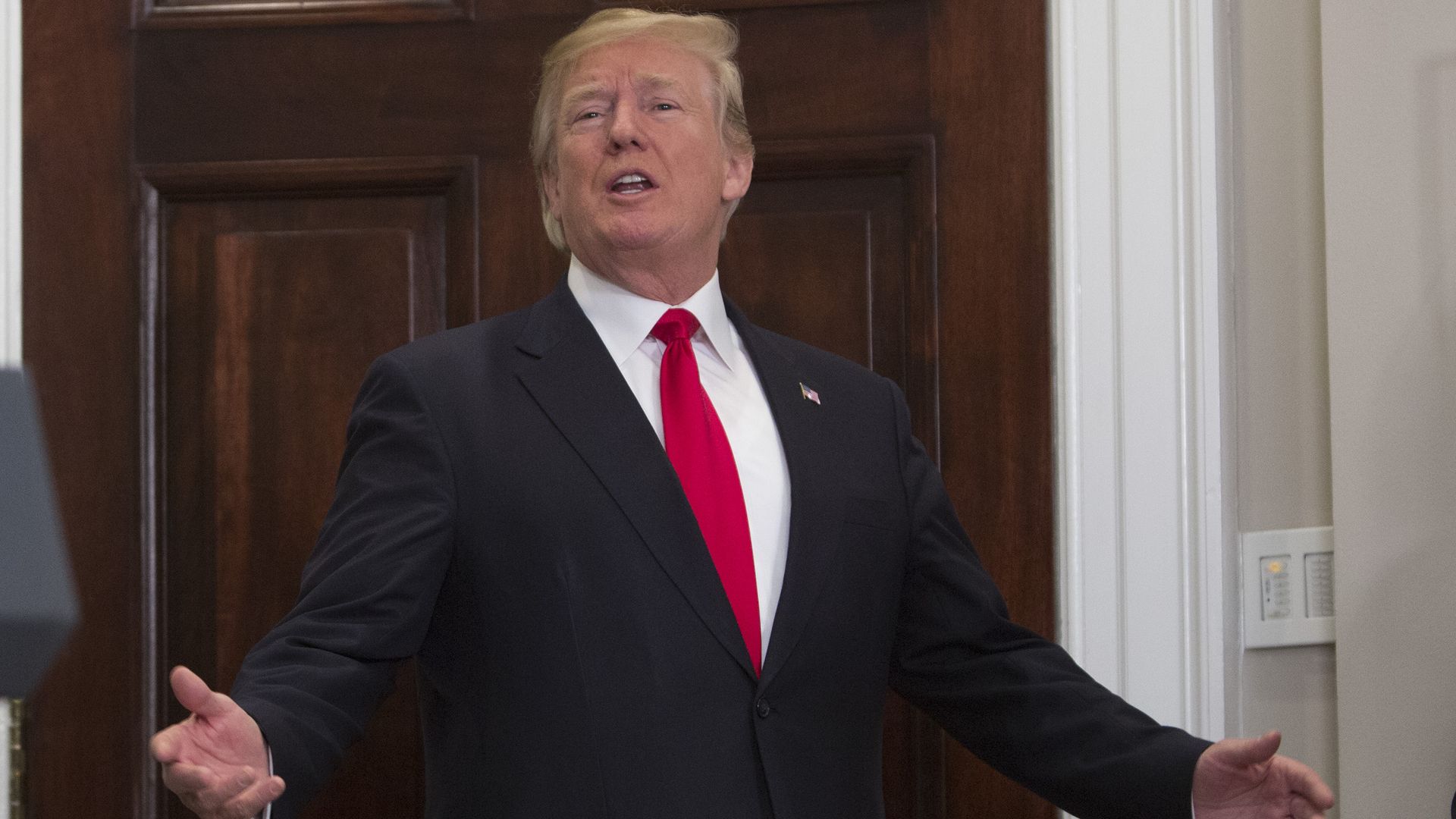
A handful of Democratic-led cities have filed a new lawsuit over President Trump's handling of the Affordable Care Act. They're challenging a set of roughly 20 regulations and executive actions, saying Trump has violated his constitutional duty to "take care that the laws be faithfully executed."
The details: There's already a slew of lawsuits challenging specific pieces of the administration's health care agenda. This one is broader, pulling together multiple policies — including changes to the enrollment process, regulations on non-ACA coverage, and even the administration's position in other lawsuits — but it's worth noting that legal challenges based on the "take care" clause rarely succeed.
ACA premiums would probably be going down next year if the Trump administration and congressional Republicans had simply left it alone, Brookings' Matt Fiedler says in a new analysis this morning.
The big picture: Insurers are raking in money this year, largely thanks to the very large premium hikes they enacted. They'll likely see a profit margin north of 10% on their ACA business this year, up from just 1.2% last year and losses in the years before.
Just days after an Ebola outbreak that killed 33 people was declared over in the Democratic Republic of the Congo, there’s a new one. Four people tested positive for the disease, more than 1,500 miles away from the location of the last outbreak, though there's no link between the two, per Reuters.
The silver lining: This is the best we can do. Science magazine notes that the health ministry said the detection of the new outbreak "is an indicator of the proper functioning of the surveillance system."
The Trump administration’s expansion of so-called “short-term” insurance plans is the latest step — and one of the most significant steps — in a slow and steady march away from the basic tenets of the Affordable Care Act.
The big picture: Short-term plans are especially controversial because they challenge two fundamental parts of the ACA: its minimum standards for what insurance has to cover, and its goal of making those guarantees work by pulling in a mix of healthy people.