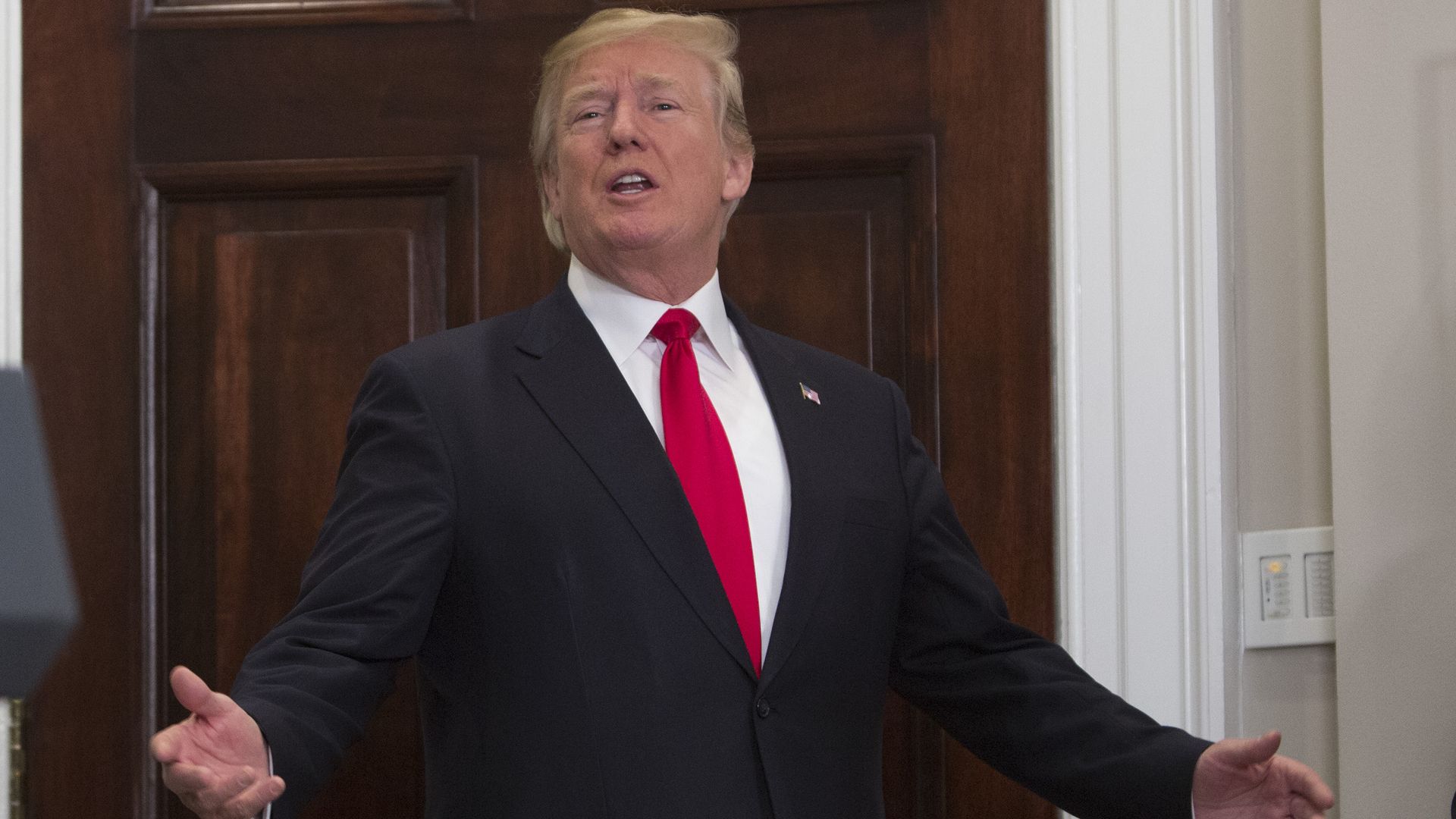
A handful of Democratic-led cities have filed a new lawsuit over President Trump's handling of the Affordable Care Act. They're challenging a set of roughly 20 regulations and executive actions, saying Trump has violated his constitutional duty to "take care that the laws be faithfully executed."
The details: There's already a slew of lawsuits challenging specific pieces of the administration's health care agenda. This one is broader, pulling together multiple policies — including changes to the enrollment process, regulations on non-ACA coverage, and even the administration's position in other lawsuits — but it's worth noting that legal challenges based on the "take care" clause rarely succeed.
ACA premiums would probably be going down next year if the Trump administration and congressional Republicans had simply left it alone, Brookings' Matt Fiedler says in a new analysis this morning.
The big picture: Insurers are raking in money this year, largely thanks to the very large premium hikes they enacted. They'll likely see a profit margin north of 10% on their ACA business this year, up from just 1.2% last year and losses in the years before.
Just days after an Ebola outbreak that killed 33 people was declared over in the Democratic Republic of the Congo, there’s a new one. Four people tested positive for the disease, more than 1,500 miles away from the location of the last outbreak, though there's no link between the two, per Reuters.
The silver lining: This is the best we can do. Science magazine notes that the health ministry said the detection of the new outbreak "is an indicator of the proper functioning of the surveillance system."
The Trump administration’s expansion of so-called “short-term” insurance plans is the latest step — and one of the most significant steps — in a slow and steady march away from the basic tenets of the Affordable Care Act.
The big picture: Short-term plans are especially controversial because they challenge two fundamental parts of the ACA: its minimum standards for what insurance has to cover, and its goal of making those guarantees work by pulling in a mix of healthy people.
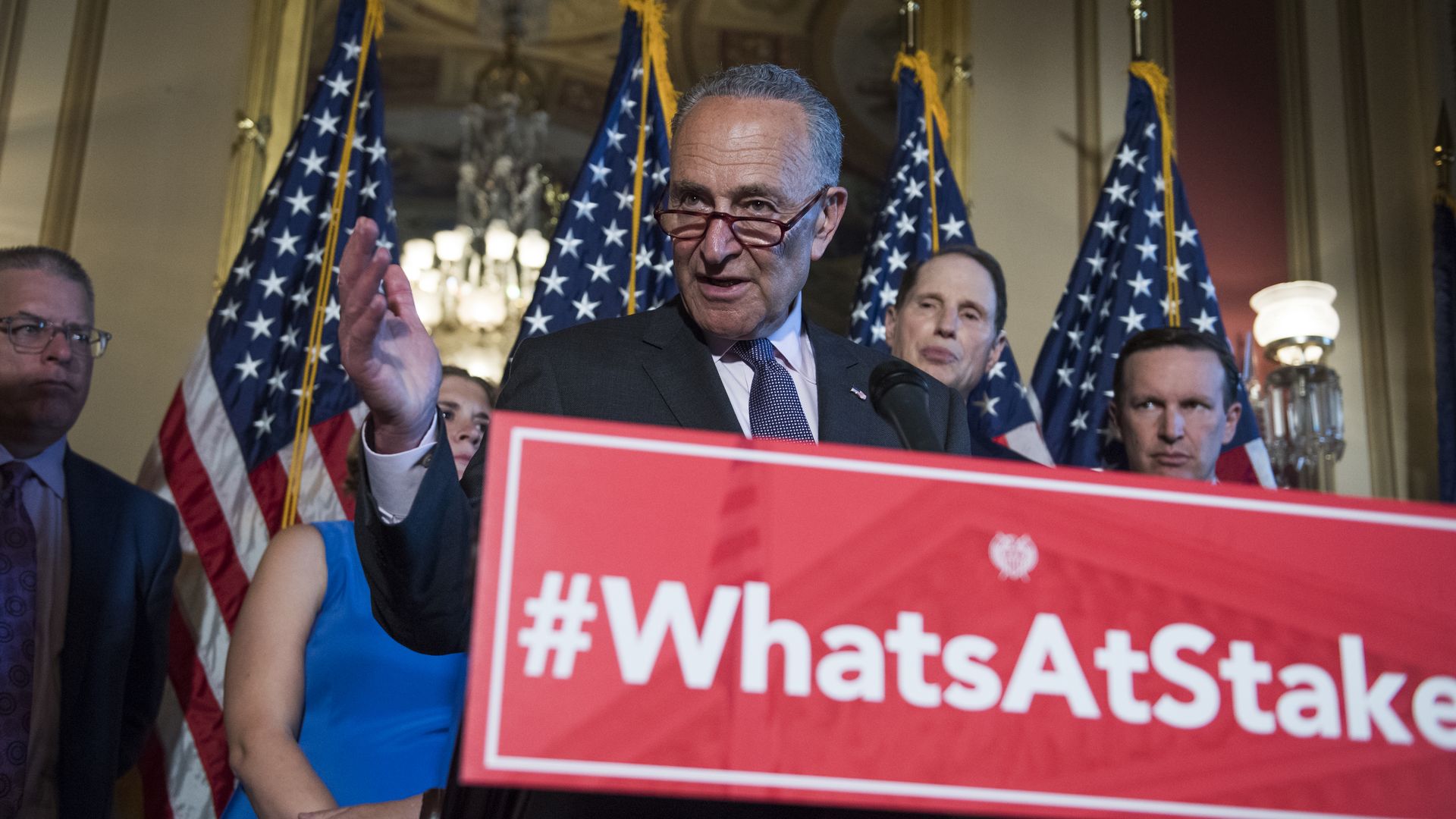
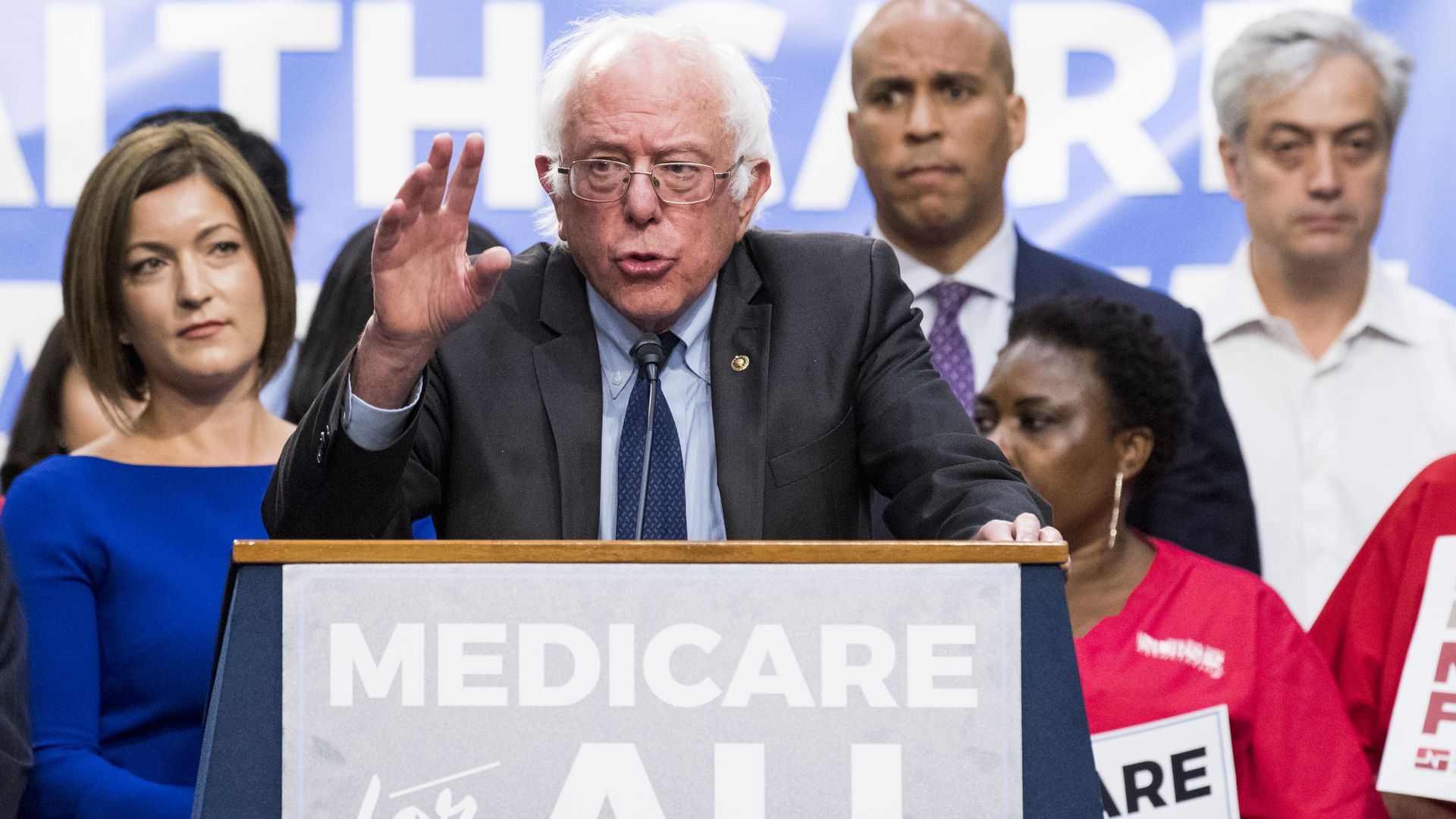
This is the fifth election cycle since the Affordable Care Act became law — and as Republicans try to build on their razor-thin Senate majority, some dreams will never die. Sen. Thom Tillis told Politico that the GOP could "get health care done" with 53 members while Democrats are itching to introduce "Medicare for All" legislation if they win the House, per The Hill.
Reality check: Neither of these initiatives is likely to happen before 2021 at the absolute earliest. And with the parties already so far apart and already looking ahead to 2020, not much else is likely to happen until then, either.
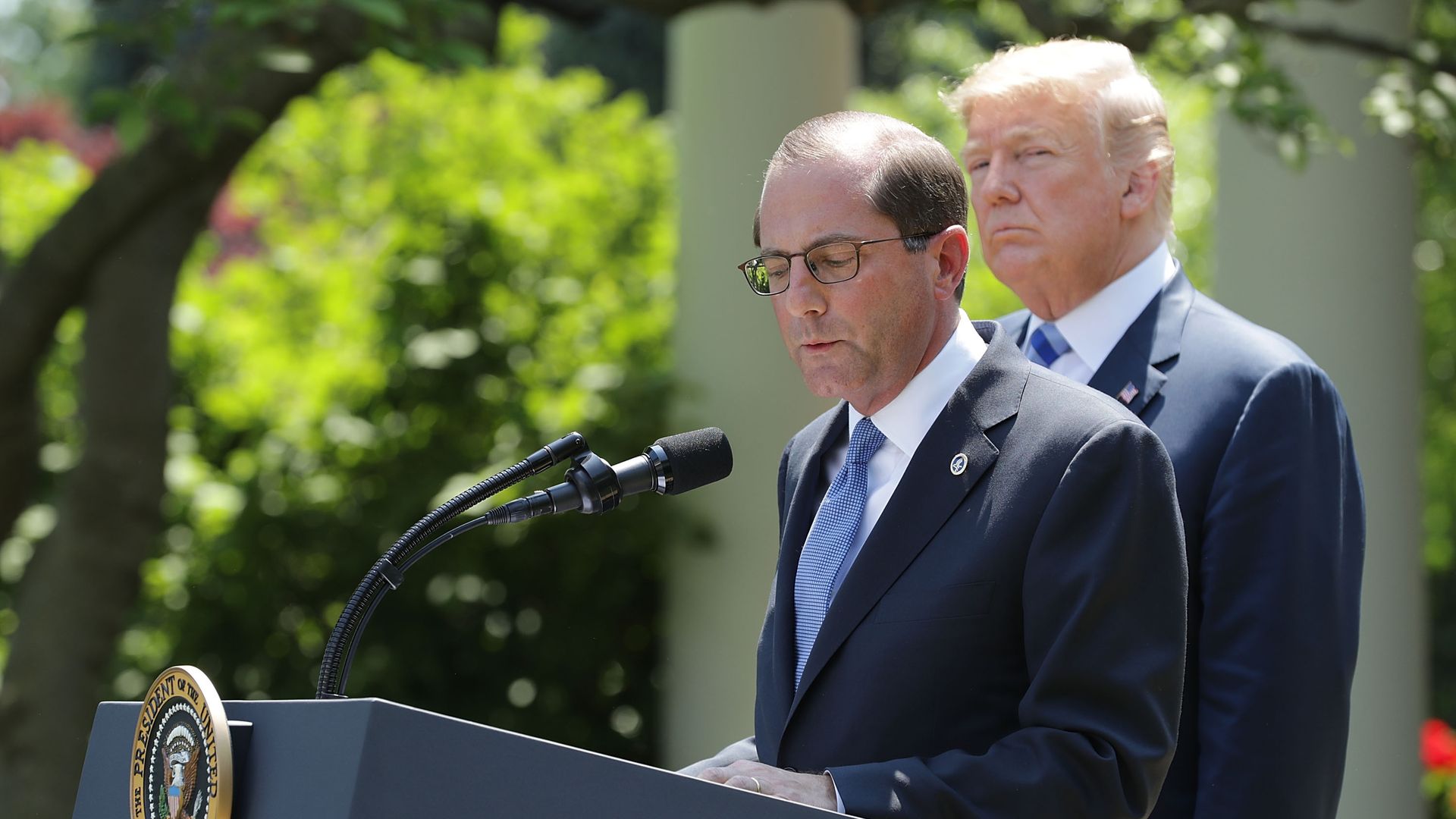
The Trump administration this morning will finalize new rules for "short-term" insurance plans — one of its most significant steps yet to chip away at the Affordable Care Act's insurance markets.
The big picture: Short-term plans are cheap, and offer few benefits. They appeal mainly to healthy people, and that's why the Obama administration limited the plans — to keep healthy people in the ACA's exchanges. The Trump administration is moving hard in the other direction.
Data analyses from 46brooklyn Research, a new firm started by two people with experience in the pharmacy industry, outline historic trends of drug prices and costs in Medicaid programs across the country in an open, transparent format.
The bottom line: These datasets are the clearest examples yet that show specifically how some states are getting bad deals on prescription drugs — and how middlemen like pharmacy benefit managers manipulate the current drug pricing system for their own gains.