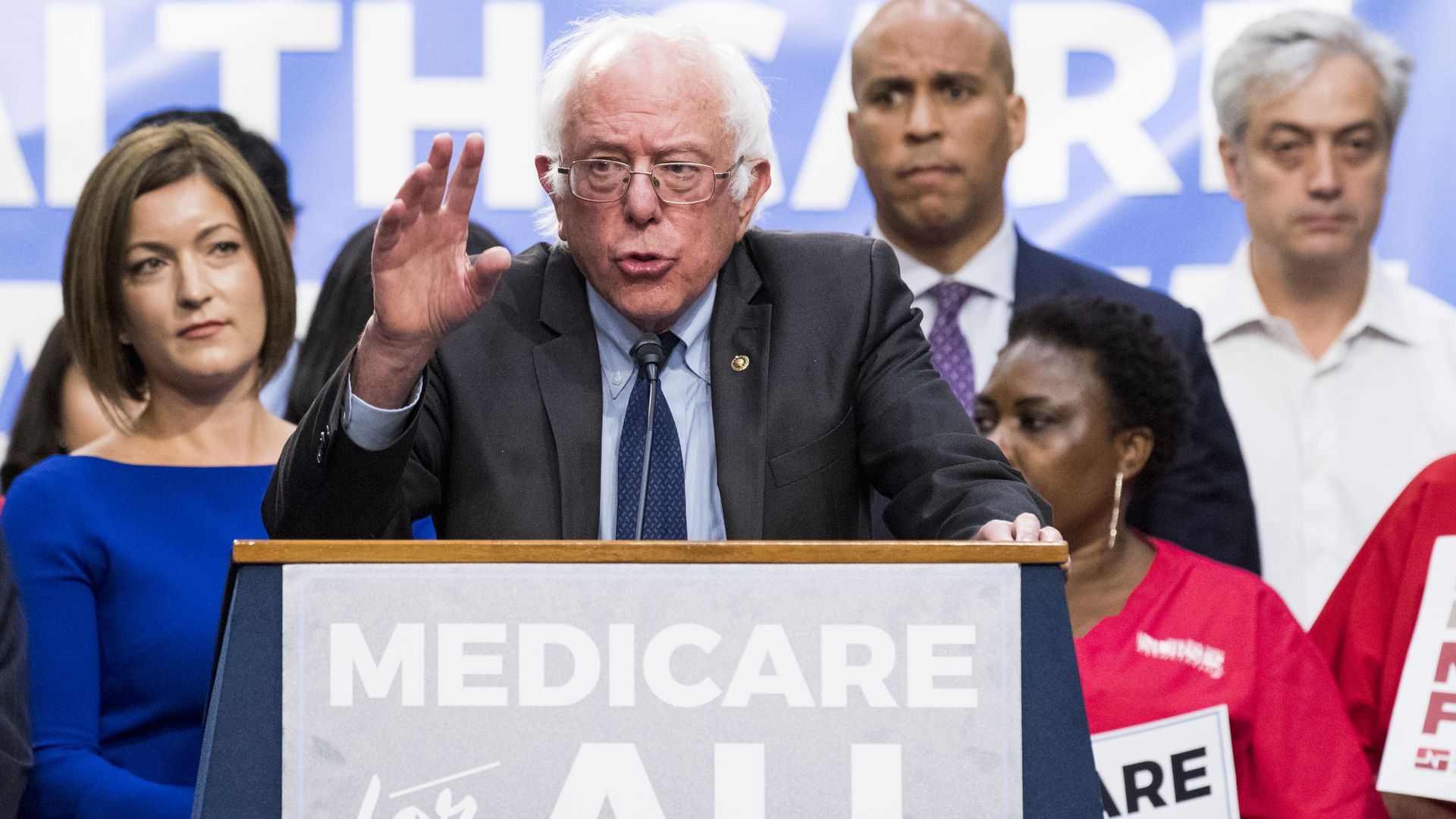
This is the fifth election cycle since the Affordable Care Act became law — and as Republicans try to build on their razor-thin Senate majority, some dreams will never die. Sen. Thom Tillis told Politico that the GOP could "get health care done" with 53 members while Democrats are itching to introduce "Medicare for All" legislation if they win the House, per The Hill.
Reality check: Neither of these initiatives is likely to happen before 2021 at the absolute earliest. And with the parties already so far apart and already looking ahead to 2020, not much else is likely to happen until then, either.
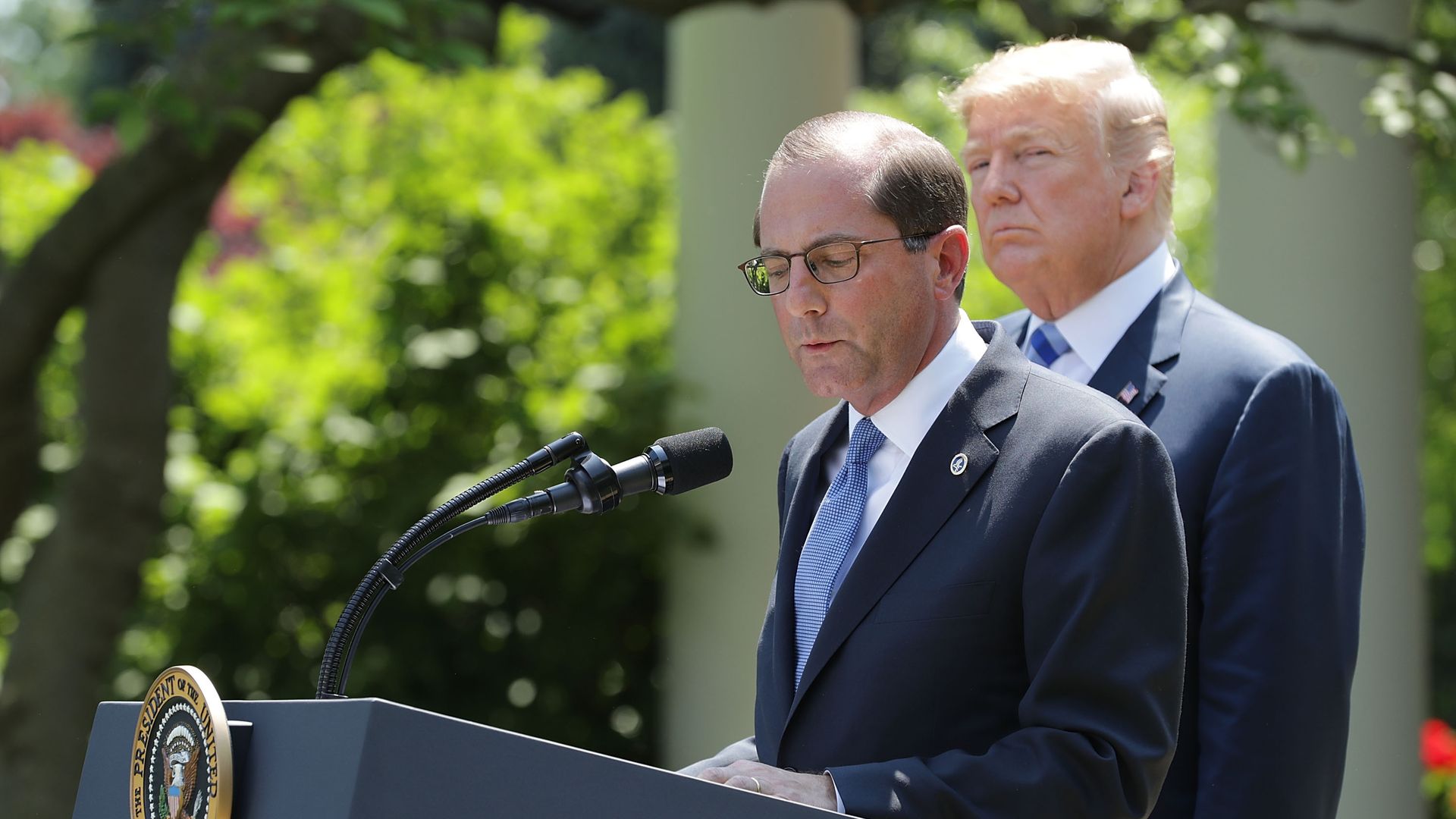
The Trump administration this morning will finalize new rules for "short-term" insurance plans — one of its most significant steps yet to chip away at the Affordable Care Act's insurance markets.
The big picture: Short-term plans are cheap, and offer few benefits. They appeal mainly to healthy people, and that's why the Obama administration limited the plans — to keep healthy people in the ACA's exchanges. The Trump administration is moving hard in the other direction.
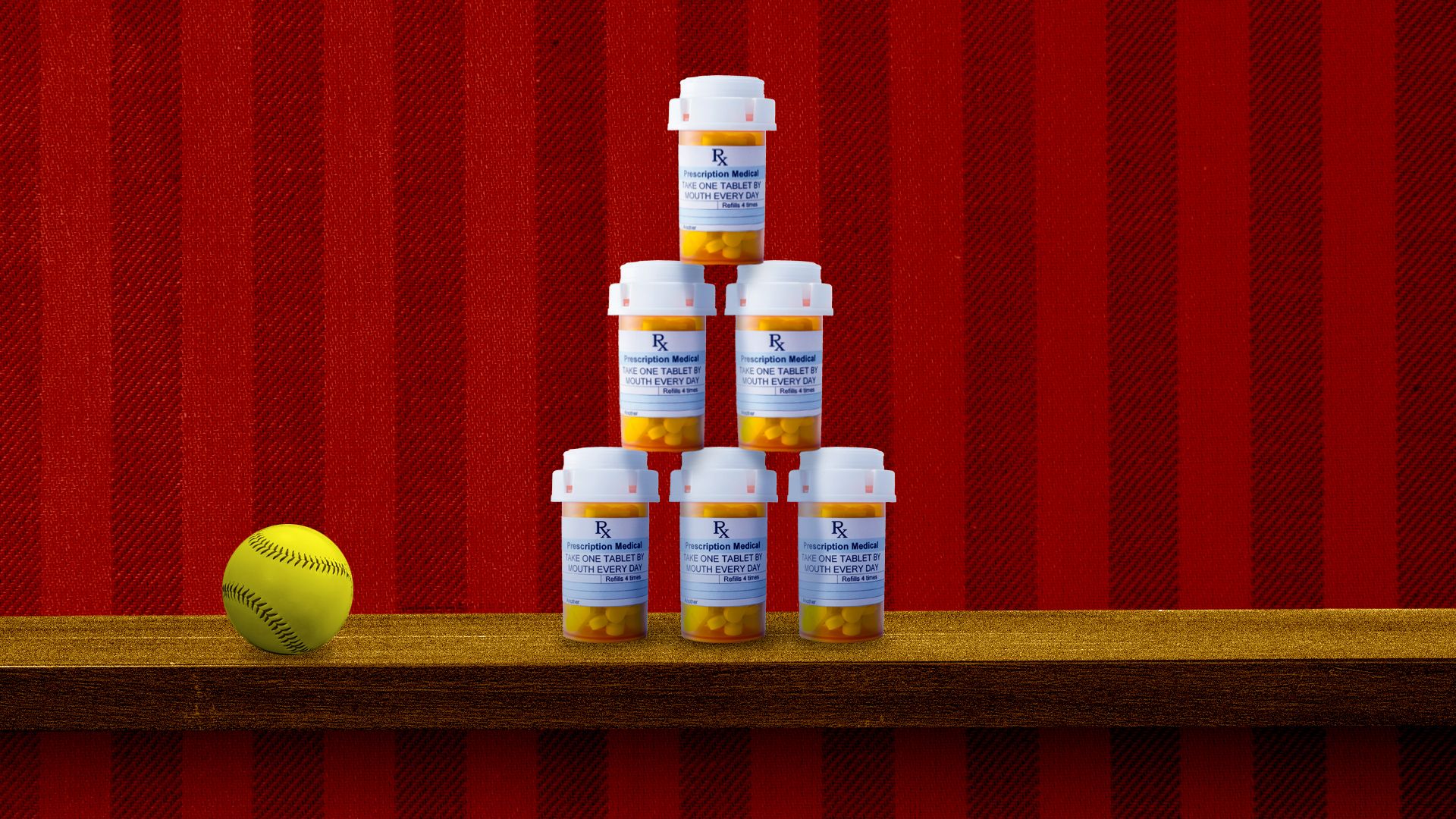
Data analyses from 46brooklyn Research, a new firm started by two people with experience in the pharmacy industry, outline historic trends of drug prices and costs in Medicaid programs across the country in an open, transparent format.
The bottom line: These datasets are the clearest examples yet that show specifically how some states are getting bad deals on prescription drugs — and how middlemen like pharmacy benefit managers manipulate the current drug pricing system for their own gains.
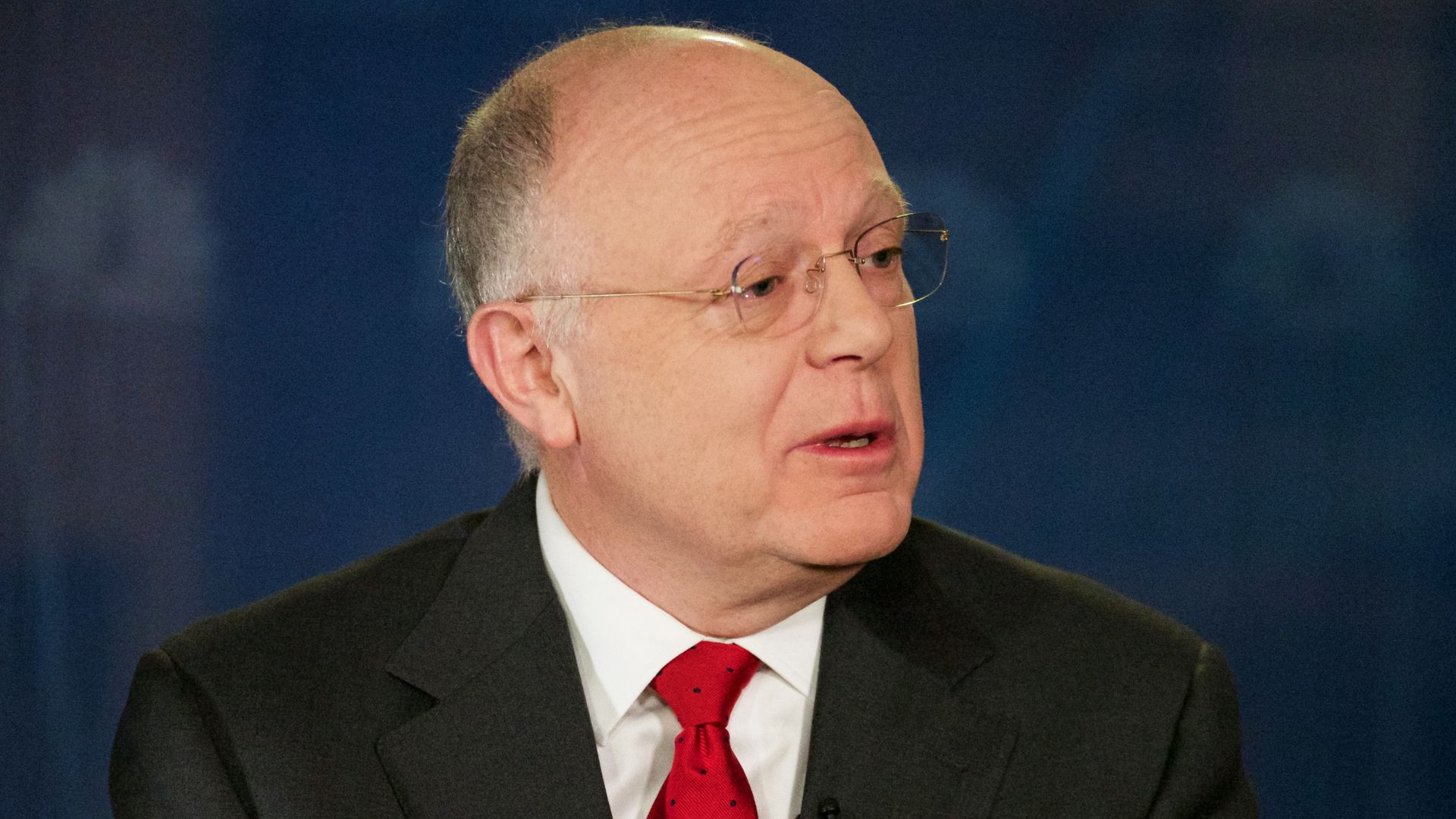
Pharmaceutical giant Pfizer posted a $3.9 billion profit in the second quarter, equating to a 29% profit margin. Notably, after being asked on a conference call about the Trump administration's plans to overhaul drug pricing, CEO Ian Read told investors: "I believe we are going to go to a marketplace where we don't have rebates."
The big picture: Read's comment comes a few weeks after he spoke with President Trump about deferring his company's drug price hikes. Pharma companies like Pfizer would relish any changes to the secretive drug rebate system because it would deflect attention away from their pricing practices, but analysts say any changes would not happen soon.
President Trump rejected a push to let states adopt a scaled-down version of the Affordable Care Act’s Medicaid expansion, The New York Times reports.
Why it matters: Senior health officials pushed the partial expansion as a middle ground for red states, but it was ultimately seen as too pro-ACA, the Times reports. Without that option, though, some conservative states are poised to adopt the full Medicaid expansion this fall.
People who don’t receive the ACA’s premium subsidies are fleeing the individual insurance market, leaving it smaller and more concentrated, according to the latest data from the Kaiser Family Foundation.
The big picture, from Kaiser: "The availability of premium subsidies … is likely sufficient to keep the individual insurance market financially sustainable ... However, based on the current trajectory, the market is likely to be increasingly dominated by lower-income people and those with pre-existing conditions."
Two things are true about the prospect of switching to a single-payer health care system: It could easily be less expensive than the system we have now, and it would require substantial tax increases.
Driving the news: The libertarian Mercatus Center made waves yesterday with a report that said Sen. Bernie Sanders' version of "Medicare for All" would require about $32.6 trillion in new federal spending over its first 10 years.
Democrats' health care message is resonating with critically important blocs of midterm voters, according to the latest Axios/SurveyMonkey polling on how five key voter groups view the issues in the election.
The big picture: Democrats are moving left on health care. Embracing the Affordable Care Act is now a given, and candidates are increasingly embracing a bigger role for the federal government. The voters they'll need most this fall — including white suburban women and Millennials — are largely on board.
In recent elections, Republicans have effectively used health care and anti-Affordable Care Act sentiment to rally their base. Now, the repeal effort has made the ACA more popular and given Democrats a weapon to use to motivate their base and reach out to independents.
Between the lines: The importance of health care as a national priority is sometimes overstated — but our recent polling shows it really could be a decisive issue in the midterms. That's because it has been surging as an issue for Democrats, and in an election many see as a referendum on President Trump, it may now be as important a factor as Trump is.