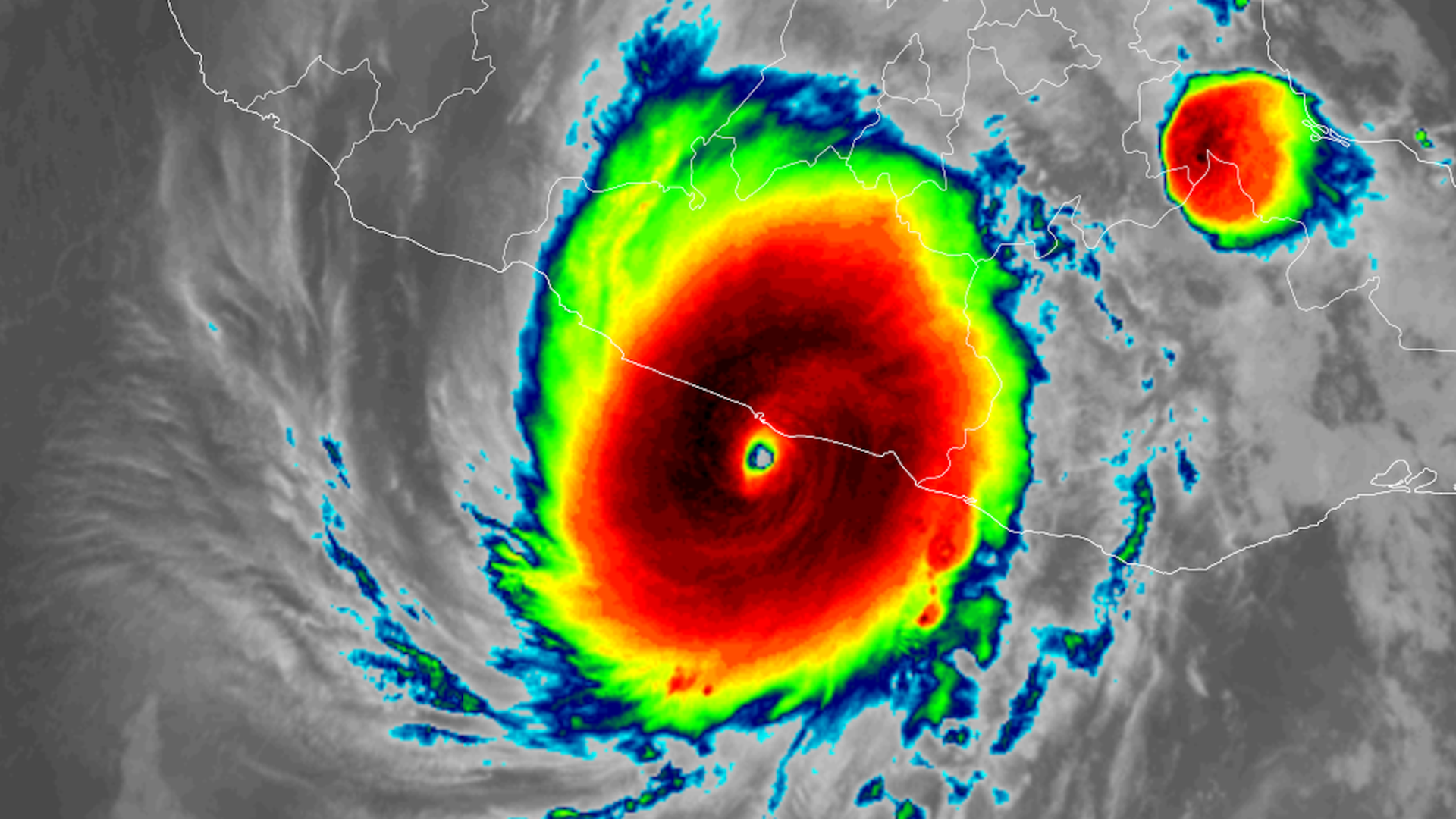
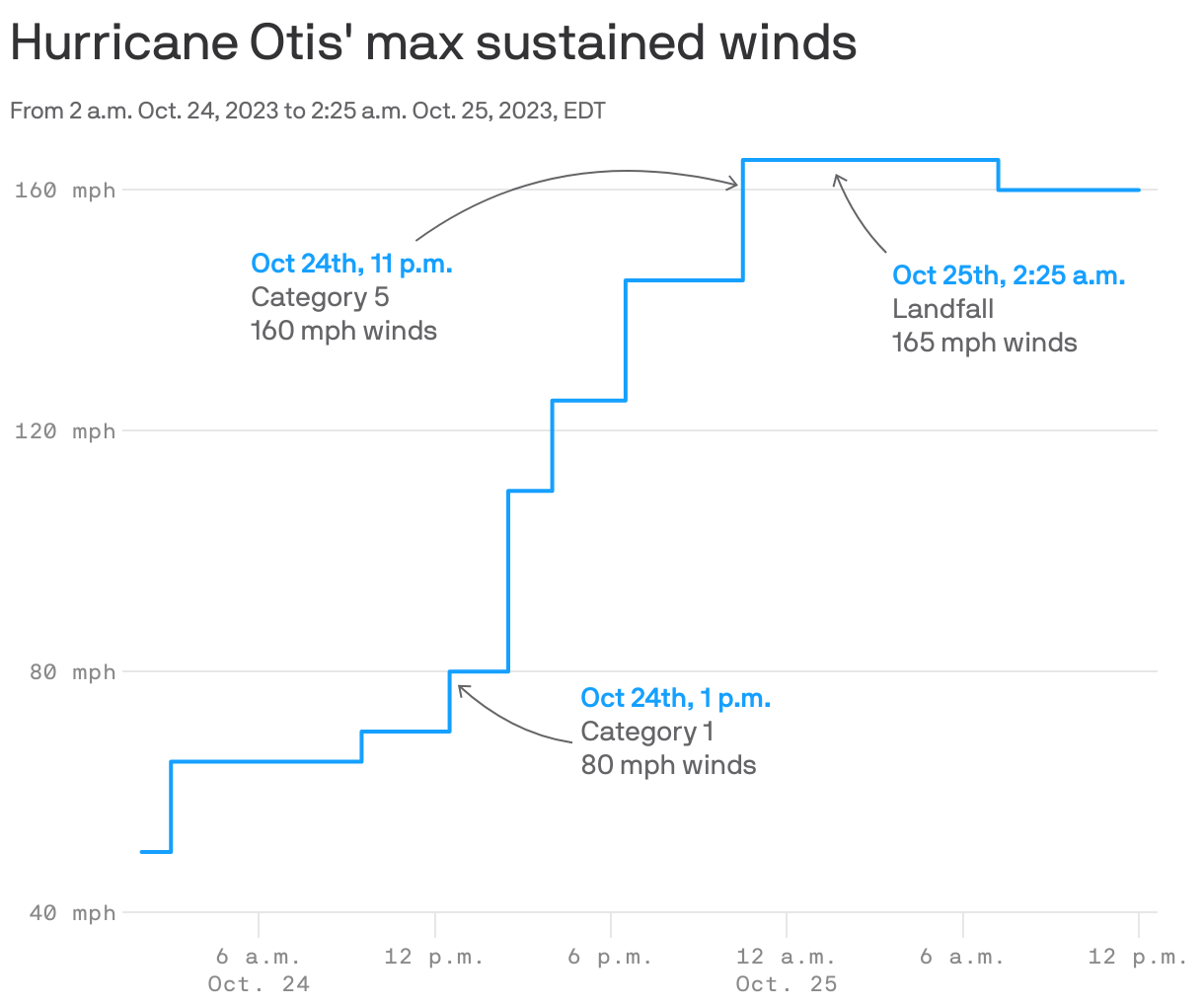
Hurricane Otis made landfall near Acapulco, Mexico, early Wednesday with maximum sustained winds of 165 mph with and higher gusts, after rapidly intensifying from a tropical storm into a ferocious Category 5 storm in under 24 hours.
Threat level: Forecasters warned ahead of landfall that "catastrophic damage" was likely from Otis, which has since dropped to a tropical storm as it moves inland and weakens amid high terrain.
The big picture: The storm's leap from a tropical storm on early Tuesday to a Category 5 storm near midnight highlighted what climate change, combined with weather and climate variability, can do to a storm if conditions are right.
A new analysis findsa"strong and enduring correlation" between political ideology and U.S. electric vehicle adoption.
Driving the news: The working paper, from UC Berkeley's Energy Institute at Haas, explores county-level new car registrations from 2012-2022 and compares them to voting records in presidential races.
West Maui will expand its tourism reopening on Nov. 1, months after catastrophic wildfires in Lahaina killed about 100 people and displaced thousands.
The big picture: The August wildfires severely affected the tourism industry in the area, which is a large source of income for the island, where about 7,000 residents remain displaced, per the Maui County mayor.
A comprehensive look at ocean temperatures along West Antarctic coast shows that a faster melt of the region's ice shelves is all but "unavoidable" this century and implies a quicker rate of sea level rise.
Why it matters: The future of millions of coastal residents worldwide depends on the stability of the West Antarctic Ice Sheet. A more rapid loss of this ice threatens to send sea levels above existing projections of a one-to-three-foot rise by 2100.
Two mega oil mergers, combined with other recent industry moves, threaten to prolong high amounts of greenhouse gas emissions and endanger Paris climate targets, climate activists warn.
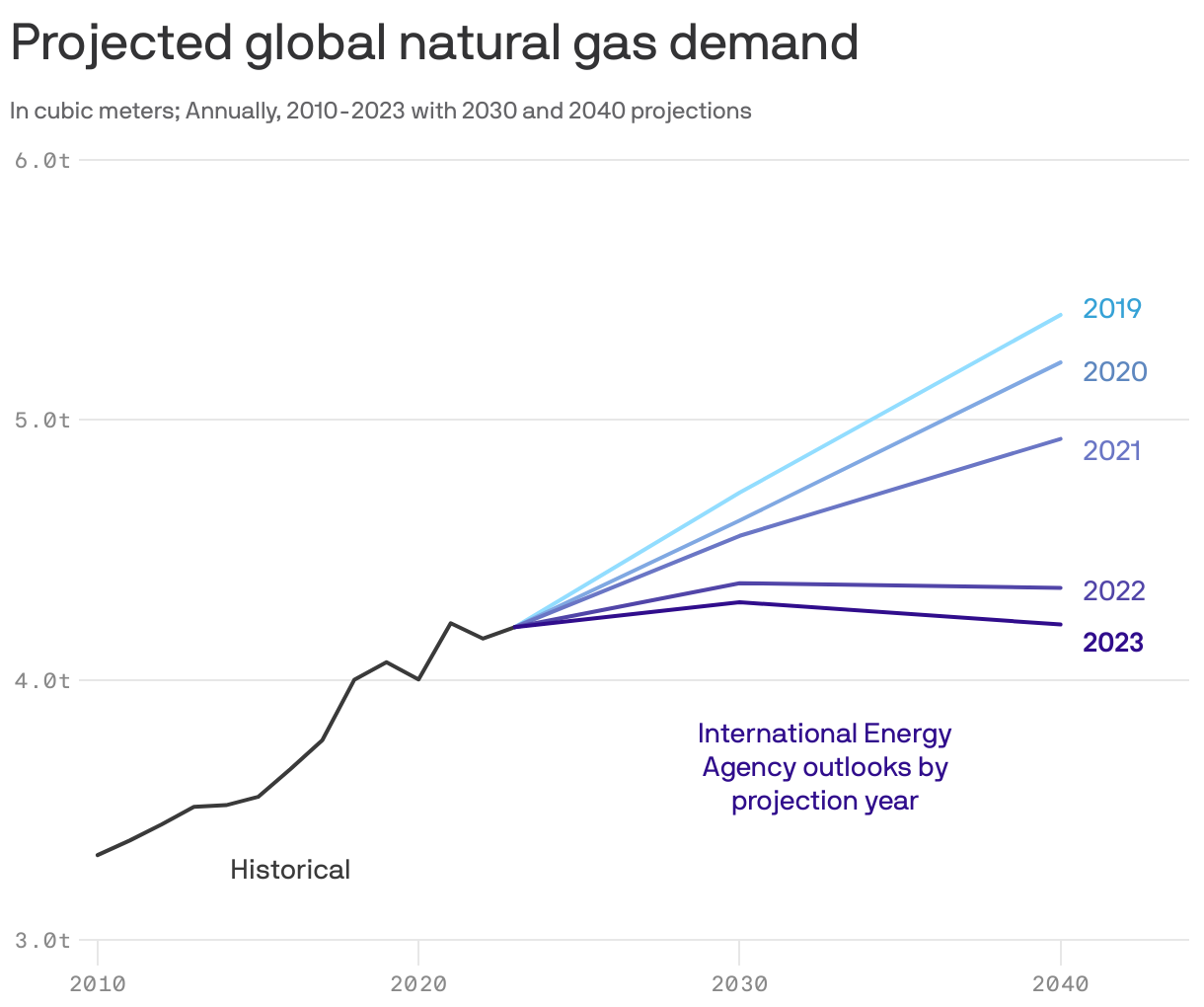
Why it matters: Chevron's $53 billion purchase of Hess announced on Monday — along with ExxonMobil's deal with Pioneer Natural Resources — signals that oil and gas firms foresee robust fossil fuel demand into the 2030s, despite government moves to slash greenhouse gas emissions and boost renewable energy.