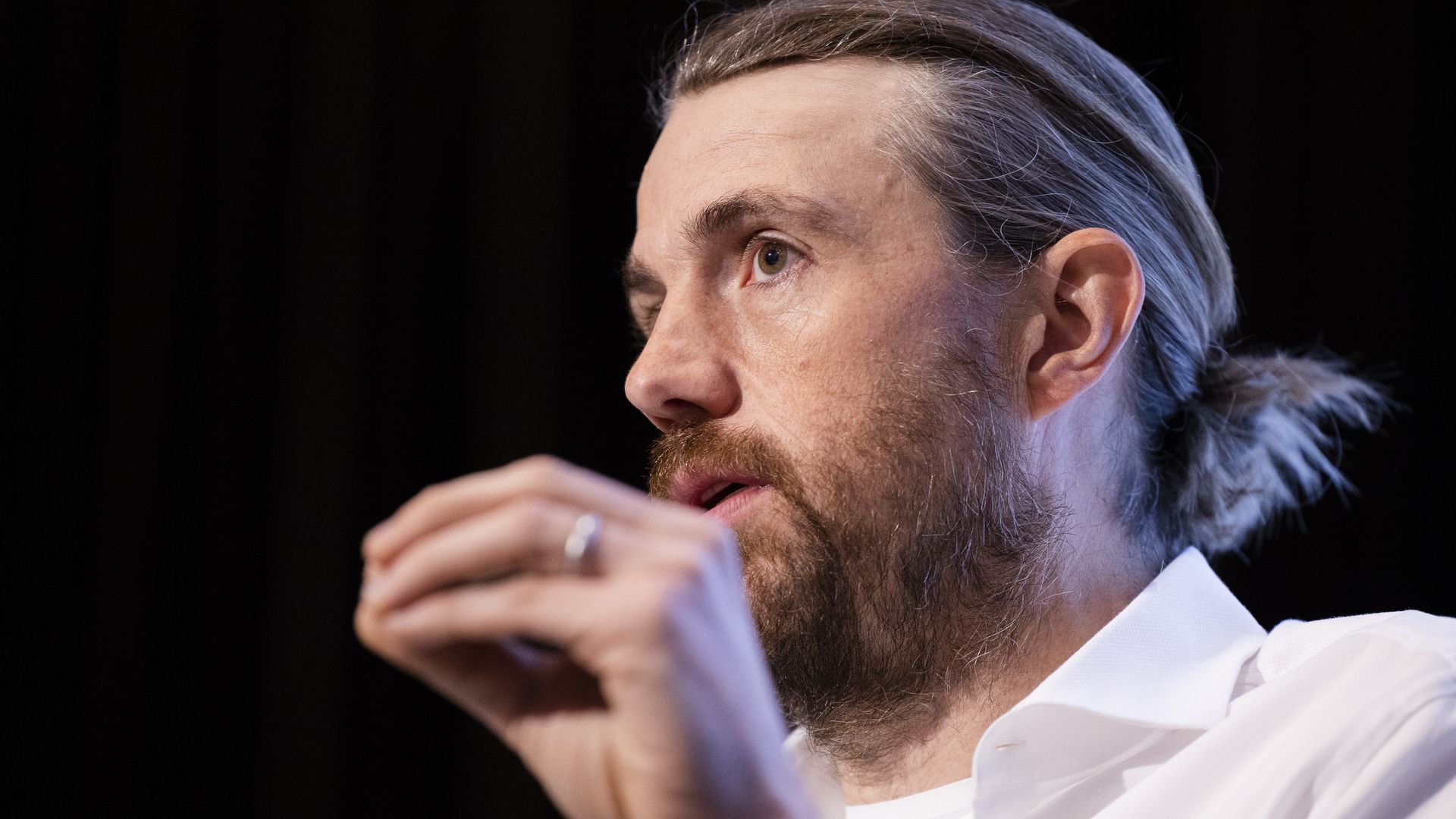
Elon Musk appears to be readying a new project to enter the AI arena against Microsoft and OpenAI.
Why it matters: His plans could involve harnessing together technology from at least two of his companies — Tesla and Twitter — "to some degree," according to Musk.
Atlassian has a new guide for navigating the net zero economy, amounting to a how-to-book for business leaders looking to keep tabs on and report their climate impacts.
Why it matters: The guide is the latest step by Mike Cannon-Brookes, the Australian enterprise software company's co-CEO, to back climate policies — this time by convincing other companies to follow in his firm's footsteps.
Absent new, more ambitious climate policies, the world is headed for a magnitude of climate change that would put about 2 billion people at risk of extreme heat by the end of the century, a new study finds.
Why it matters: Limiting global warming to the Paris Agreement's target of 1.5°C (2.7°F) above preindustrial levels would yield a five-fold reduction in the population exposed to unprecedented heat by the end of this century.
FTX and Tesla, once seen as shining examples of innovation and opportunity, took two of the biggest reputational hits in this year's Axios Harris Poll 100 brand reputation survey.
Why it matters: Amid a crypto collapse and Musk madness, Americans have grown wary and weary of big ideas and powerful moguls who they feel have overpromised and underdelivered.
Celebrity chef and founder of World Central Kitchen José Andrés is teaming up with George Washington University to launch a new research institute focused on the intersection of food production and climate change.
Driving the news: The venture unveiled Tuesday identifies the warming planet as one of the greatest challenges facing the global food system.
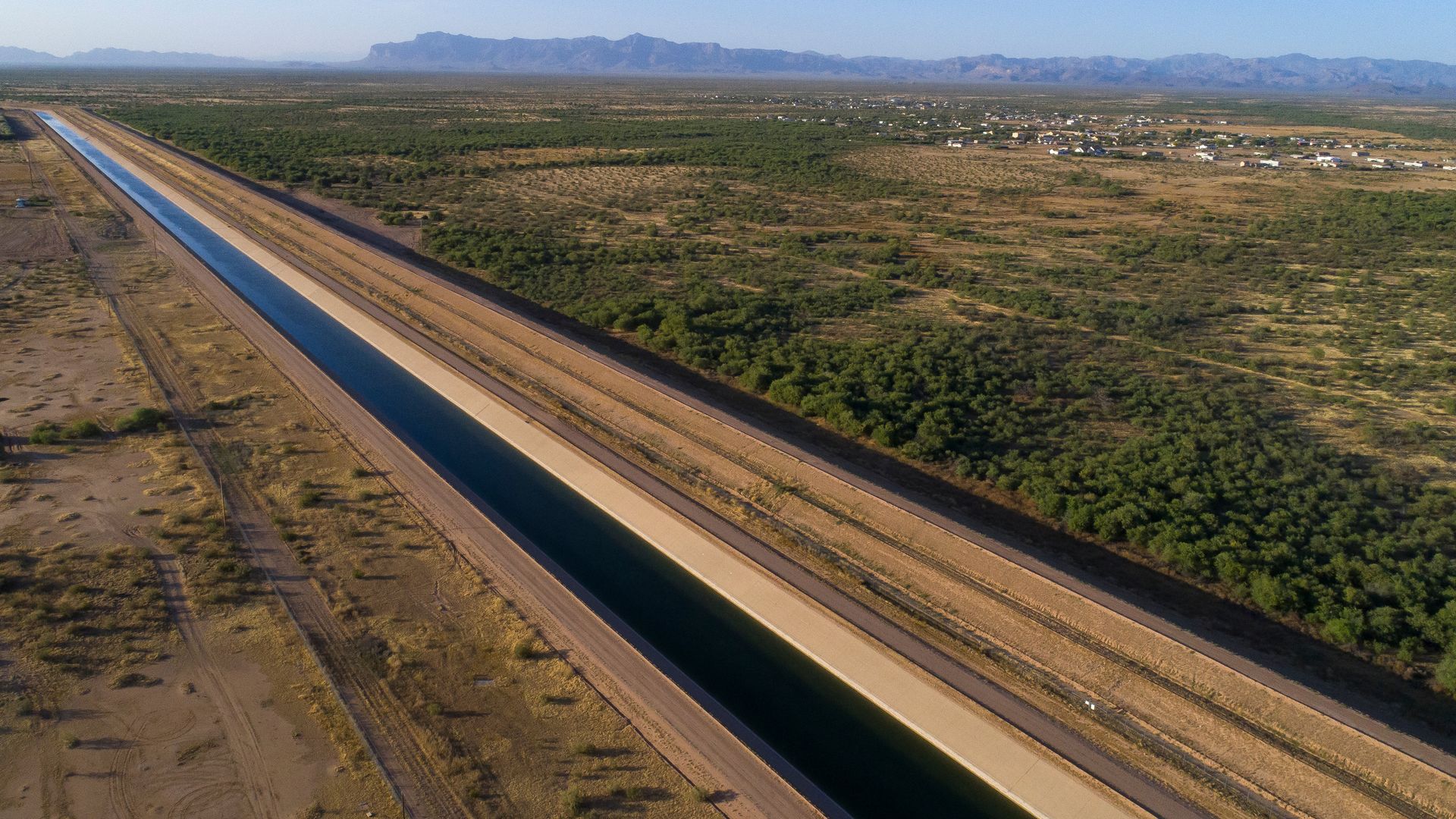
Why it matters: The agreement may temporarily keep the waterway and its reservoirs from further depleting and imperiling water supplies for millions of people and crucial agricultural regions across the Southwest.
Artificial intelligence is increasingly being tapped to address the impacts of climate change.
Driving the news: Google's latest announcement is one example. Countries across Africa, the Asia-Pacific region, Europe, and South and Central America can now use its AI-enabled platform that displays flood forecasts.
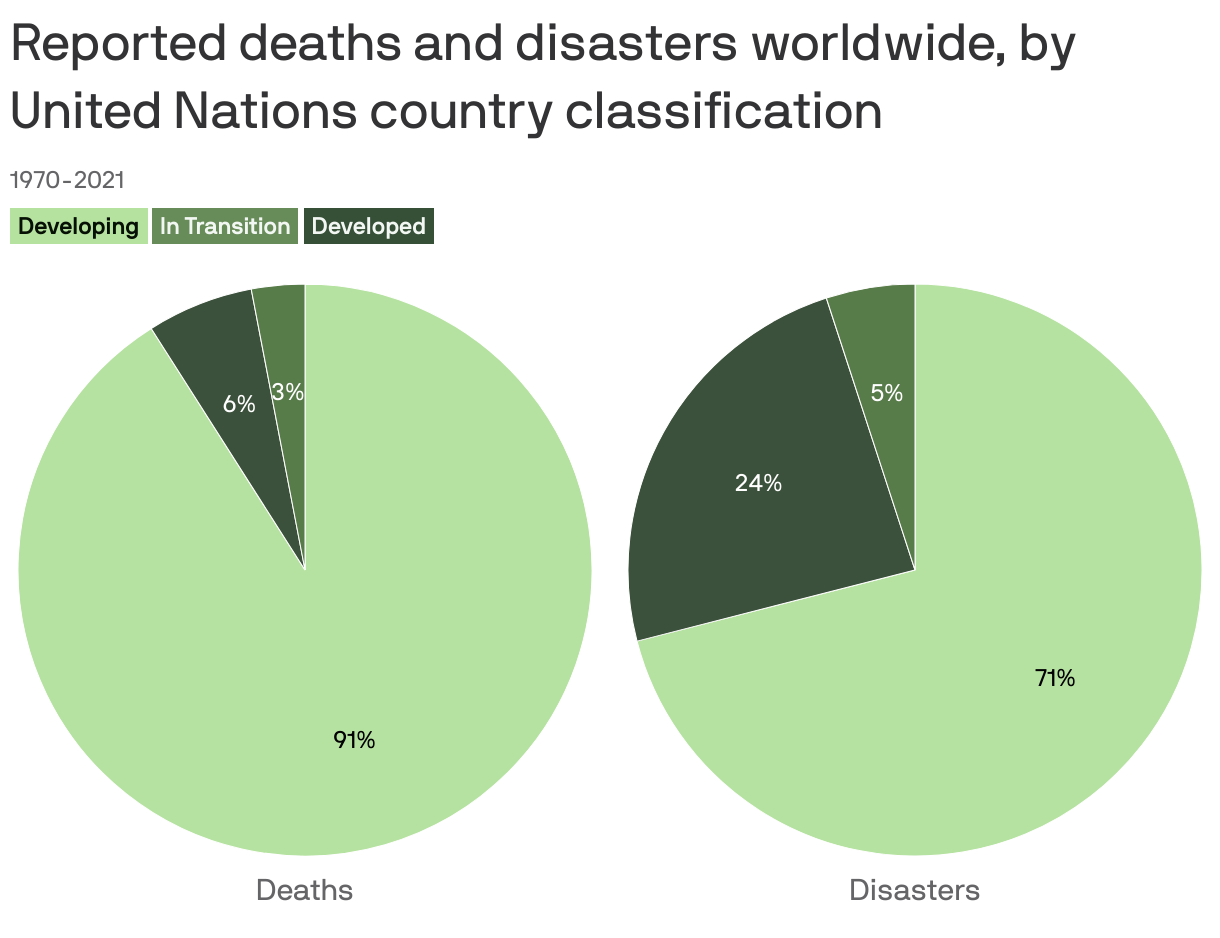
An updated, authoritative United Nations disasters analysis out this morning shows there were nearly 12,000 disasters attributable to extreme weather and climate-related events during the 1970-2021 period, Andrew writes.
The big picture: Such disasters are becoming more expensive, with a total bill of $4.3 trillion and rising. At the same time, however, they are getting less deadly.
The joint statement from the weekend Group of Seven meeting uses lots of words to spell out one simple fact: perceptions about each nation's energy security needs will trump climate policy.
Driving the news: The communique has plenty of tough statements on climate and keeping the Paris Agreement's 1.5°C goal within reach.