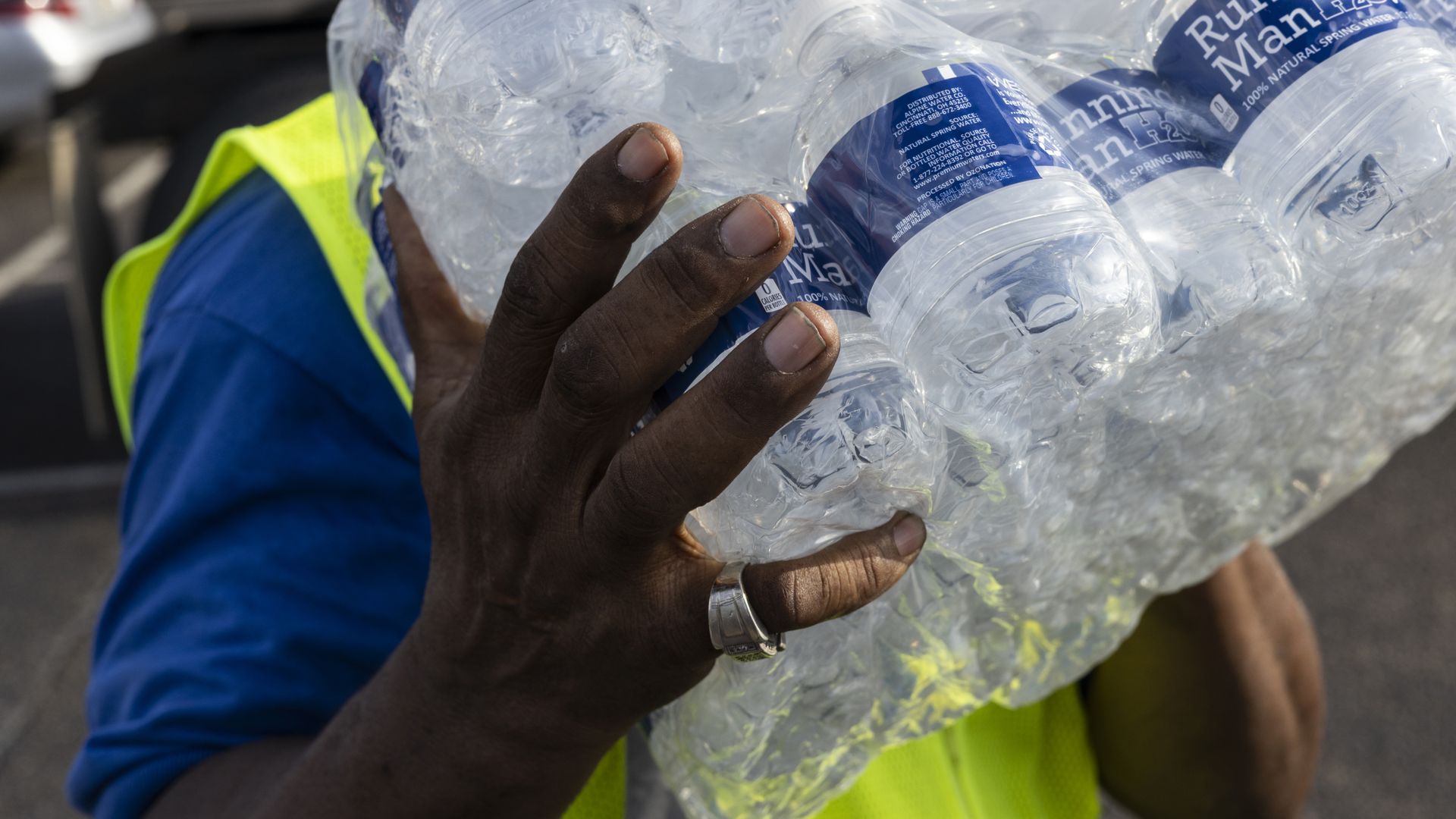
The Environmental Protection Agency (EPA) said Thursday that it has opened an investigation into whether Mississippi state agencies discriminated against the majority-Black population in Jackson in their funding of water infrastructure and treatment programs.
Why it matters: The NAACP filed a discrimination complaint last month on behalf of Jackson residents, including NAACP President and CEO Derrick Johnson, alleging that the state's "decades-long pattern and practice of discriminating against the City of Jackson" threatened their health, safety and livelihoods during the most recent water crisis.
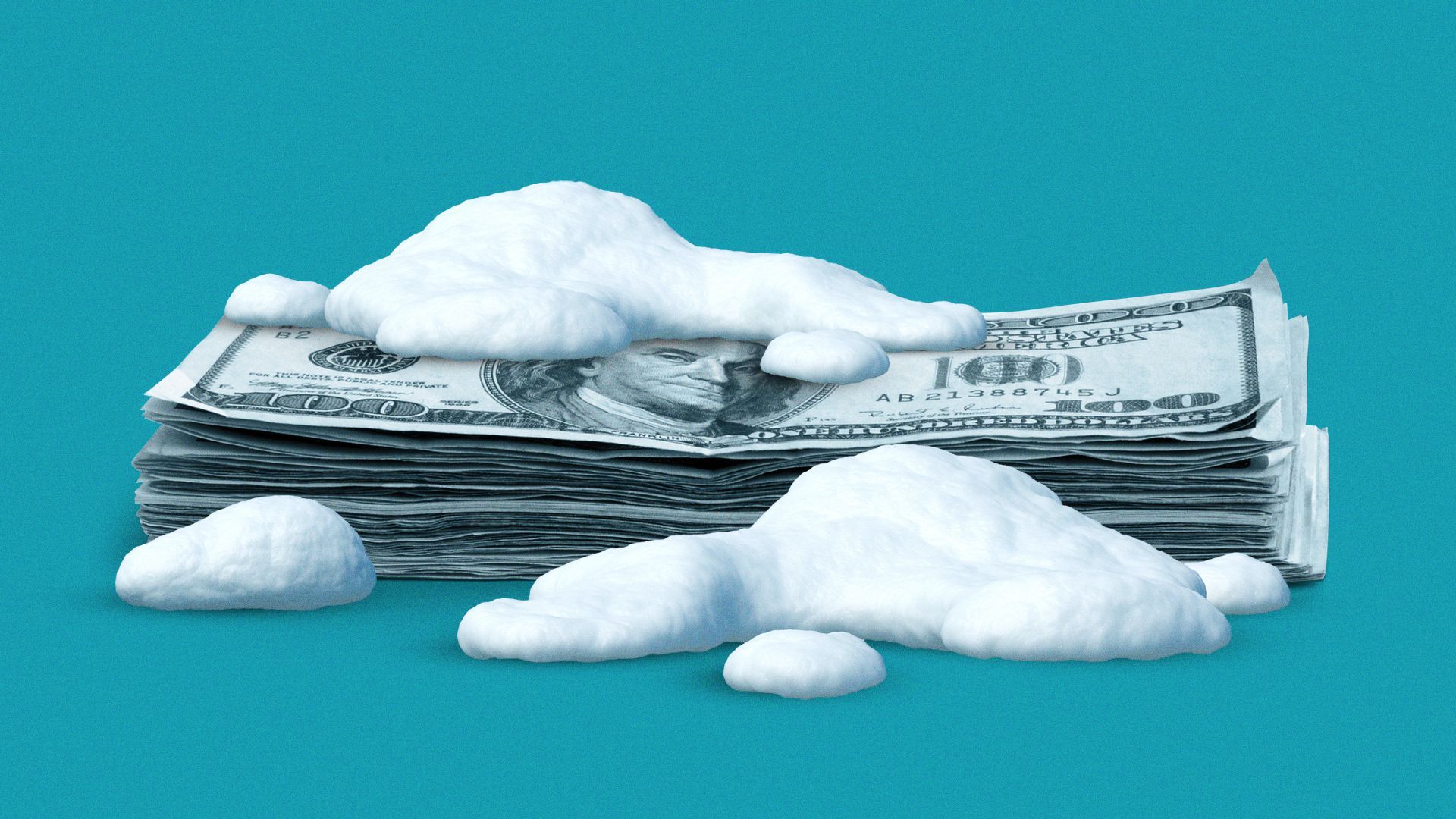
Heating costs are going to rise over the next few months, potentially posing an additional burden this winter for low-income families.
Why it matters:Heating bills for Americans will likely pile up during the cold months amid soaring inflation and rising consumer prices. Low-income families may struggle to pay these higher costs and face hard choices as temperatures drop.
Propeller, a fund that invests in companies tackling climate change via ocean solutions, unveiled its first $100 million venture fund on Thursday.
Why it matters: This is the first major blue economy venture fund, and it could help catalyze other players in the climate tech world to look to the sea for new opportunities.
In late 2017, a handful of U.S. tech companies started giving their employees paid time off to respond to climate disasters. Not long after, the emerging trend fizzled out before it really began.
Why it matters: As Florida recovers from Hurricane Ian, and climate change threatens more rapidly strengthening storms like it, a few grassroots organizations are working to bring back that momentum.
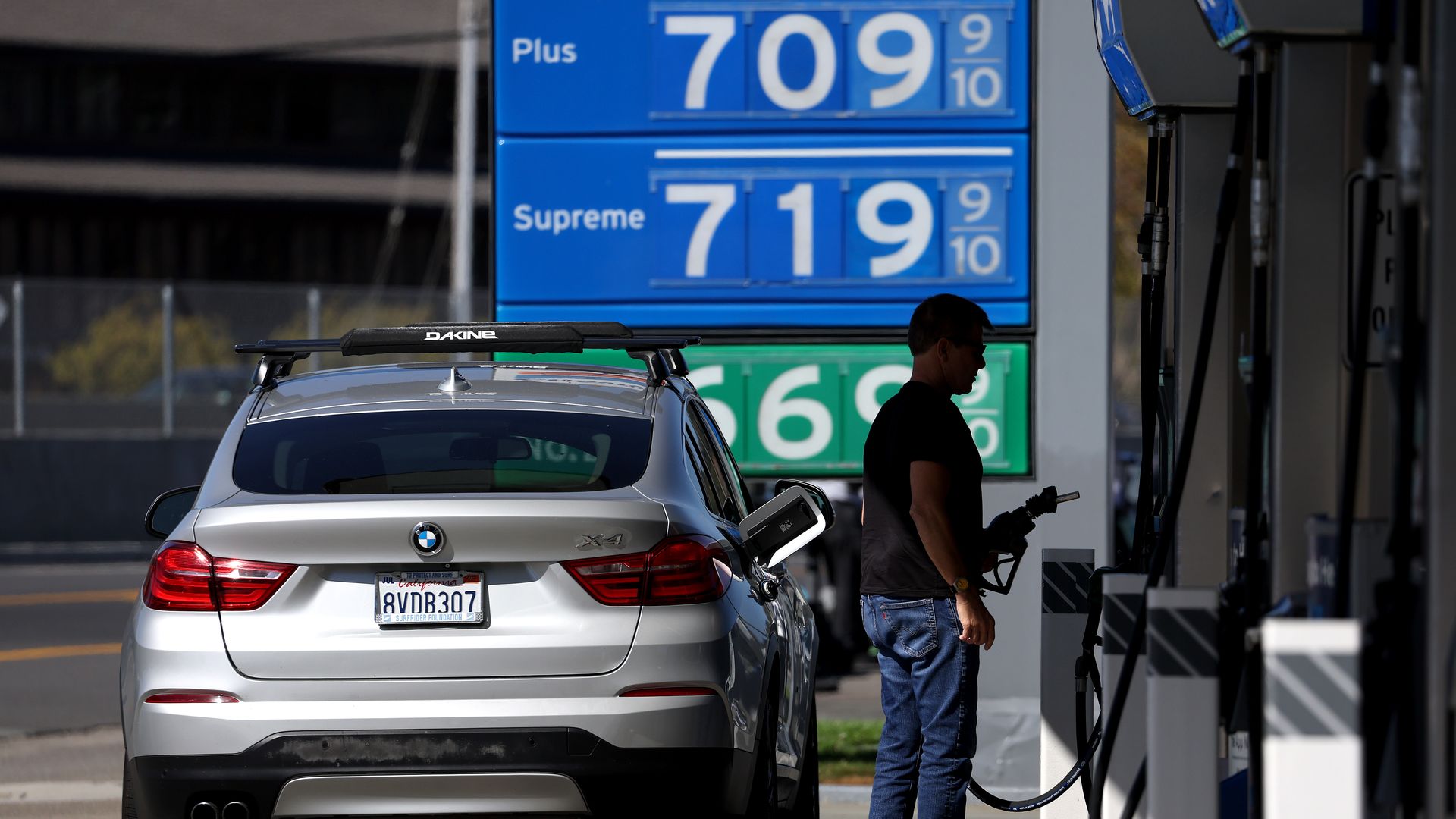
President Biden announced on Wednesday that he is authorizing the release of more oil from the Strategic Petroleum Reserve in December in an effort to bring down gas prices.
Why it matters: The move comes at the close of a campaign season in which high gas prices — while far lower than their June peak — put Dems in political jeopardy.
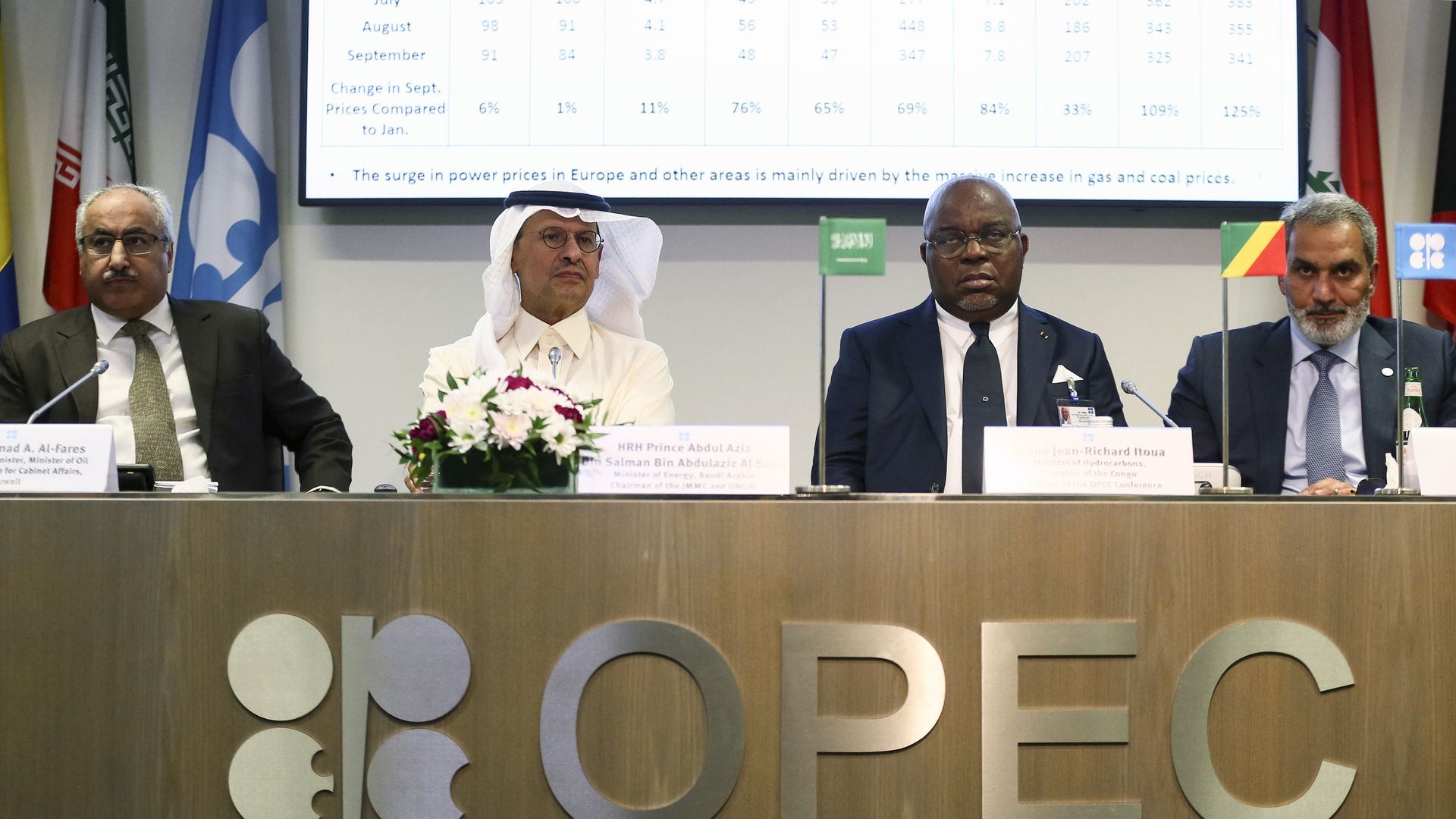
Saudi Arabia privately pressed several Arab countries to issue statements supporting the recent OPEC+ decision to cut oil production, according to a former U.S. official and an Arab official.
Why it matters: The goal of the Saudi push was likely to avoid being isolated by the U.S. and show that the decision, which angered the Biden administration, was a collective decision by all Arab nations in OPEC+.
Oil giant Shell has progressed to the second round of bidding for Danish biogas producer Nature Energy, which is being sold by a private equity consortium for around $2 billion, per Reuters.
Why it matters: Fossil fuel companies plan to buy their way into the energy transition, as renewable natural gas is generally compatible with existing infrastructure.
A new nonprofit called Terraset just launched that will pool donations for purchasing carbon removal services in a push to speed growth of the nascent tech.
How it works: It aims to draw upon "climate-conscious individuals, foundations, family offices, and donor advised funds."
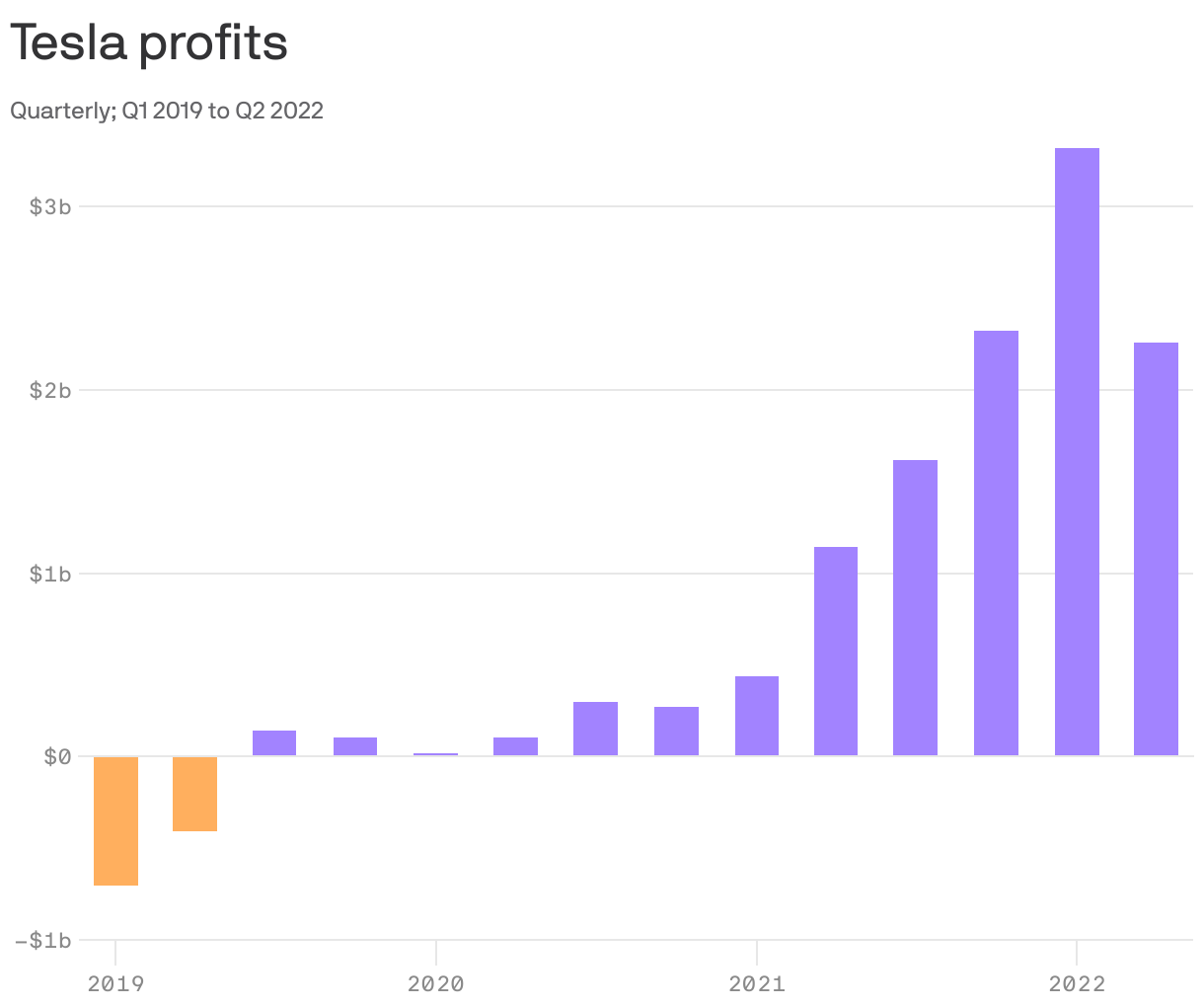
Data: Company earnings reports; Chart: Erin Davis/Axios Visuals
Here are a few things on our radar when Tesla, the world's largest seller of electric cars, reports Q3 earnings Wednesday after markets close and CEO Elon Musk briefs analysts.
The big picture: Tesla's now consistently profitable. But there's tumult surrounding Tesla — including Musk's Twitter purchase drama — and the stock is down 36% over six months.
Why it matters: "CO2 emissions are growing far less quickly this year than some people feared," IEA head Fatih Birol said in a statement. Fossil fuel-related emissions are the vast bulk of the global total.
Newly posted SEC records reveal fresh corporate efforts to shape regulations that will mandate detailed disclosures of greenhouse gas emissions.
Driving the news: They show recent SEC member or staff meetings with BP; banking giants like Goldman Sachs and JPMorgan Chase under the banner of the Financial Services Forum; and Allstate Insurance.
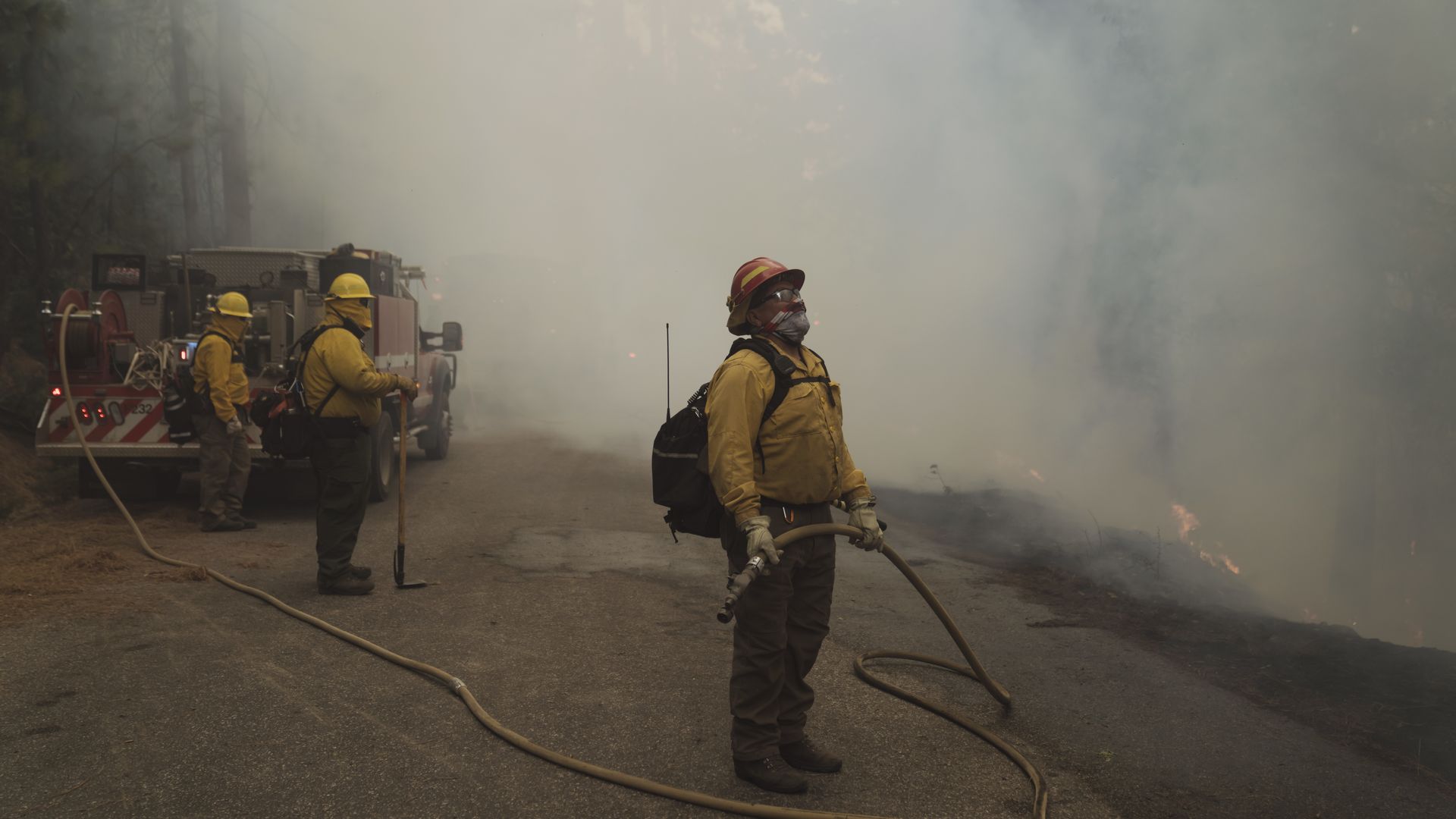
Evacuation orders remained for thousands in southwest Washington state on Tuesday due to a wind-driven wildfire in southwest Washington state that exploded to 2,000 acres over the weekend before diminishing slightly.
The latest: By Tuesday night, the Nakia Creek Fire was burning across nearly 1,800 acres and was 5% contained, according to Inciweb, an interagency website that tracks wildfires. Evacuation zones shrank further as "cooler temperatures and high relative humidity aided firefighters," per Inciweb.














/2022/10/19/1666176732037.gif?w=3840)