Saudi Arabia's energy minister held on Friday a virtual meeting with his Chinese counterpart to discuss cooperation in the global oil market and on nuclear energy, the Saudi state news agency said.
Why it matters: The meeting comes amid a deep crisis between the U.S. and Saudi Arabia over the Saudi-led OPEC+ decision earlier this month to cut oil production by 2 million barrels per day starting in November, despite Biden administration requests not to cut output.
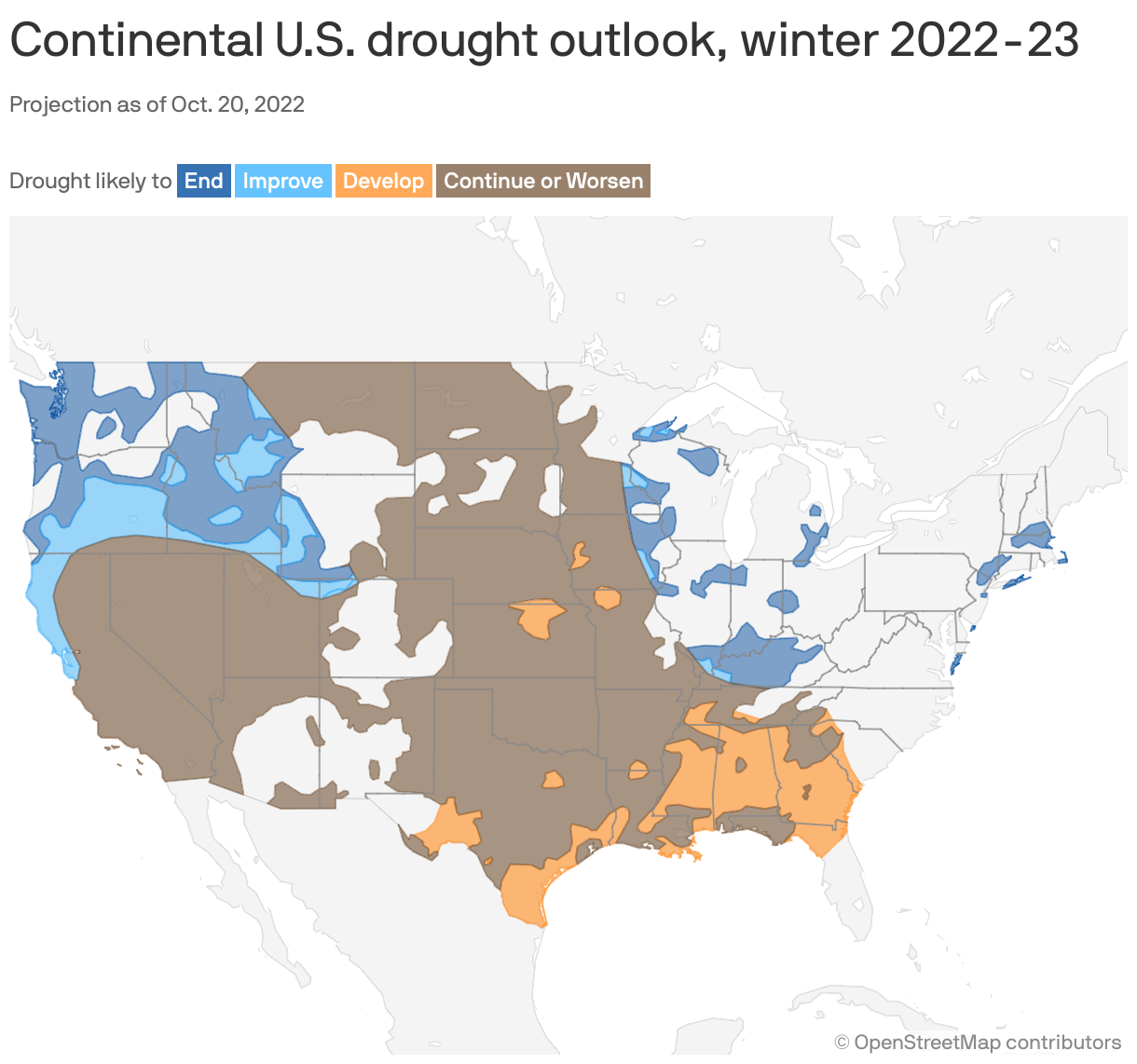
The third straight La Niña winter in the U.S. is likely to cause drought to expand and deepen from California to the Plains, branching out across the Southeast, NOAA said Thursday.
How it works: Currently, water levels along certain stretches of the Mississippi River are so low that centuries-old shipwrecks are being revealed, and modern-day barge traffic is imperiled.
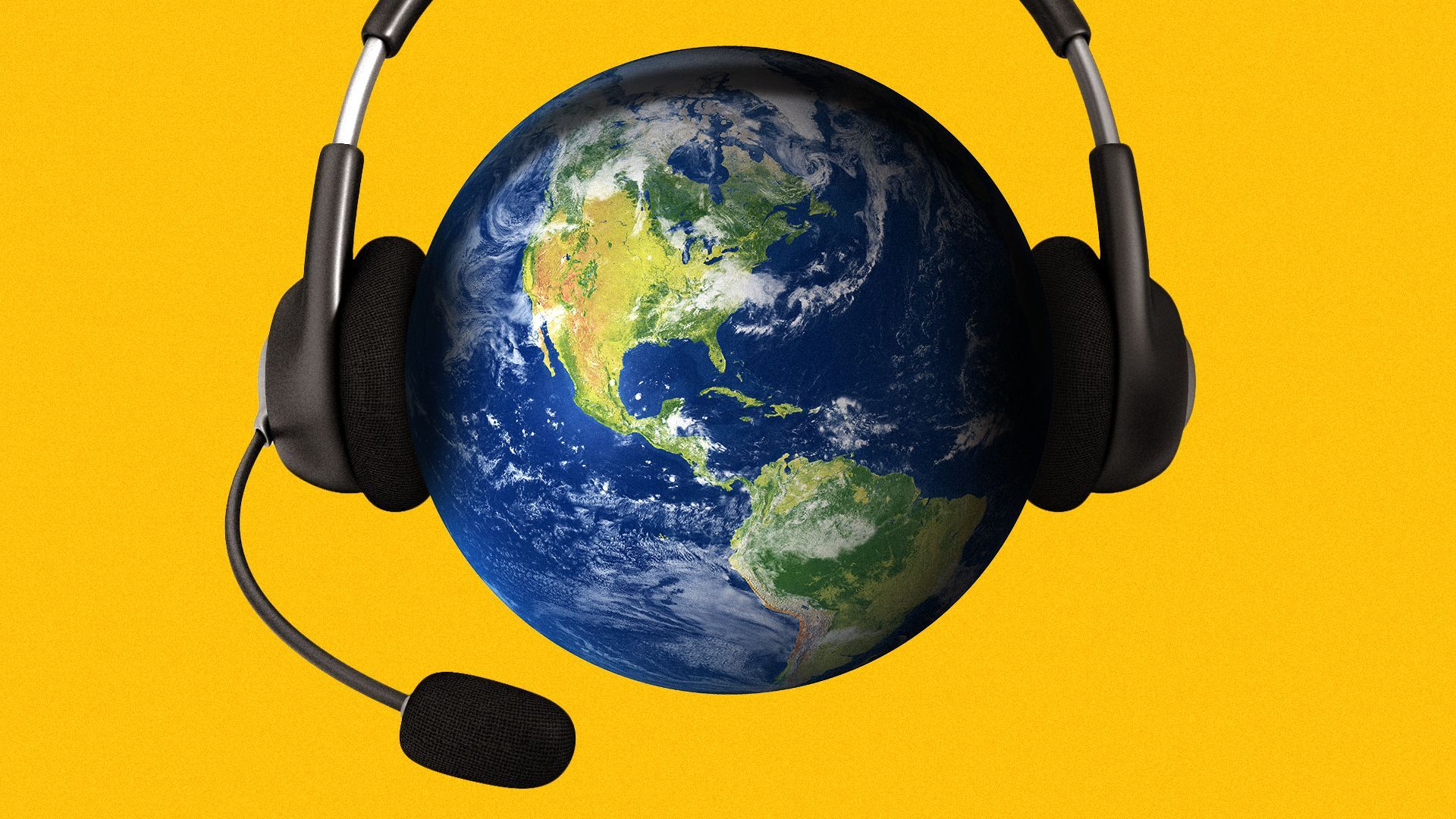
A startup that provides AI-powered translation is working with the National Weather Service to improve language translations of extreme weather alerts across the U.S.
The big picture: Gaps in language access to emergency alerts during extreme weather events have led to missed evacuations, injuries and loss of life for non-English speakers. Machine learning could mitigate that.
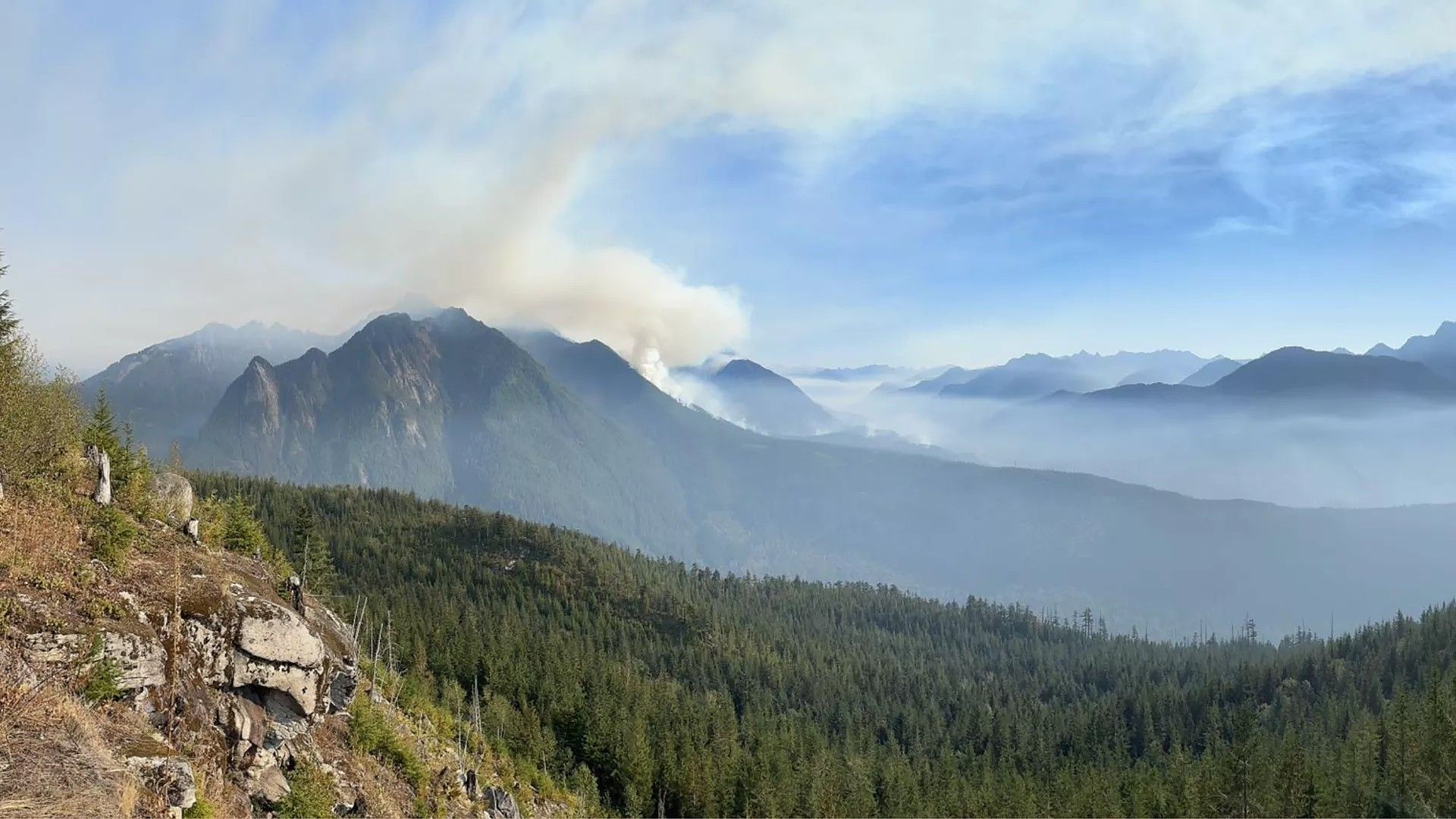
Driving the news: Seattle marked its second consecutive day of having the worst air quality in the world Thursday, according to its air quality index (AQI).
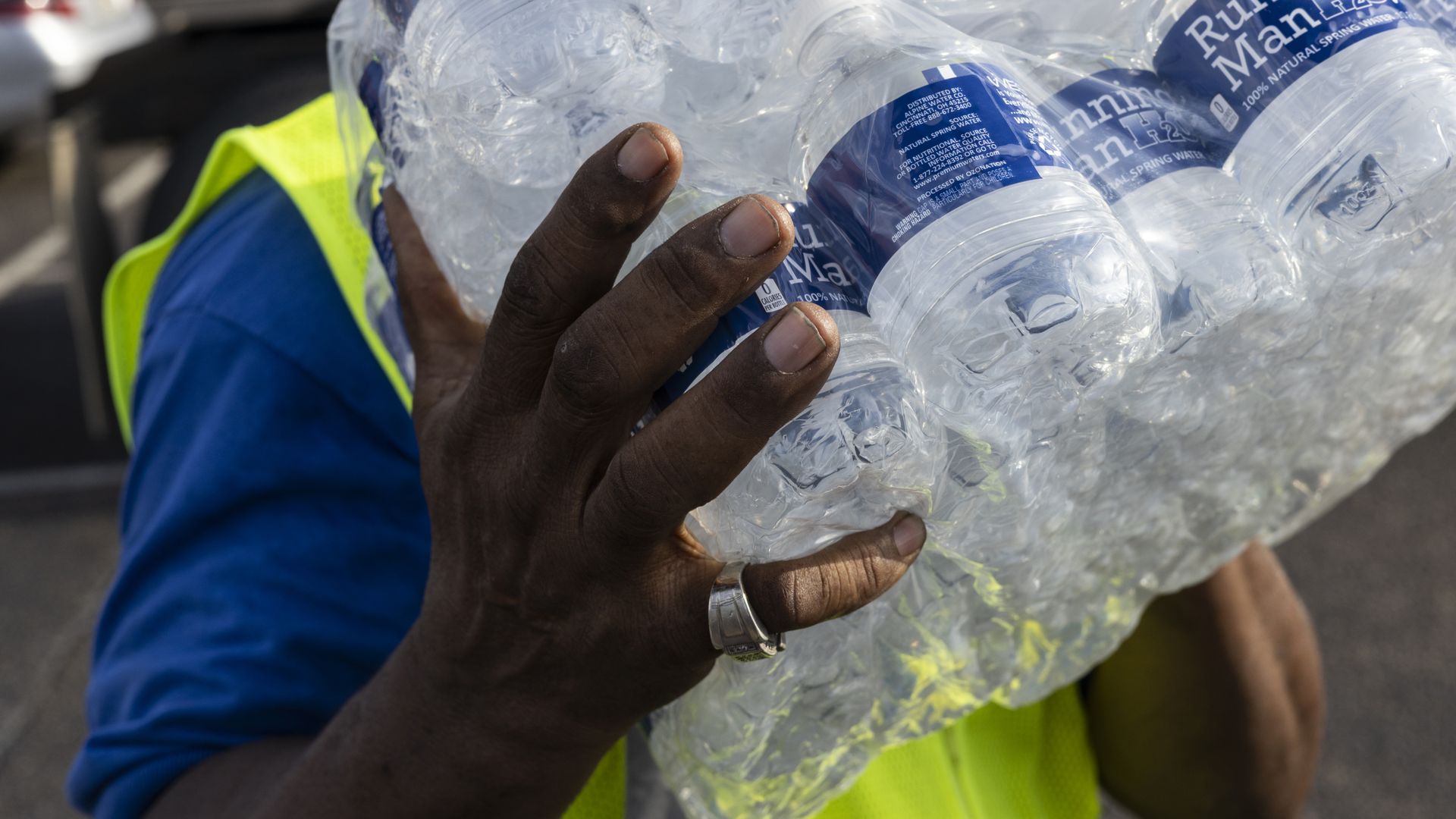
The Environmental Protection Agency (EPA) said Thursday that it has opened an investigation into whether Mississippi state agencies discriminated against the majority-Black population in Jackson in their funding of water infrastructure and treatment programs.
Why it matters: The NAACP filed a discrimination complaint last month on behalf of Jackson residents, including NAACP President and CEO Derrick Johnson, alleging that the state's "decades-long pattern and practice of discriminating against the City of Jackson" threatened their health, safety and livelihoods during the most recent water crisis.
Heating costs are going to rise over the next few months, potentially posing an additional burden this winter for low-income families.
Why it matters:Heating bills for Americans will likely pile up during the cold months amid soaring inflation and rising consumer prices. Low-income families may struggle to pay these higher costs and face hard choices as temperatures drop.
Propeller, a fund that invests in companies tackling climate change via ocean solutions, unveiled its first $100 million venture fund on Thursday.
Why it matters: This is the first major blue economy venture fund, and it could help catalyze other players in the climate tech world to look to the sea for new opportunities.
In late 2017, a handful of U.S. tech companies started giving their employees paid time off to respond to climate disasters. Not long after, the emerging trend fizzled out before it really began.
Why it matters: As Florida recovers from Hurricane Ian, and climate change threatens more rapidly strengthening storms like it, a few grassroots organizations are working to bring back that momentum.