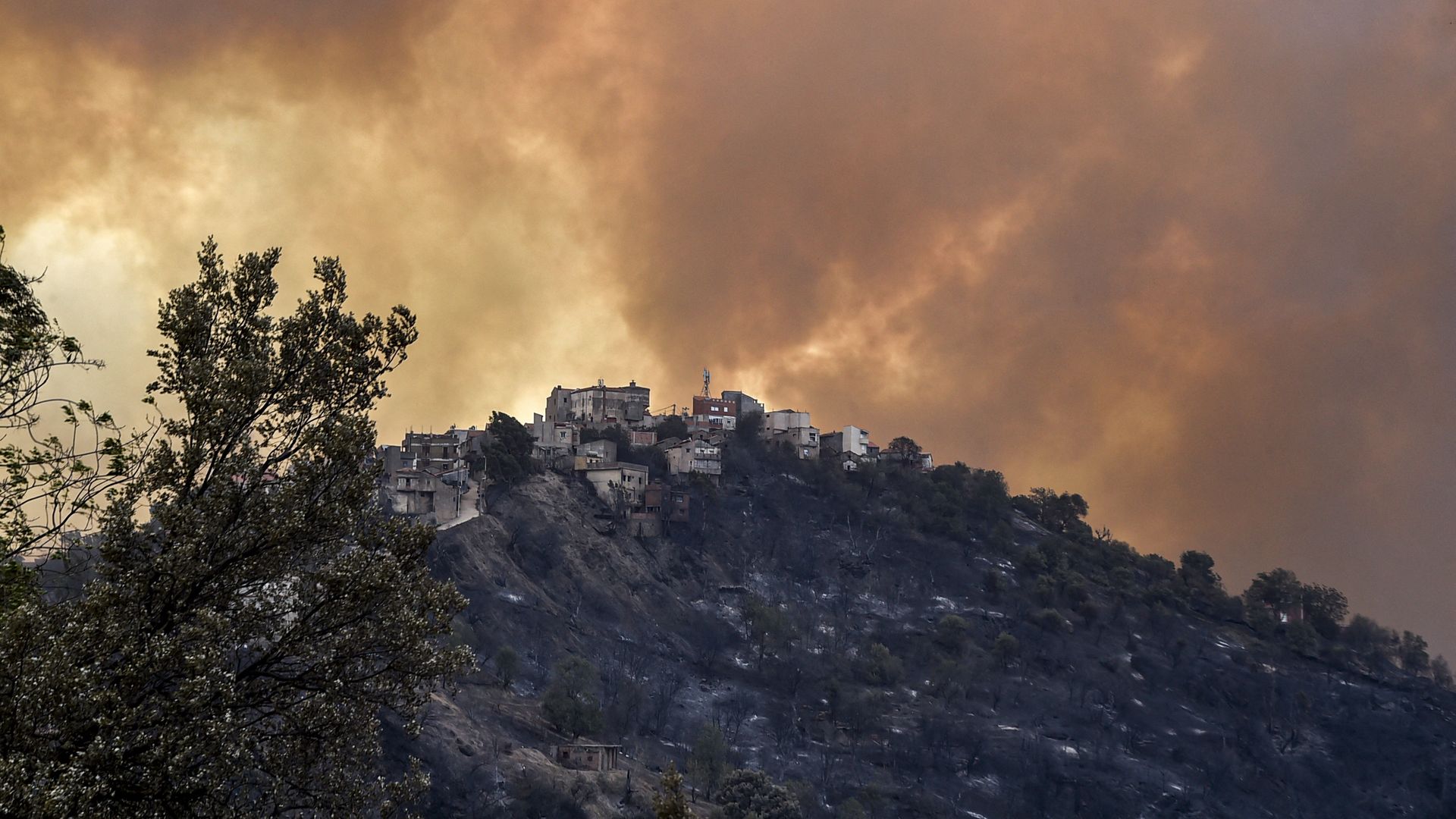
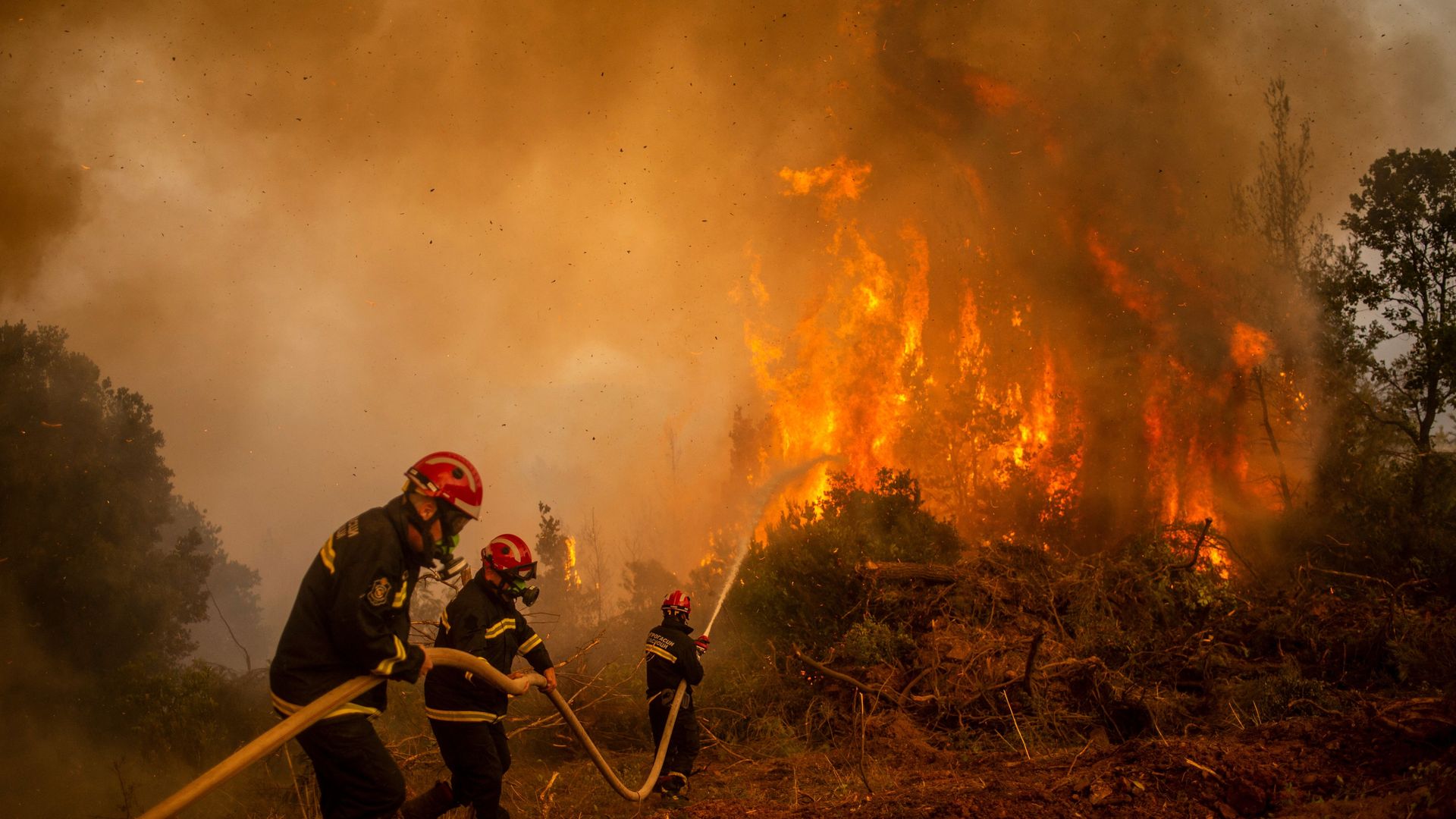
Wildfires in Algeria have killed at least 65 people, including 28 soldiers who died while trying to save residents, Reuters reported Thursday.
Why it matters: The Algerian wildfires are far from an isolated incident. Extreme weather, driven by human-caused climate change, is driving wildfires all over the world, including the U.S., Russia, Canada, Greece, Italy and Turkey.
A coalition to watch at the upcoming Glasgow climate summit is made up of some of the most at-risk countries to climate change that don't traditionally wield much power on the global stage, along with some other nations, like Norway, which have ambitious climate targets.
Why it matters: The power of these countries' moral authority on climate change — their very existence is threatened by sea level rise — helped them play a vital role in securing the Paris Agreement in 2015.
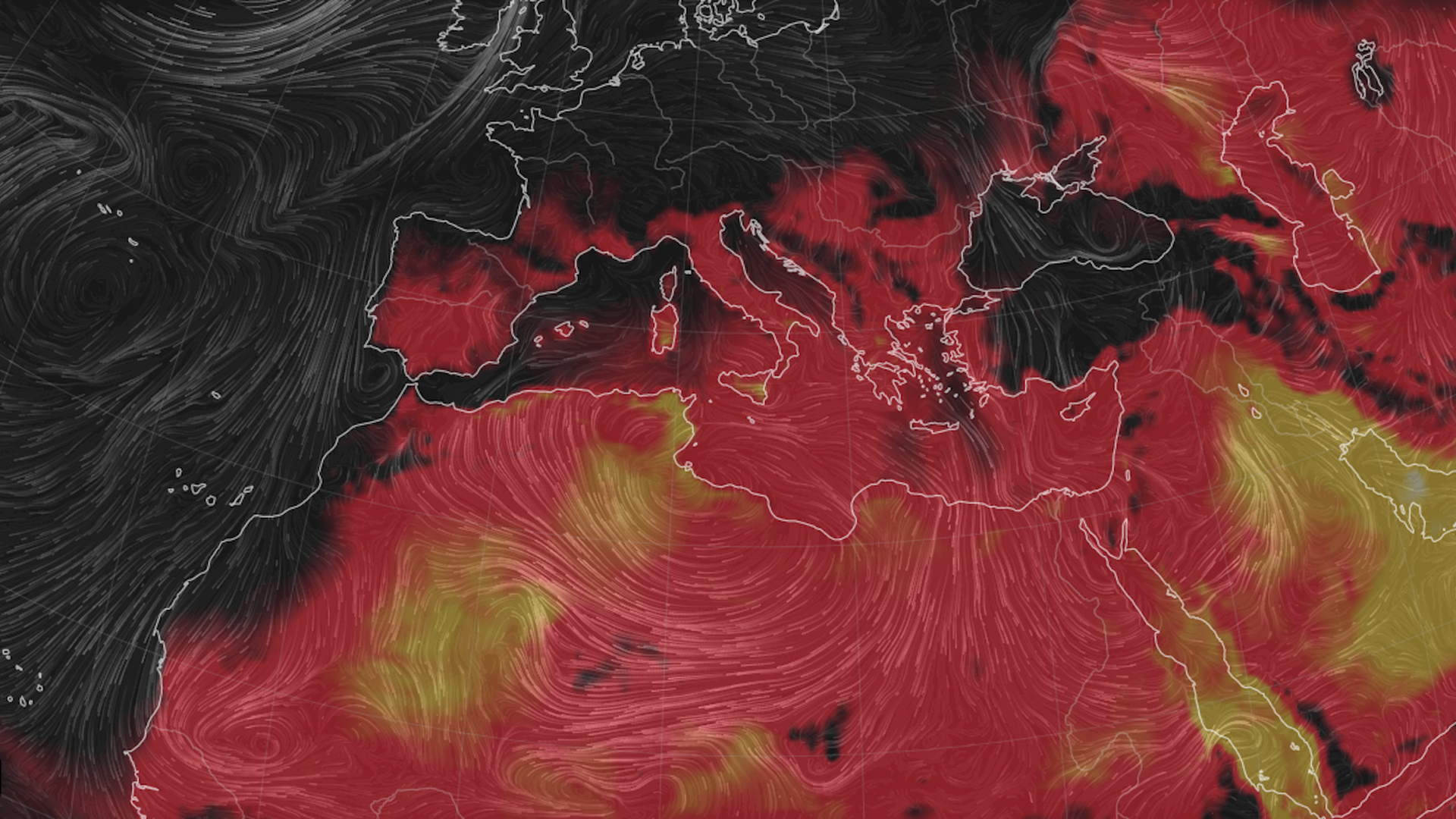
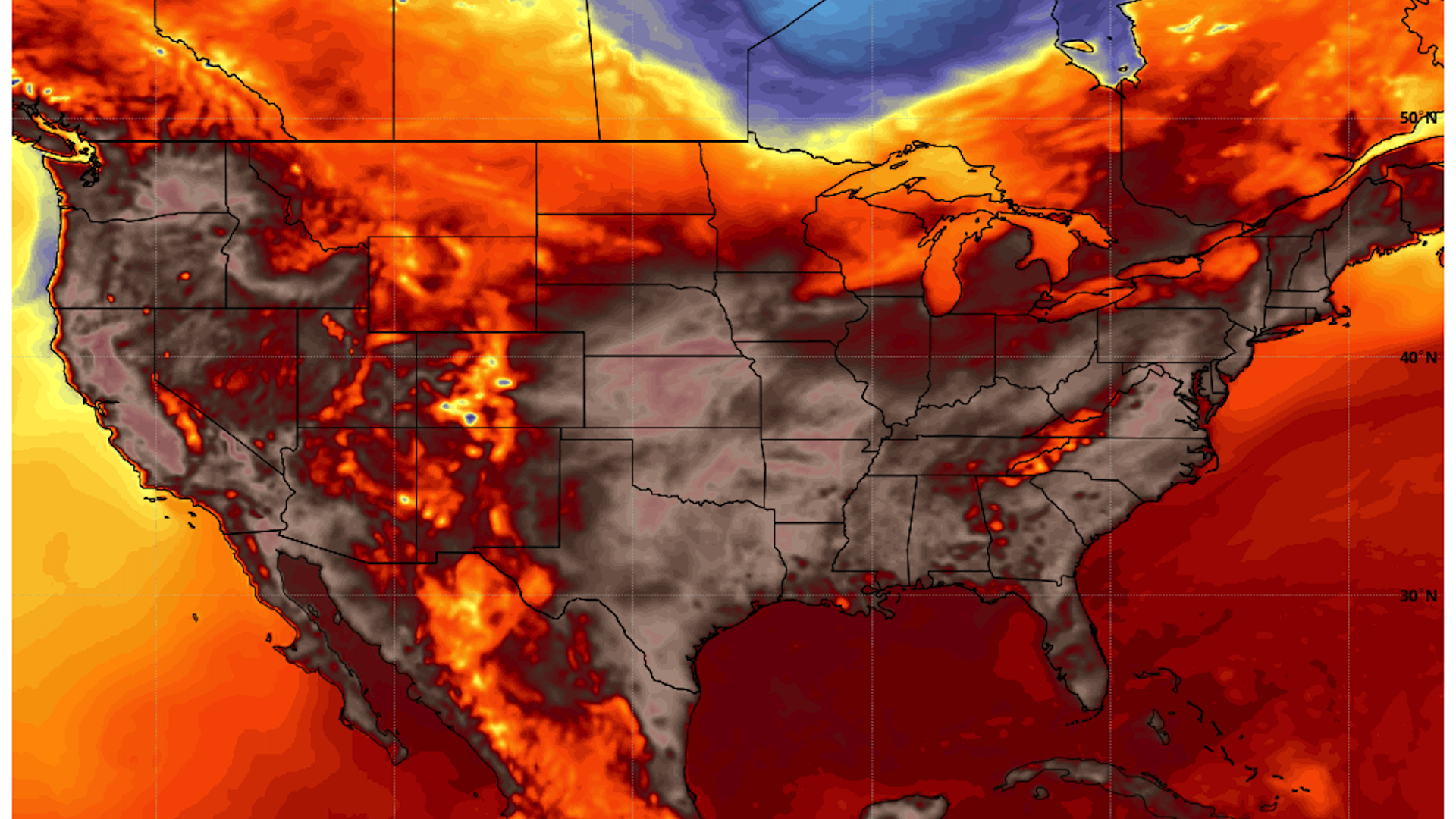
Extreme heat and wildfires are plaguing the U.S. and Europe, along with northern Africa. Thursday marks the peak of the latest heat wave in the Mid-Atlantic states, with Washington, D.C. likely to reach or eclipse 100°F Thursday, with a heat index closer to 105 or 110°F.
Why it matters: Heat waves and wildfires are two clear manifestations of the growing risks and impacts of global warming, a conclusion reinforced by the authoritative U.N. IPCC's report published Monday.
The White House’s call for OPEC to pump more oil in an effort to contain gasoline prices has experts puzzled.
Why it matters: While consumers would always love to see lower prices at the pump, they aren’t exactly sounding alarms as confidence remains high and spending has surged above pre-pandemic levels.
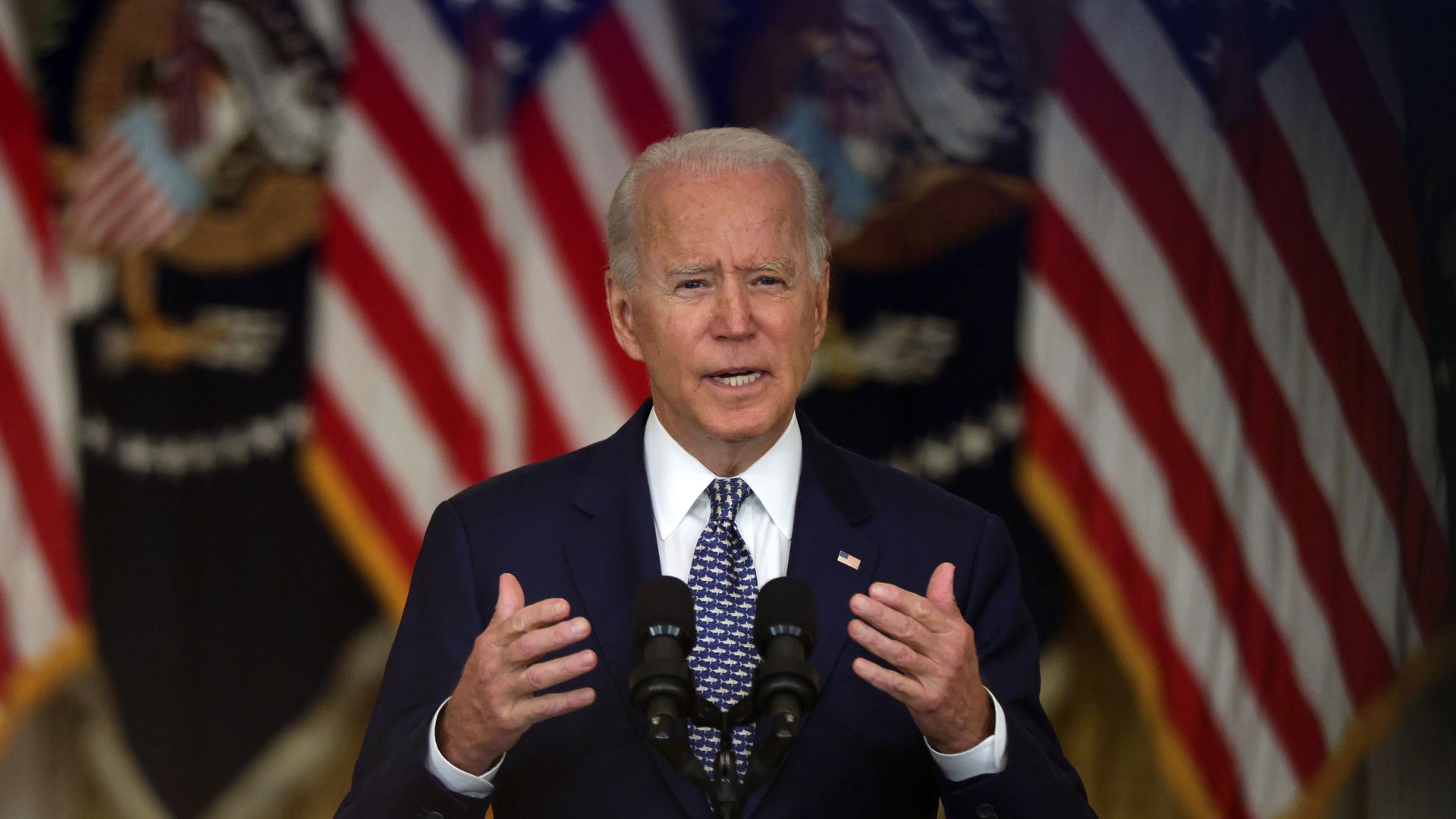
The Biden White House increasingly views rising gasoline prices as a source of potential political peril — and is now asking some of the world's biggest oil producers to pump more oil.
Why it matters: This trend, combined with a fragile economic recovery threatened by the Delta variant of the coronavirus, and inflation beginning to bite consumers, could threaten the administration's ambitious congressional agenda for late summer and early fall.
Fresh evacuation orders were issued in California and Montana on Wednesday, as firefighters in U.S. Western states battled 105 large fires — and authorities warned more wildfires could ignite as a dangerous heat wave looms.
Driving the news: The National Interagency Fire Center said Wednesday fire managers could see an "[i]nitial attack and large fire activity could increase in the Northern California, Northwest, portions of the Great Basin and Northern Rockies areas due to hot, dry and windy conditions and the potential for lightning."
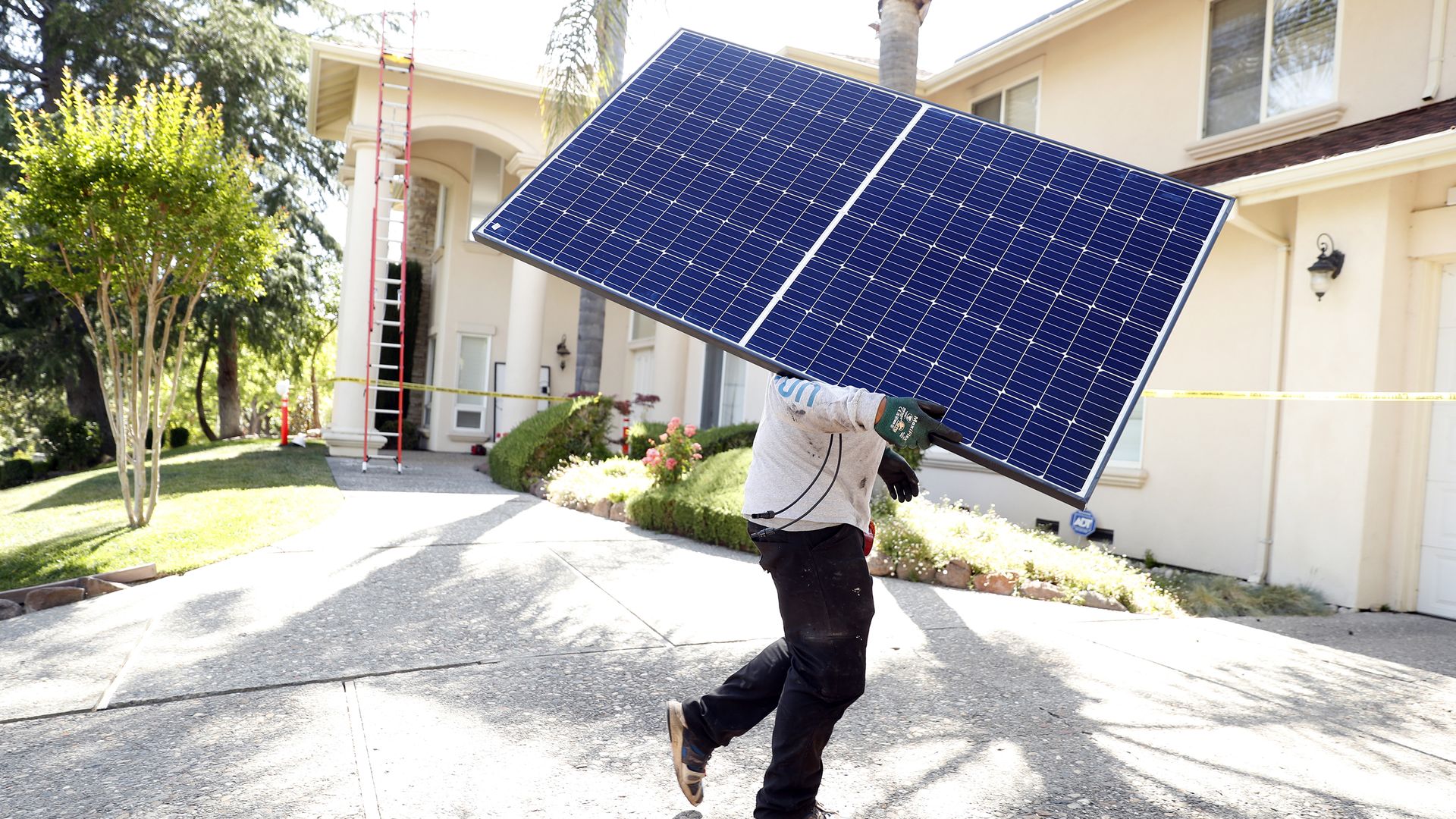
The California Energy Commission voted Wednesday to require solar panels and battery energy storage systems in new commercial buildings and certain multifamily residences beginning in 2023, according to the New York Times.
Why it matters: It's an aggressive step in California's transition away from fossil fuels and broader drive to cut carbon emissions, although the provision must first be approved by the state's Building Standards Commission.
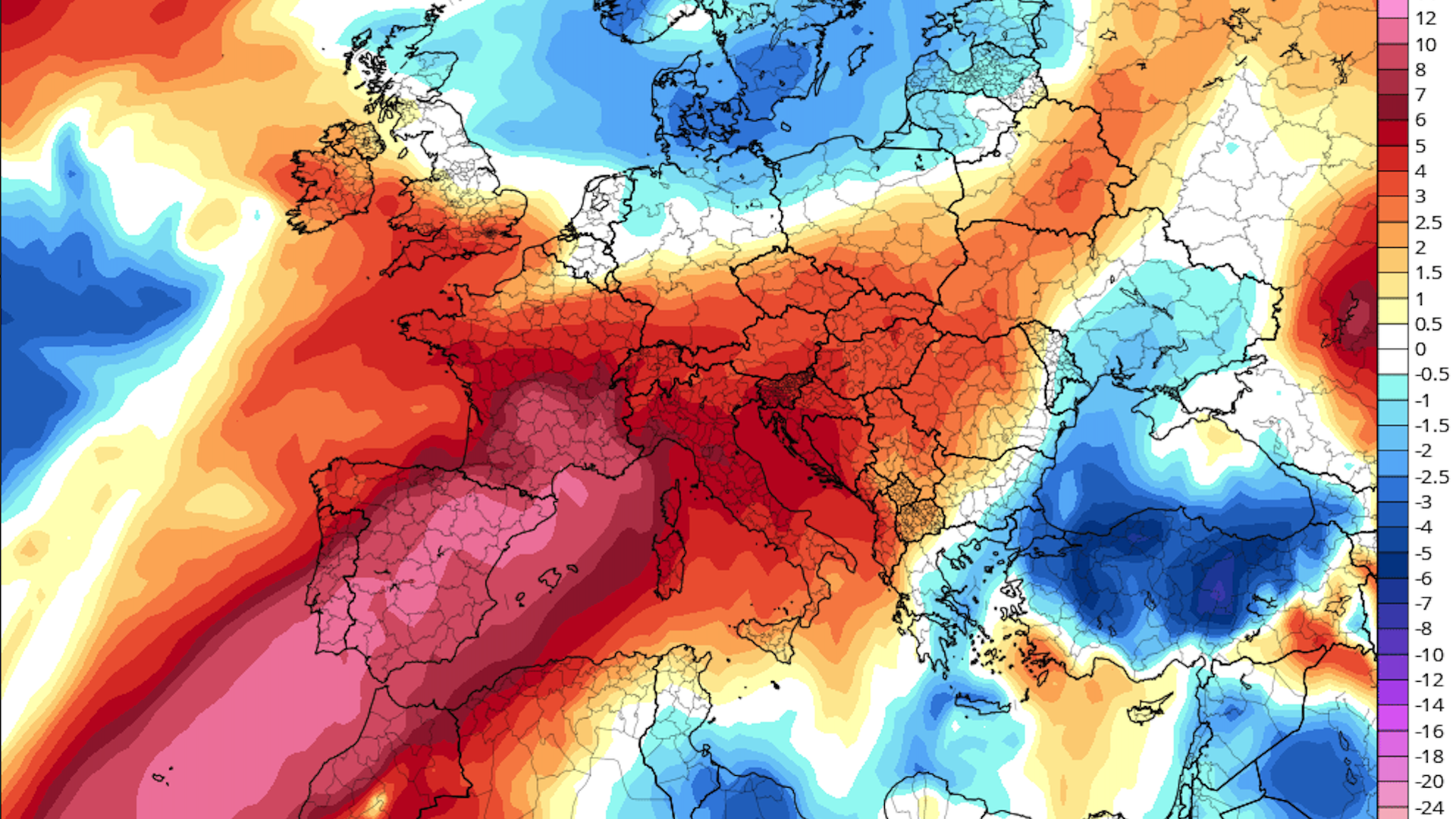
A weather station in Sicily may have set an all-time high temperature record for all of Europe on Wednesday, when the temperature climbed to a scorching 48.8°C (119.8°F) amid a regional heat wave that has shown few signs of relenting.
The big picture: The intense heat wave continues to roast the Mediterranean and northern Africa. The hot and dry weather has played a large role in creating the conditions conducive for explosive and devastating wildfires in Turkey and Greece.
Nearly 200 million Americans are under heat advisories or excessive heat warnings as dual "heat domes" affect the Pacific Northwest, Central states and East Coast.
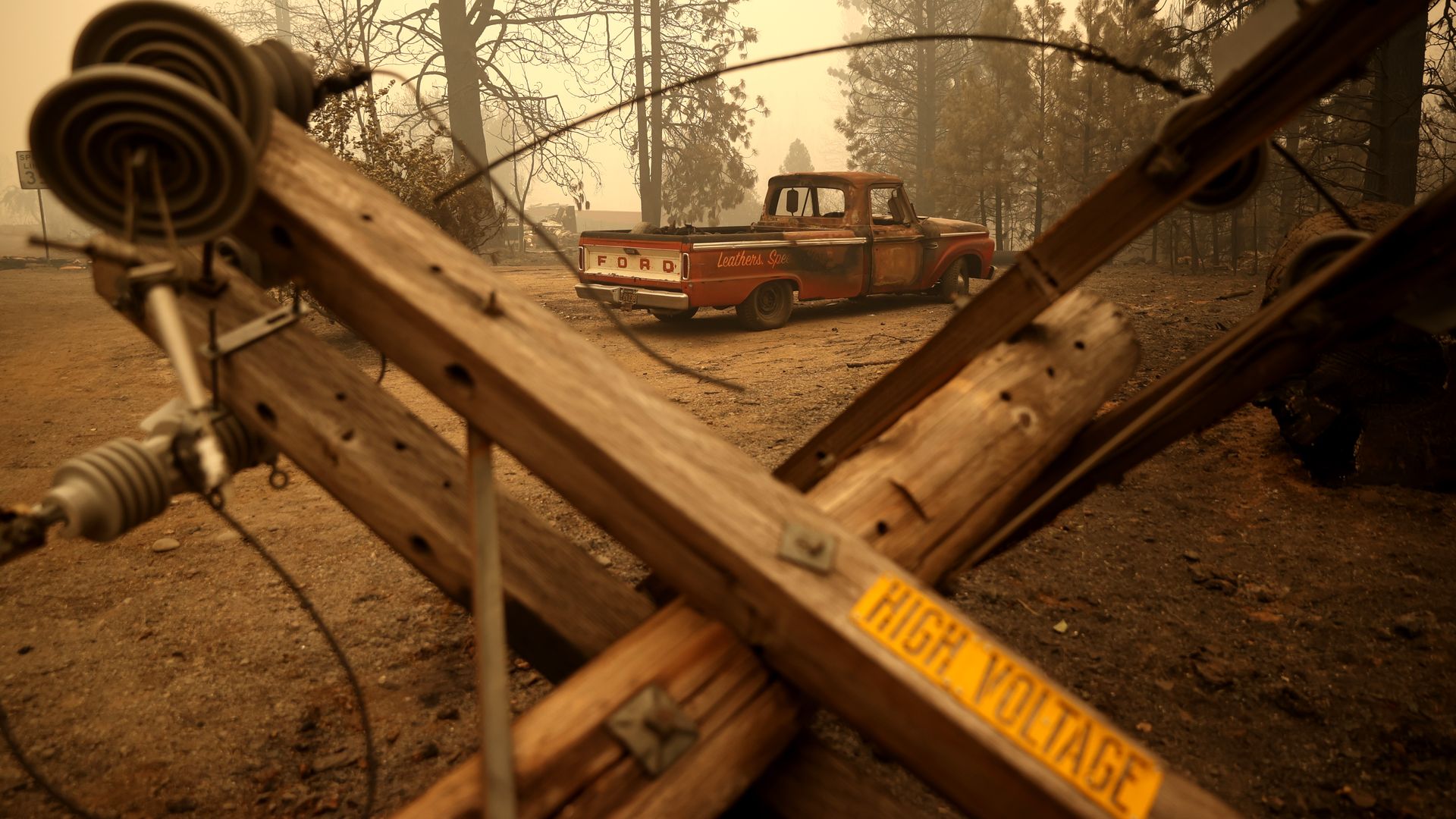
Why it matters: Extreme heat can kill, and it can also greatly aggravate wildfire conditions, making it even harder for thousands of firefighters to contain California's Dixie Fire, the state's second-largest on record.
White House climate adviser Gina McCarthy was on the road Tuesday in Illinois to tout the administration's progress on climate action and learn more about cutting-edge energy research at two national laboratories.
Driving the news: In an interview with Axios, she addressed a Reuters report that the White House is working with the airline industry on a plan to cut that sector's greenhouse gas emissions by 50% by 2050, through the use of sustainable aviation fuels, among other steps.
Coal consumption for electricity generation is expected to increase by 17% this year due to higher natural gas prices that are temporarily making coal more cost-competitive, according to the latest Short Term Energy Outlook released by the Energy Information Administration Tuesday.
Why it matters: Coal is the most carbon-intensive fuel, so any uptick in its use, even temporarily, can have a significant influence on carbon emissions.
The White House on Wednesday morning moved to address higher gas prices by directing the Federal Trade Commission to investigate any "illegal conduct" and "anti-competitive practices" involving gasoline prices, and leaning on OPEC+ members to boost production.
Flashback: In July, OPEC+ agreed to boost production by 400,000 barrels per day on a monthly basis starting this month and lasting into 2022.
A new initiative from a diverse array of groups from the Natural Resources Defense Council (NRDC) to the Edison Electric Institute and major automaker trade organizations is launching Wednesday.
What to watch: Its goal is to mobilize private capital and forge public-private partnerships to rapidly accelerate the deployment of electric vehicle charging stations and related infrastructure nationwide.
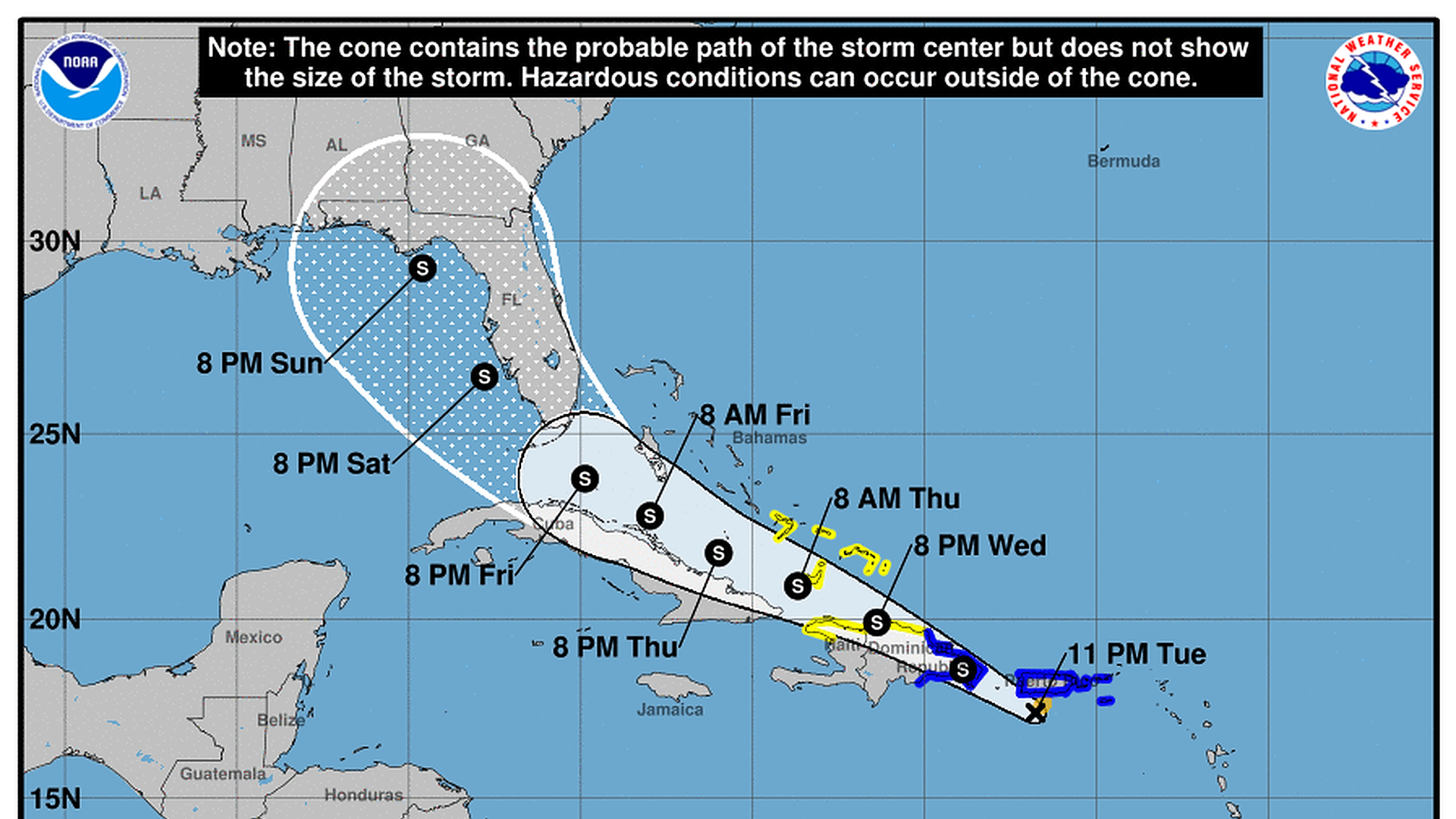
Tropical Storm Fred formed south of Puerto Rico late Tuesday — and Florida is in its path, according to the five-day forecast.
State of play: Fred is the sixth named storm of this Atlantic hurricane season. The storm system could intensify over the eastern Gulf this weekend, possibly to a hurricane, though the National Hurricane Center said it's too early to tell for sure.
The "most important" step Americans should take to prepare for peak hurricane season is to get vaccinated against COVID-19 in case they have to evacuate, the White House said Tuesday.
Why it matters: The statement followed President Biden's meeting on hurricane preparedness with senior FEMA officials and others, who advised him of the measure — hours before Tropical Storm Fred formed near Puerto Rico. Florida is in the path of the storm, which could possibly intensify into a hurricane.
Wildfires raging around the world this week have forced thousands of people to evacuate as flames raze homes and burn across hundreds of thousands of acres of land.
Why it matters: Record heat waves propelled by human-caused climate change have triggered many of the fires burning across the U.S. West, Canada, Russia, Greece, Turkey, Algeria and Italy. A new climate report from the UN's IPCC concludes that human influence on the climate system "is now an established fact."