The National Oceanic and Atmospheric Administration (NOAA) said Friday that July was the world's hottest month ever recorded, calling it an "unenviable distinction."
What they're saying: "In this case, first place is the worst place to be," NOAA administrator Rick Spinrad said in a statement. "This new record adds to the disturbing and disruptive path that climate change has set for the globe."
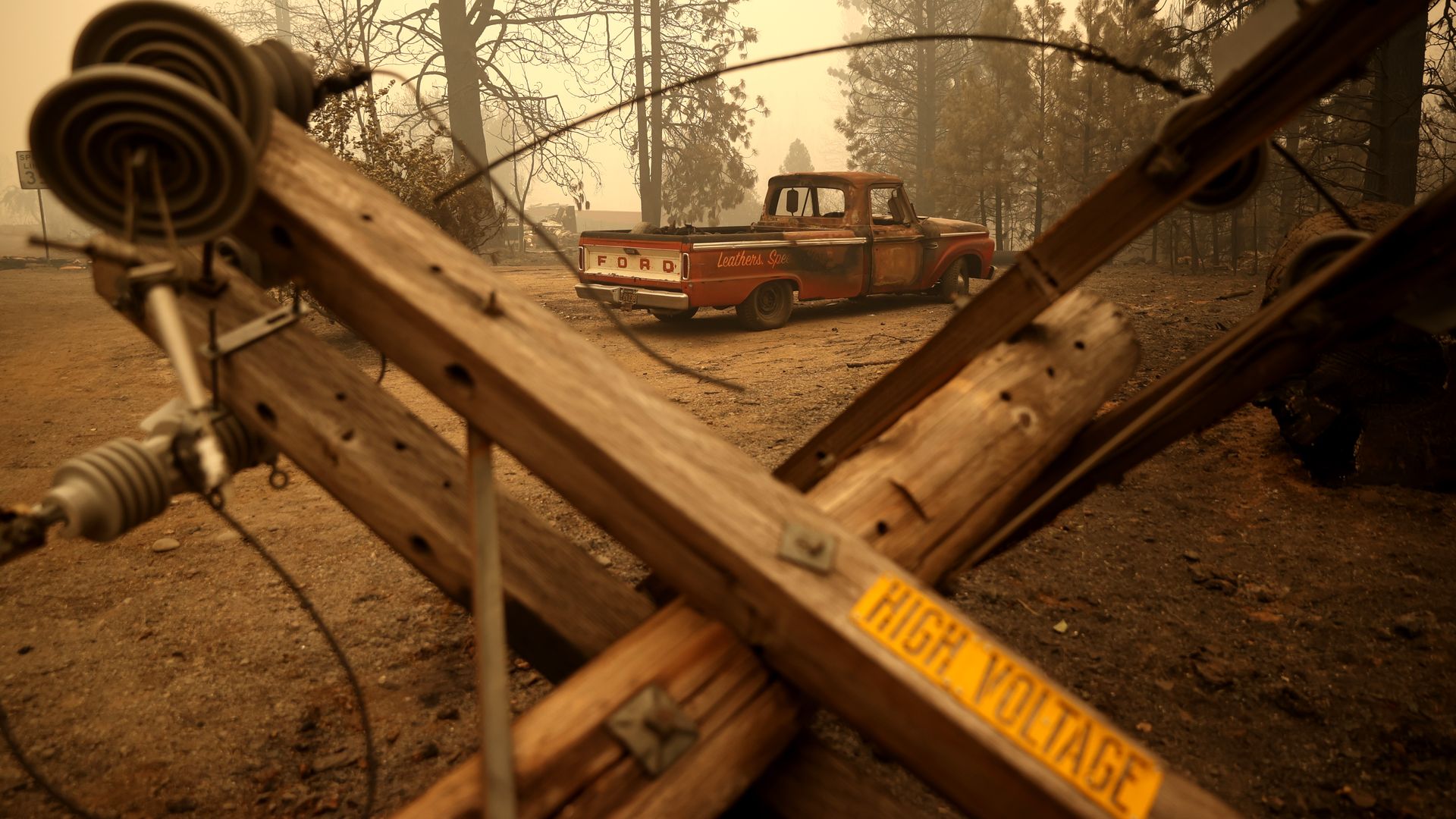
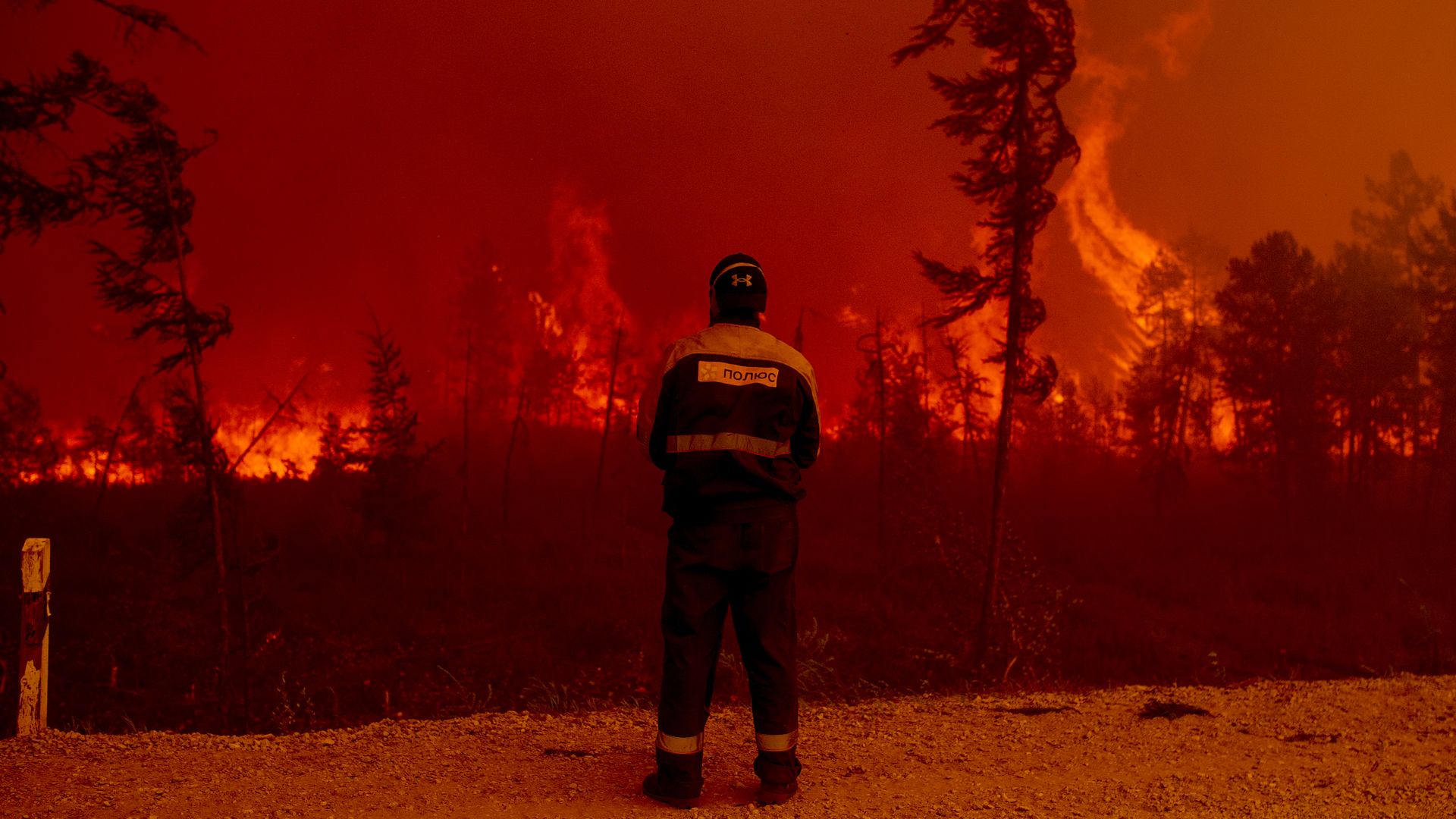
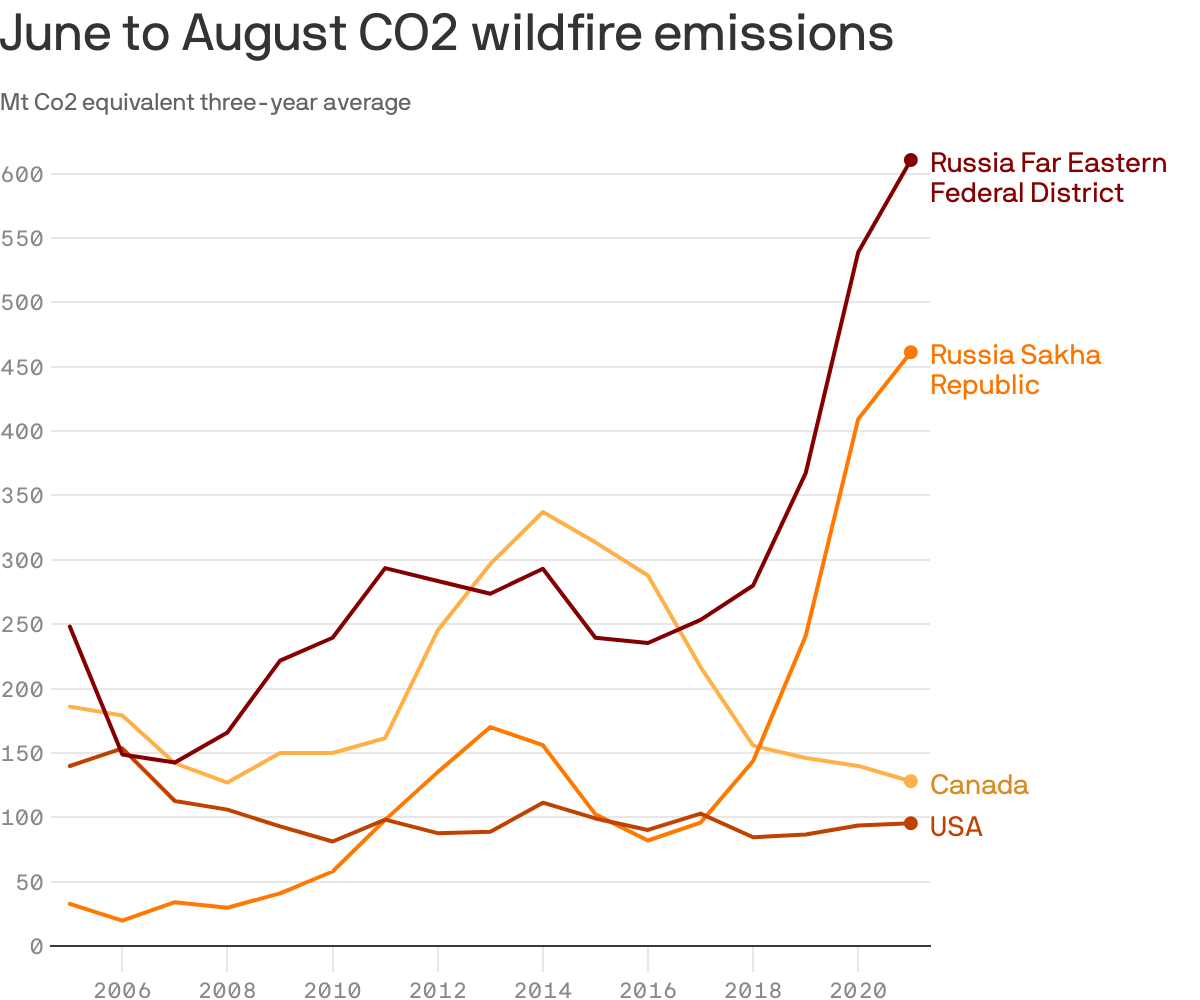
Wildfires are raging in Canada, the U.S. and Siberia, emitting carbon dioxide, soot, and other planet-warming pollutants, while also destroying homes and fouling air quality. Now new data shows just how large the fires' carbon footprint may be.
Private equity is pouring billions into renewable energy assets — it’s what LPs want, it’s what society demands and it’s what the world needs. But the classic private equity dilemma has surfaced: too much money chasing too few deals.
Why it matters: With heated competition for deals, prices for prime wind and solar power assets are getting bid up — and return expectations, in many cases, are coming down.
Hydrogen is increasingly being viewed as a potential energy storage solution for difficult-to-decarbonize sectors of the economy, including heavy-duty transportation and industrial uses.
Driving the news: A new analysis by the ICF Climate Center, shared exclusively with Axios, shows that the cost of zero-carbon, green hydrogen could reach parity with more greenhouse-gas intensive ways of making the gas in as little as the next decade.
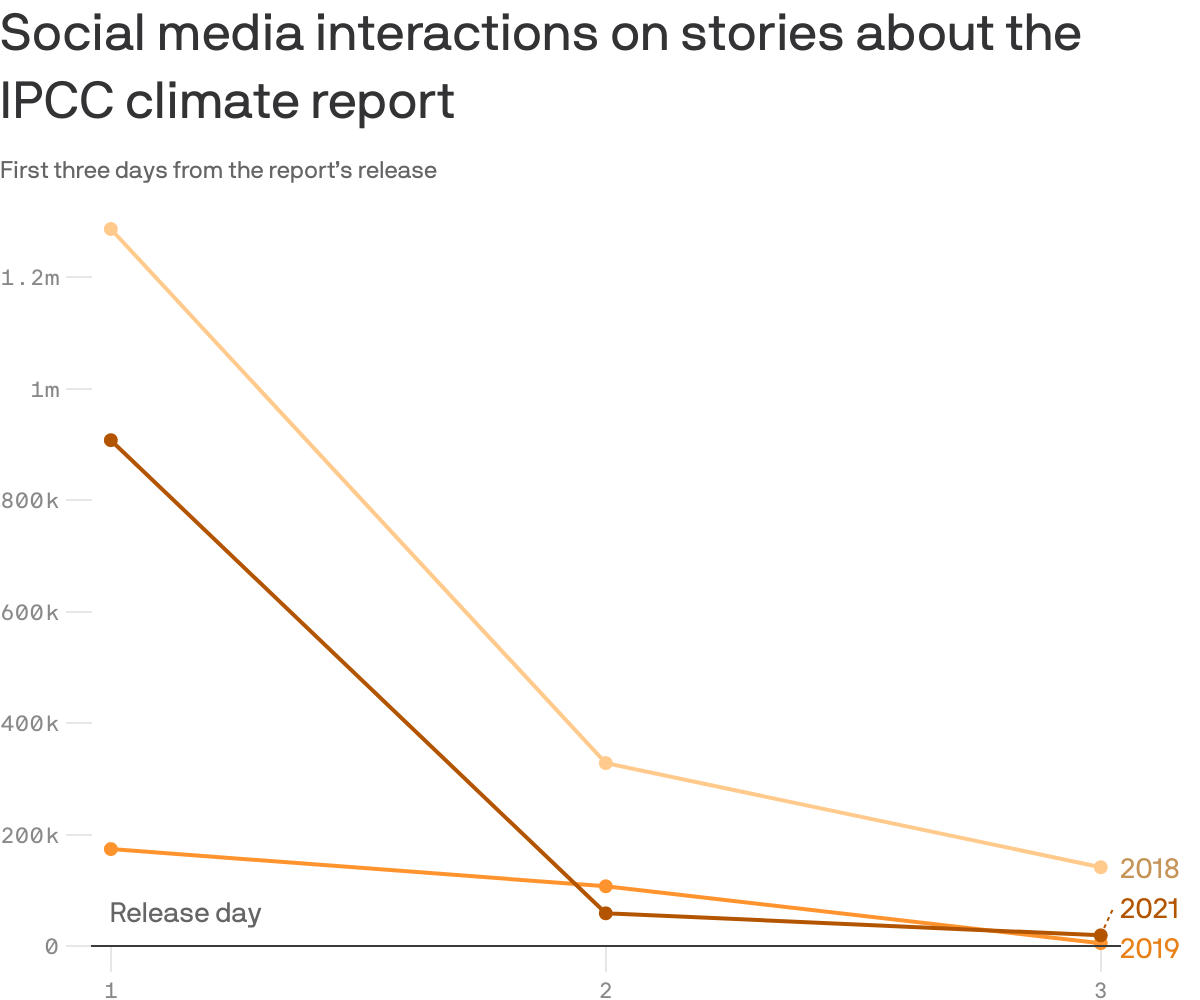
This week's UN IPCC report made a bigger splash online than a special report the panel issued in 2019, but one that was well below 2018's examination of the feasibility of holding global warming to 1.5°C (2.7°F), according to exclusive data provided by NewsWhip.
Why it matters: The data shows that the shock factor needed to jolt the public into demanding — and taking — action to curb the effects of climate change may be wearing off. It may also show that the report, or the media coverage of the findings, was too alarming and turned people off from engaging with it, given the headlines it generated.
Yes, but: The report — the panel's most comprehensive look at how humans are altering the planet's climate in sweeping ways — failed to register, let alone resonate, with swing voters, according to an unscientific sampling from two Engagious/Schlesinger focus groups conducted Tuesday evening.
Bill Gates has pledged $1.5 billion to climate collaborations with the Department of Energy (DOE) through his climate investment fund Breakthrough Energy Catalyst, the Wall Street Journal reports.
The backdrop: Global warming is happening so fast that scientists now say we'll cross a crucial temperature threshold as early as 2030, up to a decade sooner than previously thought. The projects would depend on passage of President Biden's $1.2 trillion bipartisan infrastructure bill, which currently awaits a House vote.
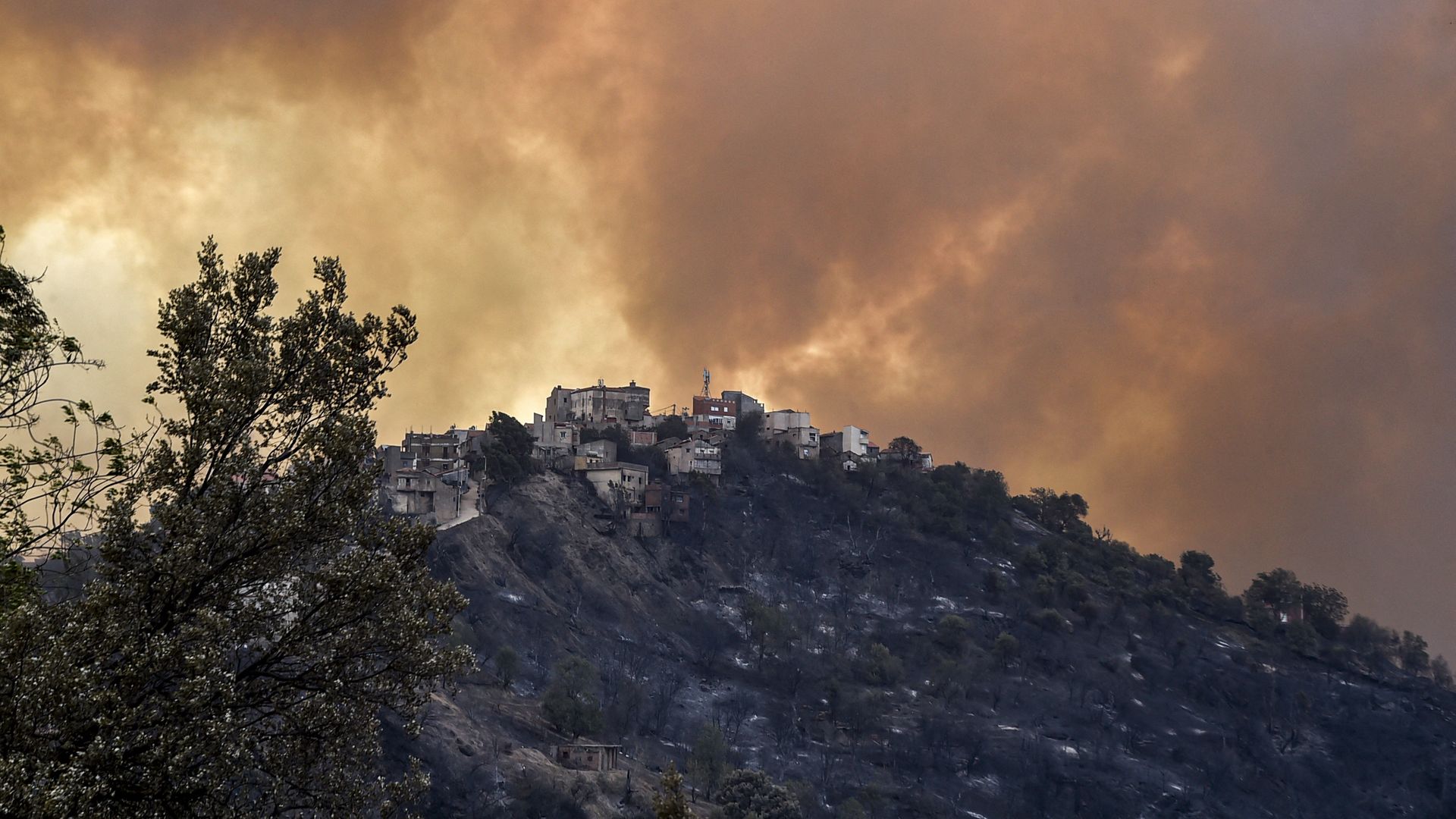
Wildfires in Algeria have killed at least 65 people, including 28 soldiers who died while trying to save residents, Reuters reported Thursday.
Why it matters: The Algerian wildfires are far from an isolated incident. Extreme weather, driven by human-caused climate change, is driving wildfires all over the world, including the U.S., Russia, Canada, Greece, Italy and Turkey.
A coalition to watch at the upcoming Glasgow climate summit is made up of some of the most at-risk countries to climate change that don't traditionally wield much power on the global stage, along with some other nations, like Norway, which have ambitious climate targets.
Why it matters: The power of these countries' moral authority on climate change — their very existence is threatened by sea level rise — helped them play a vital role in securing the Paris Agreement in 2015.
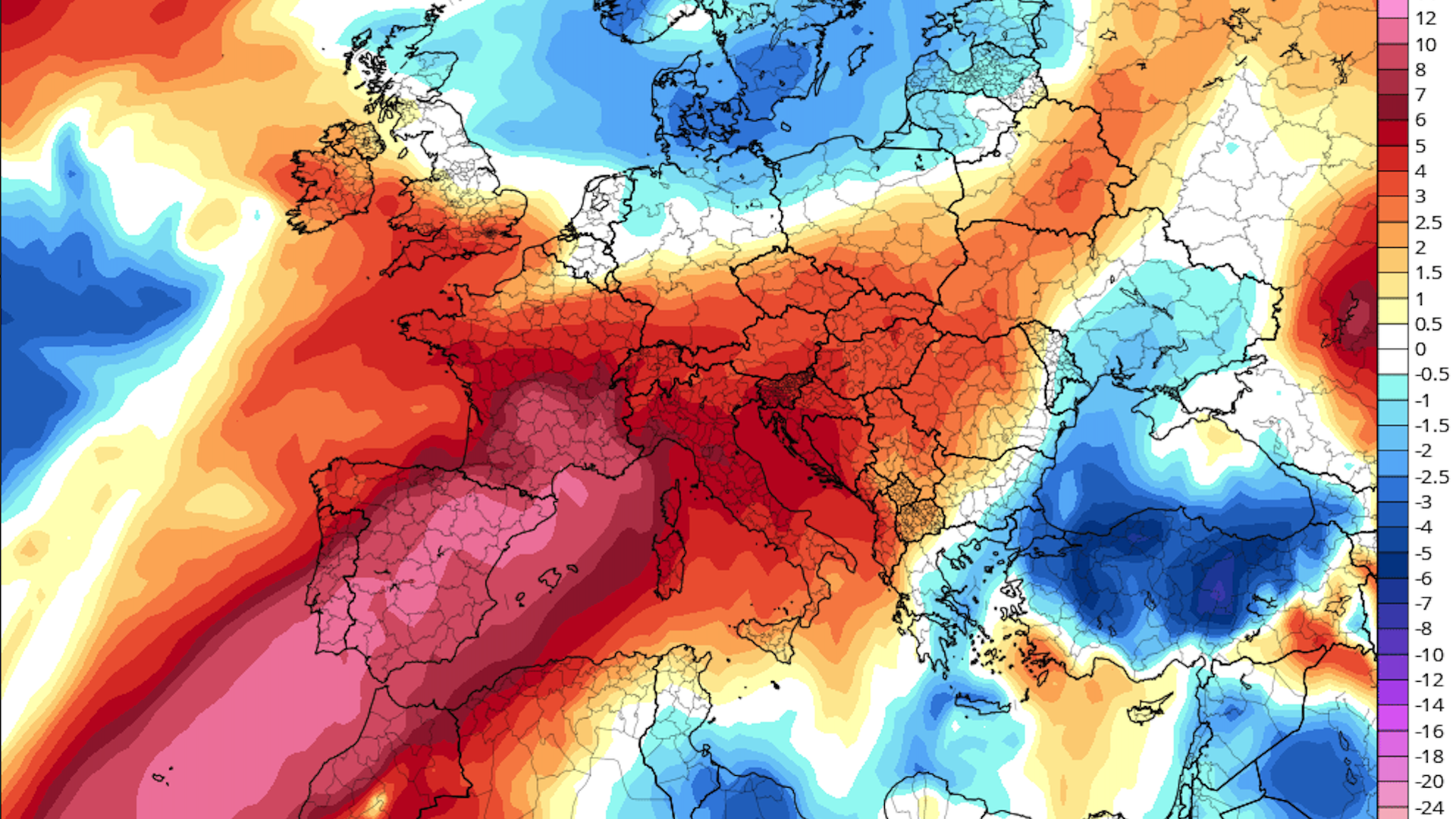
Extreme heat and wildfires are plaguing the U.S. and Europe, along with northern Africa. Thursday marks the peak of the latest heat wave in the Mid-Atlantic states, with Washington, D.C. likely to reach or eclipse 100°F Thursday, with a heat index closer to 105 or 110°F.
Why it matters: Heat waves and wildfires are two clear manifestations of the growing risks and impacts of global warming, a conclusion reinforced by the authoritative U.N. IPCC's report published Monday.
The White House’s call for OPEC to pump more oil in an effort to contain gasoline prices has experts puzzled.
Why it matters: While consumers would always love to see lower prices at the pump, they aren’t exactly sounding alarms as confidence remains high and spending has surged above pre-pandemic levels.
The Biden White House increasingly views rising gasoline prices as a source of potential political peril — and is now asking some of the world's biggest oil producers to pump more oil.
Why it matters: This trend, combined with a fragile economic recovery threatened by the Delta variant of the coronavirus, and inflation beginning to bite consumers, could threaten the administration's ambitious congressional agenda for late summer and early fall.
Fresh evacuation orders were issued in California and Montana on Wednesday, as firefighters in U.S. Western states battled 105 large fires — and authorities warned more wildfires could ignite as a dangerous heat wave looms.
Driving the news: The National Interagency Fire Center said Wednesday fire managers could see an "[i]nitial attack and large fire activity could increase in the Northern California, Northwest, portions of the Great Basin and Northern Rockies areas due to hot, dry and windy conditions and the potential for lightning."





/2021/08/13/1628846240281.gif?w=3840)