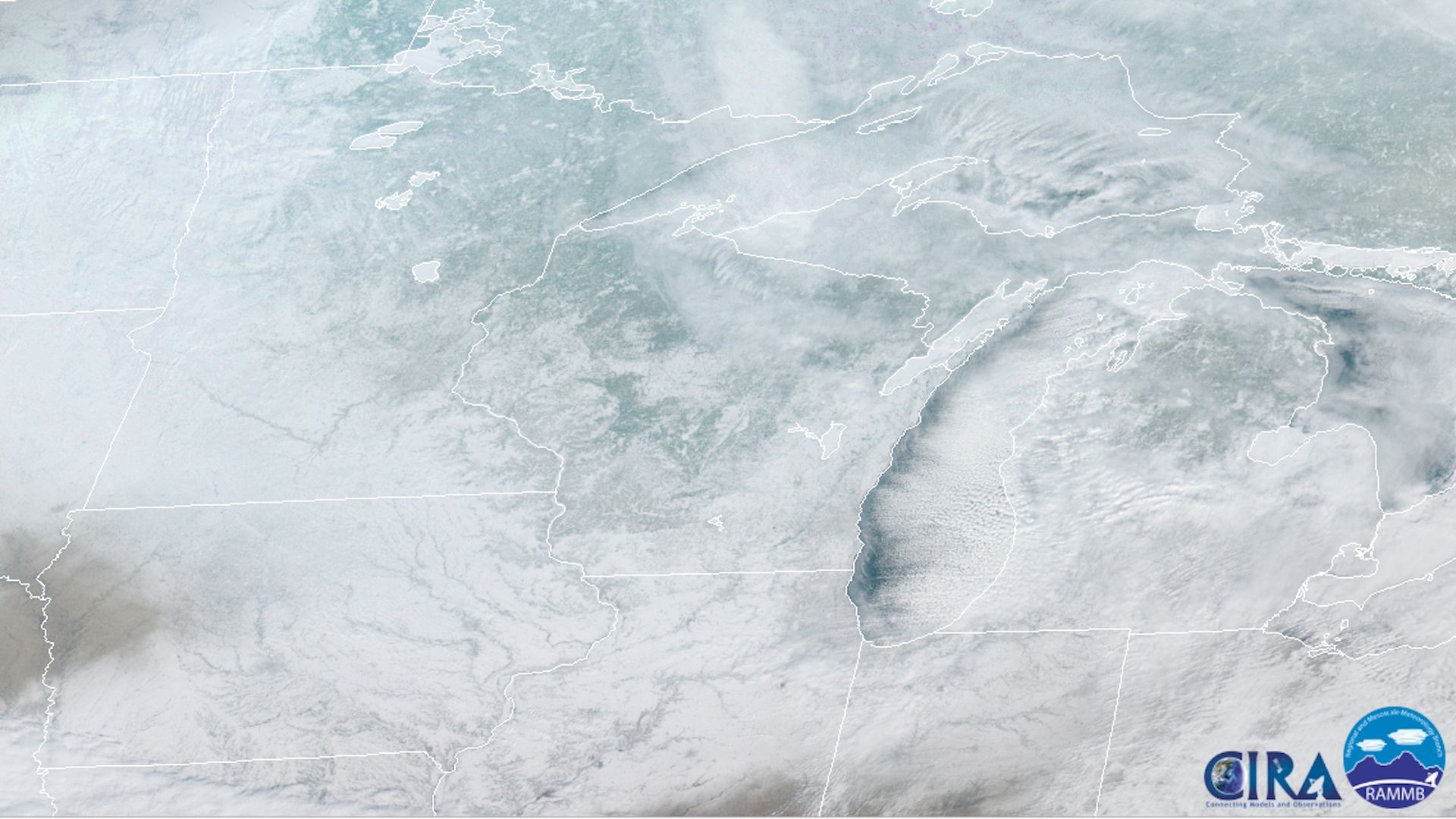
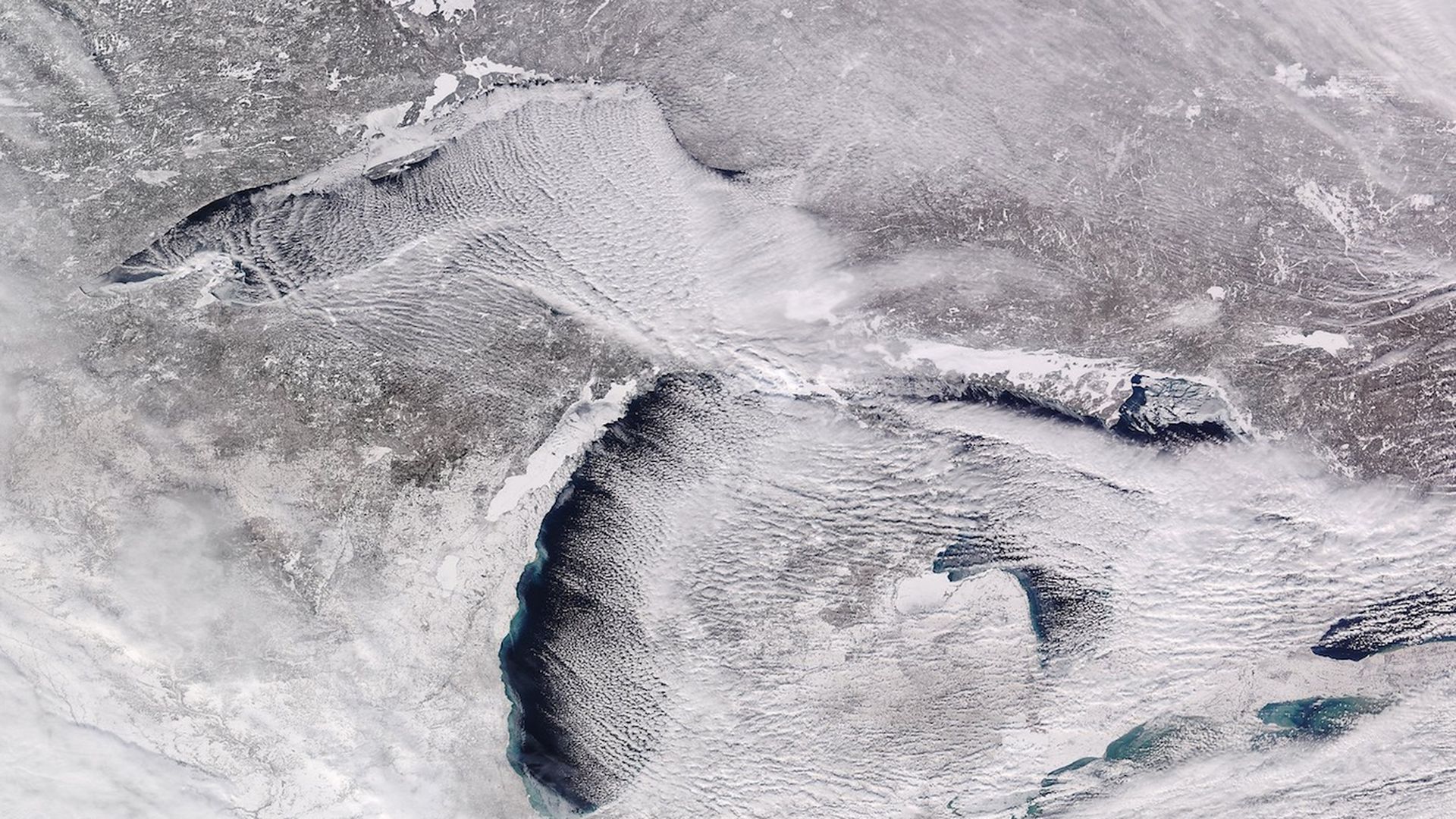
The polar vortex is making a painful visit to the Midwest beginning Tuesday. All-time cold temperature records will be set and wind chills will plummet to dangerous levels, with more than 83 million people expected to see temperatures drop below 0°F by week's end.
The big picture: A piece of the polar vortex has spun south, out of its typical home in the Arctic, for a life-threatening sojourn in the U.S. This is bringing ultra-cold weather to at least 15 states, where wind chill warnings and advisories have been issued as of Tuesday morning. Chicago could set a record for its coldest daily high temperature on record, with the high on Wednesday unlikely to edge past minus 15°F, beating the old record of minus 11°F set on Jan. 18, 1994.
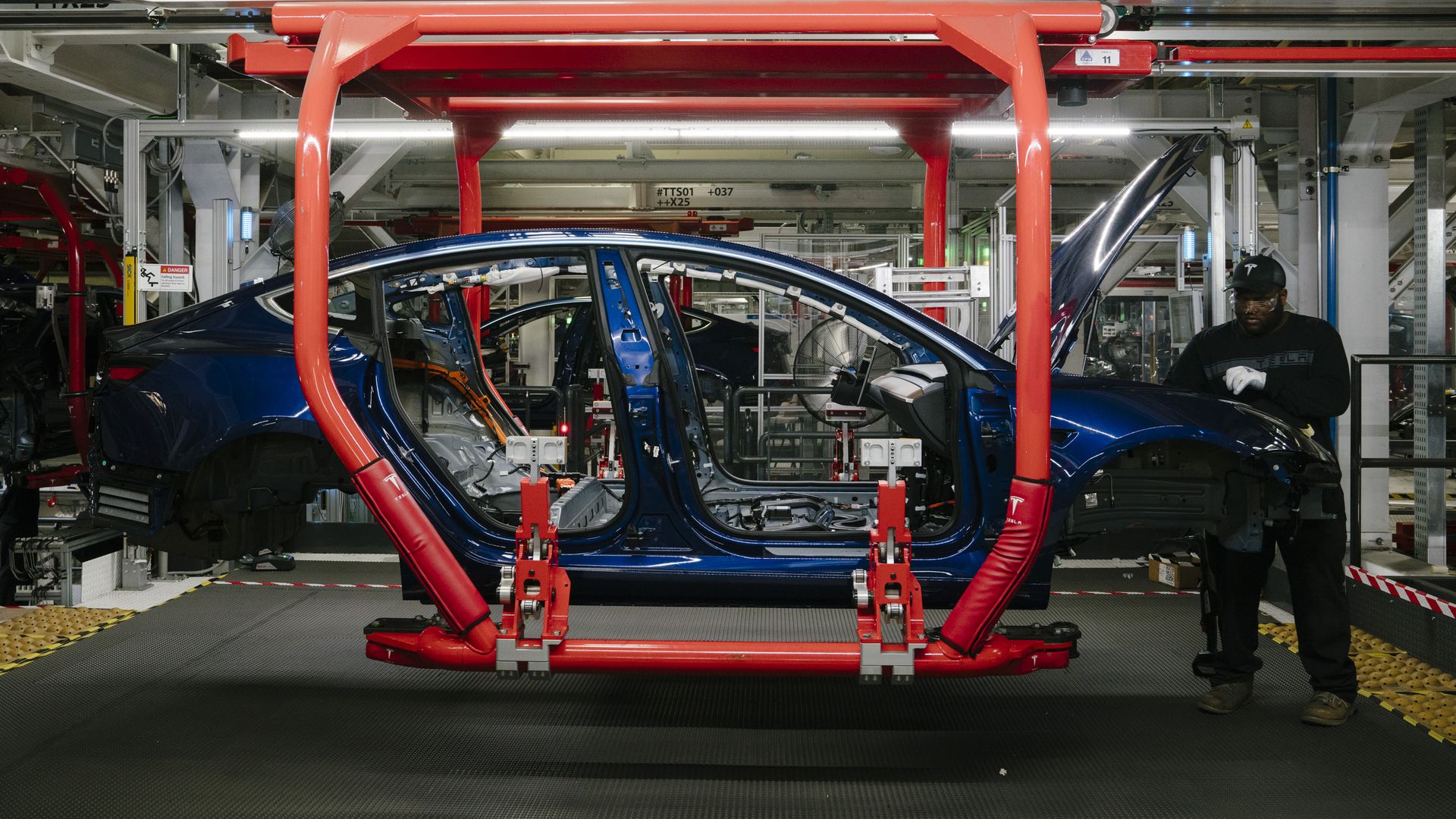
Tesla has a $920 million debt coming due March 1 from bonds issued in 2014, which can be paid if the electric automaker uses a mix of cash and stock — but that would require Tesla shares to jump about 21% from their current level, Bloomberg reports.
The big picture: Tesla's stock is known for wild fluctuations — Saudi Arabia hedged its significant stake this week — so Bloomberg notes that it's conceivable that it could hit the 21% milestone over the short time frame. And CEO Elon Musk is set to report the company's fourth-quarter warnings on Wednesday, which could be the spark it needs.
Editor's Note:This story has been corrected to note that $920 million is due. The original story said $920 billion. Axios regrets the error.
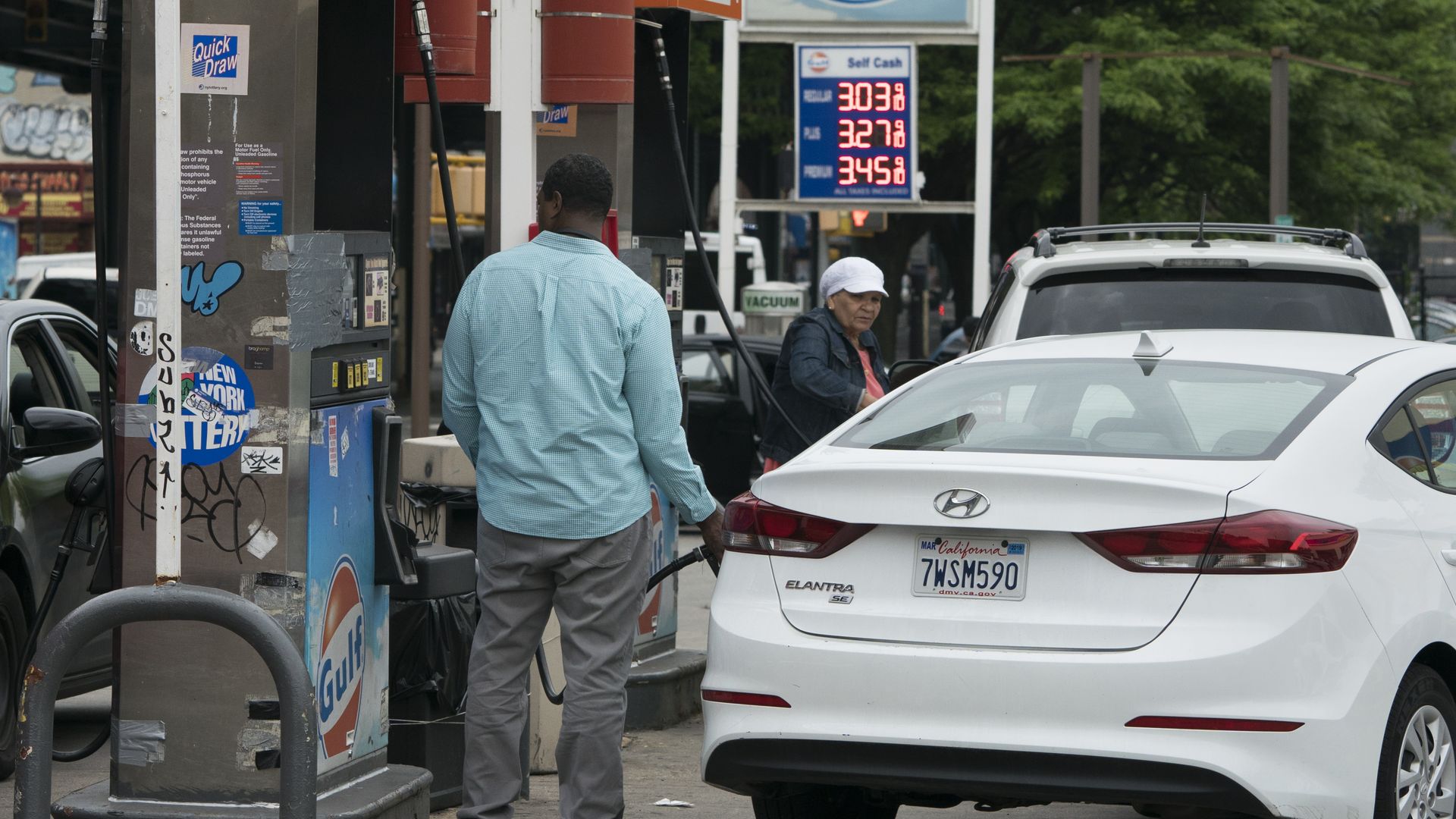
A new Morningstar report says that the rise of autonomous and electric vehicles may steeply cut U.S. gasoline demand in coming decades.
Why it matters: The report adds to analysts' efforts to game out how interlocking changes in mobility will affect fuel demand and, by extension, greenhouse gas emissions.
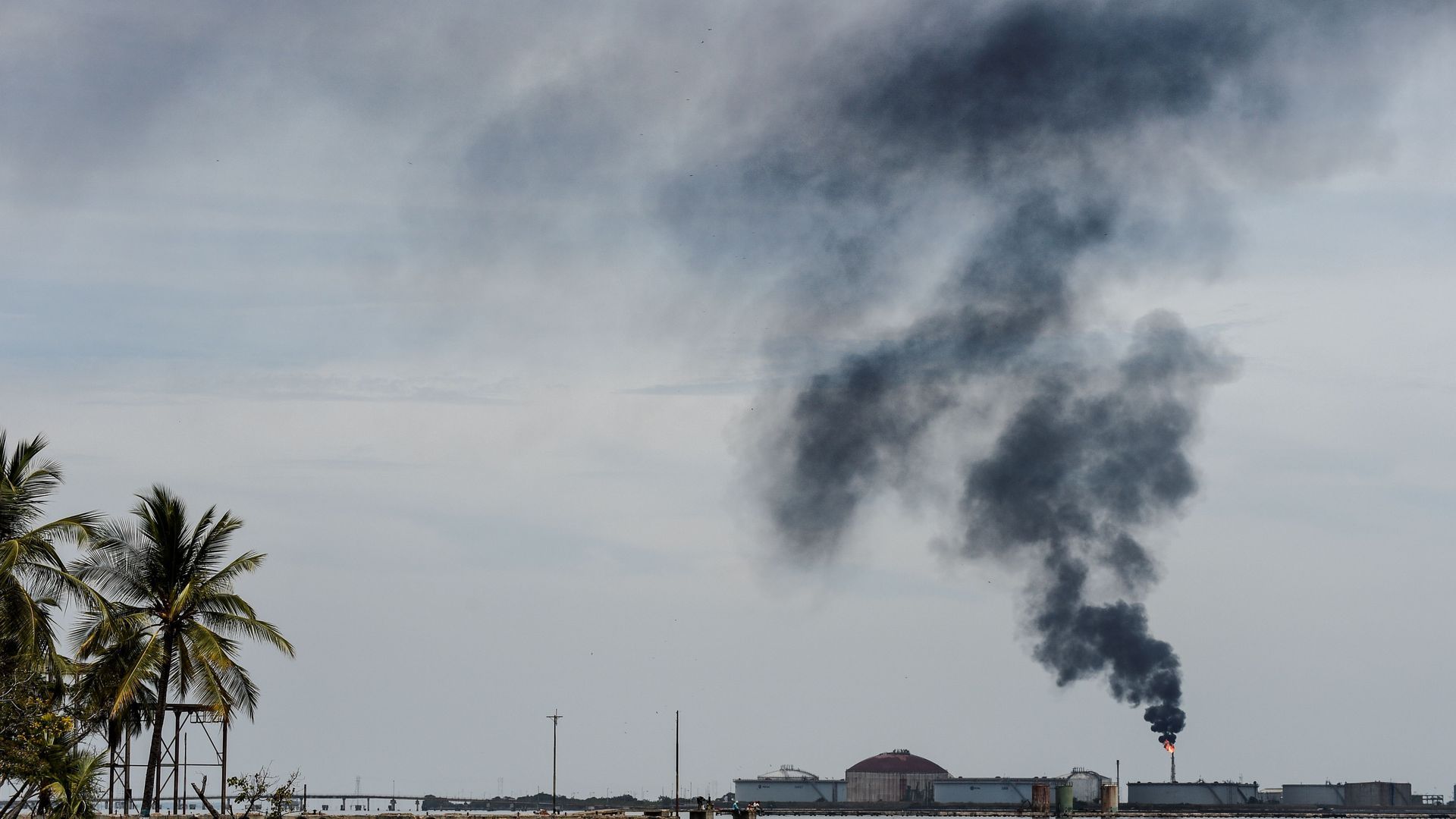
The stocks of refiners Valero and Chevron, two big buyers of Venezuelan crude, barely moved after the White House rolled out major sanctions against the country's state oil company PDVSA.
Why it matters: The muted response signals how the new sanctions, while a major escalation, aren't going to upend refining markets or spike prices for now.
Many regions facing the biggest economic threats from global warming voted for President Trump and GOP candidates in the 2018 midterms, new analysis released via the Brookings Institution shows.
Data: Brookings Institution and Climate Impact Lab; Chart: Chris Canipe/Axios
California’s largest utility PG&E filed for Chapter 11 bankruptcy protection Tuesday, expecting to face liability costs from its potential role in deadly wildfires across the state. The filing marks a significant milestone for corporations being forced to reckon with the consequences of climate change.
The backdrop: The company said it planned to file for bankruptcy protection earlier this month. Over the last few weeks, it maintained that the filing was necessary despite being cleared of fault for the 2017 Tubbs wildfire, which would lower potential liability costs. It also faced threats of a proxy battle from major shareholder BlueMountain Capital Management and a $4 billion proposal from a consortium of investors to help the company remain solvent. PG&E asked the court for access to the $5 billion debtor-in-possession financing to keep up services throughout the bankruptcy process.
"In the beautiful Midwest, windchill temperatures are reaching minus 60 degrees, the coldest ever recorded. In coming days, expected to get even colder. People can’t last outside even for minutes. What the hell is going on with Global Waming? [sic] Please come back fast, we need you!"
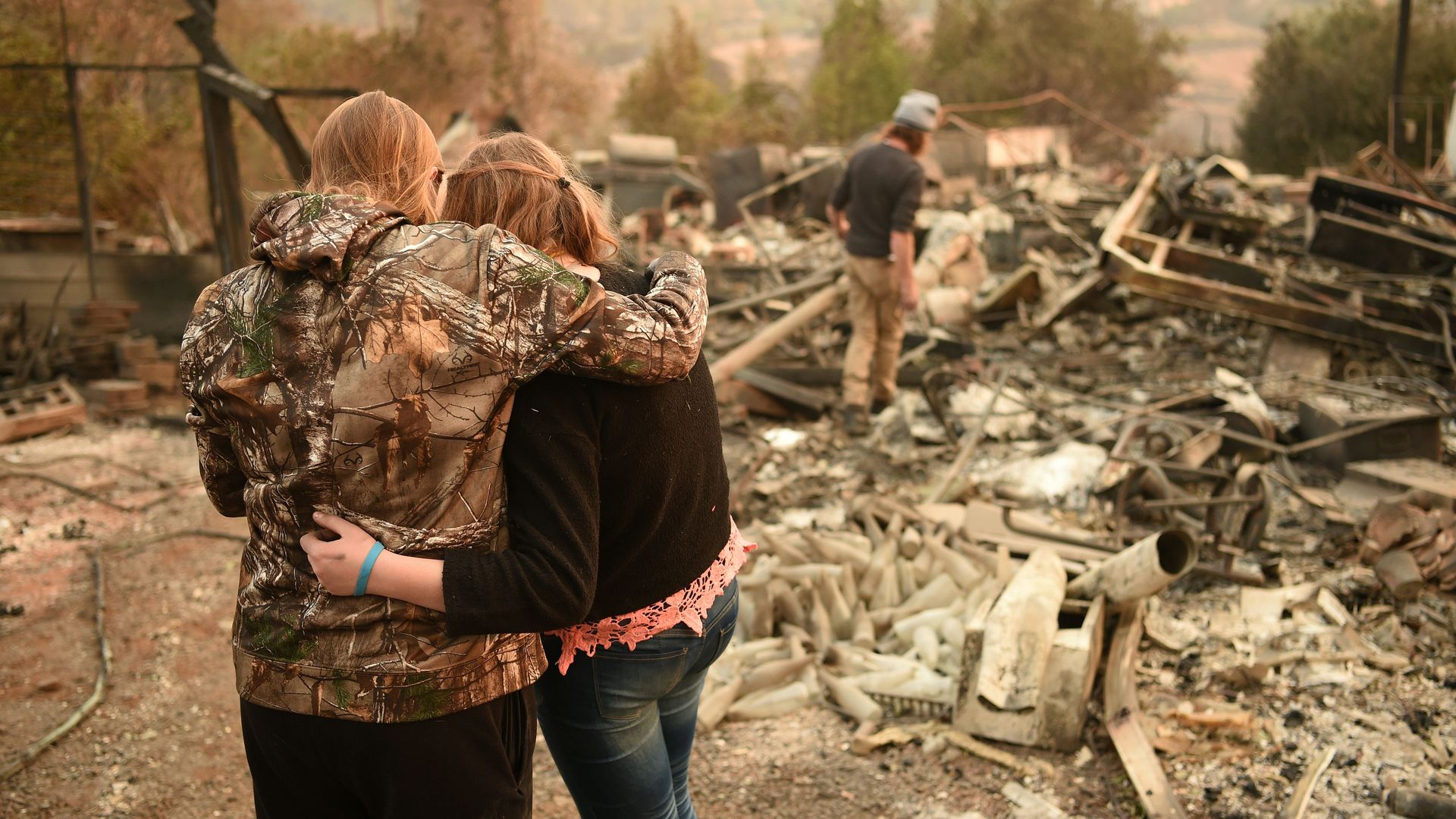
California residents who were affected by the catastrophic and deadly wildfires last year have filed insurance claims totaling $11.4 billion, according to new estimates released Monday by Insurance Commissioner Ricardo Lara.
Details: Claims from the Camp Fire, the state's deadliest wildfire on record that killed 86 people and nearly 14,000 homes in the northern California, total more than $8 billion. The remaining $3 billion in damages are from two wildfires in Southern California. The figures come as Pacific Gas & Electric Corp., the state's largest utility, is expected to file for bankruptcy protection as soon as Tuesday, per the AP.
The coldest air in decades is infiltrating the Upper Midwest and at least 88 million people will see temperatures dip below 0°F by the end of this week.
Driving the news: Wind chills in some spots, including much of Minnesota, Wisconsin, Iowa and parts of Illinois, will plummet into dangerous territory of minus 50°F to minus 65°F at the peak of the outbreak on Wednesday morning.
Saudi Arabia's Public Investment Fund hedged the majority of its 4.9% stake in Tesla on Jan. 17, taking out other positions to protect itself from fluctuations in the electric automaker's stock, the Financial Times reports.
The backdrop: Tesla CEO Elon Musk settled fraud charges last year — coughing up $10 million to the SEC and losing his position as Tesla's chairman for at least 2 years — over his tweeted claim that he had secured funding to take the company private, which occurred just after news broke that Saudi Arabia had acquired its stake.
The Energy Information Administration's latest set of long-term projections is kind of a sad trombone when it comes to the growth of electric vehicles in the U.S.
Where it stands: The "reference case" in the EIA's Annual Energy Outlook 2019 projects that EVs will grow but internal combustion engines will remain "dominant" through at least mid-century.
China's largest ride-hailing startup Didi Chuxing announced Monday that it will form a joint venture with automotive giant BAIC to deepen its focus on electric vehicles, TechCrunch and others report.
Why it matters: China is the world's largest auto market and already has the largest number of EVs, too.
Democrats who want to tackle climate change are about to face the biggest challenge with sweeping policies: They're much more likely to pass if they get support from both sides of the political aisle.
Why it matters: No matter how far-fetched it seems after the government shutdown, the fact remains that policy endures better with bipartisan support, political scientists and past precedent suggest. This is particularly relevant in trying to solve a problem as enormous as climate change and with progressive Democrats rallying around a Green New Deal that calls for massive economic transformation.









/2019/01/25/1548450399138.gif?w=3840)